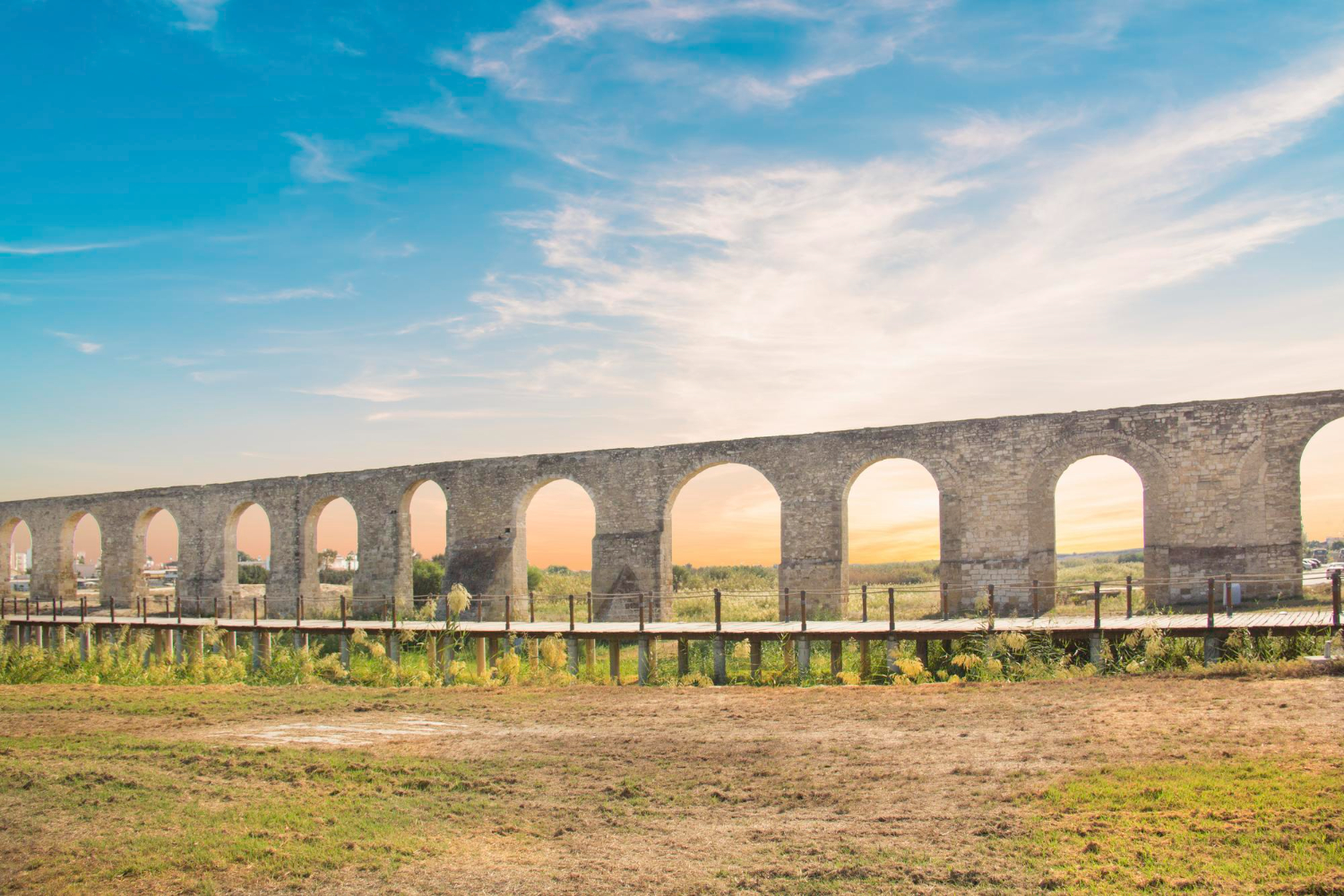
An aqueduct is mostly invisible. The famous arched bridges are the short sections where a valley had to be crossed; the great majority of any system ran underground or along a hillside. Here are fifteen worth seeing.
1. The Nimes Aqueduct Channel, France
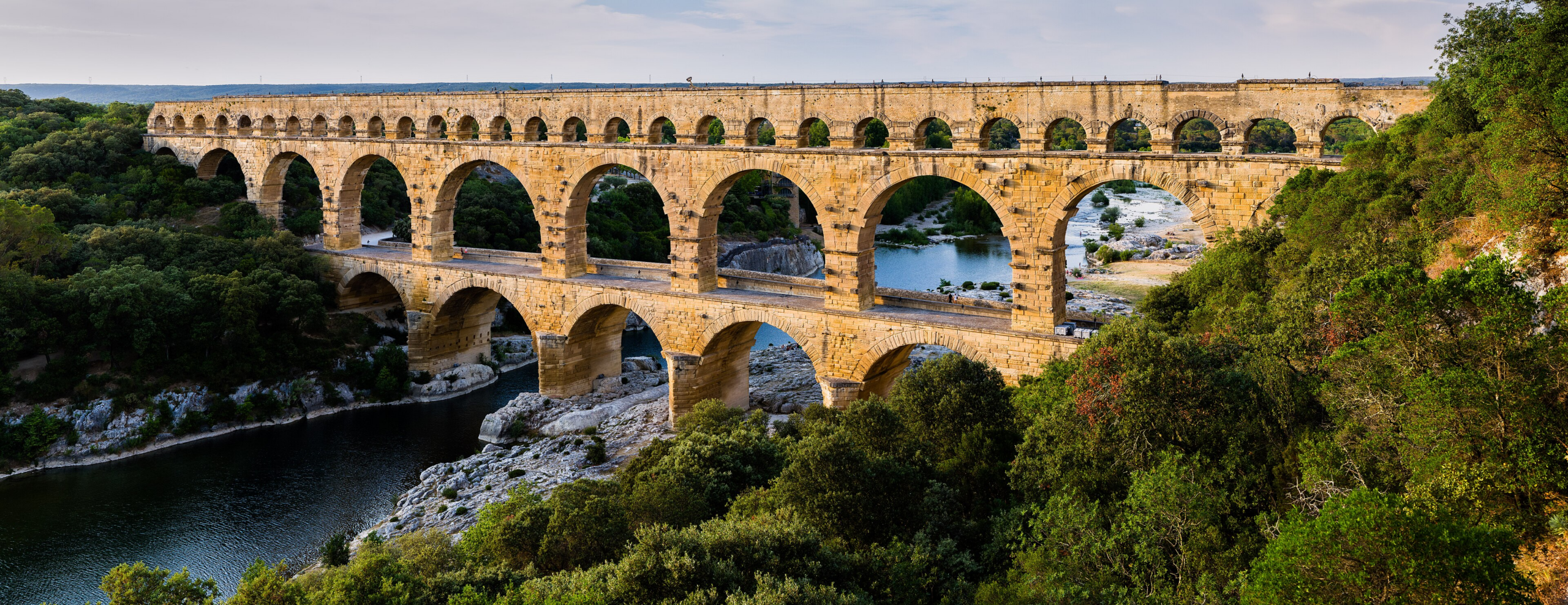
The southern French system that fed a Roman city ran roughly 50 kilometres from its spring, and long stretches of the buried channel survive alongside the famous river crossing.
Its average gradient over that distance is so shallow it is difficult to credit, which is the actual engineering achievement. The Nimes channel is the aqueduct whose invisible sections mattered more than its visible one.
Like our content? Follow us for more.
2. Segovia Aqueduct, Spain
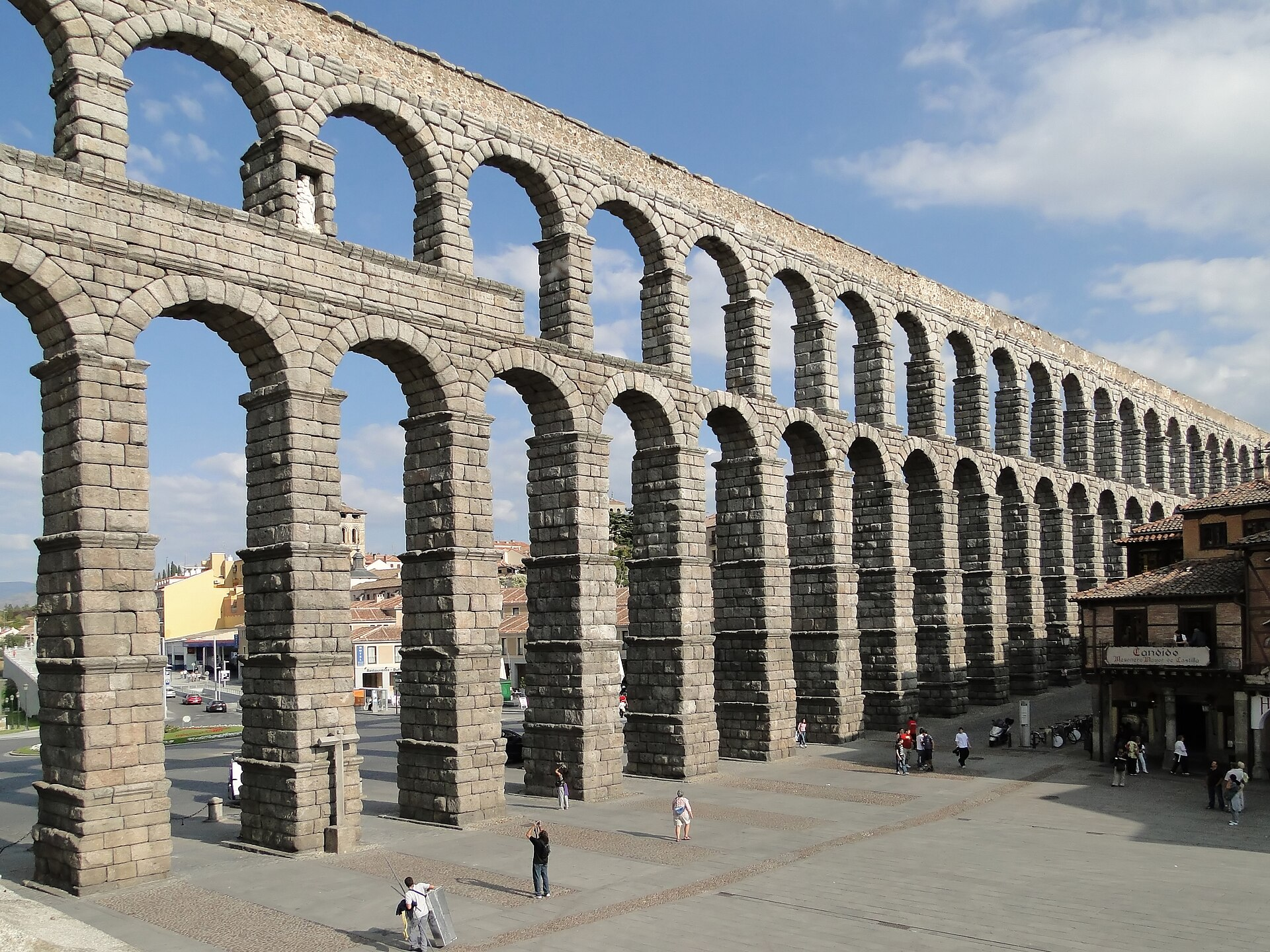
A double tier of granite arches running through the centre of a modern city, built dry without mortar and standing on the precision of the stonework alone.
Traffic and pedestrians pass beneath it daily, which makes the scale immediate in a way an isolated ruin cannot. Segovia is the aqueduct that a city simply built itself around.
3. Aqueduct of the Miracles, Merida, Spain
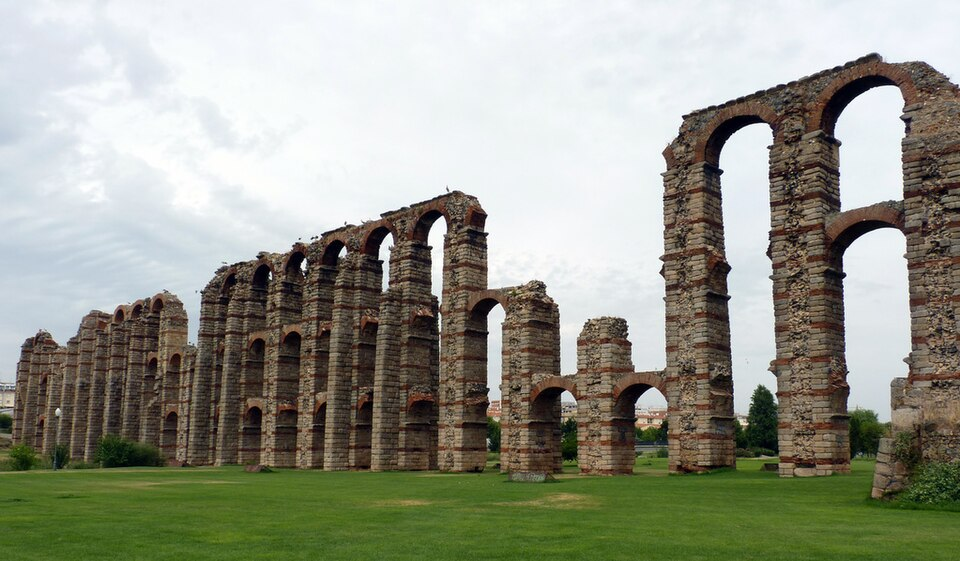
Tall brick and granite piers striped in alternating materials, standing across a valley on the edge of a Roman colonial city.
Storks nest on the surviving piers, which has become part of the site. Merida is the aqueduct where the striped stonework is the identifying feature.
4. Valens Aqueduct, Istanbul, Turkey
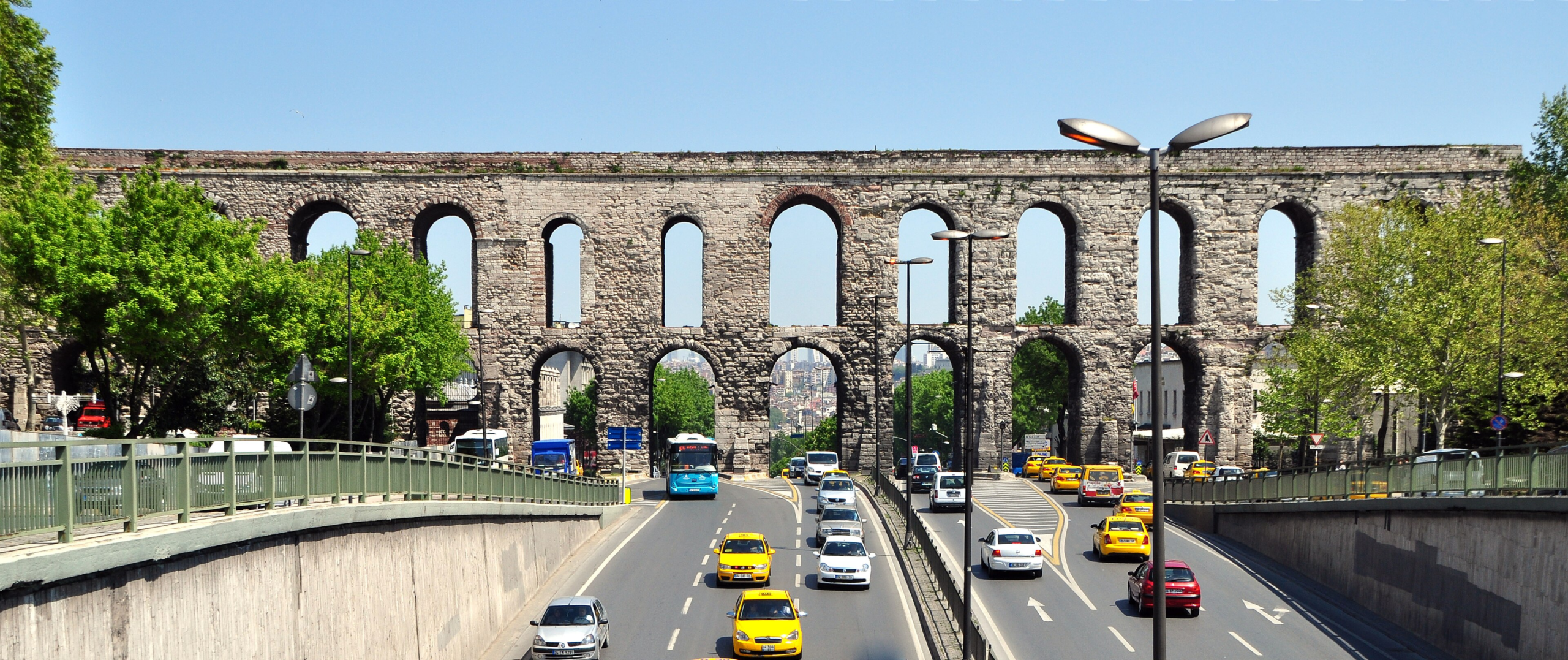
A late Roman aqueduct running through the middle of the city, part of a system that supplied a capital across enormous distances.
A major road now passes beneath its arches. The Valens aqueduct is the one carrying traffic between its piers rather than water above them.
5. Aqua Claudia and the Roman Campagna, Italy
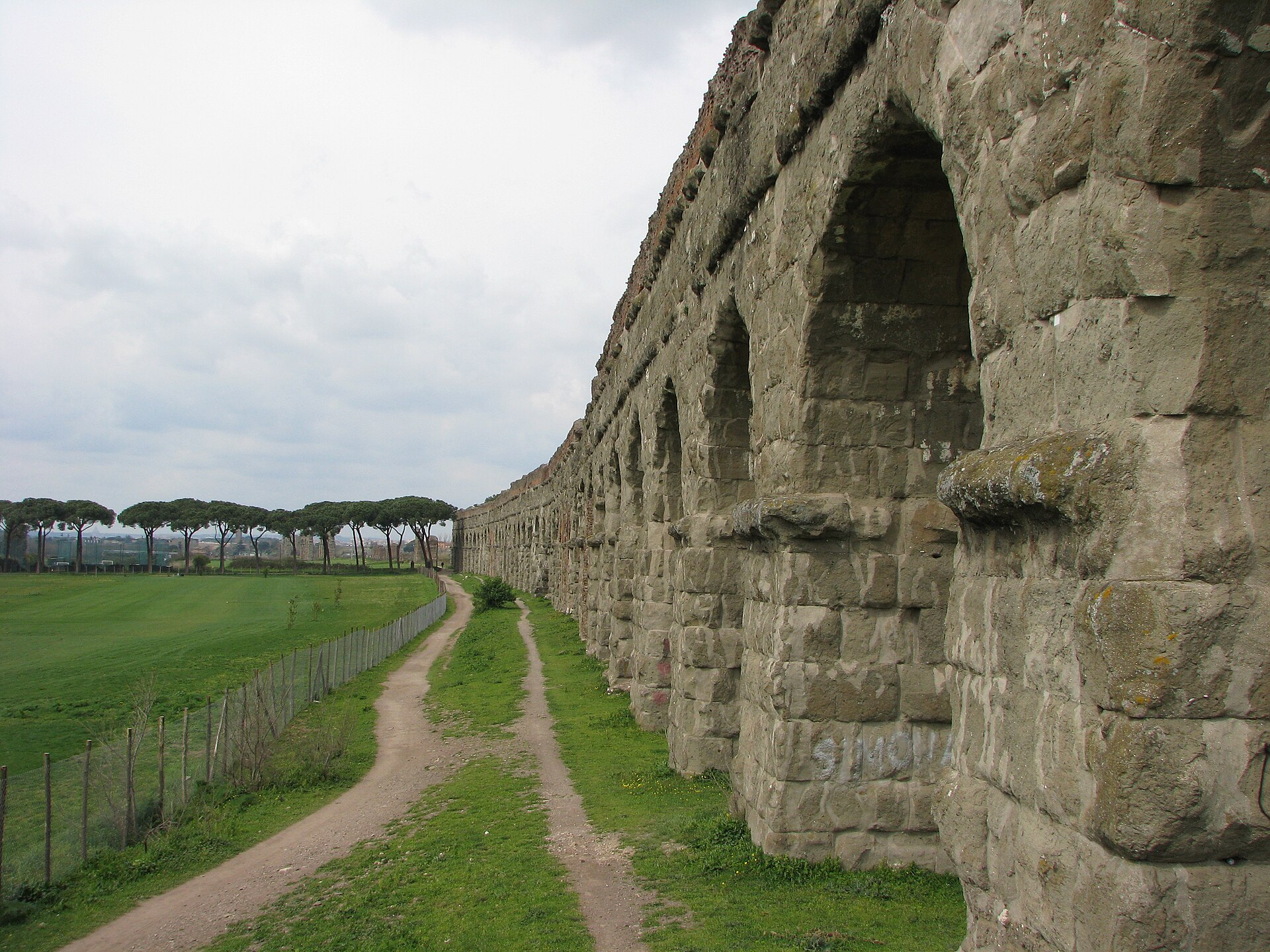
Ruined arches march across the countryside outside Rome in a park where several aqueduct lines converge.
Walking among them shows what a supply network rather than a single structure looks like. The Campagna aqueducts are where you can see several systems at once.
6. Caesarea and the Coastal Aqueducts, Israel
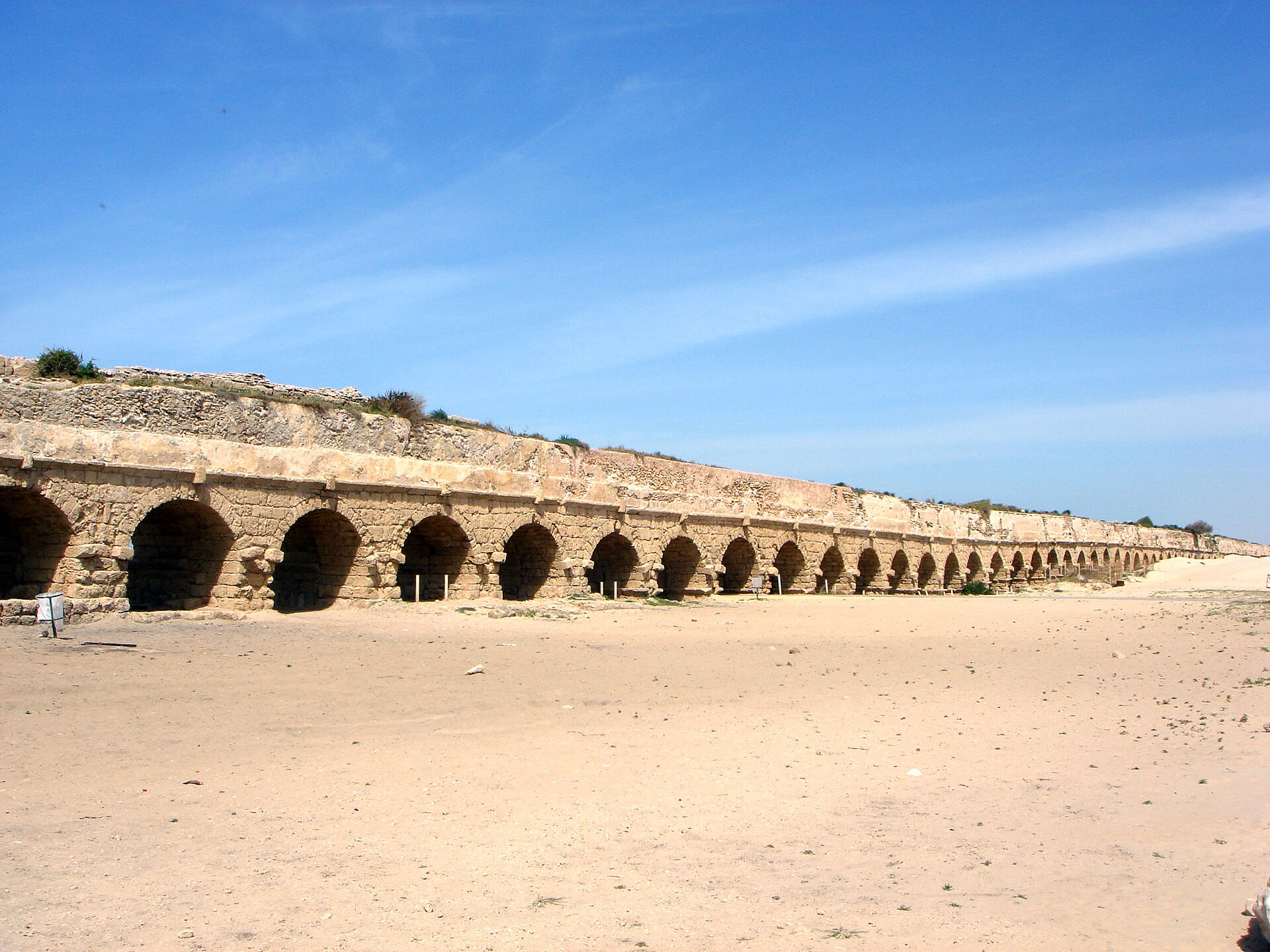
A low arched aqueduct runs along a Mediterranean beach, half buried in sand, having supplied a Roman port city.
Its position directly on the shore is unusual and makes it unusually accessible. Caesarea is the aqueduct you can walk beside on a beach.
7. Aqueduct of Kavala, Greece
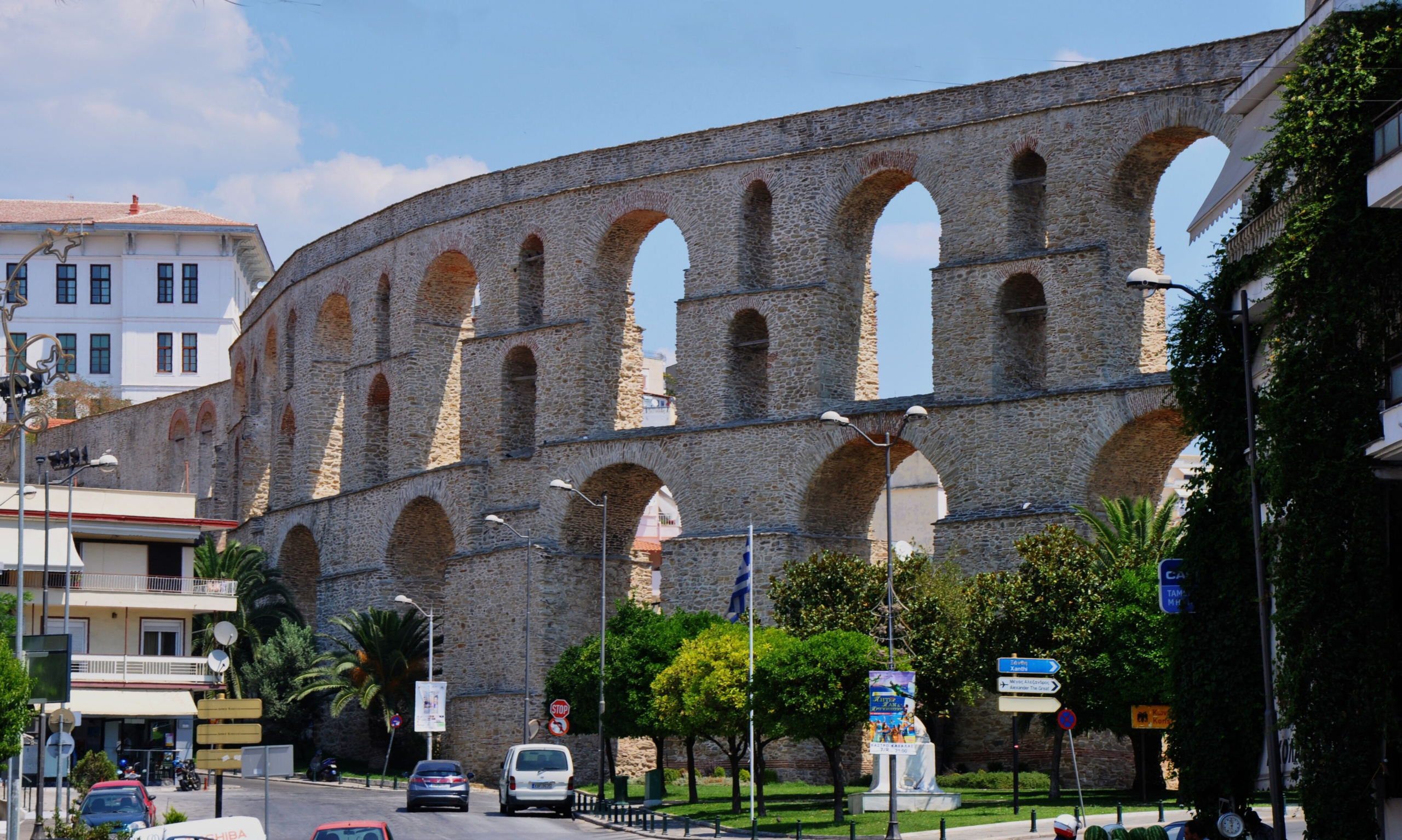
A tall arched structure crossing the middle of a Greek town, generally dated to the Ottoman period though built on much older foundations.
It demonstrates that the technology continued long after Rome. Kavala is the aqueduct showing the form outliving the empire that made it famous.
8. The Qanats of Iran
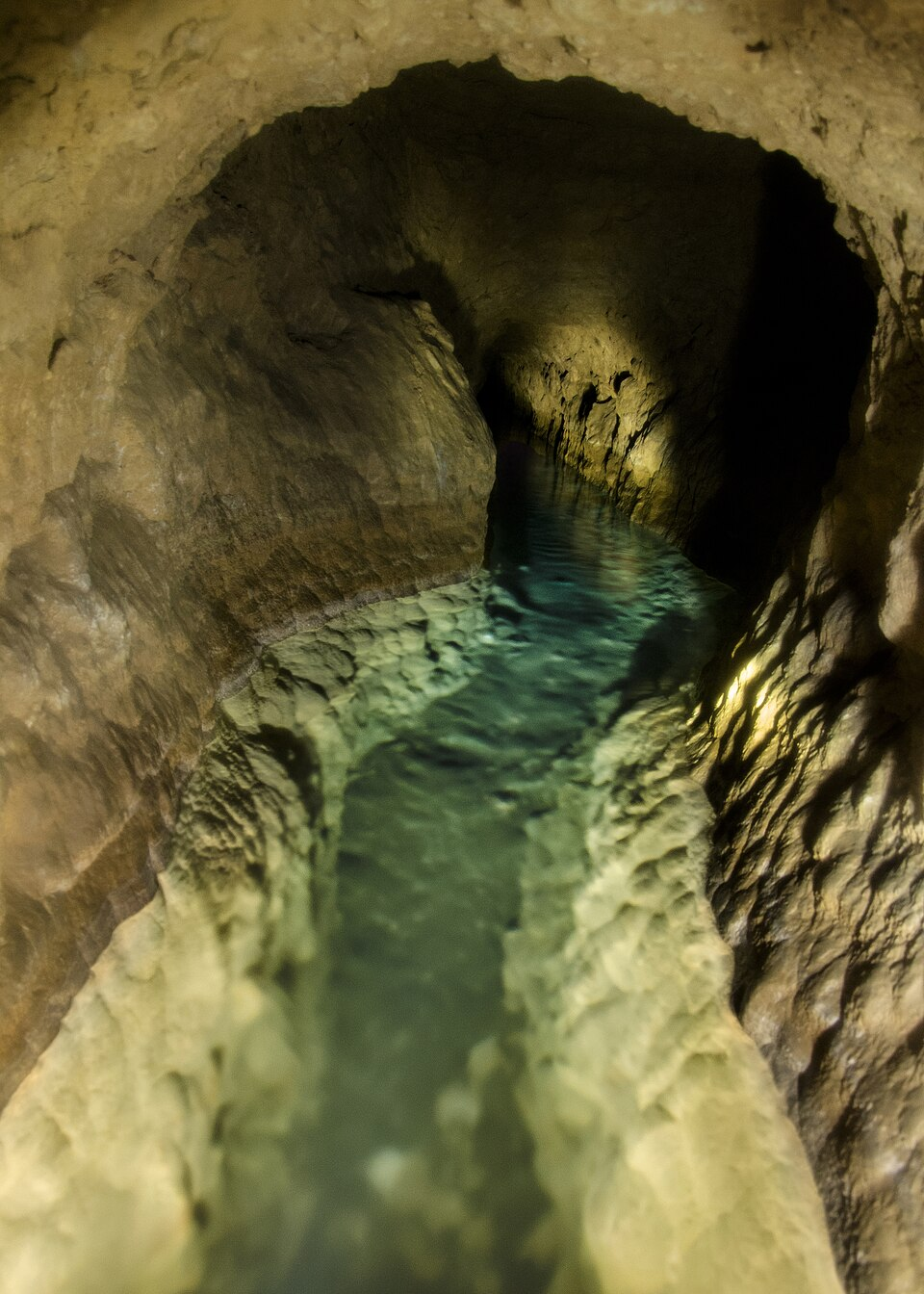
Underground channels dug for many kilometres from a mountain aquifer to a settlement, with vertical shafts at intervals for construction and maintenance.
The system is thousands of years old, still in use in places, and recognised as a World Heritage achievement. The qanats are the aqueducts that solved the problem entirely underground.
9. Hezekiah Tunnel, Jerusalem
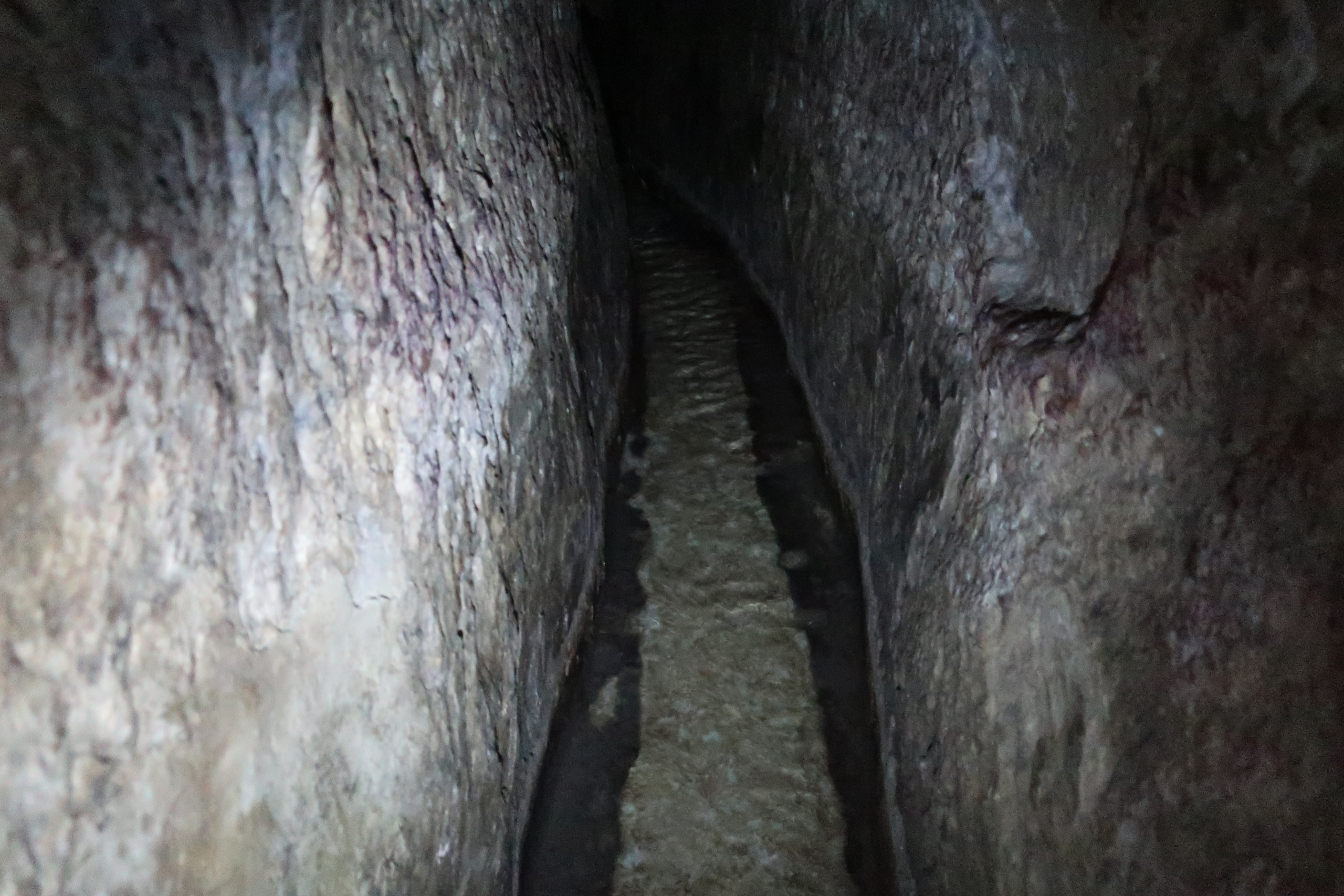
A tunnel cut through rock to bring spring water inside a city wall, driven from both ends by teams who met in the middle.
Visitors can wade through its length, which remains partly water-filled. The Jerusalem tunnel is the water system you experience by walking through the water.
10. Aqueduct of Nazca and the Puquios, Peru
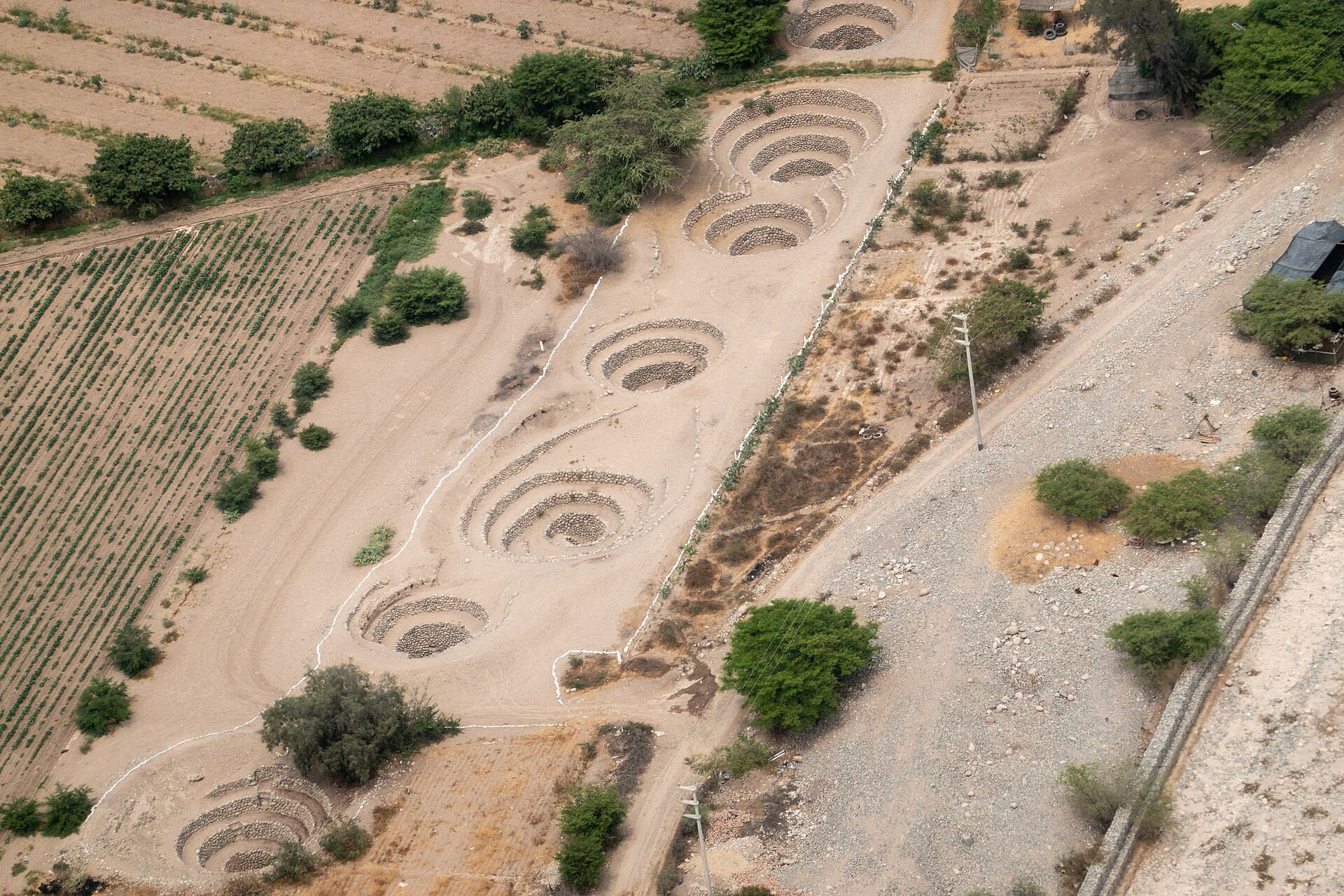
Spiral stone-lined shafts descend into underground channels in one of the driest places on earth, allowing access for cleaning and maintenance.
Several still function, and their dating and construction remain subjects of research. The puquios are the water system where the access shafts are the visible landmark.
11. The Aqueduct of Tomar and the Portuguese Systems
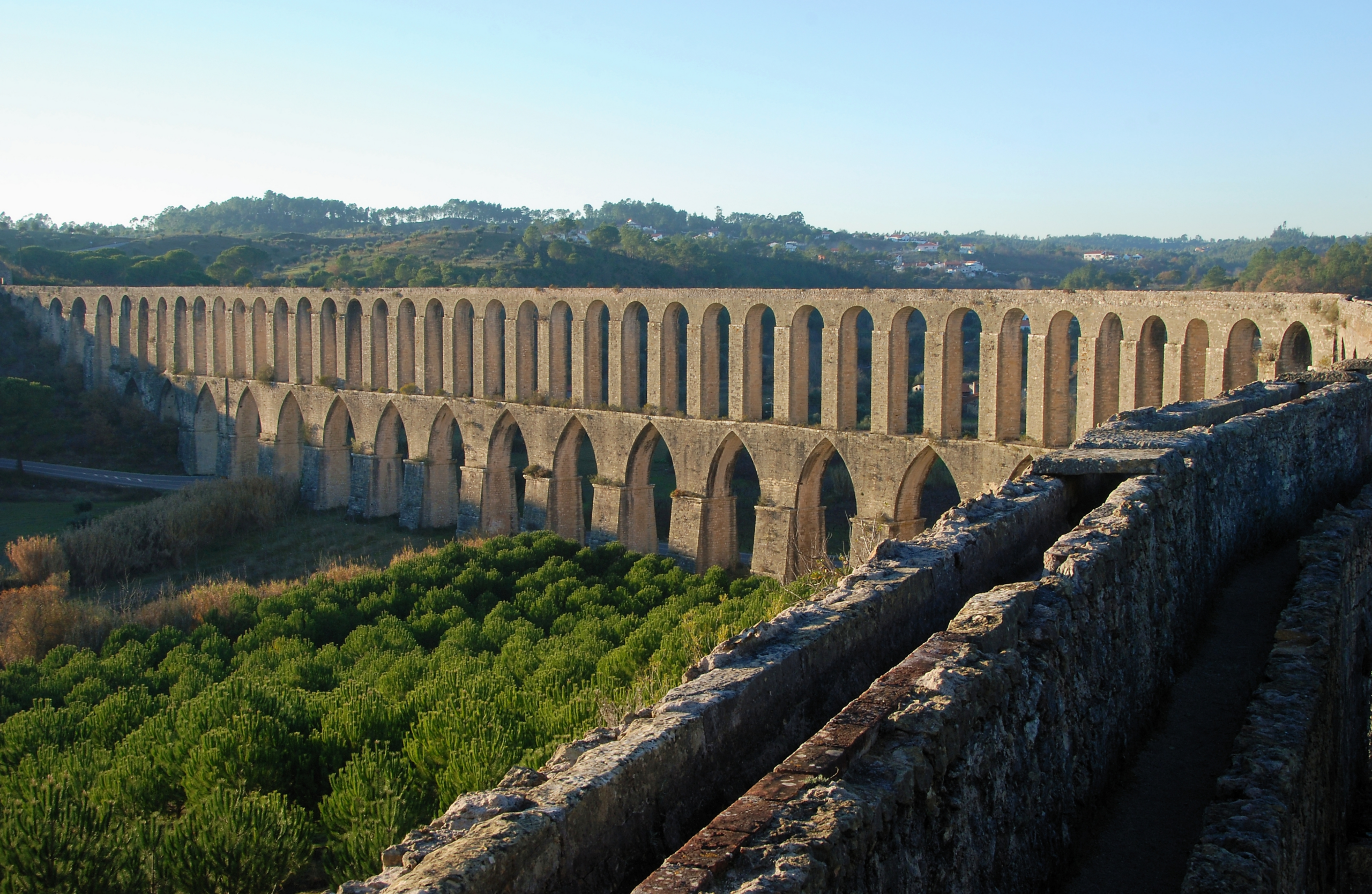
A long arched aqueduct in central Portugal, part of a network of early modern systems built on Roman principles.
Portugal also retains a very large aqueduct supplying its capital, sections of which can be walked. These are the aqueducts showing the technology in continuous use into the modern era.
12. Roman Aqueducts of Tunisia
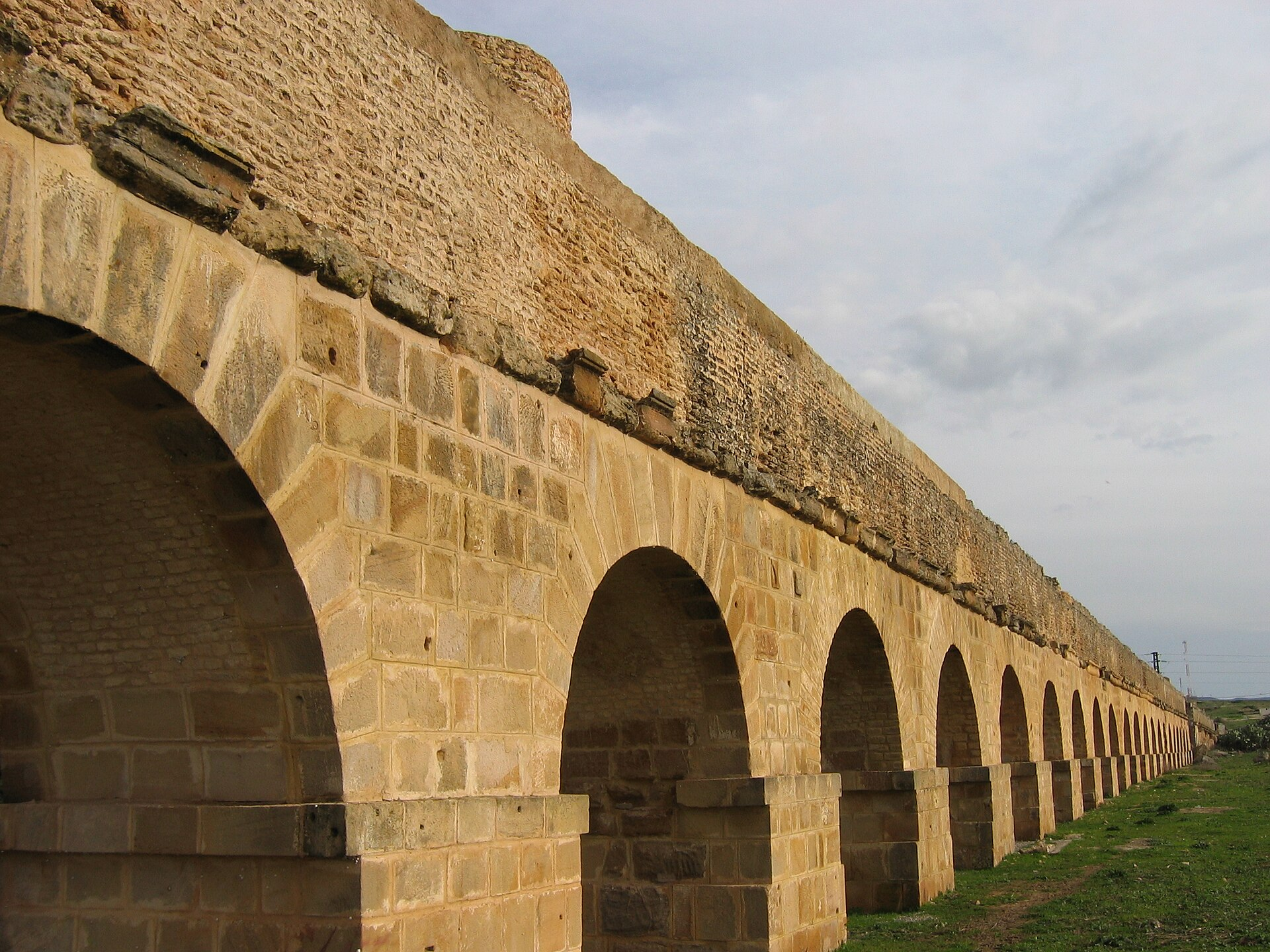
A long line of arches crosses the countryside as part of a system that supplied a major North African city across a substantial distance.
The scale of the surviving stretch is difficult to appreciate from photographs. The Tunisian aqueduct is among the longest surviving ancient water lines anywhere.
14. Aqueduct Park Walks, Britain
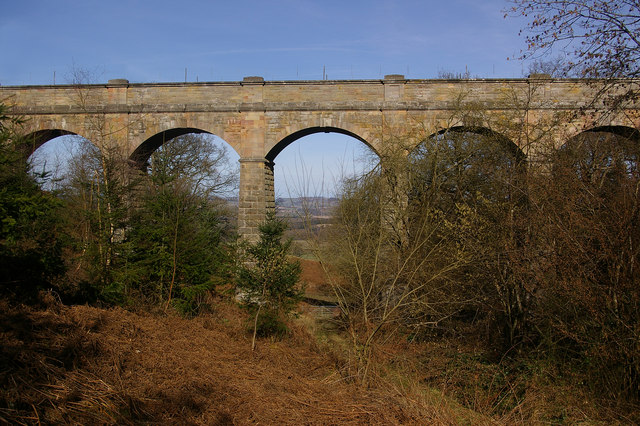
Roman water systems in Britain survive mostly as earthworks and buried channels rather than as arches, traceable across fields as shallow depressions.
They are unspectacular and they are the more typical form of what an aqueduct actually was. The British examples are the aqueducts that show the ordinary version.
15. The Aqueduct of Sextus Julius Frontinus, Rome
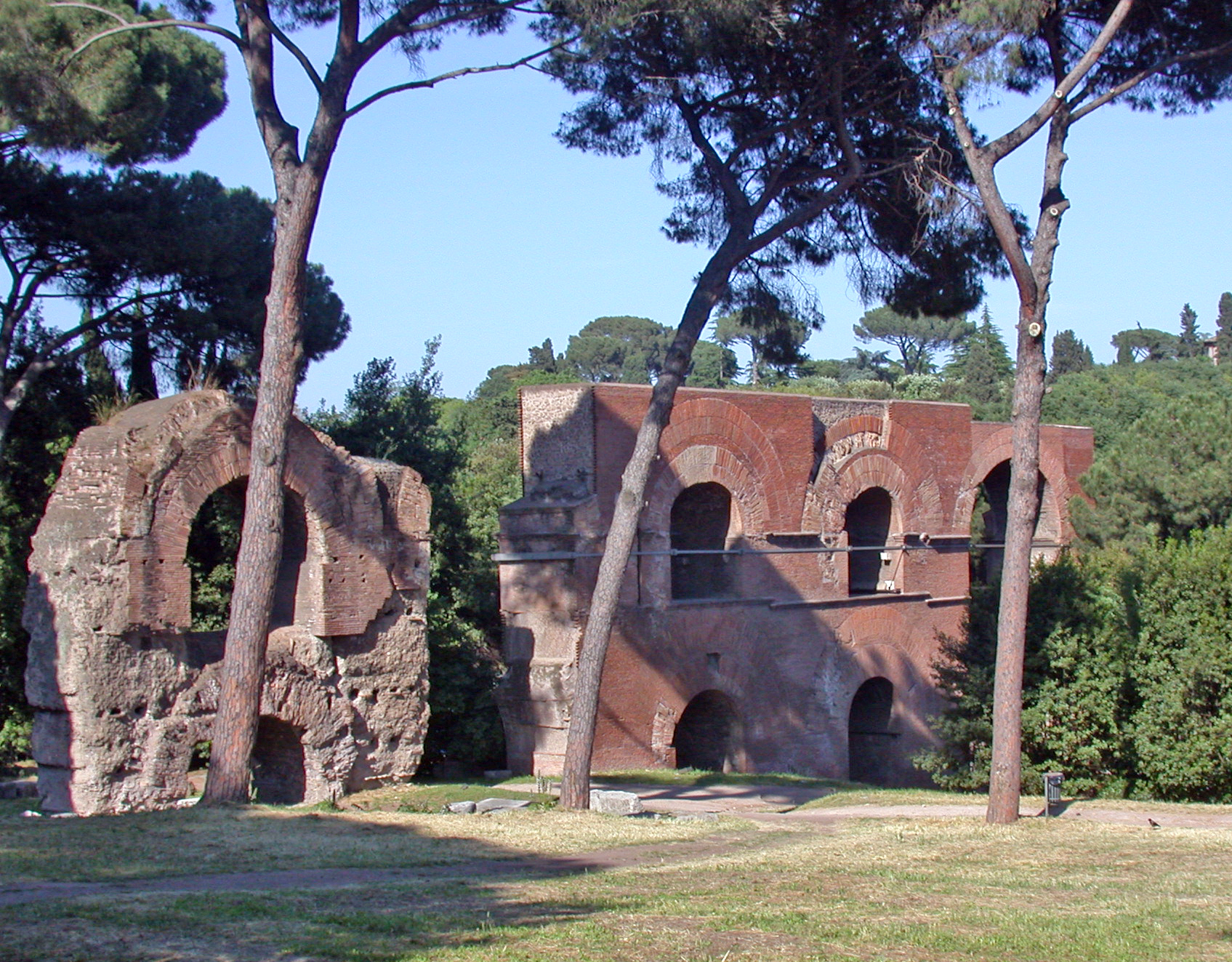
Frontinus, appointed to run the water supply, wrote a detailed account of the system, its capacity, its maintenance and the theft of water from it.
That document is one of the best surviving descriptions of ancient infrastructure administration. Frontinus left the aqueduct system its own operating manual.
Falling Water, Very Slowly
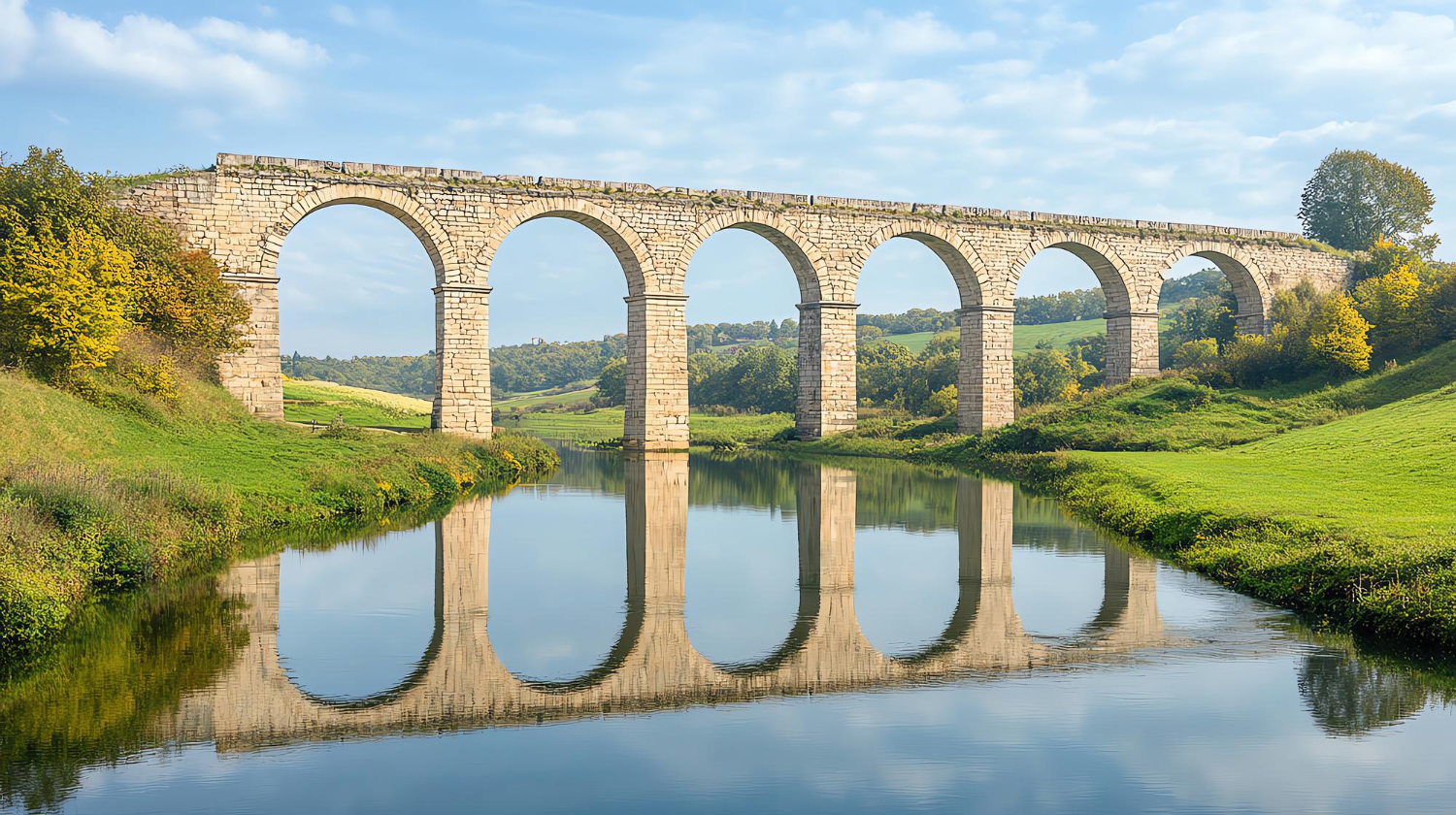
Every system here works on the same principle: a continuous, extremely shallow fall from source to city, maintained across whatever the terrain does. The arches exist only where the ground refused to cooperate.
Practical notes: several of these are open sites with no facilities and little shade, some require booking or a guide, tunnel and underground sections can involve water and low headroom and are not suitable for everyone, and access to a few varies with current conditions. Check before travelling and follow whatever local guidance is posted. Then look for the channel rather than the arches, because that is the actual engineering.
Like our content? Follow us for more.