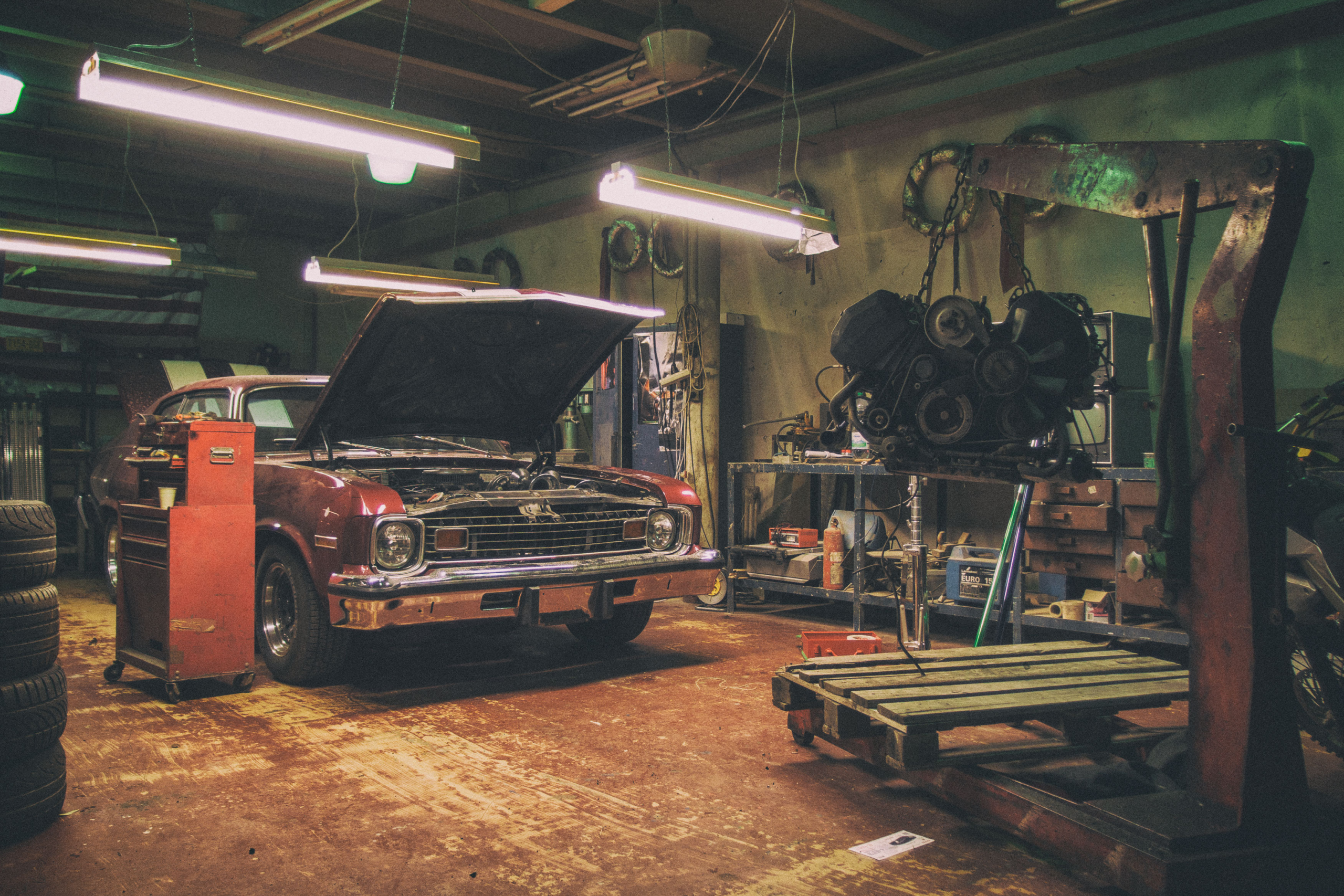
For a certain generation, the garage was the beating heart of the American home: part workshop, part storage, part sanctuary, filled with the smells of motor oil and sawdust. In 1982, it held everything a self-reliant family needed to fix the car, tackle a home project, or wage war on weeds and pests. Looking back, though, a remarkable share of those garage staples have since been banned, reformulated, or flagged as hazards we now take seriously. Here is a nostalgic inventory of what filled the American garage in 1982, and the often surprising reasons so much of it would never pass today.
Leaded Gasoline in the Spare Can

In 1982, the red gas can in the corner of the garage very likely held leaded gasoline, the standard fuel for decades. It powered the family car, the lawnmower, and countless small engines without a second thought.
We now understand that leaded gasoline released toxic lead into the air, contributing to serious health and environmental harm. The United States phased out leaded gas for road vehicles over the following years, completing the transition by the mid-1990s. The everyday fuel that once filled every garage gas can is now banned for cars, a major public-health victory that reshaped the air we breathe.
Like our content? Follow us for more.
Asbestos-Containing Products
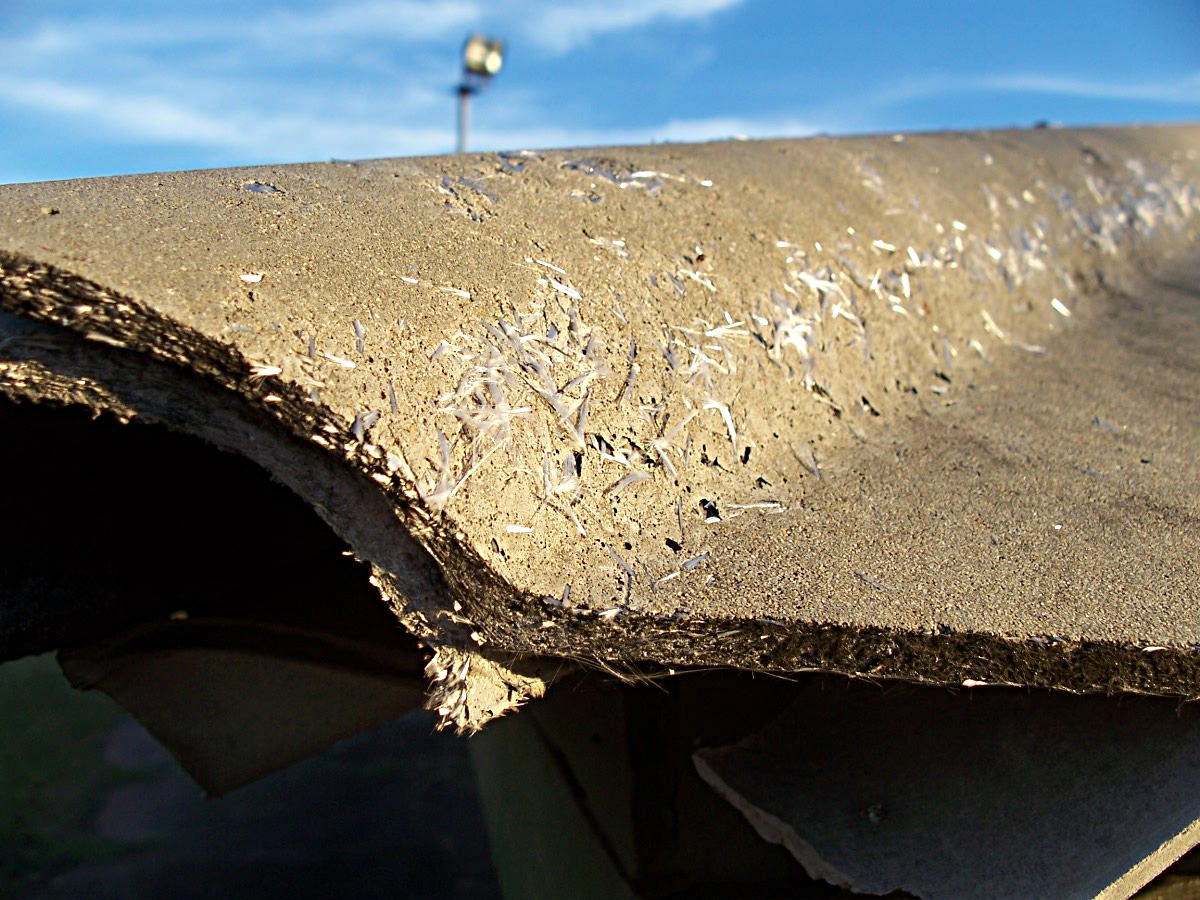
The garage of 1982 was full of materials that may have contained asbestos, from certain brake pads and clutches to insulation, old floor tiles, and various building products. Asbestos was prized for its heat resistance and durability, and it was everywhere.
As the severe health risks of asbestos exposure became undeniable, its use was heavily restricted and largely phased out of consumer products. Many of the asbestos-containing items once common in garages and workshops are no longer made or sold. The shift represented a hard-won recognition of an invisible hazard hiding in ordinary materials.
DDT and Old Pesticides
Out on the garage shelf sat the pest and weed killers of the era, and some older products contained chemicals that have since been banned. The notorious pesticide DDT, though restricted in the U.S. earlier, symbolized a whole class of powerful chemical products whose dangers were later understood.
Over the years, regulators banned or tightly restricted numerous pesticides and herbicides once sold freely for home use, as research revealed risks to human health, wildlife, and the environment. The garden-chemical shelf of 1982 would look alarming to a modern eye, stocked with products that have since been pulled from the market entirely.
Harsh Solvents and Cleaners
The garage workbench came stocked with powerful solvents, degreasers, and cleaners, many containing chemicals later recognized as hazardous to breathe or handle. They cut through grease and grime with impressive force, and few people thought twice about the fumes.
Many of these formulations have since been reformulated or restricted as understanding of their health effects improved, and modern equivalents are designed to be safer to use. The casual approach to harsh chemicals, used in a closed garage with no ventilation or protection, reflects how much workplace and home-safety awareness has changed.
The Open Container of Mercury and Odd Chemicals
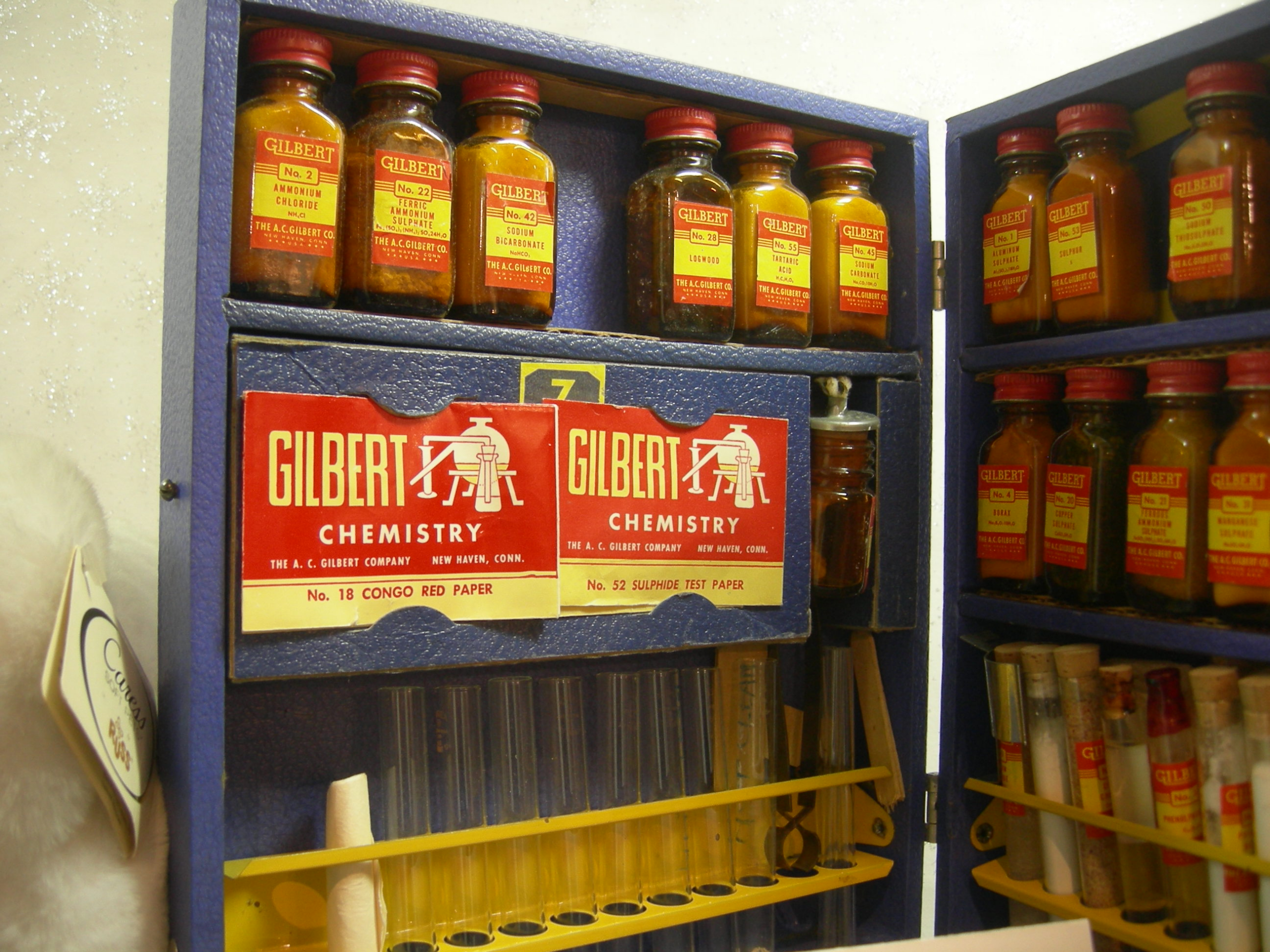
It was not unusual for a 1982 garage or basement to harbor genuinely strange and dangerous substances, from jars of old chemicals to, in some homes, small amounts of mercury saved from a broken thermometer or an old experiment. These curiosities lingered on shelves for years.
Today, such substances are recognized as hazardous waste requiring careful disposal, not garage clutter. The casual storage of toxic materials that was once common would now trigger a call to a hazardous-waste facility. It is a vivid reminder of how differently we treat dangerous substances now.
Power Tools Without Modern Safeguards
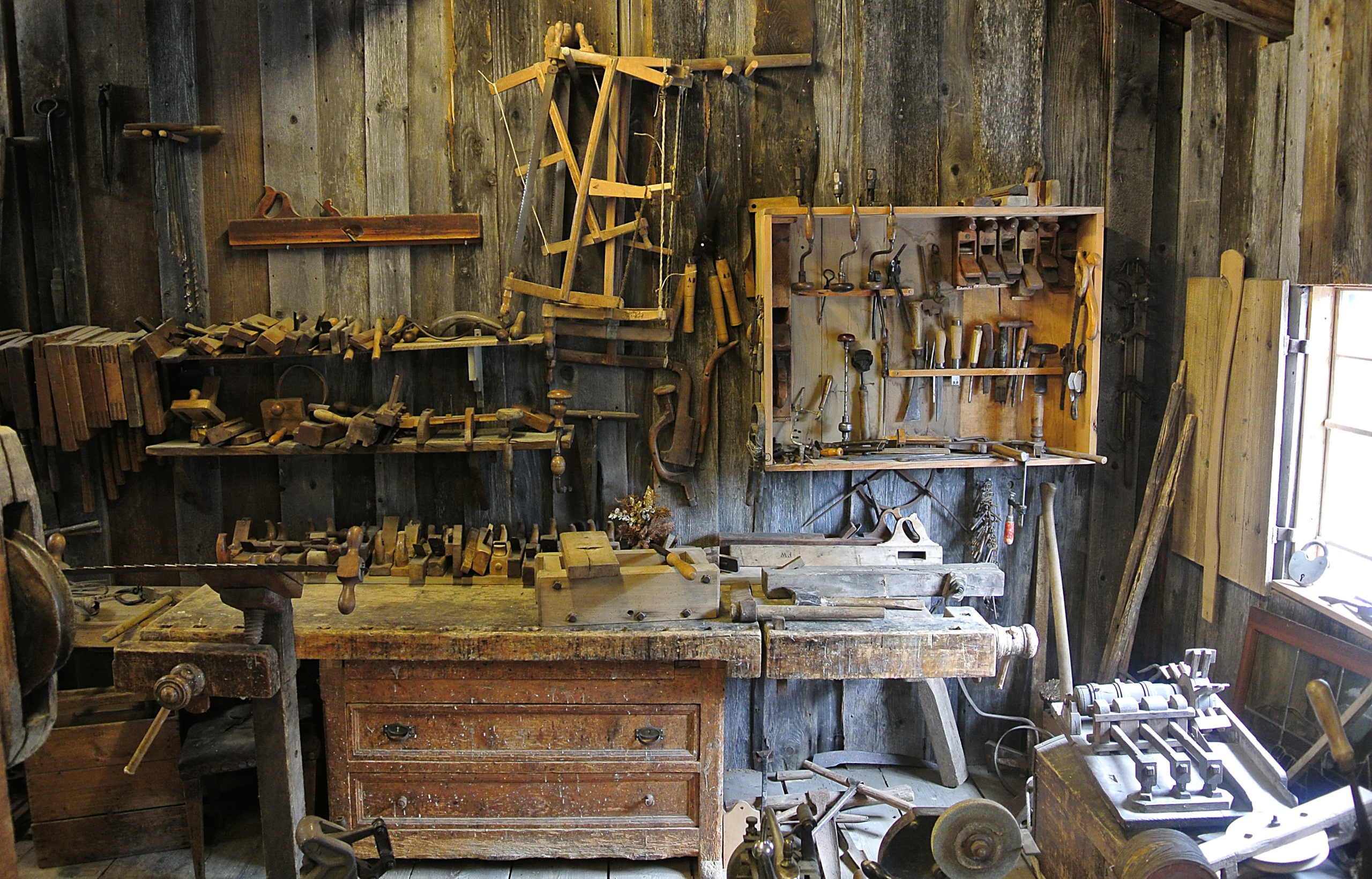
The power tools of 1982, the saws, drills, grinders, and sanders, were powerful and effective, but many lacked the safety features standard today. Blade guards, automatic brakes, and other protections were minimal or absent, and protective gear was often an afterthought.
Modern power tools incorporate a host of safety mechanisms designed to prevent the kinds of accidents that were once accepted risks of the trade. While the old tools were not banned, using them the way people did in 1982, without guards, goggles, or dust protection, would raise serious concerns today. Workshop safety has come a long way.
The Gear That’s Still Going Strong
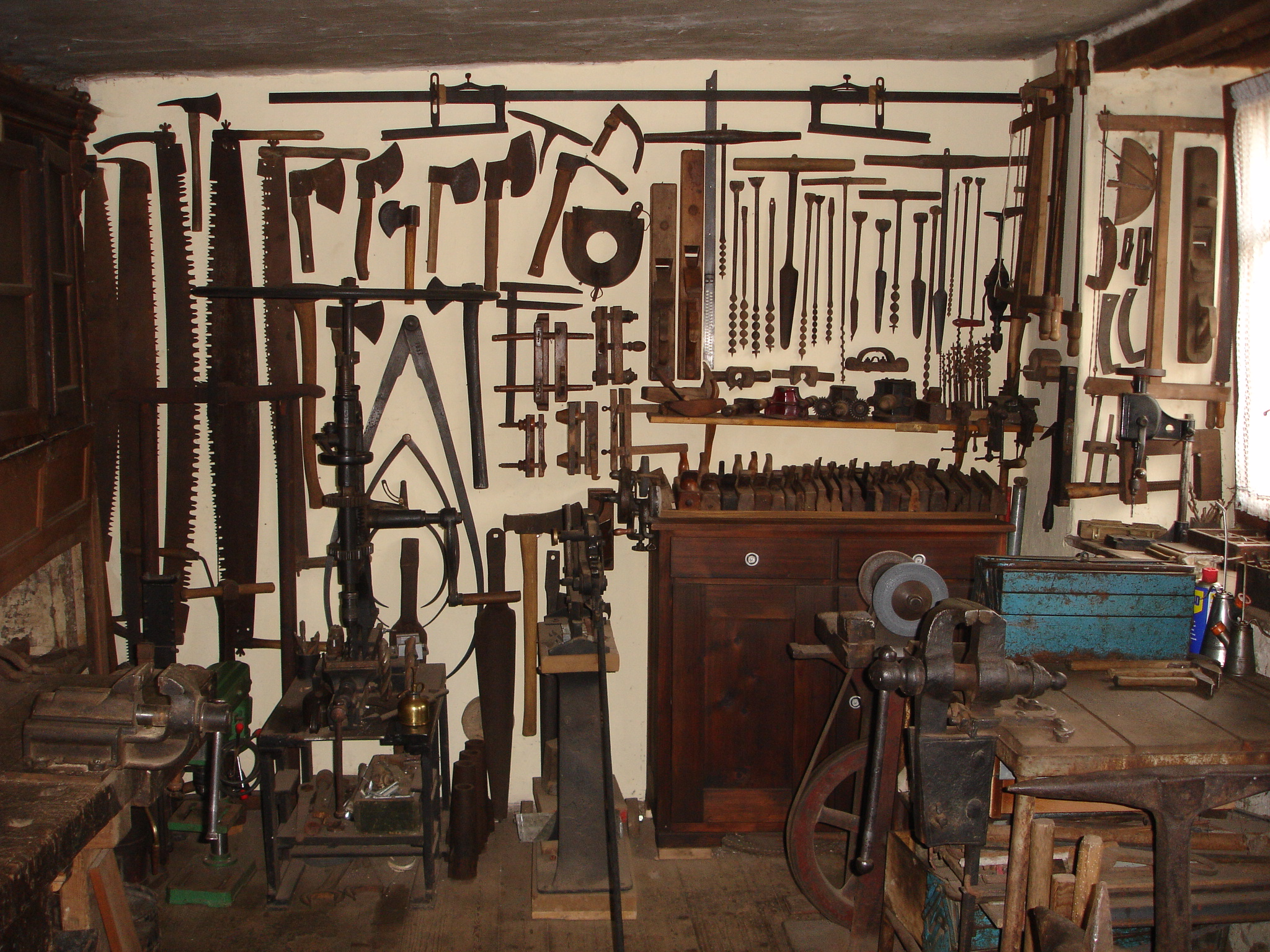
Plenty of the 1982 garage has aged just fine. Hand tools, the hammers, wrenches, screwdrivers, and pliers, are essentially unchanged and often still in use decades later, a sign of simple, durable design. Workbenches, vises, and countless basic supplies carry on exactly as they did.
These durable survivors highlight the real story of the garage: a mix of timeless, harmless gear and genuinely hazardous materials sitting side by side. The hand tools outlasted the leaded gas and the asbestos brakes, steadily doing their jobs while the dangerous stuff was banned around them. A good wrench, it turns out, never goes out of style.
The Workshop Culture That Came With It
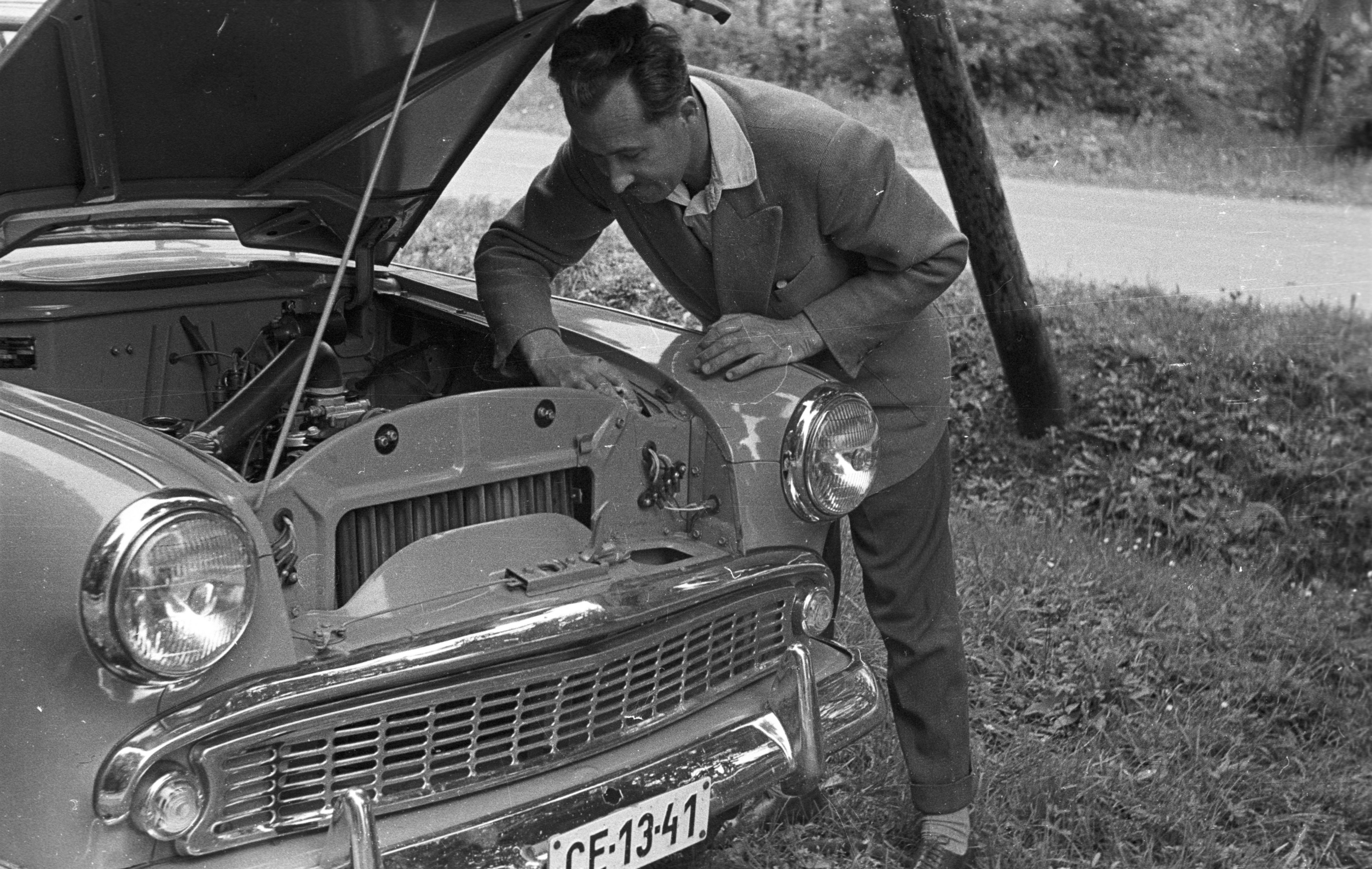
The 1982 garage was not just a storage space; it was the home of a whole culture of hands-on self-reliance. Fathers and mothers changed their own oil, rebuilt carburetors, refinished furniture, and tackled home repairs that many people today would simply hire out or replace entirely. The garage was a classroom where practical skills passed from one generation to the next.
Some of that culture has faded along with the dangerous chemicals, as modern cars grew too complex for driveway repairs and a throwaway economy made fixing things less common. But much of the do-it-yourself spirit endures, now practiced more safely and often with the help of online tutorials. The garage remains, for many, a place of tinkering and pride, even if its shelves no longer hold leaded gas and asbestos brakes. What was best about the 1982 garage, the ethic of fixing, building, and doing for yourself, is worth preserving even as its hazards are rightly left in the past.
How the Garage Got Safer
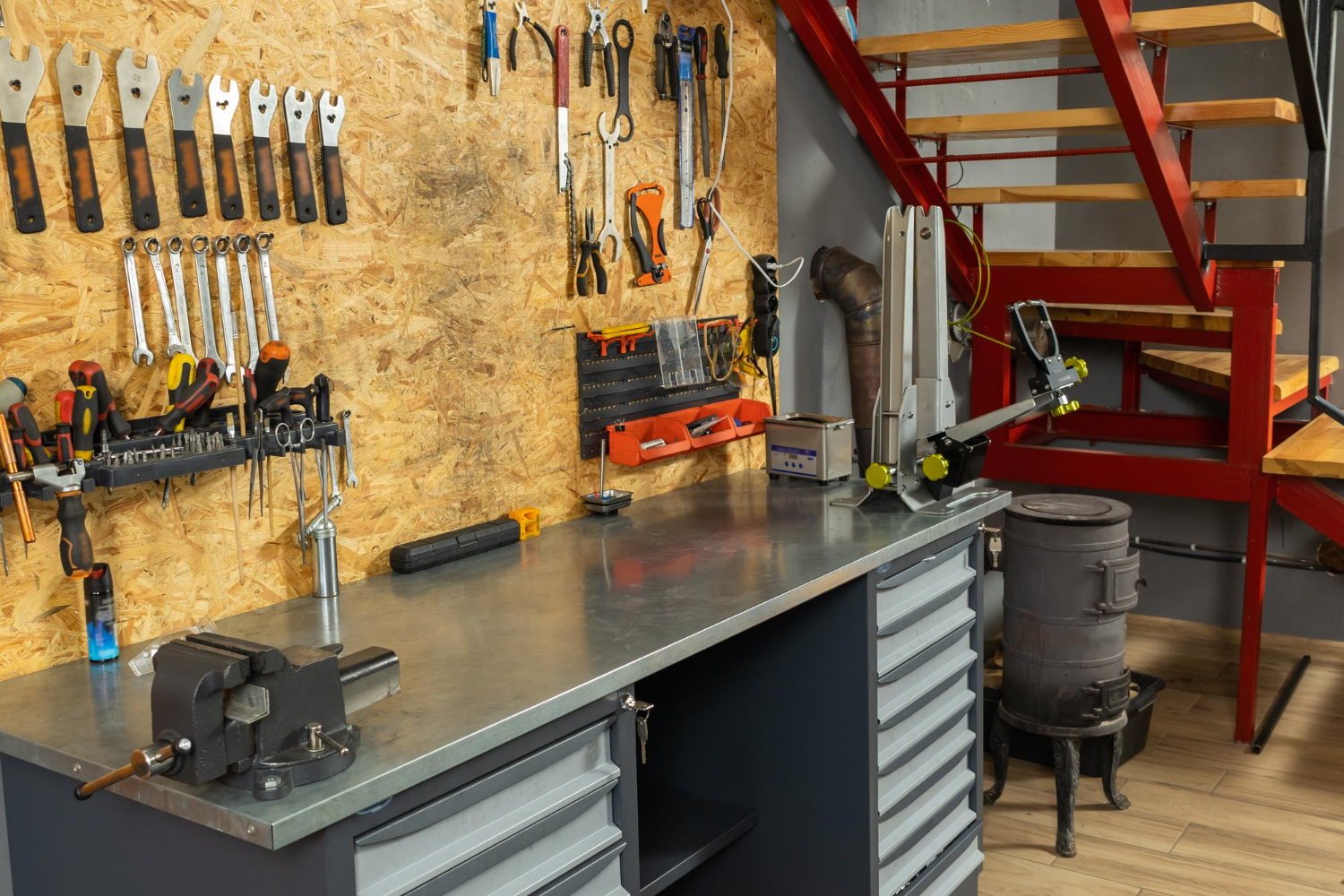
The transformation of the American garage mirrors a broader shift in how society handles hazardous substances. As scientific understanding advanced, regulators steadily banned the worst offenders, lead in gasoline, asbestos in products, dangerous pesticides, and reformulated others, while manufacturers built safety into tools and chemicals.
For those who grew up around these garages, the nostalgia comes with a dose of perspective. The self-reliant spirit of the era was real and admirable, but so were the hazards casually stored on every shelf. The modern garage is cleaner and safer, its most dangerous former residents now banned or carefully regulated. Looking back at the garage of 1982 is a reminder of how much invisible risk was once simply part of everyday life, and how far the effort to reduce it has come. Anyone clearing out an old garage today should treat unidentified vintage chemicals as hazardous waste and dispose of them properly.
Like our content? Follow us for more.