Hotel security cameras film hallways, lobbies, parking lots, and back-of-house areas — but never inside guest rooms. The legal and practical limits create surprising gaps. Here’s what hotel security can actually see, what they can’t, and what that means for your safety planning.
When you check into a hotel, you’re entering a space that is significantly monitored — but in specific ways that most guests don’t fully understand. The legal framework, technical capabilities, and operational priorities of hotel security cameras produce a system that captures certain activities comprehensively while leaving substantial gaps.
The general principle: hotels surveil public and semi-public spaces (lobbies, hallways, exits, parking, back-of-house) but cannot legally surveil private spaces (guest rooms, bathrooms anywhere on property, employee changing areas). Within this framework, individual hotels make different decisions about specific camera placements, recording duration, and how footage is reviewed.
For guests interested in their own safety planning — whether for emergency situations, lost items, security concerns, or just understanding the environment — knowing what the cameras actually see produces substantially more useful situational awareness than assumptions based on television-show depictions of hotel security.
Here’s what hotel security cameras typically capture, what they don’t, and the specific gaps in coverage that affect guest safety planning.
What hotel security cameras actually capture
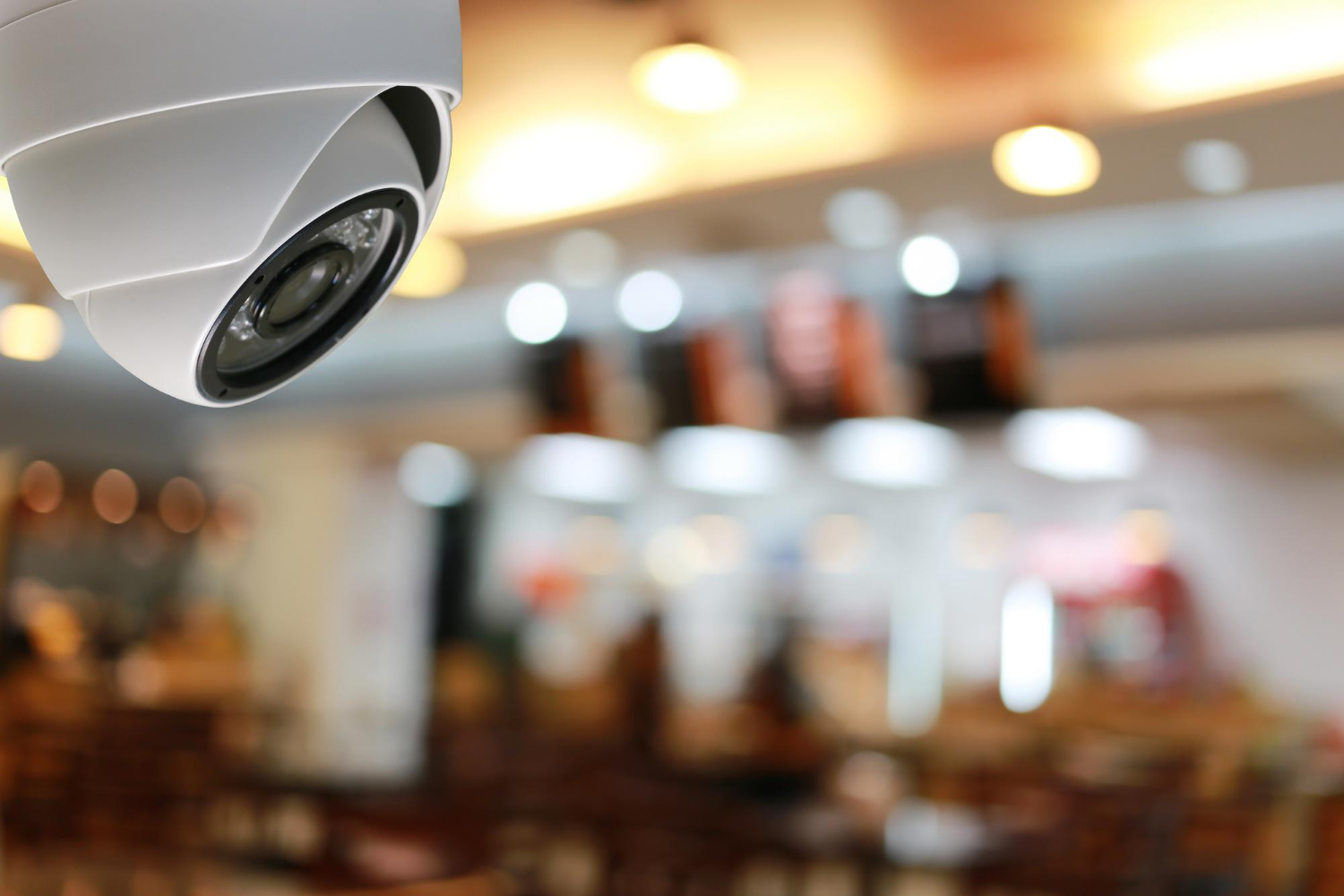
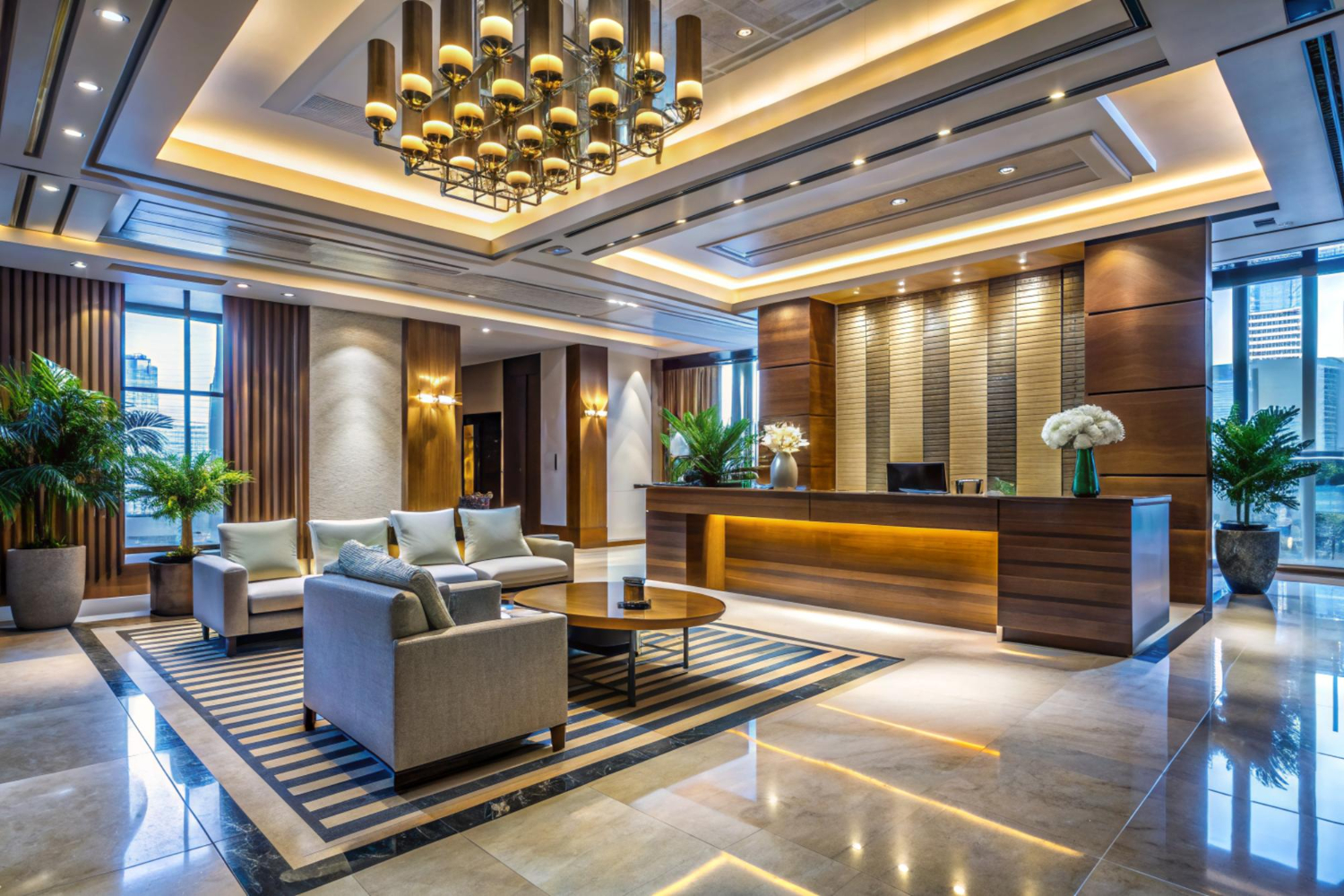
Lobby and main entrance areas. Comprehensive coverage. Most hotels have multiple cameras covering the entrance doors, registration desk, lobby seating areas, elevator banks, and typically the elevator interiors themselves. Recordings typically capture clear images of every guest who enters or exits the property.
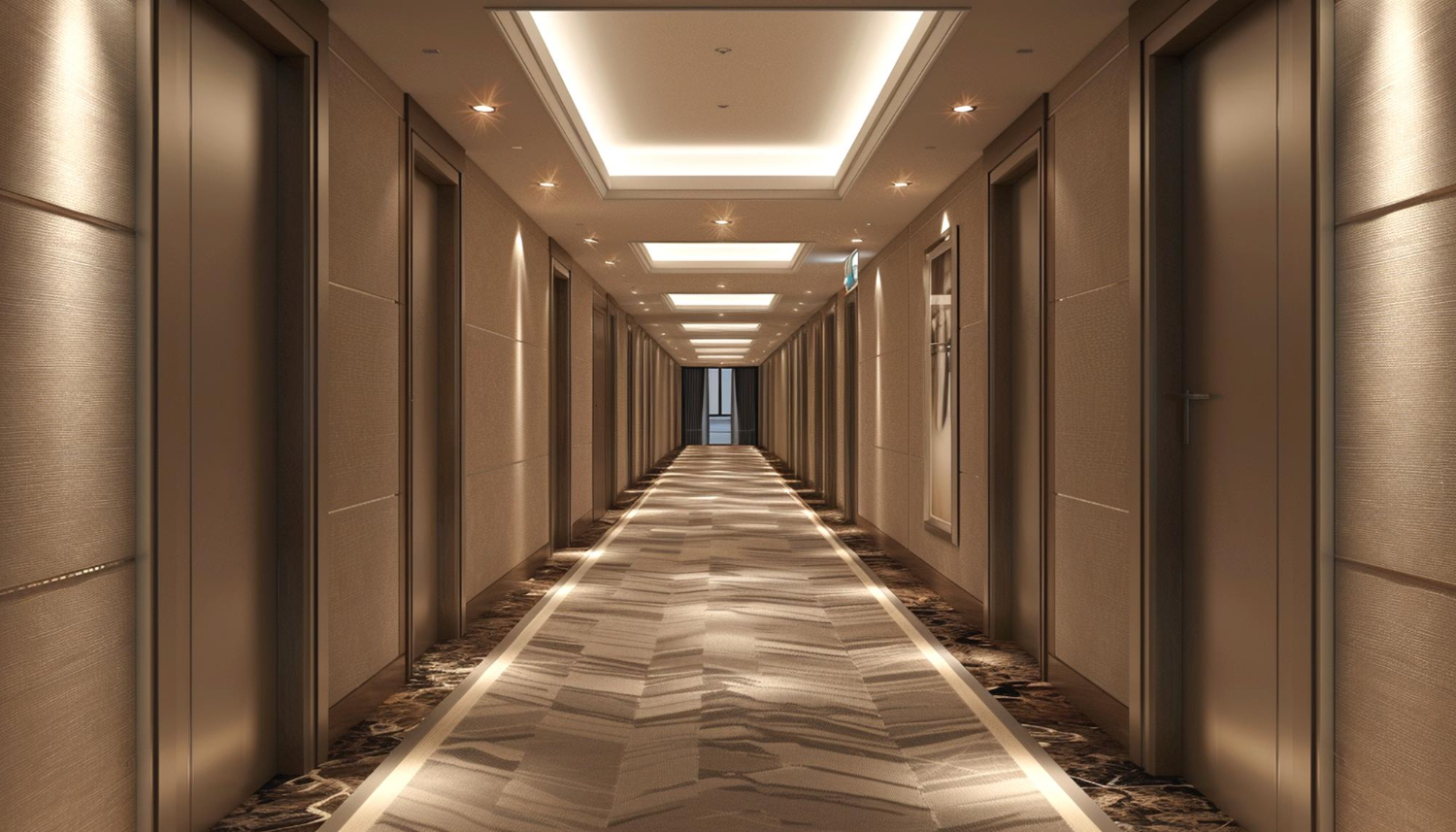
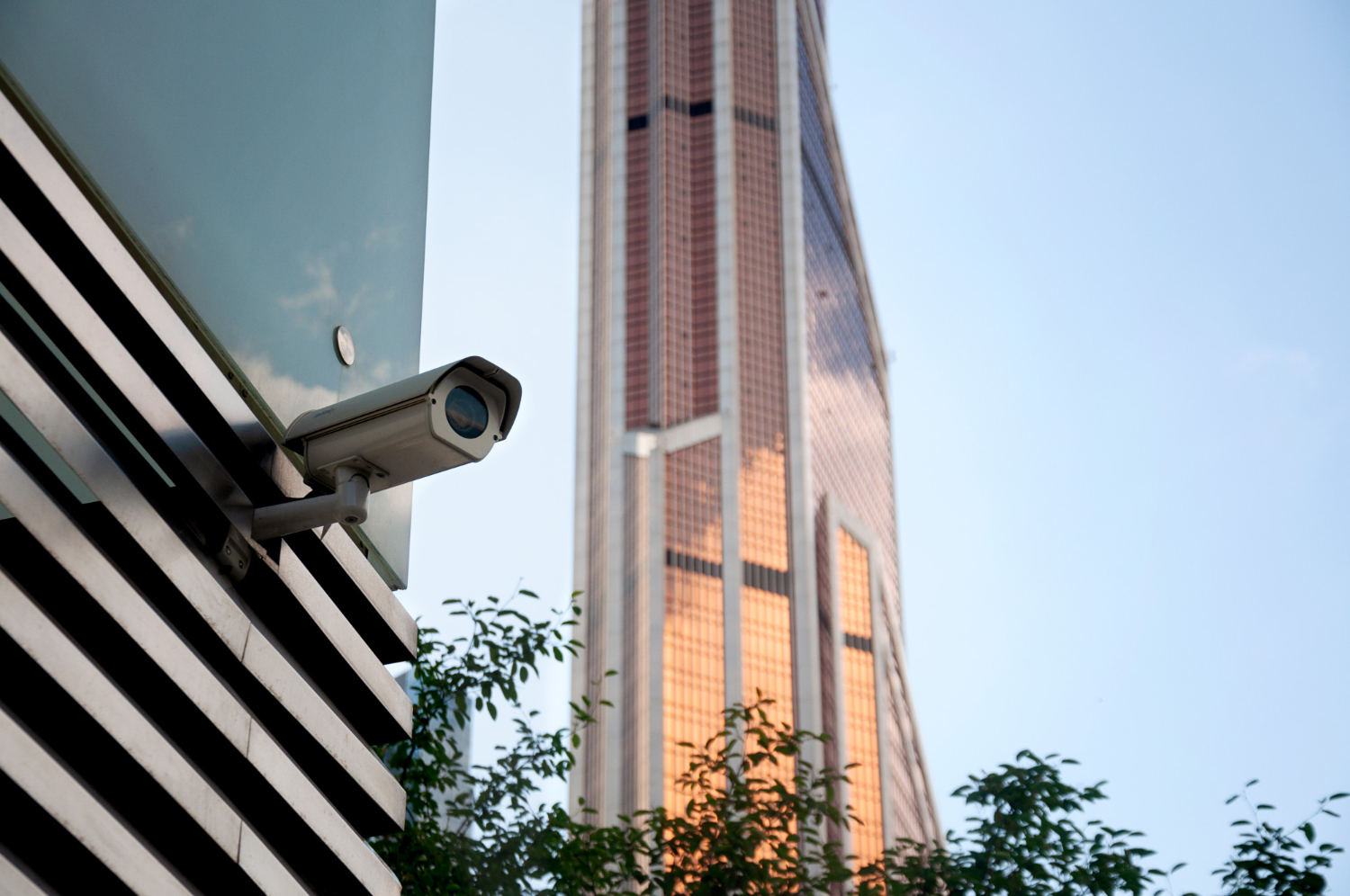
Hallways on guest floors. Standard coverage in chain hotels. Cameras typically capture the elevator landing on each floor and the main hallway lengths. The cameras are usually visible (mounted in ceiling corners or as decorative globe fixtures). Coverage tends to be comprehensive enough that any movement in hallways is recorded.
Stairwells. Variable coverage. Most hotels have cameras at stairwell entrances on each floor but not necessarily within the stairwells themselves. Stairwells are often used for emergencies and access by housekeeping staff, so cameras at the entrance to each floor capture staircase usage indirectly.
Parking facilities. Substantial coverage at most modern hotels. Cameras typically cover entry/exit gates, parking levels (in garages), and the perimeter of the property. License plate recognition is increasingly common in newer parking facilities.
Back-of-house areas. Generally well-covered. Loading docks, employee entrances, kitchen areas, laundry facilities, and supply storage all typically have surveillance. These areas are monitored for both employee safety and theft prevention.
Restaurants, bars, and event spaces. Variable but typically present. Most hotels have cameras covering the main areas of restaurants, bars, and conference facilities. The coverage is usually comprehensive enough to identify guests using these spaces but may not capture specific detailed activities at individual tables.
Pool and fitness center areas. Generally covered, partly for liability and safety reasons. Most hotel pools have continuous video monitoring — partly to comply with safety regulations, partly to prevent theft, and partly to document incidents.
Outdoor spaces and walkways. Typically covered at modern resorts. Walkways between buildings, beach access points, courtyards, and similar outdoor areas usually have camera coverage at major intersections and entry points.
What hotel security cameras don’t capture
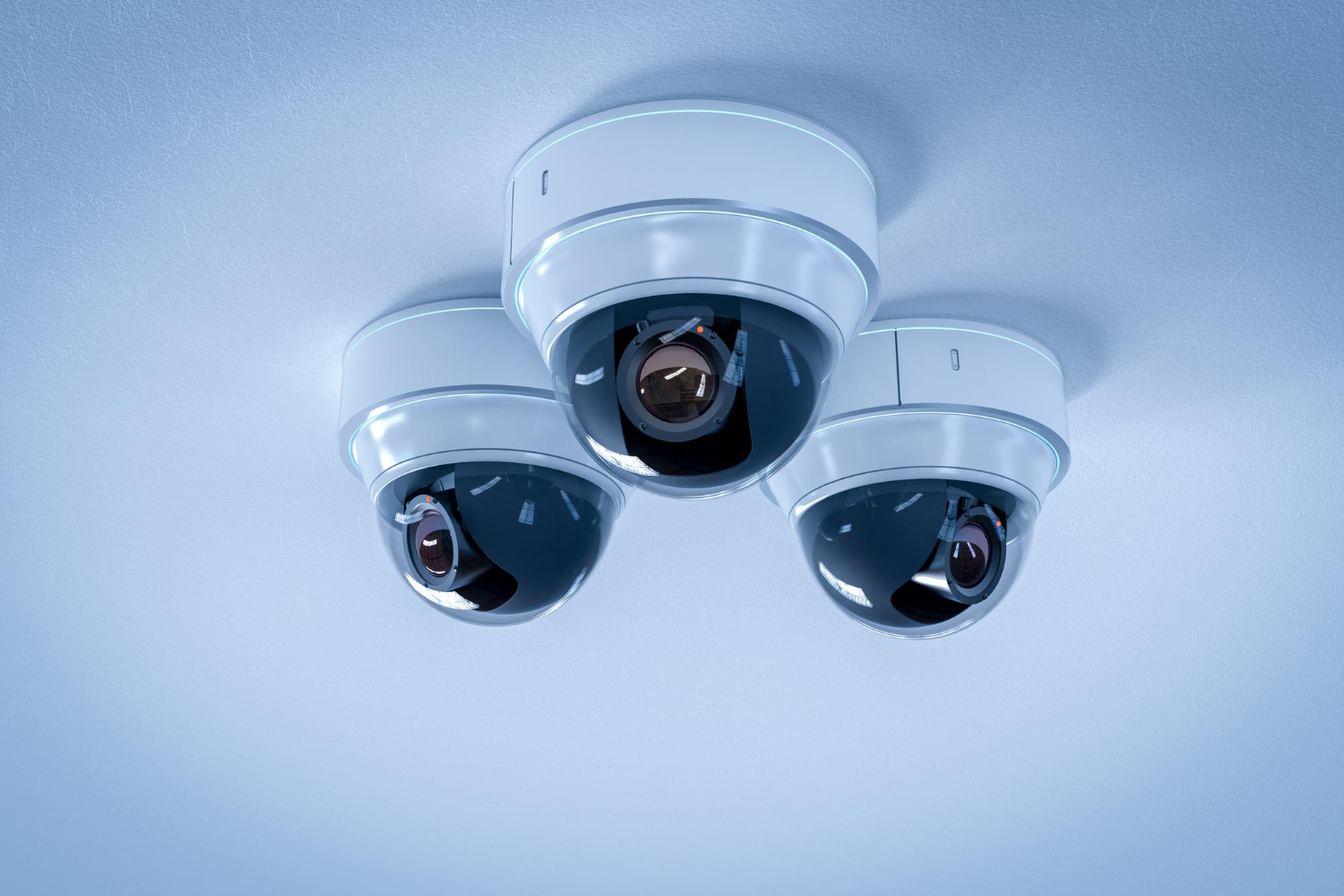
Inside guest rooms. Federal and state laws prohibit hotels from placing cameras in guest rooms in essentially all circumstances. The Federal Trade Commission, FBI, and state attorneys general have repeatedly confirmed that hotel room surveillance is illegal and produces severe penalties. This is the single most important boundary in hotel surveillance.
Inside bathrooms anywhere on the property. All bathrooms — including public bathrooms in restaurants, pool changing facilities, fitness center showers, and any other space where bathrooms exist — are off-limits for cameras under privacy laws. This is consistent across U.S. jurisdictions and most international hotel jurisdictions.
Inside employee changing/locker areas. Employees have similar privacy protections. Hotels cannot surveil areas where employees change clothes or use bathrooms.
Inside housekeeping areas (typically). Areas where housekeeping staff prepare for shifts, store personal items, or take breaks are usually not surveilled, though main back-of-house workflow areas typically are.
Audio. Most hotel security systems record video only, not audio. Audio recording involves additional legal requirements (two-party consent in many states) that hotels usually don’t meet. Some hotels have audio in specific high-risk areas (cash handling, security checkpoints) but most surveillance is video-only.
Specific guest activity within rooms (obviously). Whatever happens inside a guest room is private to the guest. Hotels cannot monitor what guests do within their rooms — not the activities, not the conversations, not the use of furniture.
The 5 places in hotels that have no surveillance at all
Beyond guest rooms, several specific areas typically have minimal or no surveillance:
1. Inside guest room bathrooms. Combined with the broader bathroom prohibition, the bathroom inside a guest room has zero surveillance. This is the single most private space in a hotel.
2. Inside elevators (sometimes). While elevator interiors typically have cameras, a small number of older hotels and budget properties have elevators without internal surveillance. Newer construction generally includes elevator cameras, but the absence is occasional.
3. Inside changing rooms at hotel pools and spas. These spaces have privacy protections similar to bathrooms. Surveillance of any kind in these spaces would be illegal.
4. Specific corners of large outdoor spaces. Large hotels with extensive outdoor areas (beach resorts, mountain resorts, golf course properties) typically have camera coverage at key access points but cannot maintain comprehensive coverage of all outdoor space. Specific corners, paths, or remote areas may be unmonitored.
5. Underground or basement areas of older buildings. Older buildings (particularly historic hotels built before 1980) may have basement areas, mechanical rooms, or service corridors with minimal surveillance. These areas are typically restricted to staff but are not always monitored continuously.
How long footage is retained
Hotel surveillance retention periods vary substantially:
Major chain hotels (Marriott, Hilton, IHG, Hyatt, etc.): Typically 30-90 days of retention, sometimes longer for specific incident-related footage.
Independent hotels: Variable. Some retain 30 days; others retain only 7-14 days; some smaller properties retain 24-48 hours due to storage cost limitations.
Boutique and luxury hotels: Often longer retention periods (90-180 days) due to higher security investment and broader monitoring practices.
International hotels: Vary by jurisdiction. European hotels (subject to GDPR) often have shorter retention periods than American hotels. Asian hotels often have longer retention periods.
After security incidents: Most hotels preserve specific footage indefinitely if related to police investigations, lawsuits, or insurance claims. The standard 30-90 day retention applies to non-incident footage.
For guests who lose items or experience incidents at hotels, the practical implication is that requests for surveillance review should be made promptly — within days, not weeks. The more time passes, the more likely the relevant footage has been overwritten by newer recordings.
How surveillance is actually accessed
Hotel security cameras are not continuously monitored by humans. The standard model is:
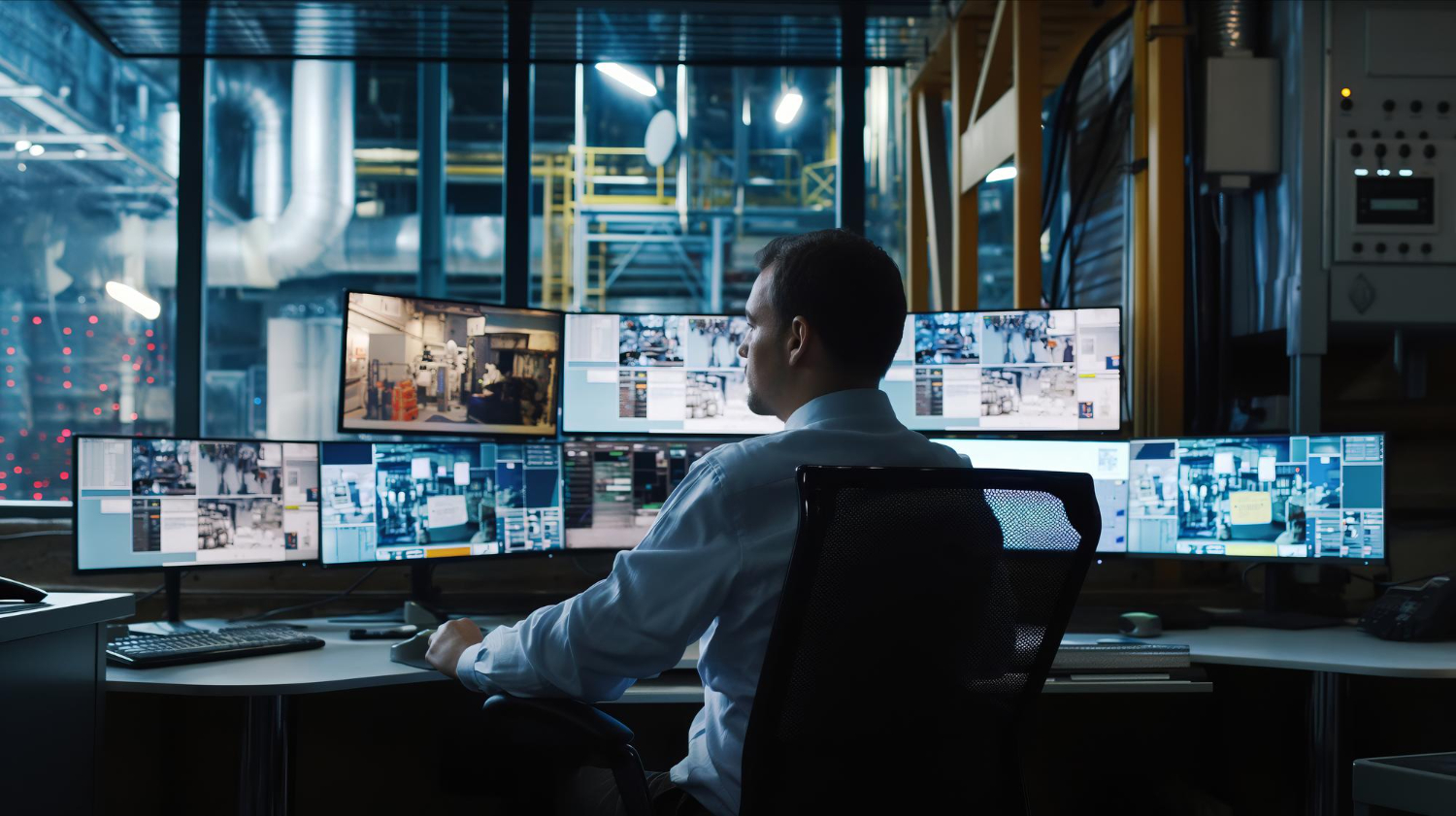
Recording without active monitoring. Cameras record continuously to digital storage systems. Active human monitoring (someone watching screens) is typically limited to the front desk area and possibly major event spaces. Most cameras record without anyone watching the live feed.
Review on request. Footage is typically reviewed only after specific incidents — lost items, complaints, suspicious behavior, police investigations, or insurance claims. The review process involves the hotel’s security manager (or general manager at smaller properties) accessing the recording system and searching for relevant time periods.
Police access requires legal authority. Hotels generally cannot release footage to police without either a search warrant, subpoena, or specific legal authority. Some hotels release footage voluntarily when safety concerns are obvious, but standard practice requires legal process.
Guest access is limited. Individual guests typically cannot watch their own surveillance footage. Even if you experience an incident and want to see the recording, hotels usually require police involvement or legal process before sharing footage with guests directly.
The practical implications for guest safety

Understanding hotel surveillance has specific implications for personal safety planning:
Hallway encounters are recorded. If you experience an incident with another guest or staff member in a hotel hallway, surveillance footage almost certainly captured it. This is why prompt reporting matters — the footage exists but won’t be reviewed unless you initiate the process.
Lobby and public area incidents are recorded. Similar to hallways, any incident in lobby, restaurant, bar, pool, or other public area was probably captured. The clarity and angle may vary, but recording almost certainly occurred.
Room incidents are not recorded. This is fundamental. If something happens inside your room, hotel surveillance has no information. Your protection in your room comes from physical security (locks, deadbolts, hotel-issued keycards) rather than surveillance.
Bathroom incidents are not recorded. Similar to room incidents, bathroom surveillance is non-existent across all property bathrooms.
Lost item recovery often depends on surveillance. If you leave something in the lobby, restaurant, or hallway, surveillance footage can often help identify when and where the item was lost and potentially who took it (if applicable). Reporting promptly increases recovery chances substantially.
Identifying staff during incidents. Surveillance can confirm whether specific staff members were on duty during particular times, which can be useful for confirming or disputing accounts of incidents.
What guests can do beyond surveillance

Several practical safety measures supplement hotel surveillance:
Use the deadbolt and chain. Hotel room keycards alone provide limited security. The deadbolt and security chain on guest room doors add meaningful additional protection. Use both whenever in the room.
Avoid ground-floor rooms when possible. Ground-floor rooms have higher break-in rates than upper floors. Higher floors are statistically safer despite their popularity for tourism reasons.
Keep valuables in the in-room safe. Most hotel rooms have safes (typically using digital codes you set yourself). The safes aren’t perfect, but they provide better protection than leaving valuables in luggage.
Document any pre-existing room damage on arrival. Take photos of any existing room damage when you check in. This protects you from being charged for prior damage and provides documentation if the room is later involved in an incident.
Be aware of who might know your room number. Avoid having staff or other guests announce your room number in public areas. Some hotels train staff to write room numbers on registration cards rather than saying them aloud.
Use the peephole. Don’t open the door without checking who’s there. Hotel staff requesting entry should announce themselves clearly. Be especially cautious of late-night requests for “maintenance” or “housekeeping” that you didn’t request.
Report suspicious activity to the front desk immediately. Hotels can review surveillance for specific time periods if guests report concerns promptly. Suspicious individuals in hallways, unauthorized people on guest floors, or other concerns can be addressed before incidents escalate.
Travel with door wedge or portable lock. Inexpensive portable door locks can supplement hotel-provided security. These are particularly useful for solo travelers or in lower-quality properties.
Keep emergency contacts accessible. Hotel security and front desk numbers should be saved in your phone. Local police emergency numbers (911 in U.S. and Canada, 112 in Europe, 110 in many Asian countries) should be known.
What surveillance technology might look like in the near future

Hotel surveillance is evolving rapidly. Several trends are shaping the next generation of hotel security:
Facial recognition. Some hotels (particularly internationally and at high-end domestic properties) are beginning to deploy facial recognition technology that can identify specific individuals across multiple camera feeds. This raises significant privacy questions but provides faster incident investigation when incidents occur.
AI-assisted monitoring. AI systems can flag suspicious patterns (unauthorized access attempts, unusual movement patterns, individuals appearing not to belong) without requiring continuous human monitoring. These systems are being deployed at major chains.
License plate recognition. Increasingly comprehensive at parking facilities, particularly at chain hotels. Allows tracking of vehicles entering and exiting the property.
Smart room features. Some hotel rooms now include features like smart locks (which log access events), motion sensors, and noise sensors (which can detect parties or excessive noise). These technologies operate within the broader privacy framework — they detect events but typically don’t capture personal information.
Cloud-based storage. Older hotels with on-premise recording servers are gradually transitioning to cloud-based systems with substantially longer retention capabilities and more sophisticated search functions.
The general trend is toward more sophisticated detection of incidents combined with continued strict privacy boundaries (no room or bathroom surveillance, no audio recording in most cases). Hotels that violate these boundaries face severe regulatory and legal consequences.
What this all means for your next hotel stay

The practical synthesis for guests planning hotel stays:
Trust the system within its appropriate scope. Hotel surveillance does provide meaningful security in public and semi-public spaces. If you experience an incident in a lobby, hallway, or public area, recordings probably exist that can support investigation.
Understand your room is unrecorded. Whatever happens inside your room is private — both for protection (no one is watching you) and for vulnerability (no one is watching to help if something goes wrong). Your room security depends on physical safeguards, not surveillance.
Report incidents promptly. The 30-90 day retention window means waiting too long means recordings are overwritten. Same-day or next-day reporting maximizes recovery chances.
Choose hotels with appropriate security investment. Major chains generally have better surveillance infrastructure than budget independent properties. If security is a particular concern (solo female travel, high-value items, concerns about specific safety threats), choosing chains with strong security investment is meaningful.
Don’t over-rely on surveillance for safety. Cameras detect incidents; they don’t prevent most incidents. Your own situational awareness, common-sense precautions, and physical security practices (deadbolt, in-room safe, keeping valuables out of sight) matter at least as much as surveillance.
The hotel industry has spent decades calibrating the balance between guest privacy and security investment. The current system isn’t perfect, but it provides reasonable protection within the legal framework that protects guest privacy. Understanding both what surveillance does and what it doesn’t helps guests make better safety decisions during their stays.
For most guests, most of the time, the surveillance system works invisibly in the background — recording incidents that don’t happen, providing security infrastructure that you never need to think about. When incidents do happen, the system provides investigation tools that police, insurance, and the hotel itself can use to respond. The reasonable expectation: don’t rely on it as your primary safety measure, but don’t ignore that it exists either.