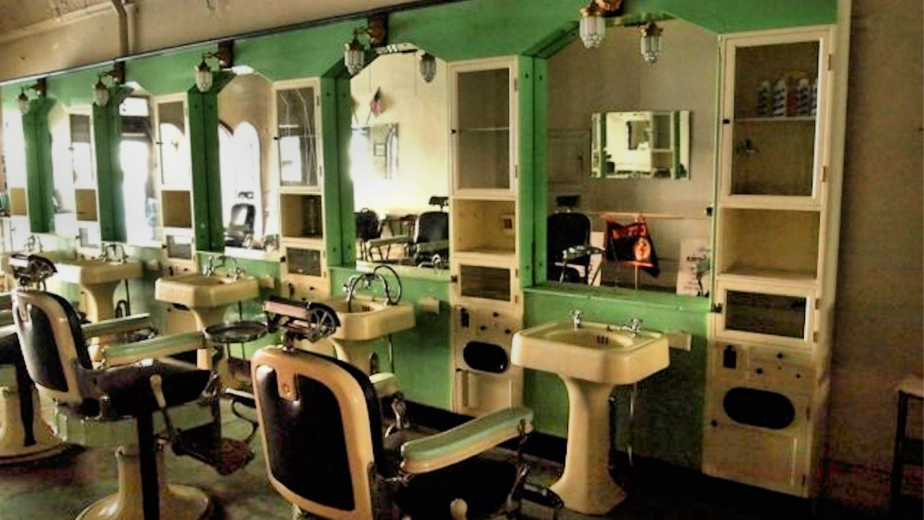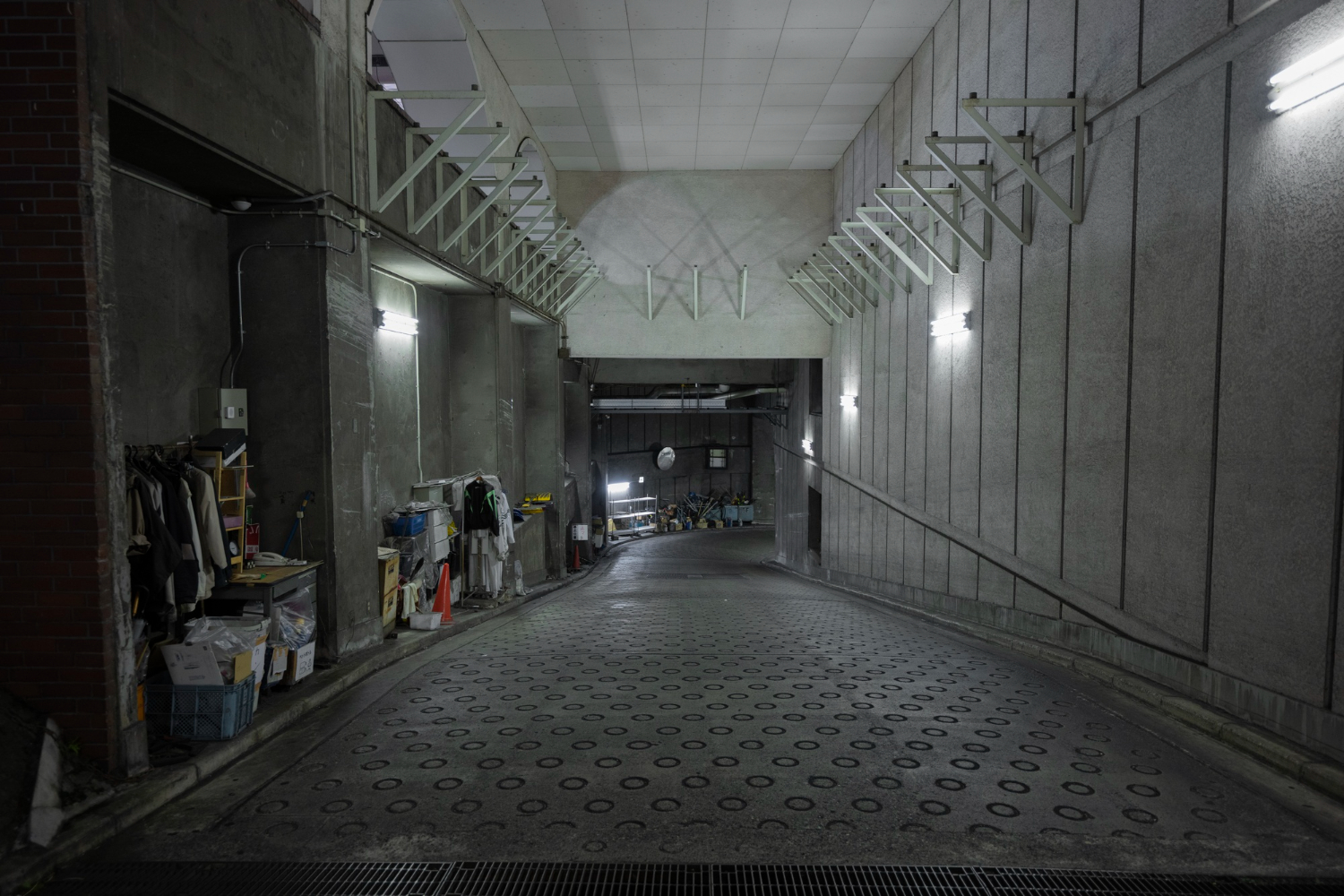
From Randall Park Mall (the largest in the world when it opened in 1976) to Rolling Acres (where the lights cut off mid-shopping in 2008) to Dixie Square (where The Blues Brothers filmed the famous car chase scene), these malls were the social centers of millennial childhood. Most are gone. Amazon distribution centers have replaced several of them. Here’s what happened.
In 1956, an Italian immigrant named Victor Gruen designed America’s first enclosed shopping mall — the Southdale Center in Edina, Minnesota. The concept exploded across postwar America. Within 30 years, more than 1,500 enclosed shopping malls had been built across the country. They became the social centers of suburban life — the places where teenagers met friends, where families spent Saturdays, where holiday memories were made, where entire generations experienced their first jobs and first dates.
The peak came in the 1980s and 1990s. By the year 2000, the United States had approximately 1,500 enclosed shopping malls, several of which were the largest retail spaces in the world. The Mall of America (1992) drew international tourists. King of Prussia (Pennsylvania) anchored a region. Smaller regional malls in places like North Randall, Ohio and Hawthorne, California served local communities of millions of suburban Americans.
By 2026, more than 700 of those malls have either closed permanently or are in advanced decline. Industry analysts project that 25-50% of remaining American malls will close by 2030. The “dead mall” has become a recognizable cultural phenomenon, with documentary photographers like Seph Lawless and Matthew Christopher producing widely-circulated images of decaying retail spaces. Amazon, ironically, has purchased and demolished multiple former mall sites to build distribution centers — replacing the physical retail experience with the e-commerce infrastructure that helped kill it.
Here are 11 of the most-mourned American malls, what made each one matter, and what it looks like now.
1. Randall Park Mall — North Randall, Ohio (1976-2009)
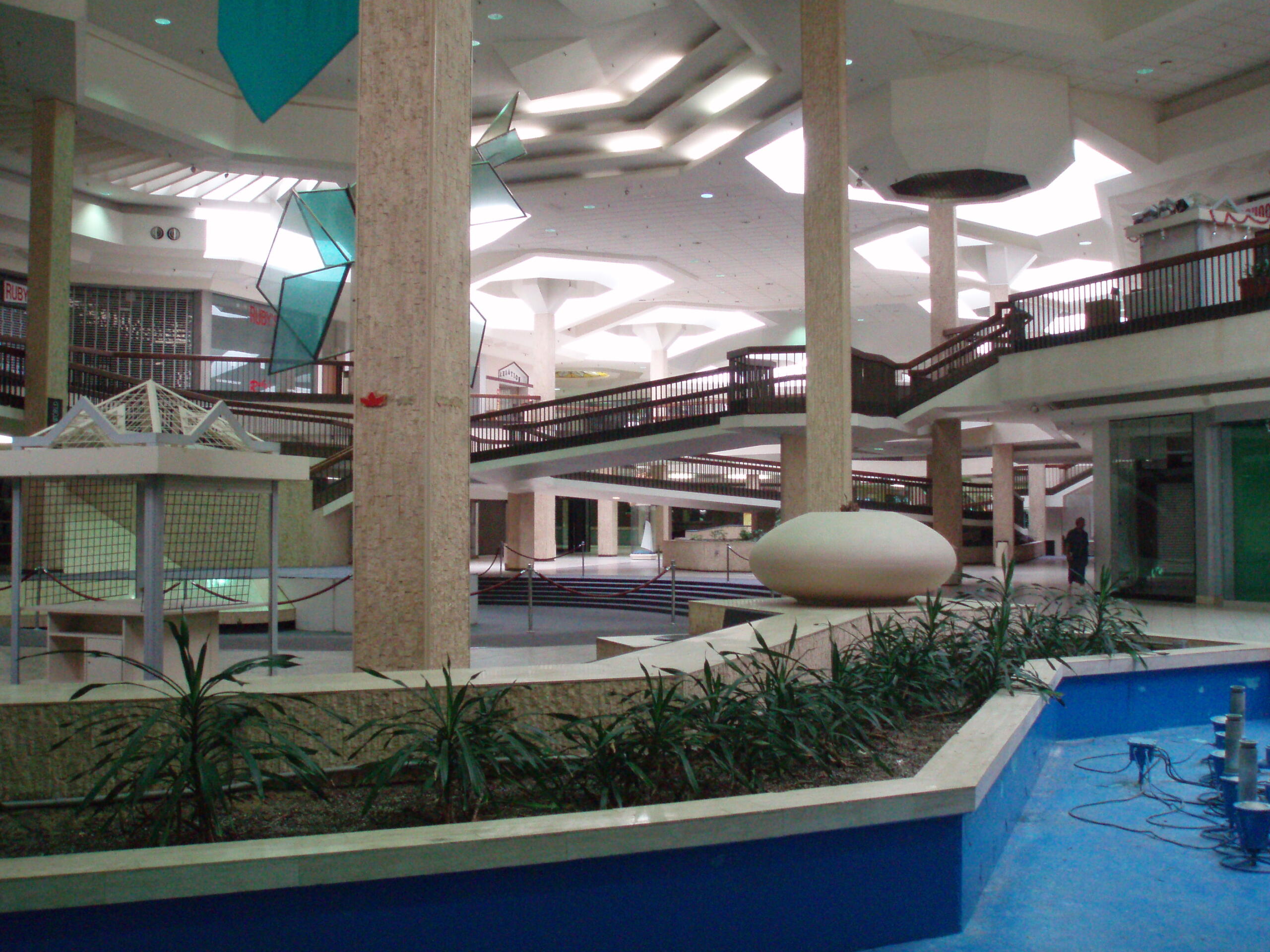
When Randall Park Mall opened in 1976, it was the largest enclosed shopping mall in the world. Located in the village of North Randall, Ohio (population just 1,500) outside Cleveland, the mall covered 1.6 million square feet across two levels with more than 200 stores. Construction cost approximately $40 million in 1976 dollars (over $200 million in 2024 dollars). The grand opening featured five flagship department stores. Approximately 5,000 people worked at the mall.
Developer Edward J. DeBartolo Sr. envisioned Randall Park as “a city within a city.” His original plans included three 14-story apartment buildings, two 20-story office buildings, and a performing arts center alongside the retail. Court battles and zoning problems prevented most of the additional development, but the mall itself opened on schedule and was an immediate commercial success — first-year sales totaled $140 million.
The decline began with crime. Just after Christmas 1977, 23-year-old Father & Sons Shoes employee Larry Cook was murdered in the mall parking lot. In 1979, regional food chain executive Julius Kravitz was kidnapped and shot. Throughout the 1980s, Randall Park developed an unsafe reputation that drove away suburban shoppers. Multiple ownership changes and the 2008 recession completed the decline.
Randall Park Mall closed in 2009. Demolition began in 2014. In 2017, Amazon purchased the site and built an 855,000-square-foot fulfillment center, employing approximately 2,000 people. The construction cost was approximately $177 million — more than the original mall.
2. Rolling Acres Mall — Akron, Ohio (1975-2013)
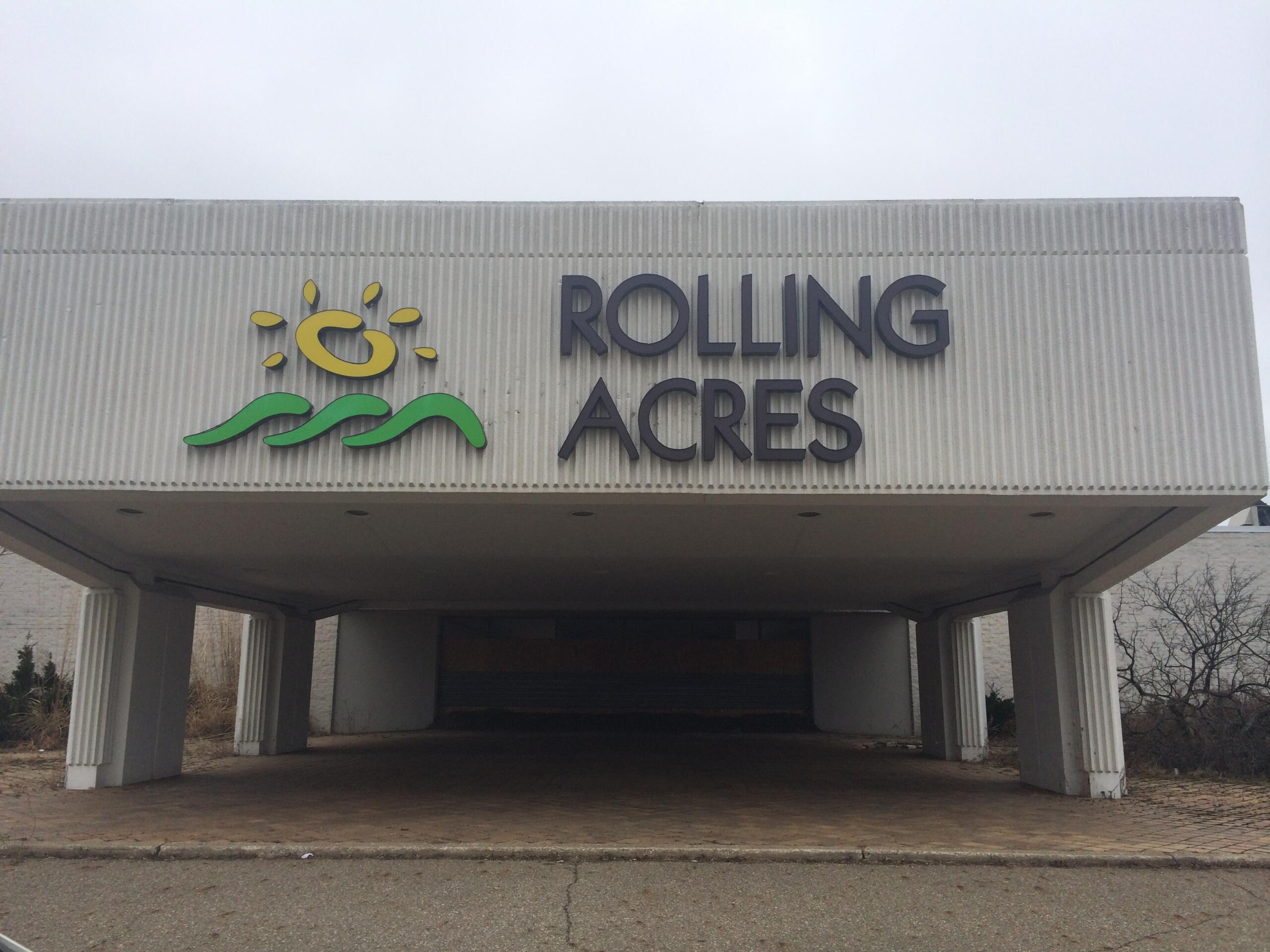
Rolling Acres opened in Akron in August 1975, two stories with glass elevators, glass ceilings, water fountains, and an arboretum. It was considered the premier shopping destination in the Akron area. By the mid-1980s, more than 140 stores operated alongside four anchor department stores (JCPenney, Sears, Montgomery Ward, and local Akron favorite O’Neil’s).
The mall expanded in 1995, adding 20,000 square feet and one of the first Target stores in northeastern Ohio. But by 1998, tenants had begun leaving. The mall went through multiple ownership changes. In October 2008, the electricity was abruptly cut off after months of unpaid bills. All but the Sears and JCPenney stores closed. Rolling Acres entered foreclosure.
The mall officially closed in 2013. The 1986 nearby murder of Wendy Offredo and Dawn McCreery — a horrific case that achieved nationwide fame — had contributed to the mall’s reputation problem during its decline. After closure, the body of another murder victim was discovered inside the abandoned mall. A man was electrocuted and killed while trying to steal copper wiring.
In July 2019, Amazon announced acquisition of the Rolling Acres site. The distribution center opened in November 2020 with at least 1,500 jobs. Photographer Seph Lawless, who grew up shopping at Rolling Acres, has documented the contrast between the mall’s former life and its current Amazon fulfillment role.
3. Dixie Square Mall — Harvey, Illinois (1966-1978)
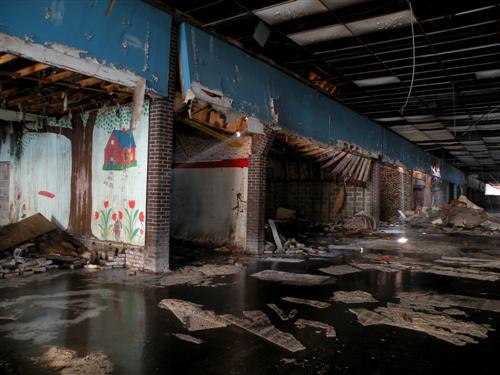
Dixie Square Mall opened in Harvey, Illinois in 1966 — relatively early in the American mall era. By the early 1970s, it was a thriving suburban Chicago shopping destination. Then Harvey’s economic situation deteriorated. Three murders within a year in the late 1970s drove away tenants. The mall closed in 1978 after a desperate renovation attempt failed.
Closure didn’t end the mall’s cultural prominence. In 1980, the Dixie Square interior was used as the filming location for the famous car chase scene in The Blues Brothers — the scene where the Blues Brothers drive through the mall in their police car, demolishing storefronts and displays. The scene remains one of the most-referenced movie sequences ever set in a shopping mall.
The mall sat abandoned for 34 years after closure. The structure deteriorated dramatically. It was vandalized repeatedly. It caught fire twice. At least one murder occurred inside the abandoned structure. The site became a tourist destination for urban explorers and Blues Brothers fans.
Dixie Square was finally demolished in 2012. The site has been redeveloped, though the area has not fully recovered.
4. Hawthorne Plaza — Hawthorne, California (1977-1999)
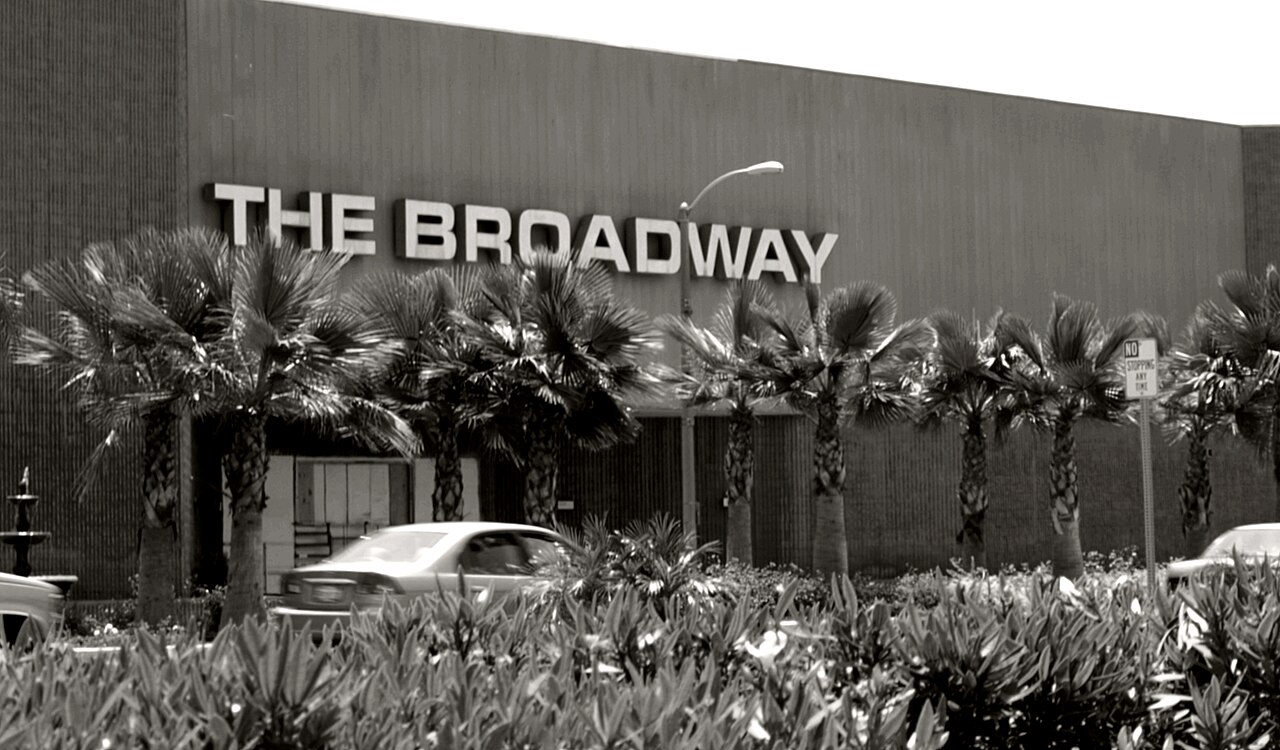
Hawthorne Plaza opened in 1977 as a popular shopping destination for Los Angeles suburbs. Within 20 years, all tenants had left. The combination of growing crime concerns, demographic shifts, and the rise of competing retail caused tenant departures starting in the late 1980s.
The mall was abandoned by 1999. Various redevelopment proposals were floated over the next 17 years — outlet malls, office complexes, mixed-use development. None succeeded. The mall was approved for demolition in 2016, though the actual demolition has been protracted.
Hawthorne Plaza has had a second life as a film location. The abandoned mall has appeared in numerous movies and TV shows requiring a “post-apocalyptic” or “abandoned” mall setting. Productions filmed at the location include scenes for Westworld, Gone Girl, and various other major productions.
5. Lincoln Mall — Matteson, Illinois (1973-2015)

Lincoln Mall in Matteson, Illinois (south of Chicago) was a major regional mall during its 1970s and 1980s peak. The mall featured a distinctive central atrium, multiple anchor stores, and was a primary social destination for the southern Chicago suburbs.
Decline began in the 1990s and accelerated through the 2000s. By 2015, all major anchors had left. The mall officially closed in 2015. Demolition began in spring 2017.
The site was redeveloped, though most former mall employees were not retained for the redevelopment work.
6. Metro North Mall — Kansas City, Missouri (1976-2014)
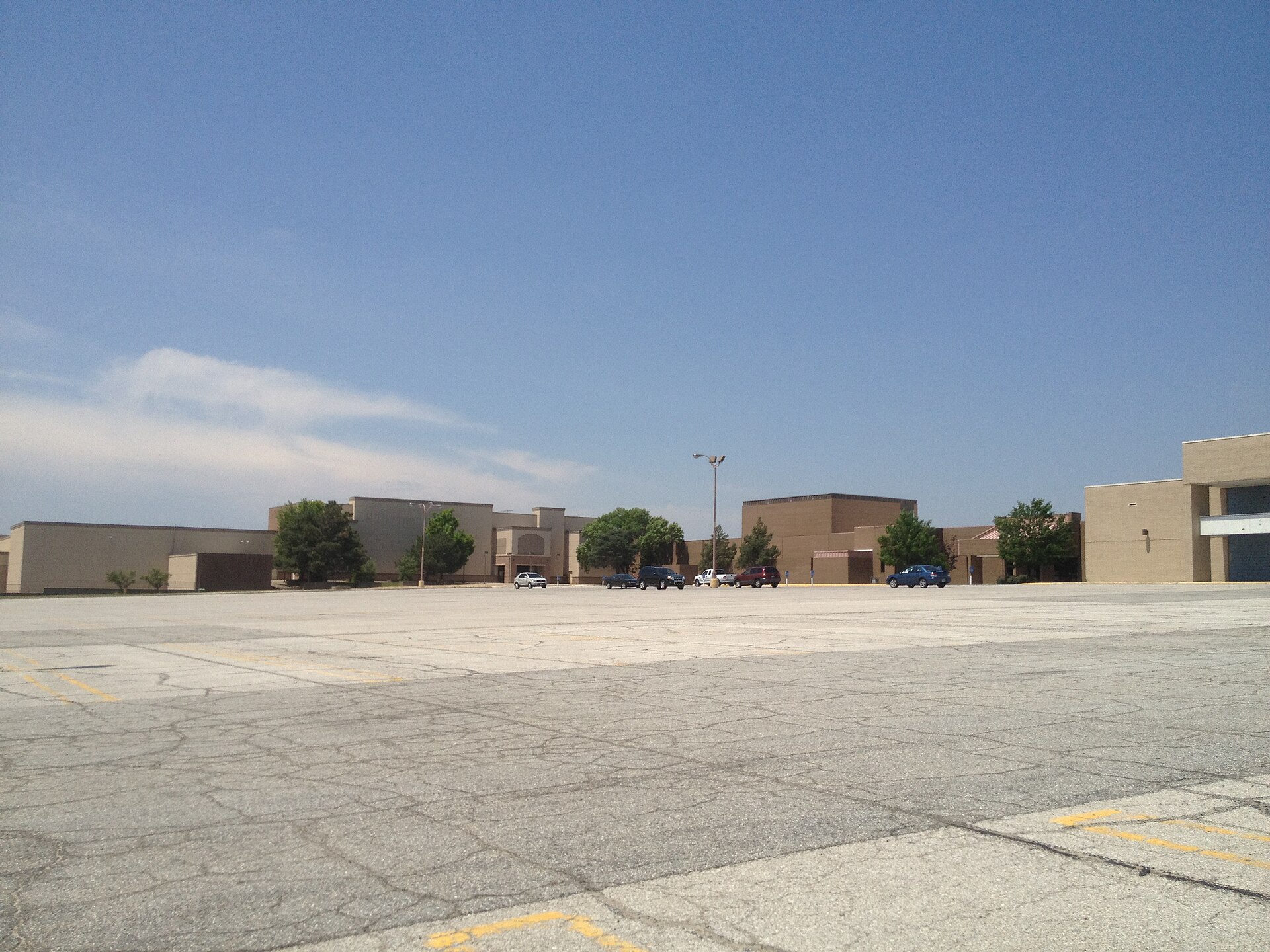
Metro North Mall in Kansas City North, Missouri opened in 1976. The mall was a major destination for the northern Kansas City suburbs through the 1980s and 1990s. By the 2010s, anchor tenants began leaving. The mall officially closed in 2014.
Photographer Seph Lawless documented Metro North’s abandoned interior shortly before demolition in 2017. His images of the mall’s empty corridors, abandoned escalators, and overgrown atrium became some of the most-shared “dead mall” images on social media.
The site has been partially redeveloped.
7. Northridge Mall — Milwaukee, Wisconsin (1972-2003)
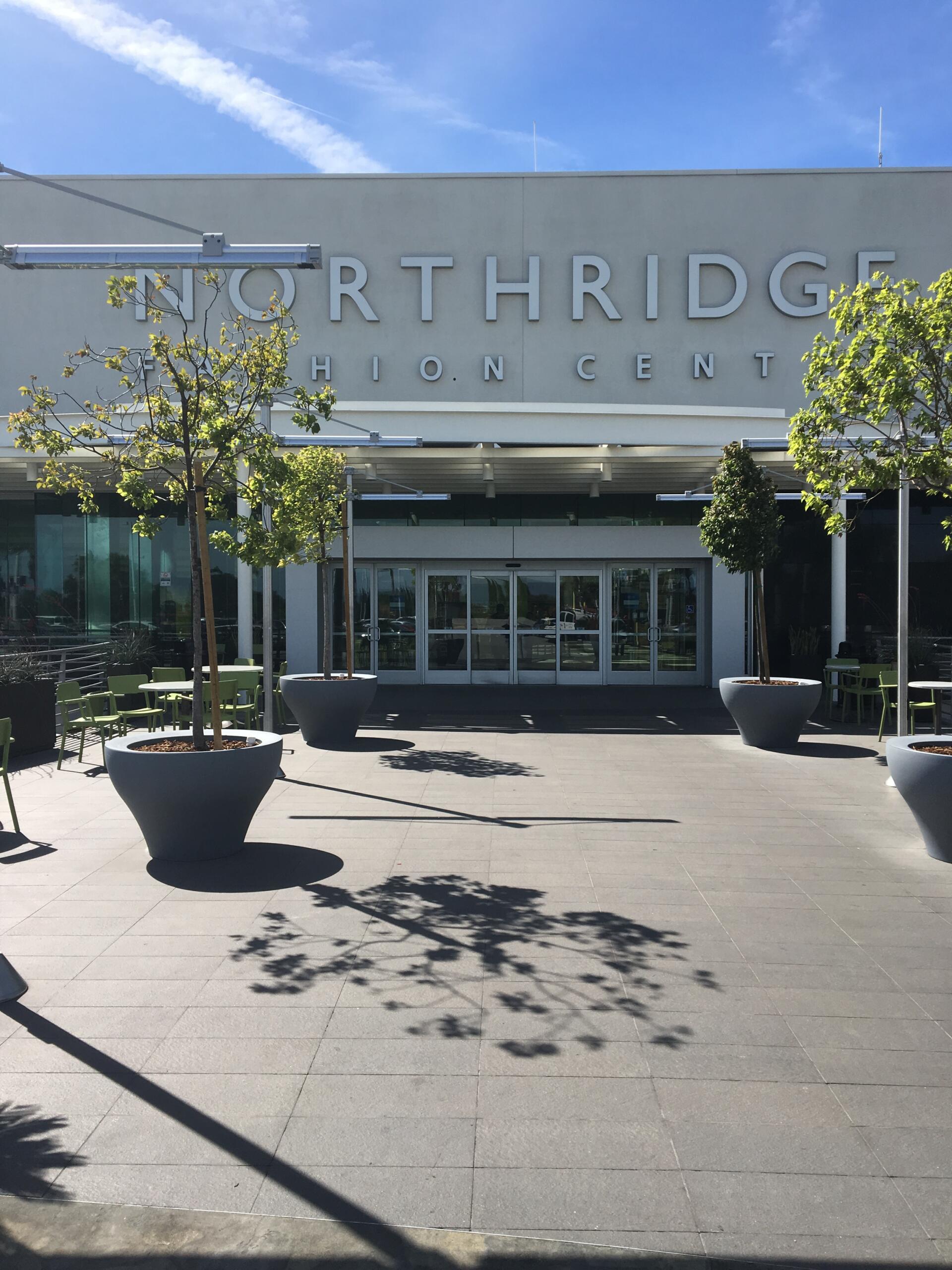
Northridge Mall opened in Milwaukee in 1972 during America’s mall boom. The mall served as a primary regional destination through the 1980s. Decline accelerated through the 1990s as competing retail and changing demographics affected the area. The mall officially closed in 2003.
For more than two decades after closure, Northridge sat abandoned in a state of slow deterioration. The mall became a popular subject for Milwaukee-area photographers documenting decay. In 2024, the mall was finally demolished after decades of redevelopment proposals failed to materialize.
8. Century III Mall — West Mifflin, Pennsylvania (1979-2019)
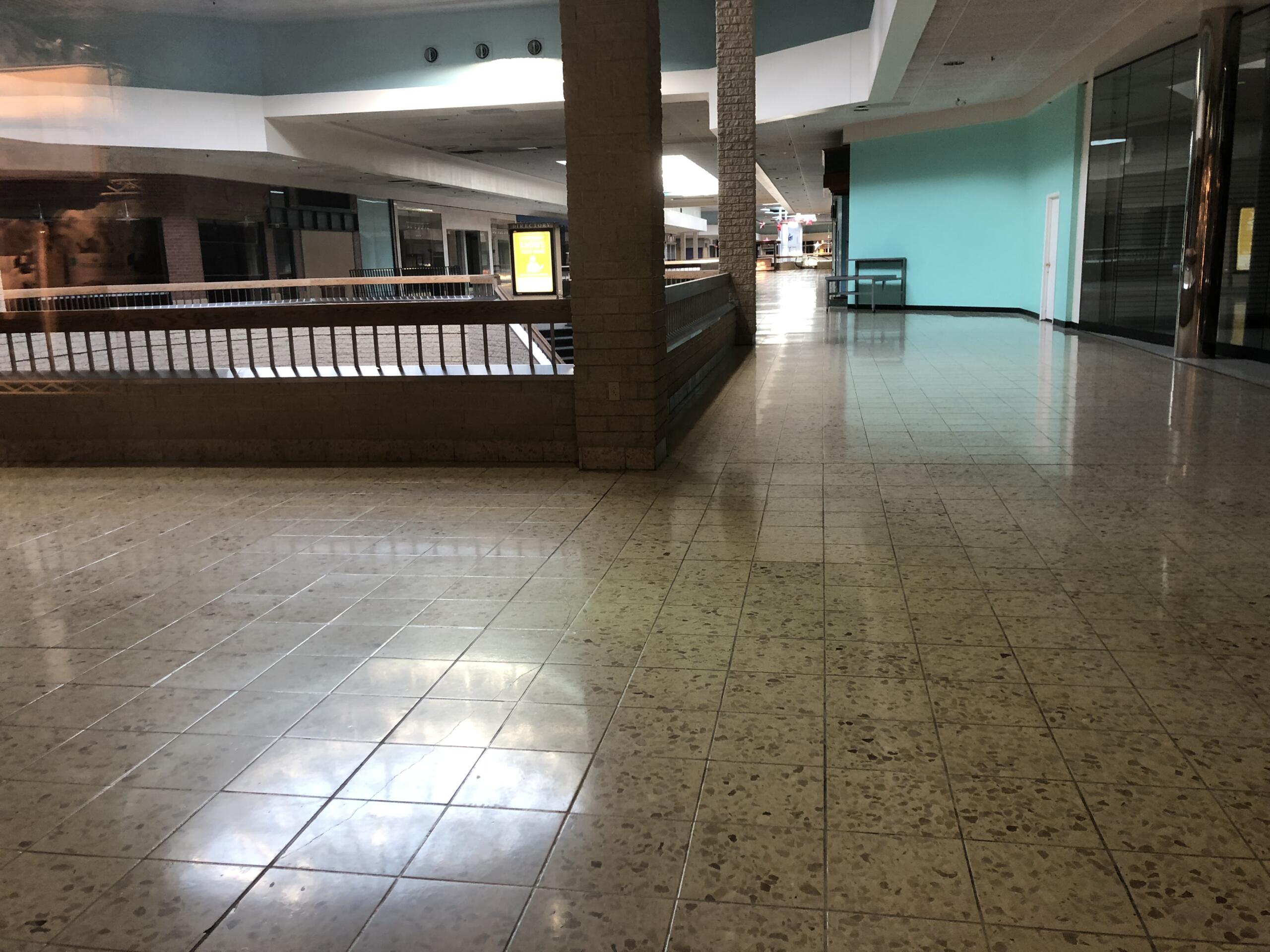
Century III Mall opened near Pittsburgh in 1979 with three anchor department stores and over 200 specialty stores. The mall was named for Century III — a US bicentennial reference. At peak, it was the third-largest mall in Pennsylvania.
The mall declined through the 2000s and 2010s. By 2019, all but two anchor stores had closed. The remaining stores closed shortly after, though the mall structure remains standing as of 2026 in deteriorating condition. Various redevelopment proposals have been discussed but none has been implemented.
The mall has become a popular subject for “urbex” (urban exploration) videos, with various YouTubers documenting the deteriorating interior. The structure is technically off-limits but security has been minimal.
9. Forest Fair Mall — Cincinnati, Ohio (1988-2024)
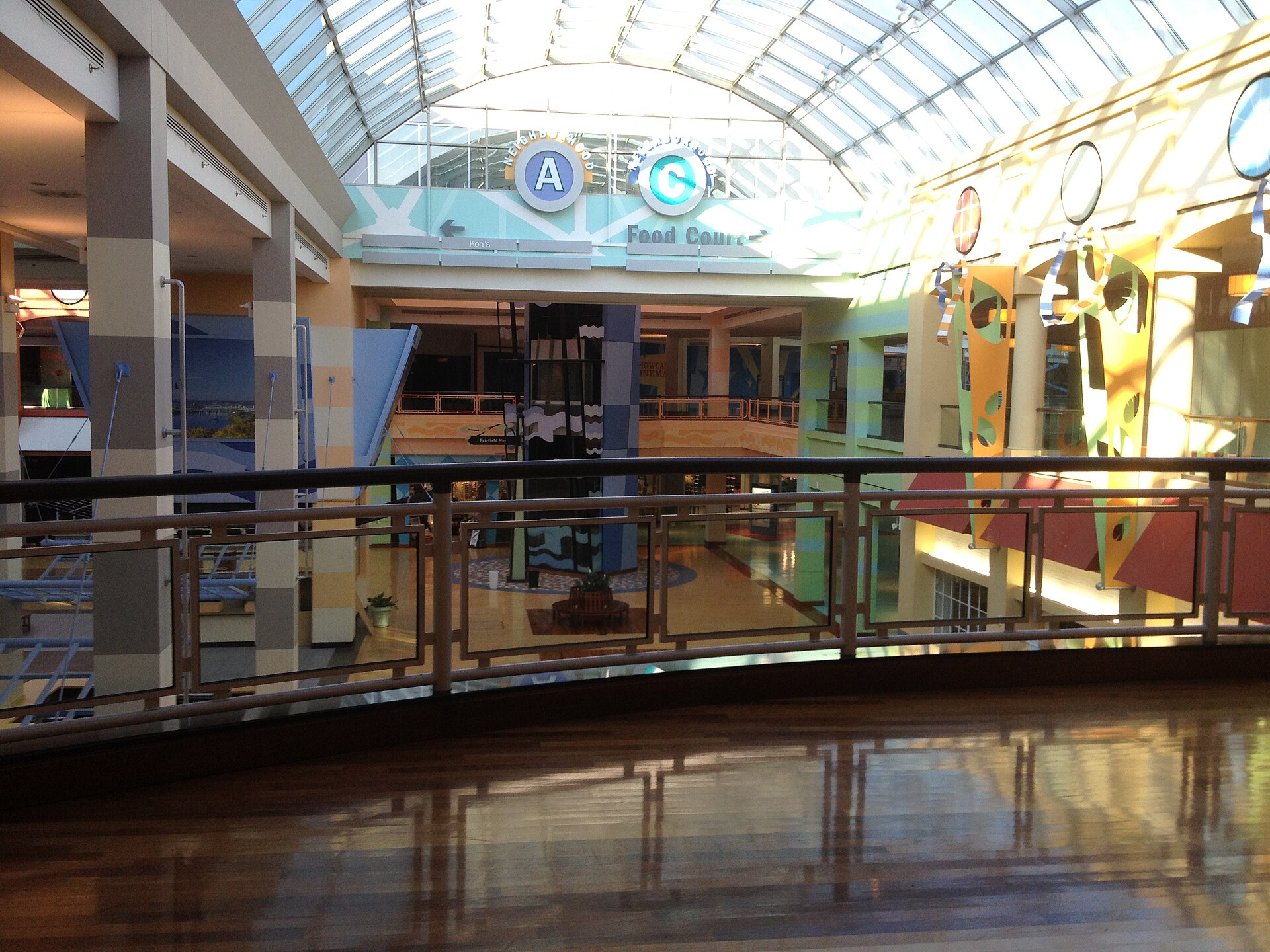
Forest Fair Mall (later renamed Forest Fair Village, then Cincinnati Mills, then Cincinnati Mall) opened in 1988 in Forest Park, Ohio (north of Cincinnati). The mall struggled almost from the start. Multiple ownership changes and rebrandings failed to produce sustainable success. By the 2010s, occupancy was below 30%.
The mall went through a particularly tortured death. Operators tried various positioning strategies — outlet mall, ethnic-focused mall, family entertainment center. Nothing worked. The last remaining anchors closed in 2023 and 2024.
The mall officially closed in 2024 after 36 years of declining operations. Most of the structure is being demolished. Like Randall Park and Rolling Acres, the site is being considered for distribution center redevelopment.
10. Carousel Mall — San Bernardino, California (1972-2017)
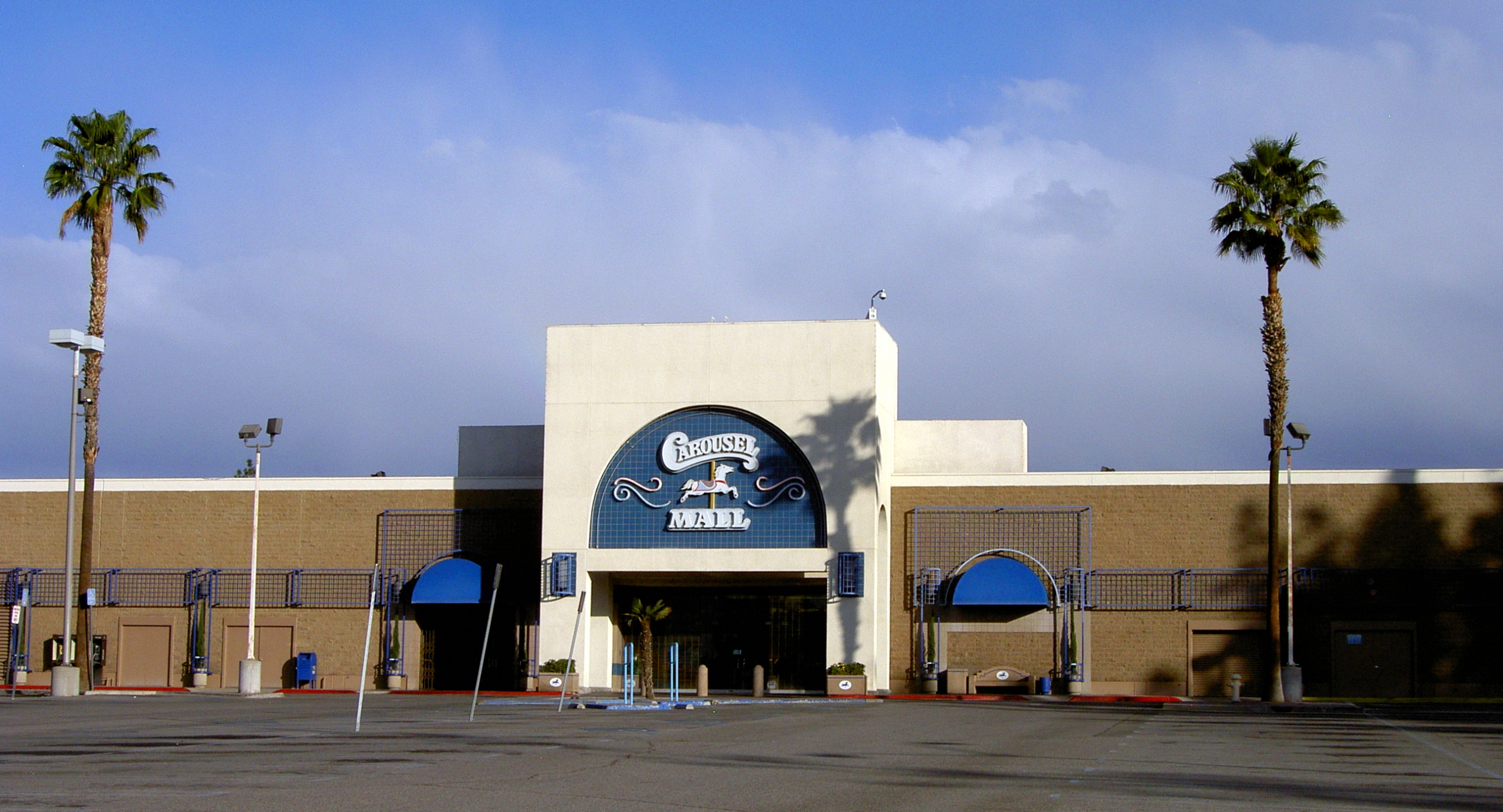
Carousel Mall opened in 1972 (originally as Central City Mall) in San Bernardino, California. The mall featured a working carousel in its central atrium — the source of its eventual name. At peak, the mall served as a primary destination for the Inland Empire region.
Decline began in the 1990s as competing retail emerged. By the 2010s, the mall had become primarily known for its declining condition. The mall closed in 2017 after multiple anchors departed.
Demolition began in 2022 and is still ongoing as of 2026. The site is planned for mixed-use redevelopment.
11. Owings Mills Mall — Owings Mills, Maryland (1986-2015)
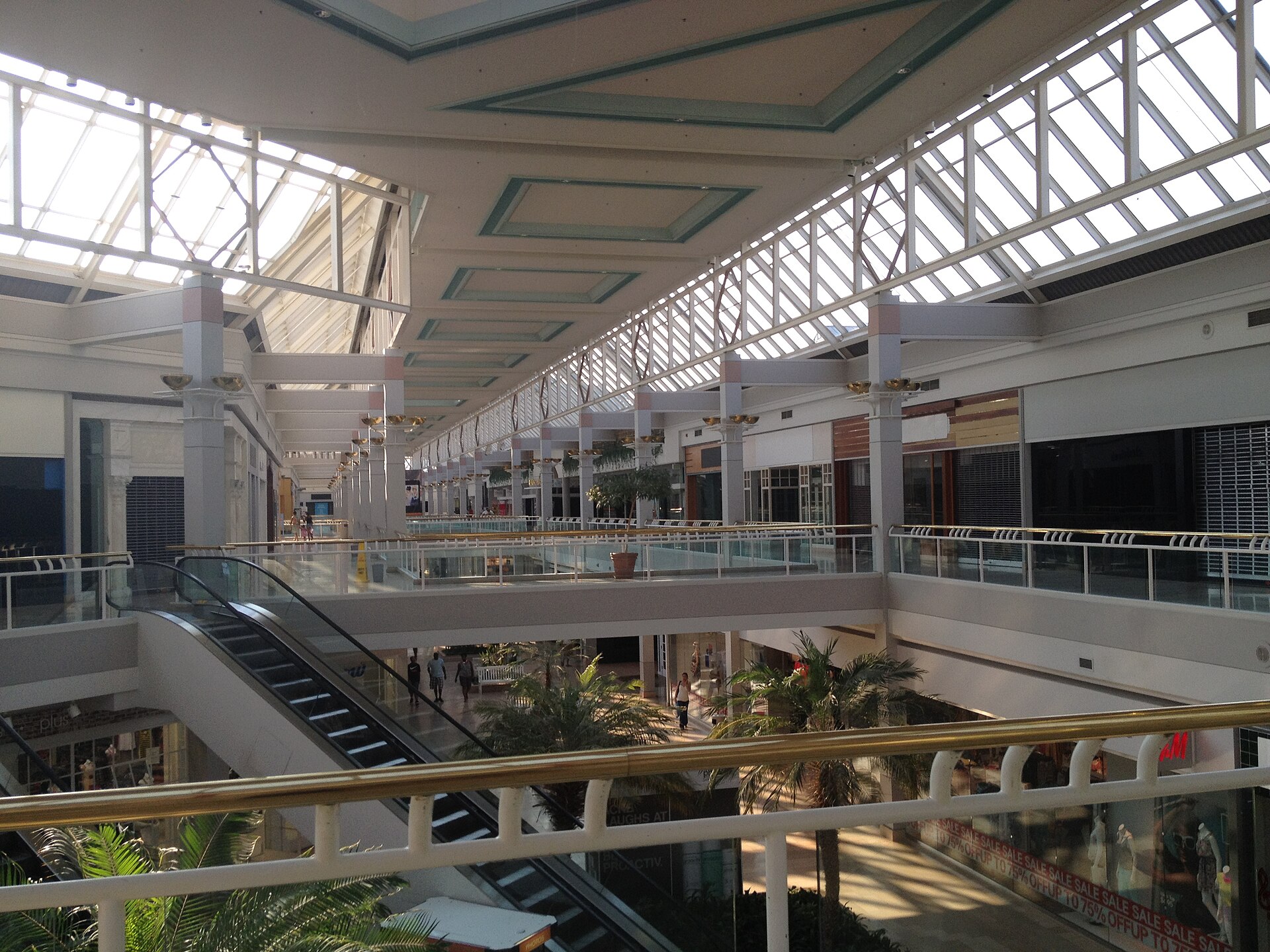
Owings Mills Mall opened in suburban Baltimore in 1986. The mall was a major regional destination through the 1990s and early 2000s. Decline accelerated dramatically after 2008. The mall closed in 2015 with multiple empty anchor positions.
Demolition began in 2016. The site has been substantially redeveloped, with a new mixed-use development including residential, office, and retail components. The redevelopment is considered one of the more successful “dead mall” reuse projects in the country.
What this dying retail landscape actually represents
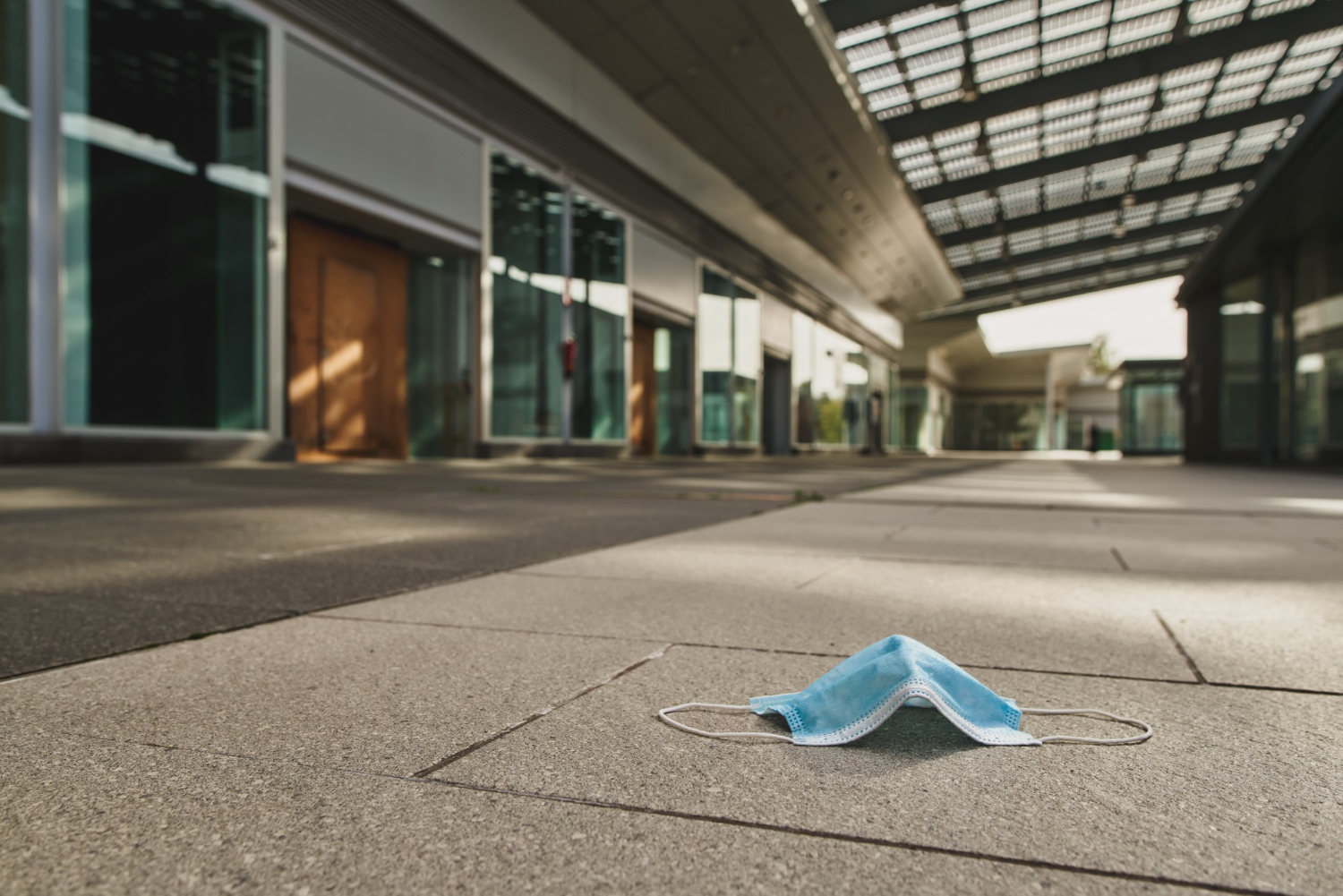
The death of American malls reflects multiple specific factors converging over 30+ years:
E-commerce transformation. Amazon’s growth from a 1994 online bookseller to a $1.5+ trillion company by 2026 directly correlated with mall decline. The convenience and selection that physical malls offered for decades was substantially exceeded by e-commerce. Many former mall sites are now Amazon distribution centers — a literal physical replacement.
Anchor store collapse. The traditional mall model relied on large department store “anchors” (Sears, JCPenney, Macy’s, Montgomery Ward) to drive foot traffic. As these chains contracted (Sears bankruptcy 2018, multiple JCPenney bankruptcies, Montgomery Ward closure 2001), the mall economic model became unsustainable. Without anchors, smaller specialty stores couldn’t generate sufficient traffic to survive.
Demographic shifts. Many surviving 1970s-era malls served suburbs that have demographically changed substantially. Older, whiter, middle-class shoppers have aged out or relocated. Newer demographic groups have different shopping preferences and may not engage with the mall format the same way.
Crime and safety perception. Mall crime didn’t increase dramatically over the period. But in many cases, crime perception drove tenant decisions and consumer behavior. Several malls on this list (Randall Park, Hawthorne Plaza, Dixie Square) declined partly because of crime reputation that may have exceeded actual statistical risk.
Cultural shifts in social space. Malls served as social spaces for teenagers and families during their peak. Modern alternatives — coffee shops, gyms, online platforms, smaller specialty centers — have replaced this social role for many demographics. Teenagers don’t “hang out at the mall” the way they did in 1995.
Real estate economics. Many malls occupied prime suburban land. As the retail value declined, the underlying real estate value often increased. Demolishing malls and rebuilding (housing, distribution centers, office complexes) became more financially sensible than maintaining declining retail.
The COVID-19 acceleration. The 2020 pandemic accelerated trends already underway. Several marginal malls that might have survived another 5-10 years closed permanently during 2020-2022.
For visitors interested in seeing dead malls directly, several locations remain accessible:
Active urban exploration locations: Century III Mall (Pennsylvania), Hawthorne Plaza (California, when not actively being filmed), Forest Fair Mall (Ohio, before completion of demolition).
Documentary photography destinations: Seph Lawless’s Abandoned Malls of America book documents 20+ malls. Matthew Christopher’s Abandoned America website includes extensive Randall Park documentation. These resources allow vicarious experience of malls that have been demolished.
Cultural reference points: The Blues Brothers (1980) features extensive Dixie Square footage. Various horror films have used dead malls as settings. The Netflix documentary Mall: The Series explored dead mall culture.
The mall reuse model: For travelers interested in seeing what dead malls become, Amazon distribution centers at Randall Park (North Randall, Ohio) and Rolling Acres (Akron, Ohio) represent the most common reuse pattern. Mixed-use developments at Owings Mills (Maryland) represent more ambitious adaptive reuse.
The American shopping mall era is ending. By 2030, industry projections suggest that fewer than 700 enclosed shopping malls will remain in the United States — down from over 1,500 at peak. Of those that survive, most will be heavily reformatted (entertainment-focused, experience-focused, mixed-use) rather than the pure retail model that defined the original mall concept.
For Americans who grew up in the 1970s through 1990s, the disappearance of these specific places represents something more than retail consolidation. The malls were where parts of life happened — first jobs, first dates, family Saturdays, holiday shopping rituals, photo sessions with the Easter Bunny and Santa Claus. The buildings being demolished took specific memories with them. Amazon distribution centers don’t replace those memories. They just process the e-commerce orders that contributed to making the original spaces obsolete.
The future of American retail may produce its own dramatic spaces. But the specific texture of the 1980s and 1990s mall — the food courts, the carousel music, the holiday decorations, the social geography of teenagers and families — exists now only in photographs, films, and the memories of the generations who lived through it. The buildings themselves are mostly gone, or going. What replaces them is functionally efficient and culturally empty.