

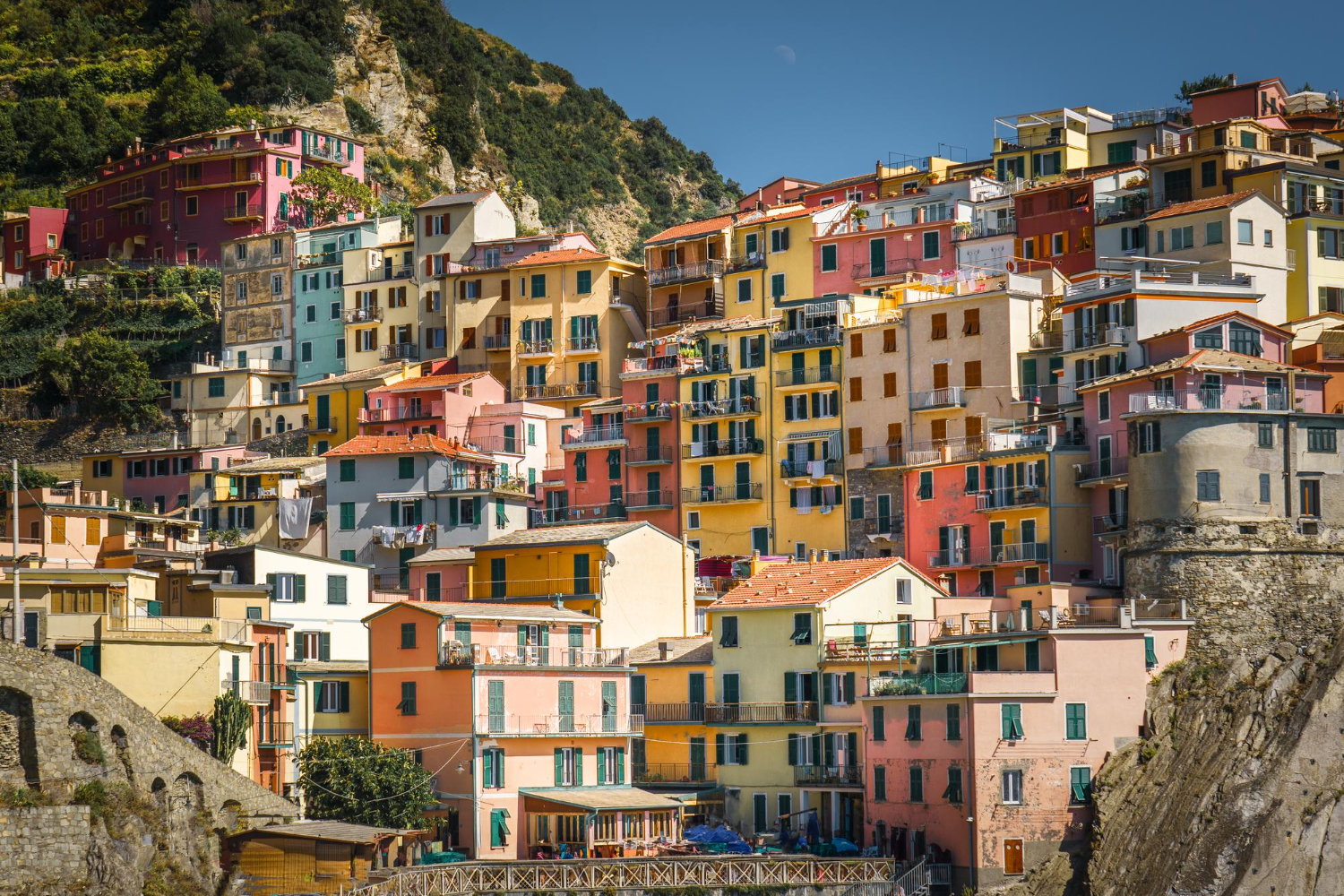
From Trentino, Italy’s €100,000 home grants to Greek island Antikythera’s €500 monthly stipends to Ireland’s €70,000 renovation grants and Switzerland’s CHF 25,000 per adult, several European regions are now actively paying foreigners to relocate. The catch: every program has specific requirements and most aren’t quite what the headlines suggest. Here’s what’s actually available in 2026.
The headline is irresistible: “European countries pay you to move there.” It shows up regularly in travel media, social media posts, and “abroad” content. The fantasy of getting paid to move to a beautiful Italian village or Greek island is exactly the kind of escapism that 2026 audiences engage with.
The reality is more complicated. Some of the programs are real and genuinely valuable. Others are heavily restricted, mostly aimed at locals, or limited to people who already qualify for residency. Several have either expired or were never quite what the headlines suggested. The actual landscape of European relocation incentives in 2026 includes a mix of legitimate cash grants, property renovation funding, tax breaks, and residency-linked benefits — each with specific eligibility requirements that the viral headlines typically don’t address.
According to a March 2026 analysis by International Living magazine and supplementary reporting from Euronews, AFAR Magazine, and Travel Pirates, the most credible 2026 relocation incentives are concentrated in Italy, Spain, Ireland, Greece, Portugal, Switzerland, and Scotland. Here’s what each program actually offers — and what it requires.
1. Italy — €1 houses, plus regional grants up to €100,000

Italy is the most famous source of European relocation incentives, and the reality mostly lives up to the publicity — though with substantial complications.
The €1 house programs. Multiple Italian towns offer abandoned houses for symbolic prices (€1, sometimes called “€1 house schemes”). The most famous examples include Mussomeli and Sambuca in Sicily, Ollolai and Nulvi in Sardinia, and various towns in Calabria, Tuscany, and Abruzzo. The catch: these are typically genuinely abandoned properties requiring substantial renovation. Buyers must commit to renovating within a fixed timeframe (usually 1-3 years) and provide a deposit (typically €5,000-€10,000) to ensure compliance. Renovation costs typically range from €30,000 to €200,000+ depending on the property’s condition.
The Trentino grant program. Italy’s Trentino region (in the northern Alps, between Lake Garda and the Dolomites) offers up to €100,000 for purchasing and renovating homes in 33 designated villages. The grant can be split between purchase and renovation costs. The catch: applicants must commit to using the property as their primary residence (or long-term rental) for at least 10 years. The Province of Trento has confirmed €5 million in funding for 2026, with applications accepted through scheduled windows. Verify current status at provincia.tn.it.
The Sardinia regional package. Sardinia offers €15,000 to those who move to a municipality with fewer than 3,000 residents and buy or renovate a home. Additional benefits include a monthly subsidy of €600 for a first child plus €400 for each subsequent child until age 5, and up to €20,000 to start a business in a town under 3,000 residents that creates local employment.
The Calabria young professional program. Calabria offers up to €28,000 over three years to qualifying individuals under 40 willing to move to villages with fewer than 2,000 residents and either start a local business or fill an in-demand job (teaching, healthcare, etc.).
The Radicondoli incentive program. This medieval town about an hour south of Florence offers €400,000 in 2026 for new residents — grants for home purchases, subsidies for green energy installations, and rent assistance. Mayor Francesco Guarguaglini has committed to covering half of the first two years of rent for newcomers who apply by December 2025 and move in by early 2026. Property buyers must commit to staying 10 years; renters must stay at least 4 years.
The 7% flat tax. Italy offers a flat 7% tax rate on certain types of income for up to 10 years for residents who settle in designated southern municipalities (typically those in Calabria, Sicily, Sardinia, Puglia, and other southern regions). Standard Italian top tax rates exceed 40%, making this a substantial reduction. The benefit applies to qualifying retirees and certain other income types.
The catch for Americans: None of these programs grants residency rights on their own. American applicants must still secure visas separately. The Italian “elective residence visa” (typically requiring proof of approximately €31,000+ in annual passive income) is the most common pathway. Italy’s digital nomad visa (launched 2024) offers another pathway for remote workers.
2. Spain — €3,000 to €15,000 per adult, depending on region
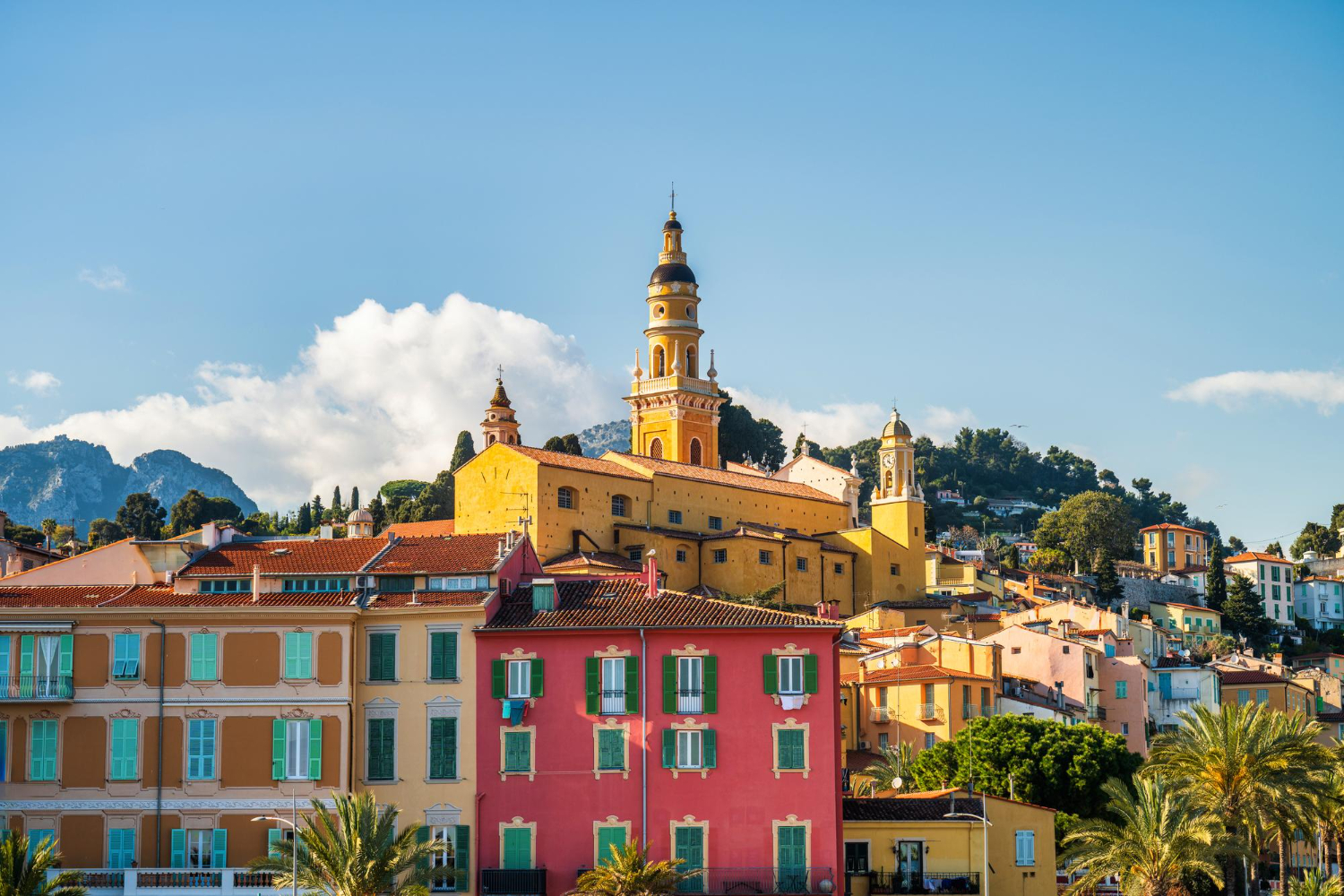
Spain has multiple regional programs, each with specific requirements:
Ponga, Asturias. This small Asturian municipality offers around €3,000 to new residents who commit to permanent relocation. Family applications can include €3,000 per adult and €3,000 per child.
Extremadura digital nomad program. The Extremadura region offers up to €15,000 to relocating digital nomads. Specific conditions apply, with priority given to applicants who commit to living and working in designated rural areas.
The Holapueblo program. A nationwide initiative connecting entrepreneurs with rural Spanish municipalities seeking new residents. Holapueblo connects budding entrepreneurs to participating towns and assists with application and business setup. Eligibility requires a strong business idea and legal right to live and work in Spain.
Volver al Pueblo program. Similar platform compiling housing, jobs, businesses, and land in rural Spanish areas.
The Beckham’s Law tax regime. Spain’s special expat tax regime (named after David Beckham, who used it during his Real Madrid years) offers a flat tax rate on certain employment income up to a cap, plus exemptions on certain foreign-source income. The benefit applies for a limited period (currently 6 years) and requires meeting specific income and residency requirements.
The catch: Spain’s digital nomad visa (launched 2023) is the primary pathway for non-EU citizens. Standard requirements include proof of approximately €2,400-€3,000 monthly income and various paperwork requirements.
3. Ireland — Up to €84,000 for refurbishing derelict properties

Ireland’s approach is different from Italy or Spain. Rather than direct cash payments, Ireland offers substantial grants for refurbishing vacant or derelict houses to livable condition.
The Vacant Property Refurbishment Grant. Up to €70,000 for refurbishing a vacant or derelict property to use as a primary residence or registered long-term rental. The grant rises to €84,000 for properties on certain offshore islands.
The catch: Ireland’s program is administered by the national government but requires applicants to actually own the property in their own name. The grants must be used for refurbishment — they aren’t cash for personal use. Property owners must use the refurbished property as their principal residence or make it available for long-term rental. Short-term vacation rentals are explicitly excluded.
For Americans, the program is genuinely accessible but requires substantial commitment — purchasing the property (often €30,000-€100,000+ depending on location and condition), securing residency separately (Ireland has multiple visa pathways), and managing the renovation process.
4. Greece — €500 monthly stipend on Antikythera island
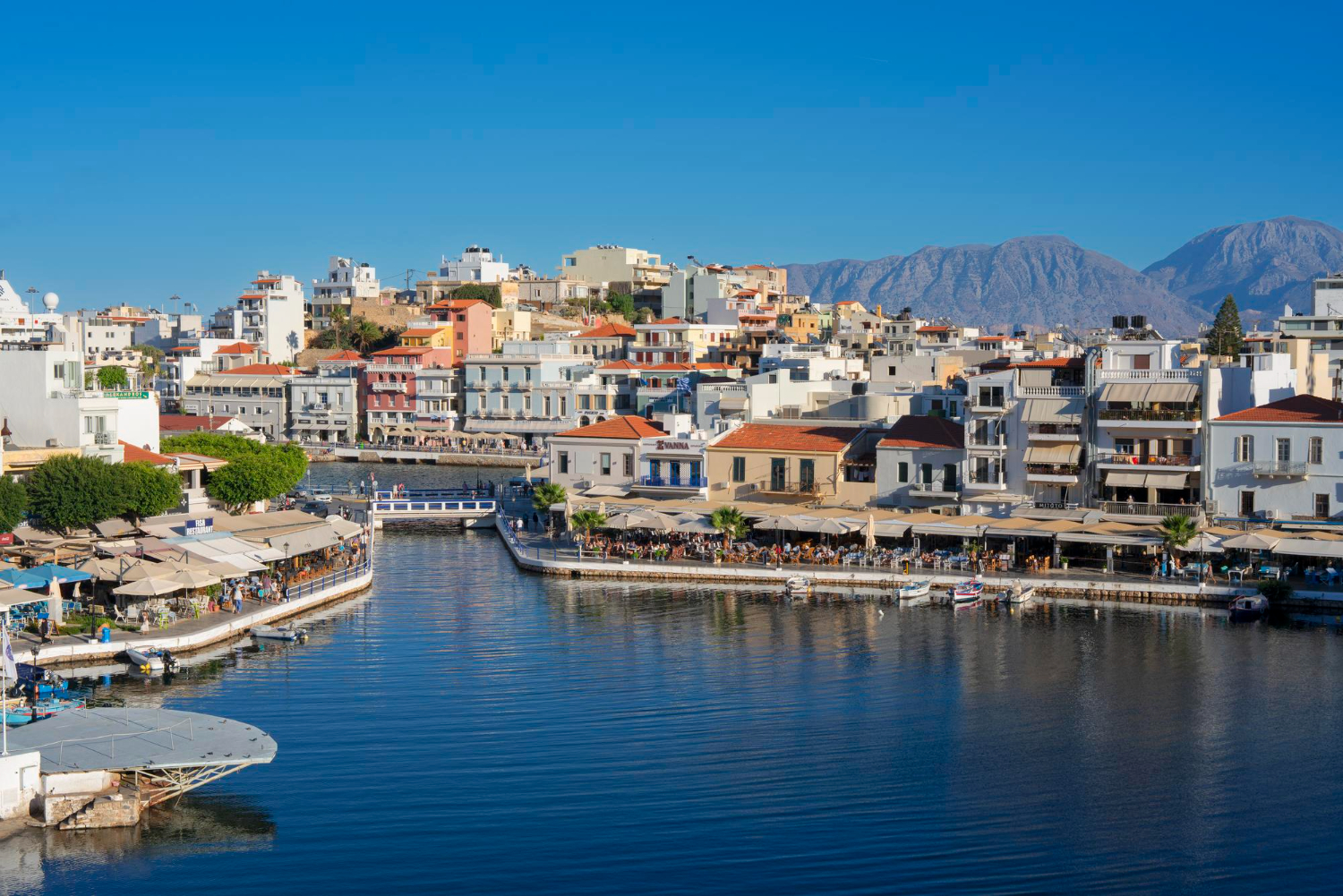
Greece offers what is currently the most genuine “we’ll pay you to live here” program in Europe.
The Antikythera island program. This tiny Greek island in the southern Aegean Sea has fewer than 50 permanent residents and is actively trying to reverse population decline. The program offers free housing (provided or newly built for selected participants), a monthly stipend of €500 per household for up to three years (totaling roughly $18,000-$20,000 over the program duration), and additional support for essential services.
The catch: Only five families are selected. Priority goes to families with at least four children and practical trades like baking, fishing, farming, or construction that support island life. As of early 2026, housing construction is still underway and no families have moved in yet due to administrative delays.
The Kythera relocation program. A separate program on the larger Kythera island, organized by community leaders and the Greek Orthodox Church of Kythera. Specifically aims at families willing to settle permanently and contribute to island life.
The 7% flat tax for new residents. Greece offers a 7% flat tax rate for up to 15 years for new residents who meet specific requirements. This is one of the most generous tax incentives in the EU and applies to qualifying retirement income from foreign sources.
The catch: The Antikythera and Kythera programs are highly competitive and prioritize specific family configurations and skills. Most general applicants will not qualify.
5. Portugal — €6,000 relocation grant + tax benefits

Portugal has been actively welcoming foreigners for years through various programs.
Emprego Interior Mais program. This Portuguese government program provides eligible applicants with a one-off payment of up to €6,000 (approximately $6,400) to cover relocation expenses when moving to rural areas. Households can receive an additional 20% for each dependent who relocates with the applicant.
Foreign applicants. Foreign applicants typically need a valid residency permit to qualify. The country’s D8 digital nomad visa (requiring monthly earnings of around €3,500) is the most common pathway. Applicants must demonstrate the ability to fund their stay.
The Tech Visa program. Portugal offers up to €5,000 to tech entrepreneurs and startups through the Tech Visa program, designed to attract innovative business leaders to Lisbon and Porto.
The catch: Portugal famously eliminated its highly popular “Non-Habitual Resident” (NHR) tax regime in 2024 — a major factor in earlier American interest in Portuguese relocation. The replacement program (sometimes called NHR 2.0) is more restrictive and excludes some categories of beneficiaries that the original program included.
6. Switzerland — CHF 25,000 per adult in Albinen

Switzerland’s relocation programs are concentrated in a single notable example.
The Albinen program. This scenic Alpine village (population fewer than 300) offers families CHF 25,000 (approximately $26,800) per adult and CHF 10,000 (approximately $10,700) per child to relocate. The program has attracted significant international attention since launch.
The catch: Strict requirements include:
- New residents must be under 45 years old
- Must have Swiss citizenship or permanent residency
- Must commit to staying at least 10 years
- Must invest in property in the village
The Swiss citizenship requirement is the most significant barrier for non-Swiss applicants. The village has reportedly been overwhelmed with international inquiries since going viral, with around 100 inquiries per day at peak. By 2023, only around 17 applications had been approved despite years of inquiries. Most foreign applicants don’t meet the residency requirements.
For American applicants, the Albinen program is essentially unavailable unless they already hold Swiss citizenship through ancestry or have already obtained Swiss permanent residency through other means.
7. Scotland — Various rural settlement programs

Scotland has been more cautious in its relocation incentives compared to Italy or Spain, but several programs exist.
Highland and Islands employment grants. Various Scottish programs offer support for individuals taking jobs in the Scottish Highlands and Islands. These are typically employer-sponsored rather than direct cash grants for relocation.
Shetland and Orkney island incentives. Some Scottish island communities have offered housing assistance and relocation support to attract essential workers (teachers, healthcare workers, fishermen, etc.). These programs are typically small-scale and locally administered.
The catch: Scotland’s relocation incentives are smaller and more narrowly targeted than the Italian or Spanish programs. Most are essentially employment recruitment with relocation assistance rather than general “move here” cash grants.
8. Other European programs

Several other European countries have smaller-scale or specifically targeted programs:
Estonia e-Residency program. Not a traditional relocation incentive, but offers digital entrepreneurs the ability to start and run businesses through Estonian digital infrastructure without physically relocating. Useful for entrepreneurs interested in EU market access.
Croatian rural settlement programs. Various Croatian municipalities have offered modest relocation incentives for rural settlement. Programs are typically small-scale and locally administered.
Albanian relocation incentives. As Albania prepares for potential EU accession, various local programs have offered support for foreign settlement. Programs are emerging and changing rapidly.
French rural revitalization programs. Various French departments have introduced small-scale relocation incentives for designated rural areas. The “Cœur de Village” and similar programs offer modest support for property purchase in declining rural communities.
What the headlines actually misrepresent

The “European countries will pay you to move there” framing typically simplifies several important realities:
These are usually local or regional programs, not national programs. Italy, Spain, and most other countries don’t have nationwide “move here for cash” programs. The benefits come from specific municipalities, regions, or special initiatives — meaning eligibility, amounts, and requirements vary dramatically by location.
Most programs require commitment. Almost all programs require multi-year residency commitments (typically 5-10 years). The grants are not “show up and collect cash” — they’re long-term incentives that produce substantial costs (renovation, residency requirements, tax obligations) alongside the benefits.
These programs don’t grant residency. Critically, accepting any of these programs doesn’t automatically grant the right to live in the country. Applicants must still secure appropriate visas separately. For Americans without EU citizenship, this typically means digital nomad visas, retirement visas, or investment visas — each with their own requirements.
Property renovation is harder than it looks. Many programs (€1 houses, Irish renovation grants) require substantial renovation work. Renovation in foreign countries with different building codes, local construction practices, and language barriers presents genuine challenges that the marketing rarely addresses.
Cultural integration is the unaddressed challenge. Relocation expert Jennifer Sontag, who runs ViaMonde (a relocation agency helping Americans move to Italy and Spain), has described in industry reporting that small village relocations are emotionally challenging: “Lack of jobs to start with, in a closed society without connections.”
Programs change frequently. Many programs have funding cycles, application windows, or have expired since being initially publicized. Always verify current status with relevant authorities before making relocation plans.
How to actually evaluate these programs

For Americans seriously considering European relocation, several practical steps:
Start with the visa question. Before evaluating any incentive program, determine which visa pathway is realistic. Italy’s elective residence visa, Portugal’s D8 digital nomad visa, Spain’s digital nomad visa, and various retirement visas are common pathways. The visa requirement is more restrictive than the relocation incentive in most cases.
Evaluate total cost vs. benefit. A €100,000 Trentino grant might require €150,000-€300,000+ in renovation costs. The incentive offsets but rarely fully covers relocation costs. Net financial benefit is typically positive but smaller than the headlines suggest.
Consider the location seriously. Most programs are deliberately located in declining rural areas. The “beautiful Italian village” you’re moving to may have limited services, few job opportunities, language barriers, and an aging population. Visit the location before committing.
Plan for the residency commitment. 5-10 year commitments are substantial. Plans for children’s education, career development, healthcare, and aging parents all need consideration before committing to a multi-year European residency.
Work with relocation specialists. Companies like ViaMonde (Italy/Spain), Holapueblo (Spain), and various local-knowledge consultancies can help navigate the complexity of specific programs. The fees are typically modest relative to the relocation costs.
Verify current program status. Programs have changed substantially in recent months and years. Direct contact with the relevant municipal or regional authorities is the best way to confirm current status, eligibility, and application processes.
The European relocation incentive landscape in 2026 represents a genuine opportunity for Americans willing to navigate the complexity. Italy’s various programs, Greece’s island initiatives, Ireland’s renovation grants, and Spain’s regional programs all offer meaningful financial benefits for the right applicants. But the dream of “Europe paying you to move there” requires substantial work, commitment, and realistic expectations to translate into actual relocation. For travelers and aspiring expats interested in pursuing these opportunities, the door is genuinely open — but you have to actually walk through it, with eyes open about what’s on the other side.

