Condiments are the least examined things in any kitchen. They sit in the door of the fridge for months, get used without thought, and almost all of them arrived by some improbable historical route. Here are fifteen worth knowing about.
1. Ketchup
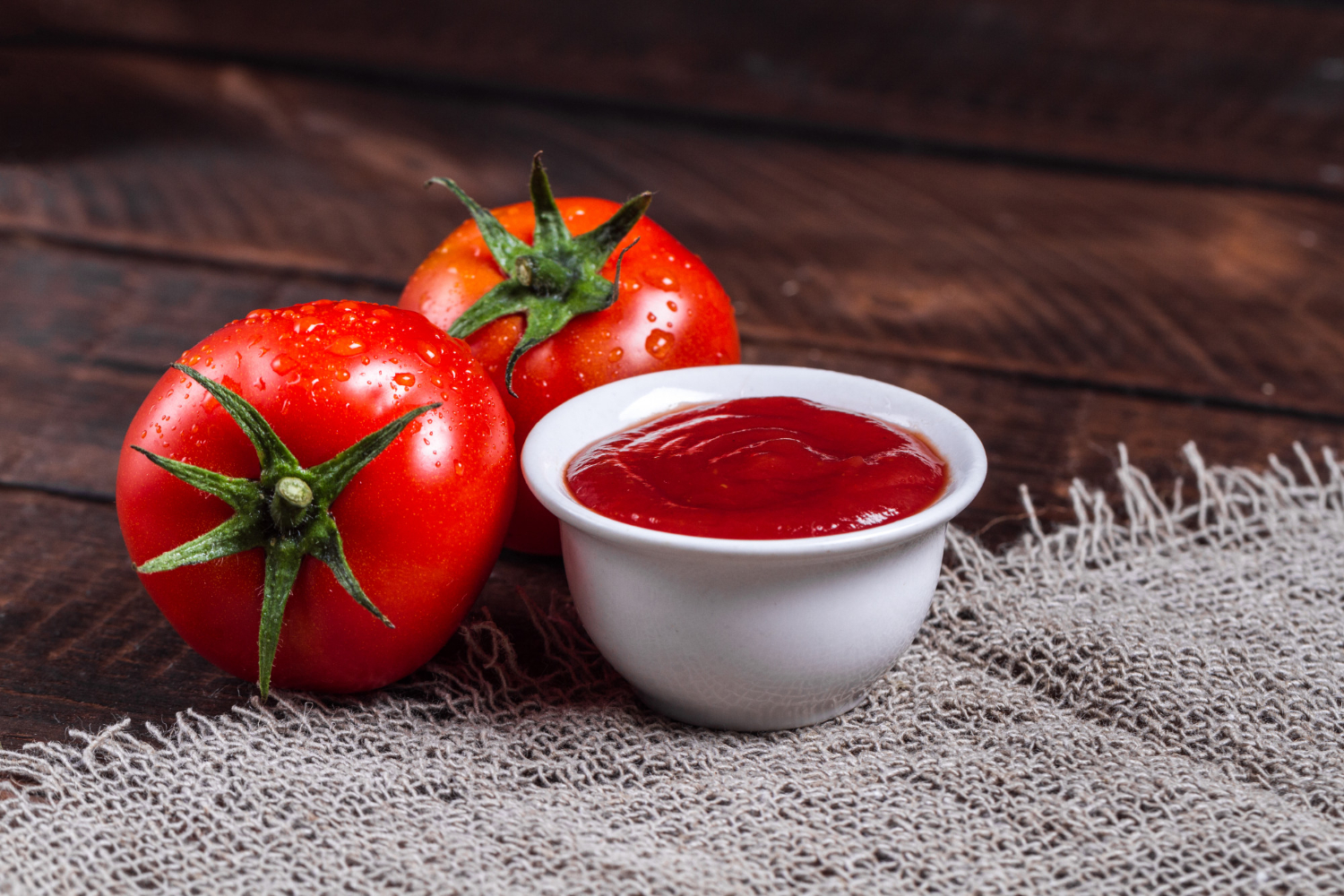
The name traces back to a fermented fish sauce from Southeast Asia, and the earliest English versions contained no tomatoes whatsoever. Mushrooms, walnuts, oysters and anchovies were all used.
Tomato versions appeared in the early nineteenth century and gradually took over, helped enormously by the tomato’s acidity making the sauce more stable. The original was closer to a thin savory brine. Ketchup is the everyday condiment that changed its core ingredient entirely and kept the name.
Like our content? Follow us for more.
2. Worcestershire Sauce
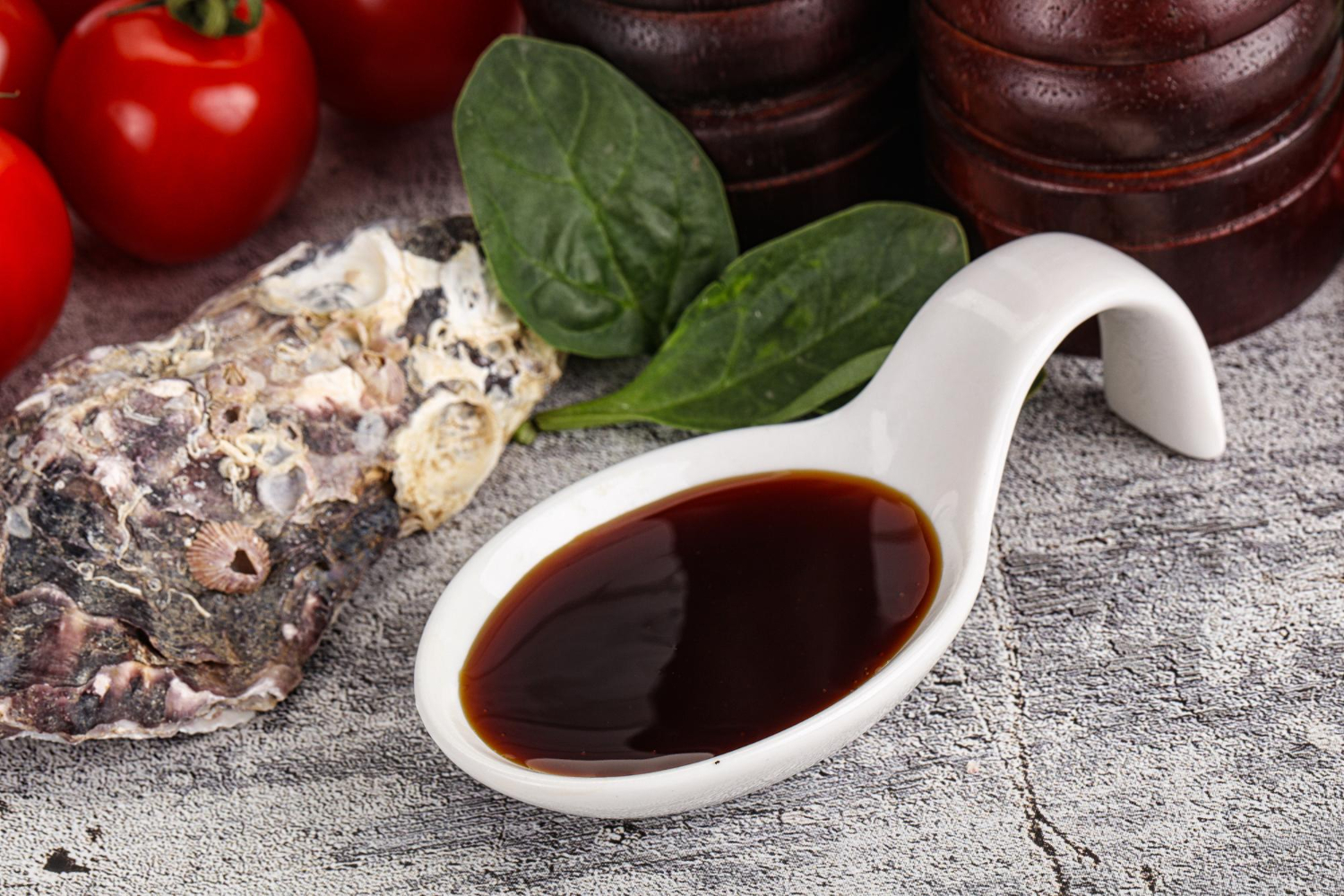
This dark, thin, intensely savory sauce is built on fermented anchovies, tamarind, molasses and vinegar. Its defining characteristic came from neglect.
The widely told account holds that an early batch was judged undrinkable, left in a cellar, and rediscovered much later, by which point fermentation had transformed it into something excellent. Whether every detail holds, the aging is essential. Worcestershire is the everyday condiment that only works because somebody forgot about it.
3. Mustard
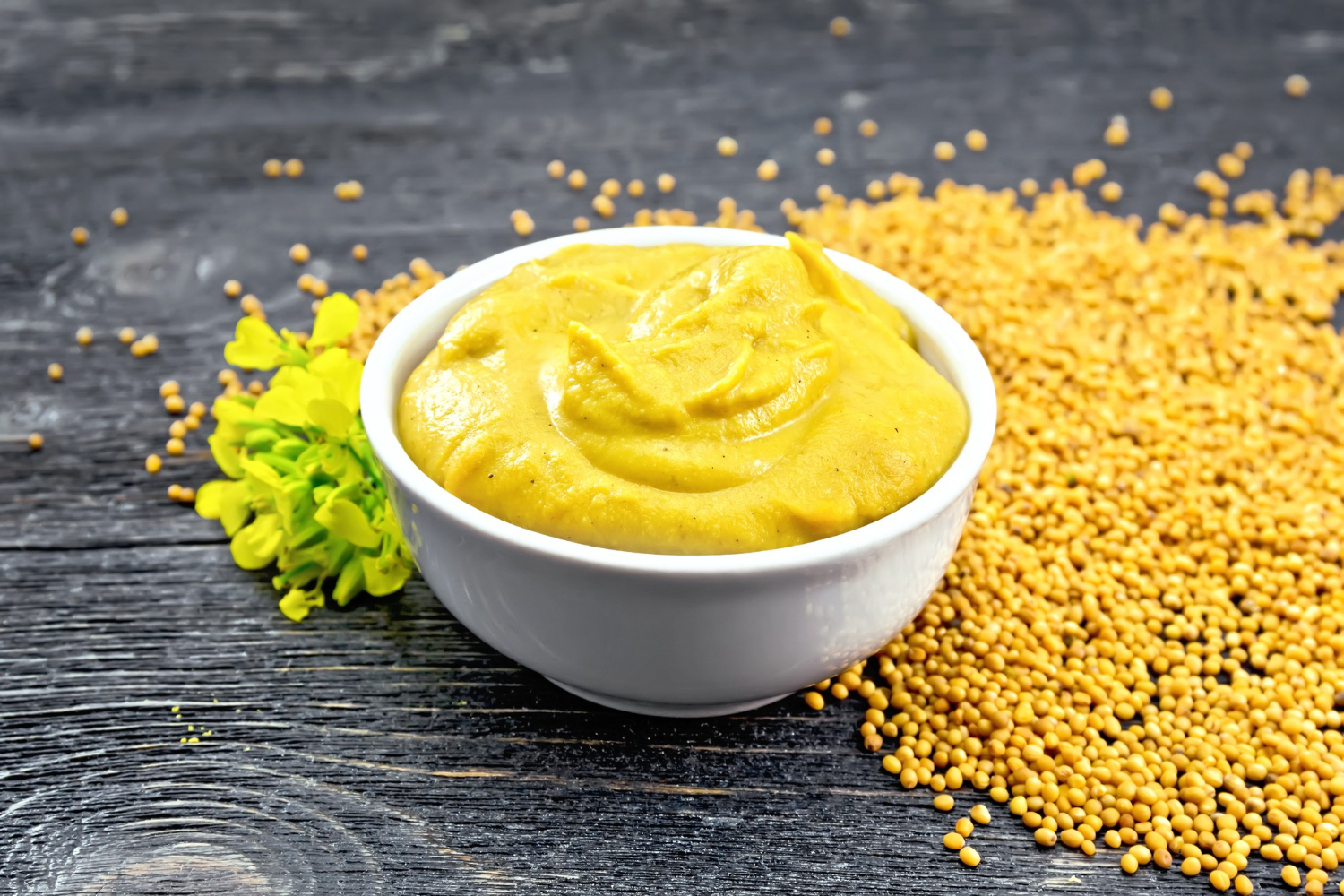
One of the oldest condiments in continuous use, made by grinding the seeds of the mustard plant and mixing them with liquid. The choice of liquid changes everything.
Cold water produces sharp heat, vinegar tames it, and wine or beer produces the styles associated with different European regions. The pungency actually develops after grinding, through a chemical reaction. Mustard is the everyday condiment where the preparation matters as much as the ingredient.
4. Mayonnaise
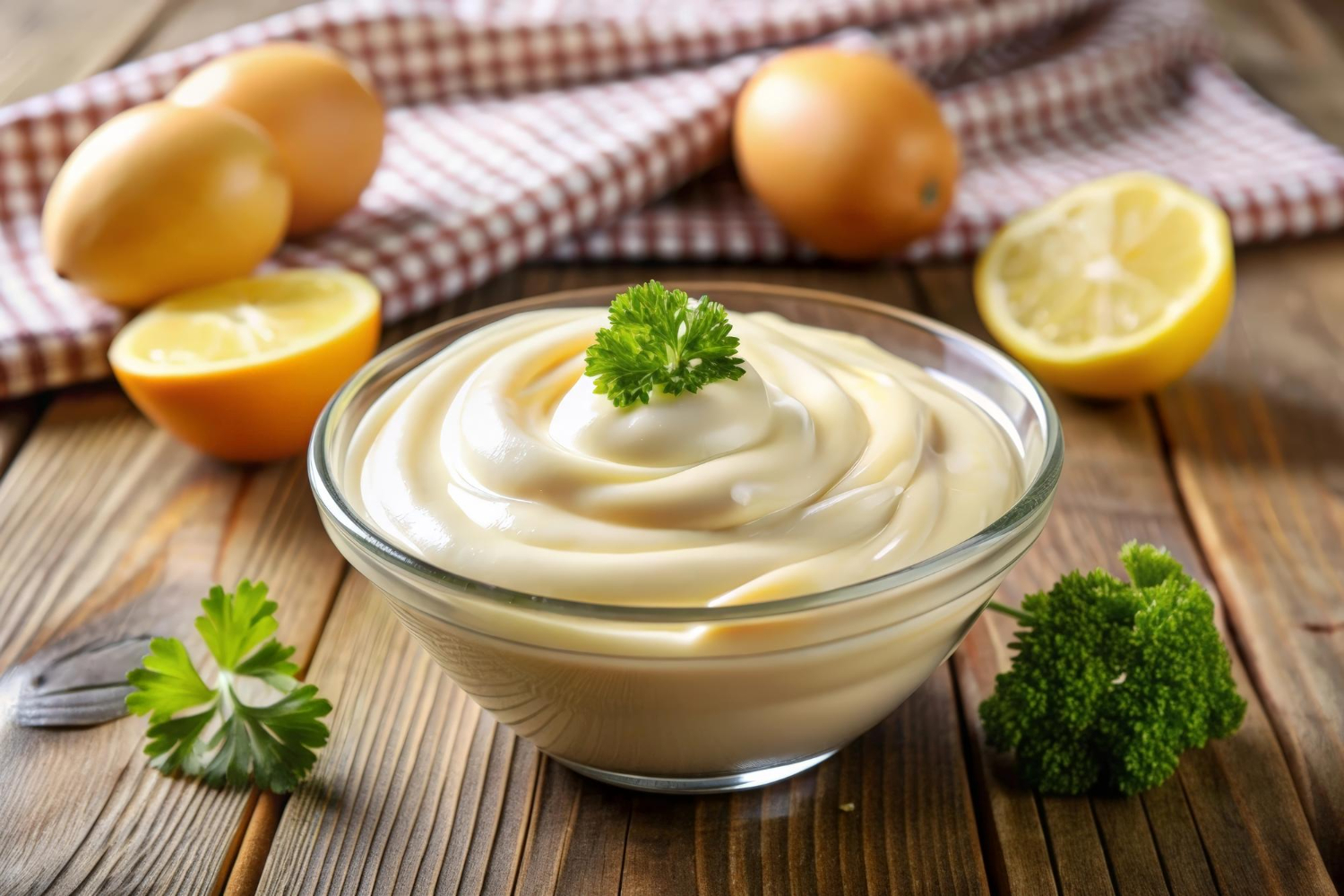
An emulsion of egg yolk, oil and an acid, held together by the yolk’s ability to bind two things that should not mix. Its origin is claimed by both France and Spain.
The most repeated story attaches it to an eighteenth-century military occasion in the Mediterranean, though the details are disputed and the sauce may well be older. The technique is the achievement. Mayonnaise is the everyday condiment that is really a physics trick performed with a whisk.
5. Soy Sauce
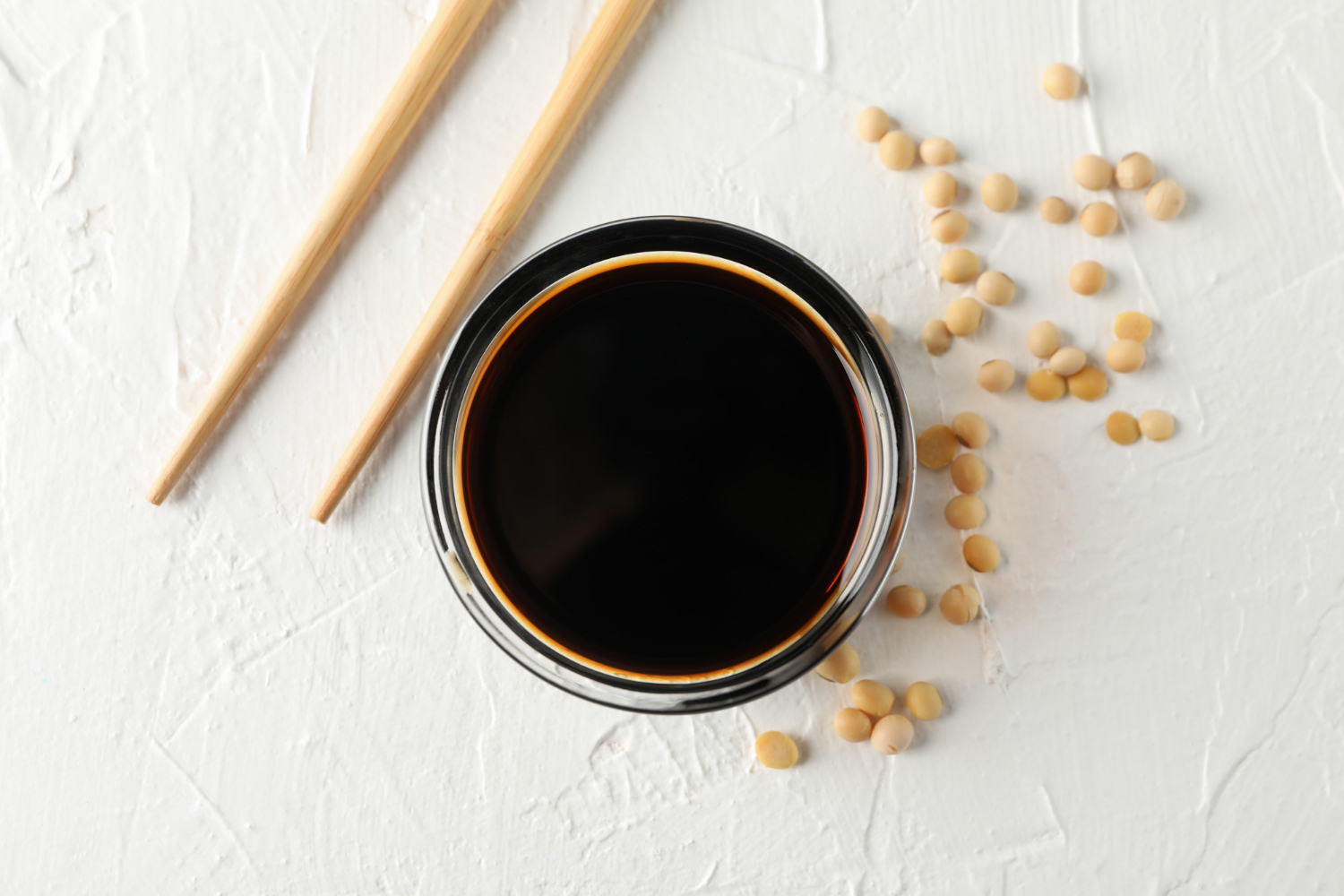
Produced by fermenting soybeans with wheat, salt and a cultivated mould, in a process developed in China more than two thousand years ago. It spread across East and Southeast Asia, evolving regionally.
Traditional brewing takes months and produces a depth that rapid chemical production cannot match. Japanese, Chinese, Korean and Indonesian styles differ substantially. Soy sauce is the everyday condiment with the longest continuous production history in this list.
6. Sriracha
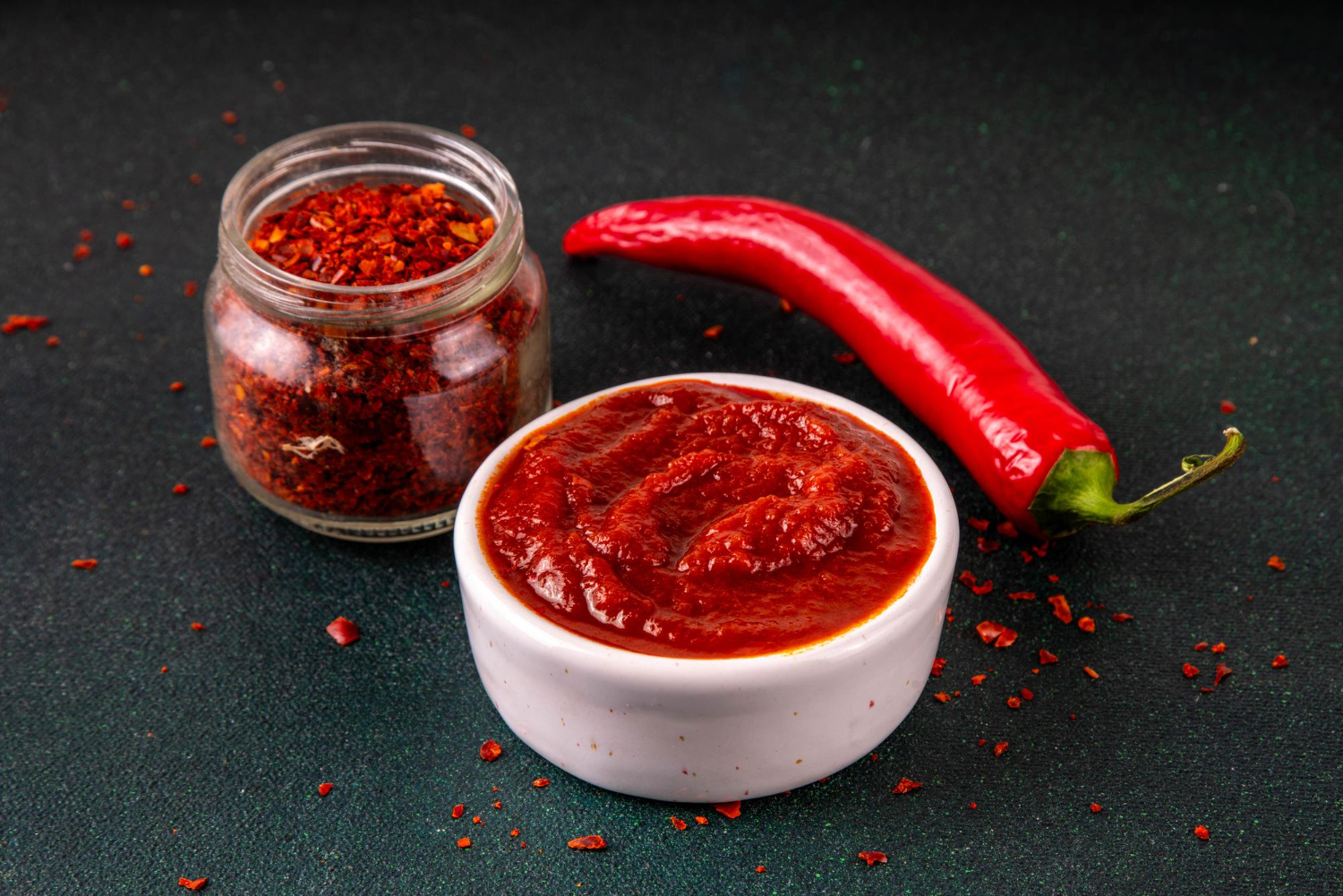
Named for a coastal town in Thailand where a version was reportedly first made and sold locally before spreading widely. It is a chili sauce with garlic, vinegar and sugar.
The style became internationally famous through a later American-produced version, and it now appears in cuisines that have nothing to do with its origins. Recipes vary substantially. Sriracha is the everyday condiment that took a small Thai town’s name around the world.
7. Louisiana Pepper Sauce
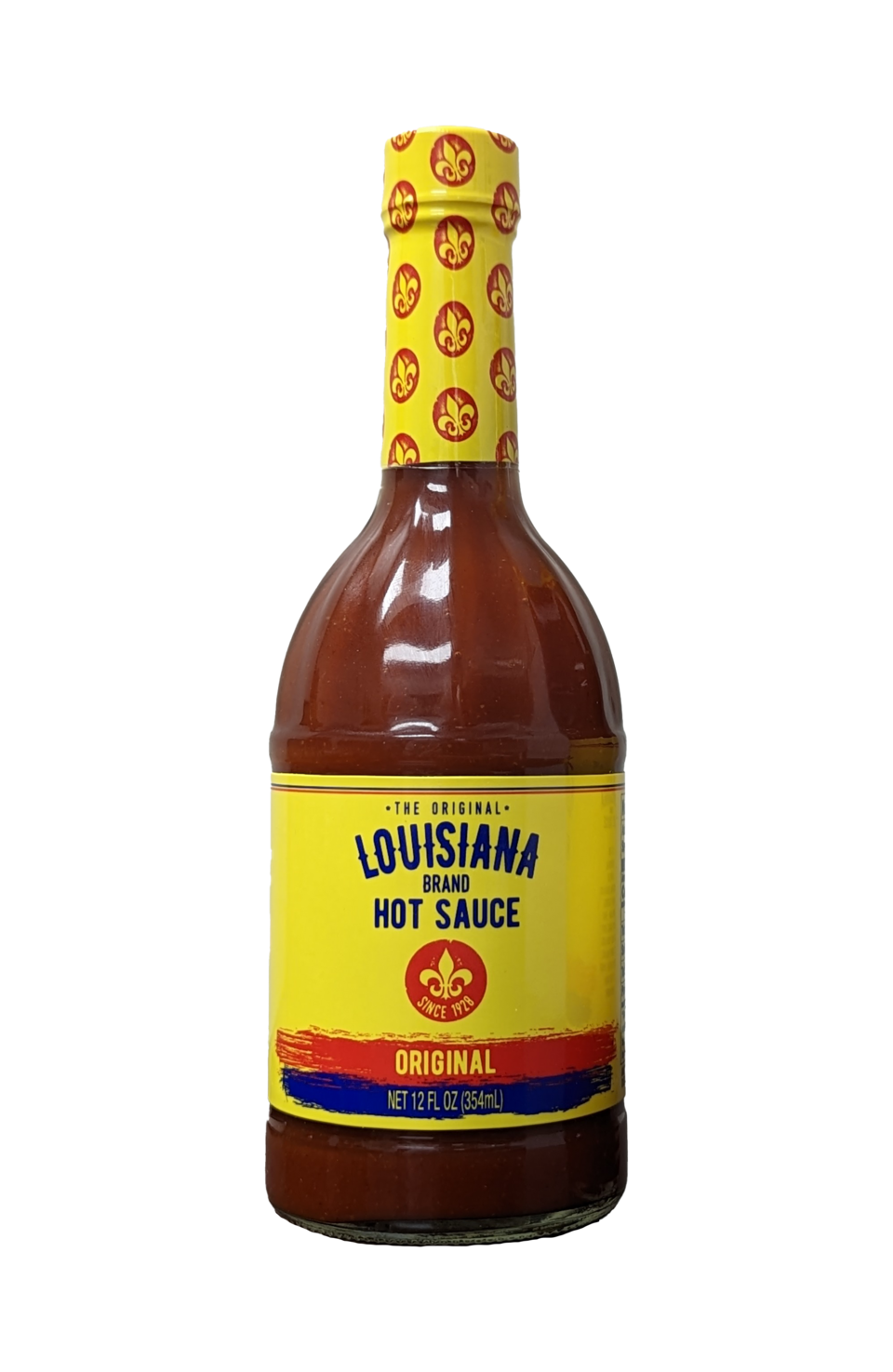
Thin, vinegary, fiery hot sauces of this type originated in Louisiana in the nineteenth century, made from small red peppers aged with salt before vinegar is added.
The aging is what separates them from a simple blended chili sauce, developing a rounded, fermented sharpness. The style spread across the American South and then everywhere. Louisiana pepper sauce is the everyday condiment that made fermentation a hot-sauce standard.
8. Vinegar
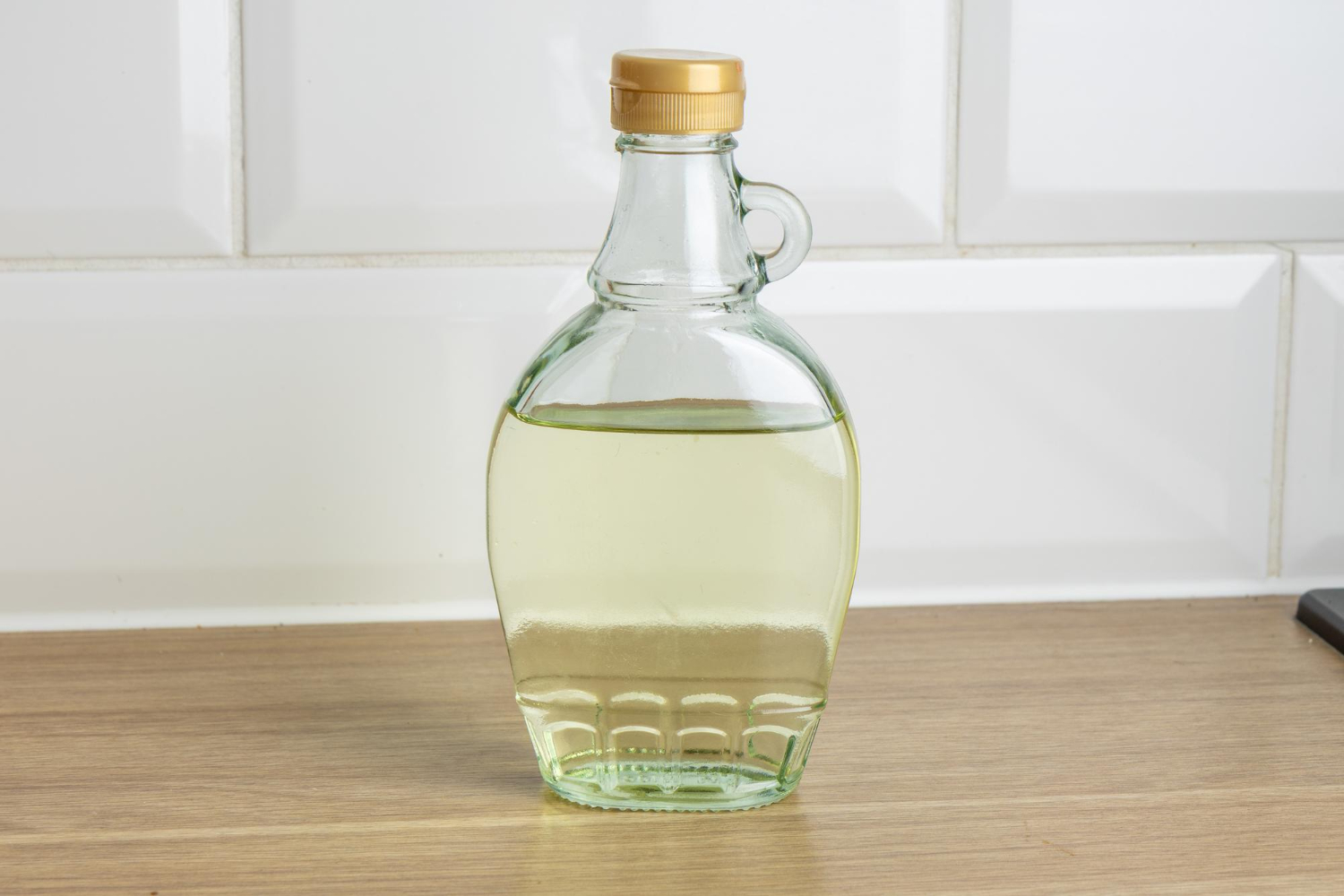
Older than almost anything else in the kitchen, produced when alcohol ferments a second time and turns acidic. The name comes from French words meaning sour wine.
Every alcohol produces its own vinegar: wine, cider, rice, malt, and so on, each with a distinct character, and it was historically as valuable for preserving food as for flavoring it. Vinegar is the everyday condiment that began as wine that went wrong.
9. Fish Sauce
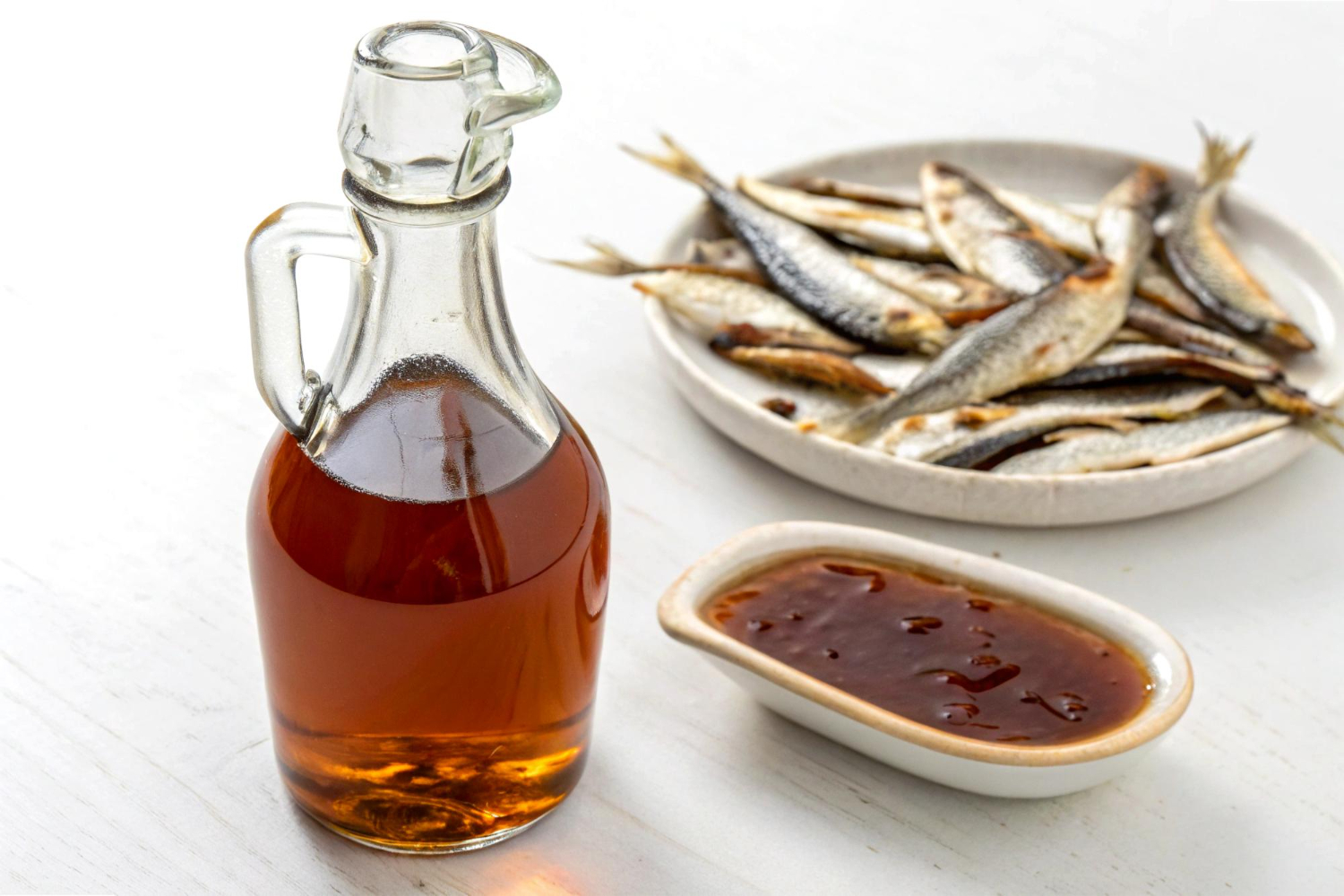
A pungent liquid made by salting and fermenting fish for months, used across Southeast Asia, and the direct ancestor of several sauces on this list. The Romans made a version of their own.
It smells far stronger than it tastes; used properly it disappears into a dish and leaves depth behind. It is the savory backbone of enormous amounts of cooking. Fish sauce is the everyday condiment whose influence is much wider than its reputation suggests.
10. Horseradish
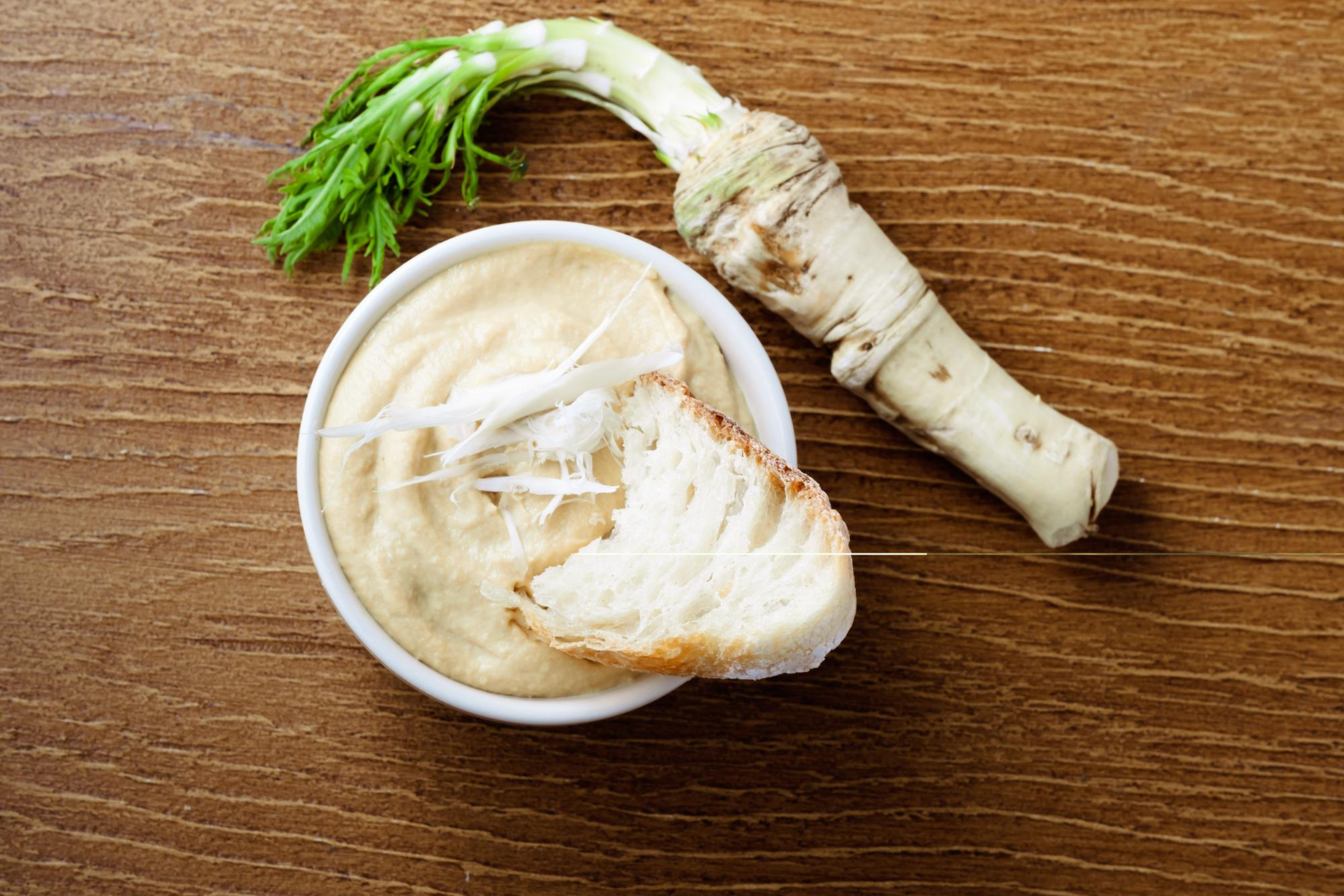
A pungent root, grated and mixed with vinegar, whose heat is released only when the cells are damaged by grating or crushing. The vinegar then locks in the pungency.
Add vinegar immediately and it is milder; wait a few minutes and it is fierce, which is why prepared strength varies so widely. It has been used for millennia. Horseradish is the everyday condiment where the timing of one step decides the heat.
11. Barbecue Sauce
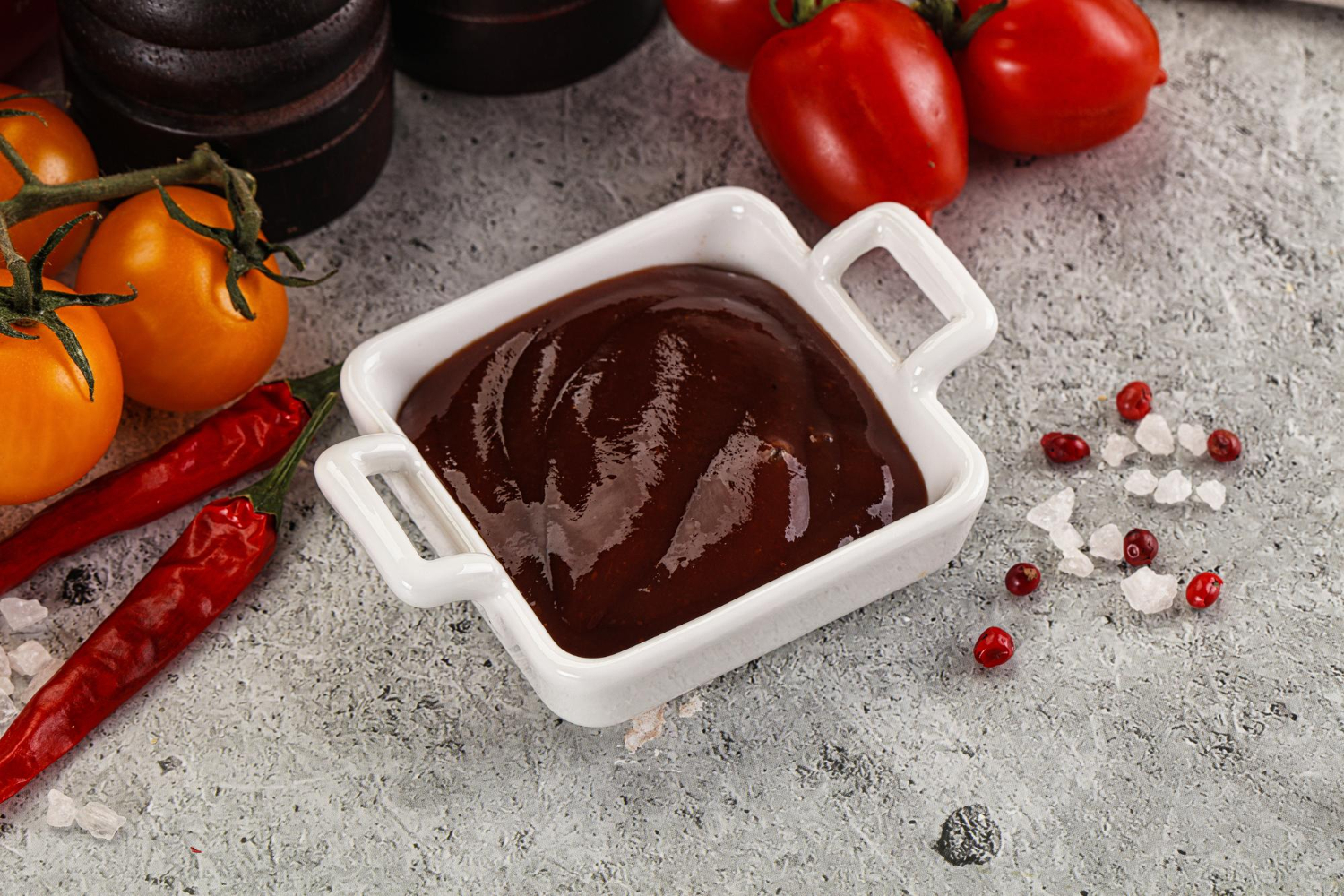
A broad family rather than a single thing, with American regional styles diverging sharply: tomato and molasses, vinegar and pepper, mustard-based, or thin and spicy.
Which one counts as correct depends entirely on where you are standing, and people hold firm views. The regional differences track historical settlement and available ingredients. Barbecue sauce is the everyday condiment most likely to start a regional argument.
12. Tahini
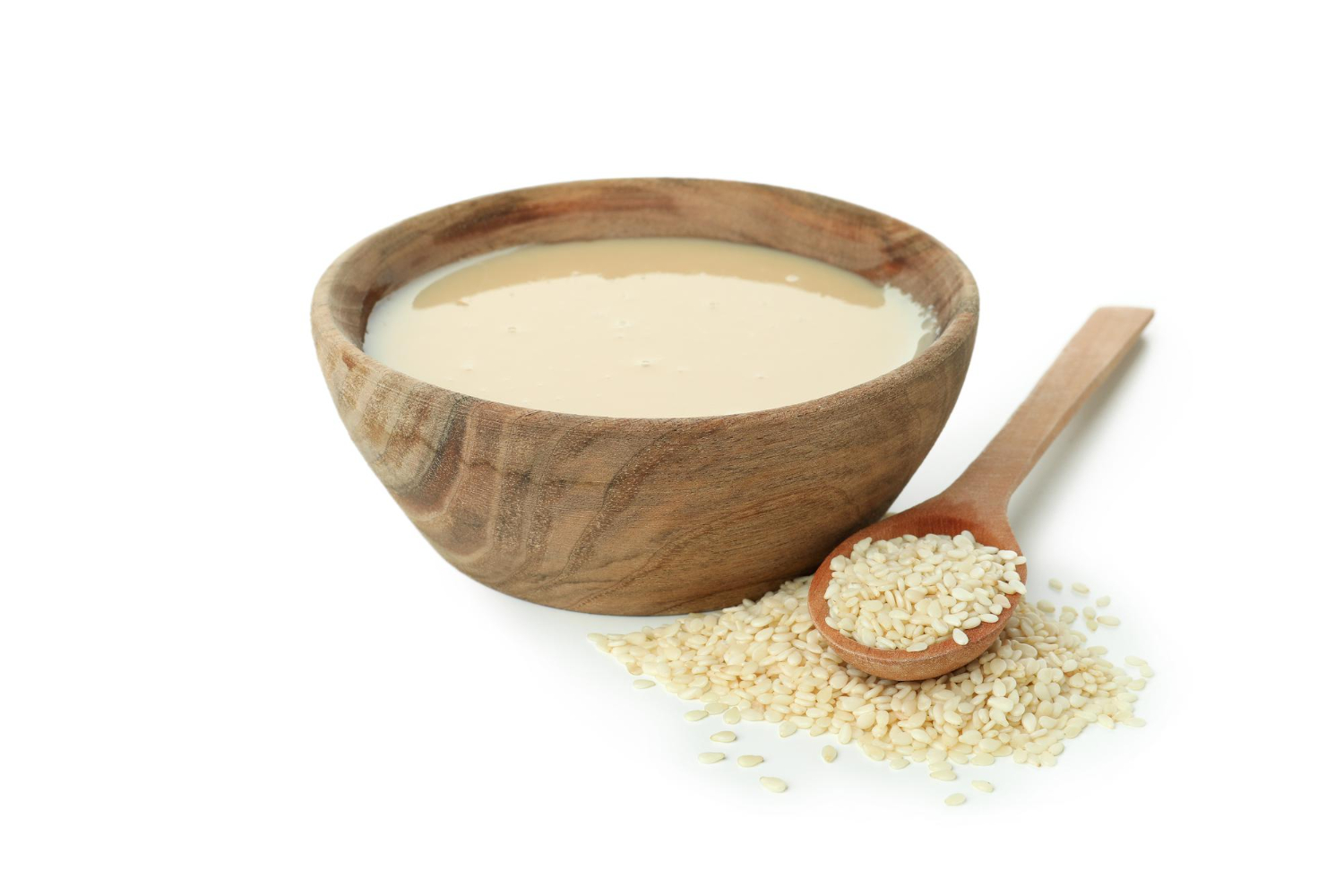
Ground sesame seeds, nothing else, producing a rich paste used across the Middle East and eastern Mediterranean as a sauce base and an ingredient. Sesame is among the oldest cultivated oilseeds.
Thinned with lemon, water and garlic it becomes a sauce; combined with chickpeas it becomes something else again. It separates in the jar and needs stirring. Tahini is the everyday condiment made from a single ingredient and a very old crop.
14. Chutney
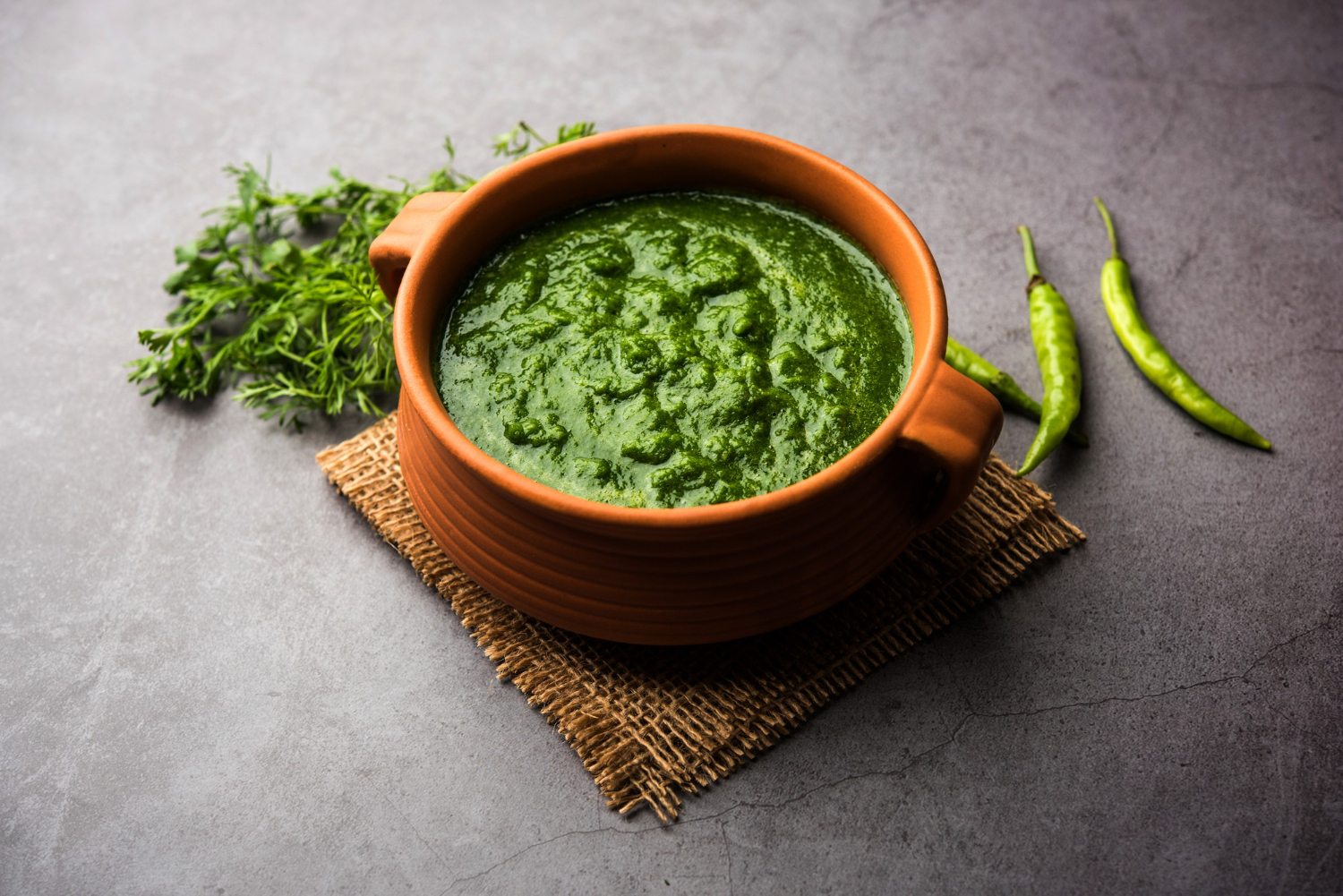
A preserved relish of fruit or vegetables with sugar, vinegar and spices, originating in South Asia, where an enormous variety exists both fresh and cooked.
British versions developed as a sweeter, cooked, jar-stable adaptation, which is why the chutney familiar in one country can be unrecognizable in another. Both traditions continue. Chutney is the everyday condiment that split into two different food cultures under one name.
15. Pickled Vegetables
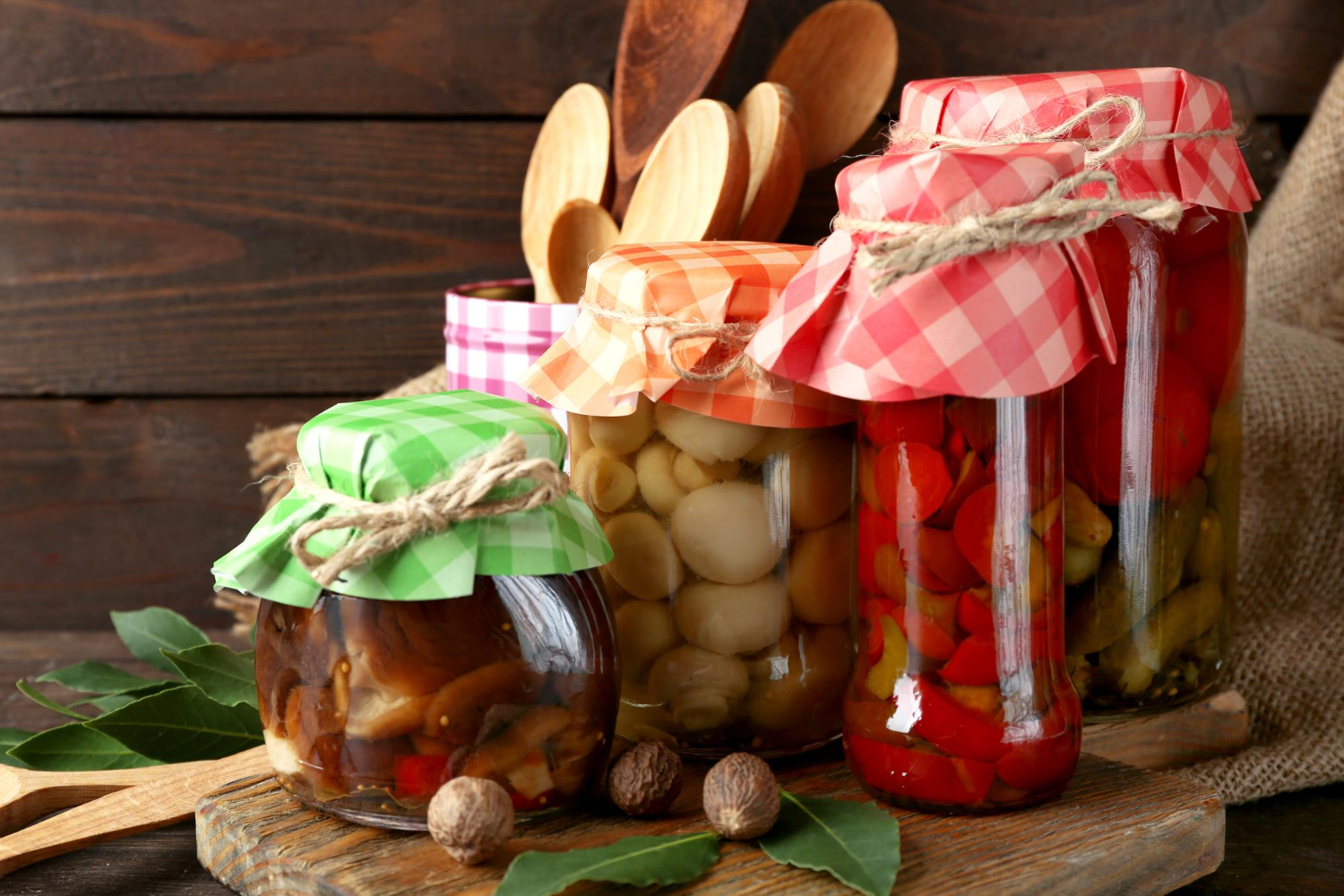
Cucumbers, cabbage, onions, peppers and more, preserved in brine or vinegar, appearing in essentially every food culture that experiences winter. Preservation came first, flavor second.
Brine pickling ferments and produces sourness biologically; vinegar pickling adds the acid directly, and the two produce truly different results. Both are ancient. Pickled vegetables are the everyday condiment that started as a survival technology.
16. Hot Mustard, Chili Oil and Table Sauces of East Asia
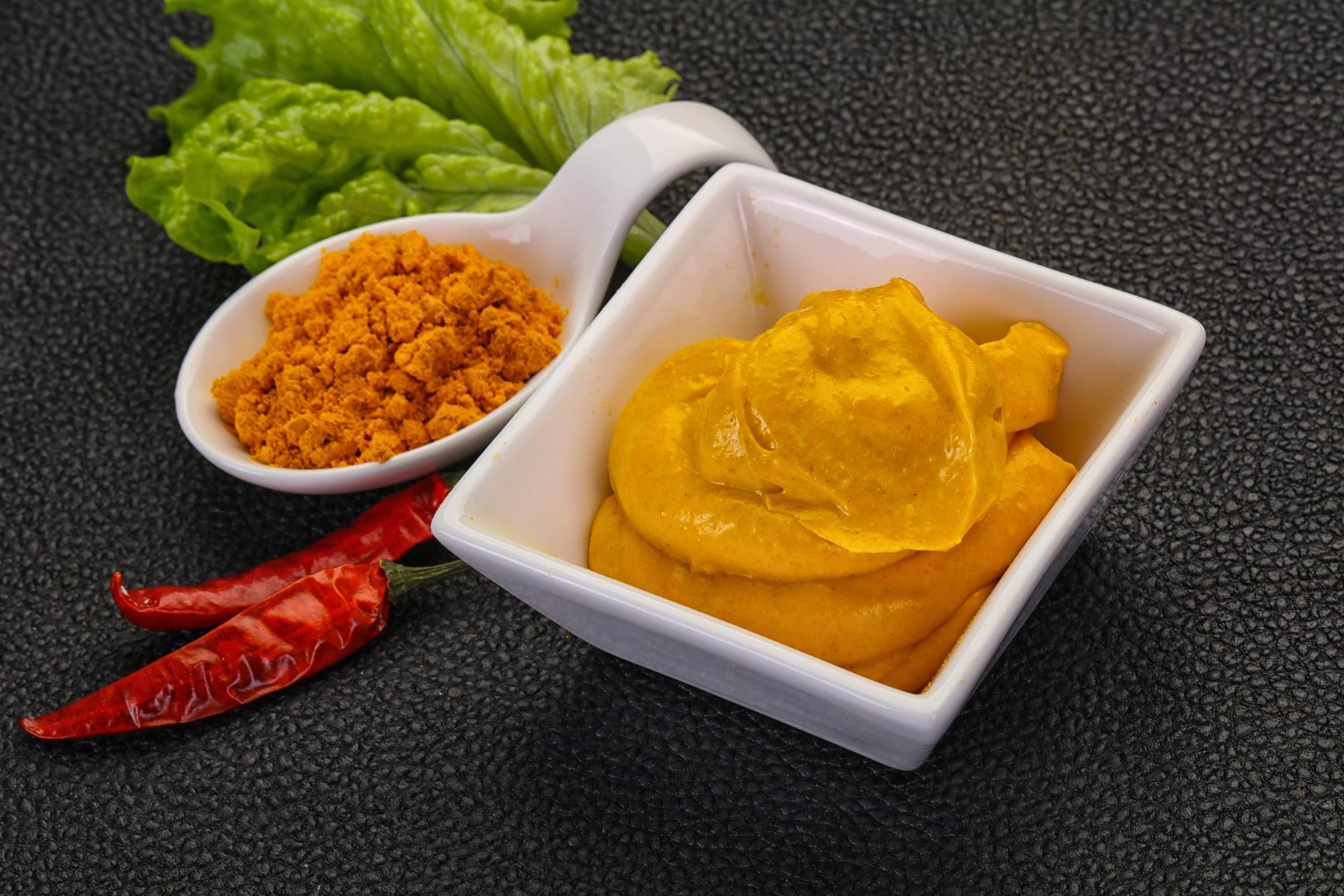
Across China, Japan and Korea, table condiments include chili oils layered with aromatics, fermented bean pastes, and sharp mustards, each with a defined role.
These are not interchangeable heat sources; a chili oil built on fried aromatics does a completely different job from a fermented paste. Households often keep several. East Asian table sauces are the everyday condiments that reward knowing which one a dish actually wants.
The Most Travelled Shelf in the House
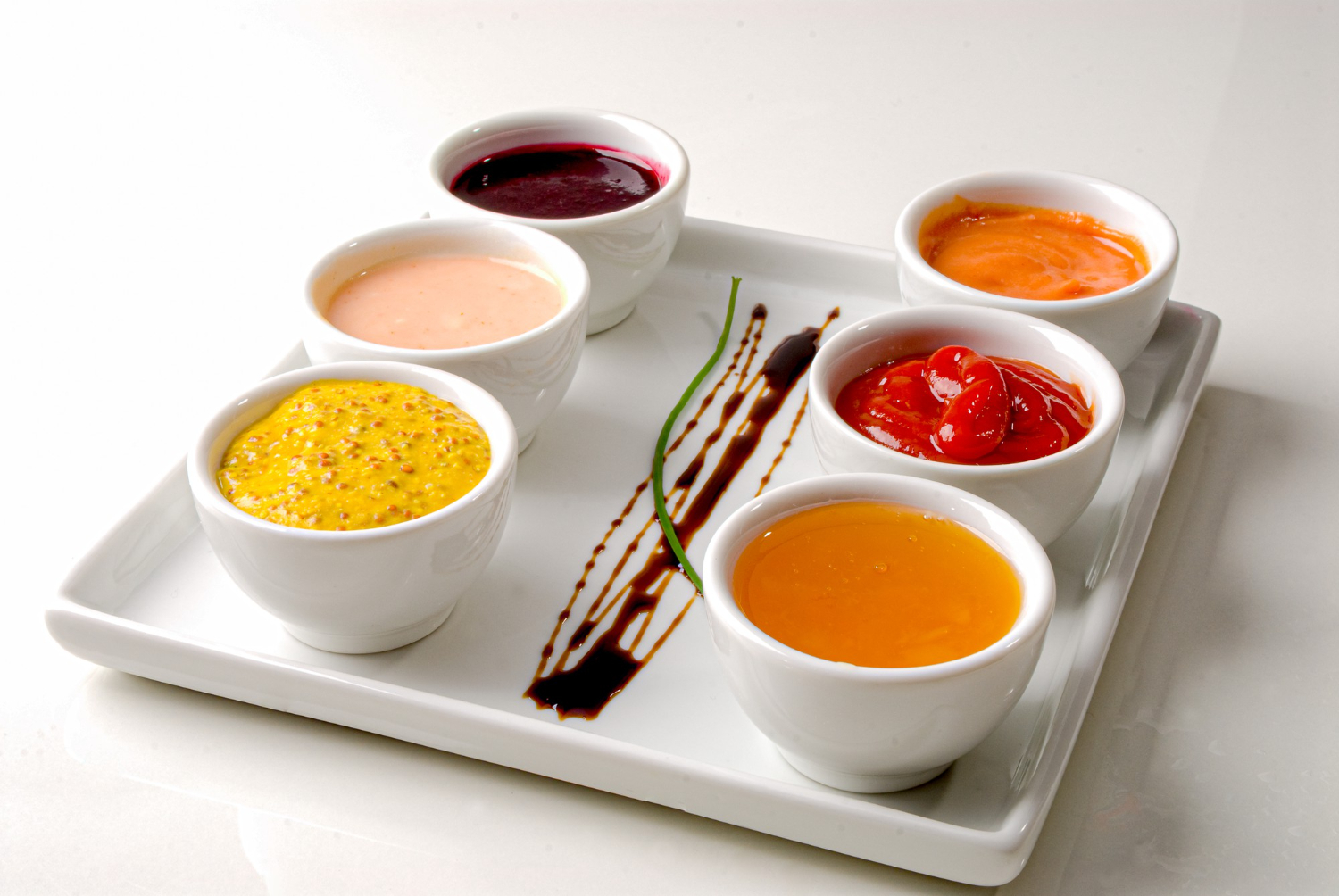
What links these is preservation and trade. Nearly every one began as a way to keep food edible or to carry flavor over distance, and the routes they travelled are the routes of commerce.
Open your fridge door and you are looking at a small map of the world: fermentation from East Asia, preserving from northern Europe, chilies from the Americas by way of everywhere, and a couple of accidents that turned out well. It is worth reading a label occasionally and wondering how it got there.
Like our content? Follow us for more.