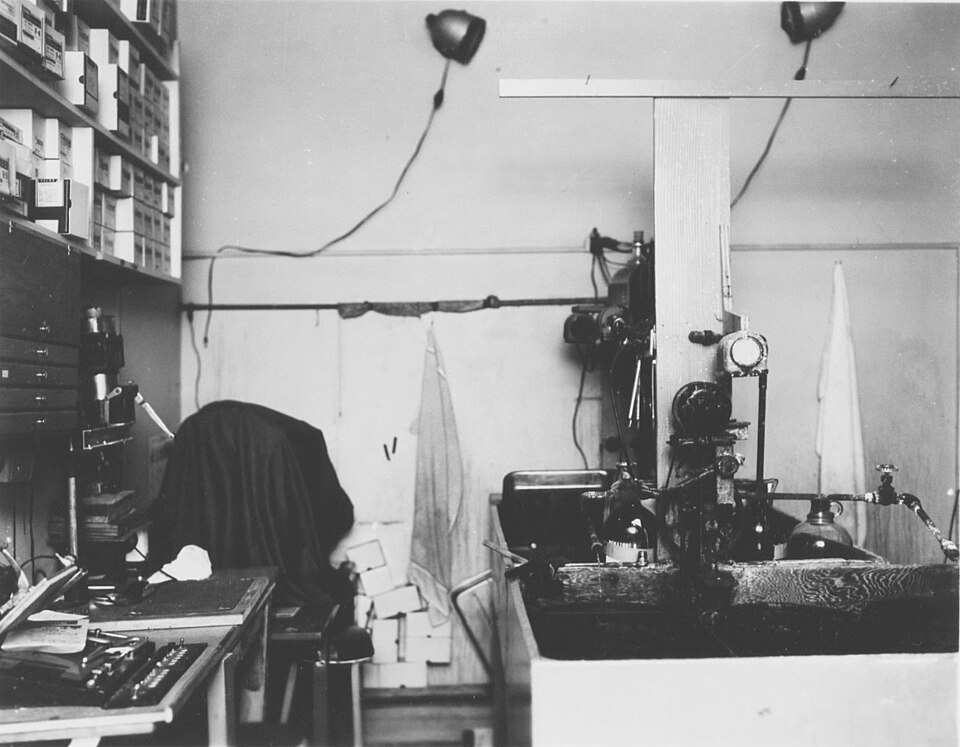
The home darkroom was one of the great American hobbies and it was also, by a wide margin, the most hazardous chemistry an ordinary household ever did on purpose. Not because anybody was careless, but because the photographic supply trade of the period sold techniques rather than risk assessments, and the manuals published a chromium formula, a mercury formula and a uranium formula side by side as equivalent options.
Three of the items below are substances no amateur can now obtain in any form. Several are still sold and are simply handled properly. And one — the sealed room — is the condition that made every other item on the list worse. Here are fifteen things a 1968 darkroom involved, and what each of them ran into.
1. Mixed developer from raw powders, with bare hands
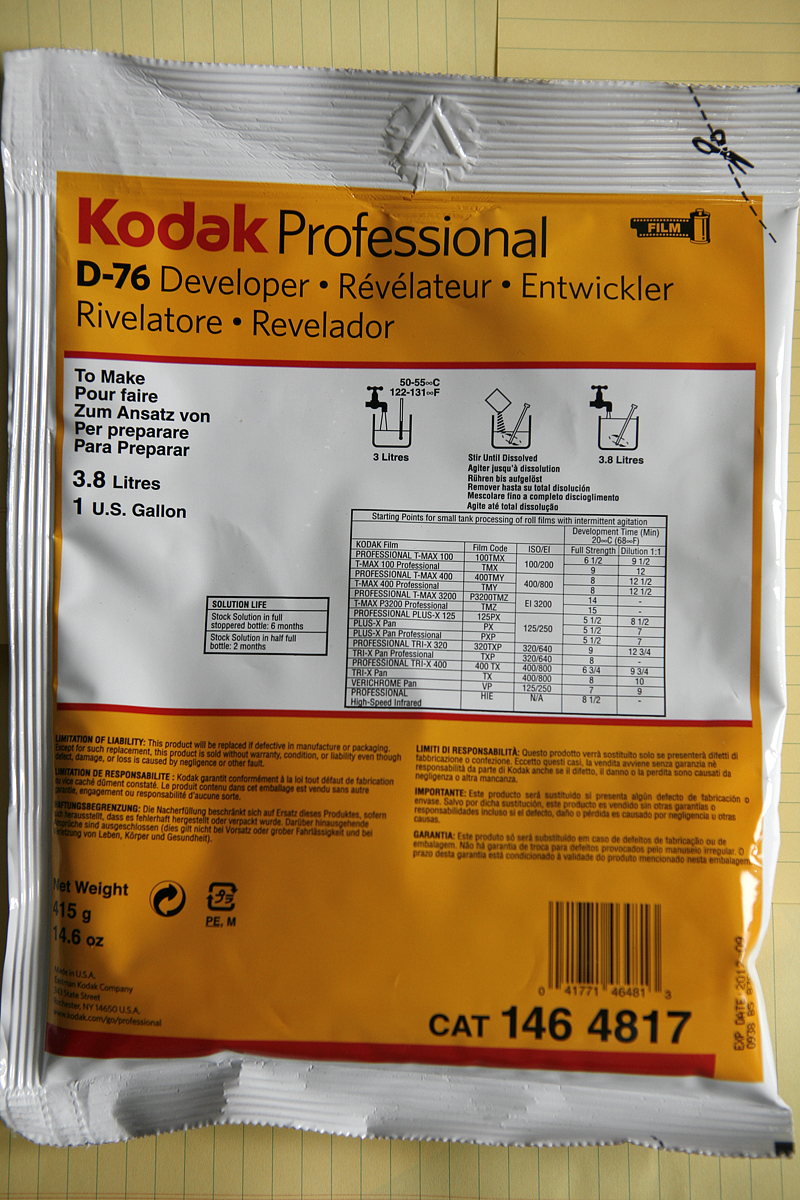
Developer came as a sachet of powder to be stirred into warm water in a jug, and the amateur did it over a bathroom basin with the door shut, breathing the dust and then putting his hands in the result for the evening.
The standard developing agents are skin sensitisers, and photographic dermatitis was a recognised occupational condition in the trade. Current handling guidance for these chemicals is gloves, eye protection, mixing in ventilated space and avoiding the dust, and the liquid concentrates that replaced powders exist substantially to remove the dust step.
Sensitisation is the mechanism that makes this item worse than it sounds. The reaction develops with repeated exposure rather than on the first contact, which means the hobbyist who had been doing it happily for two years was the one who suddenly could not.
Like our content? Follow us for more.
2. Used pyro developers because they gave a better negative
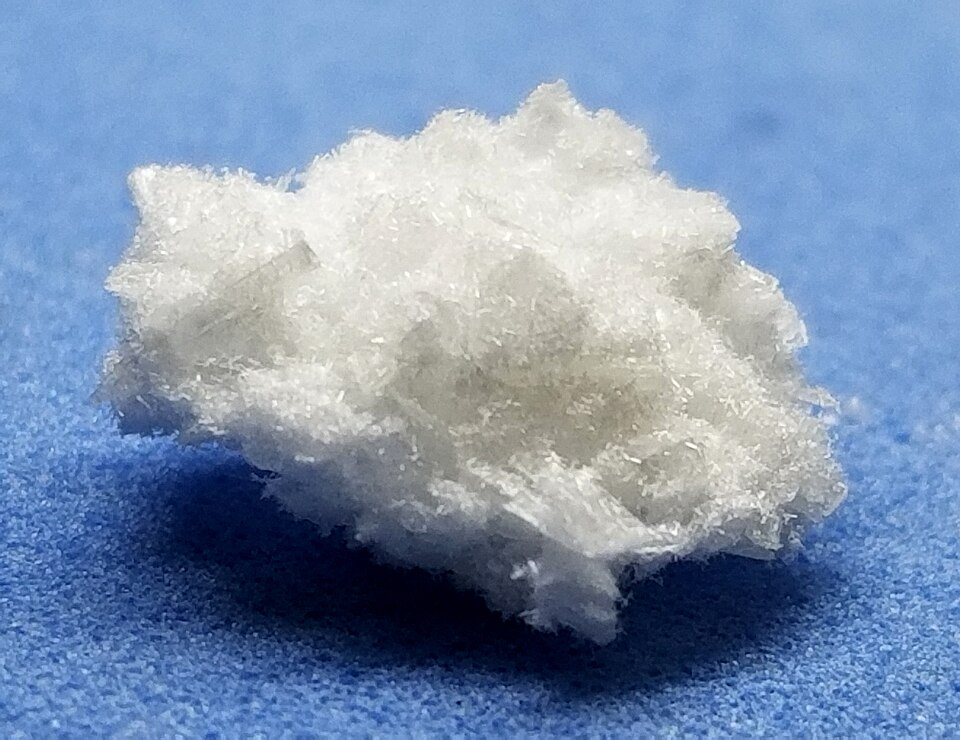
Pyrogallol and related developers were prized for the tonality they produced and were used by serious amateurs. They are also among the most hazardous substances a hobbyist ever brought into a house.
These compounds are absorbed through the skin and are toxic by that route, which is a different and more serious proposition than an irritant. Modern handling requires gloves as a minimum and they are specialist materials rather than general-purpose ones.
Pyro is still used by a small number of photographers who know exactly what it is and handle it accordingly. The 1968 position was that it was simply another developer on the shelf of the camera shop, sold to anybody.
3. Intensified negatives with a chromium compound
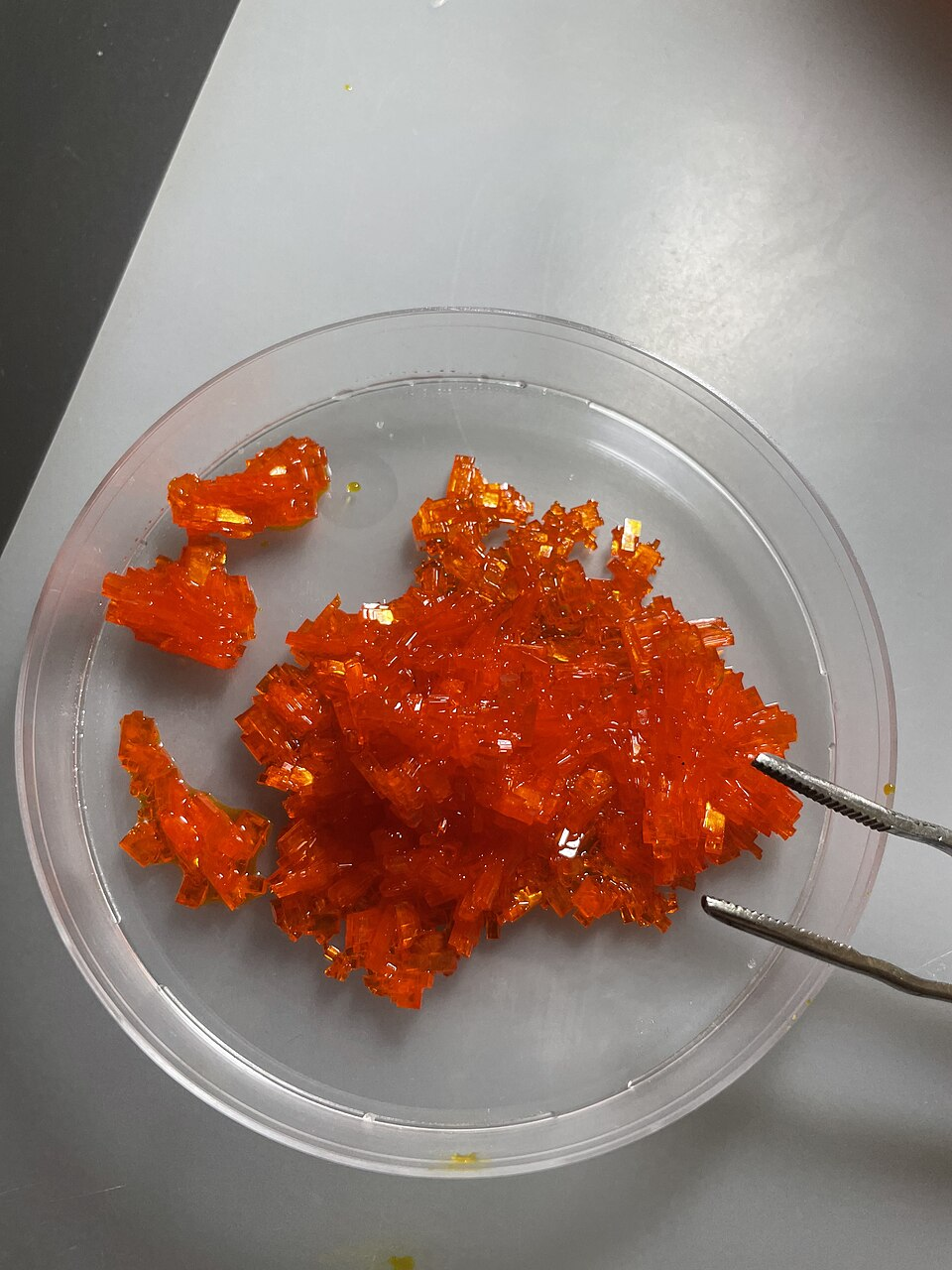
Thin negatives were rescued with an intensifier, and one standard formula used a hexavalent chromium salt. It worked, it was sold in packets, and it was mixed in a bathroom.
Hexavalent chromium compounds are classified as carcinogenic to humans and are tightly controlled in occupational settings. They are not available as consumer products in any form and no photographic supplier sells them for amateur use.
This is the clearest prohibition on the list. A compound now subject to some of the strictest occupational controls that exist was a mail-order item for people rescuing underexposed holiday photographs.
4. And with a mercury compound, for the difficult cases
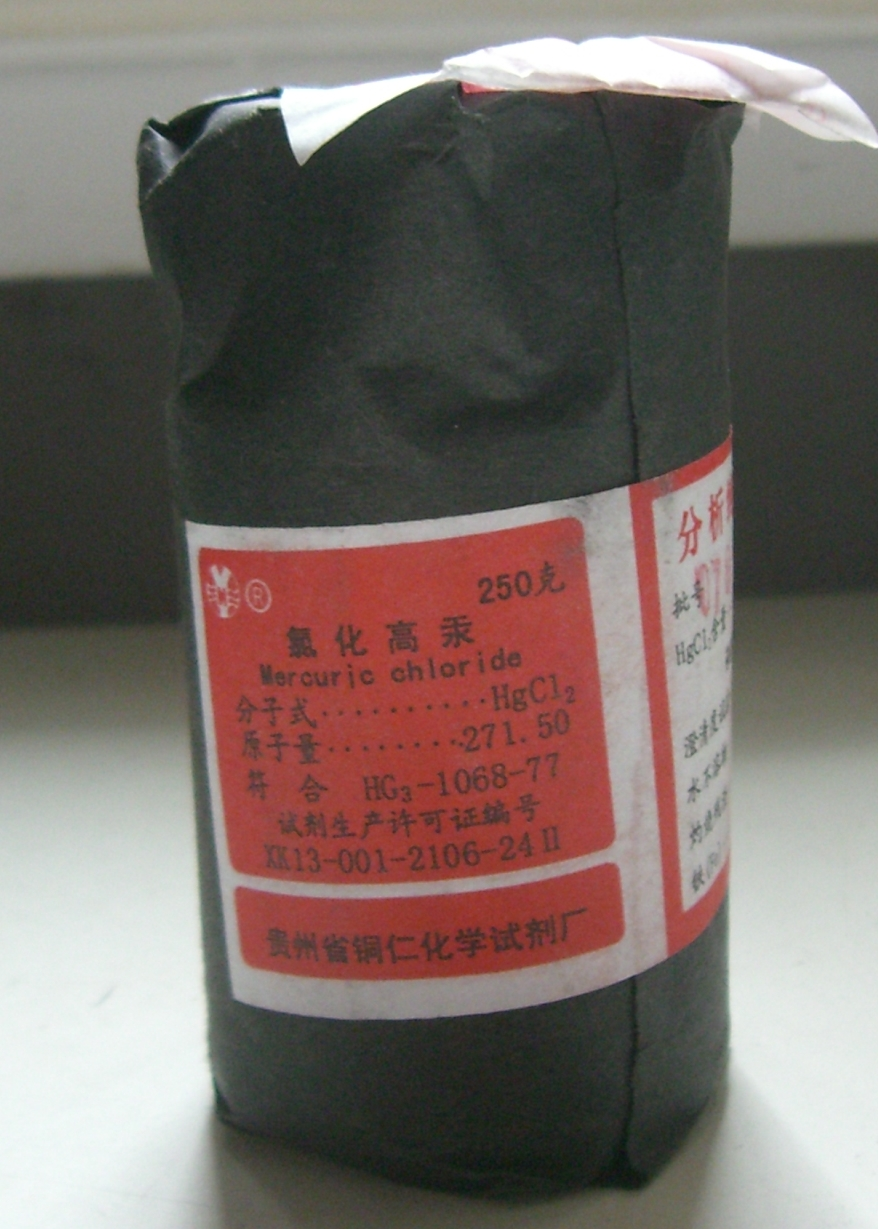
Mercuric chloride intensification was a published technique in photographic manuals of the period, using a highly toxic mercury salt in solution, by hand, in a domestic room.
Mercury compounds of this class have been removed from consumer availability entirely and their handling, storage and disposal are tightly controlled. Nothing comparable is sold to amateurs, and the technique survives only as a line in old formularies.
The manuals of the period published these formulae alongside one another with no hierarchy of risk, which is the striking part. A chapter on intensification would give the chromium formula and the mercury formula as alternatives, as though choosing between them were a matter of taste.
5. Toned prints with a uranium salt
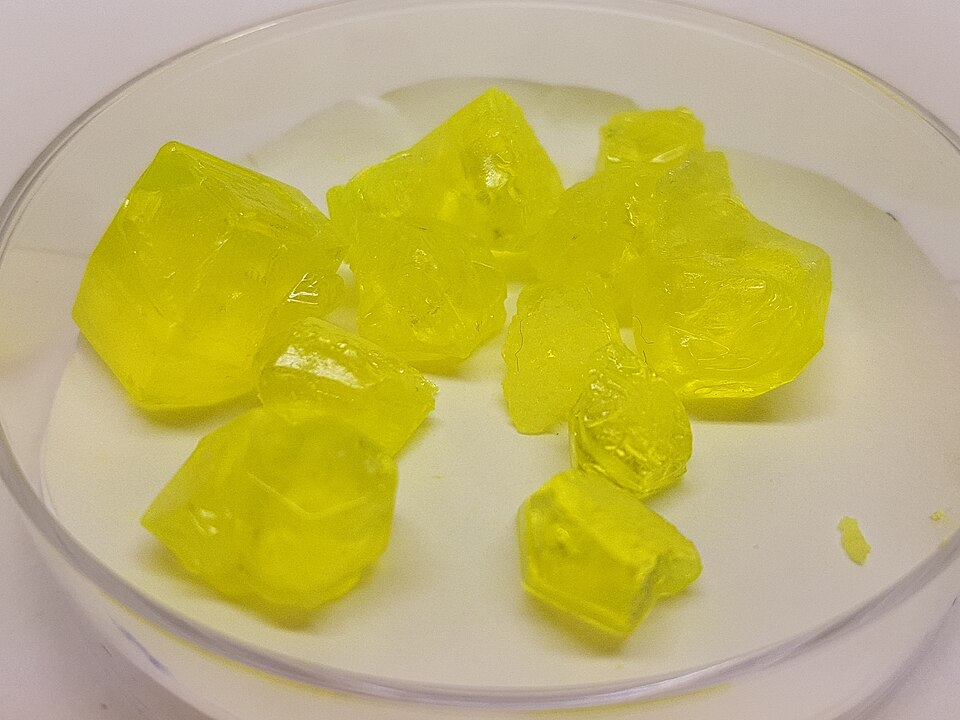
Uranium toning produced a distinctive red-brown image and was a standard published technique. The uranium salts involved were sold by photographic suppliers and used by amateurs in their homes.
Uranium compounds are radioactive and their possession and handling in the United States are controlled under nuclear regulatory and state licensing frameworks. They are not available to hobbyists and no supplier offers them for photographic use.
Uranium-toned prints from this era exist in collections and are measurably radioactive, at levels that are not dangerous to handle occasionally and that archivists nonetheless manage deliberately. It is the most startling item in the entire dc batch.
6. Toned with selenium, in a bathroom
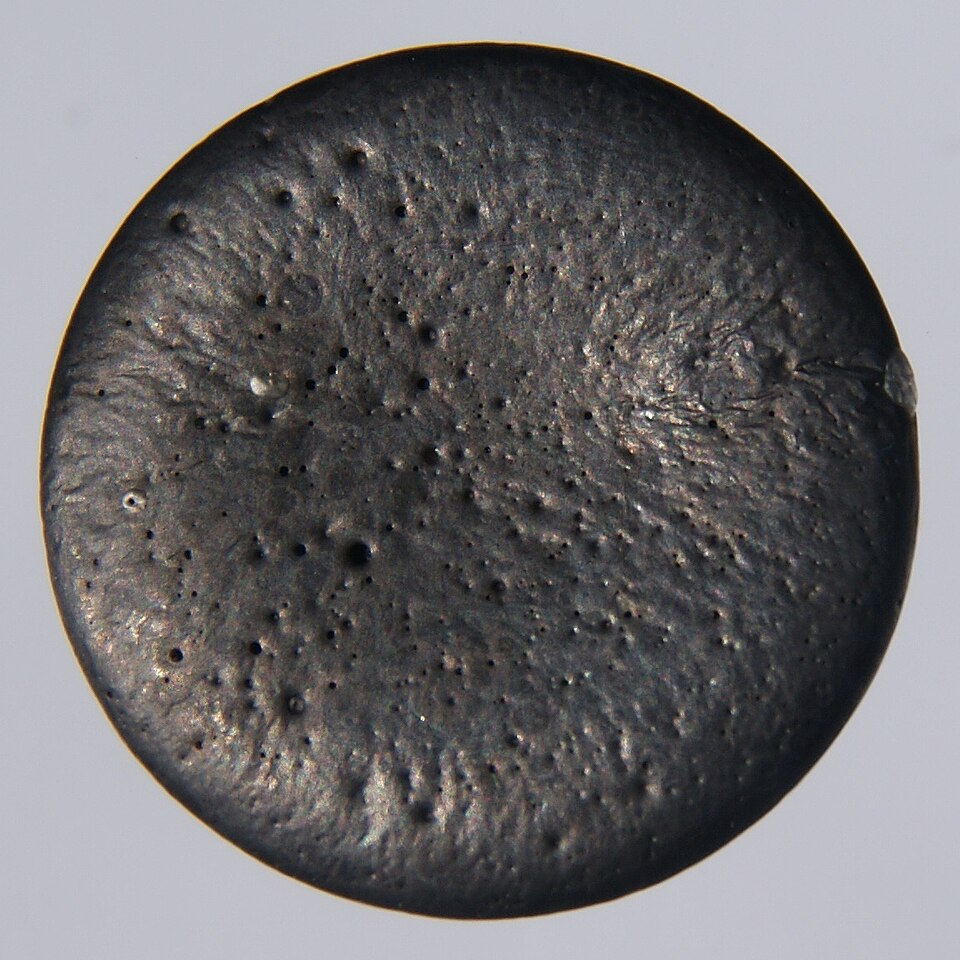
Selenium toner was and remains the standard archival toner for black and white prints, improving permanence and shifting the image colour. It was used in trays in domestic bathrooms with the door closed.
Selenium compounds are toxic and the toner carries clear handling requirements: gloves, good ventilation, no skin contact and controlled disposal. It is still sold and still used, which makes it the one item on this list where the modern answer is the same chemical handled properly.
The ventilation requirement is the part that was universally ignored. A bathroom with the door shut and a towel along the bottom of it, which is what a home darkroom was, is the specific condition the handling instructions were written against.
7. Diluted glacial acetic acid over the basin
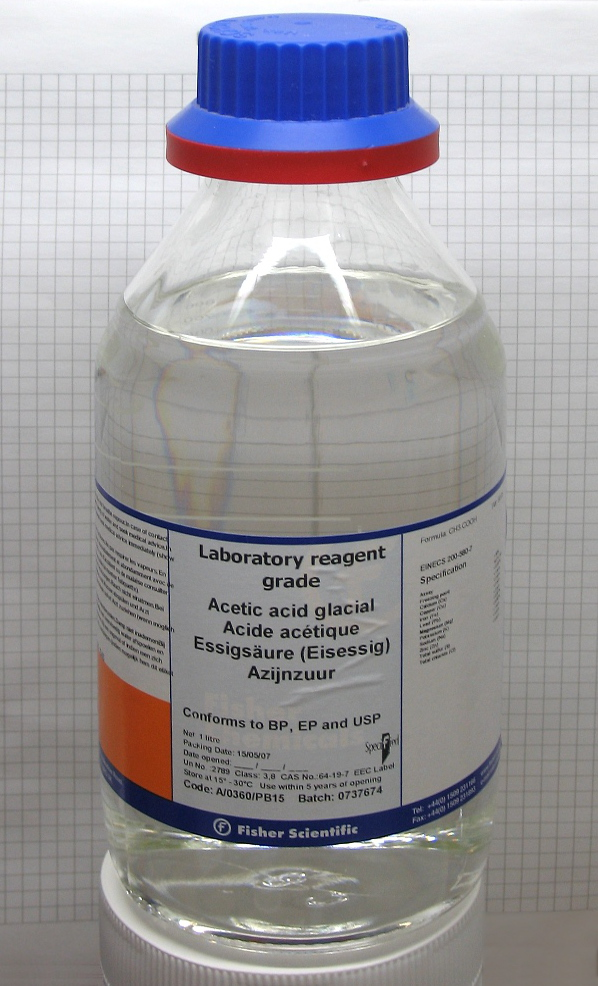
The stop bath was made by diluting concentrated acetic acid, and the concentrated form was sold to amateurs in glass bottles. Dilution was done by eye, over a sink, frequently by pouring the water into the acid rather than the other way round.
Concentrated acetic acid is corrosive and causes burns and respiratory irritation, and the order of mixing matters because the dilution is exothermic. Suppliers now sell diluted stop bath and indicator stop bath to amateurs rather than the concentrate.
Nothing is described here beyond the hazard class. The reason the product changed is that there was no reason for a hobbyist to hold the concentrate, and once a ready-diluted version existed the question answered itself.
8. Used a ferricyanide reducer on overexposed negatives
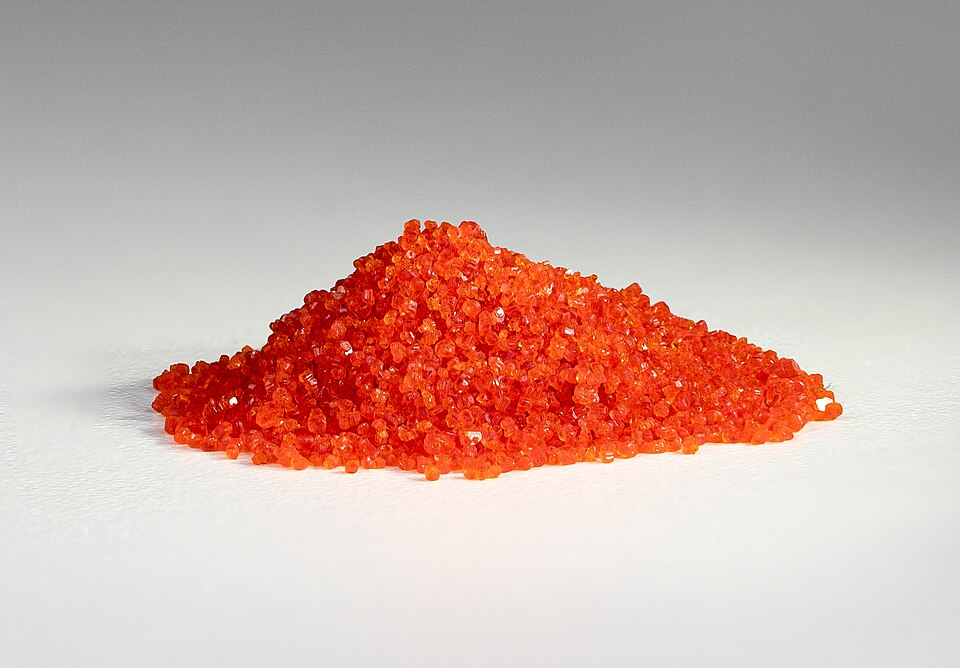
Reducing a dense negative or bleaching highlights on a print was done with a ferricyanide solution, mixed in the darkroom and applied with a brush or in a tray. It was an everyday technique.
The compound is of low toxicity in itself and carries one absolute handling rule, printed on every container and in every manual that mentions it: it must never be combined with acid, which releases a highly toxic gas. In a darkroom containing an acid stop bath, that is not a theoretical concern.
Nothing further is described here, deliberately. The warning is the whole of the protective content and the product is still sold with it on the label, which is the correct place for it.
9. Hardened prints with formaldehyde
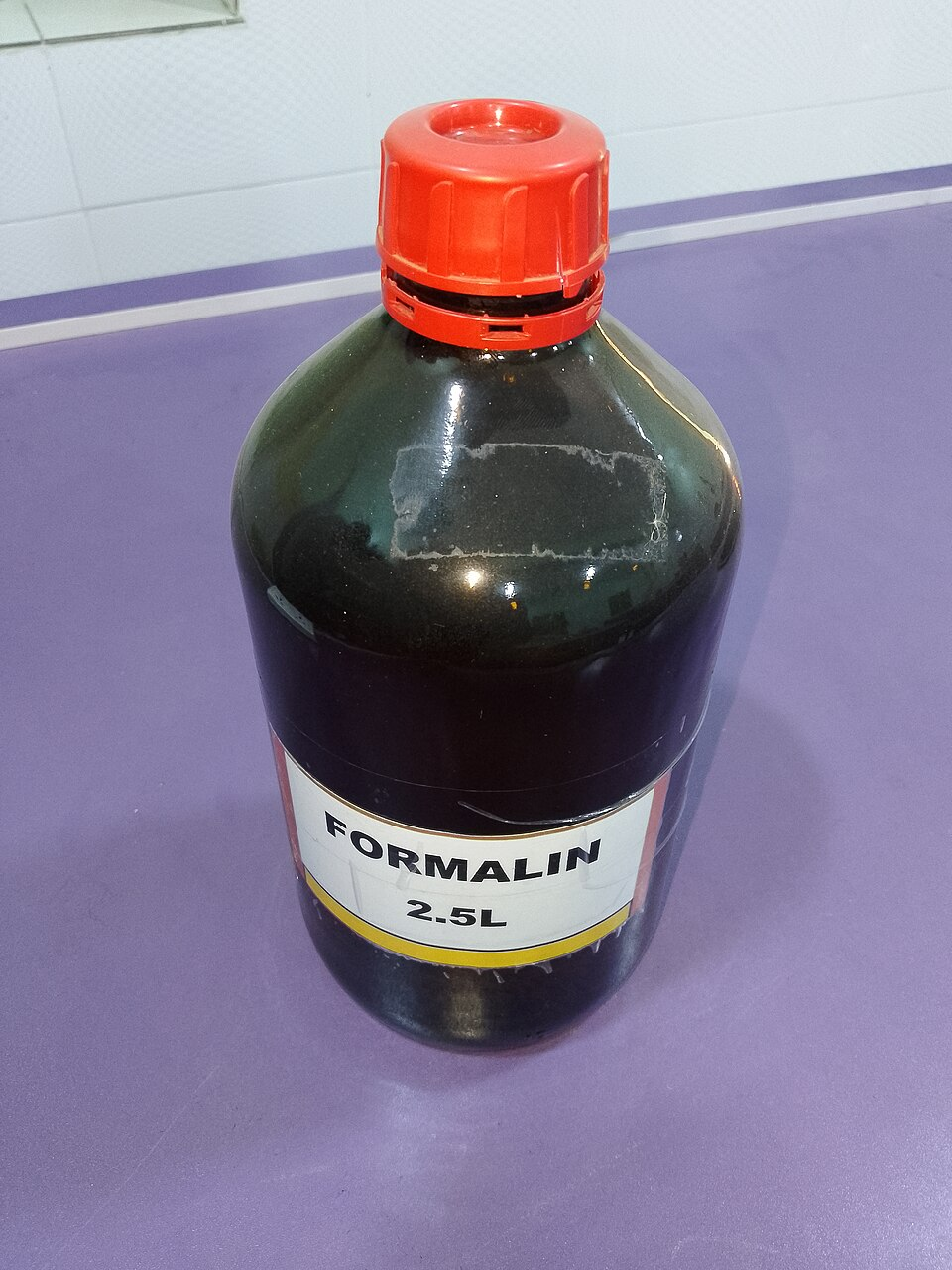
Formaldehyde hardeners and some fixing formulae using it were standard, used to toughen the gelatin emulsion, and formaldehyde was also present in some mounting and retouching products.
Formaldehyde is classified as carcinogenic to humans, is subject to occupational exposure limits in the United States, and has been progressively removed from consumer products. Modern hardeners use different chemistry and most modern materials do not need hardening at all.
The emulsion technology changed as much as the regulation did. A hobbyist in 1968 needed a hardener because the materials were soft and easily damaged, and the question stopped arising once the films and papers improved.
10. Poured the silver-laden fixer down the drain
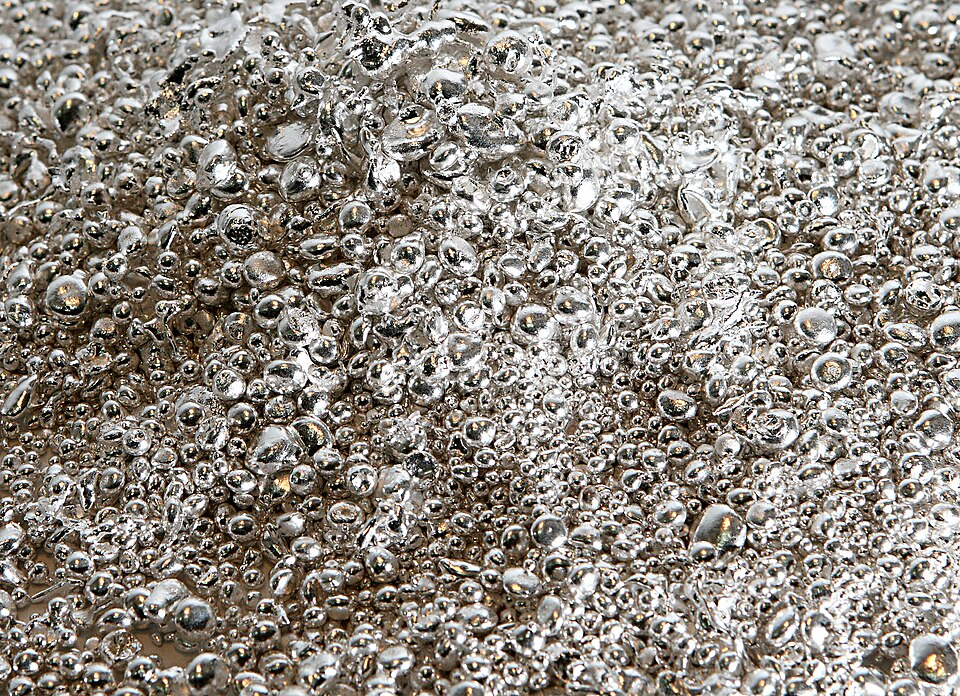
Used fixer carries dissolved silver, and every print and every roll of film put more of it into the bottle. The whole of it went into the bathroom sink at the end of a session, for years.
Silver is a regulated discharge in the United States, with local sewer authority limits applying to photographic operations, and commercial laboratories are required to recover it. Silver recovery for hobbyists is available through steel wool cartridges and precipitation, and spent chemistry is a household hazardous waste.
The amateur contribution was individually trivial and collectively substantial, which is the usual shape of a diffuse-source problem. The modern answer for a hobbyist is a container and a trip to a collection point rather than a cartridge.
11. Worked in a bathroom with the door shut and a towel along the bottom
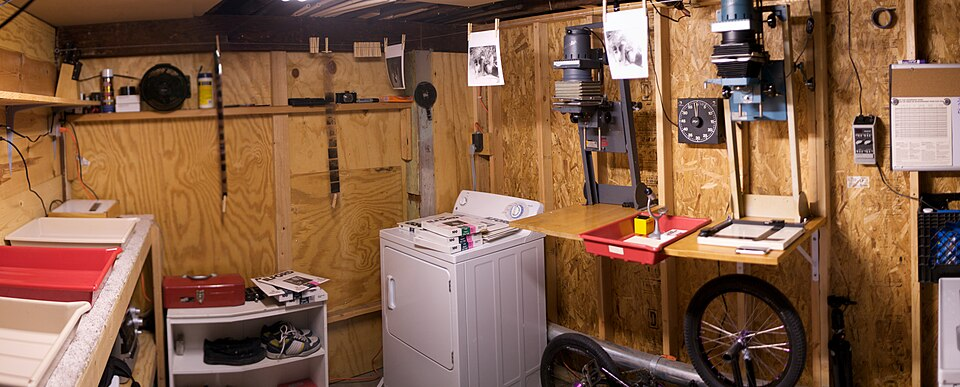
The home darkroom was a bathroom, a closet or a cellar corner, made light-tight by shutting the door and blocking the gap. Light-tight and ventilated are opposing requirements and the light always won.
Every chemical on this list carries a ventilation requirement, and the American occupational guidance for photographic processing specifies mechanical ventilation with a defined air change rate. A sealed bathroom is the opposite of that, and a session ran for hours.
This is the item that made all the others worse, and it is the single most important thing a modern darkroom does differently. A light-tight baffled vent costs very little and is the first thing anybody setting one up now is told to build.
12. Put hands in the trays all evening
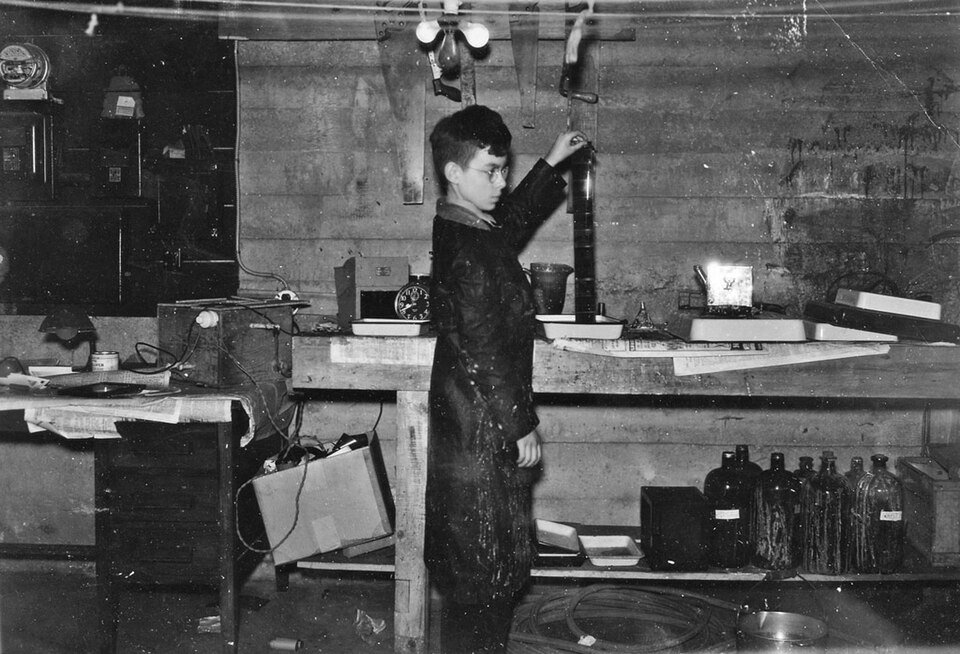
Prints were moved between developer, stop bath, fixer and wash by hand, by feel, in the dark. Tongs existed and were considered a nuisance, and the developer tray in particular was worked in continuously.
Gloves are now standard guidance for all photographic chemistry, with nitrile recommended, together with tongs for tray work. The sensitisation risk from the developing agents is the principal reason and the toners and intensifiers are the acute one.
Everybody who worked in a home darkroom remembers the smell on their hands and a good number remember the dermatitis. The hands were the exposure route and the darkness was why nobody used the tongs.
13. Ate, drank and smoked in there
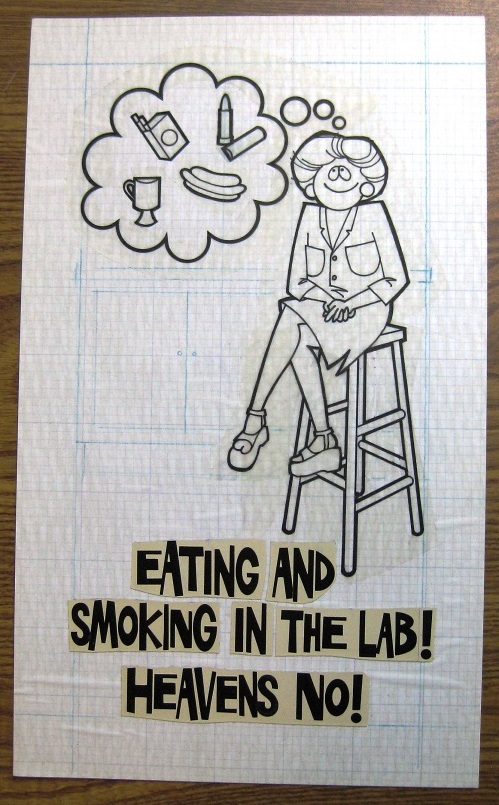
A printing session ran for hours, so coffee came in, cigarettes were smoked, and sandwiches were eaten, in a sealed room, with wet chemistry in open trays and hands going between the trays and the food.
Eating, drinking and smoking are prohibited in any area where hazardous chemicals are handled under American workplace rules, for the ingestion route, and the same principle is in every amateur handling guide. Smoking adds an ignition question in a room with flammable solvents in some processes.
Hand-to-mouth transfer is the exposure route people forget, and it was the darkroom’s largest one. A cigarette held in a hand that had just come out of the developer tray is a direct ingestion pathway repeated every few minutes.
14. Mixed it in kitchen bowls and used them again for food
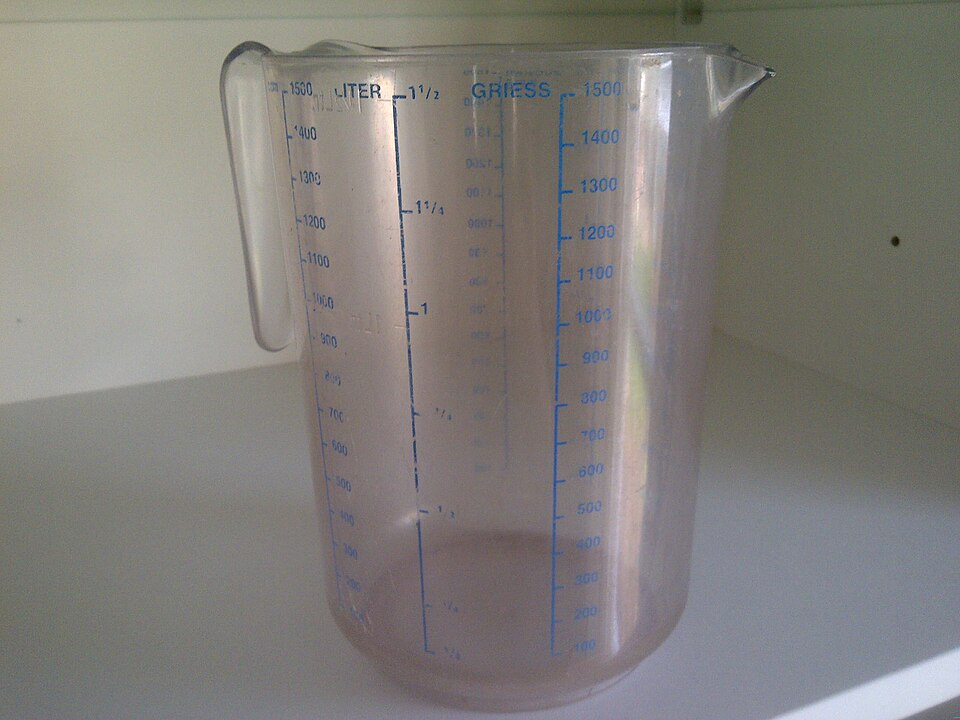
Measuring jugs, mixing bowls, spoons, thermometers and storage bottles came from the kitchen and went back to it. Dedicated darkroom glassware was an expense and the kitchen had everything already.
Vessels used for chemical handling must not be returned to food use, which is a point of basic practice rather than a specific regulation, and dedicated and clearly marked equipment is standard guidance for any home chemistry.
This is the item with the widest reach, because it extended the exposure beyond the person doing the hobby to the whole household. A jug that had held intensifier and then held gravy is the specific scenario, and nobody thought about it.
15. Kept it in unlabelled brown bottles, in a house with children
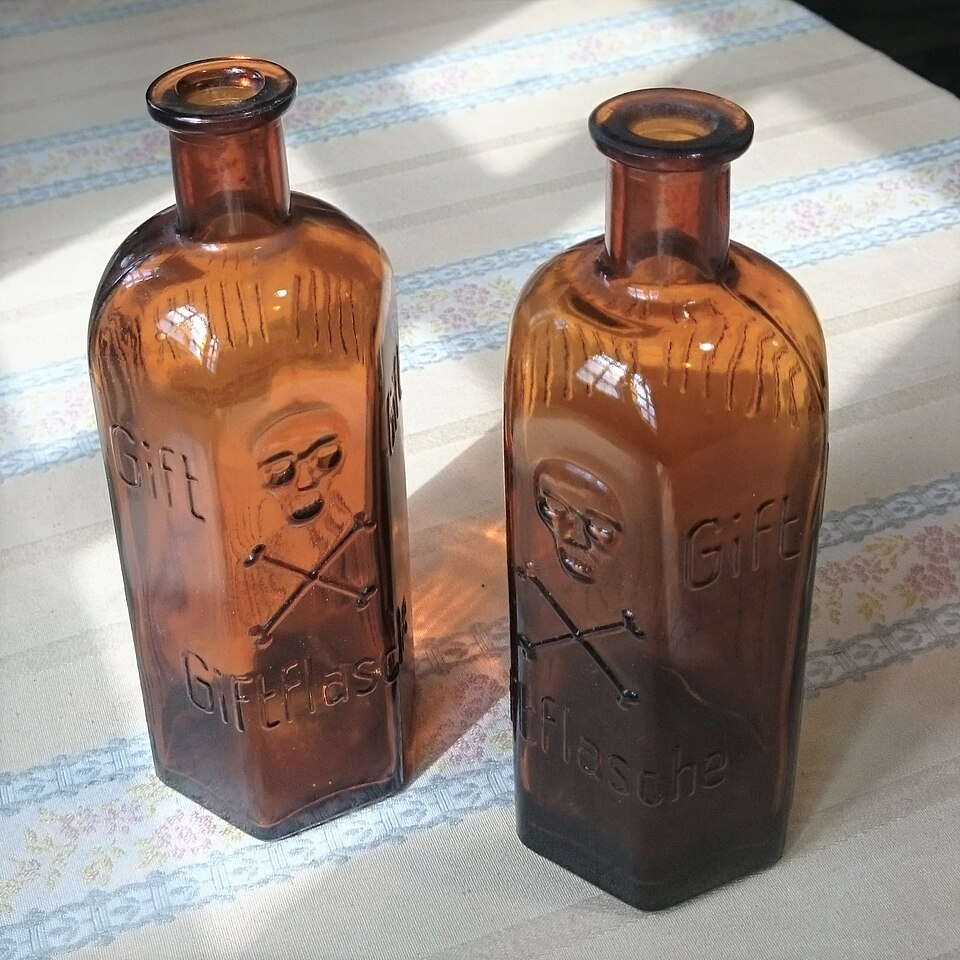
Stock solutions lived in brown glass bottles on a shelf, labelled in pencil on a strip of tape or not at all, with screw caps and no child-resistant closure, in a bathroom or a cellar a child could reach.
The Poison Prevention Packaging Act of 1970 required child-resistant packaging for a list of hazardous household substances, and the Federal Hazardous Substances Act of 1960 had already begun requiring cautionary labelling. Current guidance for home chemistry of any kind is original labelled containers, locked storage and nothing decanted into an unmarked bottle.
The unlabelled bottle is the recurring object across this whole series — under the sink, on the workbench, in the lumber yard, in the darkroom. It is the single most dangerous thing in any of those rooms and it was free.
The room was the problem
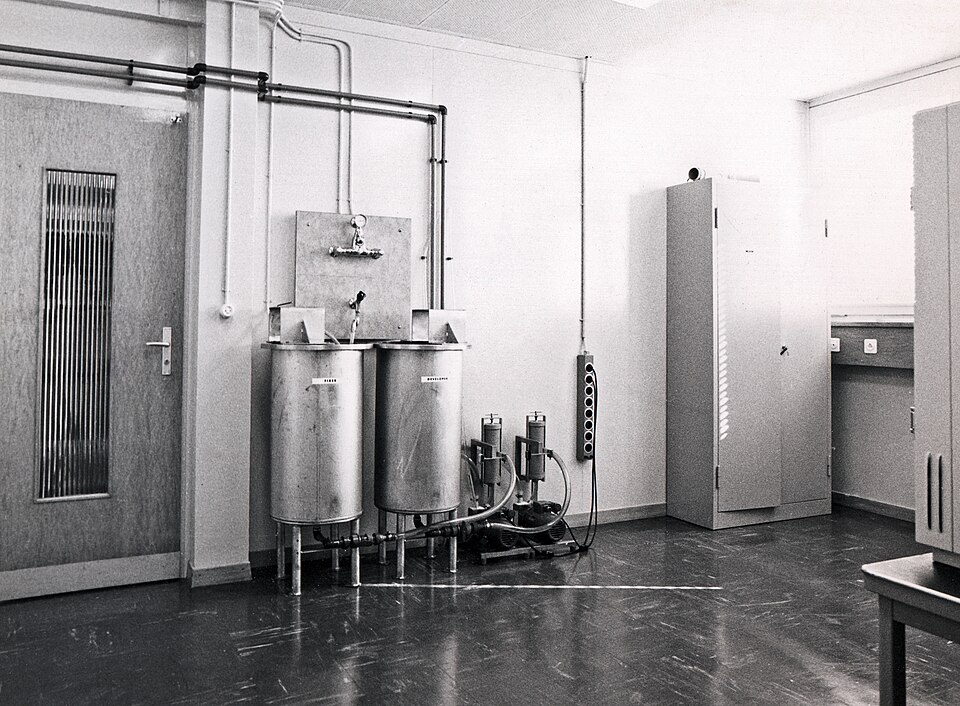
If there is one thing to take from this, it is that the chemistry was manageable and the room was not. Nearly every substance here carries a ventilation requirement, and a home darkroom was by definition a sealed space, because light-tight and ventilated pull in opposite directions and the hobbyist resolved it in favour of the photographs.
That is why the modern darkroom’s first piece of equipment is a light baffle on a vent rather than anything to do with the chemistry. Build that, use gloves and tongs, keep the kitchen equipment out, eat somewhere else, label everything, and take the spent fixer to a collection point, and the remaining list of problems is short: the three substances nobody can buy any more, which solves itself.
The uranium toner is the one people refuse to believe, and the prints exist to prove it. They are in collections, they are measurably radioactive, and the archivists who handle them do so deliberately rather than casually.
The item that actually harmed the most people is the first one: powder developer, mixed by hand, breathed as dust, worked in for years until the sensitisation arrived. It was the cheapest and most ordinary thing in the room.
Like our content? Follow us for more.