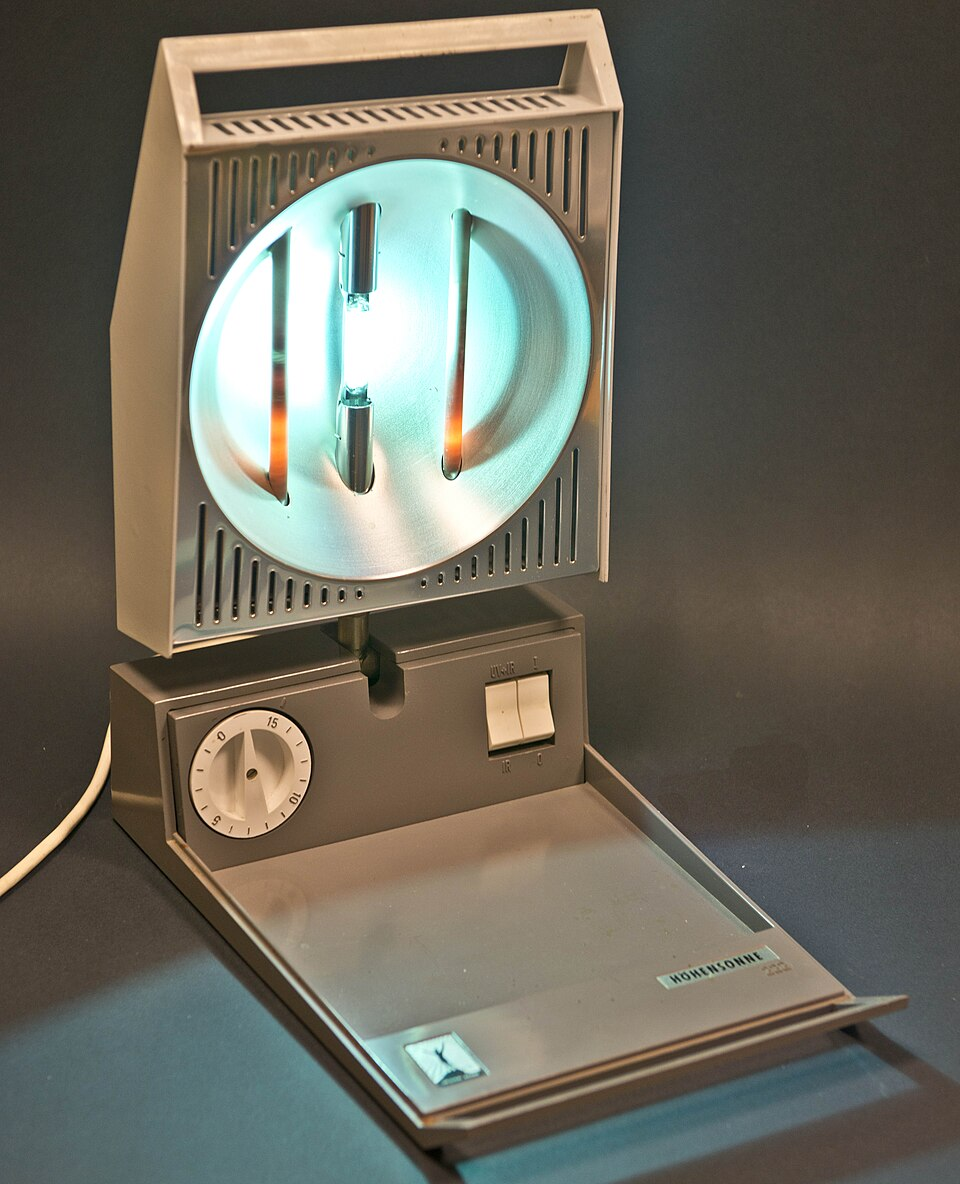
The sunlamp is the clearest case in this whole series of a product whose entire basis reversed. It was not sold as a cosmetic indulgence with a known risk attached; it was sold as a health appliance, on a real finding about sunlight and rickets, to families who used it on their children in good faith.
Everything that now surrounds these devices — the timer that cuts out, the required eyewear, the output limit, the warning label, the recommendation against use under eighteen — arrived between 1980 and 2014. The 1965 lamp predates all of it. Here are fifteen things American households did with one, and what each of them ran into.
1. Bought the lamp as a health appliance
The home sunlamp was sold in American department stores and by mail order as a wellbeing device, not a cosmetic one. It sat in the bathroom or the bedroom and was used through the winter by the whole household.
Sunlamp products are now regulated by the Food and Drug Administration as medical devices with a mandatory performance standard, and in 2014 the agency reclassified them into a higher risk category, requiring a visible warning and stating a contraindication for use by anybody under eighteen.
That reclassification is the single clearest statement of how far the assessment has moved. A product sold as a household health appliance in 1965 is now a regulated device carrying a warning and a recommendation against use by minors.
Like our content? Follow us for more.
2. Believed the vitamin D claim about winter
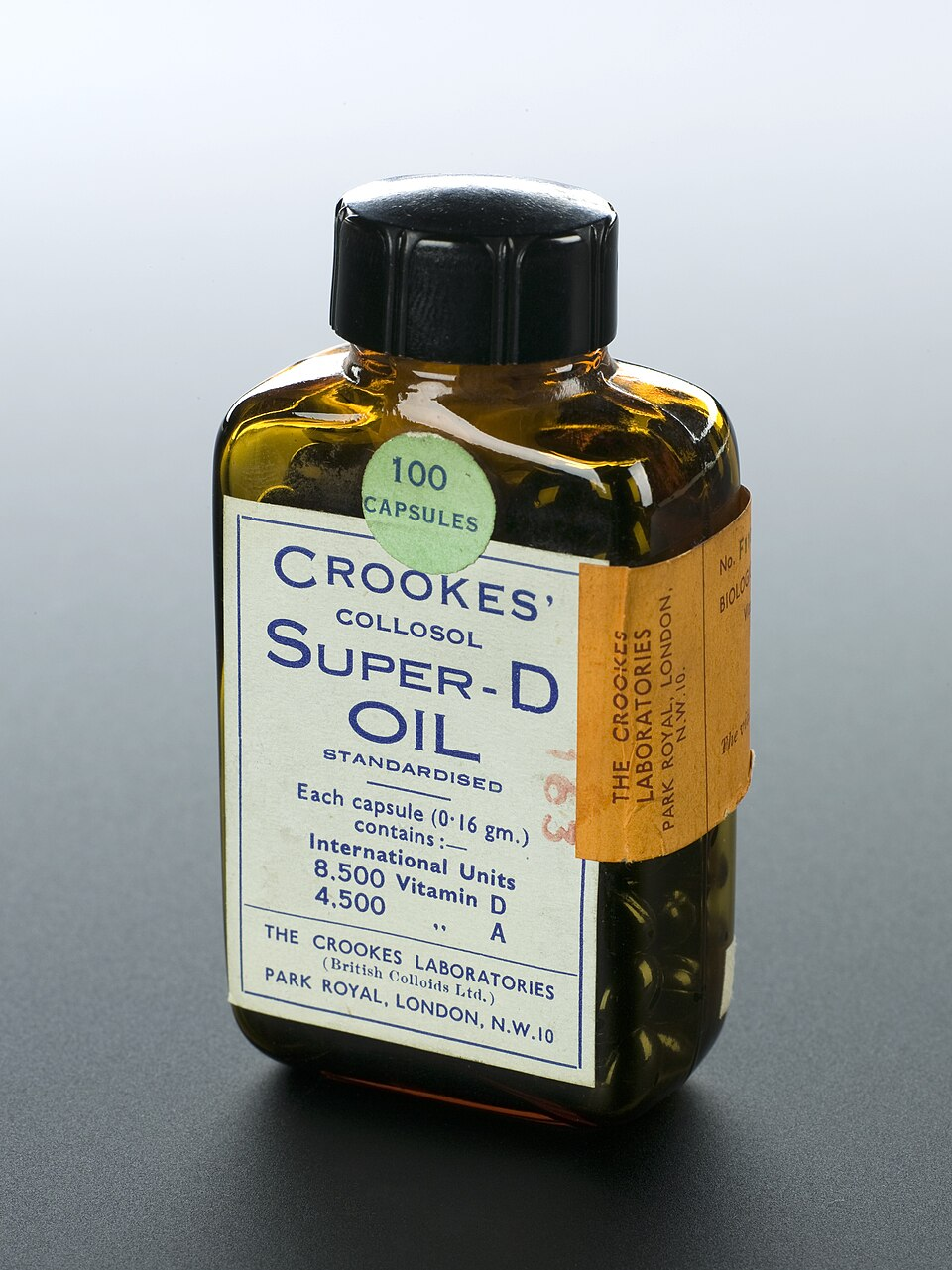
The pitch was straightforward and partly true: sunlight produces vitamin D, northern winters produce little sunlight, therefore a lamp supplies what the season does not. It was recommended for the whole family and for children in particular.
The premise is sound and the conclusion is not. Vitamin D requirements are met by diet and supplementation without any ultraviolet exposure at all, which is the current recommendation, and deliberate ultraviolet exposure for that purpose is specifically advised against because the risk is not necessary to accept.
This is the structure of almost every reversal in this series: a real finding — sunlight prevents rickets — generalised into a conclusion that more exposure must be better. The deficiency was genuine and the remedy chosen was the wrong one.
3. Used it on infants
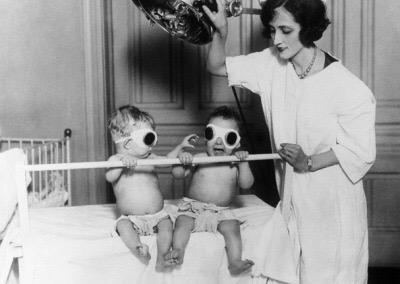
Babies were put under sunlamps, on the rickets reasoning, in homes and in some clinical settings. The practice appears in household advice literature of the period as unremarkable.
No current guidance supports ultraviolet exposure of infants from any source, and American guidance is to keep babies out of direct sunlight entirely, using shade and clothing, with sunscreen only from six months. Infant vitamin D is addressed by supplementation.
The paediatric side of this period’s advice is covered separately in this series. What belongs here is that the lamp was sold to families specifically for this use, and that it was the youngest and most susceptible skin in the house.
4. Used it with no eye protection at all
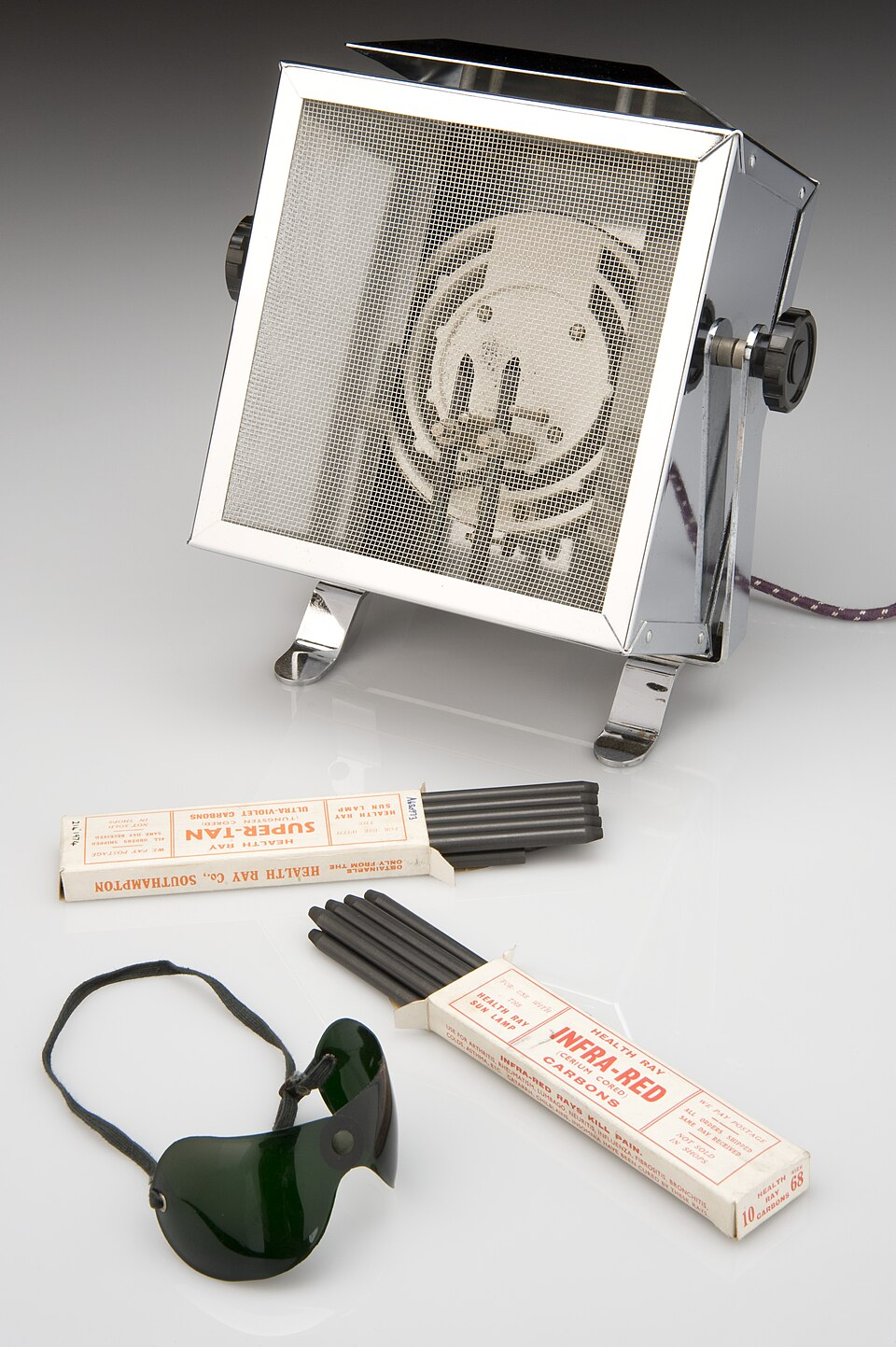
Goggles were supplied with some lamps and not with others, and where they existed they were commonly a pair of small plastic cups or cotton pads, used sometimes and forgotten often. Users read, dozed or watched the lamp.
Ultraviolet exposure causes photokeratitis — an acutely painful corneal injury that develops hours after exposure — and contributes to longer-term lens damage. The federal performance standard requires protective eyewear to be supplied with sunlamp products and the eyewear has to meet a specification.
The delayed onset is what made the hazard invisible. Nothing hurts at the time, which is precisely why a user with no eye protection has no feedback telling them to stop, and the injury arrives in the middle of the night.
5. Timed it with a kitchen timer in another room
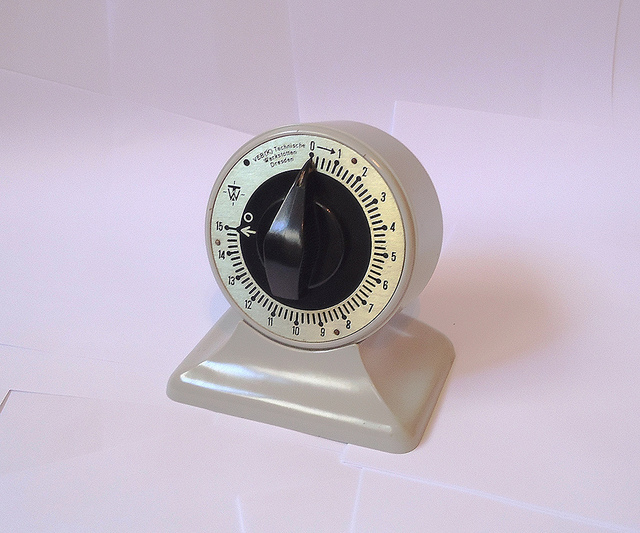
Exposure was controlled by whatever clock was available: a wind-up kitchen timer, a wristwatch, the radio, or counting. Lamps were sold without integral timers and the instruction sheet gave a duration.
The federal performance standard for sunlamp products requires a timer that terminates exposure, a control the user cannot easily defeat, and a maximum timer interval. The standard dates to 1980, which means every lamp described in this file predates it.
That date is worth holding onto. The entire regulatory framework for these products arrived fifteen years after the period described here, which is why the 1965 lamp is best understood as an unregulated consumer appliance that happened to emit ultraviolet radiation.
6. Fell asleep under it
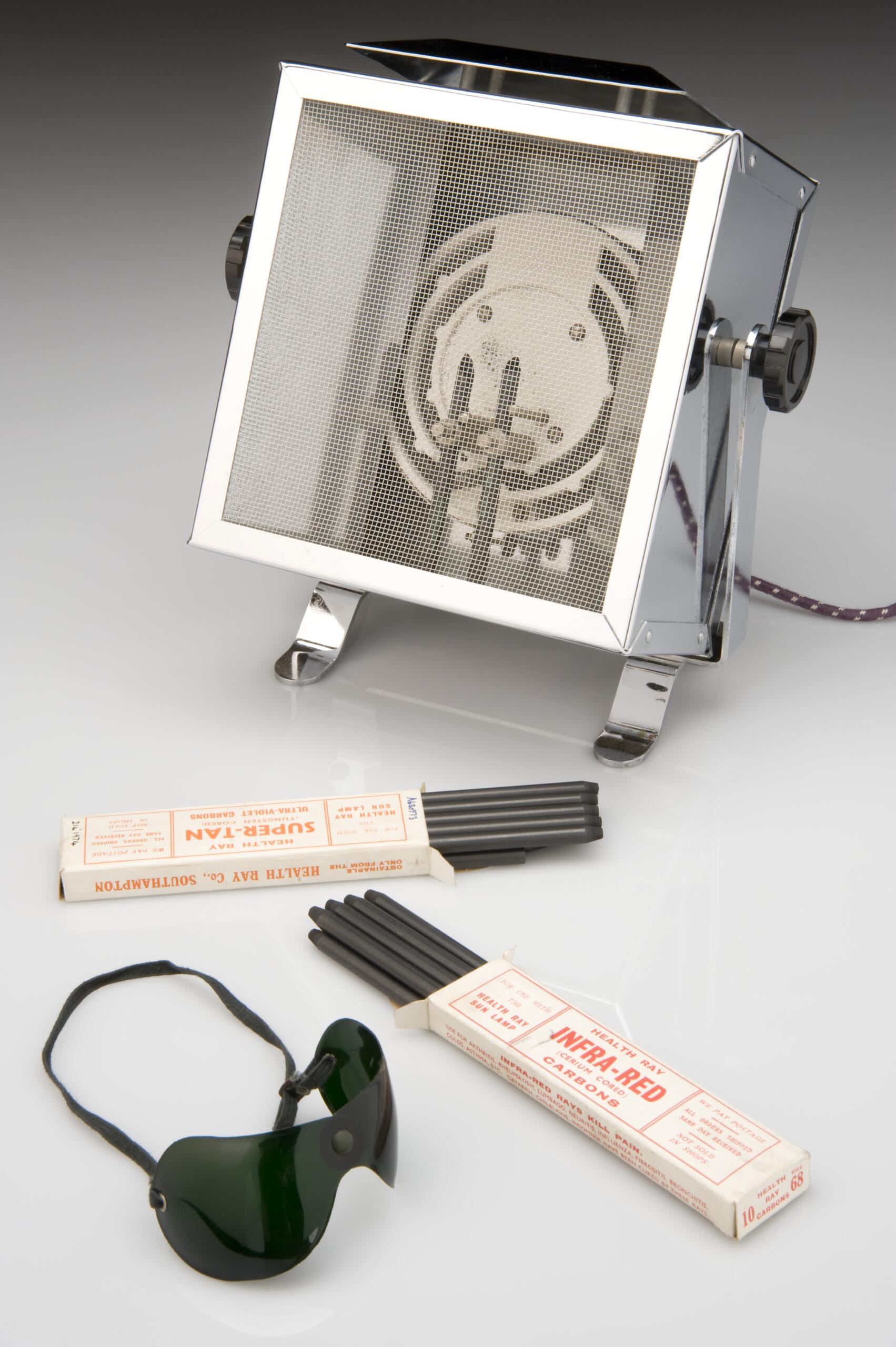
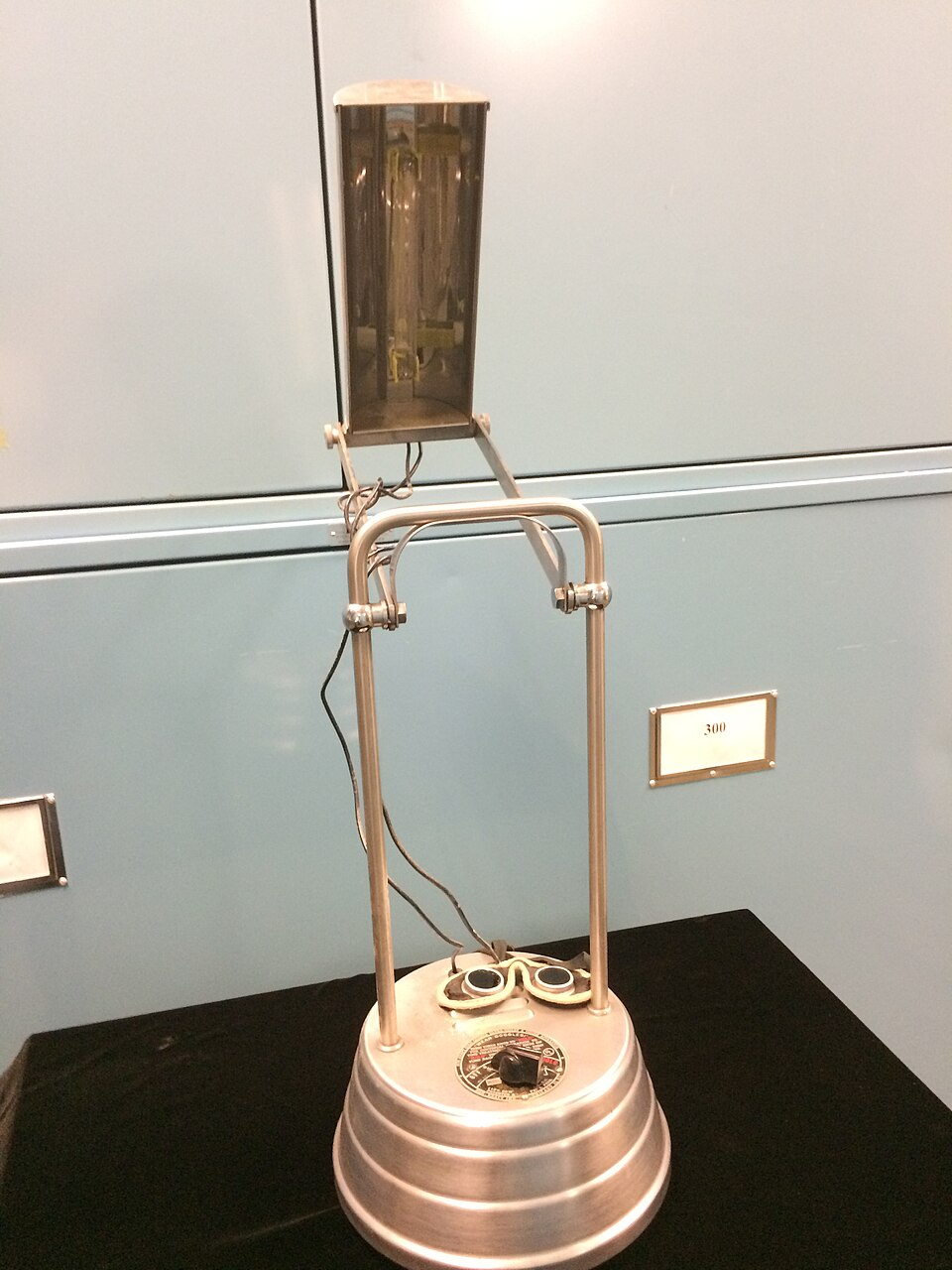
Credit: Science Museum, London. Wellcome Images
[email protected]
http://wellcomeimages.org
Infra-red and ultraviolet light are emitted by this sun lamp from elements behind a metal grid. The lamp was made by the Health Ray Company during the 1960s. It comes with eye goggles and two boxes of replaceable carbon rods shaped like pencils. Two rods are attached to an electric current within the lamp. A bright light producing high levels of ultraviolet rays is emitted when the current is turned on and carbons touch. The eye goggles protect from the damaging rays. Large amounts of smoke are produced as the rods burn down. They need constant readjusting to ensure they touch.
Infra red and ultraviolet rays are radiation wavelengths invisible to the human eye. Much of the suns energy output is in the form of these rays. We feel them in the form of heat even though we cannot see them. The lamp claims ultraviolet rays help develop a quick healthy tan and treat skin conditions such as psoriasis and acne. It also claims infra red rays kill pain and can be used for joint conditions such as arthritis and rheumatism. It is true small amounts of ultraviolet light are therapeutic for skin disorders. However, overexposure can lead to sunburn which may cause permanent cell damage and premature aging of the skin.
maker: Health Ray Company
Place made: Southampton, Southampton, England, United Kingdom
made: 1960-1970 Published: –
Copyrighted work available under Creative Commons Attribution only licence CC BY 4.0 http://creativecommons.org/licenses/by/4.0/
This is the specific scenario that caused the serious injuries. A warm lamp, a comfortable chair, a timer in the kitchen that nobody heard, and an exposure that ran for an hour instead of ten minutes.
The injuries that resulted — extensive burns and acute eye injury — are the documented reason the 1980 standard requires a timer that terminates the exposure rather than one that merely rings. A device that stops is the only control that works on a sleeping user.
No case is described here. The engineering point is the whole of it: every protective feature on a modern device exists because the previous generation relied on the user remaining awake and paying attention.
7. Read a tan as a sign of health
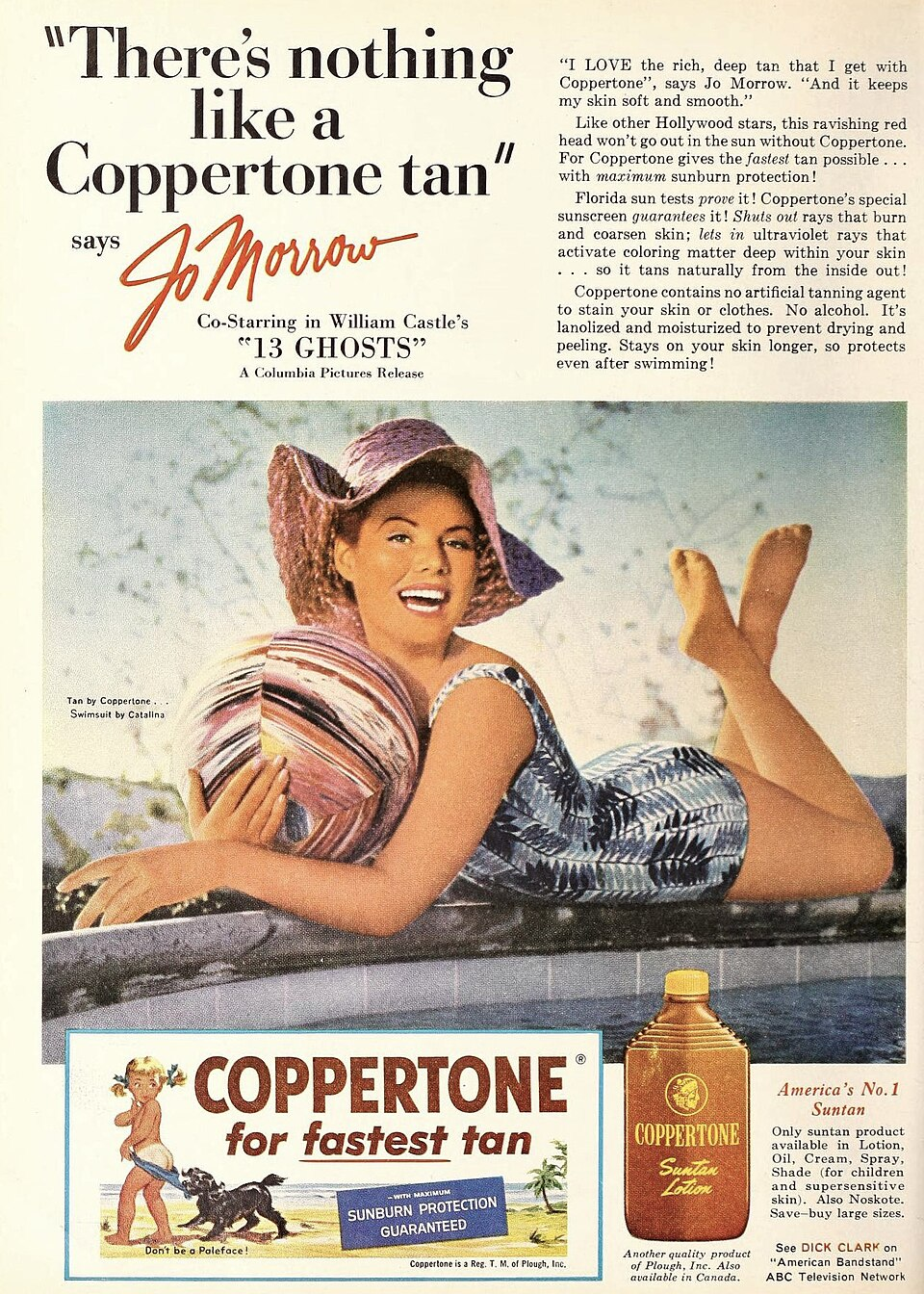
A tan in 1965 signified vigour, leisure, outdoor living and health, and the lamp was a way to have one in February. The association was so strong that pallor was something to be corrected.
A tan is the skin’s injury response: ultraviolet damage to cell DNA triggers pigment production. There is no such thing as a healthy tan from ultraviolet exposure, and American dermatological guidance is unambiguous on the point.
The cultural history matters here, because the meaning of a tan reversed twice in a century — from a mark of outdoor labour to a mark of leisure and health, and then to a mark of damage. The lamp sits exactly in the middle period.
8. Built a base tan before a holiday

The specific use case that sold the most lamps was preparation: a few weeks under the lamp before a summer holiday or a skiing trip, on the theory that a base tan would prevent burning later.
There is no protective base tan. The sun protection factor equivalent of a tan acquired from ultraviolet exposure is negligible, the exposure used to acquire it is itself damaging, and the practice therefore adds risk rather than removing it. This is one of the most firmly established points in the field.
The belief is extraordinarily persistent and still circulates. It survives because it has an intuitive mechanism and because the counterfactual is unobservable: somebody who built a base tan and did not burn attributes it to the tan.
9. Put foil and reflectors around the chair

Users improvised intensification: kitchen foil, a reflector board, a mirror, sitting closer than the instructions said, turning to expose more surface. The object was speed and the lamp was the limiting factor.
Every one of those defeats the exposure assumptions the product was designed around, and the modern regulated equivalent controls distance, duration and output together. Intensifying a device whose output was already the hazard is the clearest possible example of a user working against the only protection present.
The improvisation was not reckless by the standards of the time, because nobody had been told the exposure itself was the problem rather than merely the discomfort. There was no feedback except sunburn, which arrives late.
10. Used baby oil and iodine to speed it up
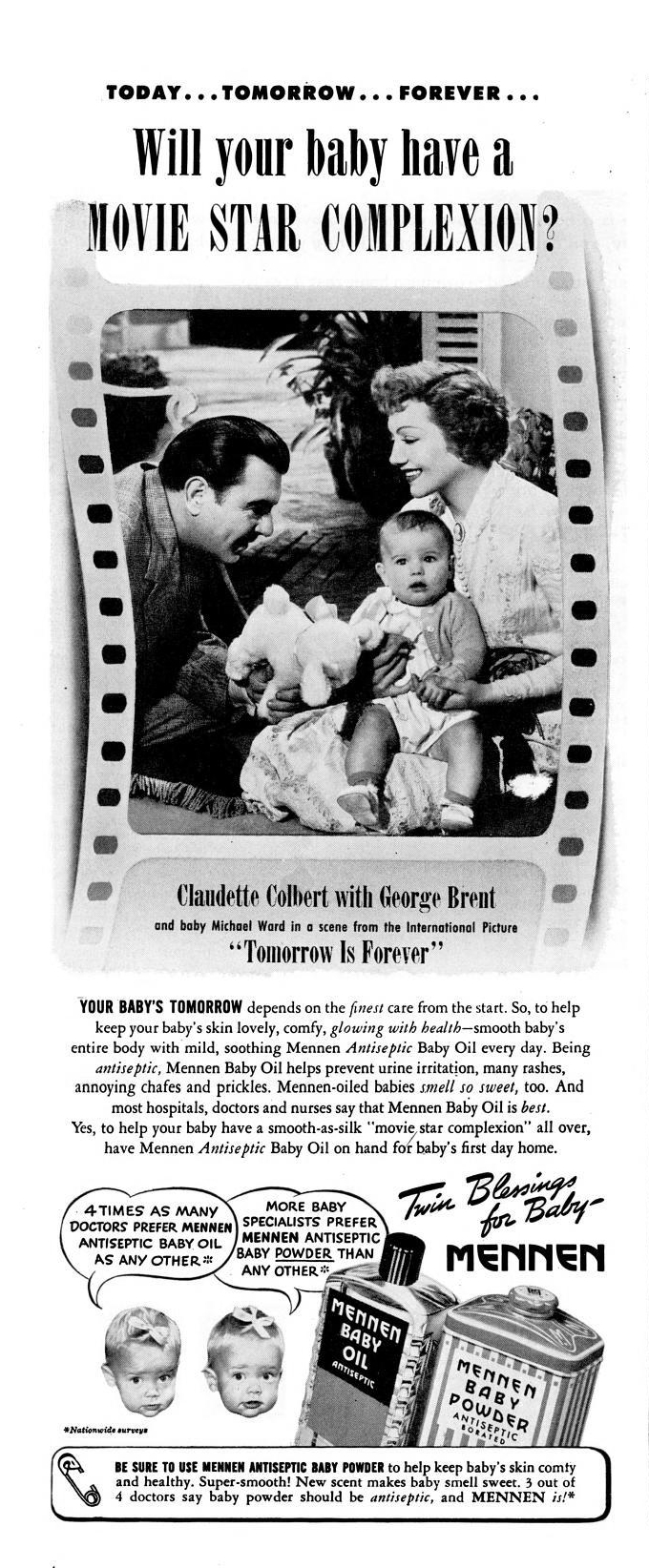
The folk accelerants were baby oil, cocoa butter, olive oil and a homemade mixture of baby oil with iodine, which tinted the skin and was believed to attract and hold the rays.
None of it accelerates tanning in any useful sense and oil on the skin increases ultraviolet transmission to the epidermis by reducing surface reflection, which increases the dose. The iodine contributed colour and nothing else. No current guidance supports any of it.
This is the item people find funniest and it is the one that most reliably increased the exposure. A user with oiled skin under a reflector with no timer and no goggles had stacked four separate multipliers on a device that was already the hazard.
11. Had no real sunscreen available to buy
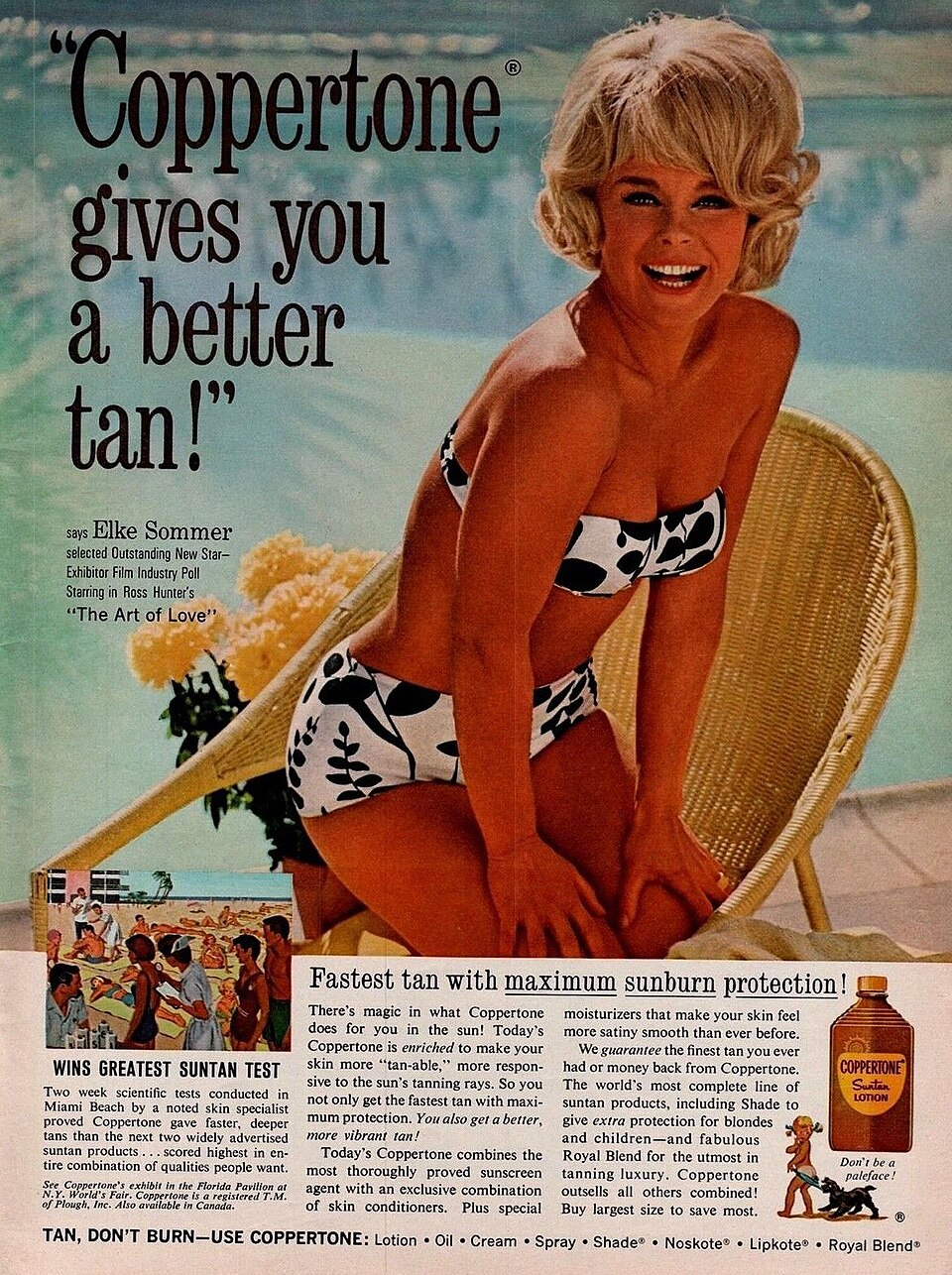
There was very little on the American market in 1965 that would now count as sunscreen. Products were suntan preparations intended to promote colour, the protective ones available were limited, and there was no standardised measure of how much protection anything gave.
The sun protection factor system was introduced to American labelling through rulemaking that began in the 1970s, and the current framework — broad-spectrum testing, water-resistance claims, standardised labelling and restrictions on claims such as sunblock and waterproof — was settled much later, with significant revisions in the past fifteen years.
A 1965 household therefore had a device that delivered the hazard and essentially nothing that mitigated it, which is the reverse of the modern position. The protective product arrived two decades after the lamp.
12. Found the same lamps in gyms, clubs and schools
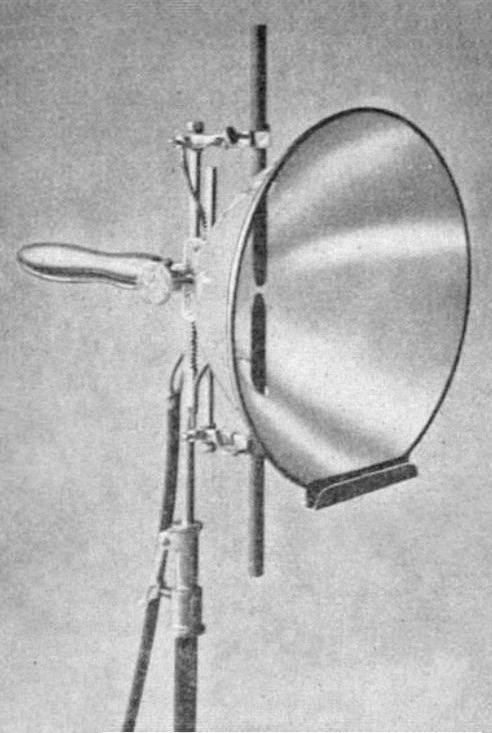
Sunlamps were installed institutionally: in gymnasiums, athletic clubs, swimming baths and some schools, used on groups of people including children, on the same health reasoning that sold them to households.
Commercial tanning facilities in the United States are now regulated at state level, the great majority of states restrict or prohibit use by minors, and several prohibit it entirely under eighteen. The institutional and school use described here has no modern equivalent.
The schools are the detail that most dates it. Children were exposed to ultraviolet radiation as a wellbeing measure, in groups, by institutions acting on the best advice they had, which is the honest framing and also the reason the reversal is so complete.
13. Treated it as a remedy for colds and aches
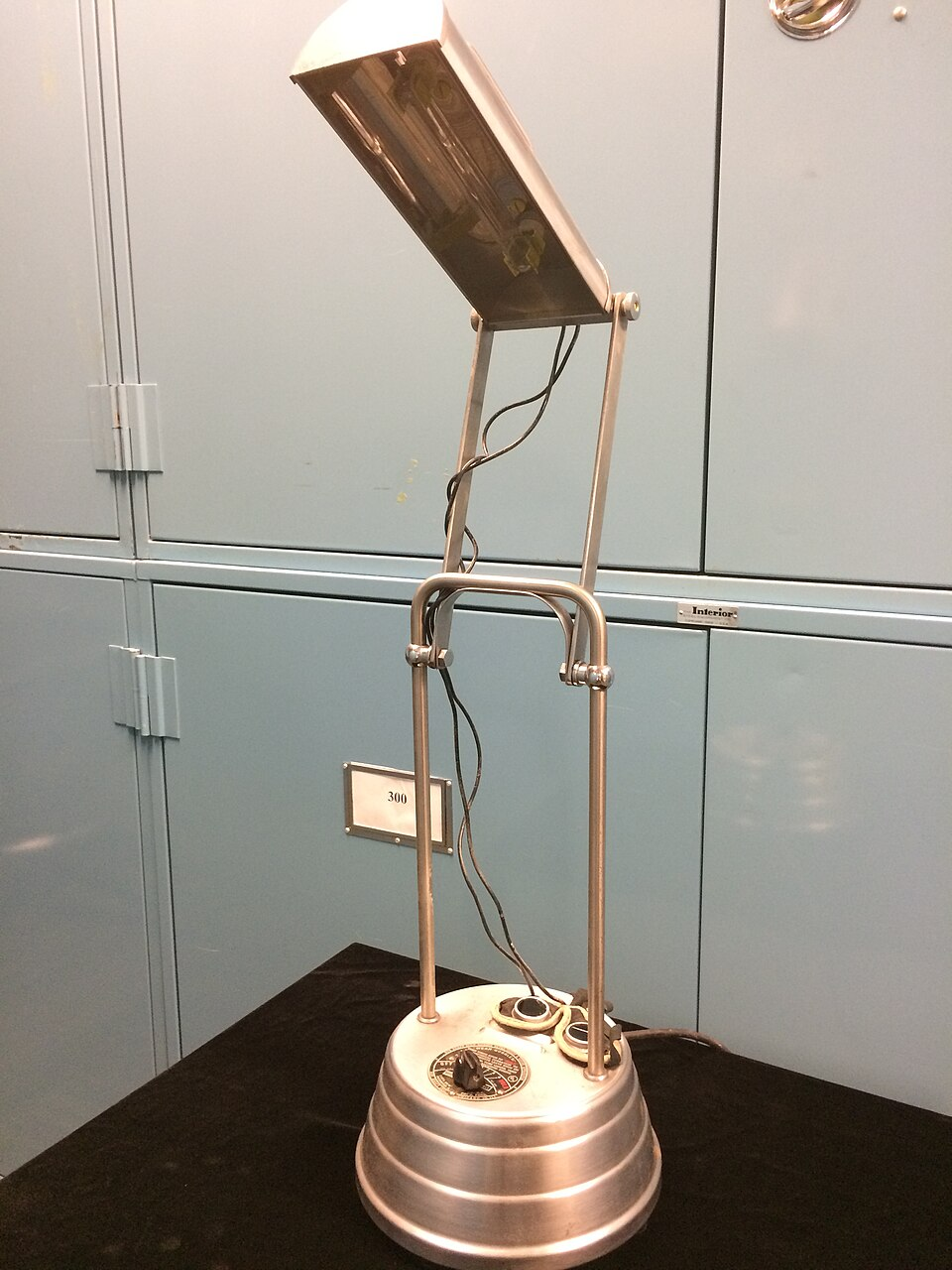
Beyond the vitamin reasoning, lamps were used therapeutically for colds, catarrh, chest complaints, muscular aches and skin conditions, and the advertising supported all of it.
A product claiming to treat a condition is a drug or a medical device under American law and requires authorisation, and the 1962 effectiveness requirement with the subsequent federal review removed a great many such claims from the market.
Ultraviolet phototherapy is a genuine and effective treatment for specific skin conditions, delivered under medical supervision with controlled dosimetry. That is a different proposition entirely from a household lamp used on a cold, and the distinction is the whole of the modern position.
14. Used a mercury lamp without knowing it
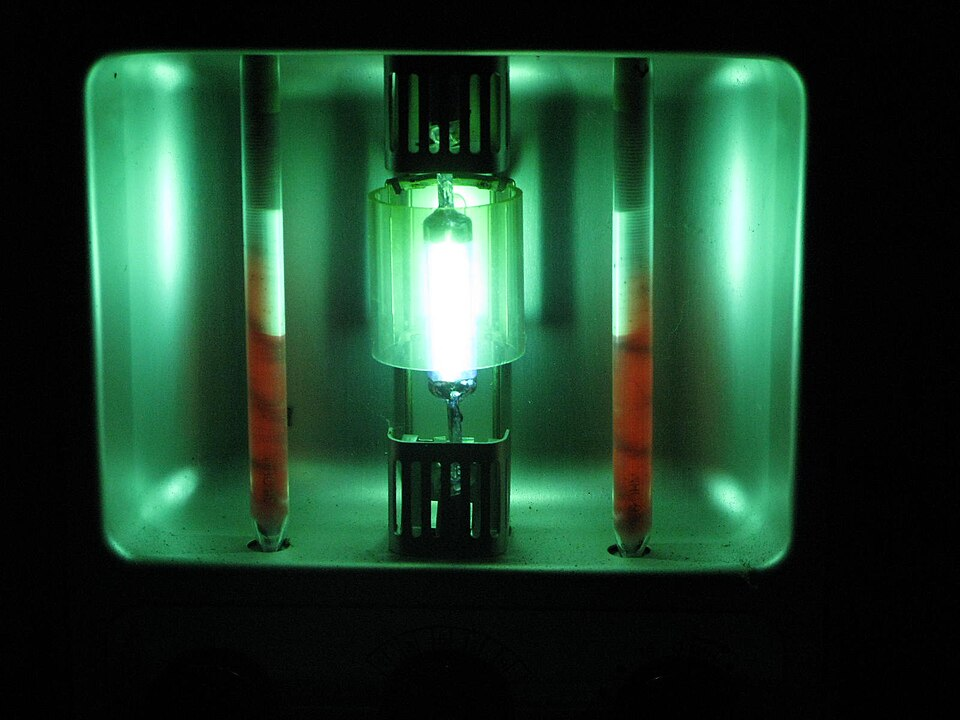
The ultraviolet source in many of these appliances was a mercury vapour lamp, sometimes with a quartz envelope, and the lamp contained mercury. A broken lamp released it into the room.
Mercury-containing lamps are subject to handling and disposal requirements in the United States, with household hazardous waste collection the correct route, and the guidance on a broken mercury-containing lamp is ventilation, careful collection without a vacuum cleaner, and sealed disposal.
Users did not know and were not told, which is consistent with everything else in this file. The mercury was the smaller of the two hazards in the appliance and it is the one a modern reader is most likely to encounter, because the lamps turn up in attics and garages.
15. And the reclassification that closed the argument
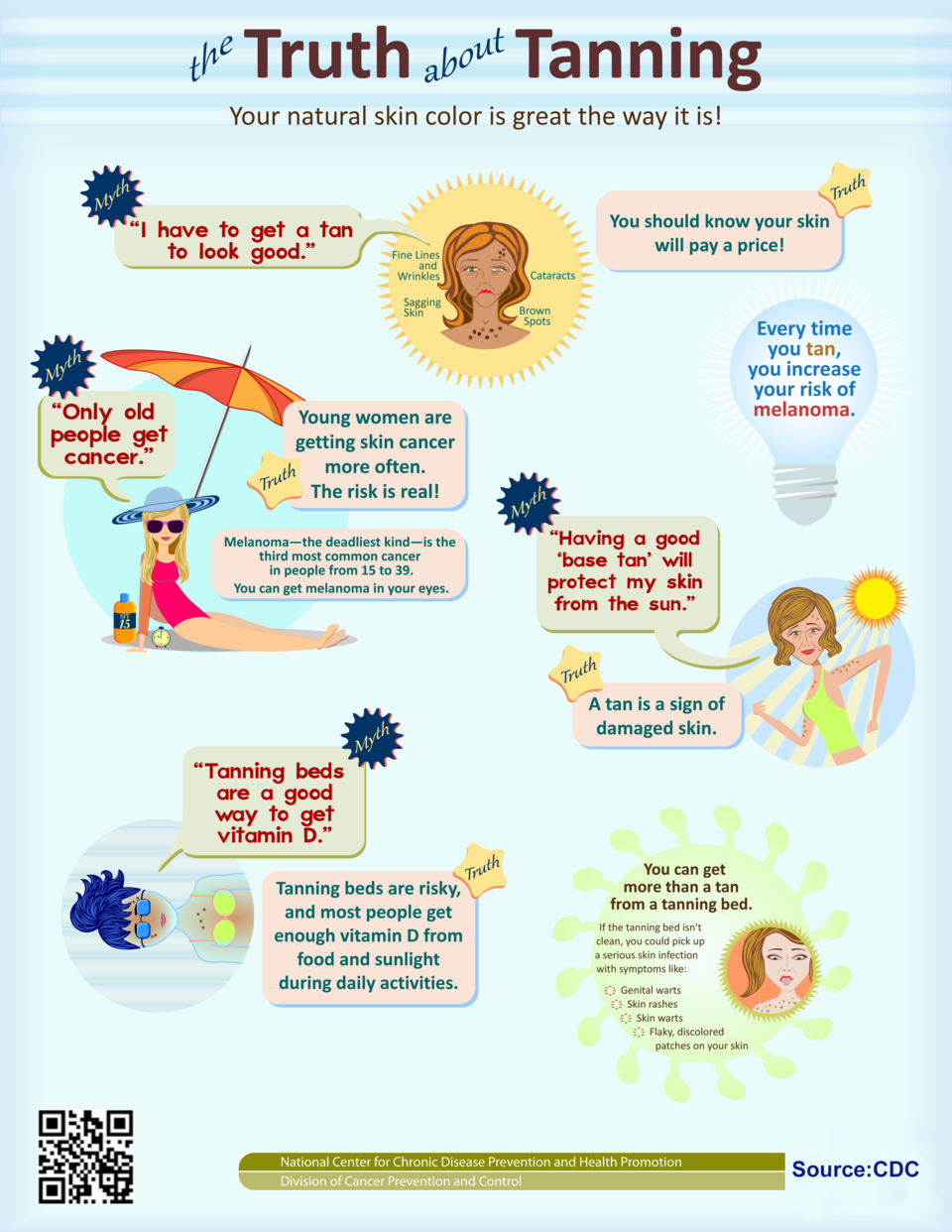
The last item is the regulatory endpoint. Sunlamp products were brought under a mandatory federal performance standard in 1980, requiring timers, protective eyewear, labelling and output limits.
In 2014 the Food and Drug Administration reclassified sunlamp products and ultraviolet lamps for tanning into a higher-risk device category, requiring a prominent visible warning and stating that they should not be used by people under eighteen. The international cancer research agency had classified ultraviolet tanning devices in its highest hazard category in 2009.
Between 1965 and 2014 the same object travelled from a department store health appliance to a restricted medical device with a warning on it. Nothing about the lamp changed. The evidence did.
A real finding, generalised the wrong way
The sunlamp’s history is the textbook version of a pattern that runs through this entire batch. Sunlight genuinely prevents rickets, which was a serious problem in industrial cities. That finding is correct and it saved a great deal of suffering. The inference drawn from it — that deliberate ultraviolet exposure is therefore beneficial and that more of it is better — does not follow, and it took fifty years and a substantial body of evidence to dismantle.
The modern position separates the two completely. Vitamin D is addressed by diet and supplementation, with no ultraviolet exposure required. Ultraviolet phototherapy remains a real treatment for specific conditions under medical supervision with measured dosimetry. And deliberate recreational exposure, from the sun or from a device, is treated as a risk to be reduced rather than a benefit to be sought. Three separate answers, where 1965 had one.
Two items here still circulate and are worth naming. The base tan, because the belief is intuitive, persistent and wrong, and because the people who hold it have unfalsifiable personal evidence for it. And the vitamin D argument, which is now used to defend deliberate exposure and which the supplement answers completely.
The lamps themselves turn up in American attics and garages regularly. The thing to know about one is that it contains mercury, and that the right destination is a household hazardous waste collection rather than a bin.
Like our content? Follow us for more.