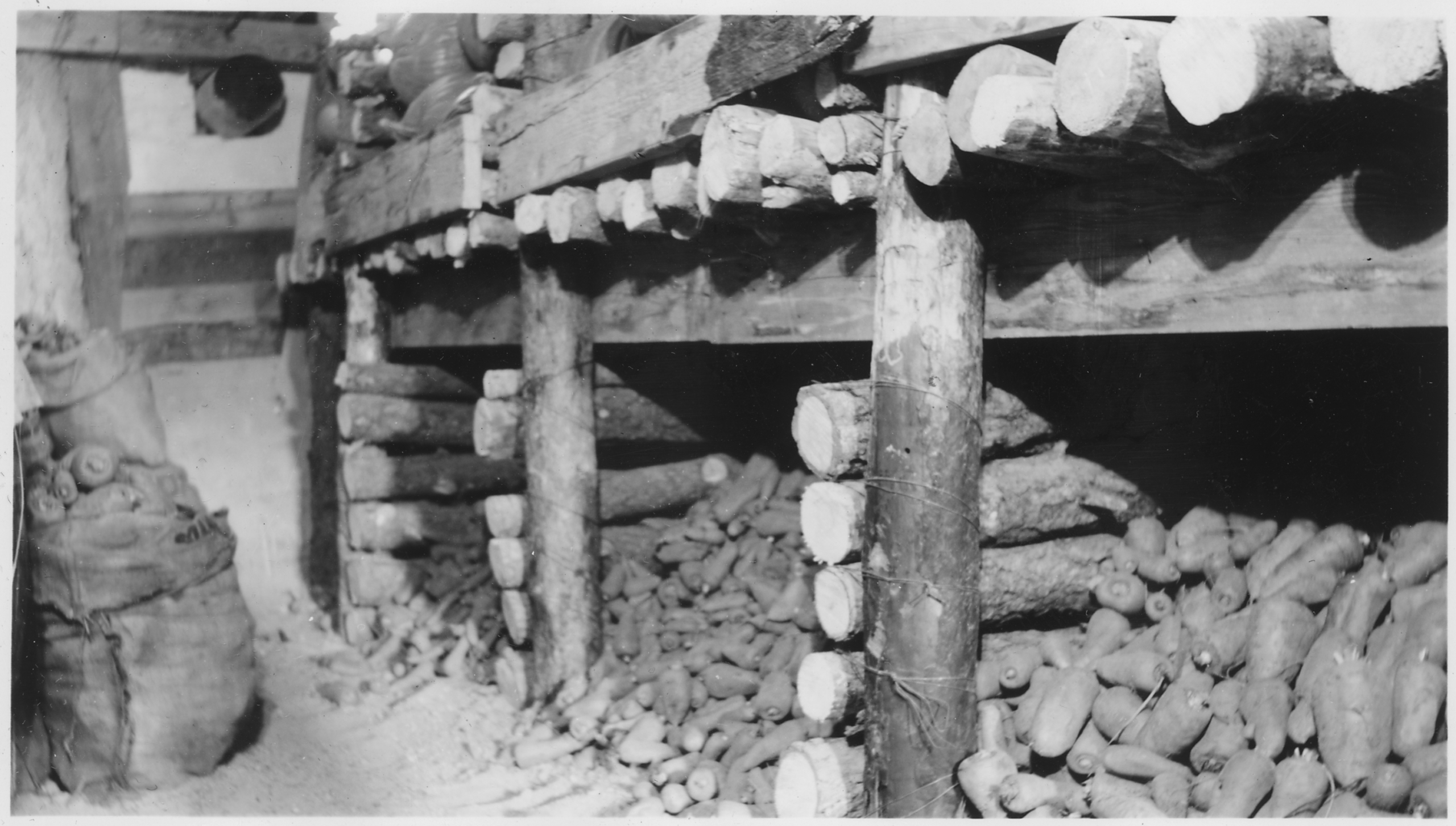
In 1974 a farmhouse that fed itself was managing four incompatible climates in one underground room, by hand, against the weather, from October until June.
Potatoes wanted cold, damp and total darkness. Onions wanted dry and airy. Winter squash wanted warm and had to be kept out of the cellar entirely, which is why it lived on a spare bed upstairs. And apples had to be isolated from everything, for a reason nobody could explain and everybody obeyed.
Here are fifteen things every farmhouse kept in the root cellar in 1974, and what happened to each of them.
1. Potatoes Went Into Bins and Had to Be Kept in the Dark
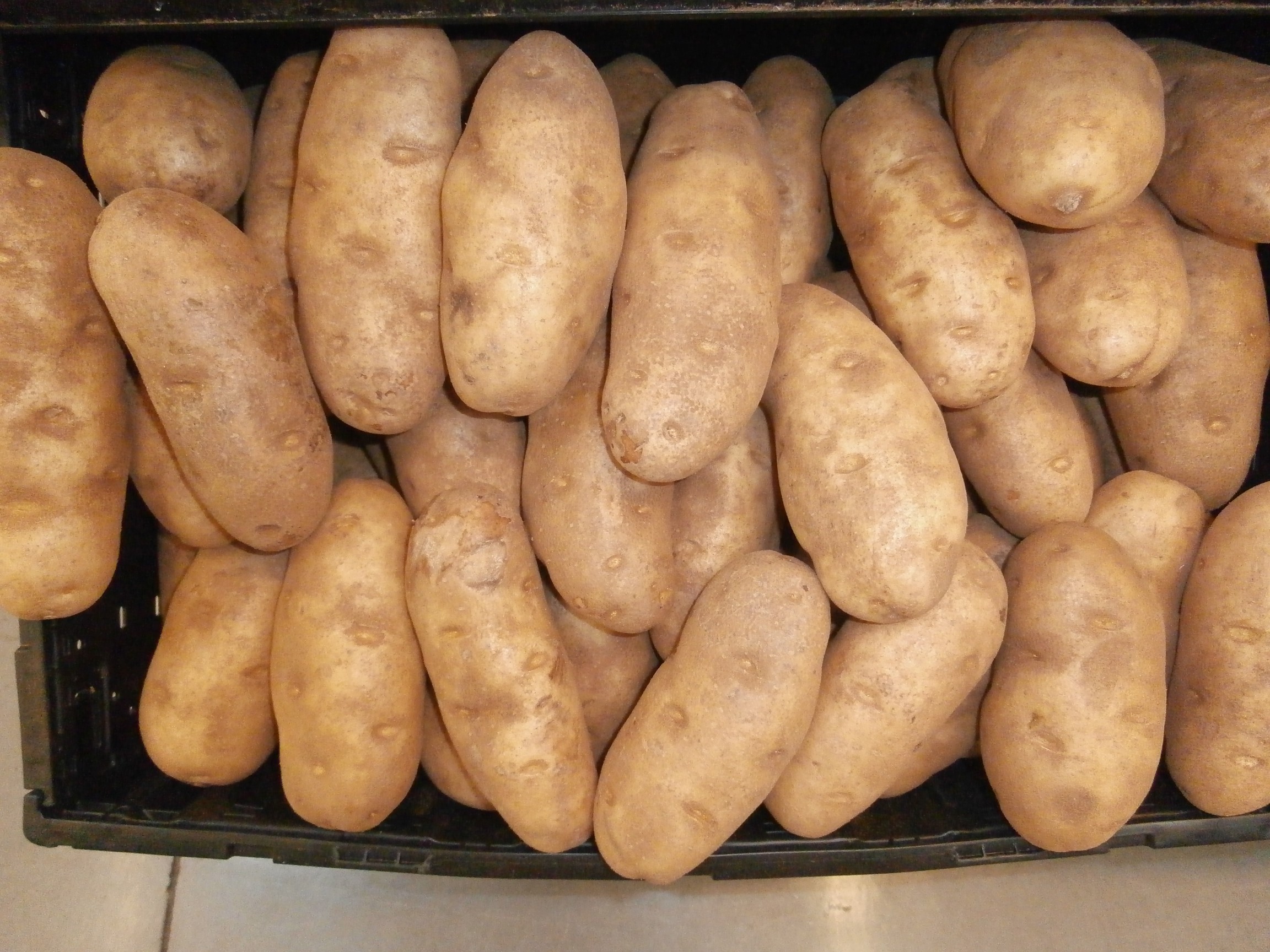
Potatoes were stored loose in slatted wooden bins, several hundred pounds at a time, covered or kept in complete darkness, and they were the single largest item down there by weight.
A five-pound bag bought weekly. Potatoes keep for months at the right temperature, which is cold but above freezing, in high humidity and absolute dark.
The darkness is not superstition and the reason is specific. Light makes a potato produce chlorophyll, which turns the skin green, and the greening happens alongside a rise in solanine – a bitter compound the plant makes as a defence. Green potatoes taste wrong and should be cut away or discarded, and every farmhouse knew the rule without knowing the chemistry.
Like our content? Follow us for more.
2. Carrots and Beets Were Buried in Damp Sand
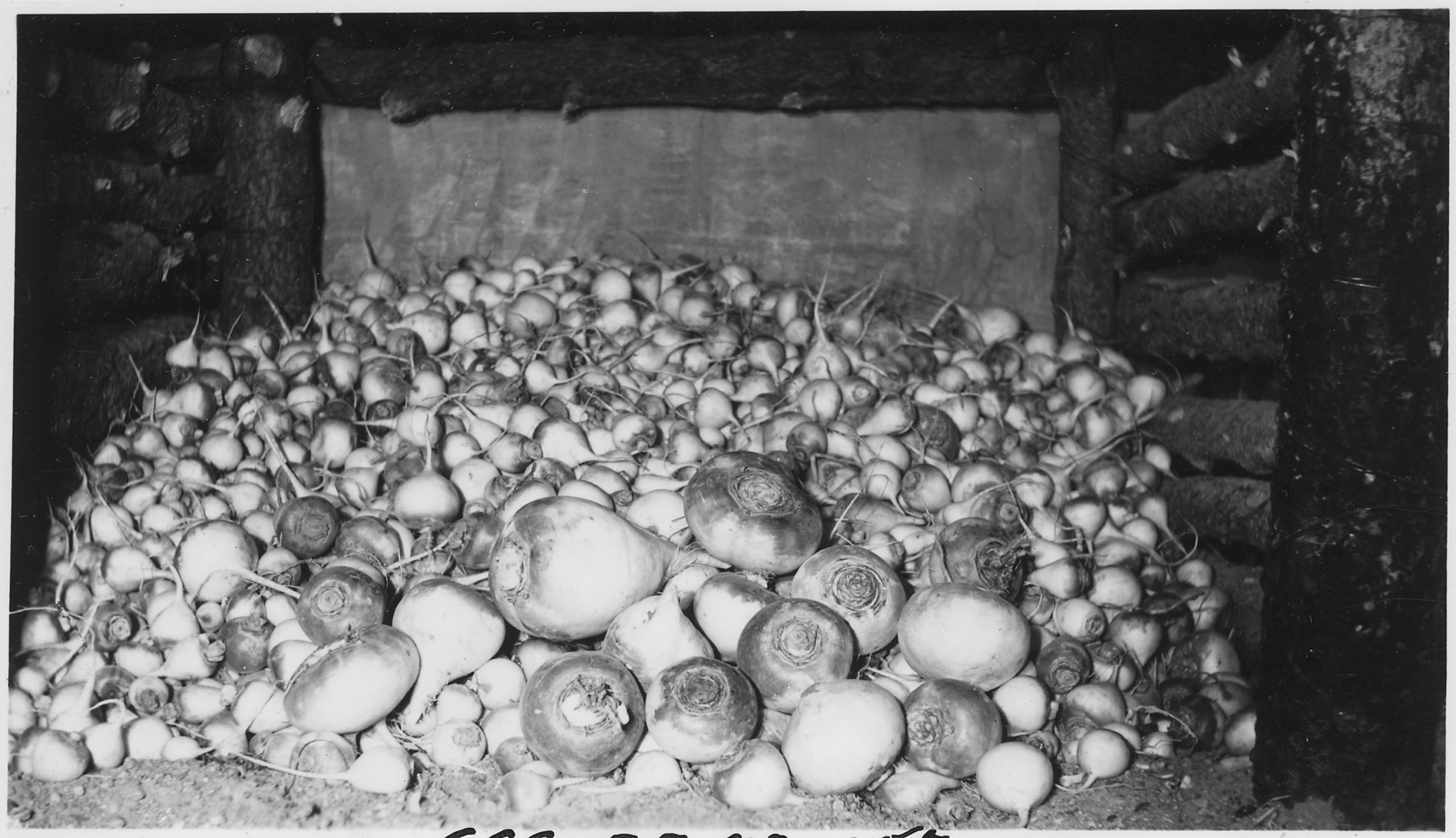
Root vegetables were layered in boxes or barrels of damp sand, sawdust or peat, not touching each other, with the tops cut off, and dug out through the winter as needed.
Refrigerated supply all year, with carrots sold washed in plastic. The sand was doing two jobs and both were necessary.
It held moisture against the root so it did not go limp, and it kept the roots separated so that one going soft did not pass rot to its neighbours. Carrots lifted out of sand in February were genuinely good – firm and sweet, because cold storage converts some starch to sugar – and people who did this insist they were better than anything in a shop, which is not entirely nostalgia.
3. Apples Were Kept Well Away From Everything Else
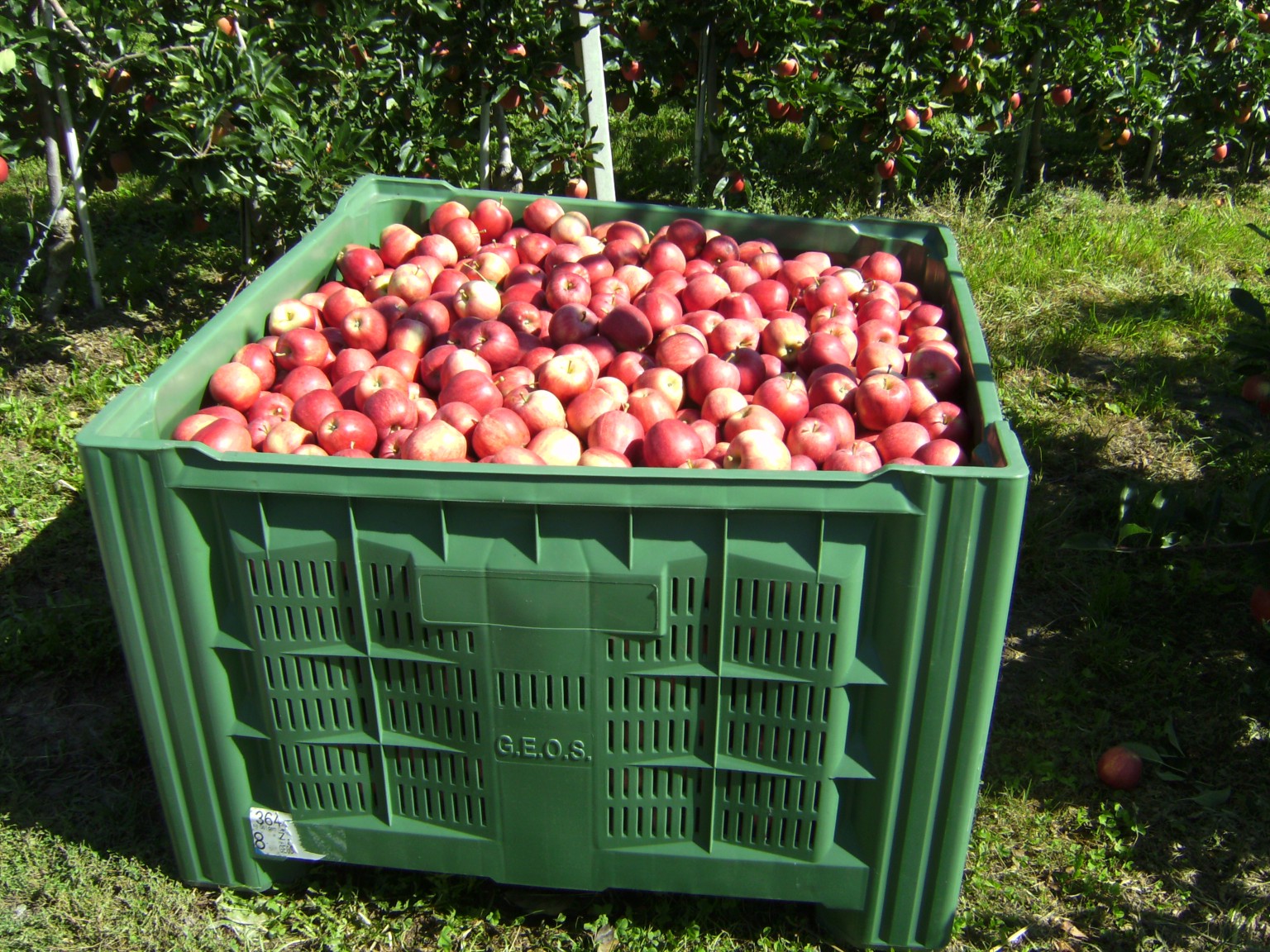
Apples went into a separate part of the cellar, in single-layer trays or wrapped individually in paper, deliberately isolated from the vegetables.
Controlled-atmosphere commercial storage that keeps apples for the better part of a year. The separation was a firm rule and the reason for it was understood as cause and effect long before anybody knew the mechanism.
Apples release ethylene, a gas that is itself a plant ripening signal. In a closed cellar it accumulates, and it makes potatoes sprout, carrots go bitter and everything else age faster. The old instruction was simply to keep apples apart, and it was exactly right for a reason nobody could have stated in 1974.
4. Onions and Garlic Wanted the Opposite Conditions From Everything Else

Onions, garlic and shallots were braided or netted and hung from the ceiling joists, or spread on open shelves – in the driest, best-ventilated part of the space.
Supermarket supply all year. The dry requirement made them the awkward crop, because almost everything else in a root cellar wants high humidity and they want the reverse.
That conflict is the central problem of storing food this way, and it is why a good cellar was not one room with one climate. Damp and cold for roots, dry and cool for alliums, warm and dry for squash, and cold and isolated for apples – four incompatible environments, managed in a single underground space by putting things in different corners and at different heights.
5. Winter Squash and Pumpkins Were Kept Warm, Not Cold
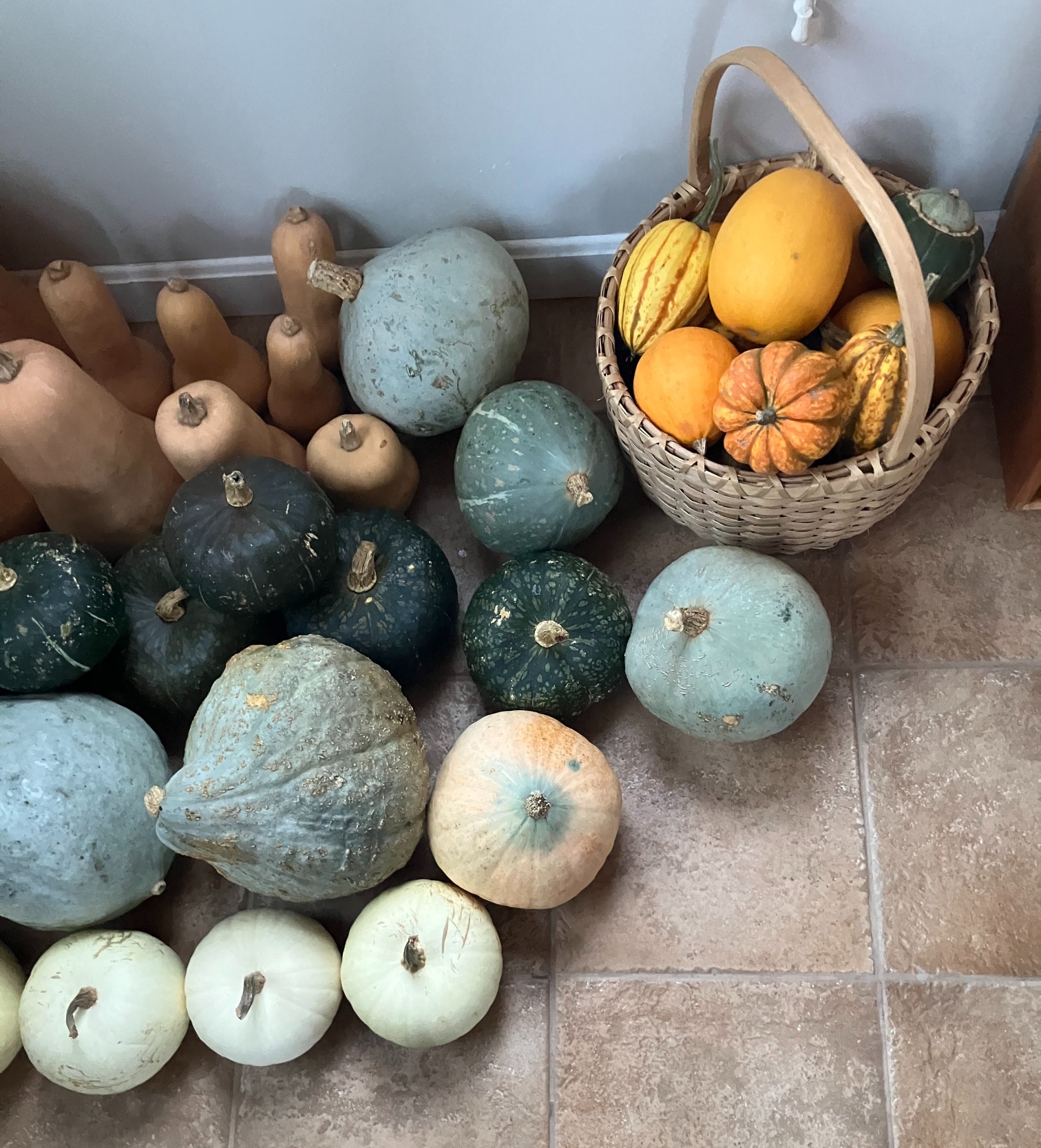
Hard-skinned squash and pumpkins were stored upstairs, on a spare bed, under a bed, in a back room or on a shelf in a cool part of the house – not in the cellar at all.
Year-round availability. Winter squash is damaged by cold and by damp, and a root cellar is both, so it was the one crop deliberately kept out.
Which is why photographs and accounts of the period have squash in bedrooms. A family storing three hundred pounds of winter squash needed somewhere cool, dry and frost-free that was not the cellar, and the unheated spare room upstairs was exactly that – so the squash lived in the house, in rows, until it was eaten.
6. The Cabbages Were Down There and You Knew About It
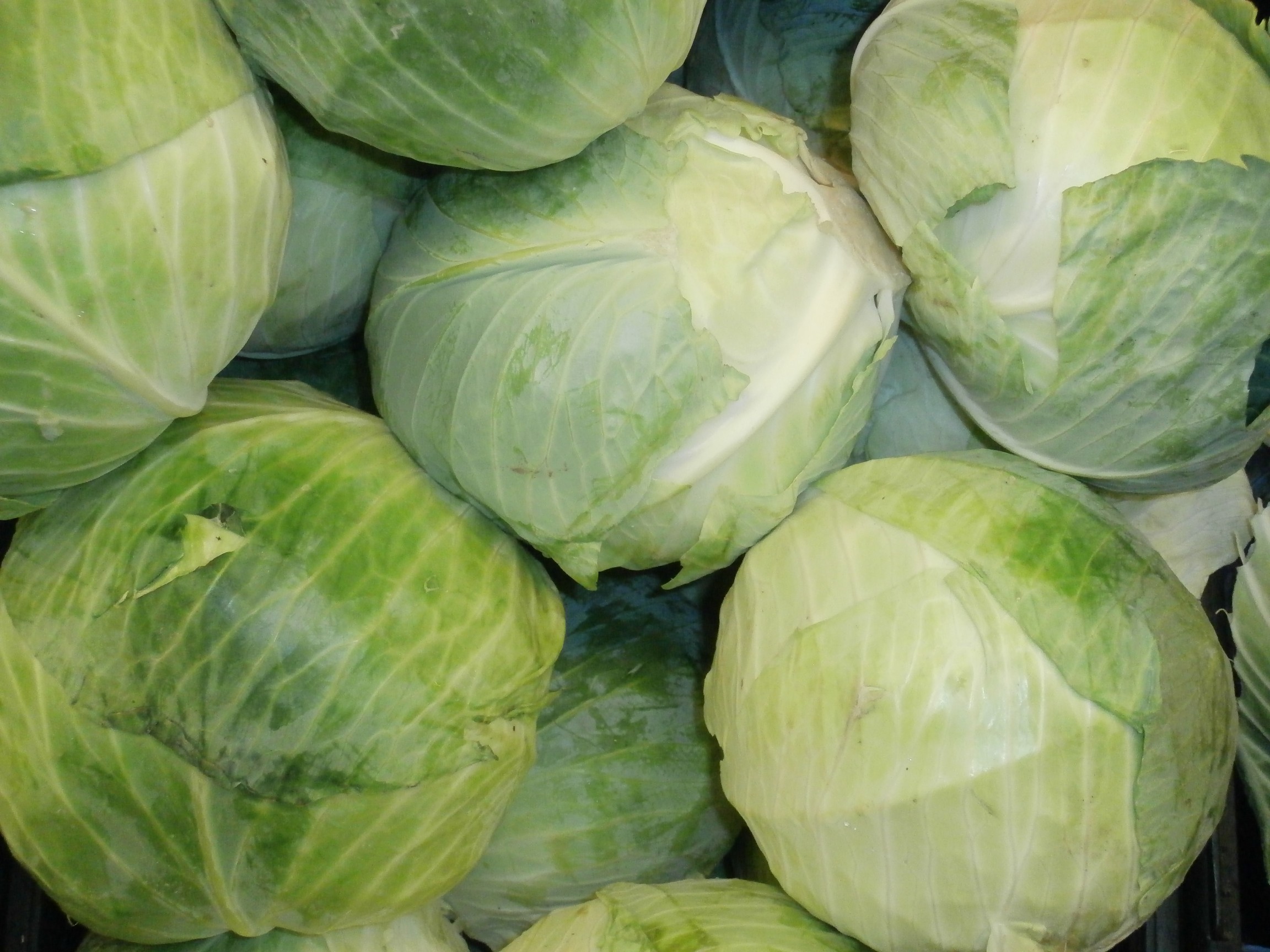
Whole cabbages were stored wrapped in paper, buried in sand, or pulled with the roots on and hung upside down, and they kept for months.
Refrigerated transport. Cabbage stores extremely well in cold damp conditions, which makes it one of the best crops for the method and one of the worst to live above.
The smell is in every account of a root cellar and cabbage is usually the culprit. Stored brassicas release sulphur compounds as outer leaves break down, and in a sealed space it builds – which is why cabbages were frequently kept at the far end, or in a separate pit outside, by families who had learned.
7. The Shelves Were Full of Jars Somebody in the House Had Filled
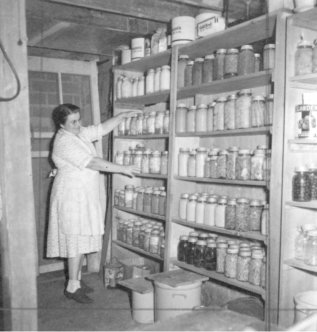
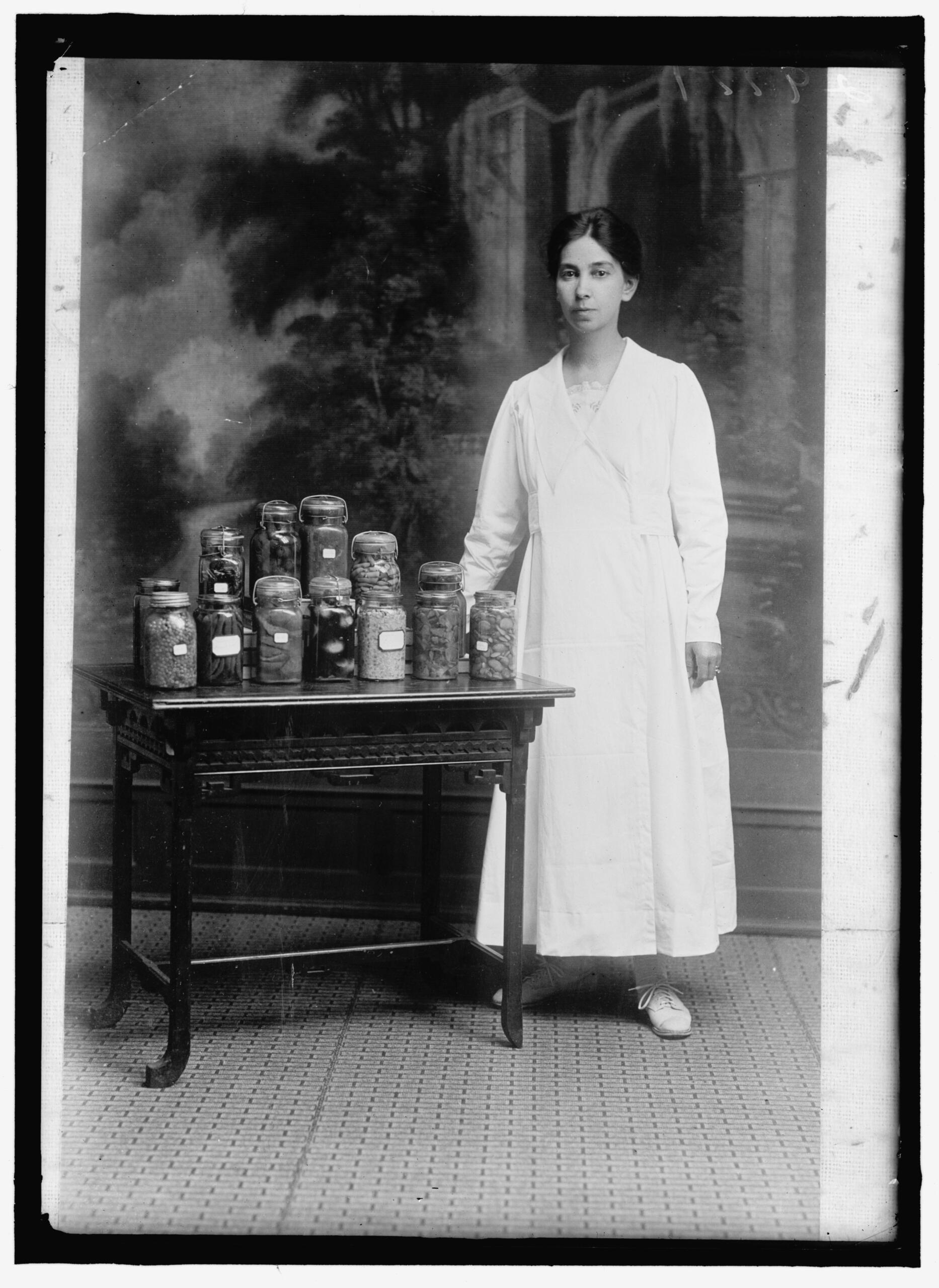
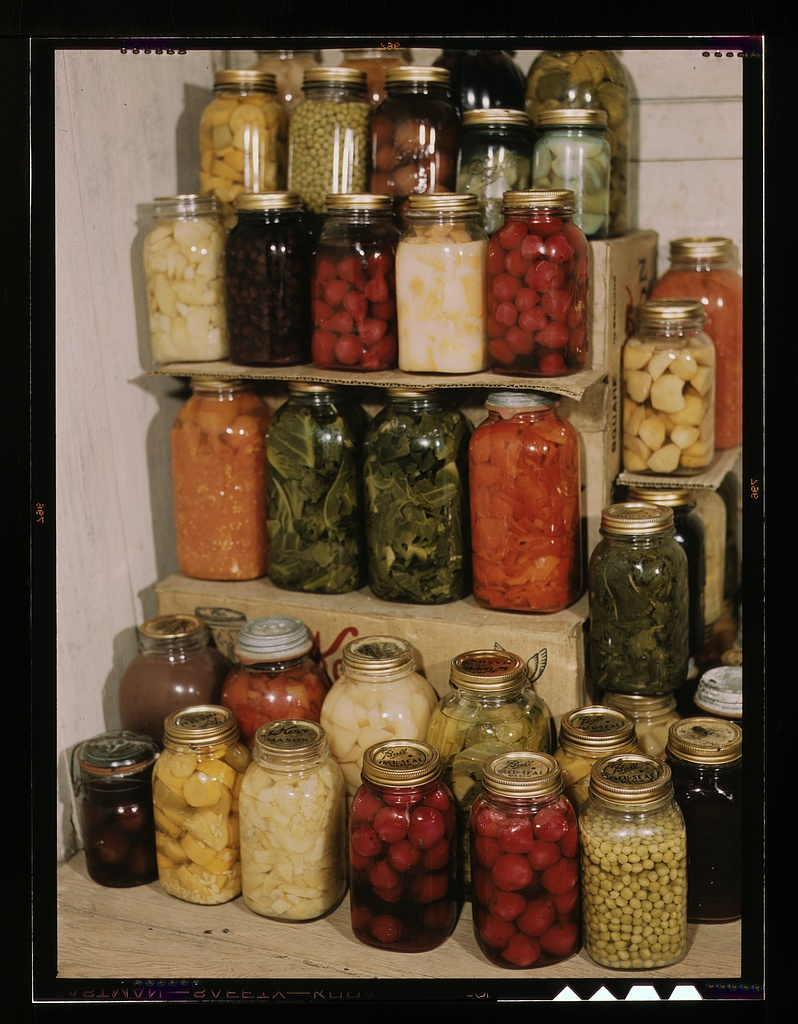
Home-canned goods – tomatoes, beans, corn, peaches, pears, pickles, relish, jam – stood in glass jars on wooden shelves, a season’s work representing several hundred jars in a productive household.
Commercially canned and frozen goods, with home preserving now a hobby rather than a necessity. The jars were the processed half of the harvest and the bins were the raw half.
And the shelving reflected a hard rule about rotation. Jars were dated and arranged so that last year’s were used first, because a jar that migrated to the back of a shelf and was forgotten for three years became something nobody would open – which is a bookkeeping problem that every household running this system had to solve for itself.
8. There Were Crocks of Things Fermenting
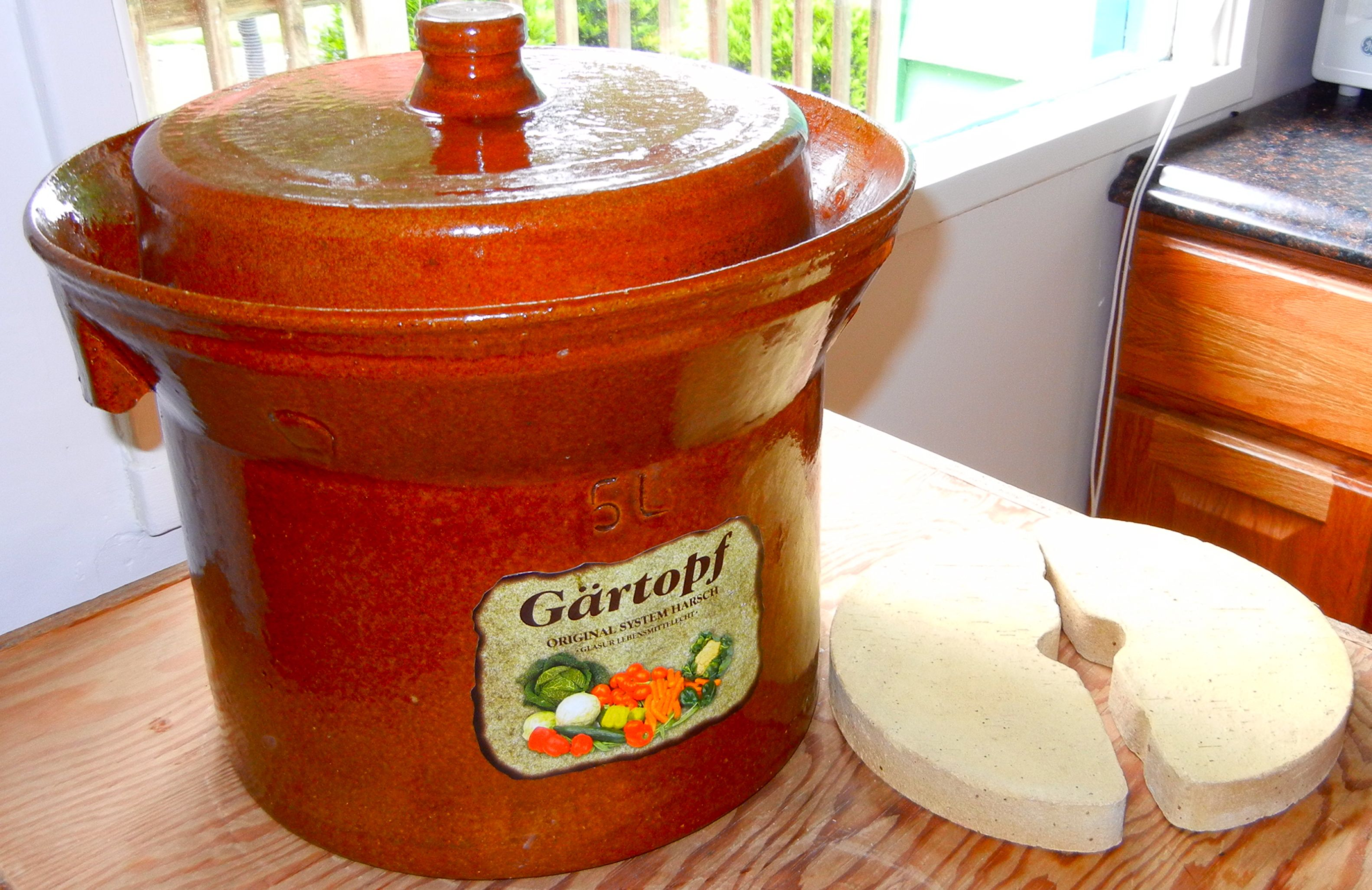
Large stoneware crocks held sauerkraut, dill pickles and salted beans, weighted with a plate and a stone under a brine, working slowly in the cold for weeks and then keeping for months.
Refrigerated commercial production. Fermentation in crocks was a standard household preservation method requiring no equipment, no heat and no sealing.
It was also the method that produced the most failures, which is rarely mentioned. A crock that went wrong went obviously and spectacularly wrong, the whole batch was lost, and there was no partial recovery – so the crocks were checked constantly and the person who made the kraut was the person everyone trusted to make the kraut.
9. Cider Went Into a Barrel and Changed on Its Own
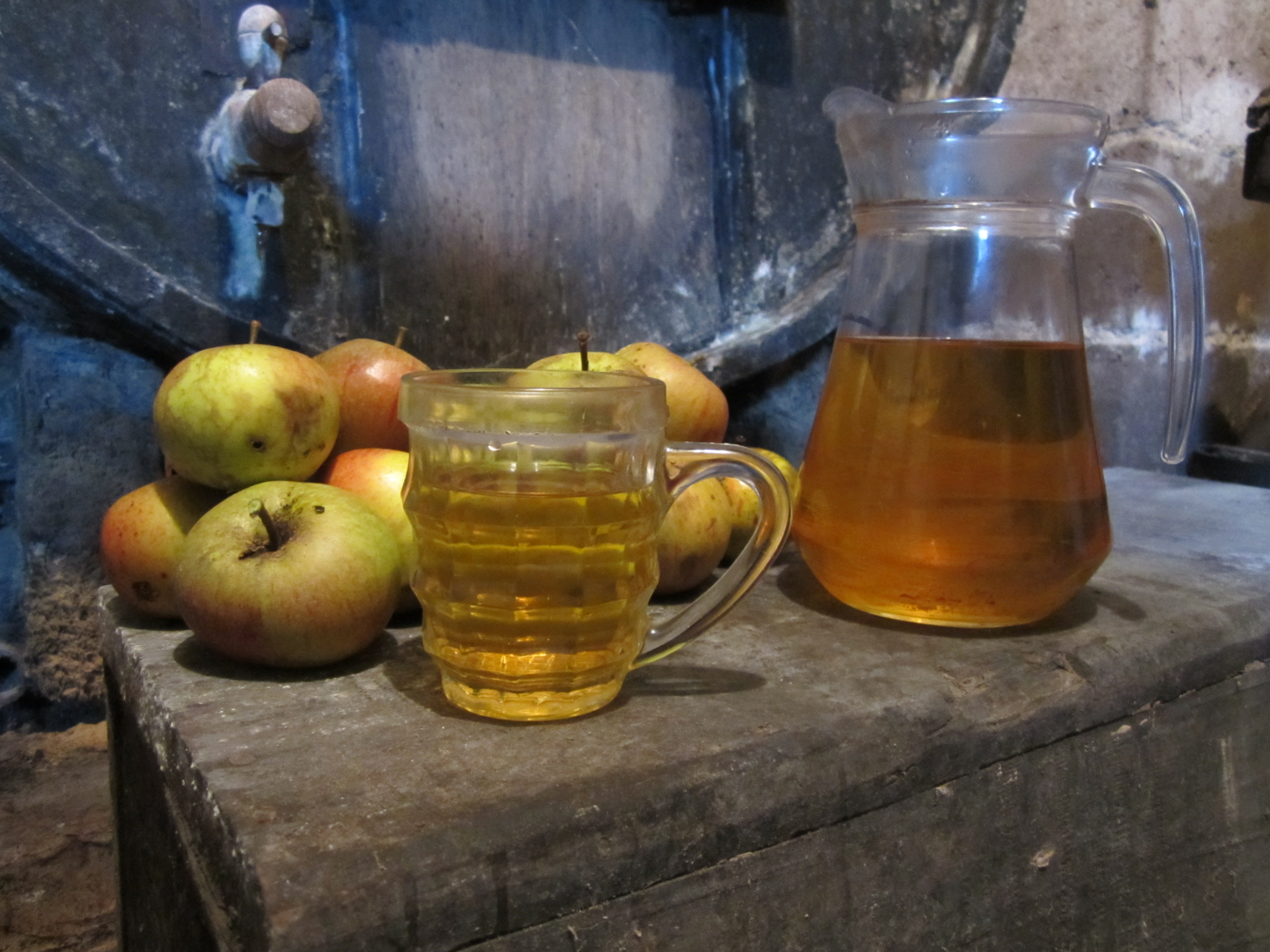
Pressed apple cider was stored in barrels or jugs in the cold, where it fermented slowly whether anybody intended it to or not, going from sweet through sharp to hard over the winter.
Pasteurised juice with a known shelf life. Unpasteurised cider in a cold cellar ferments because the yeasts are already on the fruit, so the transformation was not a decision but a timetable.
Households simply worked with it. Sweet cider in October, sharp by December, and by late winter something with alcohol in it that was drunk by adults – a progression that was understood, expected and planned around, and which disappeared the moment juice began arriving pasteurised in cartons.
10. Eggs Were Kept in a Bucket of Liquid
Surplus eggs from the spring and summer glut were submerged in a bucket of water glass – a mineral solution that sealed the shell – or packed in lard, salt or lime water, to be eaten through the winter when hens stopped laying.
Year-round laying under controlled lighting, and refrigerated distribution. Egg preservation existed because hens are strongly seasonal layers and a flock produces far more in June than a family can eat.
The results were acceptable rather than good, which households said plainly. A preserved egg was fine for baking and poor for frying, the white went thin, and nobody pretended otherwise – it was simply the difference between having eggs in February and not having them.
11. Something Cured Was Hanging Up
Hams, bacon sides and sausages, salted and frequently smoked, hung wrapped in cloth or paper from hooks in the ceiling, taken down and cut from as needed over months.
Refrigeration and commercial processing. Salt curing removes water and makes the meat inhospitable to spoilage organisms, which is what allowed meat to be kept at cellar temperature at all.
The scale is what surprises people. A single hog provided a family with meat for most of a year, so a cellar in November held a substantial quantity of it hanging overhead – and the practice ended not because the method failed but because a freezer did the same job with no salt, no smoke and no skill.
12. Everything Had to Be Checked and Culled Every Week

Somebody went through the stores regularly – weekly in a well-run household – lifting, turning, smelling and removing anything beginning to go, because one rotting item would take its neighbours with it.
Nothing. Refrigeration and short supply chains removed the inspection round entirely, and with it the knowledge of what each crop looks like at each stage of failure.
That job was usually given to a child, which is how the skill was transmitted. You learned what a soft spot on a potato means, which smell matters and which does not, and that pulling one bad apple out of a tray in January is worth more than anything else you will do that day.
13. The Temperature Was Managed by Opening and Closing a Vent
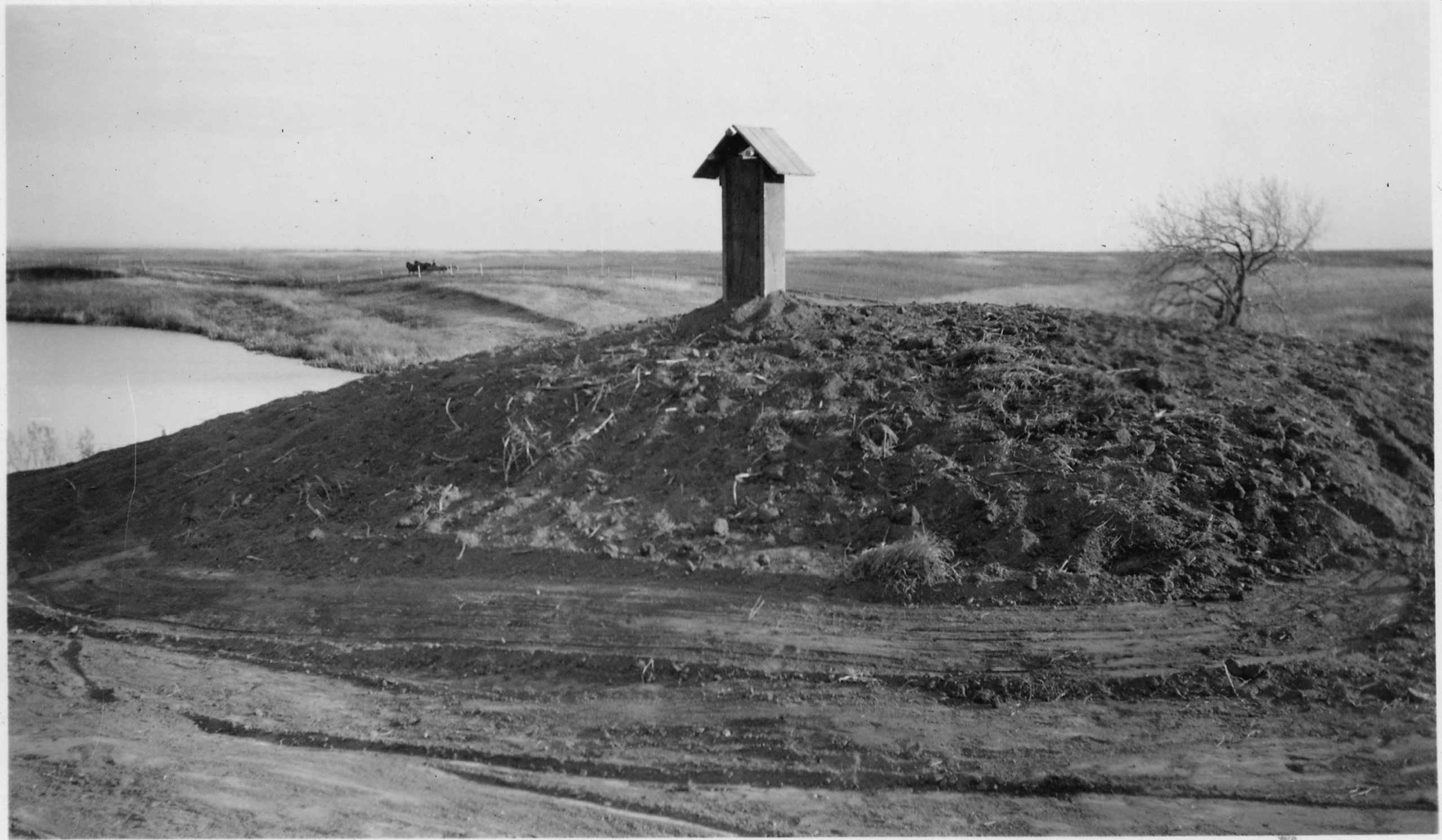
Control consisted of an outside vent or a window that was opened on cold nights to draw the space down and closed in a thaw to hold it – adjusted by hand, by judgement, all winter.
Thermostats, compressors and sealed appliances. The cellar was regulated manually against the weather, with a thermometer if the household owned one and by feel if it did not.
And the judgement required was real. Too warm and everything sprouted and softened early; too cold and a hard freeze turned potatoes sweet and watery and ruined the lot – so a severe cold snap meant somebody going down with blankets or a lamp, and a January thaw meant somebody getting up to shut a vent.
14. The Whole Thing Was a Calculation Made in September
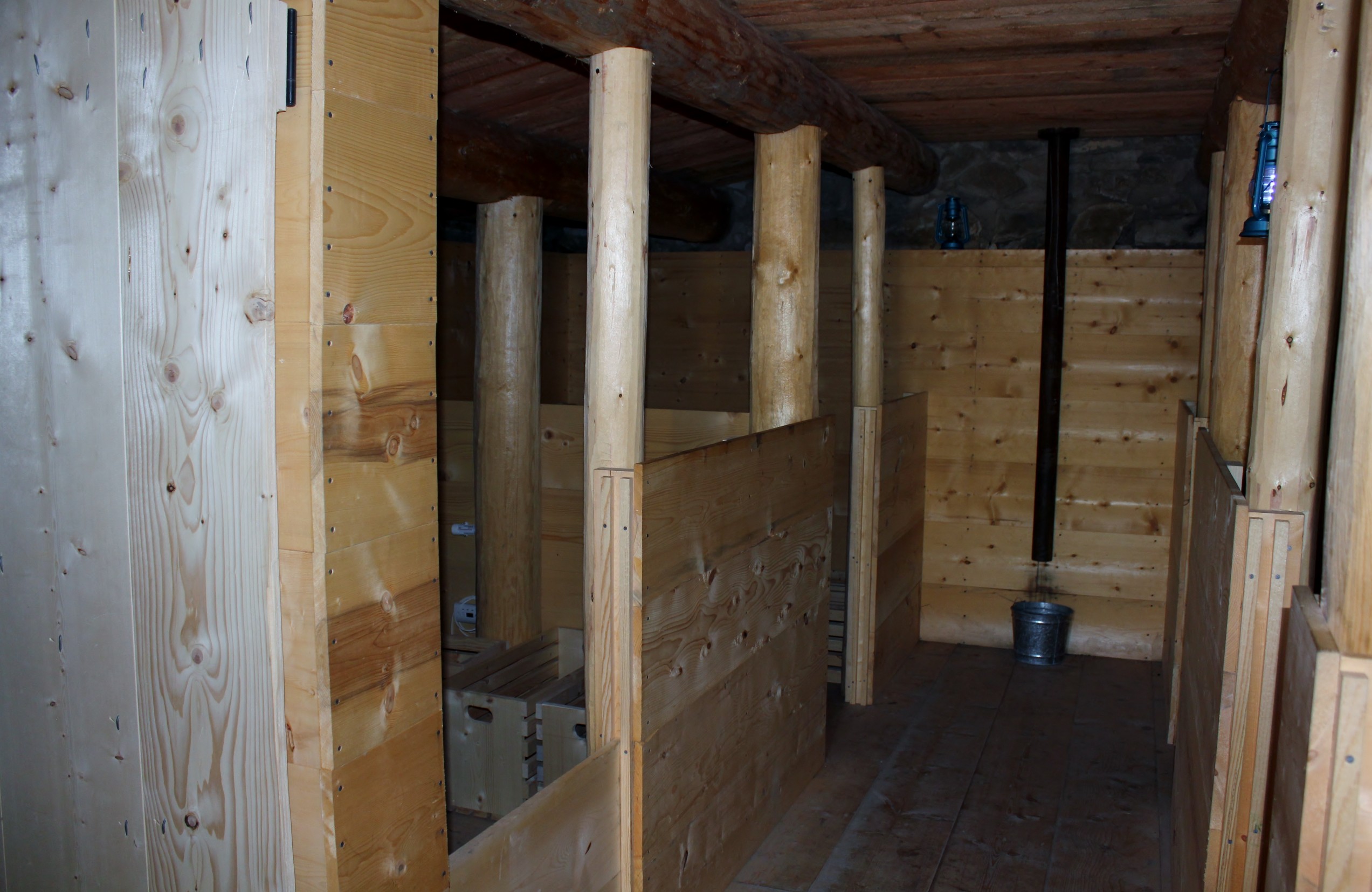
How much went into storage was decided at harvest, from an estimate of how much a household would eat between October and the following June, with no opportunity to correct the figure later.
Weekly purchasing with continuous adjustment. The autumn estimate was the single most consequential domestic decision of the year and it was made once.
Getting it wrong in either direction was costly. Too little meant buying food in March at the worst prices of the year, assuming it was available; too much meant storing crops that spoiled before they were eaten, which was labour and harvest thrown away – and the households that were good at it were the ones with somebody keeping records.
15. Then the Freezer Arrived and Did All of It Badly but Easily
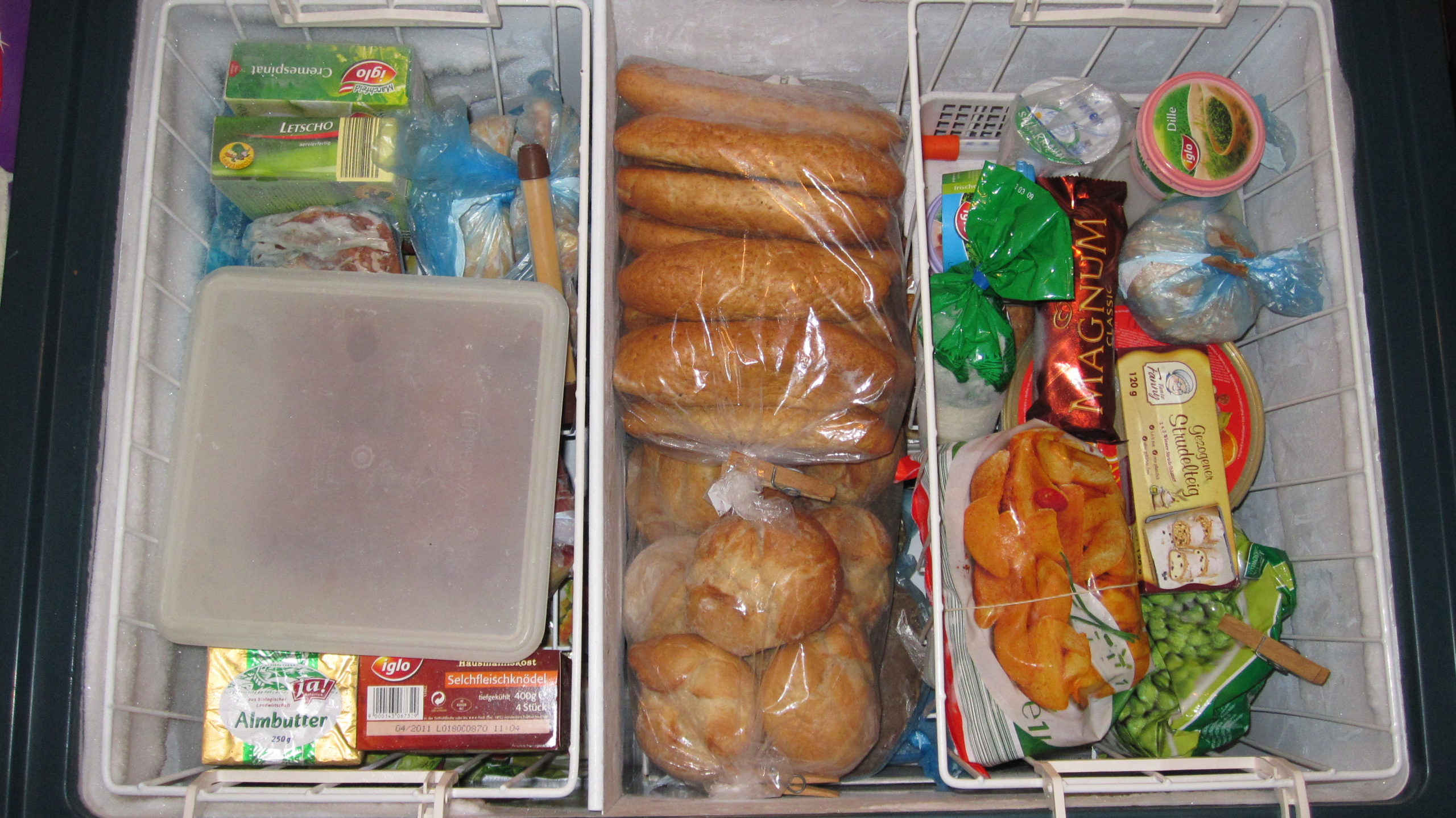
The whole system rested on managing four incompatible climates by hand, in one underground room, against the weather, with weekly inspection and an annual forecast – and on a household that grew or bought its food in bulk once a year.
A chest freezer, then a supermarket supply chain with refrigerated transport, which between them made every crop available every week of the year at a stable price and reduced storage to putting a bag in a drawer.
It is worth being accurate about the trade, because the cellar is heavily romanticised. The freezer produces worse carrots – freezing ruptures cell walls and texture never recovers – and it needs electricity, which the cellar did not, and a power cut destroys everything in it while a cellar simply carries on. But it does not need a vent opened at midnight in January, or a child learning to smell a bad apple, or a correct estimate made in September of how much your family will eat in May. Almost everything the cellar demanded was skilled attention, repeated, for months, and that is the cost nobody wanted to go on paying.
The Cellar Cost Attention, and That Is What Nobody Wanted to Pay
The root cellar gets romanticised, and some of the romance survives scrutiny. It is worth separating the part that does from the part that does not.
What holds up: the produce really was better. Carrots stored in damp sand are firm and sweet in February, partly because cold storage converts some starch to sugar, and freezing is not a substitute – ice crystals rupture cell walls and the texture never comes back. The cellar used no electricity at all, which means a power cut did nothing to it, where the same event empties a freezer. And the system ran on crops a household had grown or bought in bulk, at harvest prices, which is the cheapest food anybody will ever eat.
What does not hold up is the idea that it was simple.
It was four different storage problems in one room. Roots want cold and very damp. Onions and garlic want cool and dry. Apples want cold and isolated, because the ethylene they give off sprouts the potatoes and embitters the carrots. Winter squash wants warm and dry and is damaged by both cold and damp, so it could not go down there at all. Those requirements contradict each other, and the household resolved them by putting things in different corners, at different heights, and in different rooms of the house entirely.
Then it had to be run. Temperature was managed by opening an outside vent on cold nights and closing it in a thaw, by judgement, all winter – which means somebody got up at midnight in January to deal with a cold snap. Everything was inspected weekly, by hand, lifting and turning and smelling, because one rotting potato takes the bin with it. Jars were dated and rotated so that last year’s were used before this year’s. The crocks of kraut were checked constantly and failed completely when they failed. And the whole quantity was decided once, in September, from an estimate of what a family would eat in May.
Add it up and the cellar was not a storage room. It was a part-time job with no days off, running from harvest to the following summer, requiring skills that took years to acquire and had to be taught to the next person by making them do the rounds.
The freezer and the supermarket did the same job worse and asked for none of it.
That is the honest trade, and it explains why the change happened so fast once it was available. Households were not persuaded that frozen carrots were better. They were offered a way to stop opening a vent at midnight, stop smelling three hundred potatoes every Saturday, and stop having to be right in September about March.
They took it, and almost nobody went back.
If you grew up with this, somebody sent you down with a basket and a list.
And you still know what a potato smells like when it has started to go.
Like our content? Follow us for more.