The 1960s was a decade of profound transition, caught between the rigid traditions of the post-war era and the burgeoning counterculture revolution. For the children of this era, the classroom was a unique sanctuary where discipline met curiosity. While the world outside grappled with the Space Race and the Cold War, students navigated a school day filled with tactile rituals and analog technologies that have since vanished. Here are 15 facets of 1960s school life that defined a generation.
Duck-and-Cover Drills: Safety First!
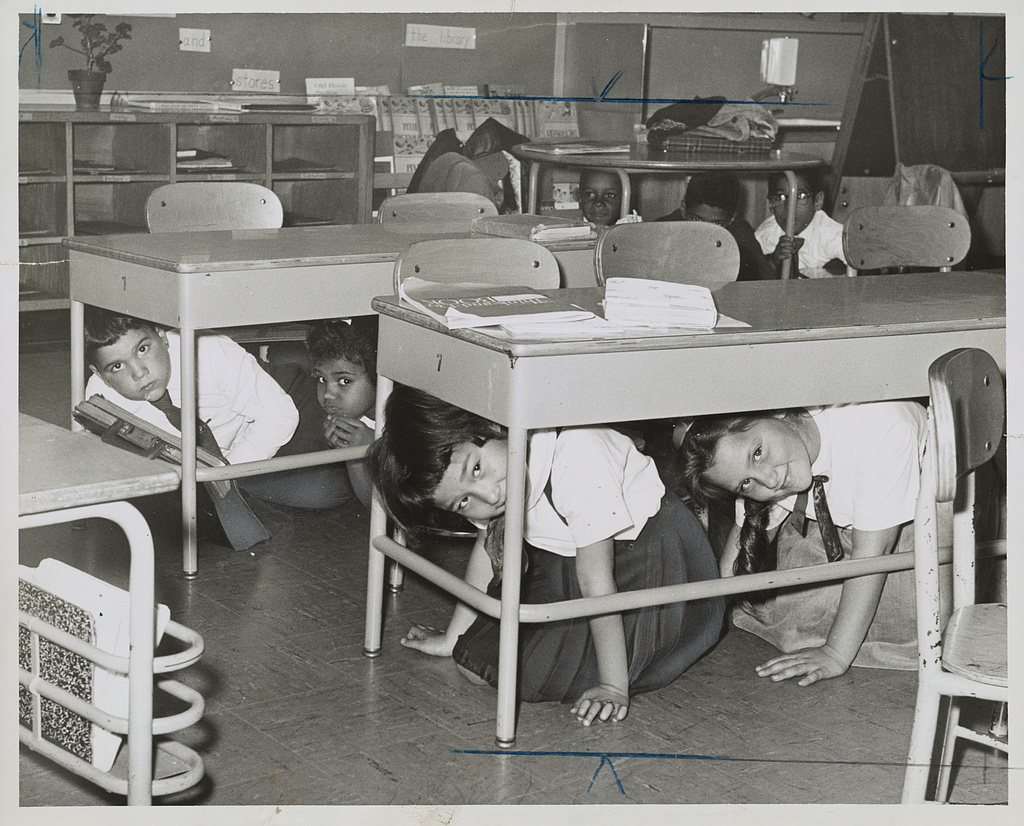
In the 1960s, the threat of nuclear conflict was a tangible part of the curriculum. “Duck-and-cover” drills were as routine as fire drills are today. At the teacher’s command, students would dive under their heavy wooden desks, tucking their heads and covering their necks to protect against a potential atomic flash. While modern perspectives often view these drills as psychologically taxing or physically ineffective, for 1960s children, they were a solemn rite of passage that blended national security with the everyday reality of being a student.
Film Strips: Multimedia Learning
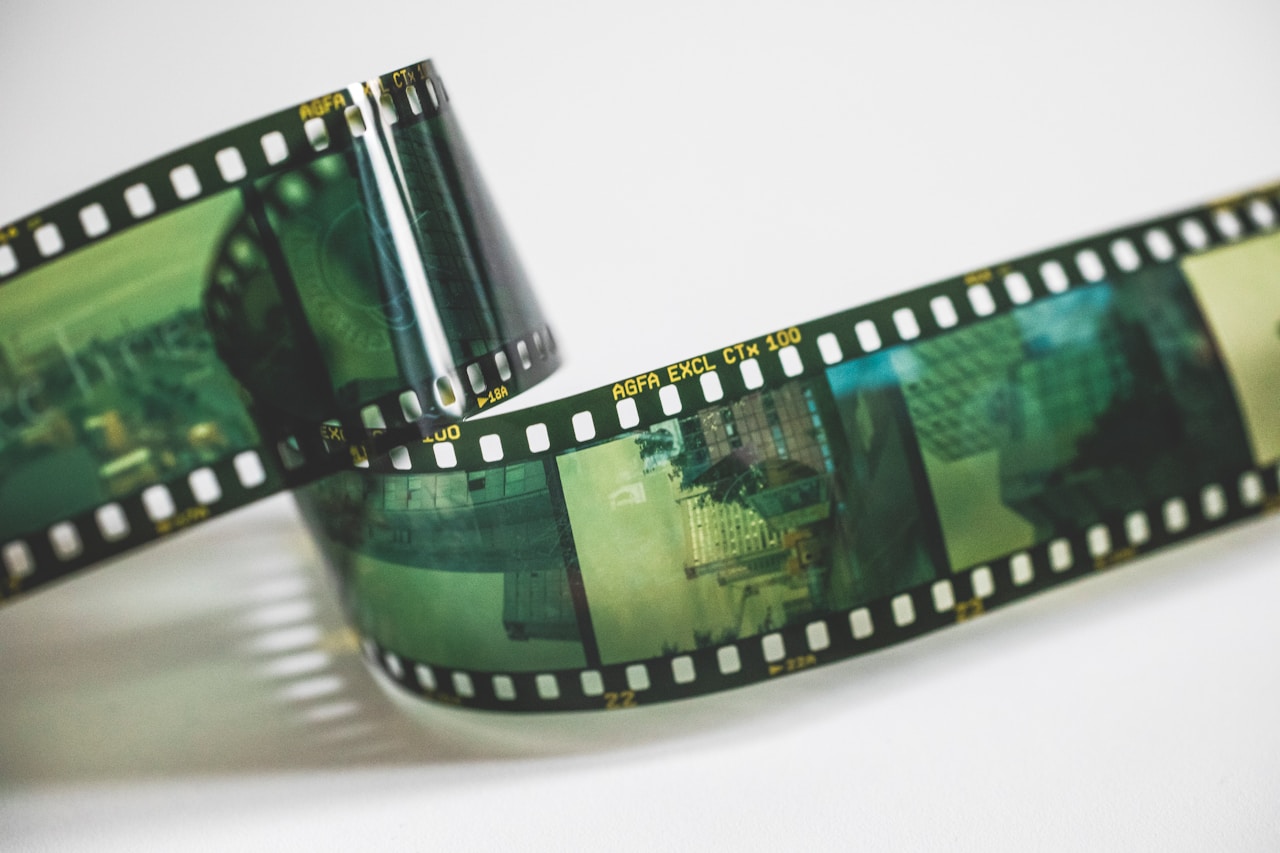
Long before high-definition streaming, the “click” of a film strip projector was the sound of a good day at school. Teachers would dim the lights and thread a roll of 35mm film into a projector. As a synchronized record or cassette tape played the narration, a “beep” would signal the teacher to manually advance to the next frame. These film strips brought history and science to life in vivid, albeit slightly grainy, color, providing a visual escape from the black-and-white text of standard-issue textbooks.
Cursive Writing: Graded and Practiced
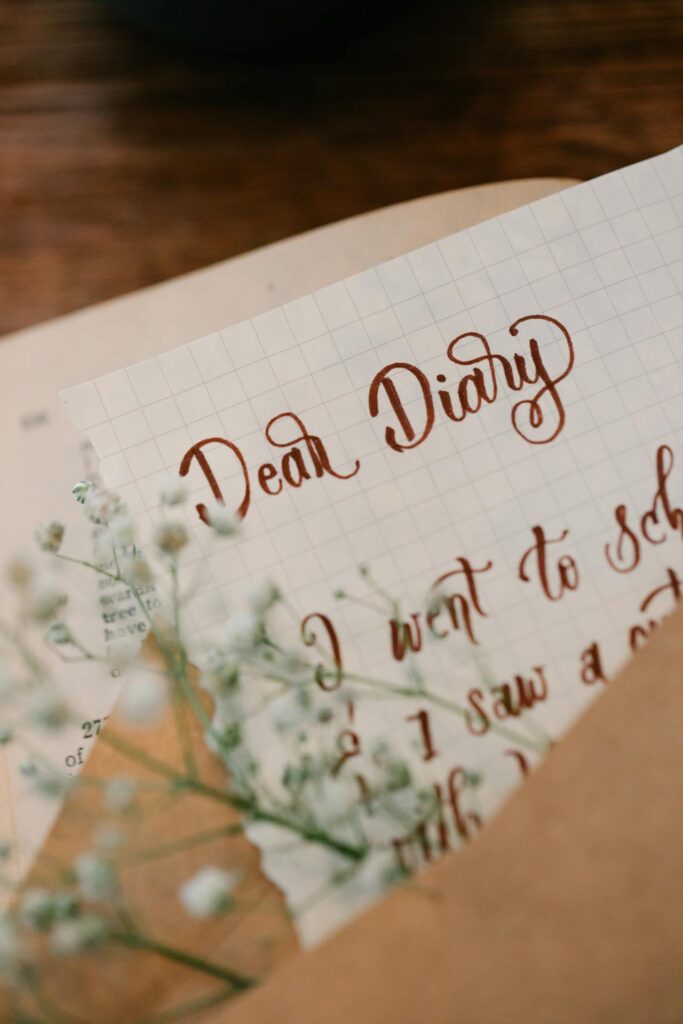
In the ’60s, how you wrote was often as important as what you wrote. Mastery of the Palmer Method or similar cursive styles was a mandatory requirement. Students spent hours practicing loops and slants on lined newsprint, aiming for the fluid “dance of ink” that defined adult literacy. Report cards featured a specific grade for penmanship, and a “sloppy” hand was seen as a sign of a disciplined mind. Today, as keyboards dominate, the elegant, connected script of the ’60s stands as a testament to a slower, more deliberate form of communication.
Pledge of Allegiance: Daily Ritual
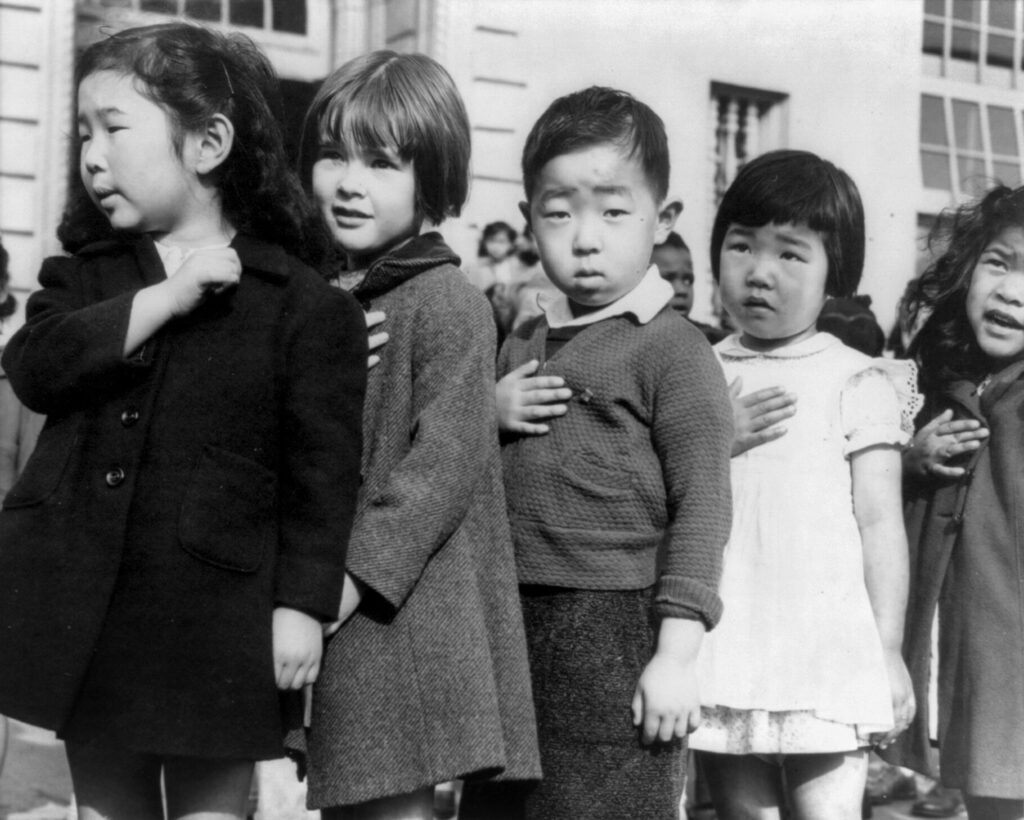
The school day invariably began with a hand over the heart. The Pledge of Allegiance was a collective morning vow, often followed by the singing of patriotic staples like “My Country, ‘Tis of Thee” or “The Star-Spangled Banner.” In a turbulent decade, these rituals were designed to instill a shared national identity. For many students, these songs provided their first formal musical education, teaching harmony and rhythm through the lens of civic duty.
Slide Rules: The Pre-Digital Calculator
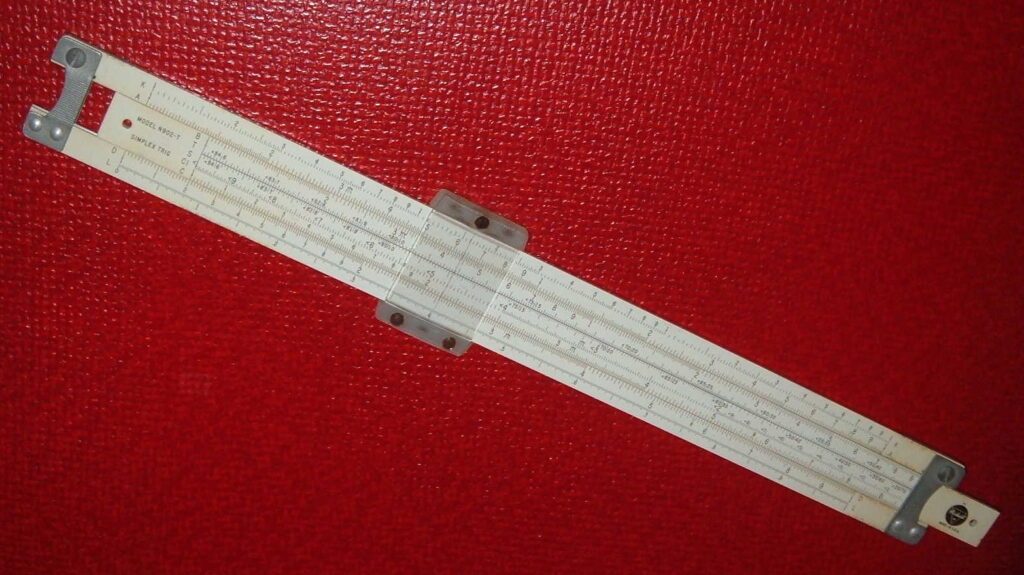
Before the first pocket calculator hit the market, high school math and science students relied on the slide rule. This analog device used logarithmic scales to allow for rapid multiplication, division, and square roots. Carrying a slide rule in a leather holster on your belt was the ultimate badge of the “STEM” student of the 1960s. It required a deep, intuitive understanding of mathematics, as the user had to manually track the decimal point in their head while sliding the middle rule to find the answer.
Merri-Go-Rounds: Playground Thrills

Playgrounds in the 1960s were built for speed and daring, not “safety-surfacing.” The centerpiece was often a heavy, spinning metal merry-go-round. Success was measured by how fast the “big kids” could spin the contraption and how long the younger ones could cling to the bars before centrifugal force took over. These dizzying rides were lessons in physics and physical endurance, creating a generation that learned to navigate risks through scraped knees and exhilarating momentum.
Smoking Corners: A Different Norm

In a jarring contrast to modern health standards, many high schools in the 1960s featured designated “smoking corners” or lounges. At the time, tobacco use was a widespread social norm, and the health risks were only beginning to gain mainstream attention. For many students, these areas were centers of social hierarchy and rebellion, where “grown-up” habits were practiced under the permissive, if watchful, eyes of faculty.
Chalkboards: The Original Whiteboard
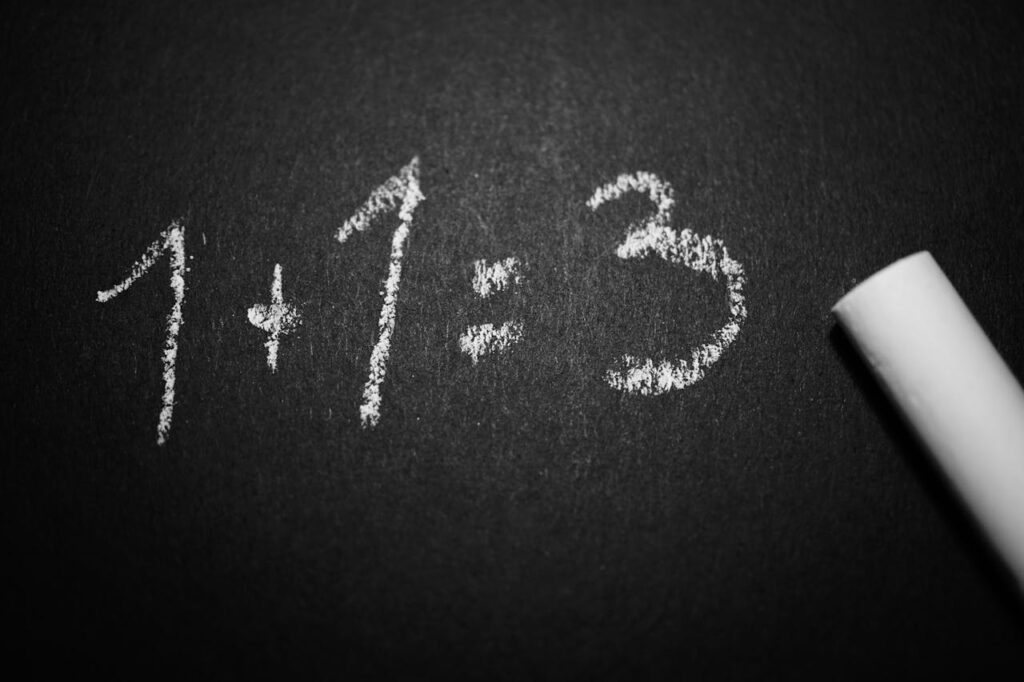
The focal point of every classroom was the chalkboard. In the 1960s, teachers were masters of “chalk-talk,” weaving complex diagrams and equations across the slate surface. Being chosen to “clap the erasers” at the end of the day, releasing clouds of white dust against the school brick, was a coveted, if messy, chore. The rhythmic scratch of chalk on board was the primary soundtrack of 1960s education, representing a time when lessons were ephemeral and hand-drawn.
Home Economics: Life Skills Class

Home Economics, or “Home Ec,” was a cornerstone of the 1960s curriculum, primarily for female students. While the classes focused on practical skills like sewing a zipper, baking a soufflé, and household budgeting, they were also a reflection of the era’s shifting social roles. Amidst the traditional teachings, many girls found a sense of competence and independence, learning the mechanics of running a household just as the “Feminine Mystique” began to challenge those very expectations.
Typing Class: Mastering the Keyboard

Long before “keyboarding,” there was typing class. Row upon row of manual Royal or Underwood typewriters filled the room. Students practiced “asdf” and “jkl;” until their fingers moved with rhythmic precision, all while keeping their eyes on a chart at the front of the room. The physical “carriage return” at the end of every line was a satisfying punctuation mark to their work. This was a tactile, athletic skill that prepared a generation for the administrative boom of the late 20th century.
Switchboard Operation: Communication Skills
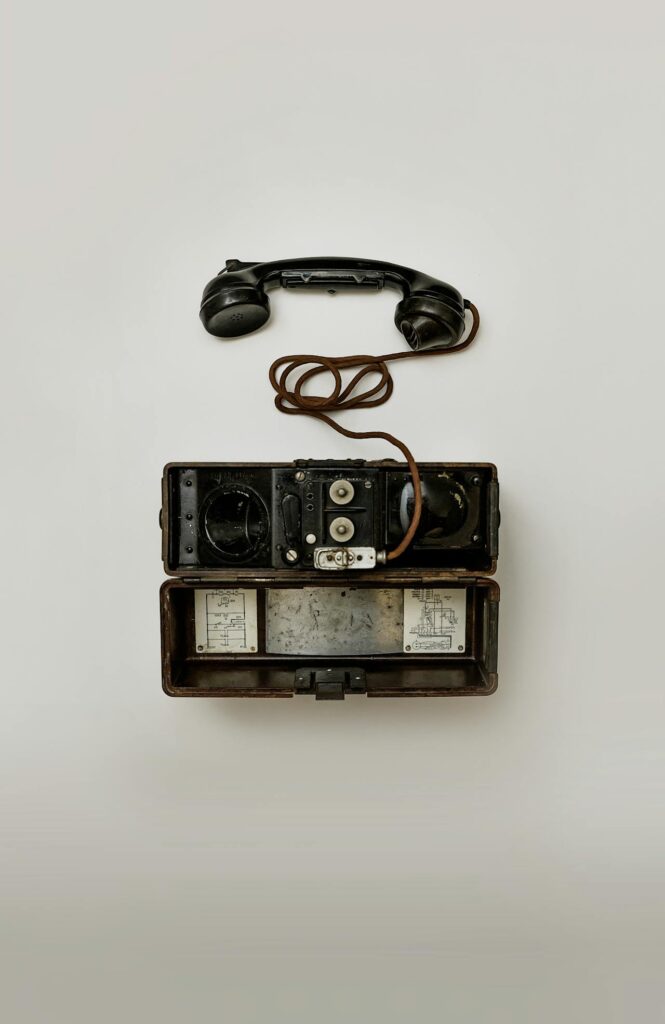
Some vocational-focused schools in the 1960s offered training in switchboard operation. In an era before automated routing, human operators were the essential link in communication. Students learned to “patch” calls by moving corded plugs into the correct jacks on a massive light-up board. It was an early education in the mechanics of connectivity, requiring a blend of manual dexterity and polite, professional interpersonal skills.
Library Card Catalogs: Navigating Books
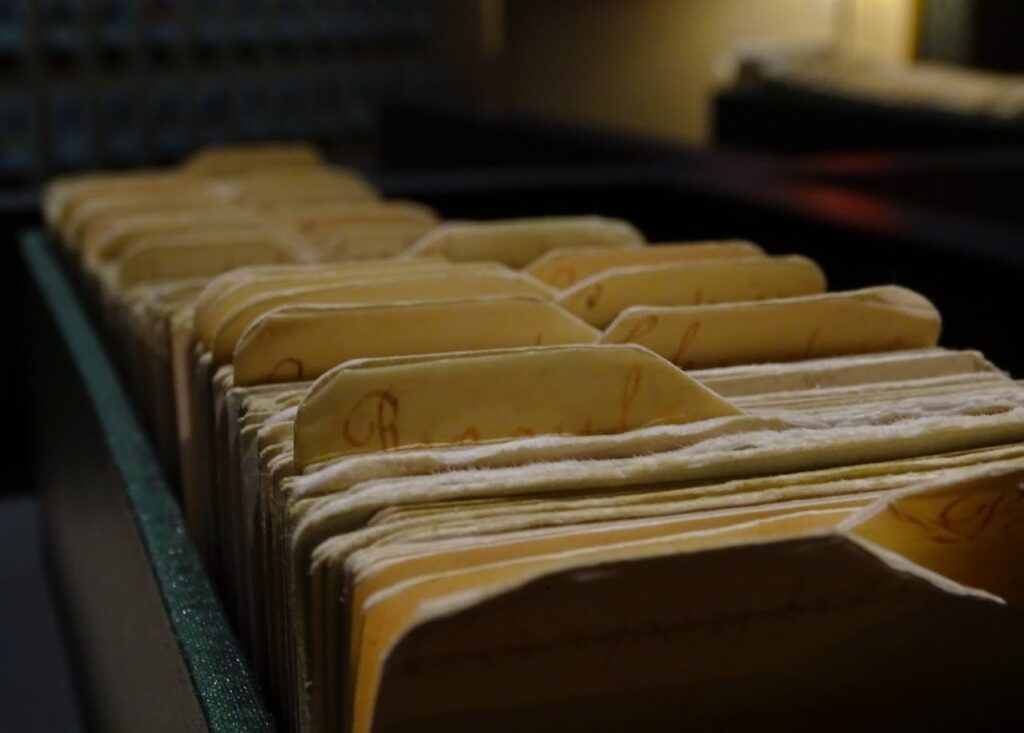
Research in the 1960s was a physical hunt. The library’s heart was the card catalog, rows of small wooden drawers containing thousands of index cards organized by the Dewey Decimal System. Students learned to navigate these “search engines” by hand, tracking down call numbers that would lead them to the stacks. This process taught patience and the value of organized data, where finding a single fact was a tangible victory involving physical movement through a sea of paper and ink.
Dress Codes: Strict School Attire
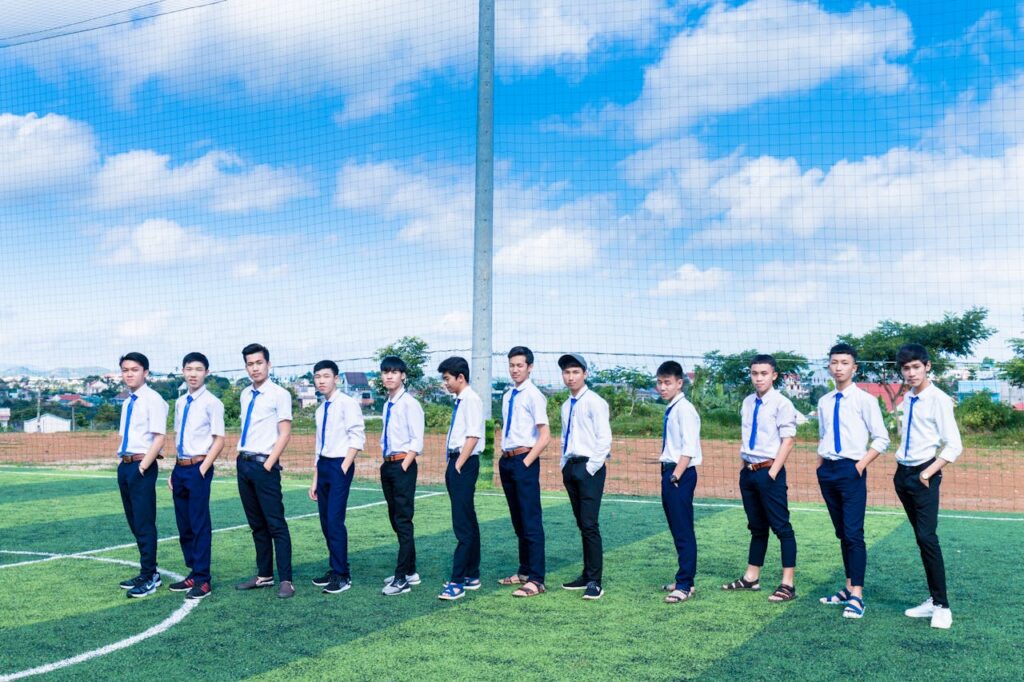
The “casual” student did not exist in the 1960s. Strict dress codes mandated ties or sweaters for boys and skirts or dresses for girls. Slacks for girls were often forbidden until the very end of the decade. These regulations were intended to instill a sense of decorum and respect for the academic environment. Preparing for school involved starching collars and polishing shoes, reinforcing the idea that education was a formal, serious pursuit.
School Milk: Daily Nutrition Delivered

The mid-morning milk break was a staple of the primary school experience. Small, square glass bottles (and later cartons) were delivered in crates to each classroom. For a few cents, students received a chilled dose of calcium intended to combat childhood malnutrition. This ritual provided a social pause in the academic day, where teachers and students would share a few minutes of quiet conversation over their refreshments before returning to their lessons.
The Sound of the Bell: Rigid Time Management
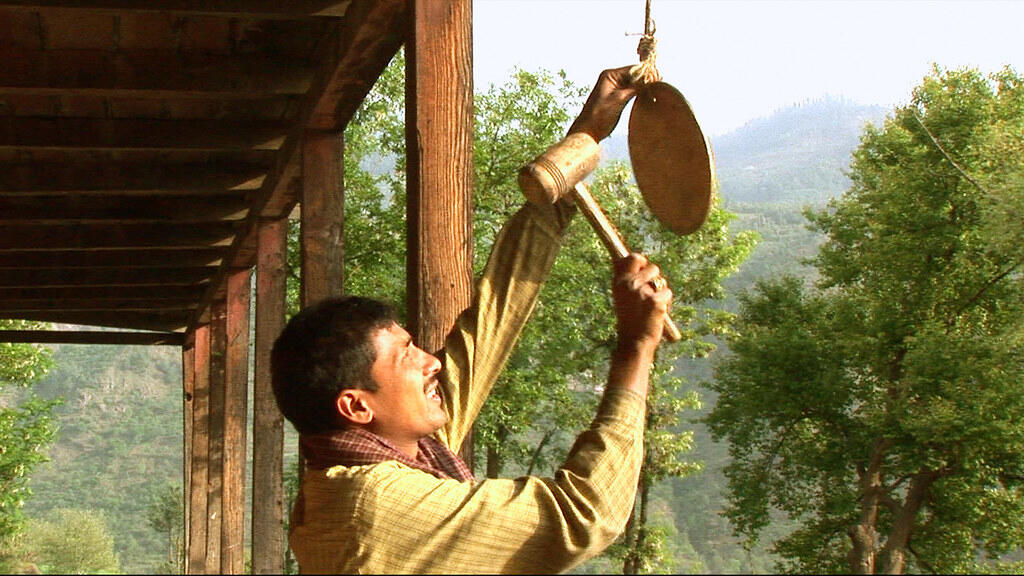
1960s schools operated with factory-like precision. The loud, mechanical “clanging” of the school bell dictated every movement. Unlike the digital tones of today, these bells were physically wired throughout the building, signaling the absolute end of one period and the start of the next. This rigid structure prepared students for the time-clock culture of the mid-century workforce, where punctuality was viewed as a primary virtue of a good citizen.