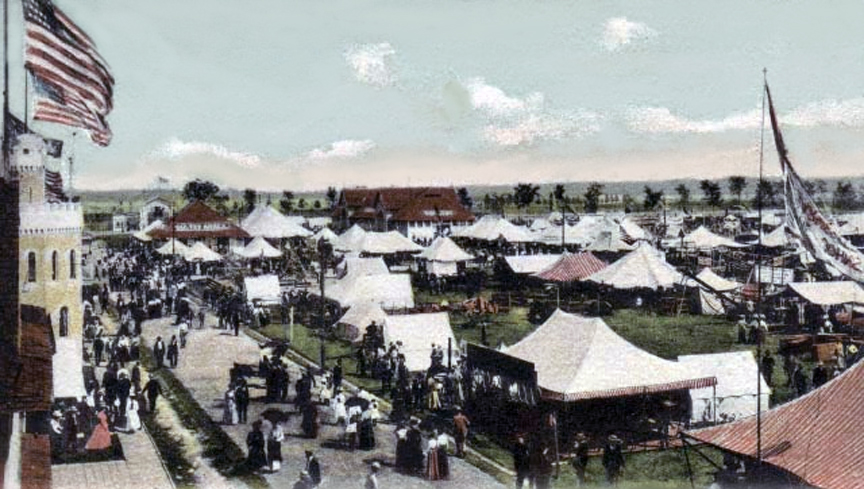
American history is often defined by its heroes, but its trajectory has been equally shaped by those who operated in the shadows. From the Revolutionary War to the digital age, the concept of “loyalty” has been tested by ideology, greed, and personal grievance. While the legal definition of treason is strictly defined in Article III of the Constitution, the public’s perception of betrayal often shifts with the political tides. In 2026, as we reflect on these narratives, we see a complex gallery of individuals whose actions forced the nation to redefine the boundaries of national security and dissent.
Benedict Arnold’s Ultimate Betrayal
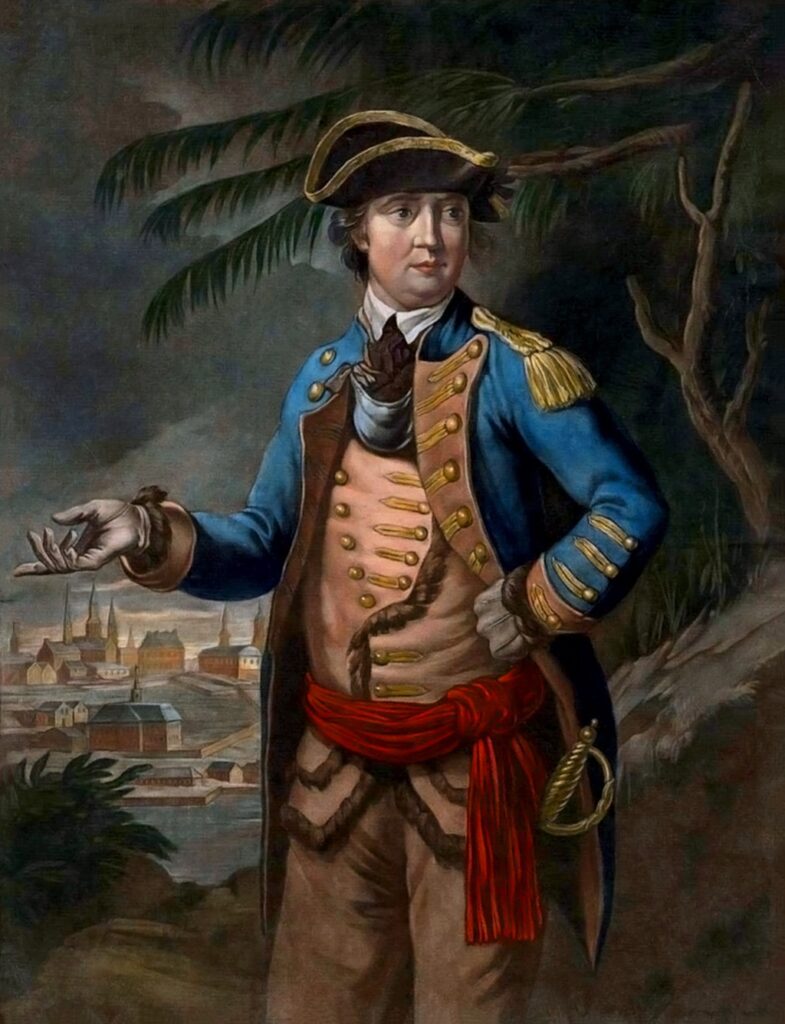
Benedict Arnold remains the most famous traitor in American history, but his story began with brilliance. A hero of the Battle of Saratoga, Arnold felt consistently passed over for promotion and undervalued by the Continental Congress. In 1780, driven by financial distress and bitterness, he conspired to surrender the strategic fort at West Point to the British. The plot was foiled when his contact, Major John André, was captured. Arnold fled to the British side, forever cementing his name as a synonym for “traitor” in the American lexicon.
Aaron Burr’s Controversial Conspiracy
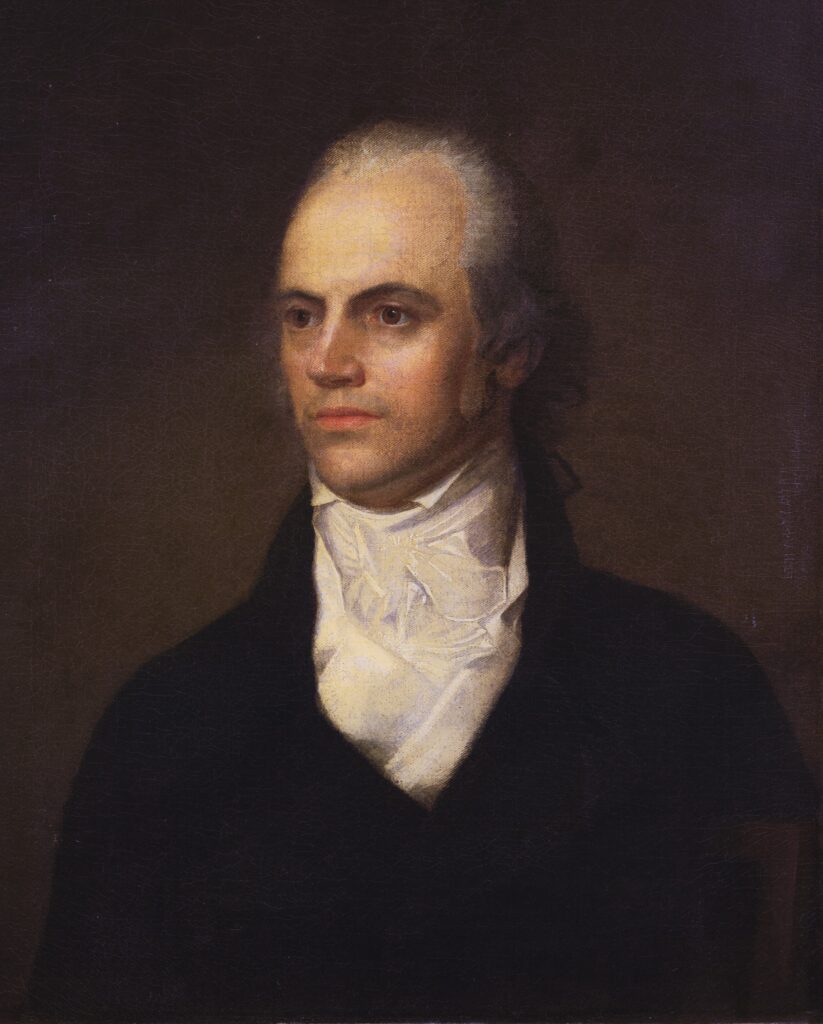
Aaron Burr’s legacy is a labyrinth of ambition and controversy. After his term as Vice President and his fatal duel with Alexander Hamilton, Burr moved west with a mysterious plan. In 1807, he was arrested and charged with treason for allegedly plotting to seize parts of the Louisiana Territory to create an independent empire. Though he was ultimately acquitted due to a lack of two witnesses to an “overt act” of war, the scandal effectively ended his political career and remains one of the most intriguing “what-if” scenarios in early American expansion.
Tokyo Rose: The Voice of Axis
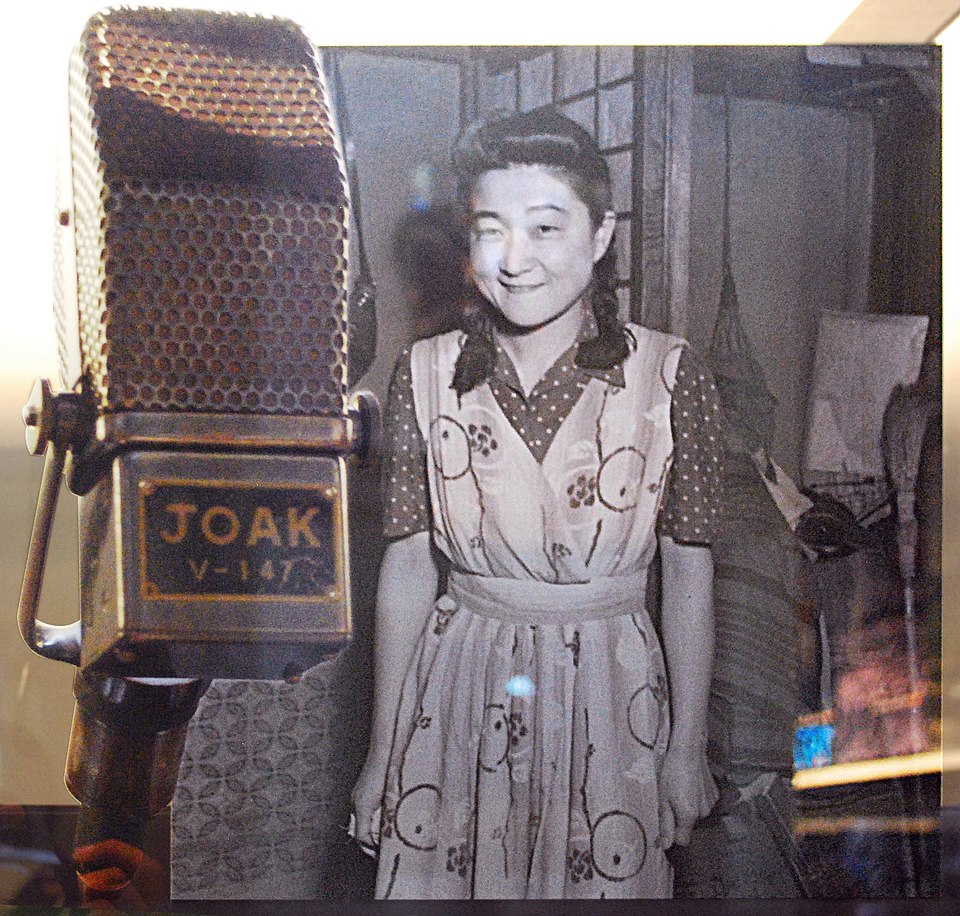
During World War II, Iva Toguri was one of several women collectively known as “Tokyo Rose,” who broadcast Japanese propaganda to Allied troops. An American citizen stranded in Japan, Toguri claimed she was forced into the role but used her platform to subtly mock the scripts she was given. Despite this, she was convicted of treason in 1949 and served six years in prison. Decades later, investigations revealed that key witnesses had committed perjury, leading President Gerald Ford to grant her a full pardon in 1977.
Julius and Ethel Rosenberg’s Secret Allegiance
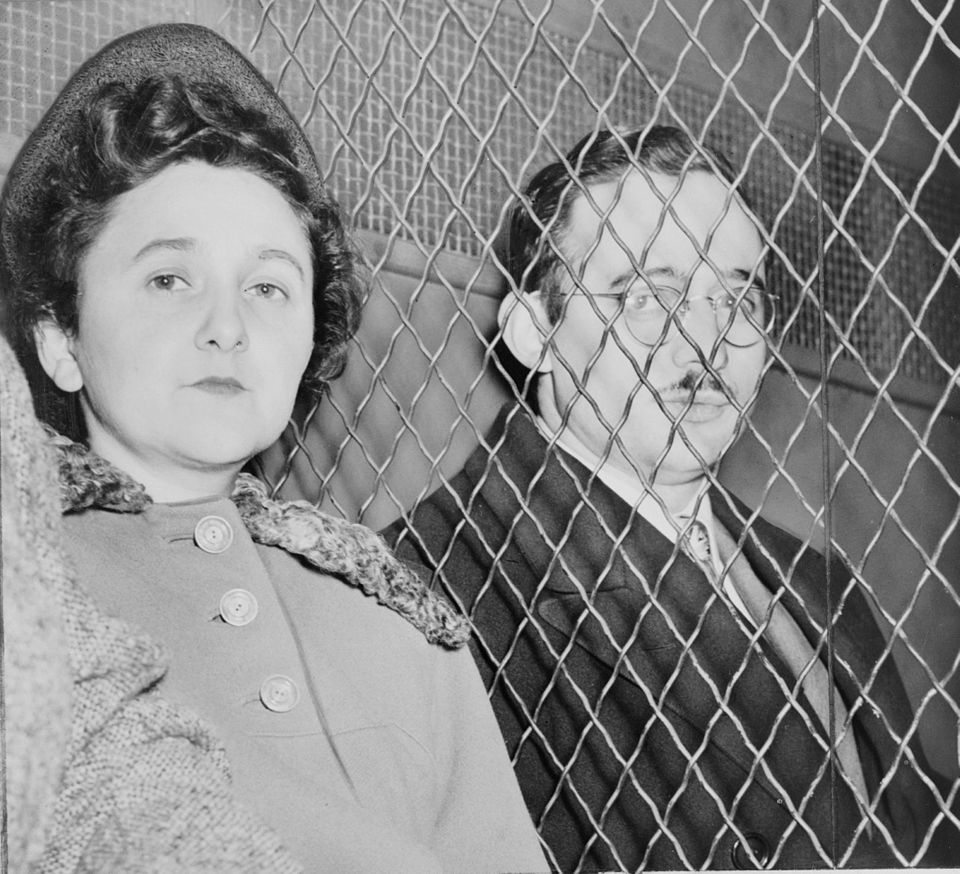
The Rosenberg case remains a flashpoint of the Cold War. In 1951, the couple was convicted of conspiracy to commit espionage for passing nuclear secrets to the Soviet Union. The prosecution argued their actions directly allowed the USSR to develop the atomic bomb. While Julius’s involvement was later supported by decrypted Soviet cables (the Venona project), the evidence against Ethel was significantly weaker, leading to enduring debates about whether her execution in 1953 was a miscarriage of justice fueled by anti-communist fervor.
Ezra Pound’s Fascist Broadcasts
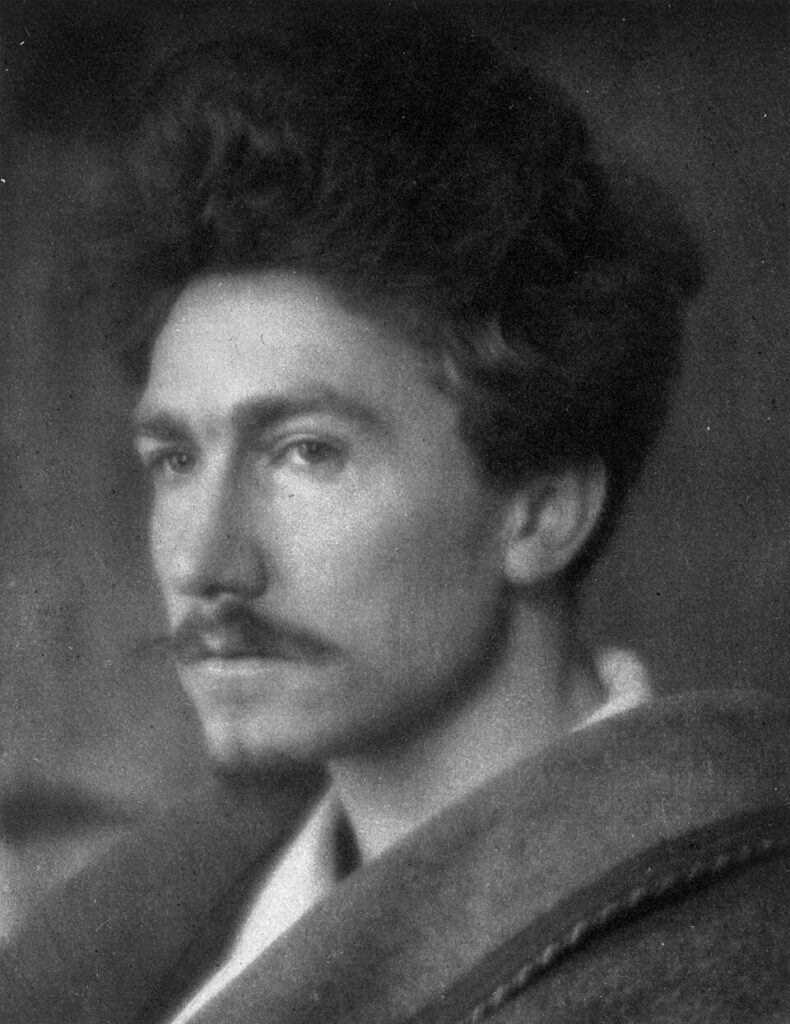
Ezra Pound, a titan of modernist literature, used his artistic influence to support the Axis powers during World War II. Living in Italy, he recorded hundreds of radio broadcasts filled with anti-Semitic vitriol and praise for Mussolini. Arrested for treason by American forces in 1945, Pound was eventually found mentally unfit to stand trial. He spent over a decade in St. Elizabeths psychiatric hospital in Washington, D.C., before being released in 1958, a case that remains a disturbing study of the intersection of genius and fanaticism.
Jane Fonda’s Hanoi Controversy

In 1972, actress Jane Fonda traveled to North Vietnam to protest the ongoing war. A photograph of her seated on a North Vietnamese anti-aircraft gun earned her the lifelong nickname “Hanoi Jane” and led to accusations of treason from veterans and politicians alike. While she was never legally charged, the incident became a symbol of the deep polarization of the Vietnam era. In the years since, Fonda has apologized for the photograph specifically, while maintaining her right to have protested the war itself.
John Walker: The Navy’s Double Agent
John Walker, a U.S. Navy communications officer, initiated what is considered one of the most damaging spy rings in history. Starting in 1967, Walker sold naval encryption keys to the Soviet Union for nearly 20 years, allowing them to track American submarines during the height of the Cold War. He even recruited his own brother, son, and a friend into the ring. His betrayal ended in 1985 after his ex-wife alerted the FBI, leading to a massive overhaul of Navy security protocols and a life sentence for Walker.
Robert Hanssen’s Espionage Activities
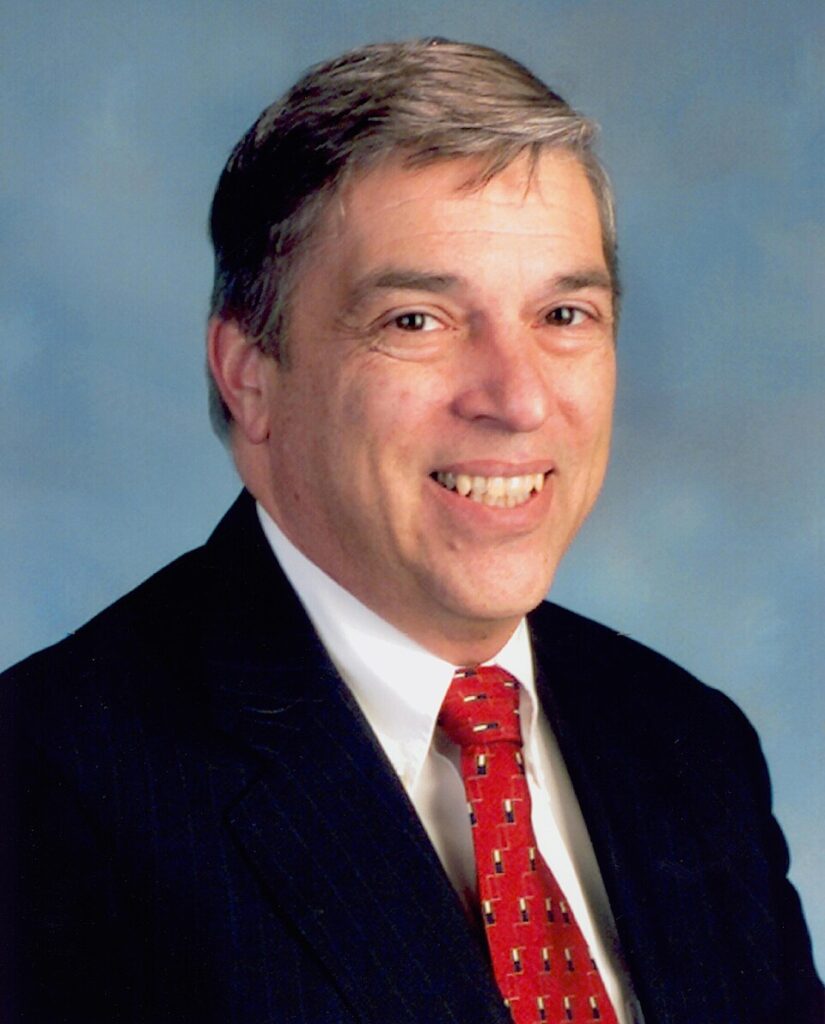
Robert Hanssen’s betrayal is often cited as the “worst intelligence disaster in FBI history.” For over two decades, Hanssen operated as a double agent for Soviet and Russian intelligence, compromised dozens of human sources, and revealed the existence of a secret tunnel under the Soviet Embassy in D.C. Motivated by a mix of financial gain and an arrogant desire to “play the game” against his own agency, Hanssen was finally caught in 2001. He spent the rest of his life in a supermax prison, leaving behind a legacy of shattered trust.
Aldrich Ames: Betrayal from Within
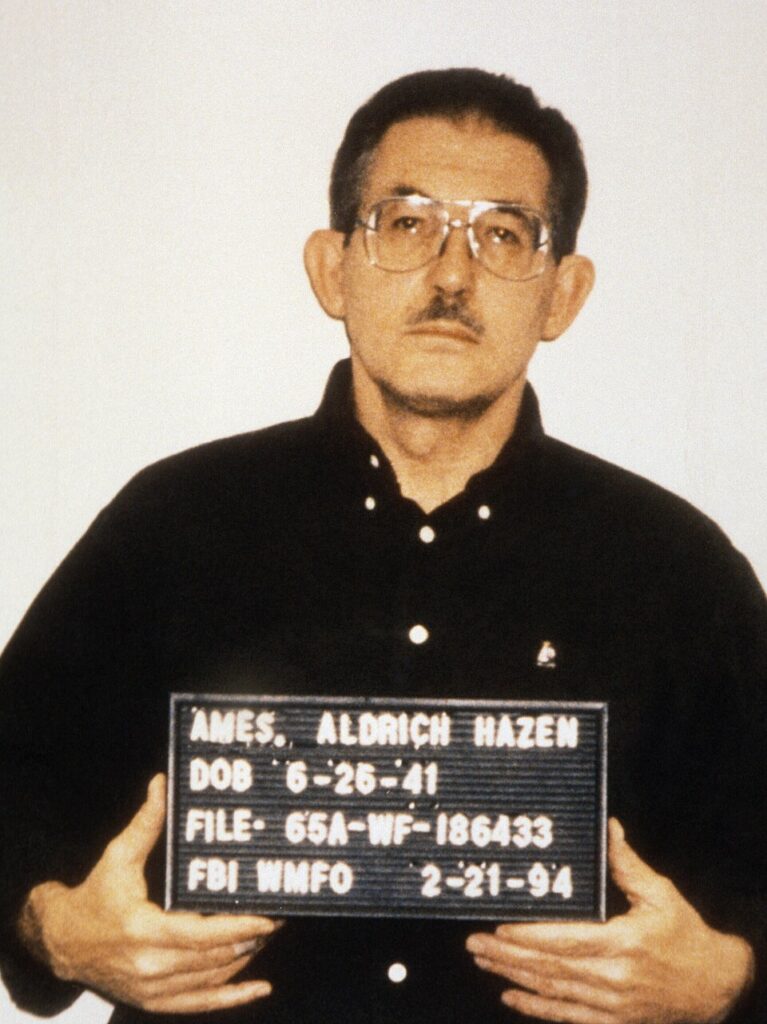
While Hanssen was burrowing into the FBI, Aldrich Ames was doing the same within the CIA. A career officer with a drinking problem and mounting debt, Ames began selling the names of Western assets to the KGB in 1985. His information led to the execution of at least ten high-level sources. Despite his sudden, unexplained wealth, including a Jaguar and a $500,000 home paid for in cash, it took the CIA nearly a decade to identify him. His 1994 arrest prompted a profound reevaluation of how the agency monitors its own.
Chelsea Manning’s WikiLeaks Scandal

In 2010, Army private Chelsea Manning leaked nearly 750,000 classified military and diplomatic documents to WikiLeaks. The “Collateral Murder” video and the Afghan War logs provided an unprecedented, unvarnished look at the realities of modern warfare. Manning was convicted of multiple offenses, including violations of the Espionage Act, and sentenced to 35 years in prison. Her sentence was later commuted by President Obama in 2017, but her case remains a cornerstone of the debate over government transparency versus national security.
Edward Snowden’s NSA Revelations
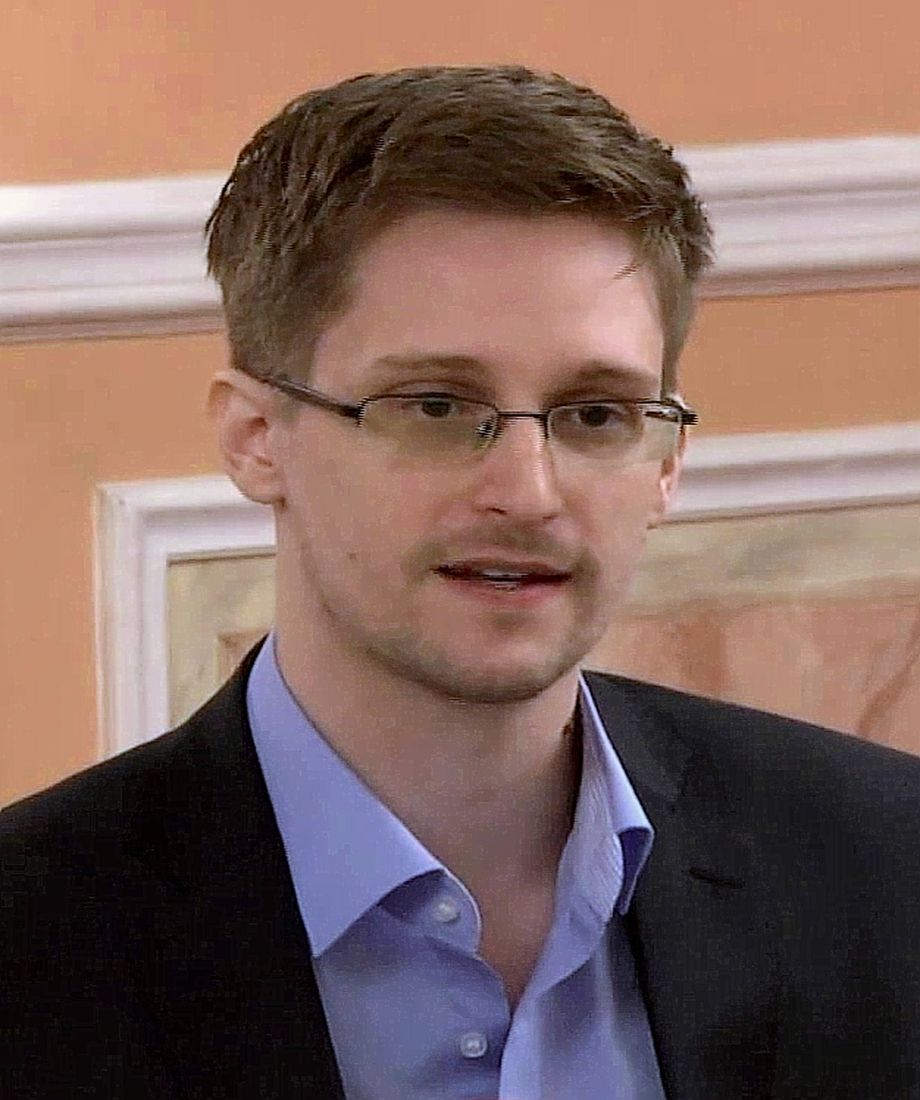
Edward Snowden, a former NSA contractor, became a household name in 2013 when he revealed the existence of global surveillance programs, including PRISM. Unlike others on this list, Snowden fled the country before his revelations were published, eventually seeking asylum in Russia. To his supporters, he is a hero who exposed unconstitutional government overreach; to the U.S. government, he is a fugitive who caused irreparable harm to intelligence capabilities. His actions triggered a worldwide conversation about privacy that continues to this day.
Reality Winner’s Classified Leak
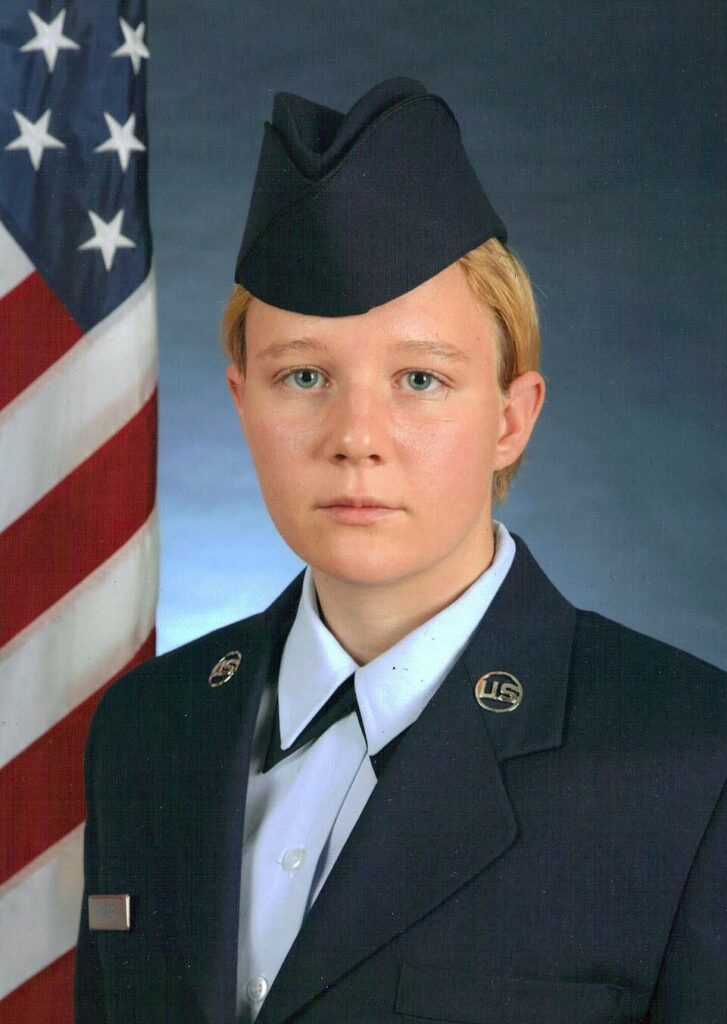
Reality Winner, a former Air Force linguist and NSA contractor, was the first person prosecuted under the Espionage Act during the Trump administration. In 2017, she leaked a classified report detailing Russian military intelligence’s efforts to interfere in the 2016 U.S. election. Winner stated she acted out of a sense of duty to the public, believing the information was being withheld for political reasons. She served over five years in prison, highlighting the severe consequences faced by those who leak classified data, regardless of their perceived intent.