The #BringBack2016 hashtag has crossed 1.7 million posts on TikTok since January, and searches for “2016” on the platform are up 452 percent in 2026, according to BBC reporting on the trend. The reason is simple math — 2016 is now ten years gone, and the cultural distance between then and now has become large enough to feel like an entirely different era. Pokémon Go in the park. The Mannequin Challenge. Snapchat dog filters. Vine still existing. Beyoncé dropping Lemonade. Most of the things that defined 2016 are either dead, transformed, or already nostalgia-coded. Here are ten things from that single year that feel like ancient history in 2026.
1. Pokémon Go in the Park
The summer of 2016 was the summer of Pokémon Go, with an estimated 232 million downloads in the first month and groups of adults walking through public parks with phones held aloft, hunting for Pidgeys and Charmanders. Central Park, the National Mall, and college campuses became impromptu hunting grounds — Central Park’s Bow Bridge became a viral meeting spot for hundreds of trainers at a time. The phenomenon faded fast — by 2017, most casual players had quit, though the game still has approximately 80 million monthly active users in 2026 and continues to generate revenue for Niantic. The 2016 craze, with its viral parking-lot mobs, breathless cable news coverage of “Pokémon Go car crashes,” and the temporary takeover of public parks at all hours of the night, is gone. The TikTok throwback videos of people running around chasing virtual Pokémon in 2016 have become the dominant nostalgic image of that summer.
2. The Mannequin Challenge
Rae Sremmurd’s “Black Beatles” hit number one on the Billboard Hot 100 in November 2016, and the song’s chorus became the soundtrack to the Mannequin Challenge, in which everyone in a room froze in place while a camera moved through them. Hillary Clinton’s campaign did one. LeBron James and the Cleveland Cavaliers did one. Michelle Obama did one in the White House. By early 2017, the challenge had completely faded. The viral participatory video format that defined late 2016 has been replaced by short-form vertical TikTok content, and the entire concept of an internet-wide synchronized stunt is rarely repeated at that scale anymore.
3. Vine

The six-second video platform Vine was still operating in 2016, though Twitter announced its shutdown in October of that year. Vine creators had millions of followers. Vine compilations were the dominant video humor format of the era. Logan Paul, King Bach, Liza Koshy, and Lele Pons all built their early audiences on the platform. The app was discontinued in January 2017, and the entire creator class migrated to YouTube, Instagram, and eventually TikTok. The six-second loop, the absurdist humor format, the specific Vine grammar — all of it has been absorbed into TikTok’s longer-form short video culture. The original Vine app remains the canonical 2016 internet experience.
4. The Snapchat Dog Filter
Snapchat’s dog filter — the brown ears that flopped down and the pink tongue that hung out when the user opened their mouth — became the most ubiquitous image of 2016 internet culture. The filter was launched in early 2016 and was used in an estimated 3 billion individual snaps before fading into the broader filter library. Snapchat itself remains active in 2026, with approximately 414 million daily active users globally, but the cultural dominance of its filters has been replaced by TikTok effects and Instagram’s filter library. The dog filter is now used almost exclusively ironically — as a deliberate 2016 throwback reference rather than a real expression of “I’m cute right now.” TikTok’s #2016 trend videos use it as the visual marker, often layered over deliberately grainy iPhone footage to recreate the era’s overall feel. Snapchat itself relaunched a “Throwback 2016” filter pack in March 2026 specifically to capitalize on the nostalgia wave.
5. Beyoncé’s Lemonade
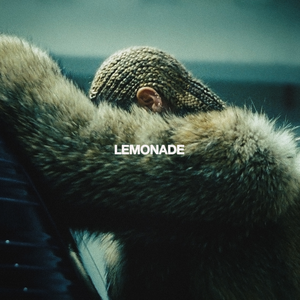
In April 2016, Beyoncé released Lemonade as a visual album on HBO and on Tidal. The release was a cultural event — the album debuted at number one on the Billboard 200 and became the best-selling album of 2016, with 2.5 million U.S. copies sold. The visual album format, with each song accompanied by a film segment, was widely imitated for the following five years. The cultural conversation around the album dominated the summer of 2016. The visual album as a format has since faded as streaming has dissolved the album-launch event, and 2016’s Lemonade now sits as one of the last big “album moment” releases of the pre-TikTok era.
6. Watching the Election Live on Television
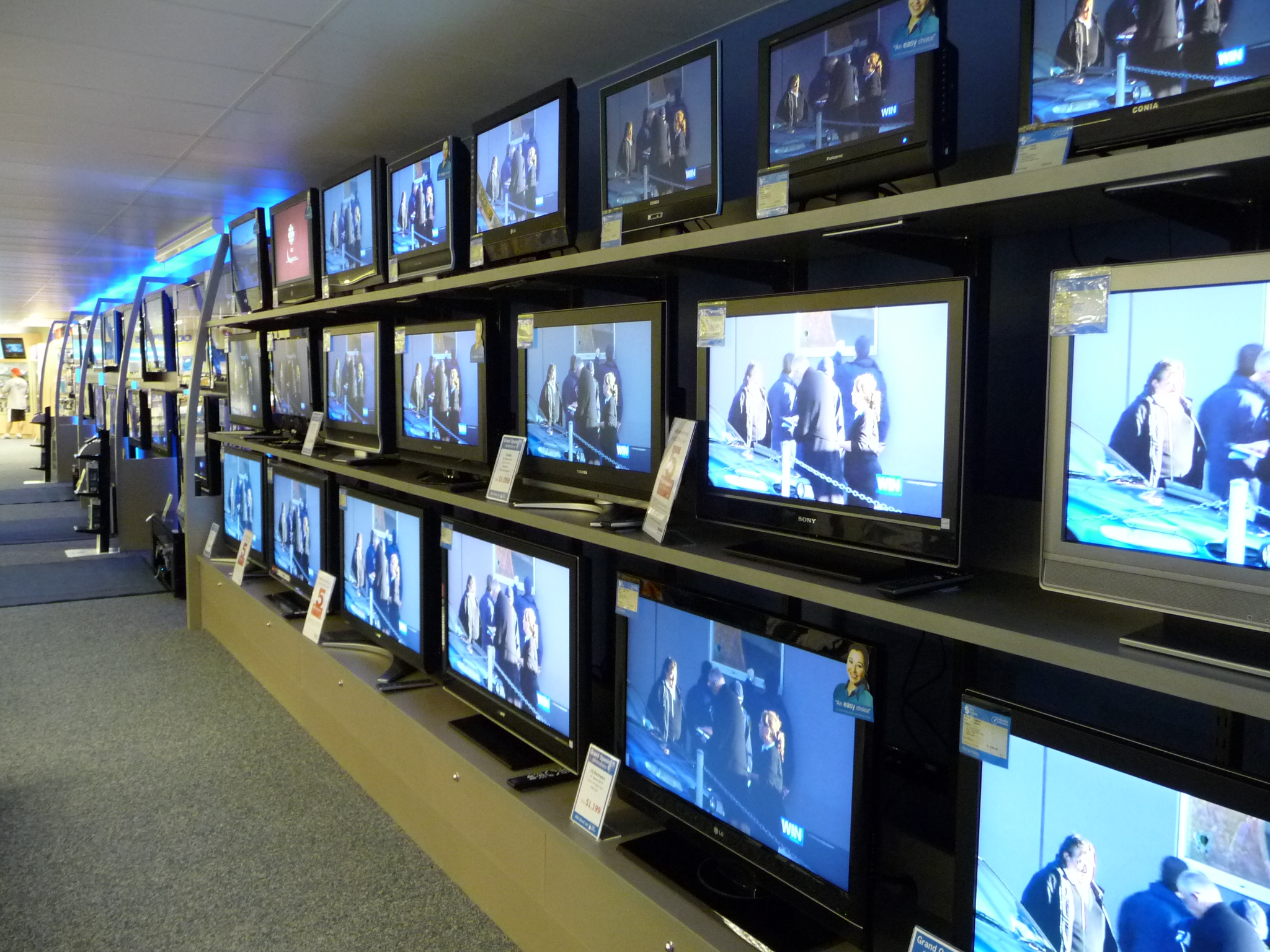
Election night November 8, 2016 was the last major political event most Americans watched primarily on linear cable television. Roughly 71 million Americans watched the election results on cable, broadcast networks, and PBS, according to Nielsen ratings. By the 2020 and 2024 elections, election-night viewing had splintered across YouTube, Twitter/X, TikTok, and live-streaming services. The shared television experience of watching the same Wolf Blitzer or Anderson Cooper broadcast at the same moment is largely gone. The 2016 election night — whatever the political reactions — was the last unified mass-audience political event most Americans experienced on television.
7. Browsing Facebook for Status Updates

In 2016, Facebook had approximately 1.86 billion monthly active users and was the dominant social platform for adults. Status updates, photo albums, and event invitations were the standard way American adults under 50 communicated socially. By 2026, Facebook is still the largest social platform globally, but the share of younger American users has collapsed — Pew Research has documented that only 32 percent of U.S. adults under 30 use Facebook actively in 2026, down from 71 percent in 2016. The status update as a communication format has been largely replaced by Instagram Stories, TikTok posts, and group chat messages. The 2016 Facebook newsfeed experience is now itself a nostalgic memory.
8. The iPhone Headphone Jack
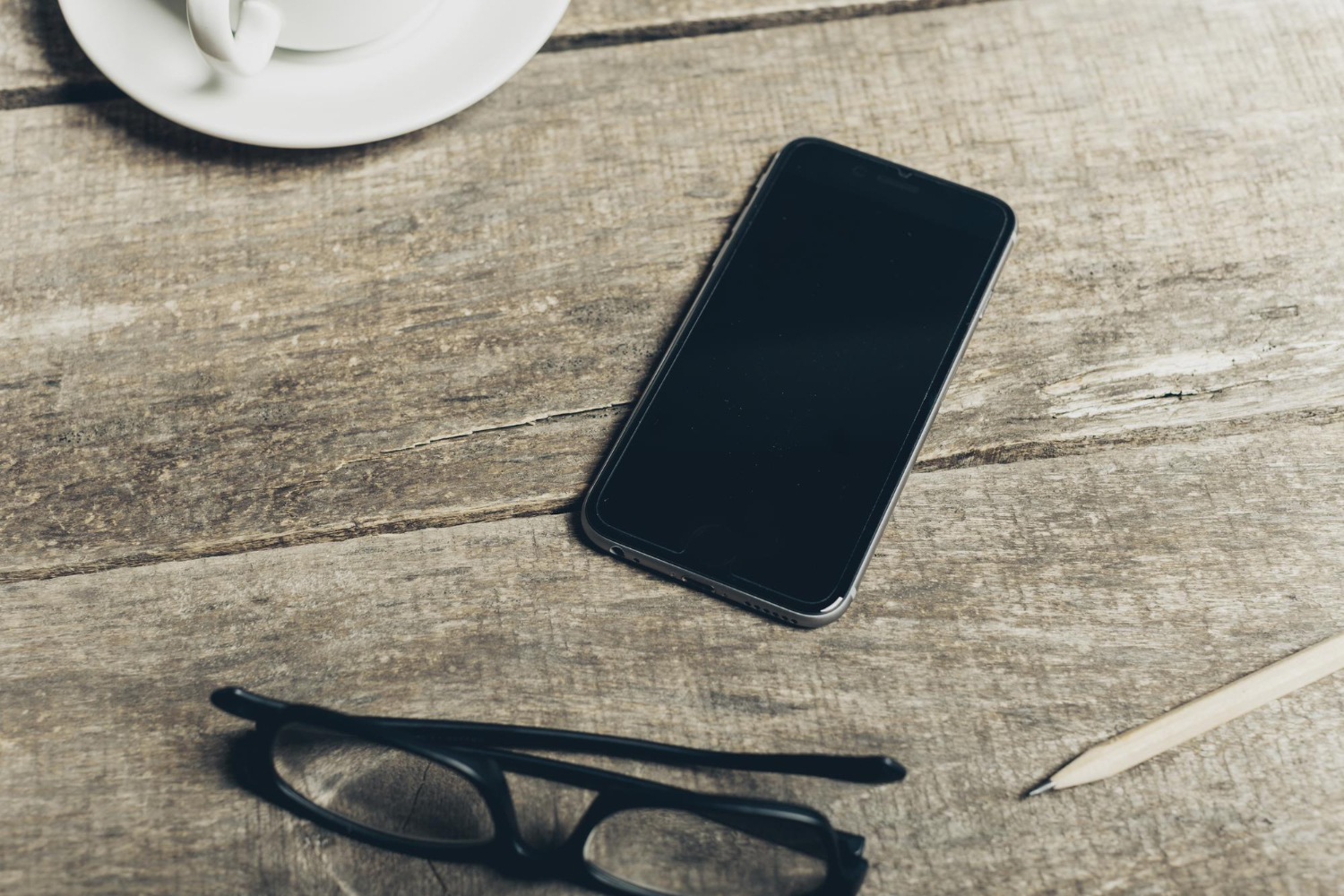
Apple released the iPhone 7 in September 2016 and announced the removal of the 3.5-millimeter headphone jack as a permanent design decision. The decision was controversial at the time — Apple sold AirPods as a $159 wireless replacement, and many users initially rejected the change. By 2026, virtually all premium smartphones from Apple, Samsung, and Google have eliminated the headphone jack, and wireless earbuds are the default audio device. The plug-in headphones the average American carried in their bag for over twenty years are now mostly used by audio engineers, frequent fliers, and a small audiophile subculture. The 2016 iPhone 7 headphone-jack controversy looks, in retrospect, like the moment of inflection.
9. The Last Year Without a Major TikTok Audience
TikTok did not exist in the United States in 2016. The app’s predecessor, Musical.ly, was popular but had only 90 million users globally by mid-2016. ByteDance acquired Musical.ly in November 2017 and merged it with the Chinese TikTok product to create the unified global app that launched in the U.S. in 2018. By 2026, TikTok has approximately 170 million U.S. users and dominates short-form video. The fact that 2016 happened entirely without TikTok — that all the viral content of that year happened on Vine, Snapchat, Facebook, and Instagram, with no algorithmic For-You feed — is one of the cleanest markers of how recent the entire short-video era actually is.
10. The Last Year Tickets to Concerts Were Reasonably Priced
In 2016, the average ticket to a major U.S. concert tour, according to Pollstar industry data, was approximately $76. By 2026, the same average has risen to roughly $135 — a 78 percent increase that has outpaced inflation by a significant margin. The 2016 concert experience — a major arena tour for under $100, with seats not labeled “premium” or “platinum” or “VIP Lounge” — has largely disappeared from American concert pricing. The dynamic pricing systems introduced by Ticketmaster in 2022, the resale platform integrations, and the platinum-tier seating designations have transformed concert economics. The TikTok #2016trend videos of 2016 concerts feel particularly nostalgic for the prices alone.