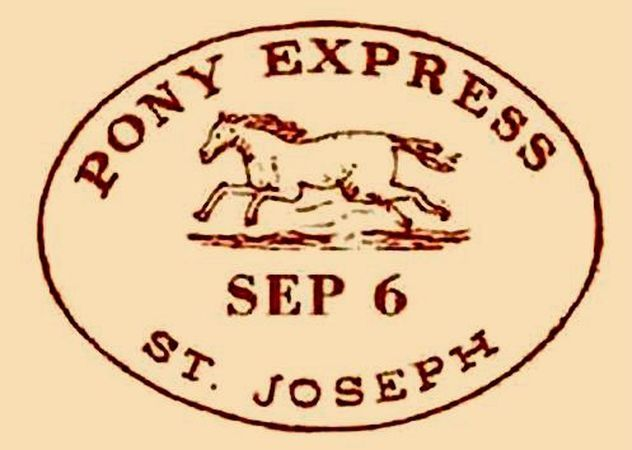
Ask an American to picture the Old West and, somewhere in the montage, a lone rider will be galloping flat-out across an empty plain with a leather mail pouch, outrunning danger to deliver the mail. The Pony Express is burned into the national imagination — its name a byword for speed and grit, its image on stamps and signs and saloon walls, its riders the archetype of frontier courage. It is, by any measure, one of the most famous enterprises in American history.
It is also one of the shortest-lived. The Pony Express operated for roughly eighteen months, from April 1860 to October 1861, before collapsing into bankruptcy — a business failure so complete that it never once made money and was killed, almost to the day, by the completion of a technology that made galloping horses instantly pointless. The gap between the Pony Express’s towering legend and its brief, money-losing reality is one of the great ironies of the American West: the country’s most romantic mail service was, as a business, a spectacular flop. And that, somehow, has only made the legend grow.
A Desperate Idea for a Divided Country
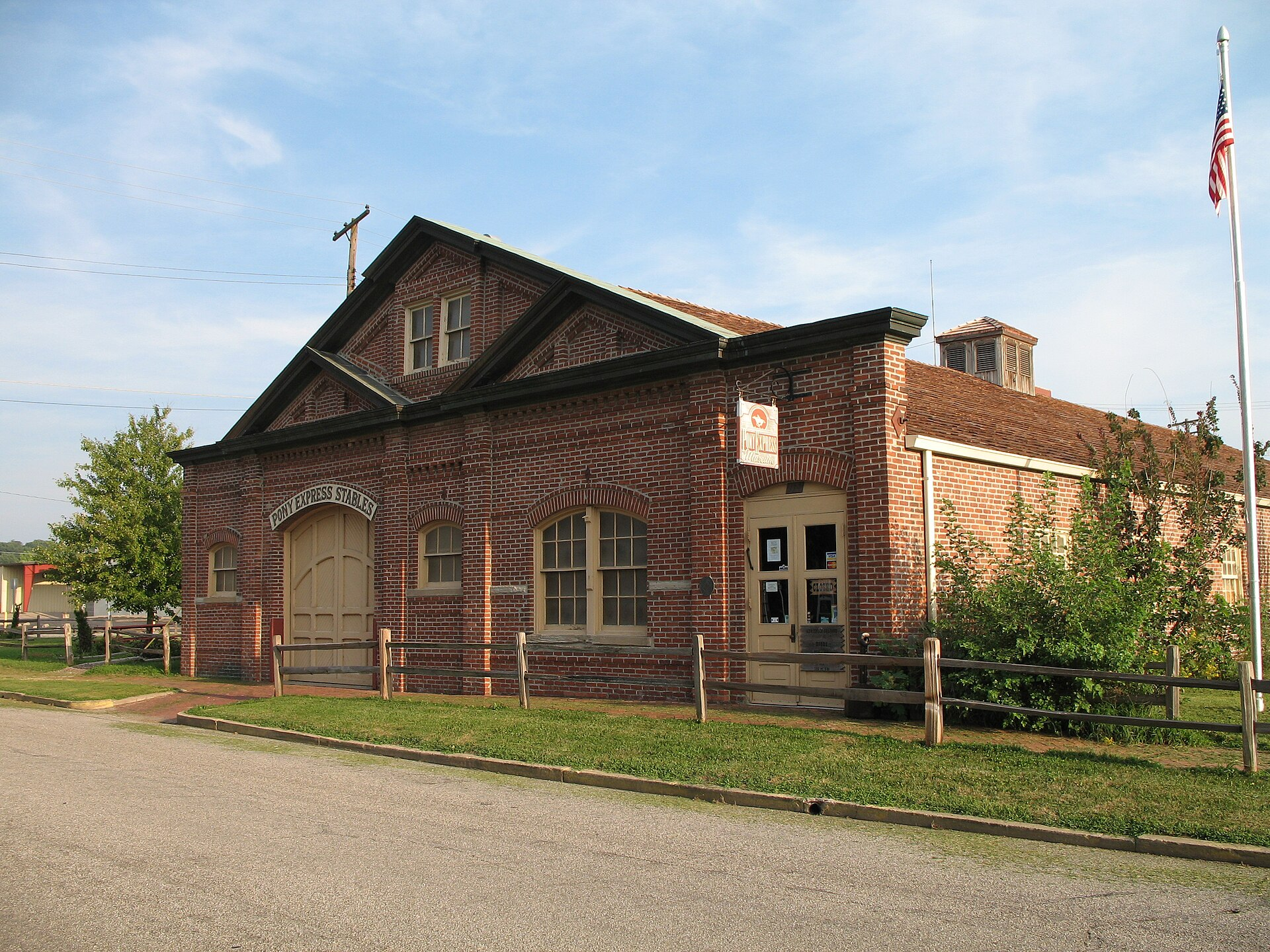
The Pony Express was born of a specific and urgent problem: in 1860, the fastest mail between the eastern states and California crept by stagecoach or by ship, taking weeks, and a nation sliding toward civil war badly needed faster communication with its far-flung Pacific coast. Into this gap stepped the freighting firm of Russell, Majors and Waddell, whose partners gambled that a relay of fast horseback riders could carry mail across the roughly 1,900 miles between Missouri and California in a fraction of the usual time — and that the speed would win a lucrative government mail contract.
It was an audacious plan, and to make it work the company built an entire infrastructure at breakneck pace: some 150 to 190 relay stations strung across the frontier at roughly 10-mile intervals, hundreds of fast horses, and a corps of lightweight, fearless riders. The concept was a relay in the truest sense. A rider would gallop into a station, leap onto a fresh horse in as little as two minutes, and race on; after roughly 75 miles he would hand the mail pouch to a fresh rider and rest. In this way, the mail never stopped moving — day and night, through desert, plains, and mountains — covering the entire distance in about ten days, a speed that seemed almost miraculous to Americans used to waiting weeks.
Like our content? Follow us for more.
Wanted: Skinny, Expert Riders, Willing to Risk Death
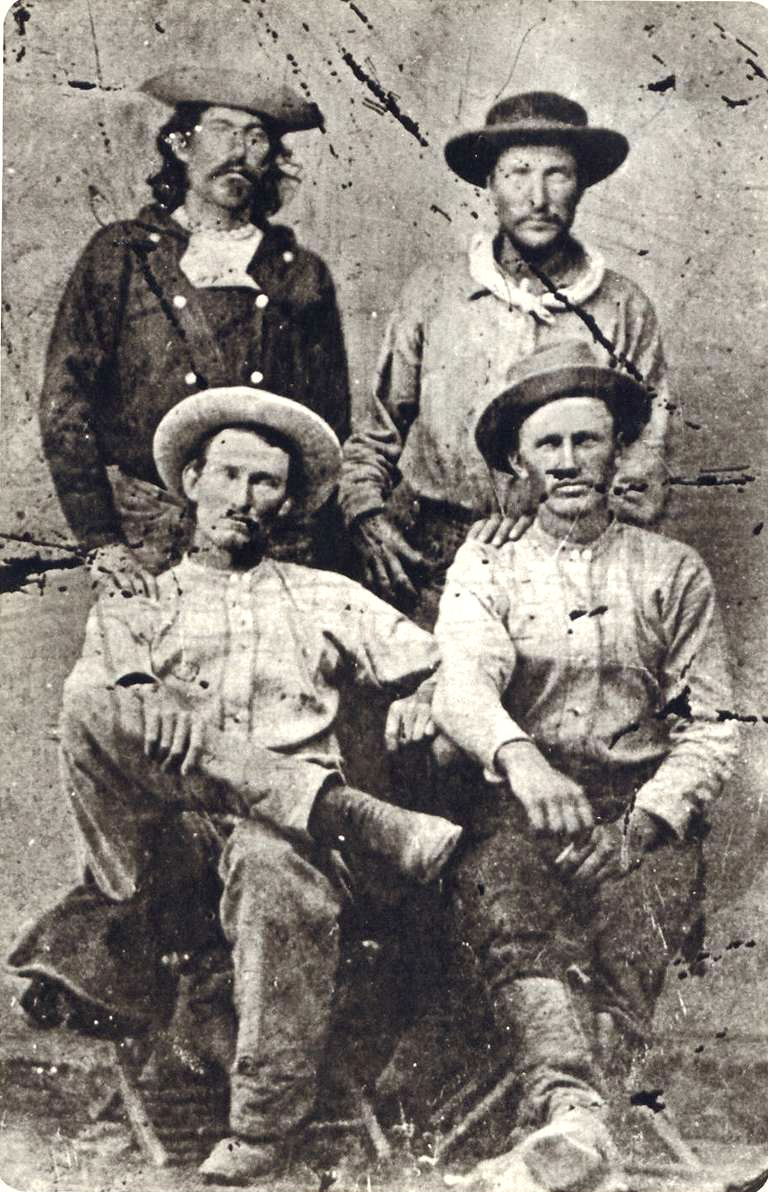
The riders became the legend, and the requirements for the job read like the recruiting pitch for a myth. By the most famous account, advertisements sought young, wiry, expert horsemen willing to risk death daily — and preferring, pointedly, orphans, for reasons the grim humor of the phrasing makes clear. Whether that exact wording ever ran in a newspaper is disputed by historians, but it perfectly captures the reality: the riders were mostly teenagers and young men, chosen for their light weight (every pound mattered on a galloping horse) and their skill, paid relatively well for the era, and asked to ride alone across a dangerous frontier in every condition the West could produce.
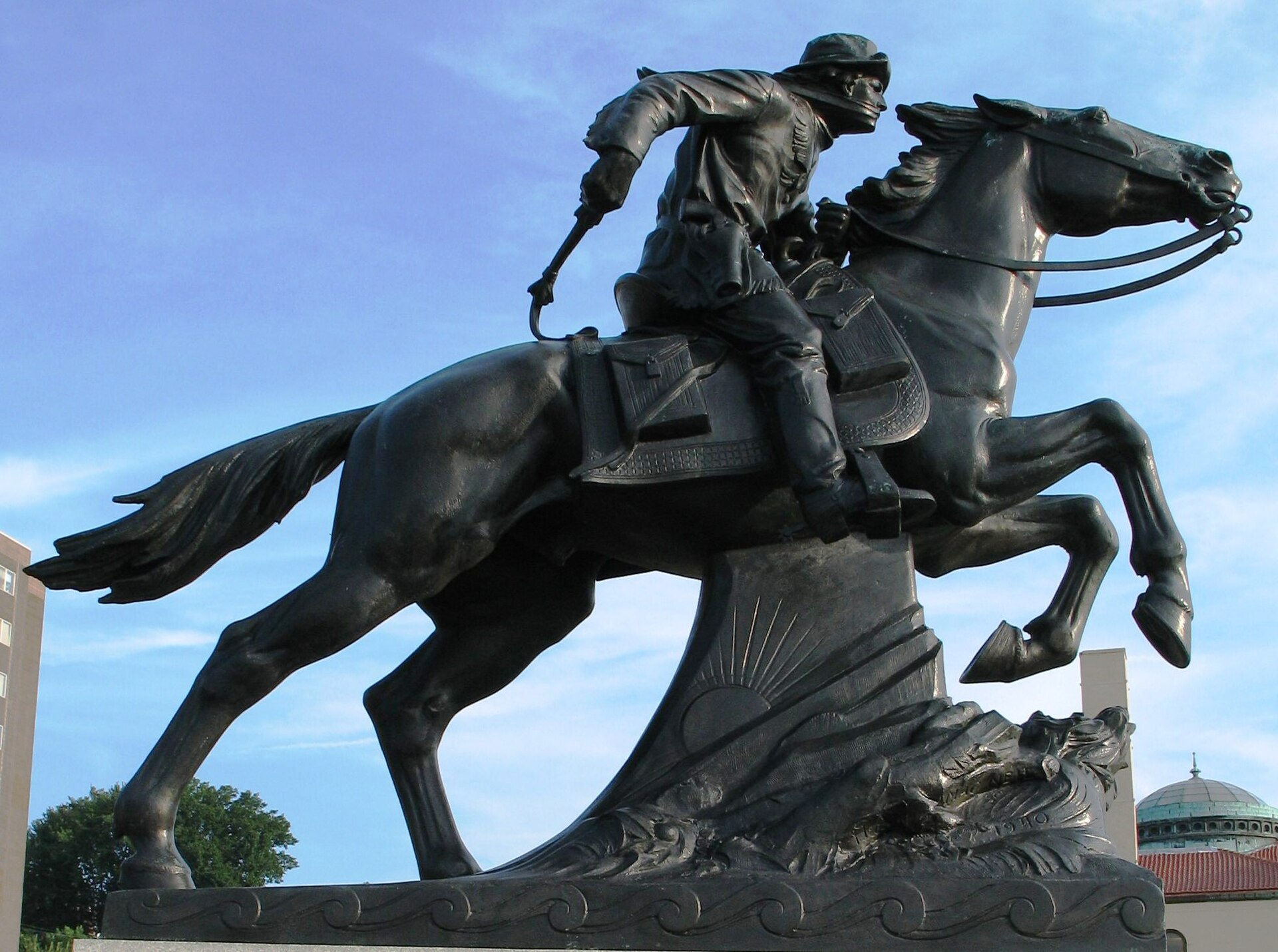
They carried the mail in a specially designed lightweight leather cover called a mochila, which draped over the saddle and could be snatched off and thrown onto the next horse in seconds — the detail that made the rapid relays possible. They rode through blizzards, deserts, and hostile territory; some faced real peril, and the service’s most famous stretch of danger came during a period of conflict with Native tribes along the route that destroyed stations and killed some employees. The riders’ feats were real and often astonishing — one young rider, later mythologized as “Buffalo Bill” Cody, and another named “Pony Bob” Haslam, became legends for marathon rides covering hundreds of miles when relief riders were unavailable. The image of the lone, boyish rider outrunning all danger was, in its essentials, true, and it is the truth the legend was built on.
Losing Money on Every Letter
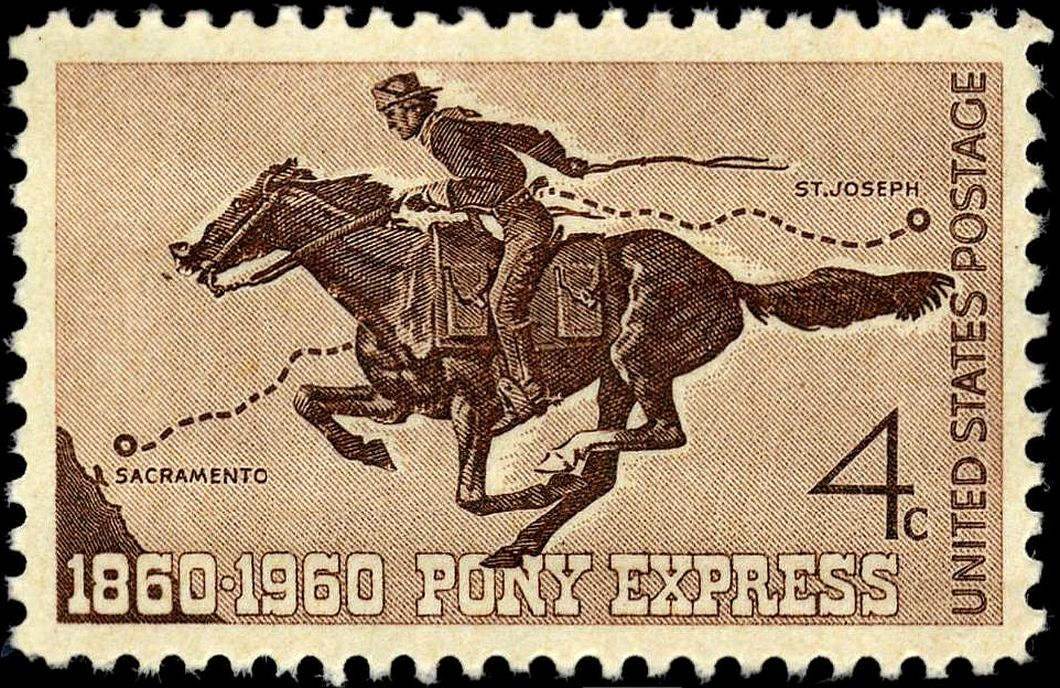
Behind the heroics, the economics were a catastrophe. The Pony Express was extraordinarily expensive to run — all those stations, horses, and riders strung across two thousand miles of wilderness cost a fortune to build and maintain — and the price it had to charge for a letter was correspondingly steep, starting at around five dollars per half-ounce, an enormous sum at the time that limited the mail mostly to urgent business documents, newspapers, and government dispatches rather than ordinary correspondence. Even at those prices, the service reportedly lost money on essentially every letter it carried; the volume was never remotely enough to cover the staggering overhead.
The whole enterprise had been a bet on landing a major government mail contract that would make the operation sustainable — and that contract never came through as hoped. Russell, Majors and Waddell poured money into the Pony Express and hemorrhaged it, and the firm was sliding toward financial ruin even as its riders were becoming national heroes. The Pony Express was, in the coldest business terms, a money-losing marketing spectacle for a company going broke — which makes the riders’ courage and the operation’s real logistical brilliance all the more poignant. They built and ran one of history’s great relay systems, flawlessly, and it bankrupted the people who owned it.
The Wire That Killed the Horse
The Pony Express’s end was as swift and dramatic as its operation. All along, a competing technology had been advancing across the same frontier: the transcontinental telegraph, its poles and wire creeping westward from both directions toward a meeting in the middle. Everyone understood what its completion would mean — a message that took ten days by galloping horse would cross the same distance in seconds by wire — and the Pony Express was, in effect, racing a countdown to its own obsolescence.
On October 24, 1861, the transcontinental telegraph line was completed, connecting the coasts by instantaneous electrical signal for the first time. Two days later, the Pony Express officially ceased operations. The most romantic mail service in American history was rendered pointless, essentially overnight, by a wire — eighteen months after it began, never having made a profit, killed by the same relentless technological progress that had briefly created a need for it. The horses had been outrun not by faster horses but by electricity, and the age of the galloping mail rider was over almost before it had properly begun.
It’s worth pausing on the sheer logistical achievement, separate from the finances. Building and staffing nearly two thousand miles of relay stations across raw frontier in a matter of months, and then running mail across the entire span in ten days with the reliability the service actually achieved, was an organizational feat that would challenge a modern enterprise. The Pony Express failed as a business, but as a piece of pure operational execution — a human relay spanning half a continent — it worked astonishingly well, which is part of why the courage of the people who ran it still commands respect.
How a Failure Became a Legend
Here is the enduring puzzle: the Pony Express was, by every practical measure, a failure — brief, unprofitable, bankrupt, obsolete — and yet it became one of the most beloved and enduring symbols of the American West, its fame utterly dwarfing that of the profitable, long-lived mail and freight operations that actually shaped the frontier. Why?
Part of the answer is timing and imagery: the Pony Express distilled the romance of the West — youth, horses, danger, vast open country, individual courage against overwhelming odds — into a single perfect picture, and it did so right at the dawn of the era that would mythologize the frontier. The riders were real heroes doing truly brave things, and the story needed no exaggeration to thrill. Showmen like Buffalo Bill, himself linked to the Express, carried the imagery into Wild West shows watched by millions; dime novels, films, stamps, and highway markers did the rest. The very brevity that made it a business failure helped make it a legend — a brilliant, doomed, gallant flash rather than a mundane going concern.
Today the Pony Express National Historic Trail traces the route across eight states, its old stations and markers drawing history travelers, and the annual re-ride keeps the relay alive in ceremony. The legend, in other words, has now outlasted the actual service by more than a century and a half, with no end in sight — proof that in the American imagination, a glorious failure can beat a profitable success every time. The Pony Express lost money on every letter and went broke in a year and a half. It has been winning ever since.
Like our content? Follow us for more.