

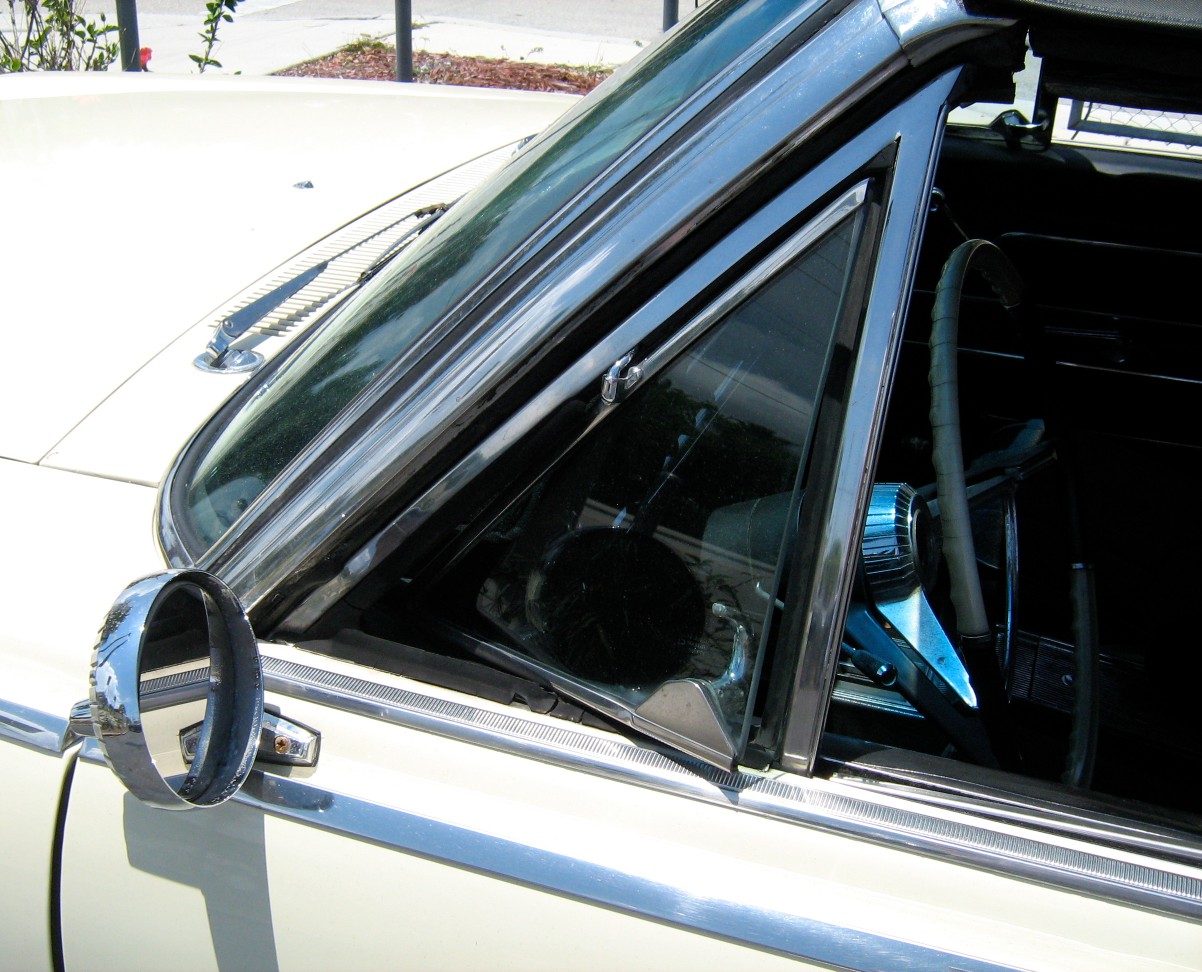
Every car door had a small triangular pane of glass at the front, hinged on a vertical post, with a little latch you turned to swing it open.
You opened it first, before anything else, because it was the thing you could reach without stopping. And it did something the main window did not do: it moved air through the car without the roar and the buffeting that comes from winding a window all the way down.
It Had a Proper Name and a Proper Job
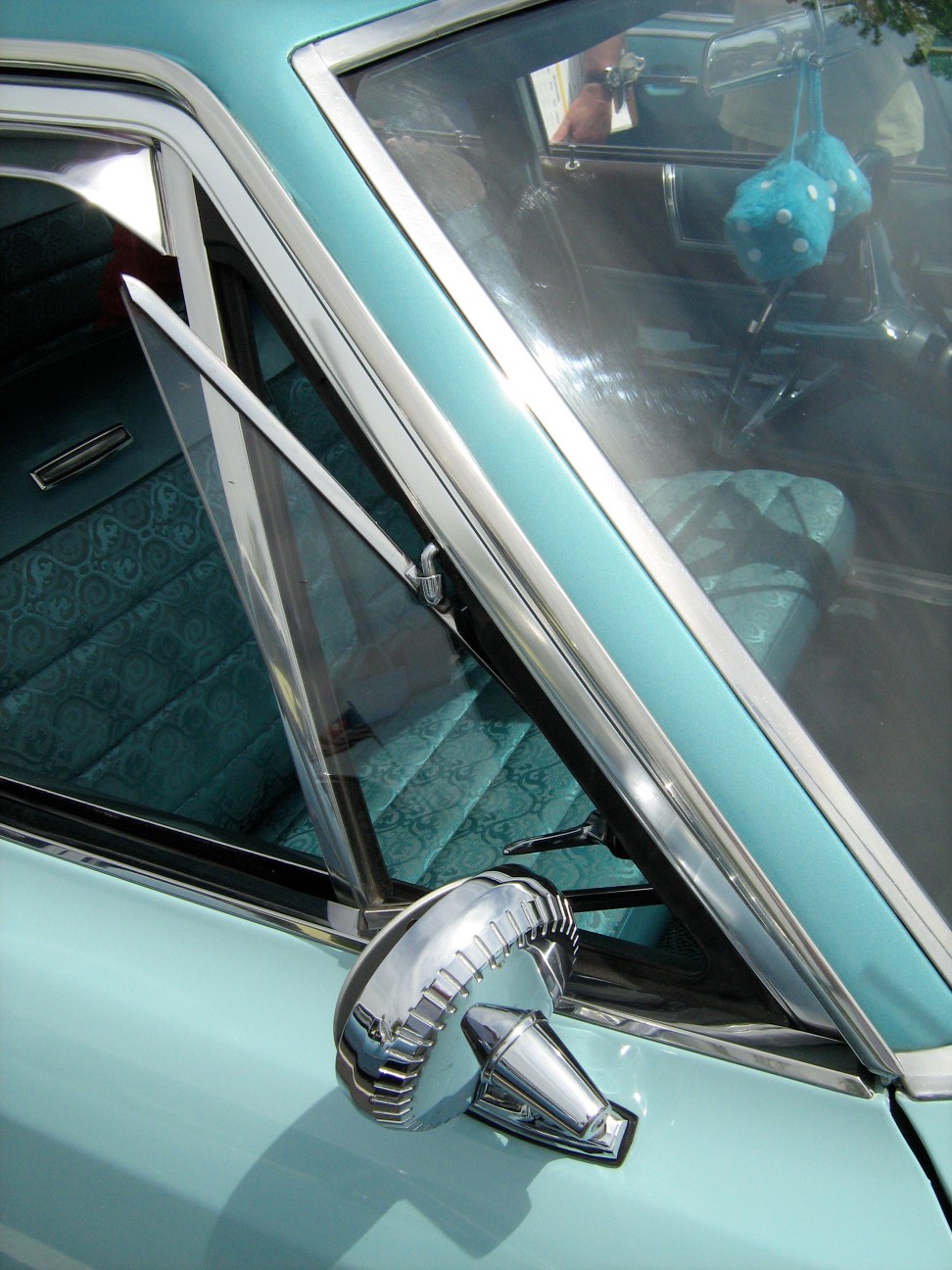
Manufacturers advertised these as no-draft ventilation, and the claim was accurate.
A fully open side window at speed is a poor ventilator. It creates a large low-pressure region, it produces turbulence and noise, it buffets the ears unpleasantly, and at the wrong speed it sets up a booming resonance in the cabin that is genuinely uncomfortable. It also blasts the person sitting next to it while doing very little for anyone else.
The small pivoting pane solved that by acting as a deflector. Opened outwards, it caught a thin stream of the air going past and turned it into the cabin – aimed, controllable, and small in volume. Reversed, it did the opposite and drew air out.
That is a genuinely well-engineered component. A hinge, a latch and a piece of glass, no power, no ducting, giving directional ventilation at any speed, adjustable by a passenger without looking.
Like our content? Follow us for more.
What Made It Essential Was What Cars Did Not Have
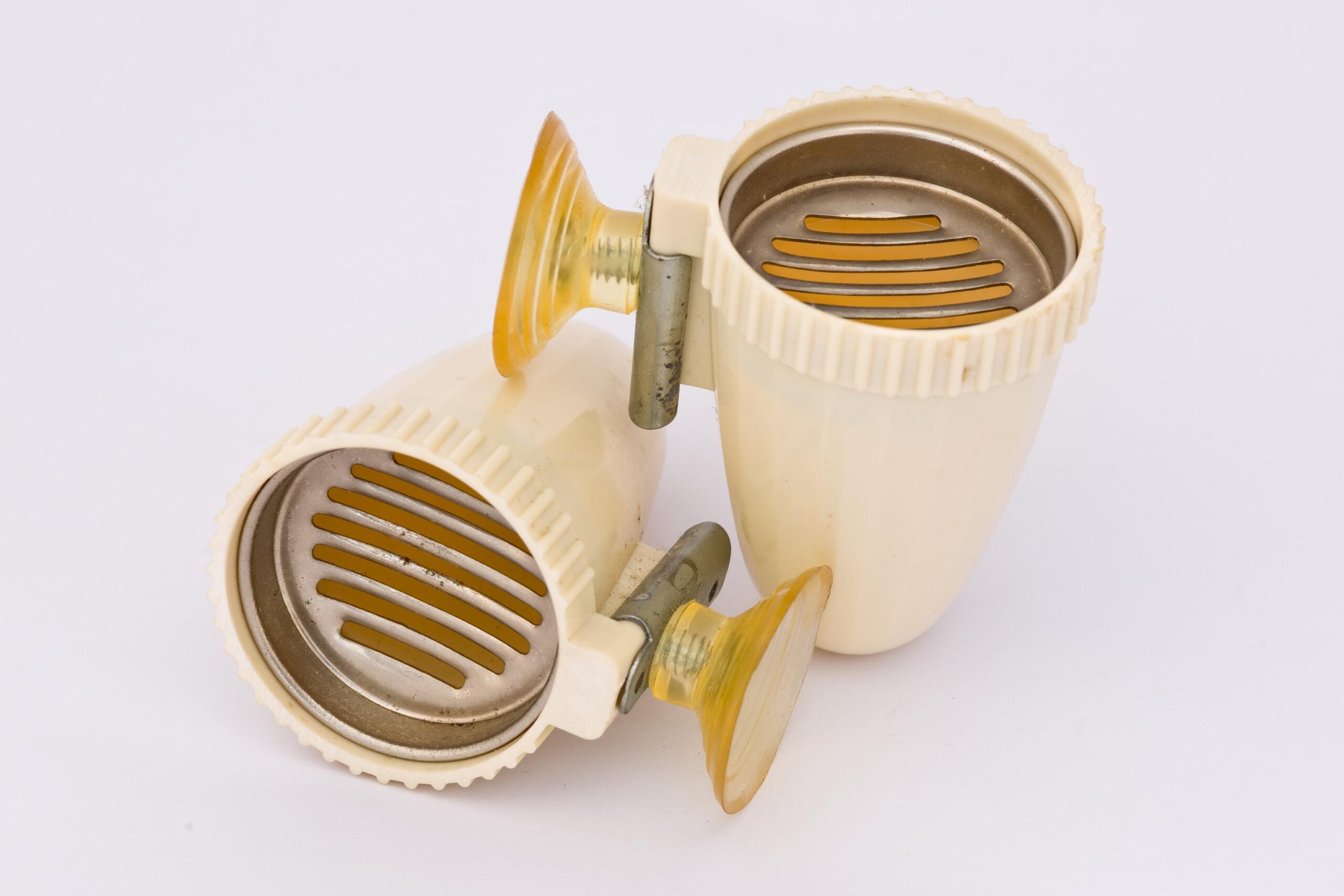
The reason every car had one is that almost no car had air conditioning.
In the middle of the century, factory air conditioning was an expensive option on expensive cars. The standard American car had a heater, a fresh-air vent fed by a flap under the dashboard, and the windows. In summer, in traffic, the only cooling available was moving air – and moving air is what the pivoting pane was for.
It did a second job that was equally important at the time, and which is now the part people find striking. Nearly everyone smoked, cars had ashtrays front and rear as standard fittings, and the small window was how the smoke left. Cracked open an inch, it pulled a steady draught out of the cabin. Drivers used it that way constantly, and the glass directly above it is the part of an old car that discoloured first.
The Rear Seat Had One Too, and It Was Worked With a Crank
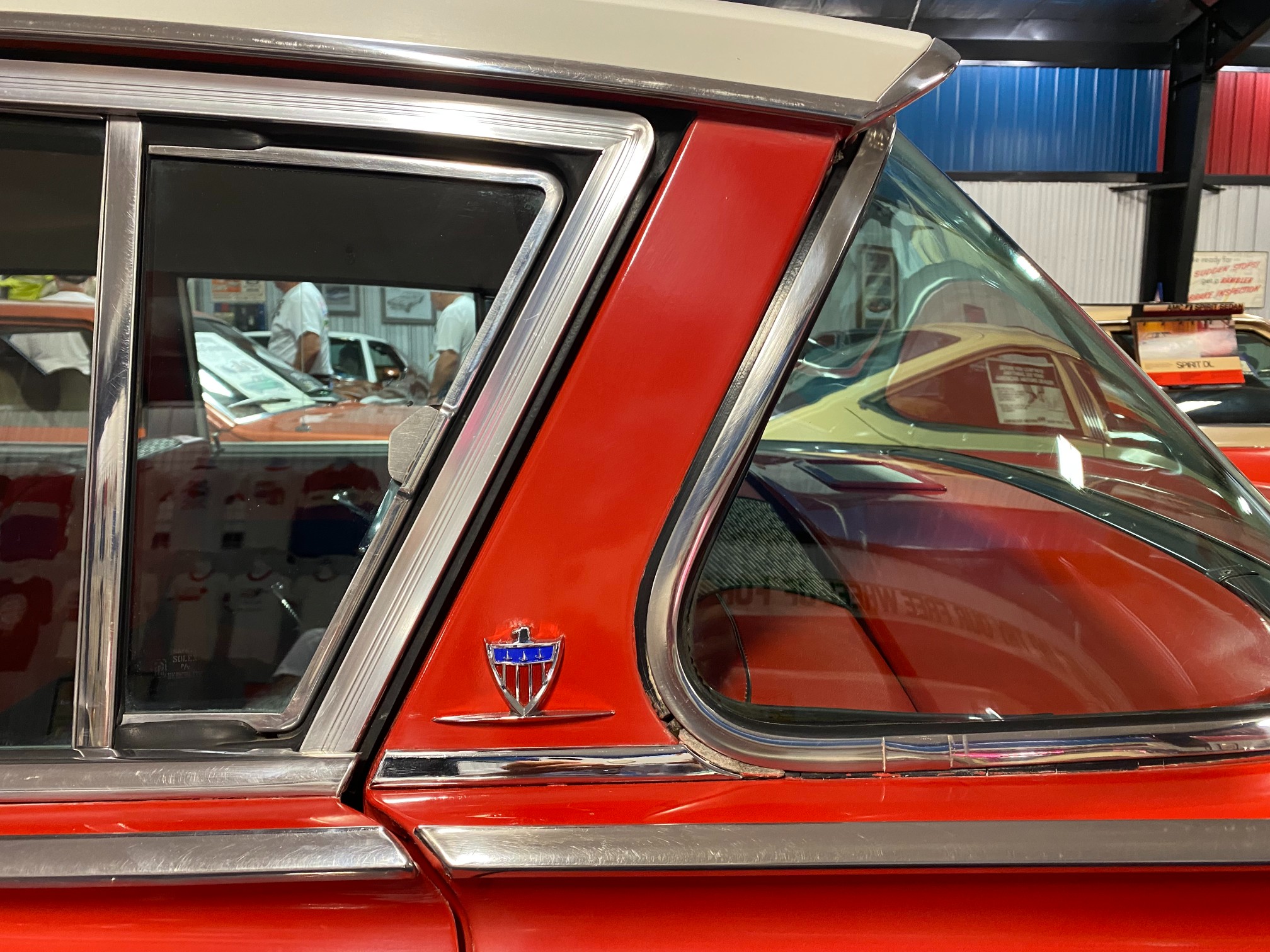
On a four-door car the rear doors frequently carried their own version, and it was a different object.
Because a rear door is shorter and has a wheel arch behind it, the main glass could not drop all the way, so the rear window either went down partially or did not go down at all. The small pane behind it was made to pivot instead, and on many cars it was worked by a little crank or a knurled knob rather than a latch.
That detail matters for how a car full of people actually worked. Children in the back of a car with no air conditioning, on a long drive in August, had one controllable piece of ventilation each, and it was theirs – which made it the subject of continuous negotiation, since one child’s airflow is another child’s draught straight onto the back of the neck.
On two-door cars the rear quarter was often a single large pivoting pane that opened a surprising amount, and it did a genuinely useful job because a coupe’s rear compartment is otherwise close to sealed.
The Rest of the System Was a Flap Under the Dashboard
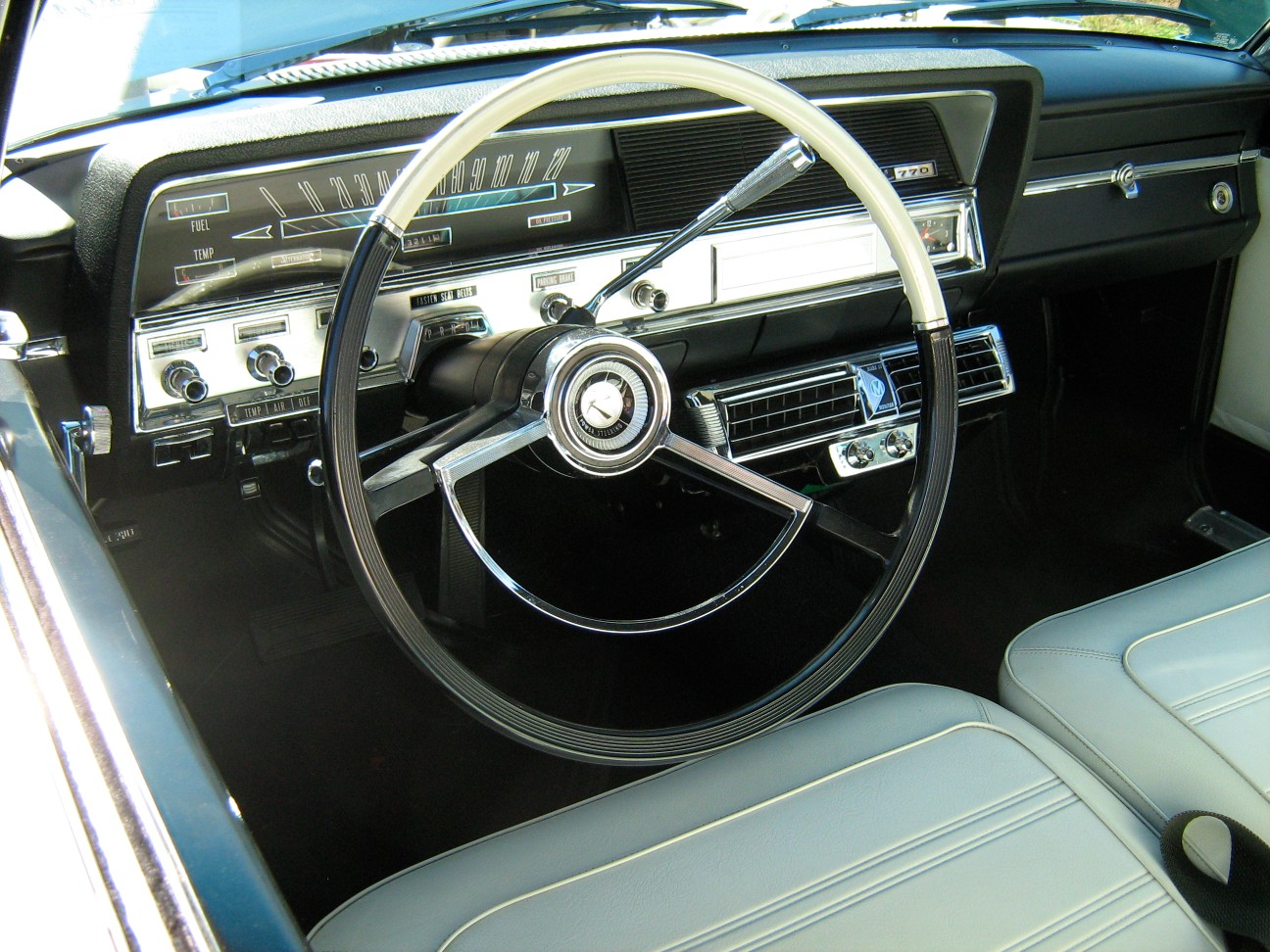
The pivoting panes were not the whole ventilation arrangement. They were the adjustable part of something more primitive.
Fresh air entered through a grille or scoop in the cowl – the panel between the hood and the windscreen – because that is a high-pressure region when the car is moving, so air is pushed in without a fan. It arrived at the occupants through openings low in the footwells, controlled by a flap that you opened with a lever or a cable pull marked for air.
It worked, after a fashion, and its drawbacks explain what came next. The air was unfiltered, so it brought in road dust, pollen, insects and exhaust from the vehicle in front. It came in at ankle level, which is the wrong place in summer and the right place in winter. Water got in, and the drain paths that were supposed to deal with that blocked with leaves. And there was no way to warm or cool it.
So the car of this period offered its occupants three uncoordinated things – a heater, a hole in the cowl, and several pieces of glass that pivoted – and expected them to combine the three into comfort themselves.
Which is exactly the kind of arrangement that a single integrated system replaces completely, and did.
Four Separate Things Killed It, and They Arrived Together
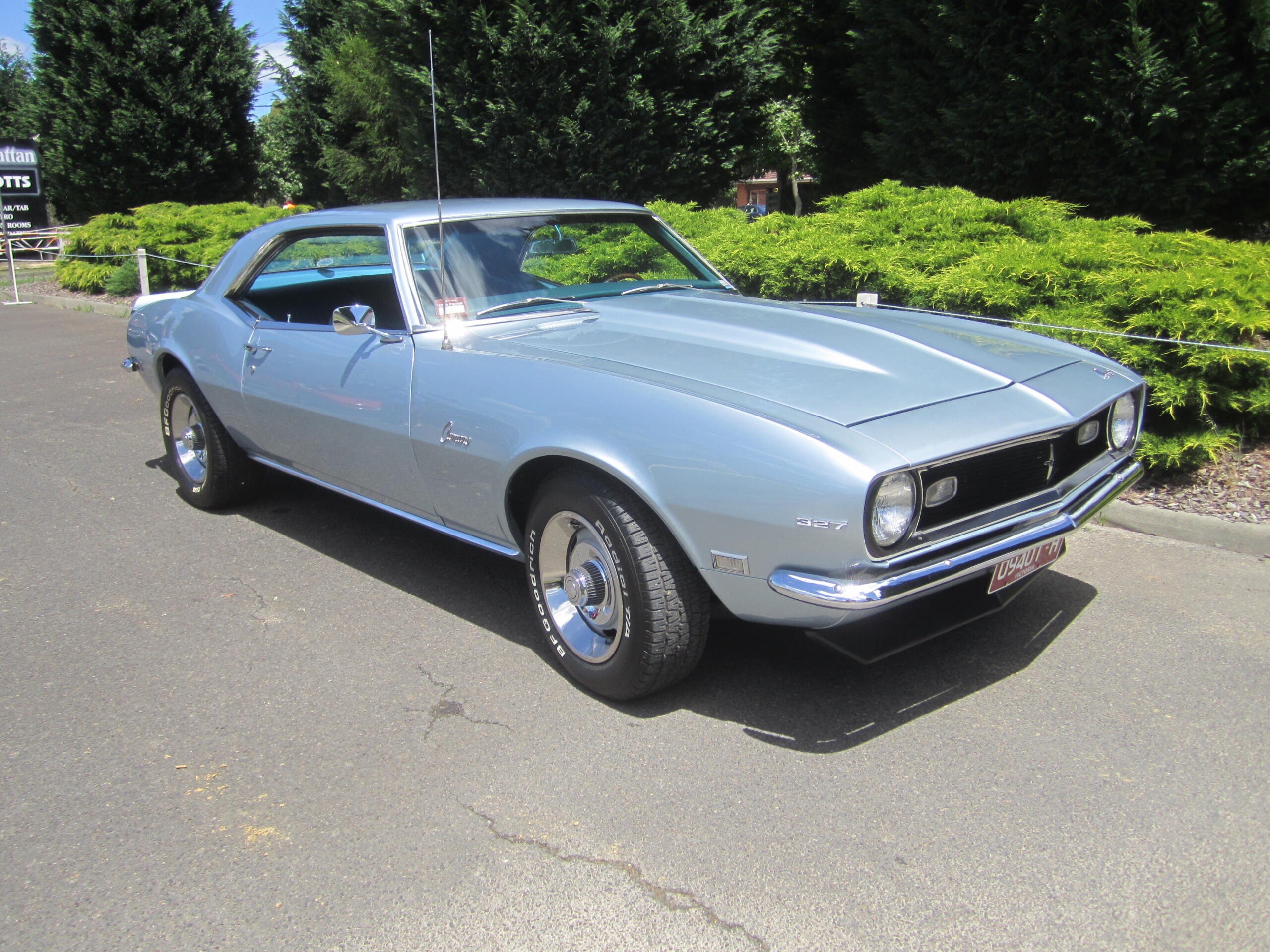
There is no single cause here, which is why the component disappeared so quickly once it started to go.
The first was air conditioning becoming ordinary rather than exceptional. A sealed, cooled cabin does not want outside air admitted, and every opening is a leak in the system it is paying to cool. Once a majority of cars were air conditioned, aimed natural ventilation stopped being a feature and became a defect.
The second was that the ventilation job was done better elsewhere. Flow-through systems – fresh air admitted at the base of the windscreen, distributed through dashboard vents, extracted through hidden outlets at the rear – gave controllable, filtered, directed air with the windows shut. That is strictly superior, and it made the deflector redundant.
The third was aerodynamics, and it mattered more after fuel prices rose. The pivoting pane required a vertical division post in the door and a frame around the glass, and both are drag. Flush, frameless, one-piece door glass is slipperier, quieter at speed, and seals better – and sealing better matters a great deal once the cabin is air conditioned.
The fourth was cost. One piece of curved glass in a simple channel is cheaper to make and cheaper to fit than two panes, a division post, a pivot, a latch and two separate seals.
And One More Reason Nobody Advertised
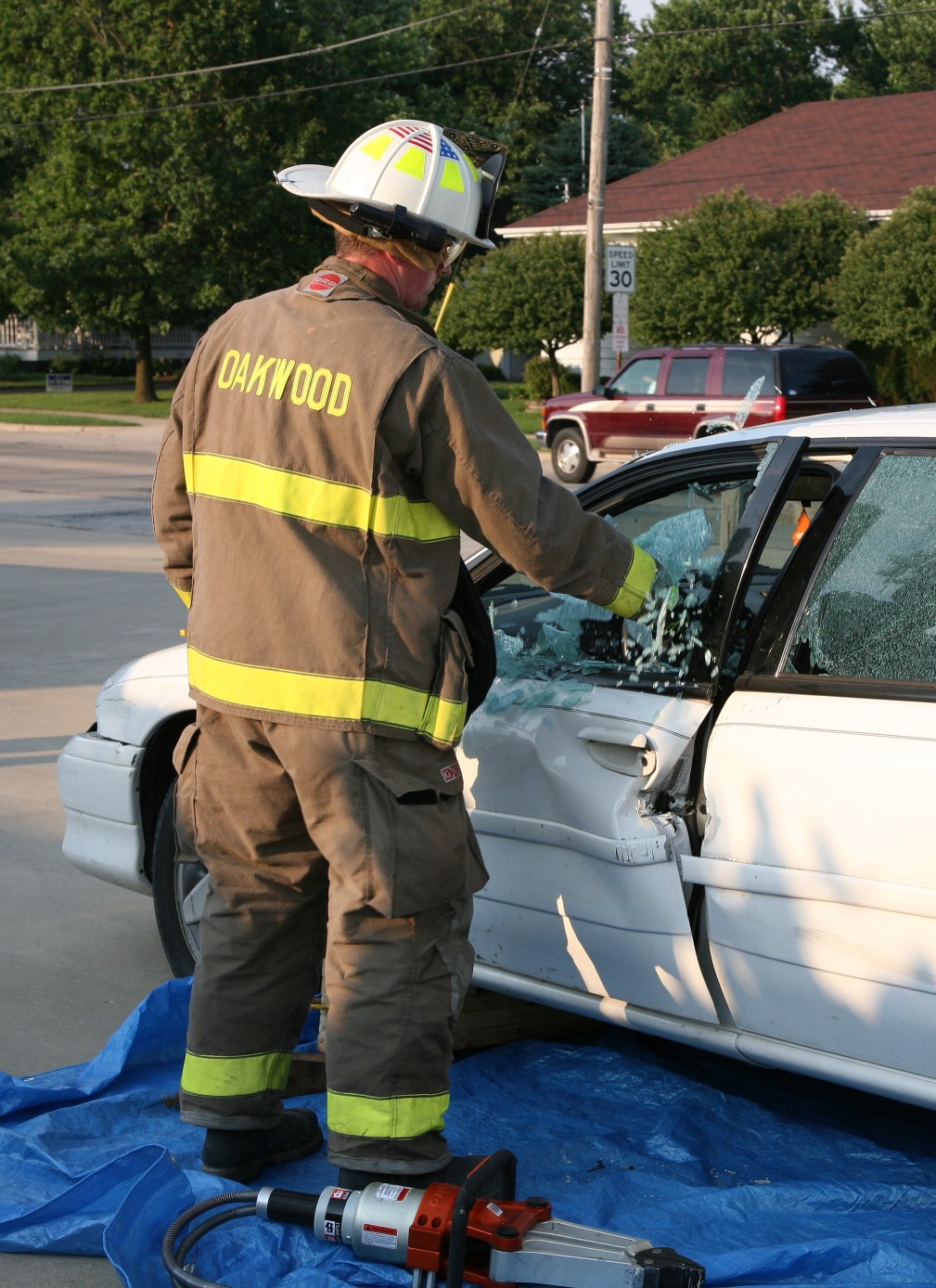
The small window was the weak point on the whole car.
Its latch was a simple catch, it sat in a frame that could be sprung, and the pane was small enough to be forced or broken with very little noise and without leaving glass across the driver’s seat. Through this period it was the standard way into a locked car, understood by anybody who dealt with vehicles, and the removal of the component closed that route.
This is worth saying plainly as the history it is, and it is also why the detail is not a how-to: the cars it applied to are sixty years old, and the component does not exist on anything built since. What matters is the design lesson, which is that a convenient opening that a passenger can work with one hand is, necessarily, an opening that works for other people too.
The Twist: The Window Is Still There and It Does Not Open
Look at the front of a modern car door, or at the corner behind the rear door, and there is frequently still a small triangular pane of glass.
It is fixed. It does not open, it has no latch, and it is bonded in place.
What it does now is purely visual. Moving the door’s main glass back and shrinking the pillar’s blind spot gives the driver sight of the area a wing mirror misses, and the small pane fills the resulting gap. On the rear doors it exists because a window has to retract into the door, and a door with a wheel arch behind it has nowhere for the glass to go – so part of the opening is glazed solid instead.
So the shape survived and the function was removed. The piece of glass that existed to let you control the air in the car now exists so you can see out of it, while the air is handled by a sealed system with a compressor and a filter and a set of controls on the dashboard.
That is a tidy illustration of how cars actually changed. Very little was deleted outright. The parts stayed roughly where they were, lost their jobs one at a time to machinery that did them better, and kept their outlines.
The latch is the part that is genuinely gone. There is nothing on a modern car that a passenger can open, by hand, while moving, to put a specific amount of air on a specific person – and anybody who grew up with one still reaches for it.
What replaced it is better by every measurable standard: cleaner air, quieter cabin, lower drag, controlled temperature, and no opening for anybody to work on in a car park. The pivoting pane was a good answer to a question the car no longer asks.
But it was the last control in a car that worked without electricity, without a setting, and without asking anybody else’s permission. You turned a handle and the air did what you wanted, immediately, and you could see why.
Like our content? Follow us for more.

