
There was a time when American kids ate what was put in front of them, and a whole category of foods that were simply normal — served at dinner tables, packed in lunches, spooned out at family gatherings — without anyone batting an eye. Today, many of those same foods would be met with wrinkled noses and firm refusals from a generation raised on different tastes and far more food choices. It’s not that kids have gotten pickier exactly; it’s that the foods that defined childhood eating have shifted dramatically, and some old standards now seem strange, unappealing, or downright alarming to modern children. Looking back at them is a funny and revealing window into how much family eating has changed. Here are thirteen foods every American kid once ate without question that today’s kids simply won’t touch.
1. Liver (and Other Organ Meats)
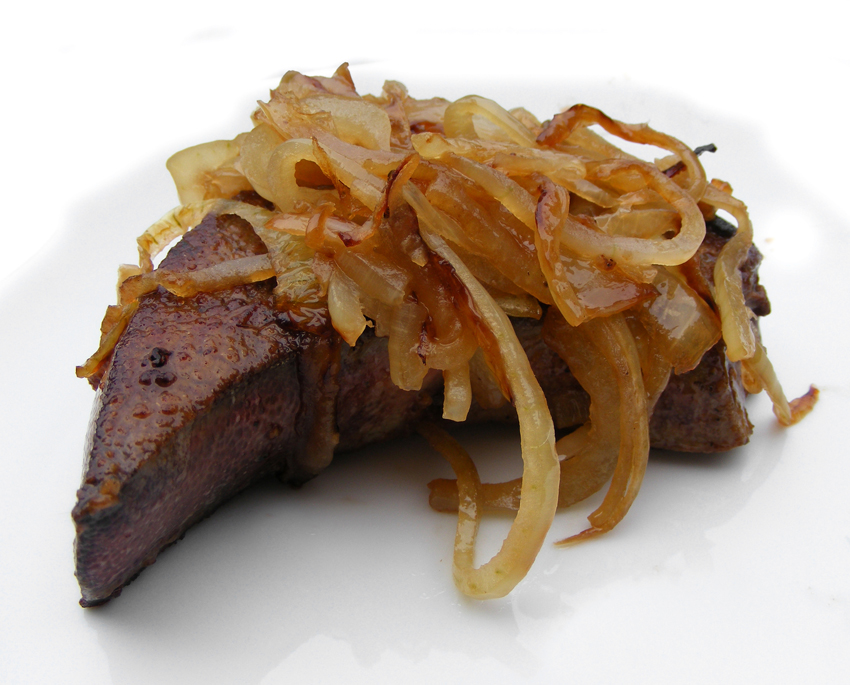
For generations, liver — frequently liver and onions — was a regular, economical, nutrient-rich dinner that kids ate because it was served, period. Organ meats were normal, thrifty fare. Today, most children would recoil at the idea, and organ meats have largely vanished from family menus. The strong flavor and the very concept of eating organs are off-putting to modern kids raised on milder, more processed foods. Liver’s fall from a routine childhood dinner to something today’s kids won’t go near captures one of the biggest shifts in American eating — away from frugal, nose-to-tail cooking toward the milder flavors children now expect.
Like our content? Follow us for more.
2. Tuna Casserole
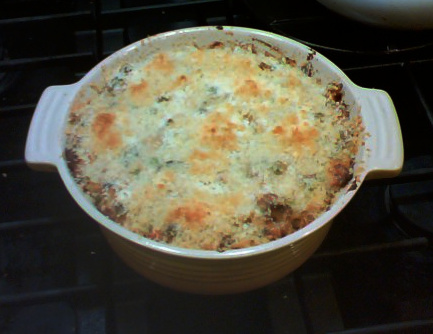
The humble tuna casserole — canned tuna, noodles, canned soup, and frequently crushed chips on top — was a weeknight staple that kids ate without complaint for decades. Economical and easy, it fed families across the country. Today, many kids would balk at the soft, creamy, canned-fish casserole, and it’s become a punchline of dated home cooking. The combination of canned tuna and creamy soup that once seemed perfectly normal now strikes many modern children as unappealing. The tuna casserole’s journey from beloved weeknight dinner to something today’s kids reject reflects changing tastes around canned fish and the casseroles that once defined family dinners.
3. Aspic and Savory Gelatin Salads
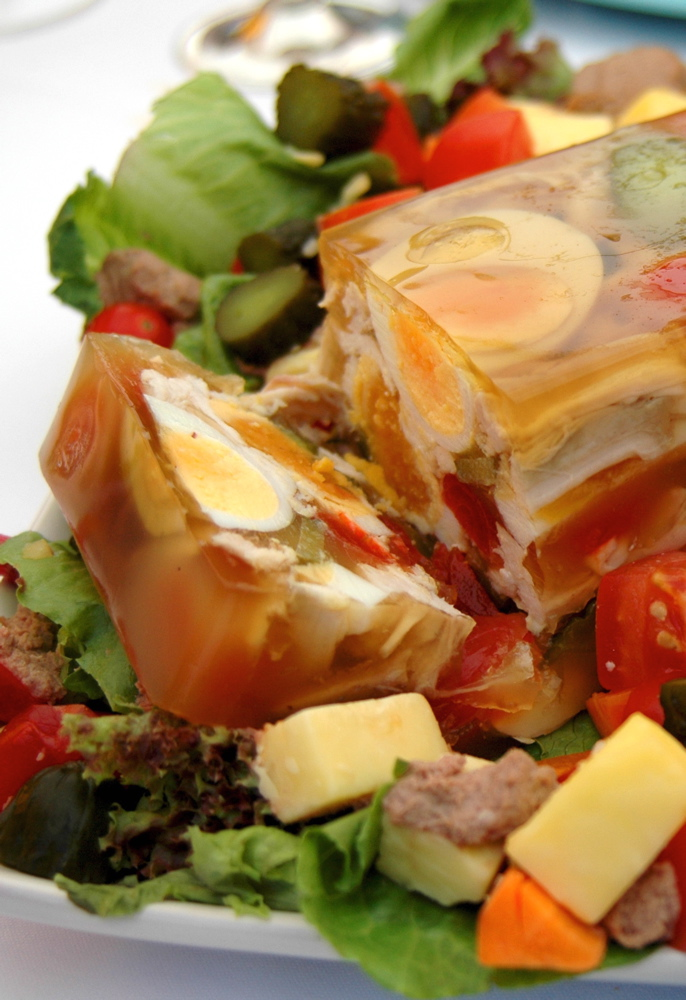
Among the strangest to modern eyes, savory gelatin “salads” — vegetables, meats, or seafood suspended in unsweetened gelatin — were genuinely served at mid-century tables, and kids ate them as a normal part of meals. The idea of meat or vegetables in jiggly gelatin was unremarkable then. Today, savory aspic is almost universally met with horror by children (and most adults), an emblem of mid-century cooking gone strange. The savory gelatin salad is perhaps the ultimate example of a once-normal food that today’s kids — and nearly everyone else — simply won’t touch, a vivid symbol of how dramatically tastes have changed.
4. Creamed Spinach and Creamed Vegetables
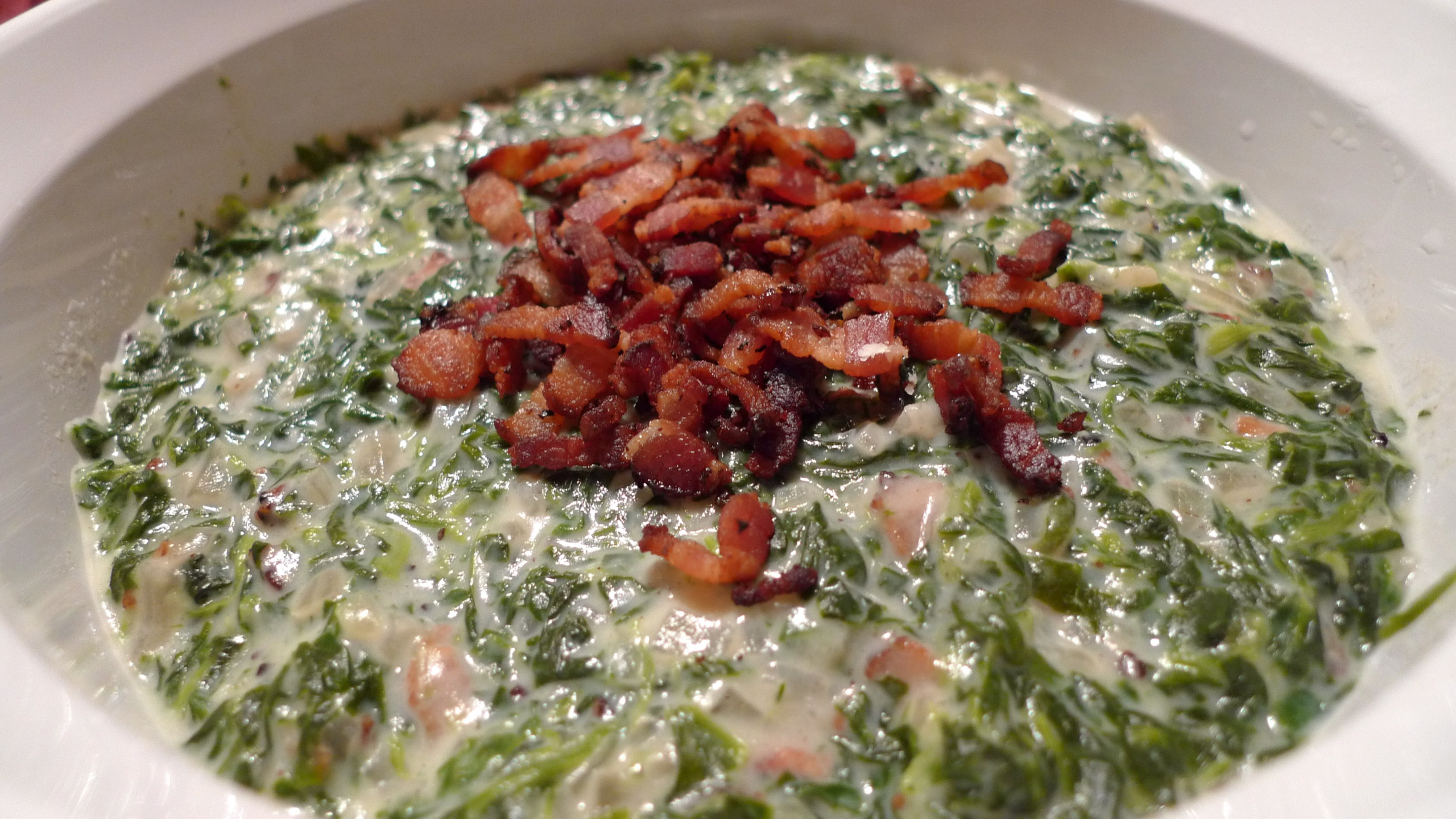
Creamed spinach and other creamed vegetables — cooked soft and bound in a rich white sauce — were common side dishes that kids ate as a matter of course. The soft, creamy preparation was a standard way to serve vegetables. Today, many children reject the texture and the very idea of cooked-soft, creamed greens, preferring raw or differently-prepared vegetables if any. The mushy texture that was once normal is now a frequent dealbreaker. Creamed spinach’s decline from a routine side dish to something many modern kids won’t eat reflects changing preferences around vegetable preparation and texture in children’s eating.
5. Deviled Ham and Potted Meats
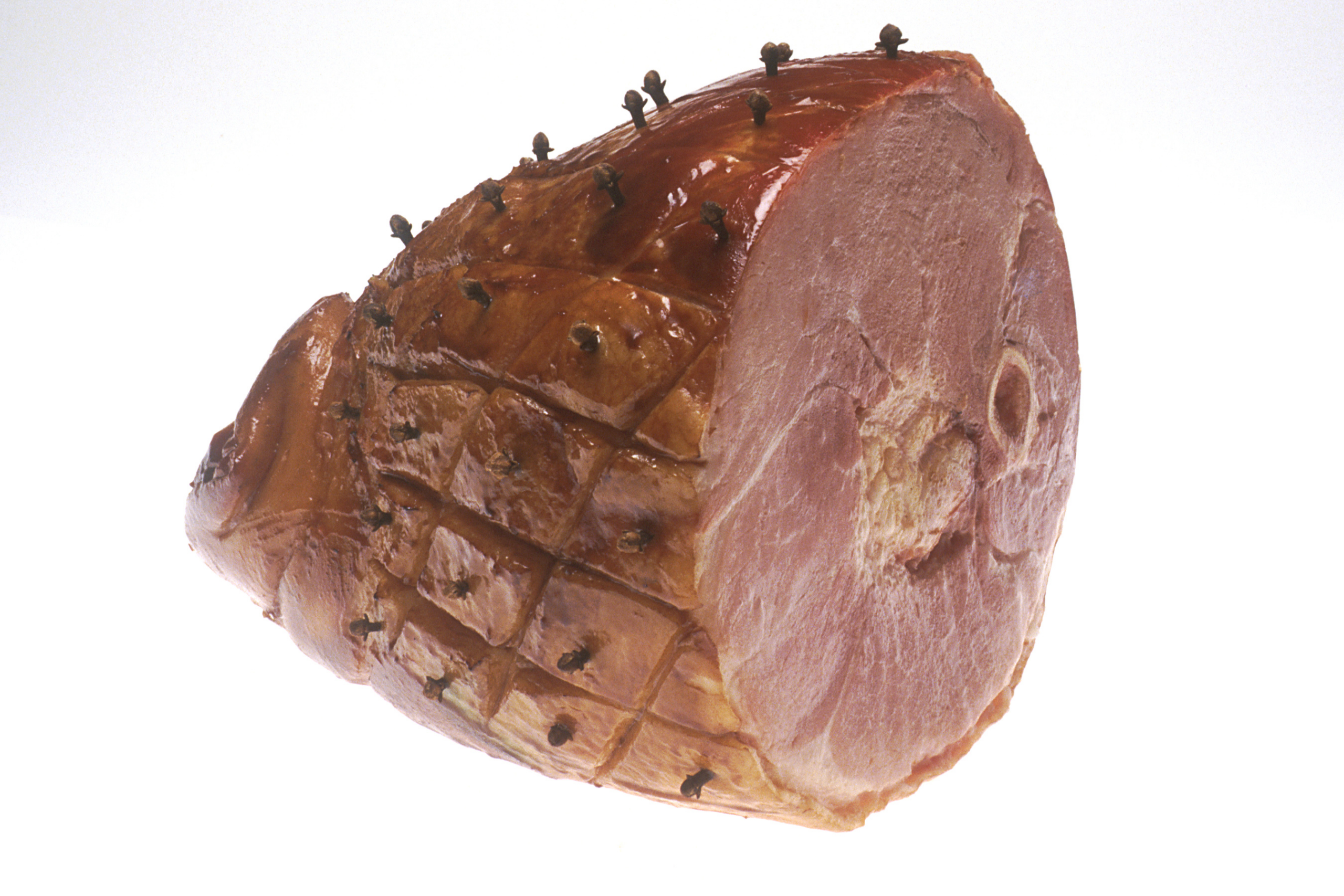
Canned deviled ham and various potted or spreadable meats were once common, convenient sandwich fillings that kids ate without a thought. These shelf-stable spreadable meats were normal lunch fare. Today, the concept of canned, spreadable, heavily-processed potted meat is deeply unappealing to most children, and these products have faded from family kitchens. The texture and processed nature that were once unremarkable now strike modern kids as off-putting. Deviled ham and potted meats represent a category of convenient processed foods that were once routine childhood eating but that today’s children, and many parents, now avoid.
6. Cooked Beets
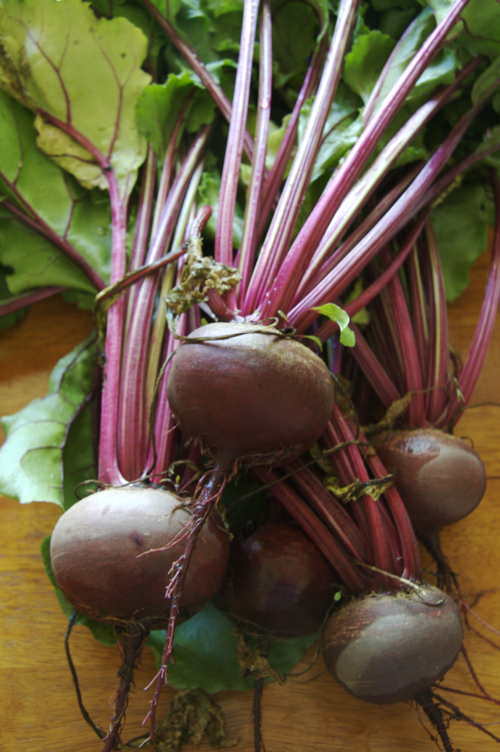
Beets — frequently canned or pickled — were a common vegetable on mid-century tables, and kids ate them as part of the meal. The earthy flavor and vivid color were a normal part of childhood eating. Today, beets are one of the more polarizing vegetables, and many children refuse them outright, put off by the strong, earthy taste. While beets have had a gourmet revival among adults, kids frequently won’t touch them. The cooked or pickled beet’s shift from a routine childhood vegetable to something many modern kids reject reflects how the strong, distinctive flavors once common in children’s meals have given way to milder preferences.
7. Brussels Sprouts (the Old, Boiled Way)
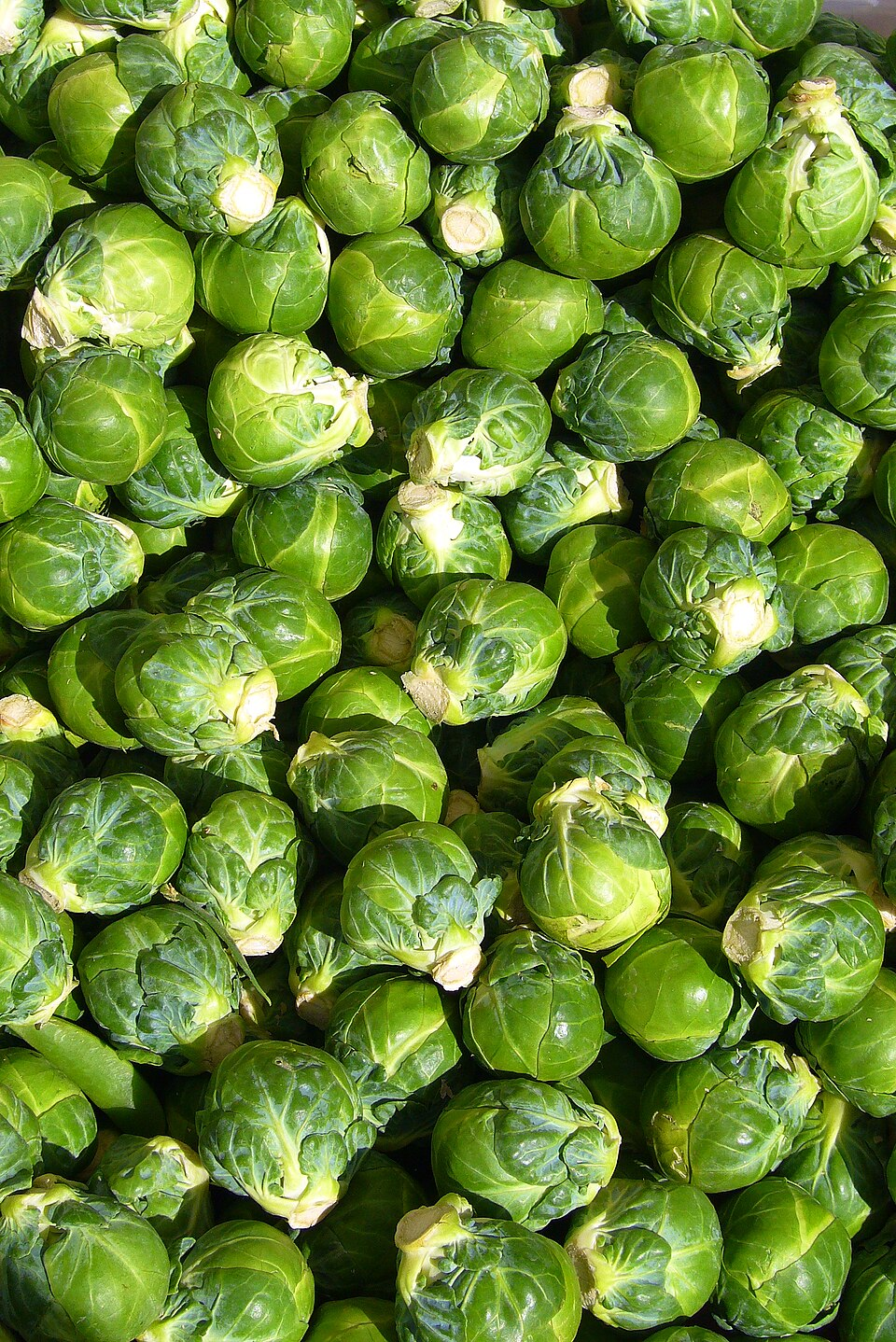
For generations, Brussels sprouts were boiled into soft, sometimes bitter, strong-smelling submission — and kids ate them anyway because that’s how vegetables were served. The boiled, soft preparation gave the sprout its reputation as a dreaded vegetable. Interestingly, modern roasting methods have rehabilitated Brussels sprouts for many, but the old boiled version that defined childhood is exactly what kids rejected then and would reject now. The boiled Brussels sprout represents how preparation matters enormously: the soft, bitter, boiled vegetable that kids choked down for decades has been replaced by crispy roasted versions, while the original remains genuinely unappealing.
8. Fruitcake and Dense Holiday Cakes
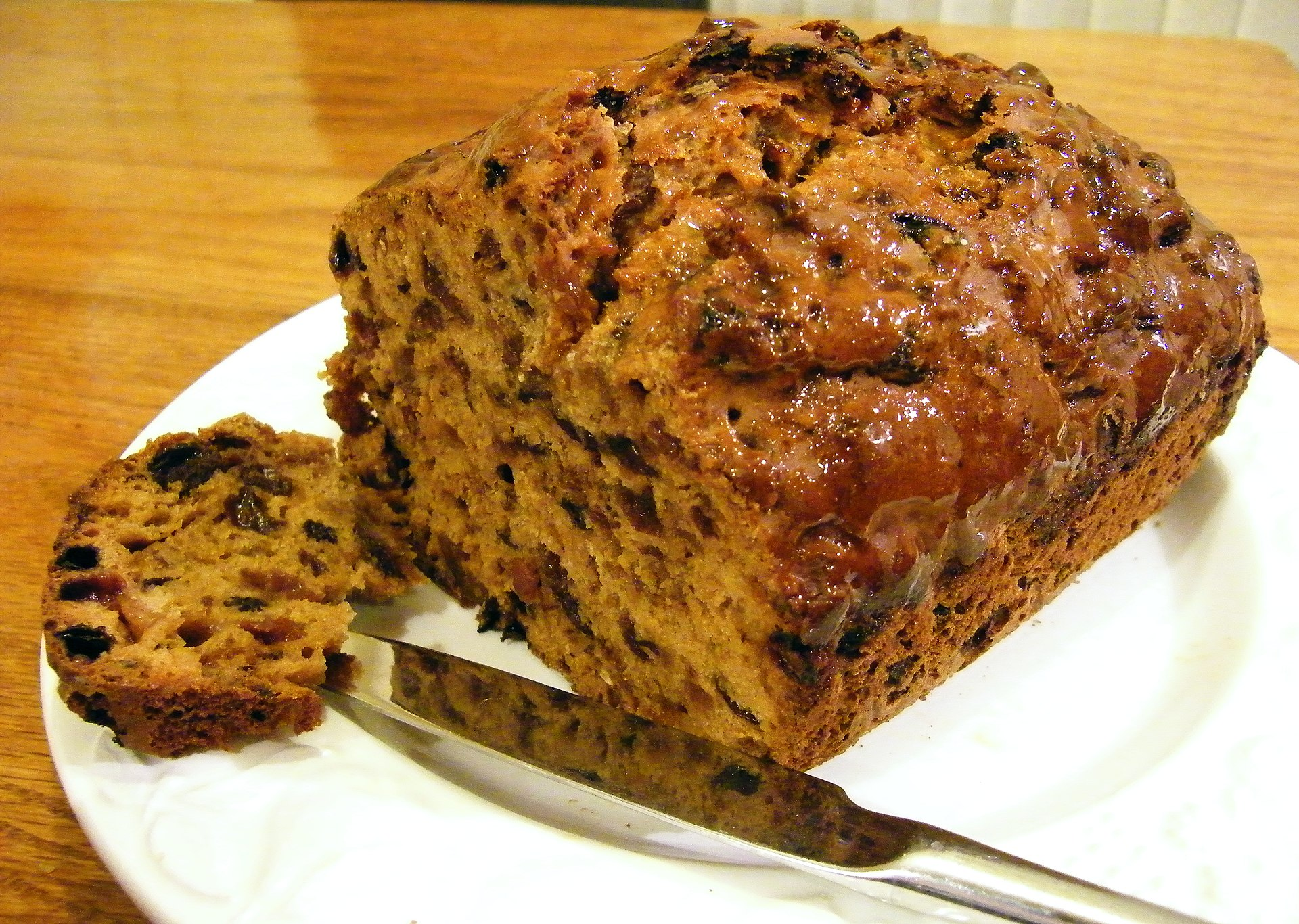
Fruitcake and other dense, candied-fruit-studded holiday cakes were once genuinely enjoyed, and kids ate their slice at holiday gatherings without complaint. The dense, boozy, candied-fruit cake was a normal holiday treat. Today, fruitcake is a near-universal punchline, and few children would willingly eat the dense, intensely sweet, candied-fruit-laden cake. The very ingredients that defined it — the glossy candied fruits and dense texture — are exactly what modern kids reject. Fruitcake’s transformation from an enjoyed holiday treat to something today’s kids (and most adults) avoid is one of the most complete reversals in the story of changing American tastes.
9. Headcheese and Other “Mystery” Deli Meats
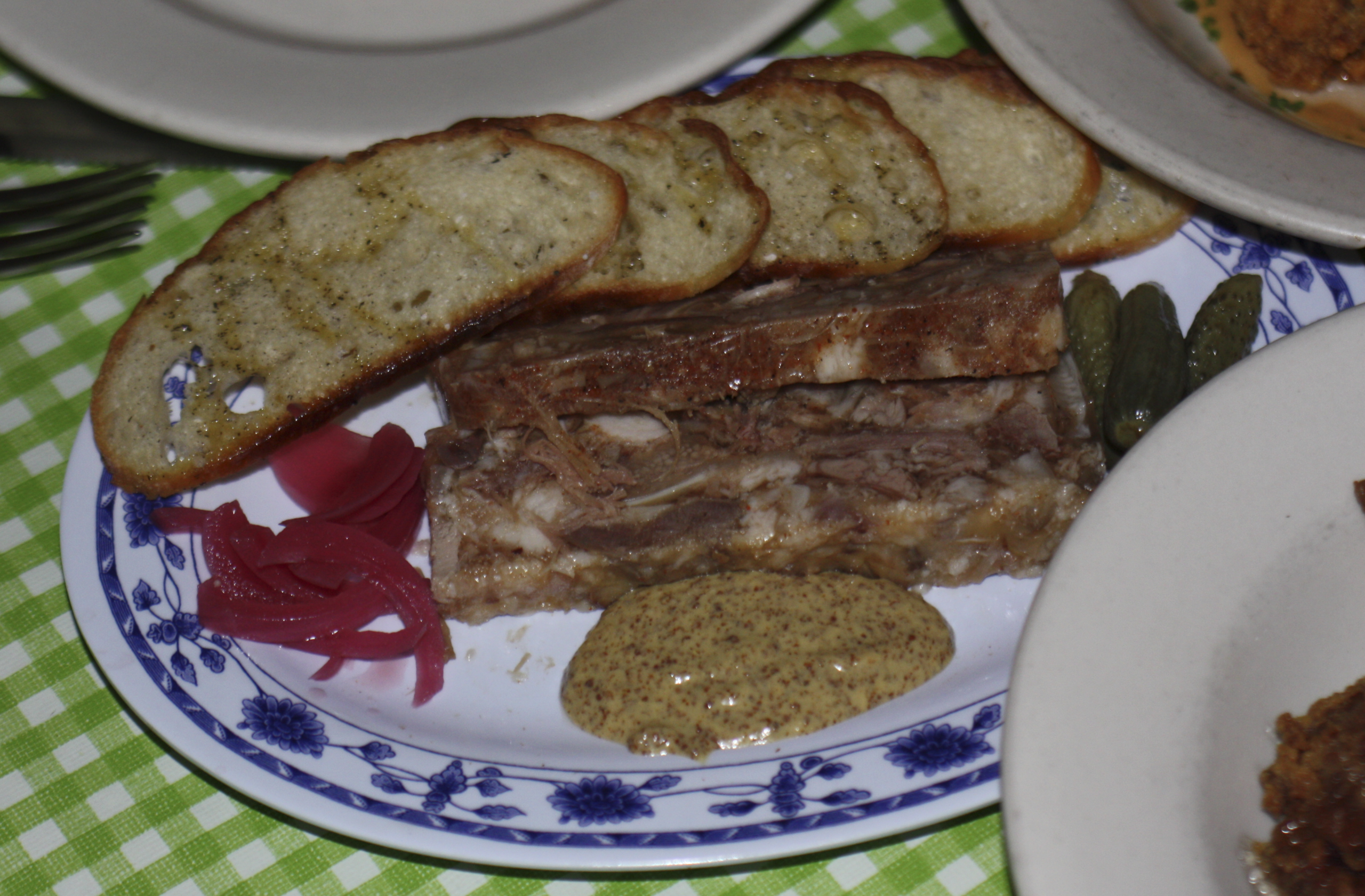
Headcheese (a meat jelly made from various cuts) and similar old-fashioned, frugal deli items were once normal, and kids ate them in sandwiches without knowing or minding what they were. These nose-to-tail, thrifty meats were unremarkable then. Today, the very concept horrifies most children, and such items have largely vanished from mainstream family eating. The transparency of modern food culture and changing tastes mean kids now reject these traditional, frugal preparations. Headcheese and similar old-world deli meats represent the kind of waste-nothing, traditional eating that was once routine for children but that today’s kids — far more aware and far pickier — won’t touch.
10. Prunes and Stewed Dried Fruit
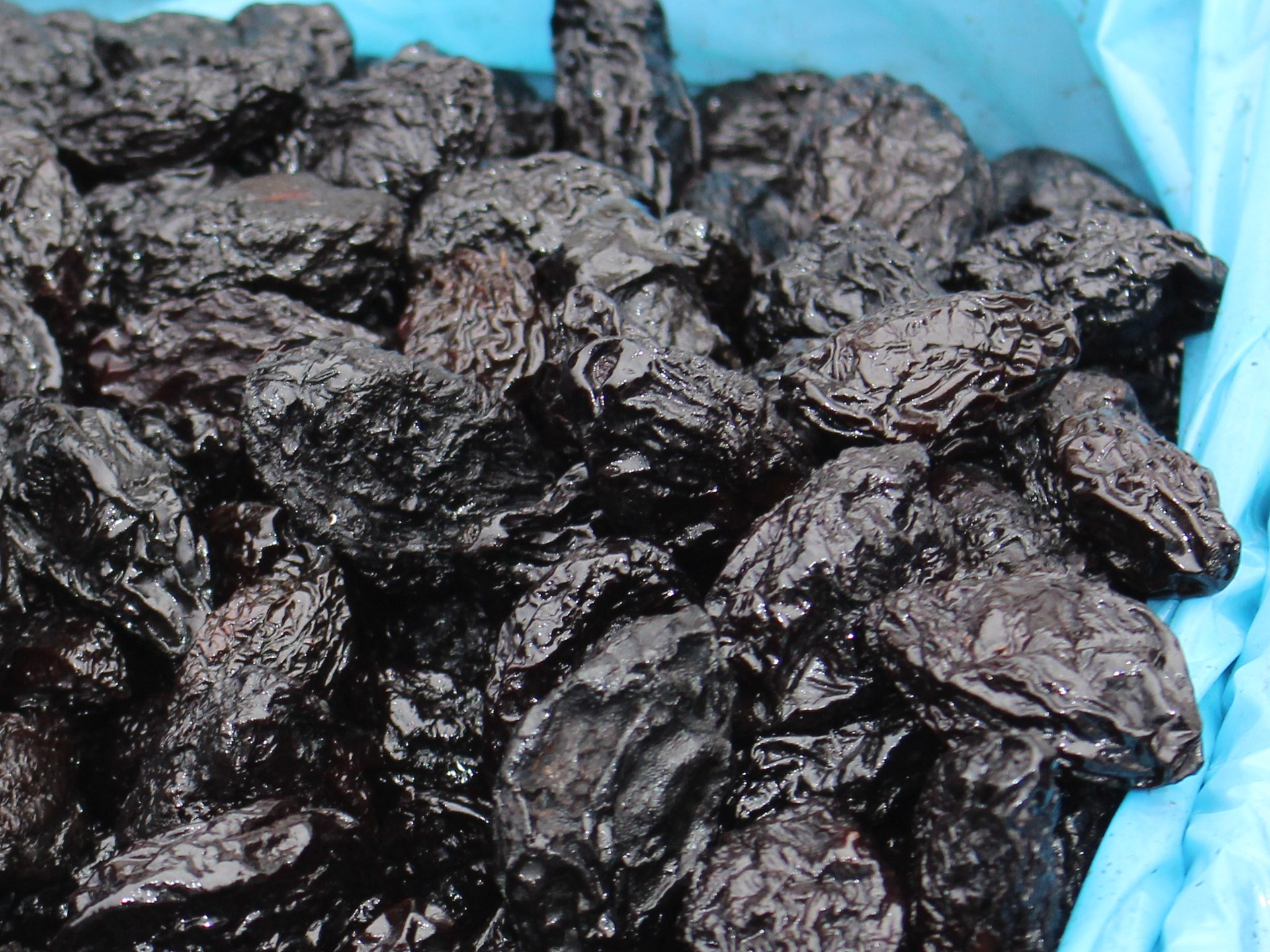
Prunes and stewed dried fruits were once common in children’s diets, served as snacks, in desserts, or for their well-known digestive benefits. Kids ate them as a normal part of eating. Today, prunes carry an unshakable association with old age and digestion that makes most children avoid them entirely, despite their natural sweetness. The image problem, more than the taste, keeps modern kids away. The prune’s fall from a routine childhood food to something kids won’t go near — despite being simply a dried plum — reflects how a food’s associations and image can completely reshape whether a new generation will eat it.
11. Cottage Cheese (as a Standalone)
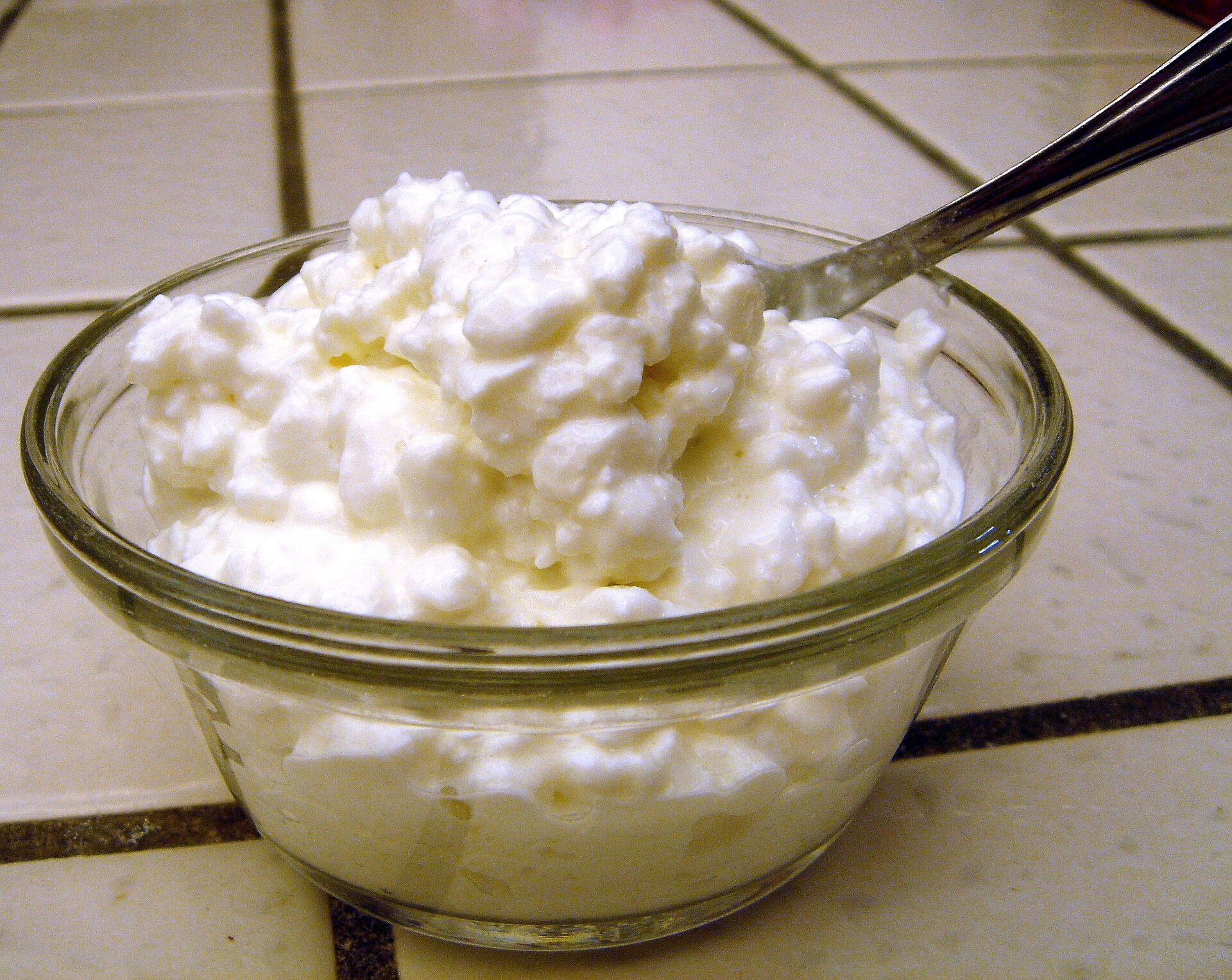
Cottage cheese — frequently served plain, with fruit, or on a lettuce leaf — was a common, wholesome food that kids ate as a snack or side without objection. The lumpy, mild cheese was a normal part of mid-century eating. Today, many children are put off by the texture and reject cottage cheese outright, though it’s seen some revival among health-conscious adults. The curdy texture that was once unremarkable is now a frequent dealbreaker for kids. Cottage cheese’s decline as a standalone childhood food (even amid its adult comeback) reflects how texture-driven modern children’s preferences have become, rejecting foods earlier generations ate without a second thought.
12. Canned Vegetables (Soft and Gray-Green)

Before fresh and frozen dominated, canned vegetables — soft, frequently drab-colored peas, green beans, and the like — were standard on family tables, and kids ate them as the normal form of vegetables. The soft texture and muted color were simply what vegetables were. Today, kids raised on crisp fresh and brightly-colored frozen vegetables frequently reject the mushy, dull canned versions. The textural and visual difference is stark to modern children. The soft canned vegetable’s fall from the default childhood vegetable to something kids now refuse reflects the dramatic improvement in fresh and frozen produce and the way it reshaped what children expect vegetables to be.
13. Buttermilk (as a Drink)
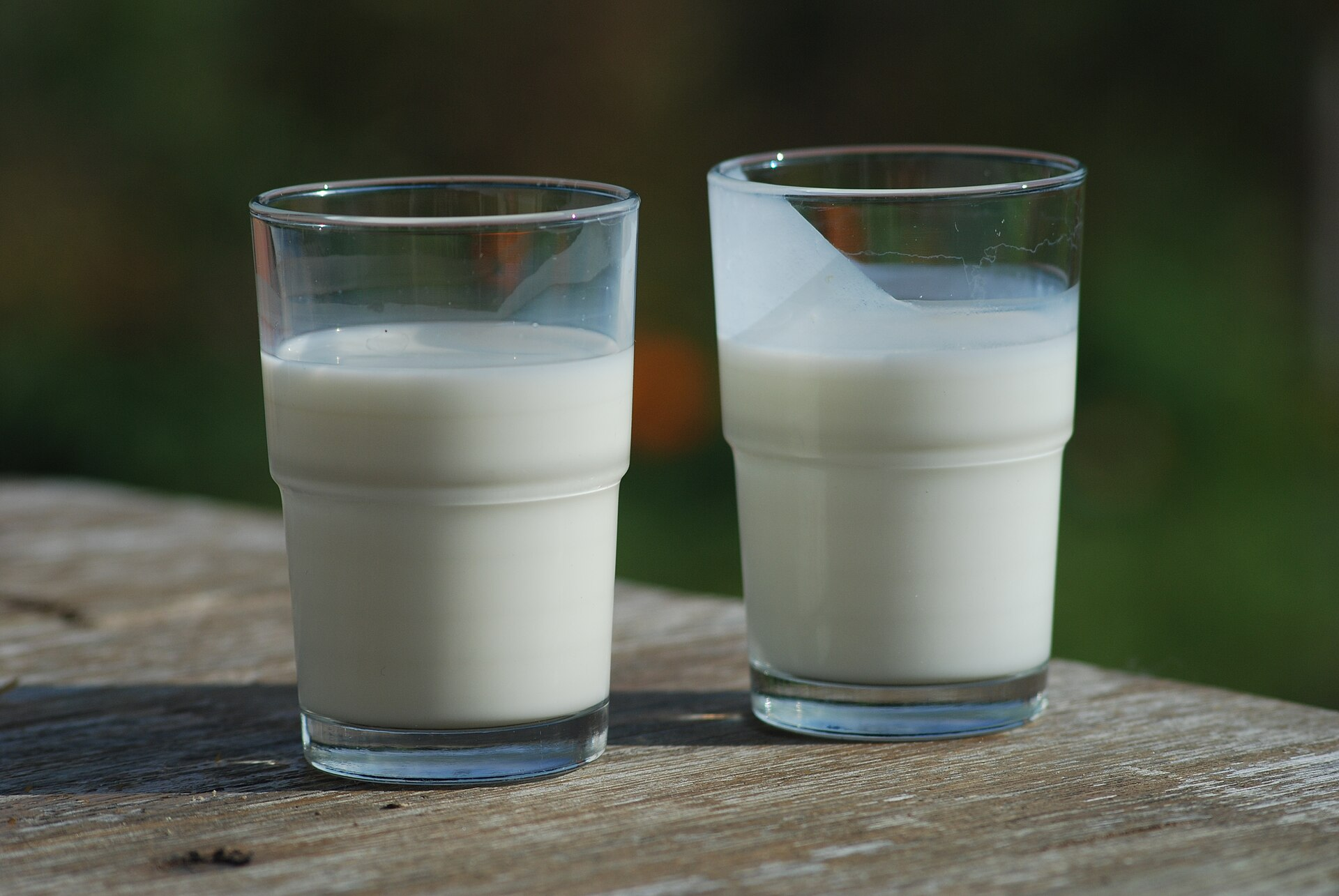
Plain buttermilk — tangy, thick, and sour — was once commonly drunk, and kids would down a glass as a normal beverage. The sour, cultured drink was an ordinary part of the diet. Today, the idea of drinking plain, sour buttermilk is deeply unappealing to most children, who associate it (if at all) only as a baking ingredient. The tangy sourness that earlier generations enjoyed as a beverage is exactly what modern kids reject. Drinking buttermilk’s shift from a normal childhood beverage to something today’s kids find strange and sour captures how even basic drink preferences have transformed across generations of American children.
Like our content? Follow us for more.