

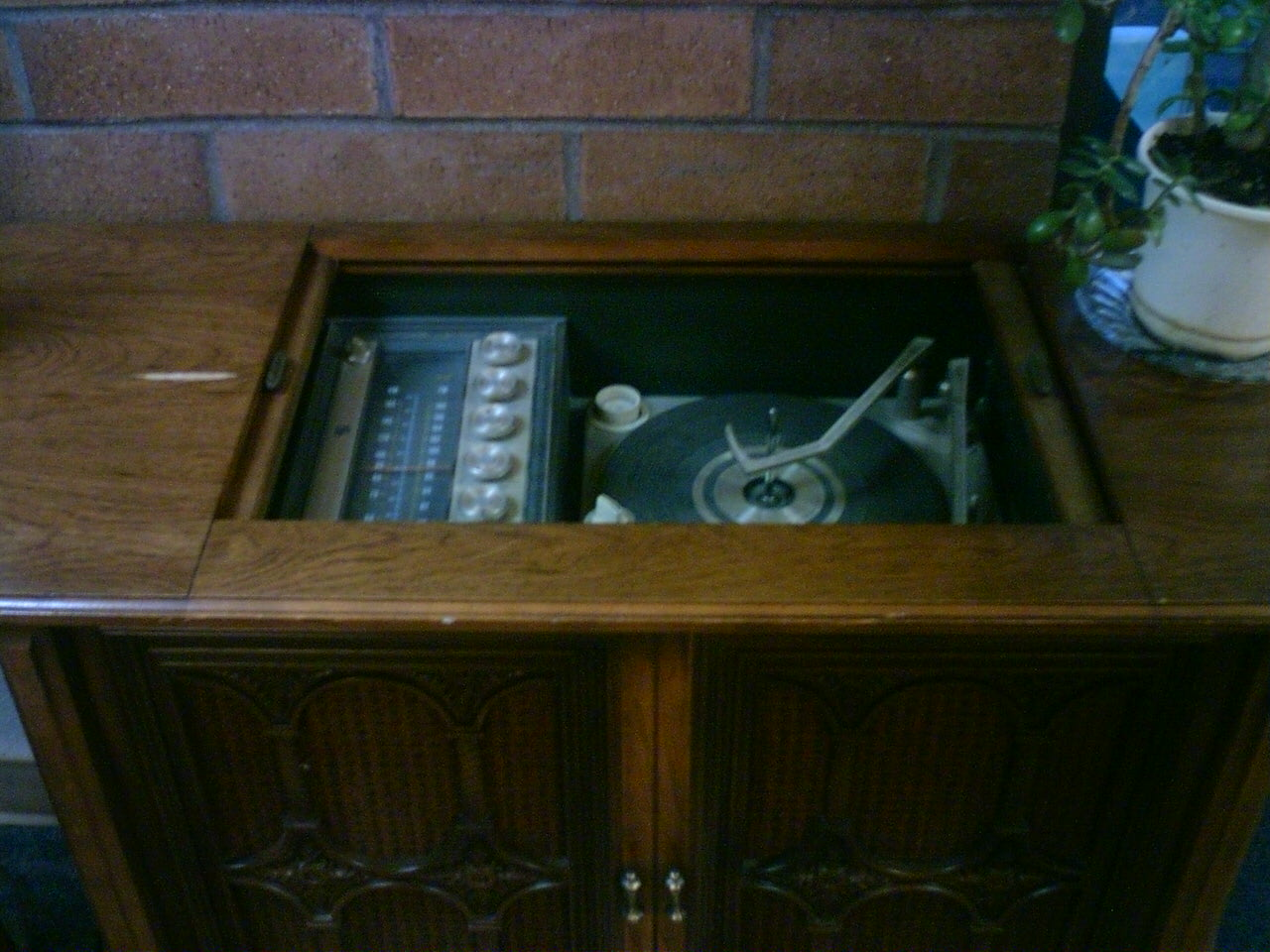
In 1974 the music in an American living room came out of a six-foot wooden cabinet on legs, bought from a furniture department, chosen to match the dining set.
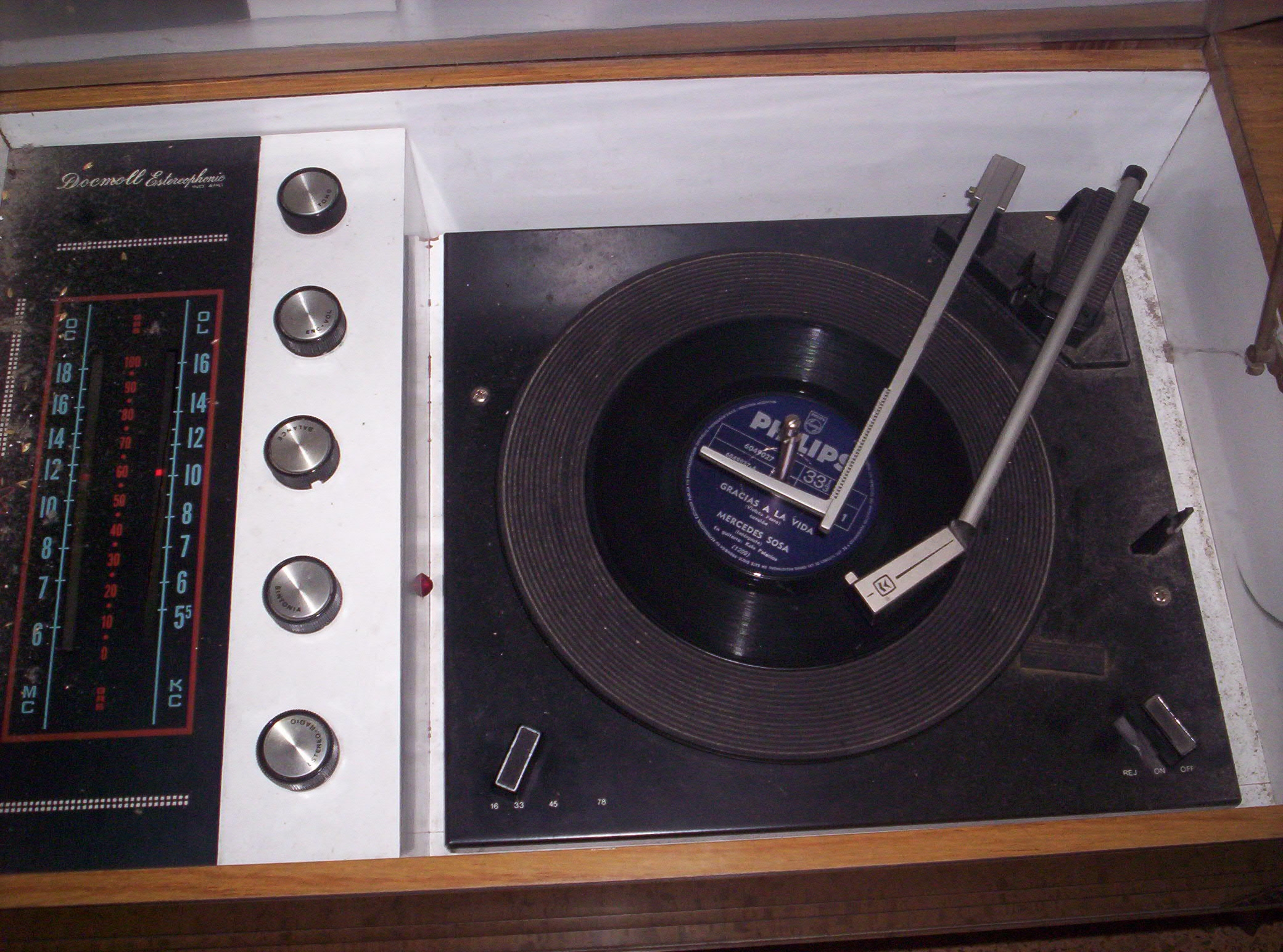
The lid lifted to reveal a turntable that stacked six records and dropped them onto each other. The two speakers were built into the ends, about four feet apart, and the box said stereo. Nothing in it could be replaced. And there was one volume knob for the whole household.
Here are fourteen things every living room hid inside the stereo console in 1974, and what replaced each of them.
1. It Was a Piece of Furniture First and a Machine Second
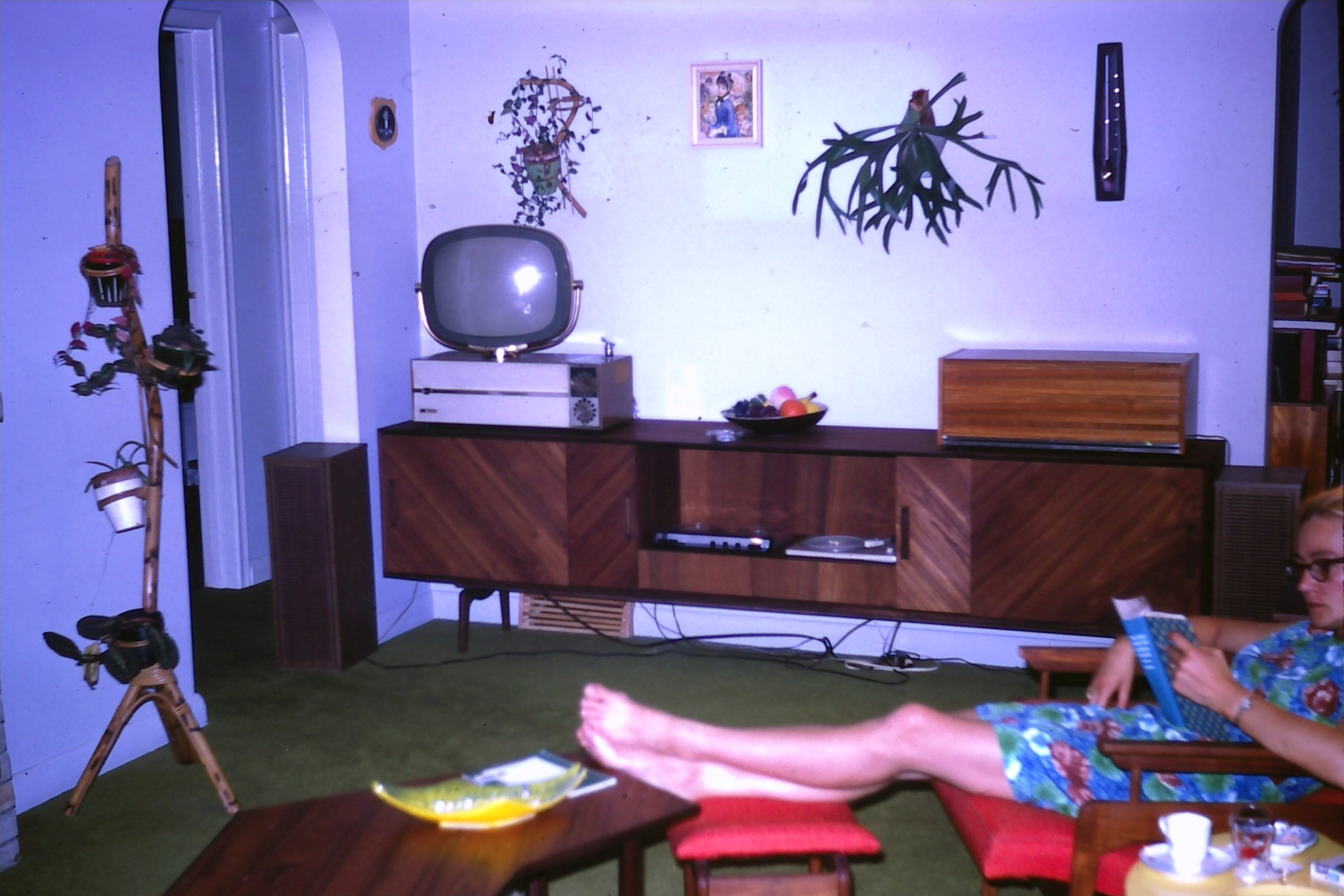
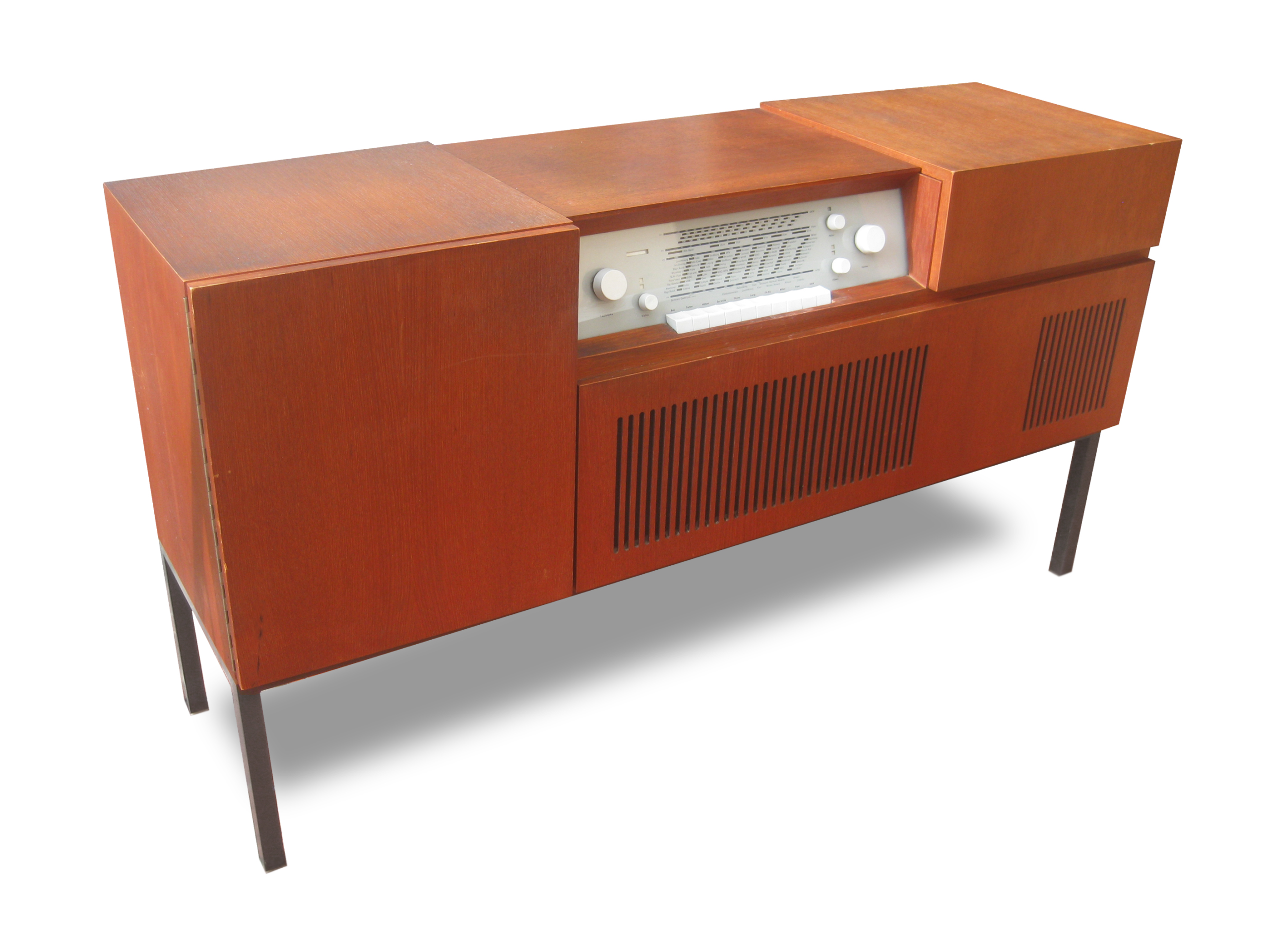
The console was a long low cabinet – six feet of veneered wood on legs, styled to match a dining set – that happened to contain a record player, a radio and two speakers. It was bought from a furniture department, not an electronics one.
Small separate devices, or nothing visible at all. The console was sold, delivered and placed as furniture, and its appearance mattered more to the purchase than anything about the sound.
That ordering explains the whole object. A household was buying a sideboard that played music, in a finish chosen to go with the room, and the engineering inside it was constrained by the need to fit a cabinet somebody would want in a living room – which is the opposite of how audio equipment has been designed ever since.
Like our content? Follow us for more.
2. The Lid Lifted Up and That Was the Whole Interface
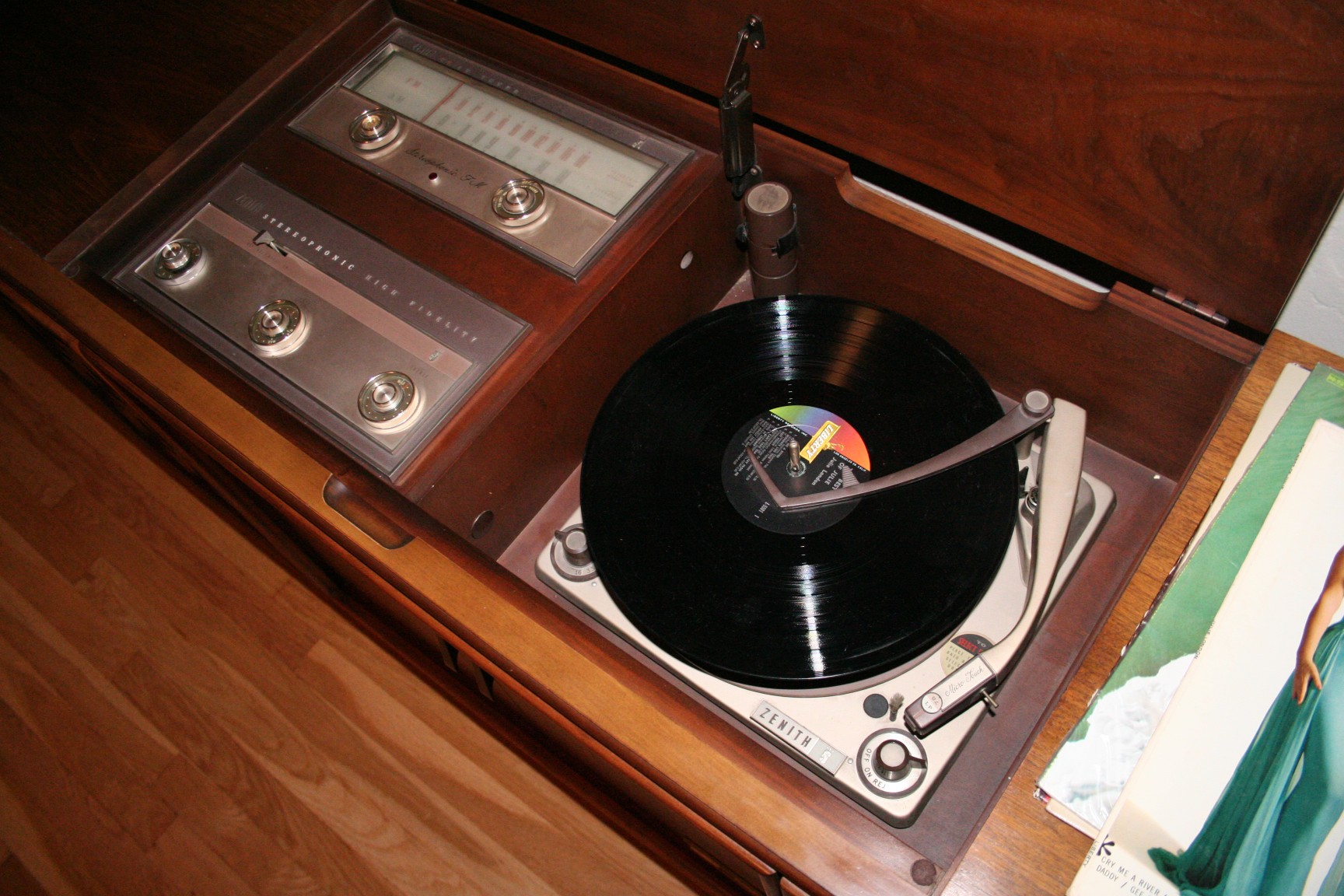
A hinged section of the top opened to reveal the turntable and the controls underneath, and closed flat when you had finished – so the machine was invisible when not in use.
Devices that are visibly devices. Hiding the mechanism under a lid was deliberate: a record player on display read as equipment, and equipment did not belong in a formal room.
It also meant the lid was a shelf, which is how these cabinets actually functioned day to day. Lamps, photographs, a bowl and a runner lived on top, and playing a record meant moving all of it first – which is a small amount of friction that measurably reduced how often anybody did it.
3. The Changer Stacked Six Records and Dropped Them One at a Time
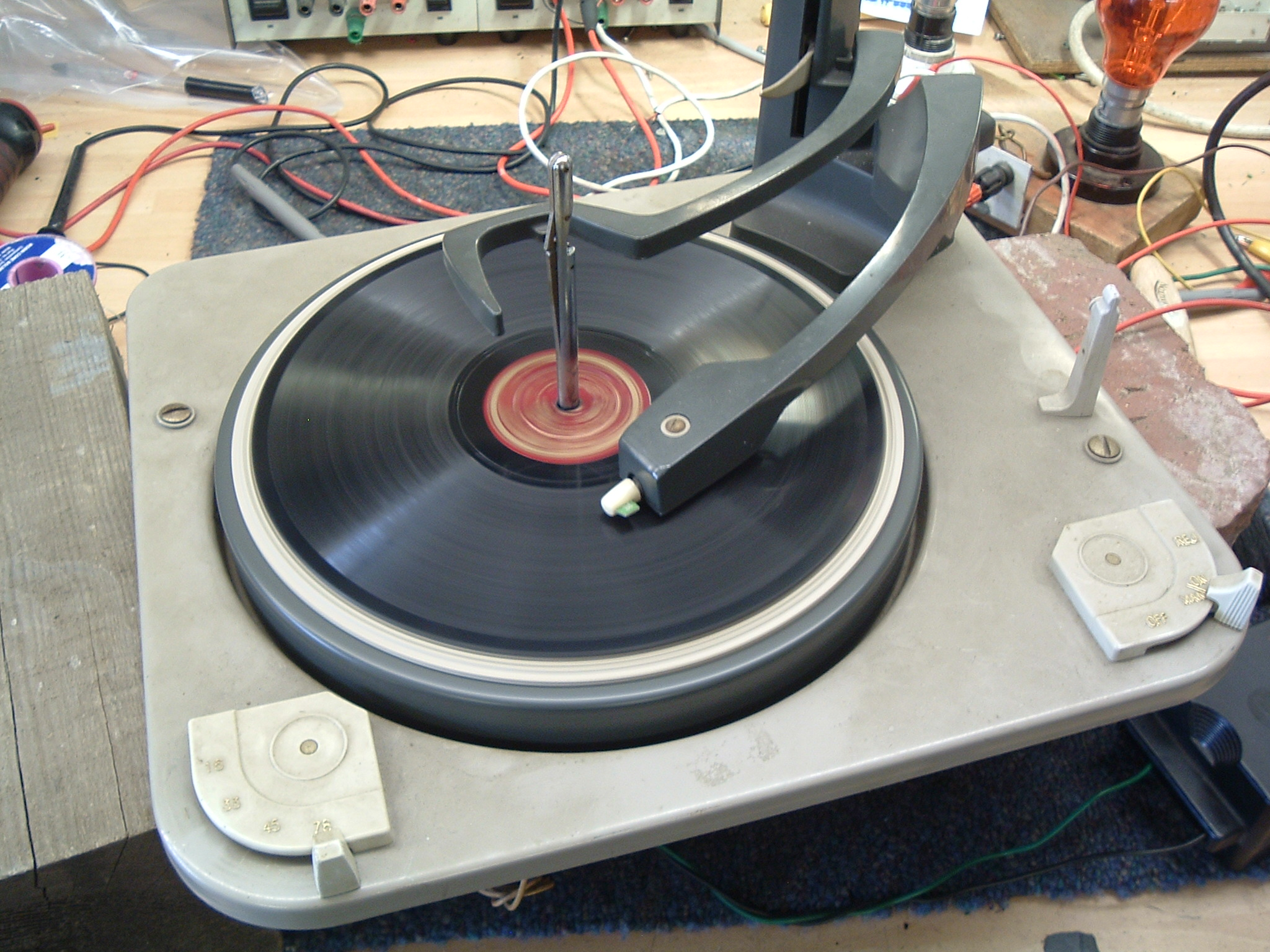
The turntable was an automatic changer: you loaded a stack of up to six records on a tall spindle, and as each finished the arm returned and the next dropped onto the one before it.
Single-play decks and digital queues. The changer gave continuous music for an hour or more with no attention, which is what a family wanted in a room where nobody was there to supervise it.
And it was straightforwardly bad for the records. Each one landed on the surface of the one below, spinning, and the whole stack sat weight-on-weight for the duration – so every record in a changer household accumulated scuffing on both faces from being played, which collectors can still identify at a glance.
4. The Cartridge Wore the Records Out and Nobody Replaced It
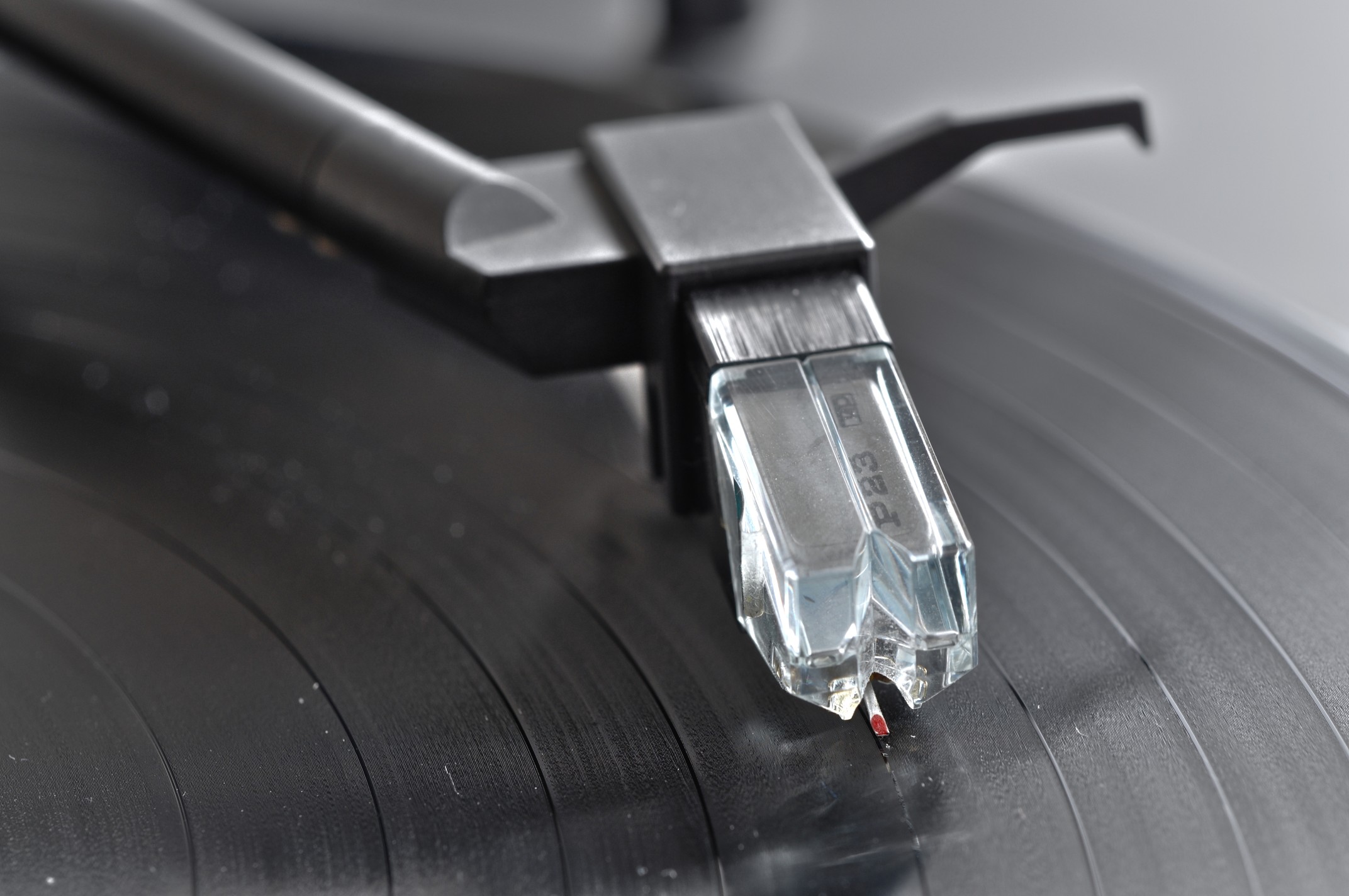
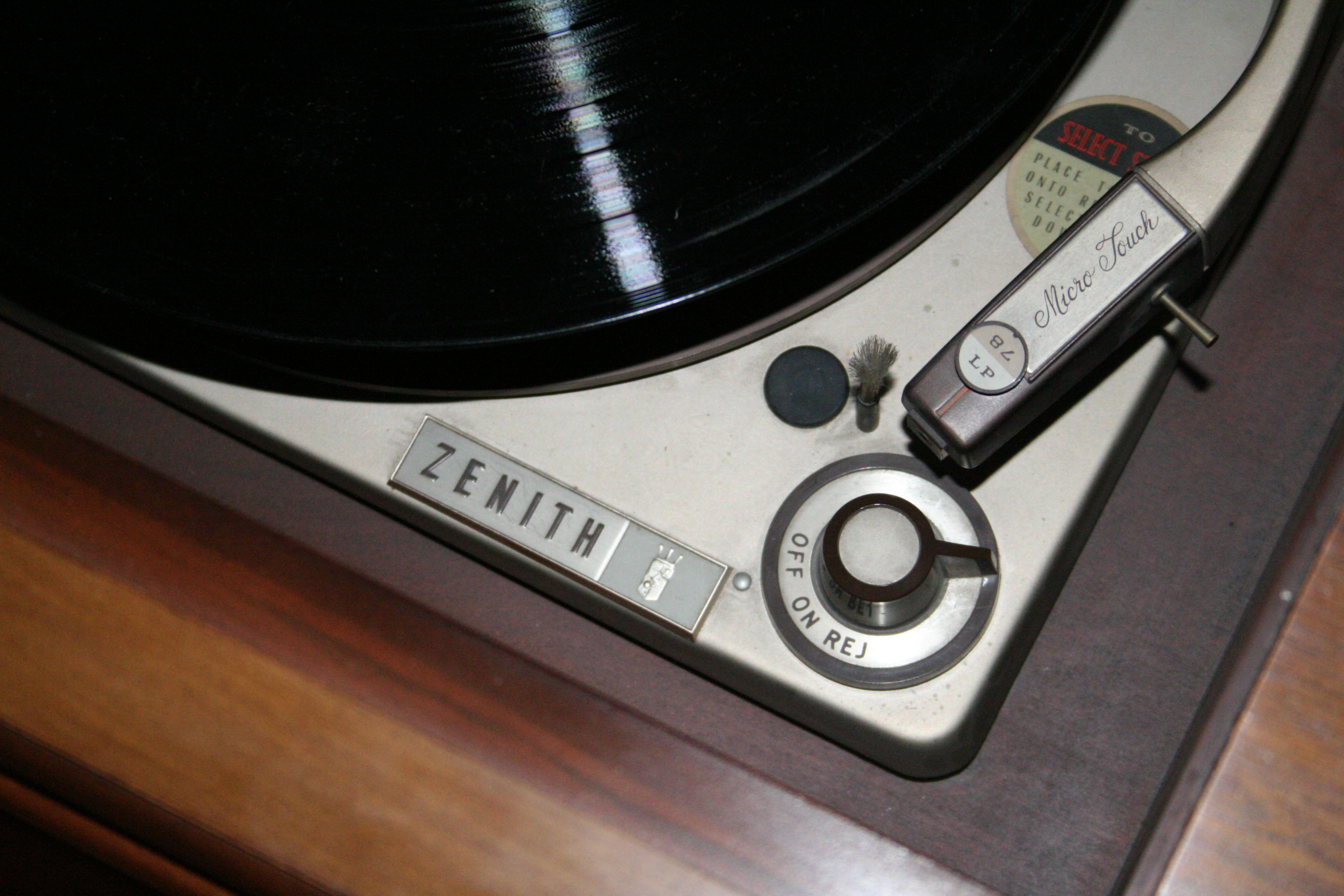
Consoles used heavy ceramic cartridges tracking at several grams – many times the weight a modern cartridge uses – because a heavy stylus is forgiving of a cheap arm and will not skip when somebody walks across the floor.
Light cartridges tracking at a fraction of that weight on properly balanced arms. The heavy tracking force was a design decision in favour of reliability over record life.
The consequence arrived slowly and invisibly. A stylus is a consumable that goes blunt, and a blunt stylus at several grams grinds the groove rather than following it – so a family that never changed the needle, which was most families, was progressively destroying their own collection while it sounded gradually worse in a way nobody could pinpoint.
5. The Speakers Were at the Two Ends and That Was the Stereo
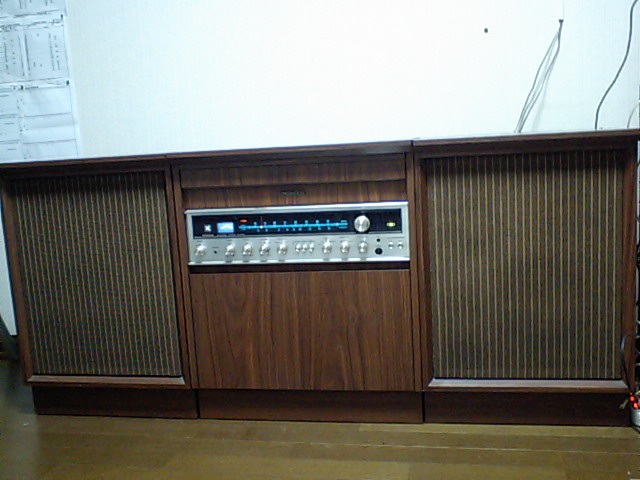
Separation was provided by mounting one speaker at each end of the cabinet, firing forward or down, perhaps four or five feet apart.
Properly separated speakers, headphones and spatial processing. Four feet of separation at a listening distance of twelve feet produces very little of the effect stereo is for.
The marketing was ahead of the physics and everybody involved knew it. The word stereo was doing enormous work on these cabinets, and what a listener actually got was a wide mono image with some instruments slightly left – which is why the arrival of real separated speakers in the same decade sounded so startling to people who had only heard consoles.
6. The Radio Dial Was Lit and Had a Pointer That Slid Across
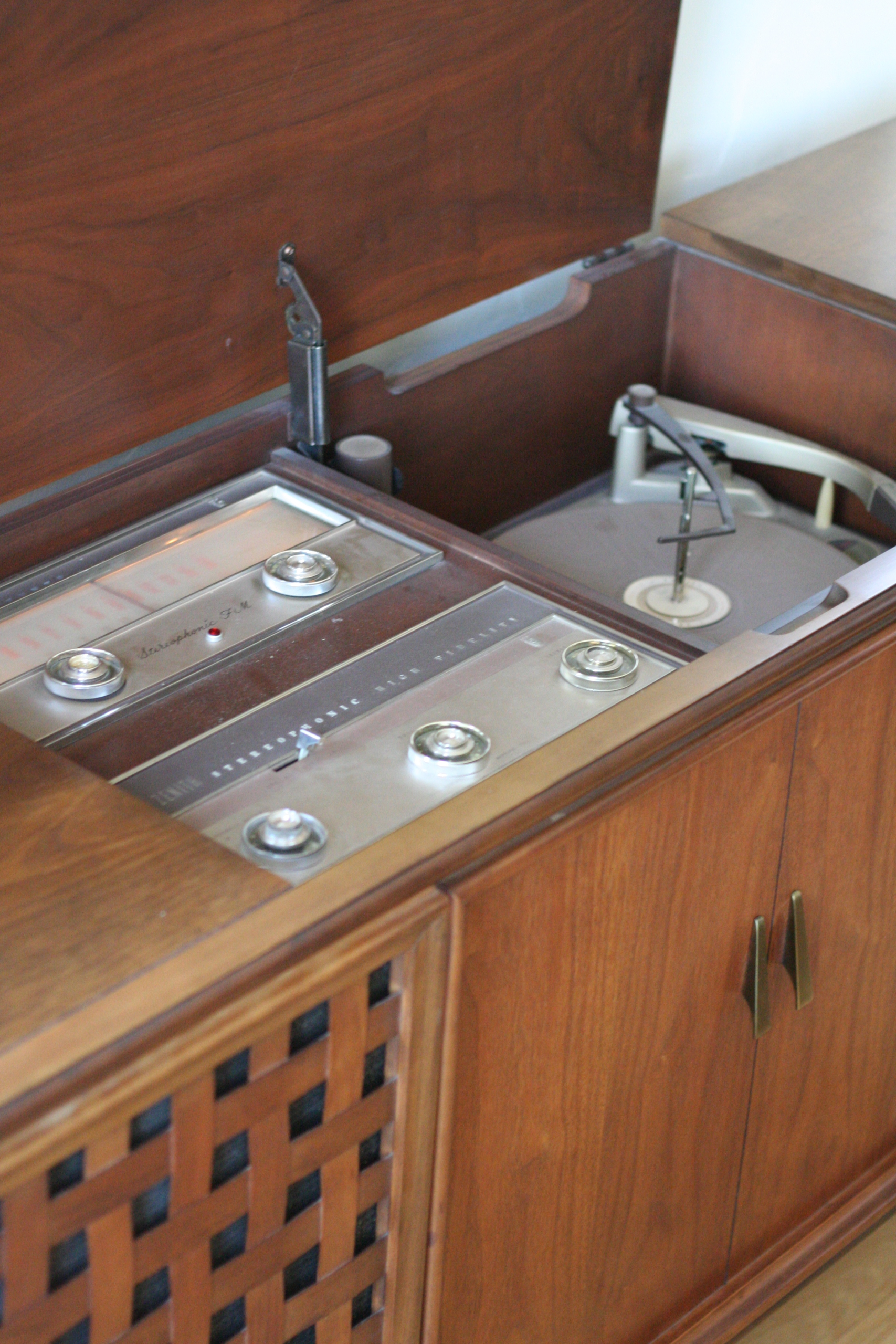
The tuner section had a long horizontal glass scale, illuminated from behind, with a pointer that travelled along it as you turned the knob, marked in frequencies and often with a magic-eye or signal indicator.
Digital tuning by numbers, and streaming with no tuning at all. The sliding pointer across a lit scale was the most visually appealing part of the object and the part children were drawn to.
It gave a sense of the dial as a place. Stations occupied positions on a physical scale that you learned by hand, you passed between them through noise, and the band had a geography – which is a relationship to radio that disappeared completely once tuning became entering a number.
7. There Was a Compartment for the Records Underneath
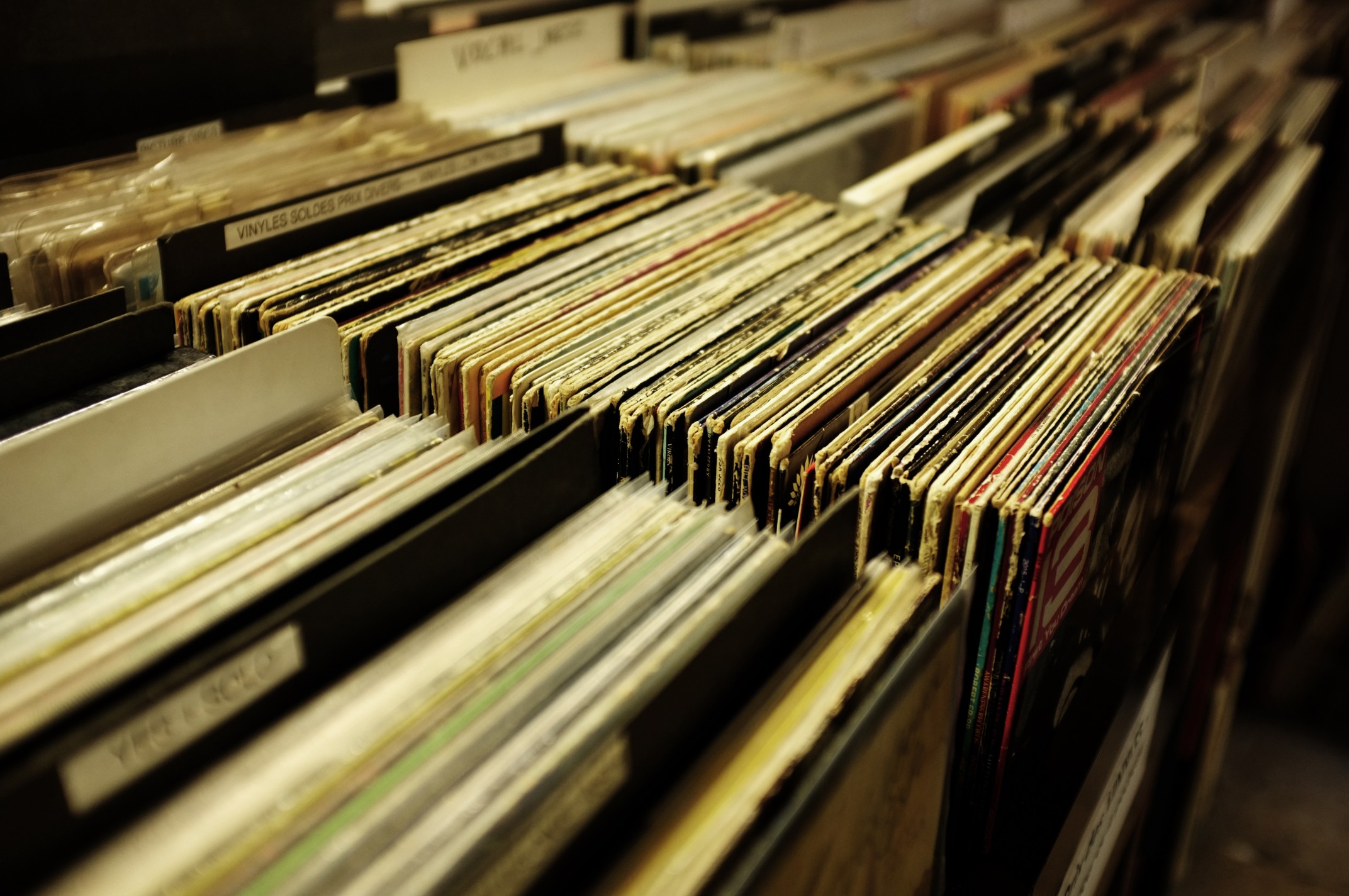
Below or beside the mechanism was a storage space with vertical dividers, sized for twelve-inch sleeves, holding perhaps thirty or forty records.
Digital libraries of unlimited size. The compartment was sized by the cabinet rather than by the collection, and it set a de facto limit on how many records a household kept to hand.
Which had a real effect on listening. A family’s active collection was whatever fitted in the console, so records competed for the space – and the ones that got displaced went into a closet or a basement and were effectively retired, because nobody plays a record they have to go and find.
8. Nothing in It Could Be Changed or Improved
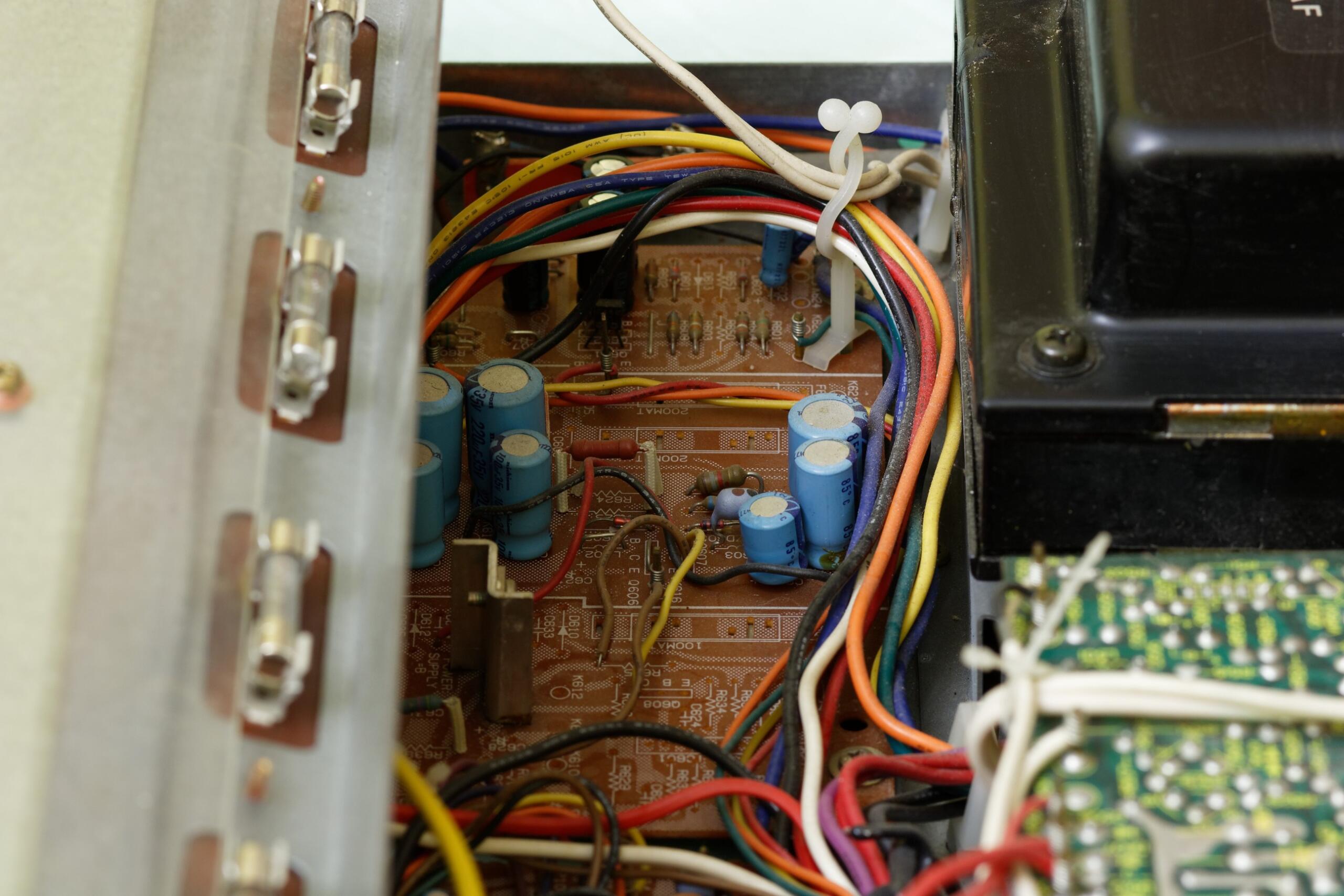
The amplifier, speakers, turntable and tuner were built in, wired together, and chosen by the manufacturer as a package. There were no connections for anything else and nothing could be replaced individually.
Modular systems and devices that connect to anything. The console was a sealed proposition: you bought that combination of components at that quality level, permanently.
And when one part failed the whole object became furniture. A dead amplifier in a console is not repaired by buying another amplifier, because there is nowhere to put one – so a great many of these cabinets spent their last decade in living rooms as a sideboard with a broken machine inside it, which is exactly what happened to them.
9. One Volume Served the Entire Room and It Was Negotiated
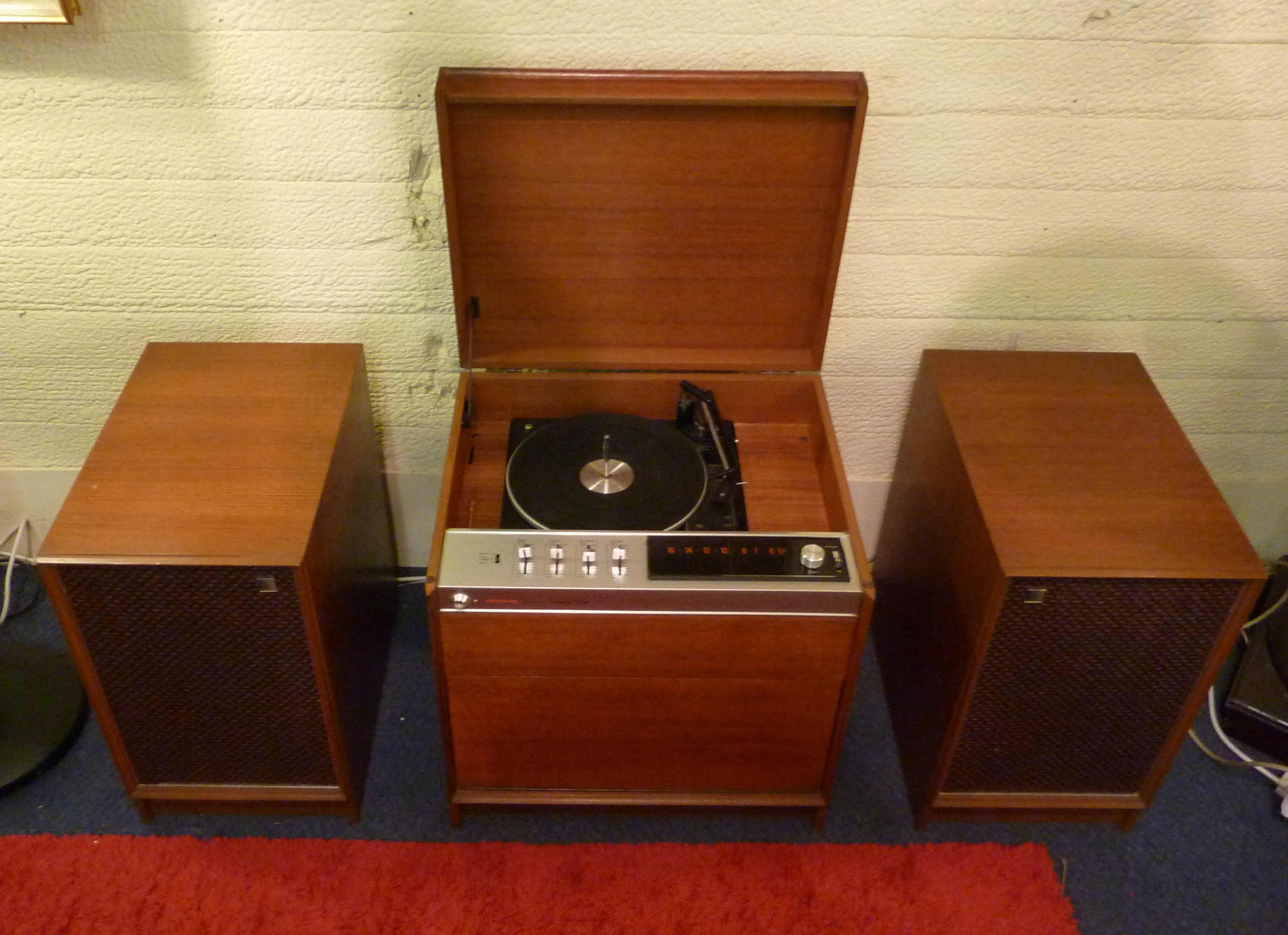
There was one set of controls, in one piece of furniture, in the room everybody used – so volume, station and record were a single shared decision with no private alternative.
Headphones, personal devices and multiple rooms. The absence of any private listening option is the social fact that mattered most about the console.
It made music a household matter rather than an individual one, with everything that implies. A teenager could not listen to anything their parents would not tolerate, at any hour, because there was one machine and it was in the living room – which is precisely the constraint that made the portable radio and later the personal stereo feel like liberation.
10. When It Broke, a Man Came to the House
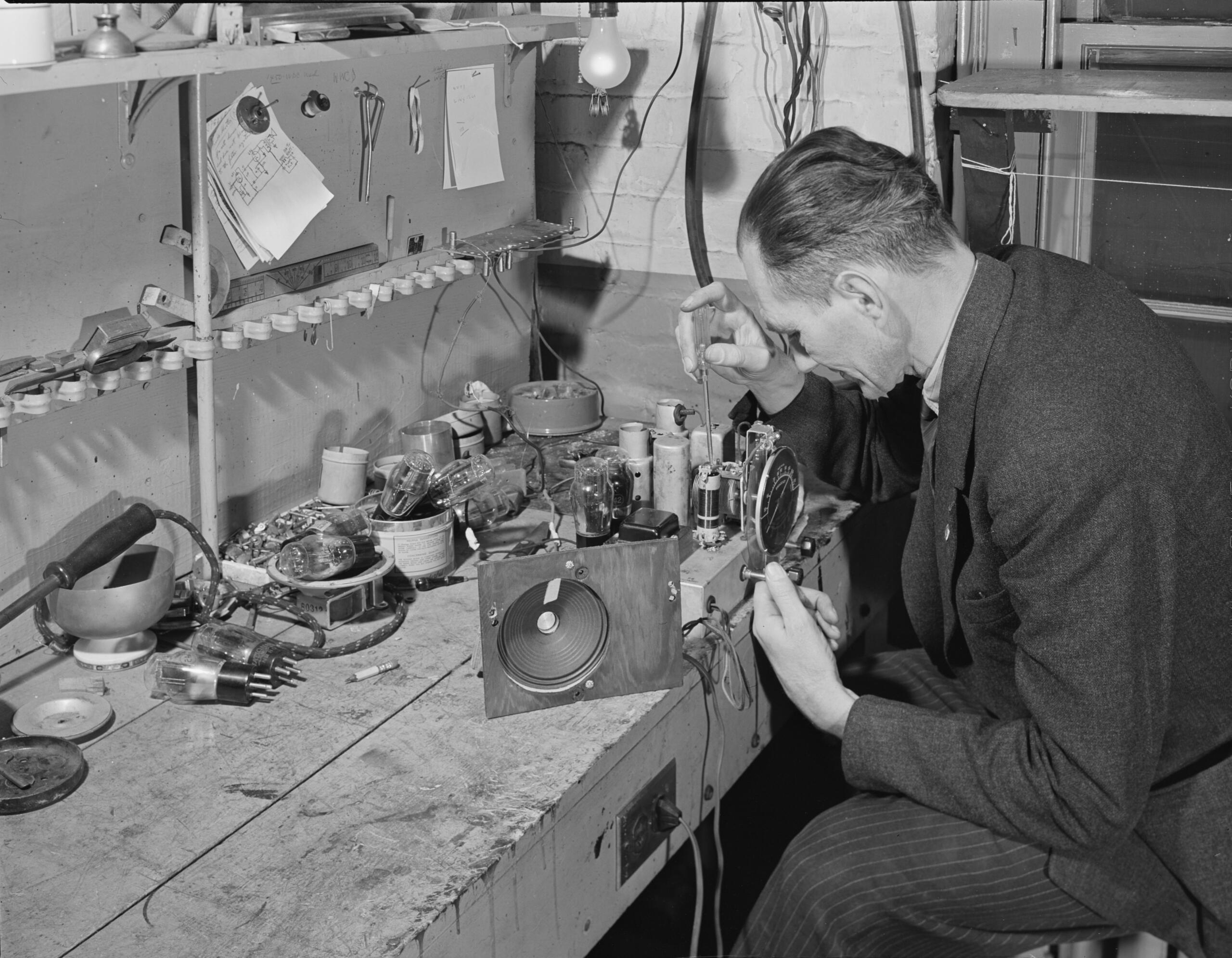
Repair meant telephoning a dealer or a service shop and arranging a visit, because the object weighed a couple of hundred pounds and could not be taken anywhere.
Replacement, generally, with repair confined to specialists and enthusiasts. In-home service was a normal expectation for large appliances and furniture-scale electronics.
The economics made it sensible at the time. The cabinet cost a significant fraction of a month’s income, components were discrete and replaceable, and a technician with a case of valves and parts could fix most faults in a living room in an hour – which stopped being true the moment the cost of the visit approached the cost of a new machine.
11. It Was Styled to Hide What It Was
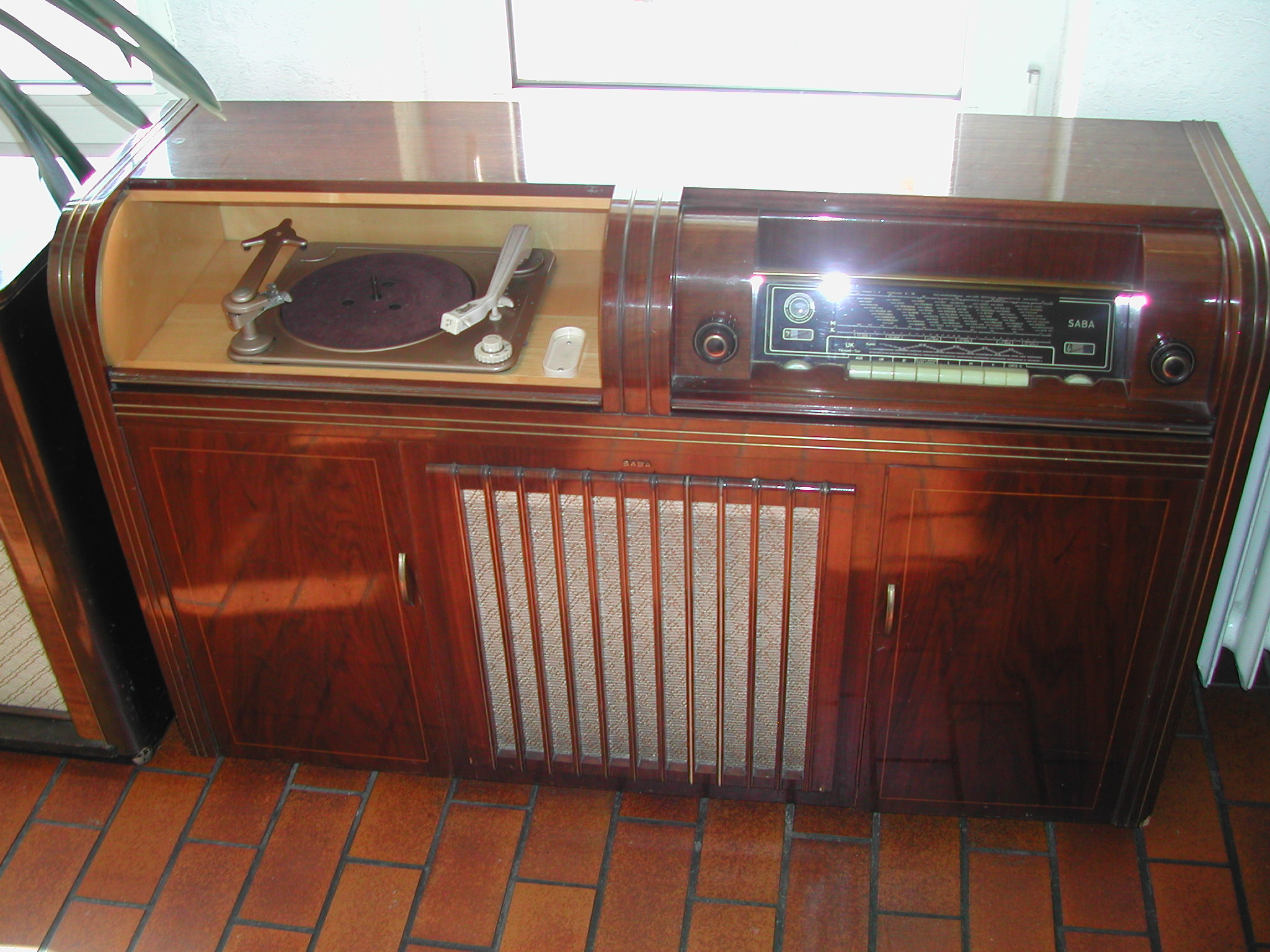
Cabinets came in colonial, Mediterranean, Danish modern and provincial styles, with turned legs, brass pulls, fretwork grilles and matching finishes – designed so the machine read as a credenza.
Equipment that looks like equipment, in black or silver, treated as a device rather than as decor. The styling was the competitive battleground between manufacturers.
Which is why they date so precisely and so badly. An object styled to match a 1972 dining suite is unsalvageable once that suite is out of fashion, in a way that a plain black box is not – and it is the single biggest reason almost none of these survived, since a dated cabinet with a broken amplifier in it has no argument for occupying six feet of a wall.
12. The Sound Was Genuinely Not the Point
Consoles were tuned for a warm, bass-heavy, undemanding sound that filled a room pleasantly at low volume from across it, rather than for accuracy at a listening position.
Equipment designed and reviewed on fidelity, measured and compared. The console’s voicing was a deliberate choice suited to its actual use, which was background music in an occupied room.
And by that standard it worked well, which the hi-fi argument tends to obscure. Nobody sat in front of a console to analyse a recording; it played while people talked, ate and moved around, and a warm indistinct sound at moderate volume is the right engineering answer to that job. It was simply a different job from the one the next decade decided mattered.
13. Then Component Systems Arrived and Won on Every Axis
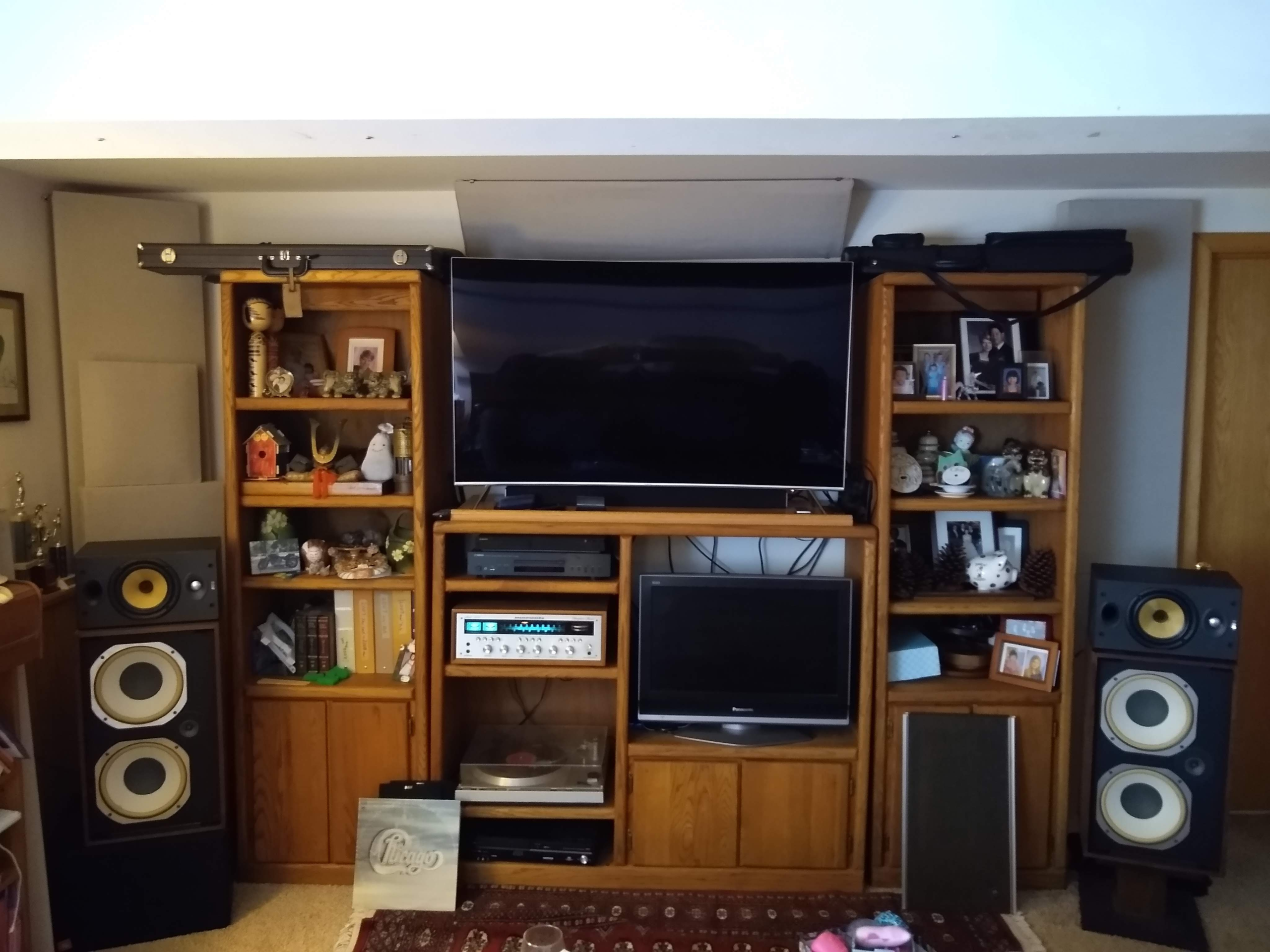
Separate turntables, receivers and speakers appeared through the 1970s at prices a household could reach, sold in electronics shops to people who wanted to compare specifications.
The same logic, now applied to streaming sources and powered speakers. Components beat the console on sound, on upgradeability, on repairability and on speaker placement, all at once.
The decisive advantage was the one that is easiest to overlook, which is that you could move the speakers. Two speakers eight or ten feet apart produce the stereo image the console could never deliver, and that single change – placing the sound sources where the room wants them rather than where the cabinet allows – was audible to anybody in the first ten seconds, which is why the console was finished inside about five years.
14. Then the Shape Came Back With Nothing Inside It
The whole object rested on a household wanting one piece of furniture that played music, chosen to match a room, in an era when a formal living room was not supposed to contain visible machinery.
Low wooden credenzas, styled in Danish modern lines, sold now as media units and record storage – and a parallel trade in genuine consoles gutted and rebuilt with modern electronics and a streaming connection inside the original cabinet.
Which is a precise inversion worth sitting with. The console existed because people wanted the machine hidden inside good furniture, and it died because the machine was not good enough. Now the machinery is excellent, invisible and free of any cabinet at all – and people are buying the cabinet back, empty or converted, purely for the look of a time when the furniture had to come first. The thing that killed it has been separated from the thing that sold it, and the market kept the part that was never the point.
The Furniture Won in the End, Which Is the Joke
The console lost to component systems in about five years, and it lost fairly. Separate turntables, receivers and speakers were better in every direction that could be measured.
But the decisive advantage was not a specification. It was that you could pick the speakers up and put them somewhere else.
Everything about the console’s sound followed from the fact that both speakers were bolted into one cabinet four or five feet apart, firing at a room from a single position against a wall. Stereo needs separation – two sources far enough apart that the ear can place things between them – and a sideboard cannot provide it at any price. The word was on the lid and the effect was not in the room.
Two speakers eight feet apart changed that audibly in the first ten seconds, to anybody, with no training. That is a rare thing in audio, where most improvements require careful listening and some argument. This one did not, and the console had no answer.
So it went, and its other weaknesses went with it: the heavy cartridge grinding the records, the changer stacking them face to face, the sealed construction that made a single failure fatal, the styling that dated the whole object the moment the dining suite did.
And then the shape came back.
Low wooden credenzas in Danish modern lines are sold now as media units and record storage, and there is a working trade in original consoles gutted and rebuilt with modern electronics and a streaming connection hidden inside the period cabinet.
Which is the exact inversion of the original deal. The console existed because households wanted the machinery concealed inside furniture that suited the room, and it died because the concealed machinery was not good enough to justify the concealment.
Now the machinery is superb, nearly invisible, and needs no cabinet whatsoever. And people are buying the cabinet.
Empty, or converted, for the appearance of an era when the furniture came first and the engineering had to fit inside it. The part that failed has been quietly removed, and the part that was never the point is the part that survived.
If your family had one, there was a lamp and a bowl on top of it and playing a record meant moving both.
And nobody changed the needle, not once, in twelve years.
Like our content? Follow us for more.
