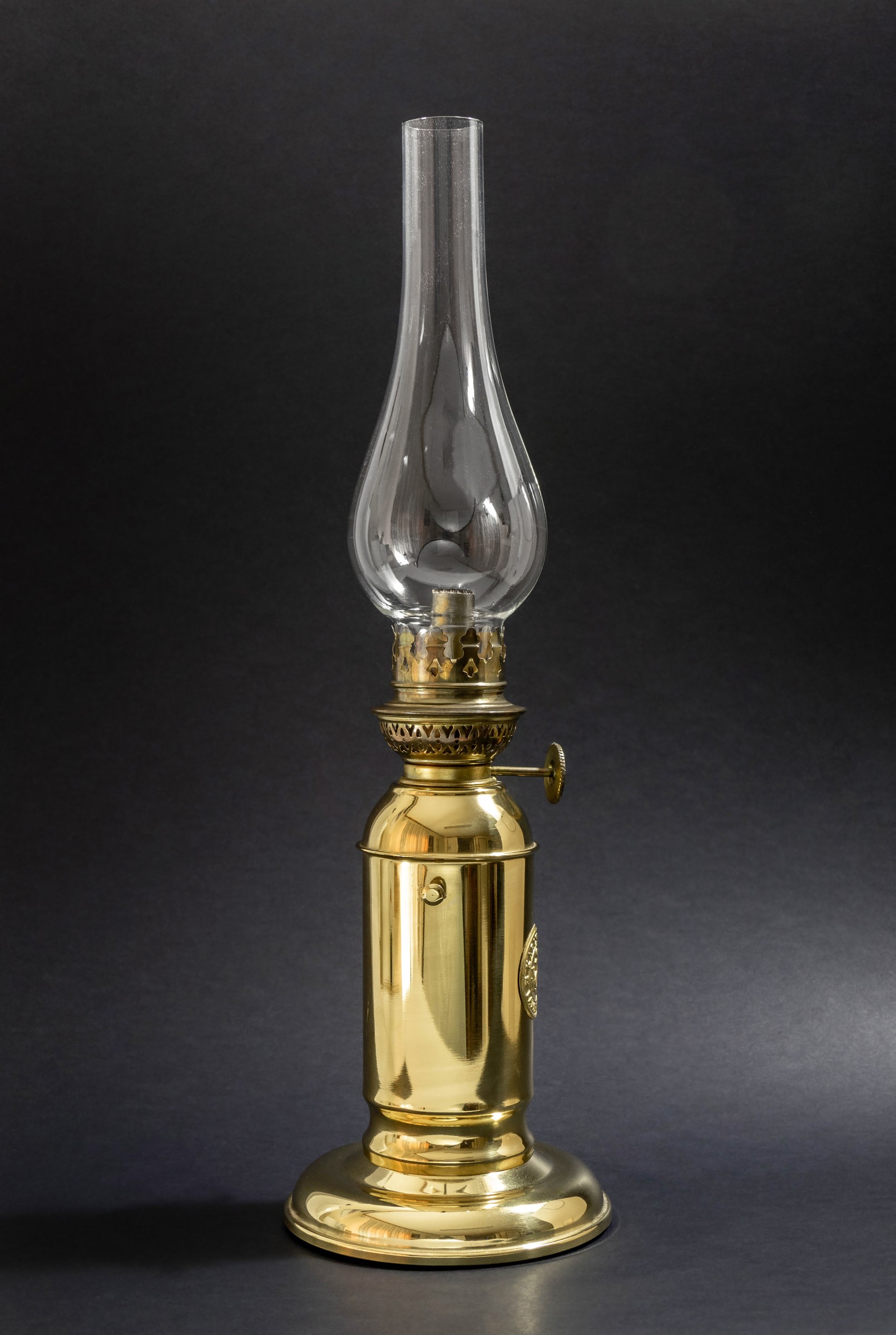
In 1974 an American household had a shelf of things for when the power went out, and every item on it had been thought about.
A kerosene lamp, kept filled, with a clean chimney and the wick already trimmed flat – because a wick develops a carbonised ridge and burns ragged, which is where the phrase about trimming a lamp comes from. Candles in holders with a drip pan and a finger loop, for carrying. Matches in a tin, in a known dry place, because damp matches defeat everything else in the house.
A flashlight that probably did not work. A battery radio, which was the only way to find out anything. And a telephone on the wall that simply kept working. Here are fourteen things every family kept.
1. A Kerosene Lamp, Filled, With the Wick Already Trimmed
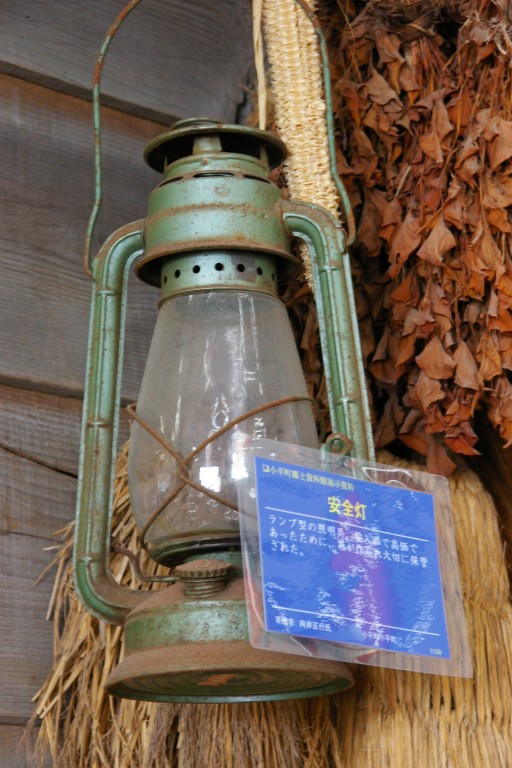
Somewhere in the house – a high shelf, the back of a closet, the top of the cellar stairs – stood a glass lamp with a brass burner, kept filled, with a clean chimney and a wick ready to light.
Nothing in the overwhelming majority of American houses. Oil lamps survive as decoration, as emergency equipment in a small minority of rural households, and as camping gear.
Keeping it filled was the whole discipline, and it was a discipline because an empty lamp is useless at exactly the moment it is wanted. A household that checked the lamp twice a year was prepared; one that did not had an ornament, and a great many families discovered which they were in the dark.
Like our content? Follow us for more.
2. The Chimney Was Not Decoration
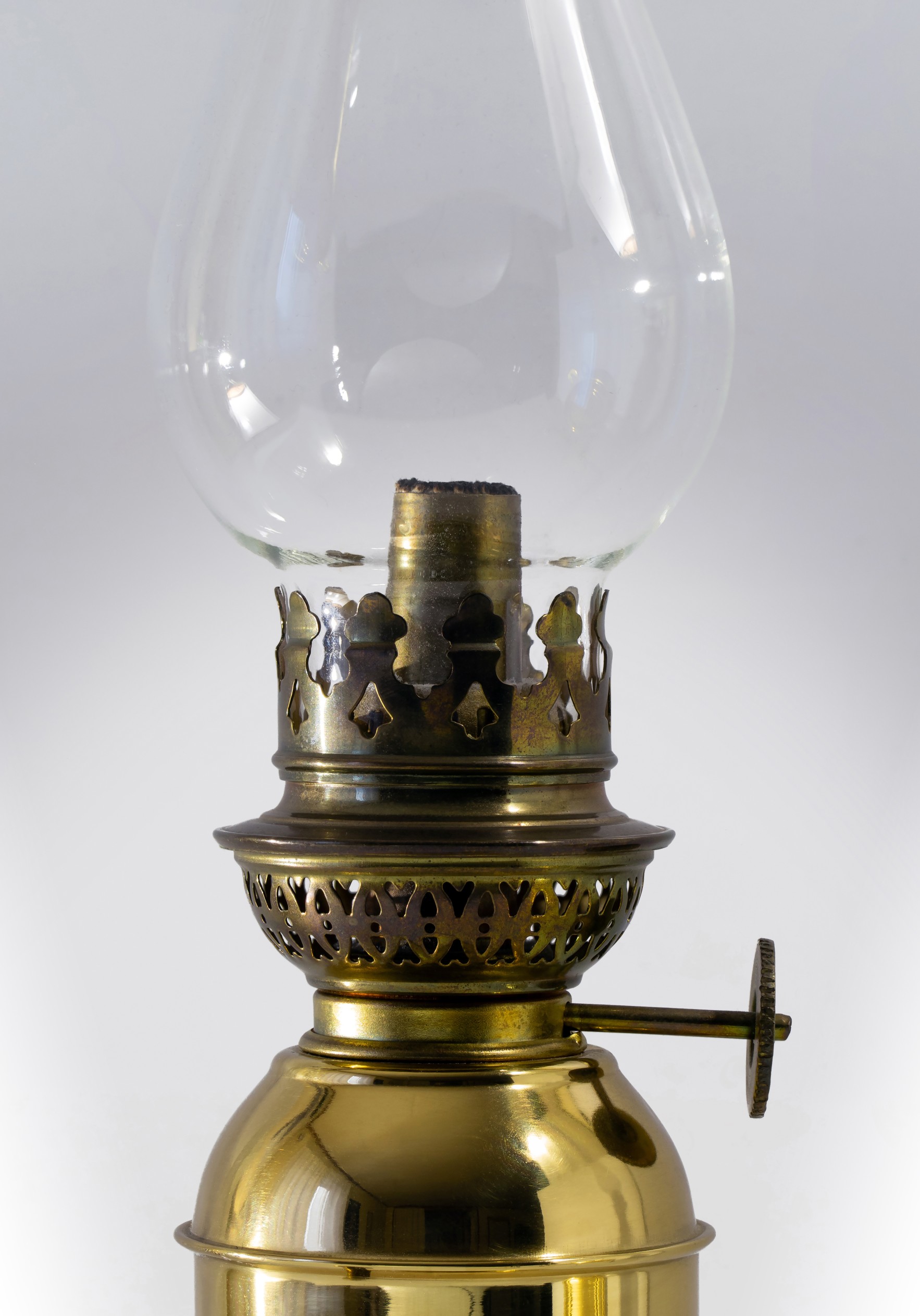
The glass chimney above the flame did real work: it created a draught that drew air up past the wick, which is what gave a steady bright flame rather than a smoky yellow one.
Nothing in ordinary use, with the principle surviving in camping lanterns and in the small market for working oil lamps.
A lamp without its chimney burns badly and smokes immediately, which surprises people who assume the glass is a guard. The flame needs a column of moving air around it, the chimney supplies it by convection, and the whole quality of the light depends on that one piece of fragile glass being in place and clean.
3. The Wick Had to Be Trimmed Flat, Which Is Where the Phrase Comes From
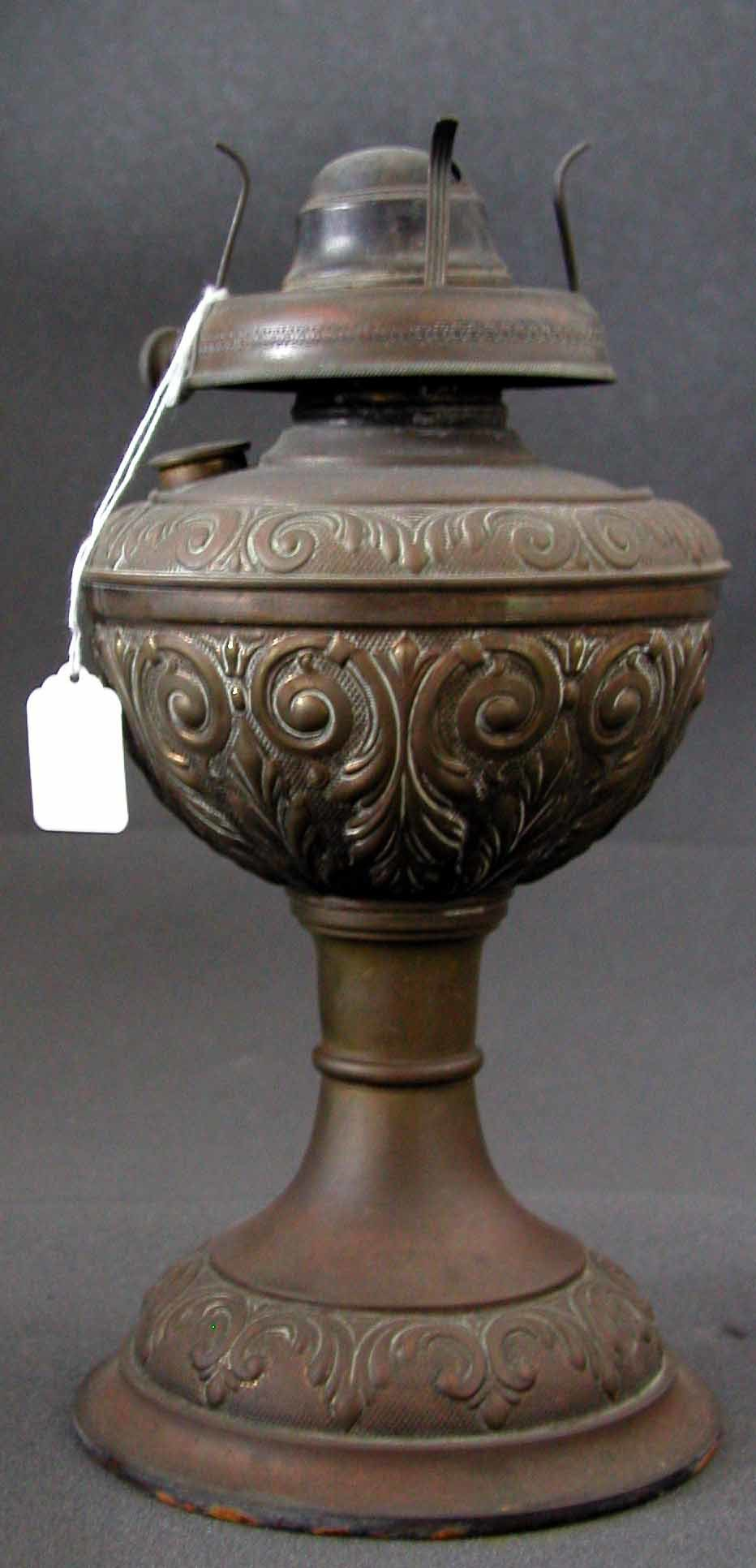
A wick burned unevenly, developing a carbonised ridge that threw a ragged smoky flame – so it was trimmed straight across with scissors before each use, which is the origin of the expression about trimming a lamp.
Nothing, and the phrase survives in ordinary speech long after almost nobody has done the thing it describes.
The trimming was a skill with a correct answer. Straight across gives a flat even flame, a slight curve at the corners reduces the points that smoke, and too much trimming wastes wick – so households had a view on it and taught it, in the same way they taught sharpening a knife.
4. Candles, and Somewhere to Stand Them
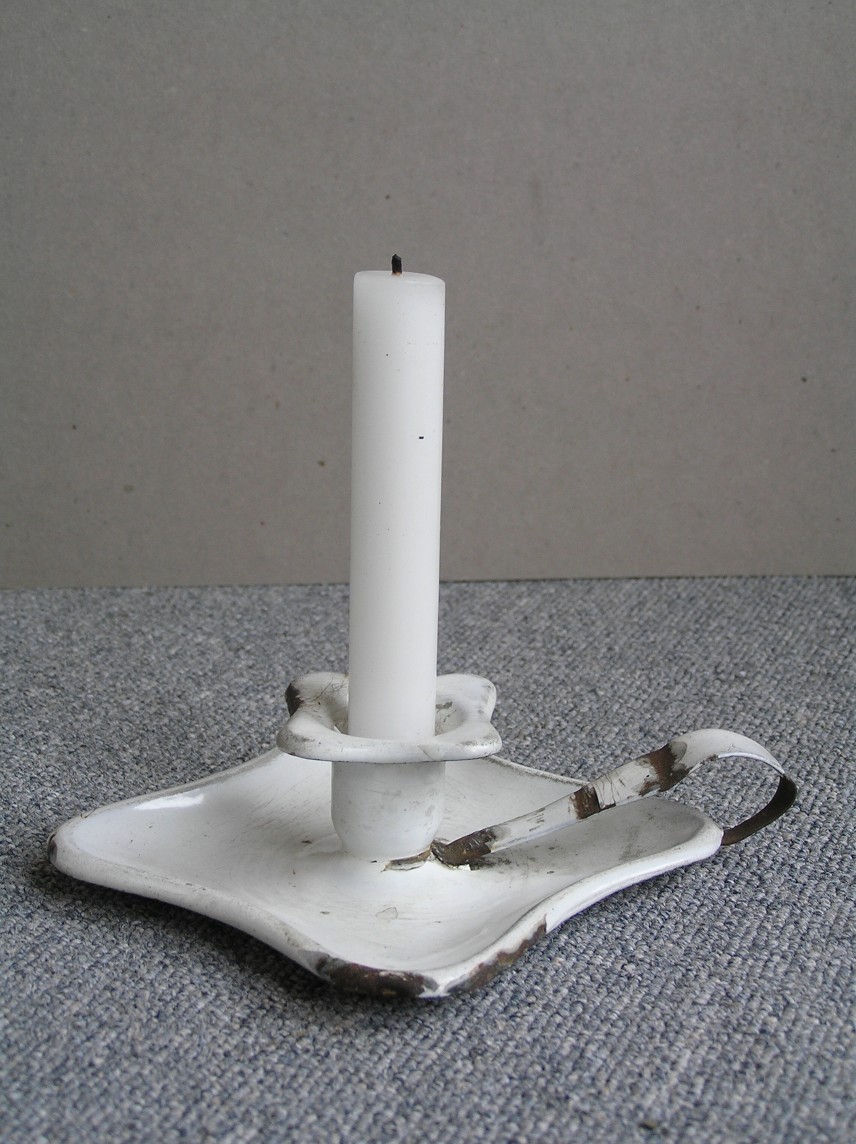
Alongside the lamp were plain candles and something to hold them – a metal holder with a drip pan and a finger loop, a saucer, or a bottle that had been used for the purpose before.
Candles in most houses, bought for atmosphere rather than for light, and generally in containers rather than in holders designed to be carried.
The carrying is the distinction. A candle for ambience sits on a table; a candle for a power failure has to be moved from room to room by somebody with their hands full – which is why the holders of the period have a loop for a finger and a wide pan, and why modern candles are nearly useless for the job.
5. Matches, in a Metal Box, Kept Dry
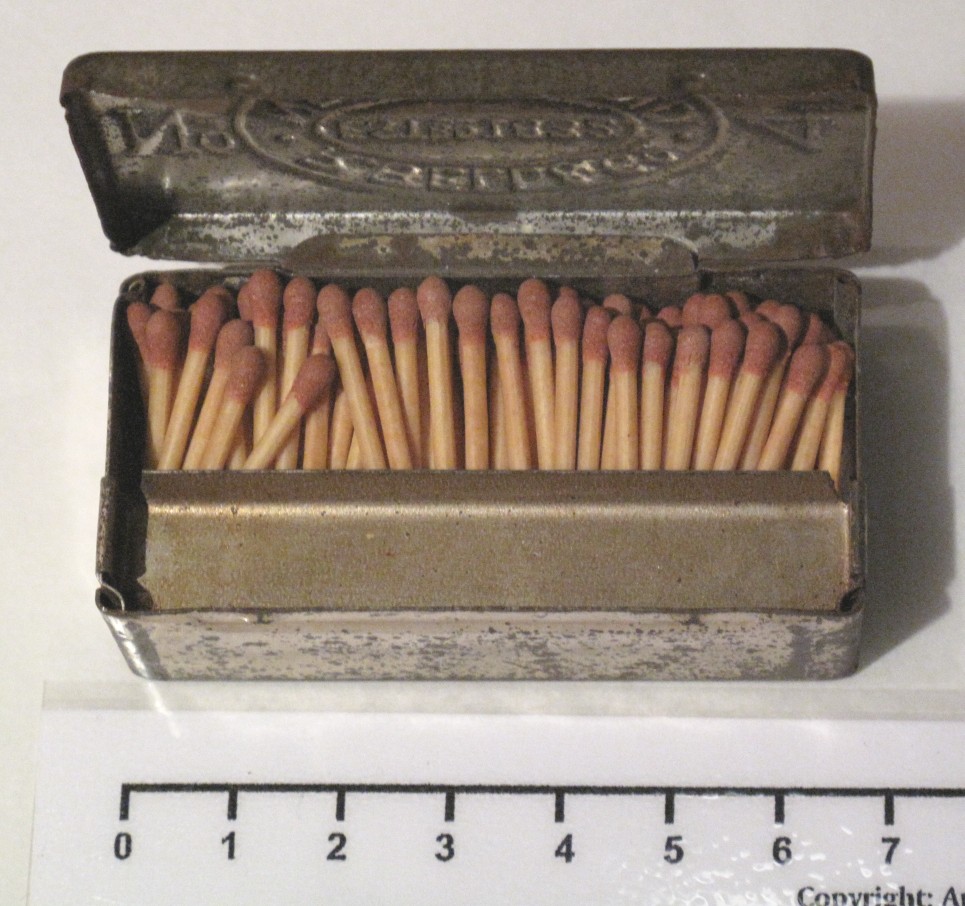
Matches were stored deliberately: a quantity of them, in a tin or a glass jar with a lid, in a known dry place – because damp matches are the one failure that defeats every other preparation in the house.
Matches and lighters in most kitchens, stored casually, in quantities nobody has counted, with no dry store and no designated location.
Households thought about this properly because the dependency is total. A filled lamp, a trimmed wick, candles and a stocked shelf are all worthless without ignition – so matches were the one item that got a sealed container and a specific place, and a box of damp matches was a story people told for years.
6. The Flashlight, Which Was Probably Flat
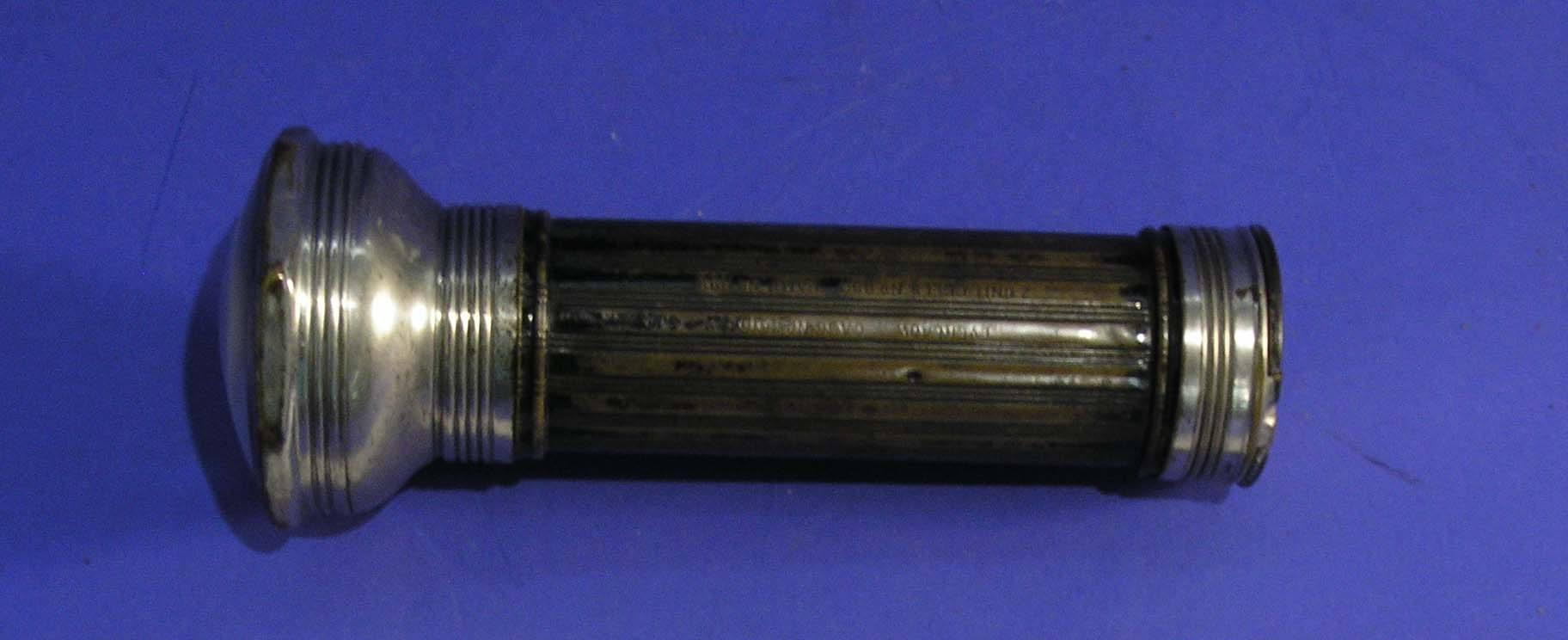
There was a flashlight in the drawer, and in a great many households it did not work – because its cells had been left in it and had run down or leaked while nothing was happening.
Multiple reliable lights per household plus a charged telephone in every pocket, which has made the dead emergency flashlight a largely historical phenomenon.
The flashlight is included here specifically because it was the most reached-for and least reliable item on the shelf. Everybody tried it first, it was a coin toss whether it worked, and that experience is why the lamp and the matches were kept despite being far more trouble to use.
7. A Radio That Ran on Batteries
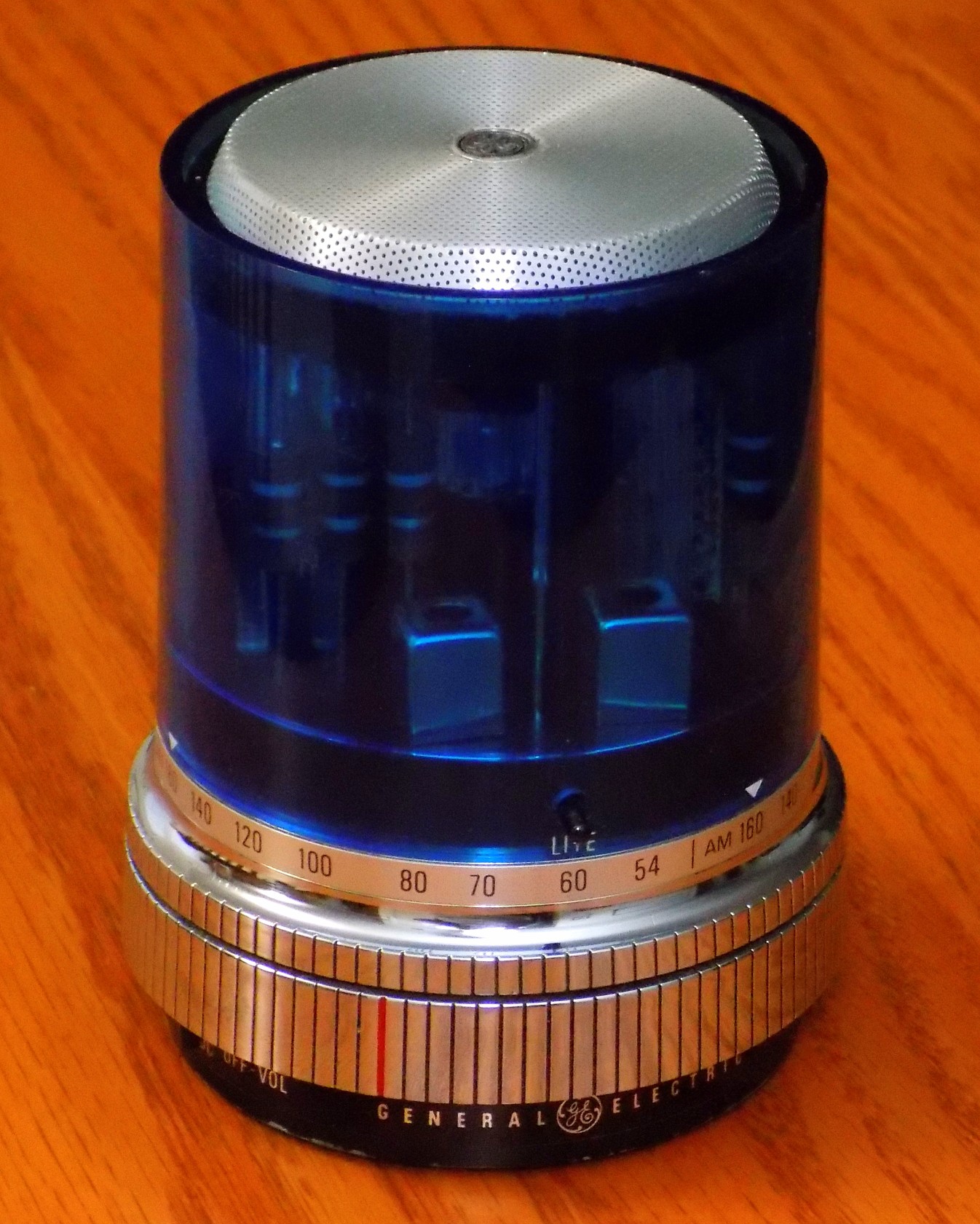
A portable radio was part of the kit, and in an outage it was the household’s only source of information – whether the failure was local or wide, whether a storm was still coming, and whether anybody had said how long it would be.
Phones with batteries, carrying far more information, until the battery runs out or the network itself loses power – and a battery radio in a small number of prepared households.
The radio mattered because broadcasting kept working when the grid did not. A transmitter on a generator reaching receivers that run on their own cells is a system with no shared point of failure, which is precisely why it was the thing people reached for and why it still is in serious emergencies.
8. Some Way of Heating Something
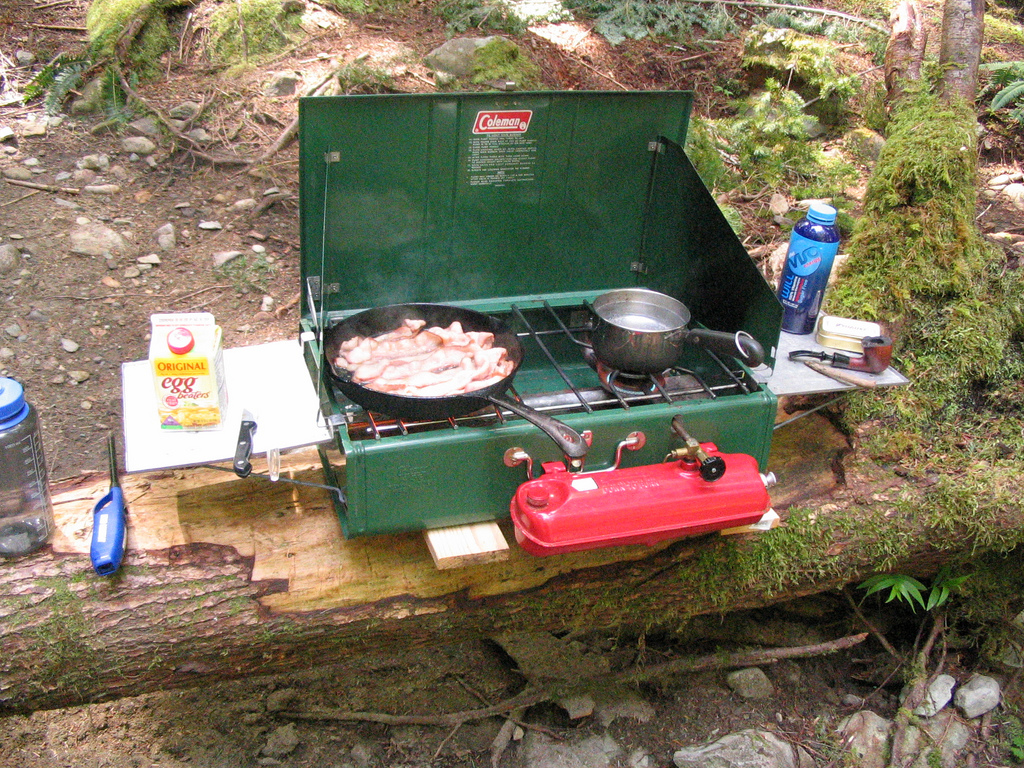
If the stove was electric, the household had an alternative: a camp stove, a single burner, a fireplace or a wood stove – and if the cooking range ran on gas or bottled fuel, it frequently still worked.
Outdoor grills, camp stoves and generators in prepared households, with a great many homes having no means of heating food at all once power is lost.
The distinction between an all-electric house and one with another fuel in it was the single biggest practical difference in an outage and still is. A household with a gas range could cook, boil water and make coffee through a three-day failure; an all-electric one could do none of those things.
9. Water Drawn Before the Pressure Went

In houses on a well with an electric pump, the first act in an outage was to fill containers – because once the pump stopped there was only whatever remained in the pressure tank, and then nothing at all.
The identical situation for the substantial minority still on private wells, and no equivalent problem for households on a municipal supply with pumped and elevated storage.
This is the dependency people on city water never think about and well households never forget. No electricity means no pump, which means no water for drinking, washing, cooking or flushing – so the sequence was lights, then water, and somebody went and filled the bathtub.
10. The Freezer Rule, Enforced Immediately
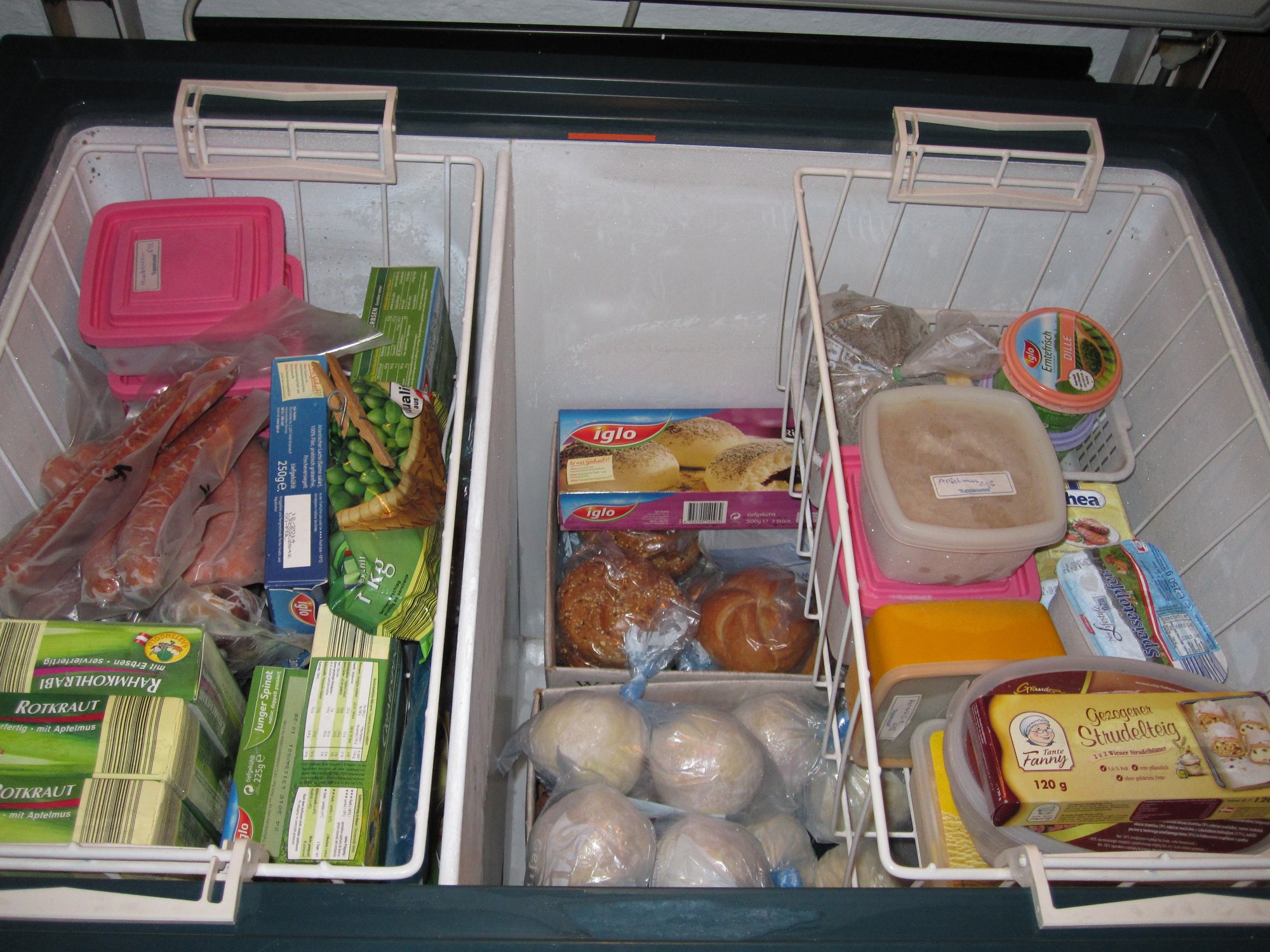
The deep freeze in the basement or the garage held a significant investment in food, and the rule was absolute: nobody opens it, for any reason, until the power is back or it is clear it will not be.
Exactly the same rule, now stated in published guidance, with modern freezers better insulated and the stakes unchanged.
The reasoning is simple and the discipline was real. A full freezer holds its temperature for a day or more if left shut and loses it rapidly if opened, so the only thing a household could do was nothing – which is a difficult instruction to follow with children in the house and an afternoon with nothing happening.
11. Blankets, Because the Furnace Had Stopped Too

An outage in winter was a heating failure as well as a lighting one, because even a gas or oil furnace needs electricity for its controls and its blower – so extra blankets came out and the household gathered into one room.
The same dependency, essentially universal, with the same consequence and with the added factor that modern houses have more electronics in their heating systems rather than fewer.
The surprise for a great many households was that having a gas furnace did not help. The burner may be gas but the thermostat, the ignition and the fan that moves the air are all electric, which means the heat stays in the basement – and a house loses temperature at a rate that depends entirely on how well it was built.
12. The Telephone Still Worked
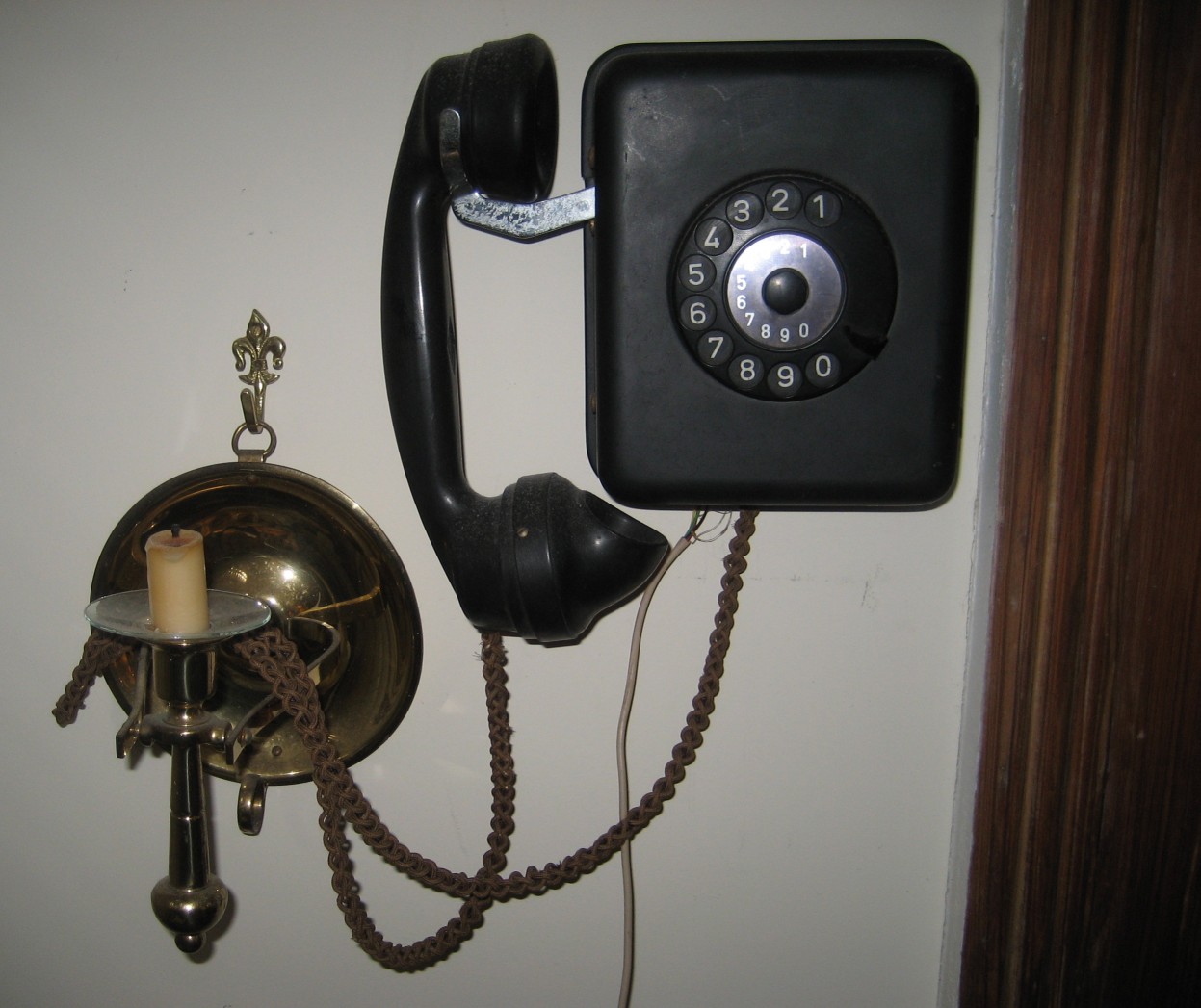
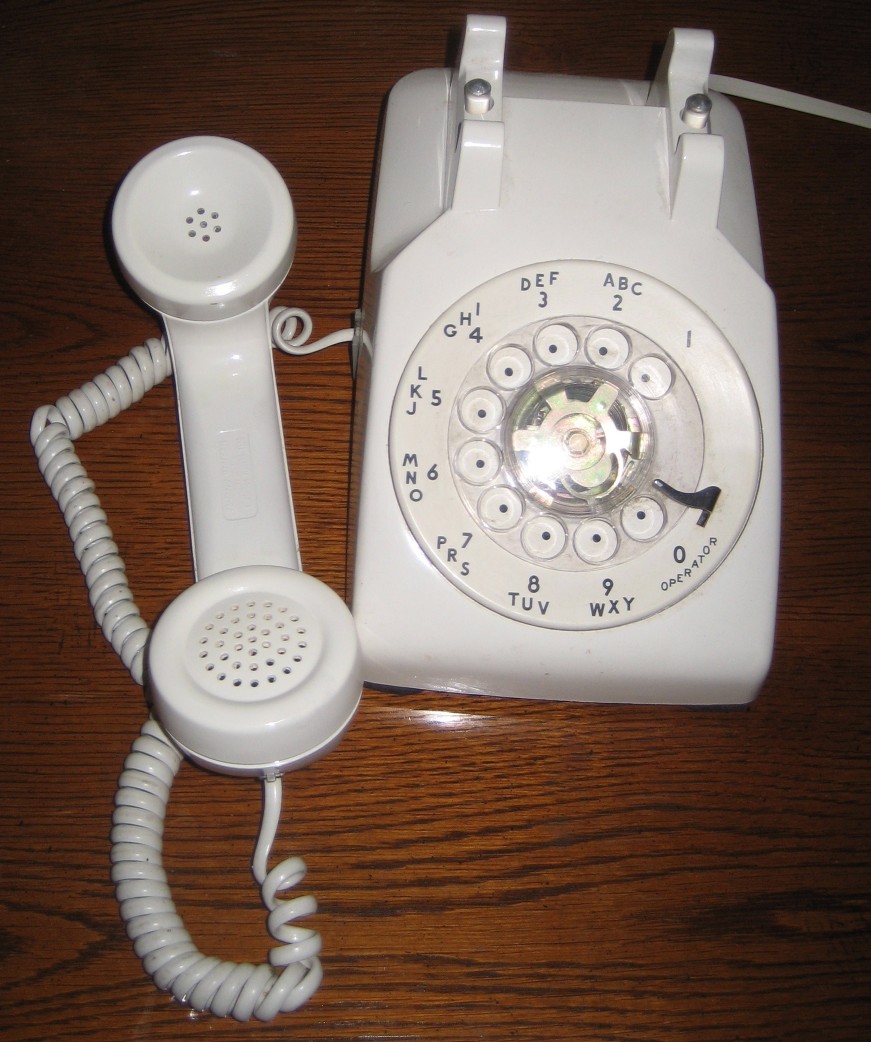
Through the whole outage, the telephone on the wall continued to function – dial tone, incoming calls, outgoing calls – exactly as it had before the lights went out, with no battery in the house and nothing to charge.
A cordless handset with a powered base that fails immediately, broadband service that fails with its own equipment, and a mobile telephone that works until either its battery or the cell site’s power runs out.
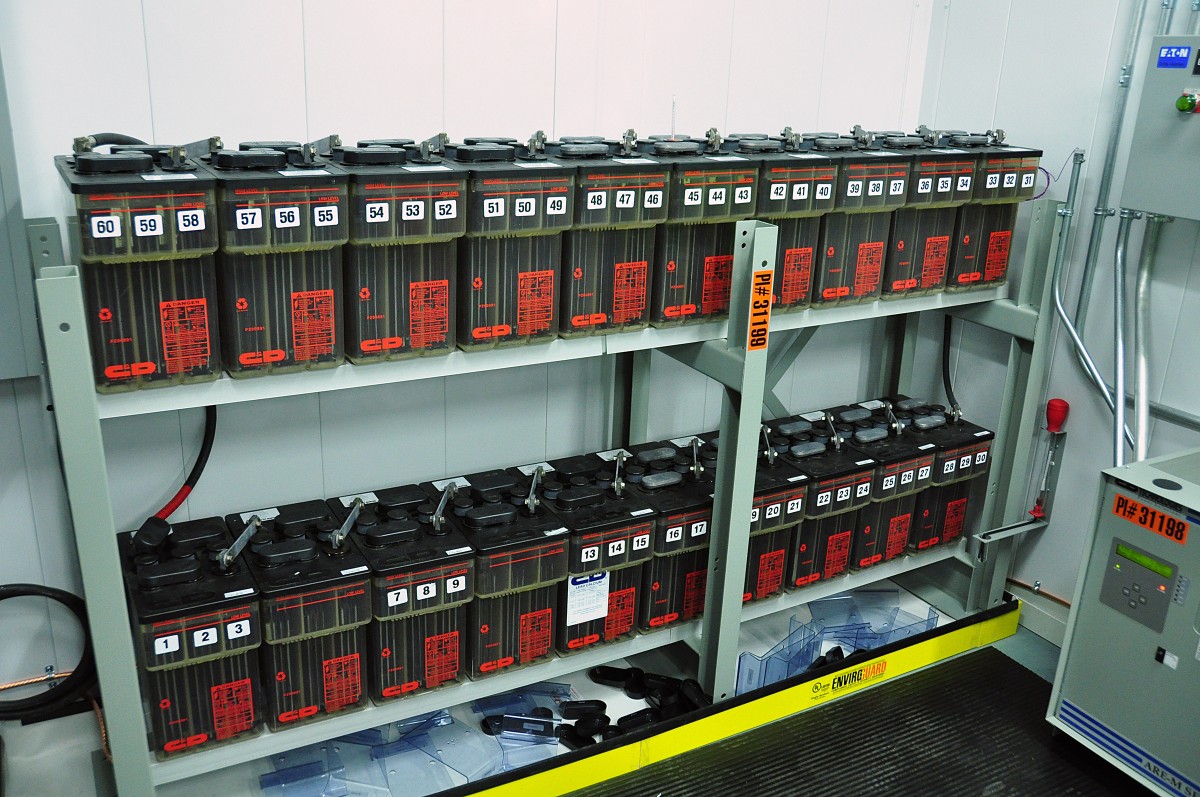
And the reason it worked is a deliberate design decision that is worth understanding properly. The telephone network supplied its own power to every instrument, over the same pair of wires that carried the call, from large battery banks in the telephone exchange with generators behind them – so the phone was independent of the electric utility by design, in every house, as standard.
13. The Evening Simply Changed Shape
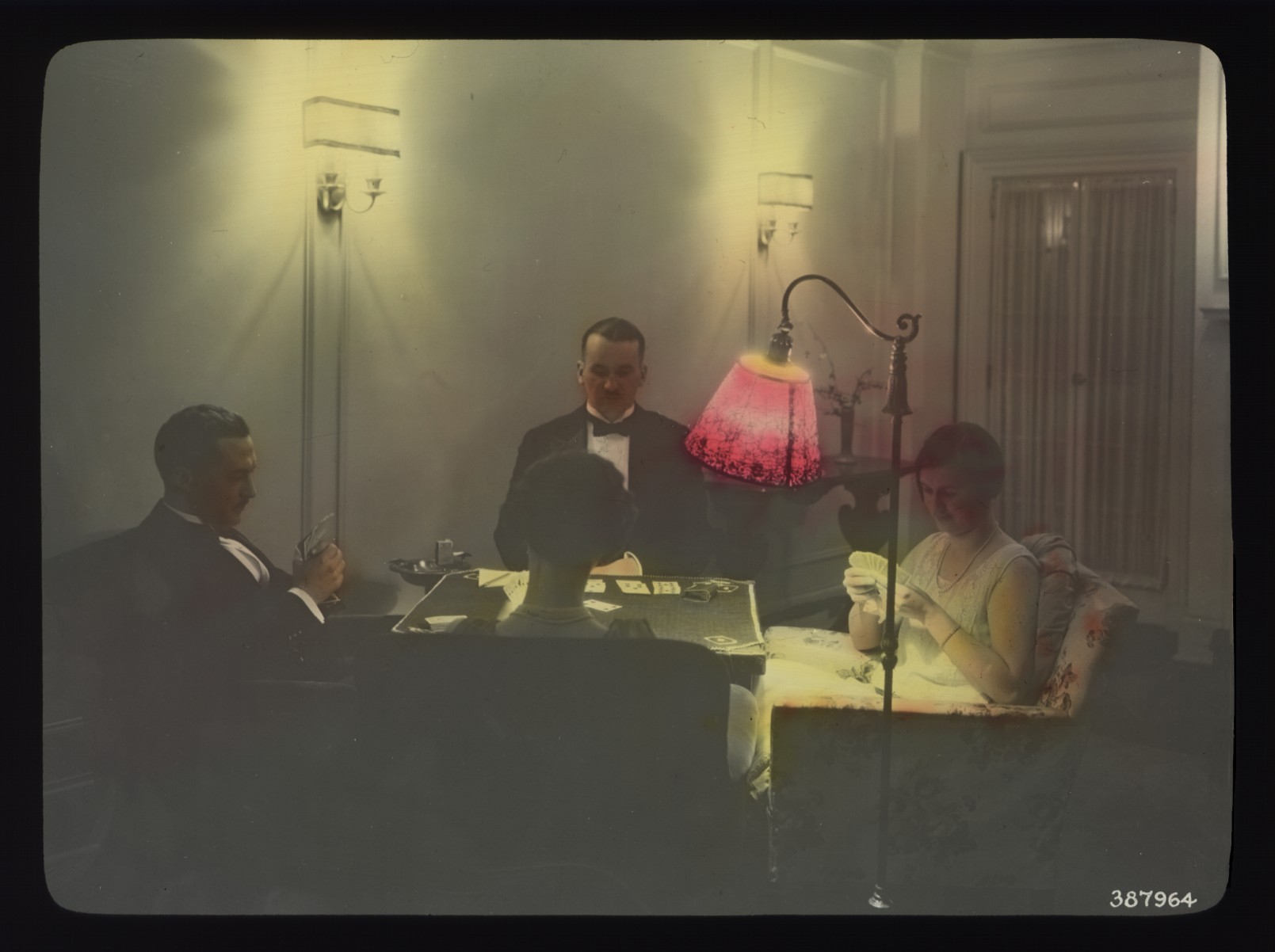
With no television, no radio beyond the news, no lights to read by except a lamp and a candle, the household did something else: cards, talking, going to bed early, standing outside looking at how dark the street was.
Devices with their own batteries supplying entertainment for hours, which means an outage now changes the lighting without changing the evening.
This is the part people remember most warmly and it is worth being careful with, because it was not a gift anybody chose. A household with no alternative entertainment played cards by lamplight because there was nothing else to do – and the warmth of the memory comes from the enforcement rather than from the activity.
14. Then the One Thing That Always Worked Became the First Thing to Fail
The kit was a filled lamp with a trimmed wick, candles in carrying holders, dry matches in a tin, a flashlight that might work, a battery radio, a way to heat water, filled containers, an unopened freezer, extra blankets – and a telephone that was simply unaffected.
Far better equipment at every point: efficient lights that run for days, phones carrying information no radio could, portable power, generators and published guidance – and no communication link that survives a long outage without being charged by somebody.
Which is a genuine inversion and it is the one loss in the whole list. Every item of the old kit has been improved out of recognition, and nobody should want a kerosene lamp over a modern light. But the single most important thing a household had in 1974 was not on the shelf at all: it was a telephone that worked because the network carried its own power to every instrument from battery banks in an exchange with generators behind them – independent of the electric utility, in every house, by deliberate design, with nothing for the householder to maintain or remember. That guarantee has been traded for enormously greater capability. A modern household can do far more in an outage and has no equivalent certainty that it will be able to reach anybody at all – because the handset needs charge, the cordless base needs power, the broadband box needs power, and the cell site runs on a battery that is measured in hours. The lamp on the high shelf was the part that looked essential. The thing on the wall that nobody thought about was the part that actually was.
The Guarantee Nobody Noticed They Had
Go through the old outage kit item by item and the modern household wins every single comparison, decisively.
A light-emitting diode lantern produces more light than a kerosene lamp, for days, on cells that cost very little, with no fuel to store, no wick to trim, no chimney to break, no flame in a house with children in it and nothing to spill. Nobody should prefer the lamp. A telephone carries more information in an outage than any battery radio ever could, including maps, outage reports and messages. Portable power packs and home generators do things that a 1974 household could not have imagined. And the guidance on what to do – about the freezer, about heat, about water – is published, specific and far better than the folklore it replaced.
So on equipment, it is not close. The modern house is better prepared than the old one in every respect but one.
The exception is the thing that was not on the shelf.
In 1974 the telephone on the wall worked through a power failure. Not sometimes, not if somebody had remembered something, not for a few hours – it simply worked, with dial tone, incoming and outgoing calls, for as long as the outage lasted, in every house in the country.
That was not luck. It was a deliberate engineering decision carried through an entire national network. The telephone system supplied electrical power to every instrument itself, over the same pair of copper wires that carried the conversation, drawn from very large battery banks in the local exchange with generators standing behind them. The instrument in the house needed no mains supply, no battery and no maintenance of any kind. It was independent of the electric utility by design, as standard, everywhere, with nothing whatsoever for the householder to do about it.
A household in a three-day outage, with a dead flashlight and a lamp it had forgotten to fill, could still call a doctor.
Now consider the equivalent today. The cordless handset dies the moment the power goes, because its base is plugged in. A broadband telephone service dies with the modem. A mobile telephone works until its battery is flat, and the cell site it depends on works until the battery in the cabinet at its foot is flat, which is typically measured in hours rather than days – and if the outage is wide, there may be no site within reach that still has power.
So the single most reliable component of the 1974 household has become the least reliable component of the modern one. That is a real inversion and it is the only item on the list where the old arrangement was better.
It was traded for a vast gain in capability, and most people would make that trade again. But it is worth noticing what was given up, because nobody in 1974 would have described their telephone as emergency equipment.
They kept the lamp filled and checked it twice a year and worried about damp matches. The thing that would actually have saved them was bolted to the kitchen wall, needed nothing, and was never once thought about.
If you lived through one of these, you remember the smell of the lamp and the brightness of it compared with what you expected.
And you remember that the phone worked, and that nobody found that remarkable at the time.
Like our content? Follow us for more.