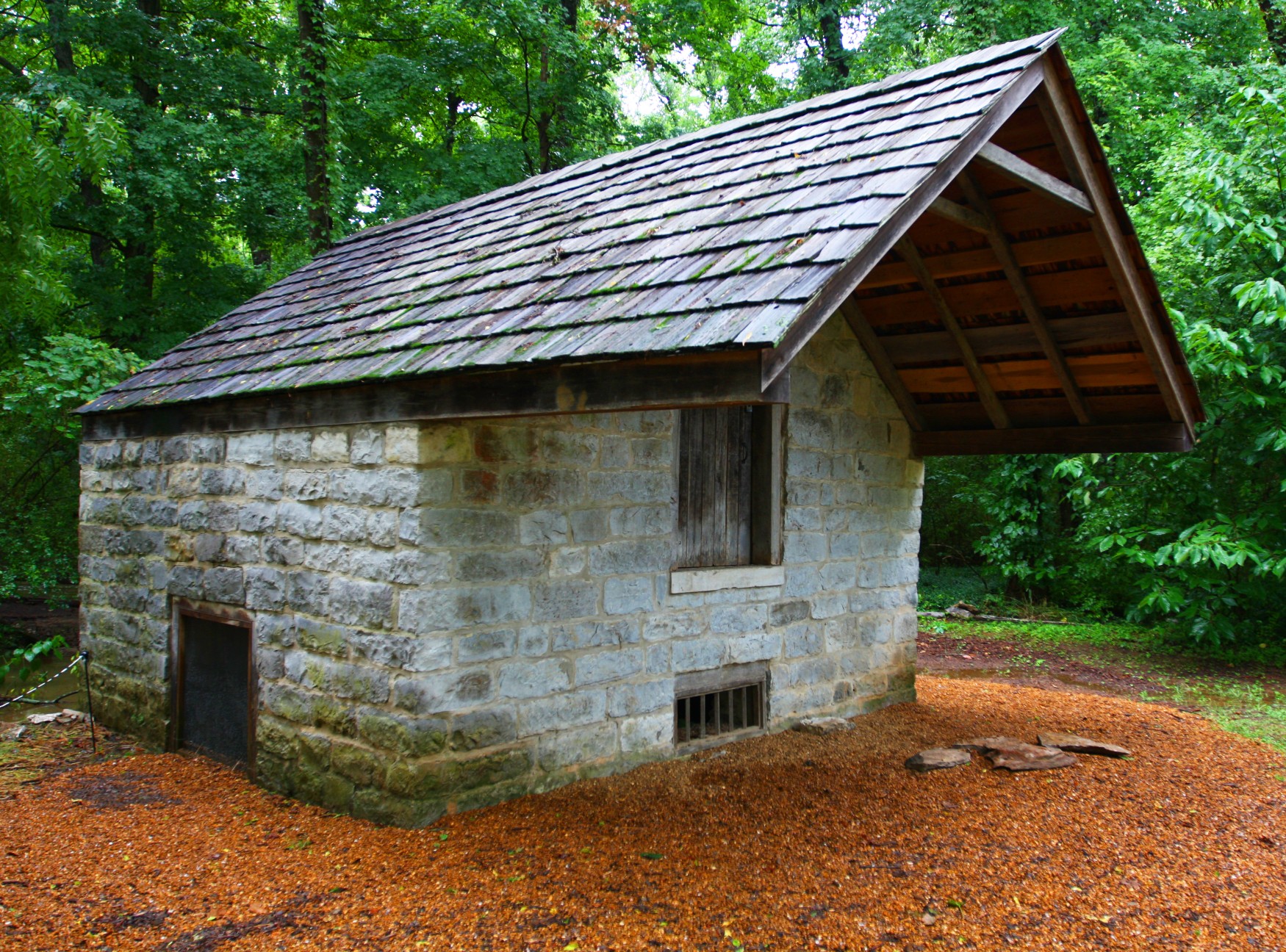
In 1964 a great many American farms still kept their milk cold in a small stone building down the hill, with a stream running through the floor of it.
The water came out of the ground at the same temperature all year – somewhere around fifty degrees, cool in July and above freezing in January – because ground below a certain depth does not follow the air. Cans and crocks stood directly in the channel, where moving water pulled heat out of them far faster than cold air would. There was a stone shelf above the water line for eggs and covered dishes.
It cost nothing, used no fuel, had nothing to break, and ran for decades without anybody touching it. Here are twelve things every farm did with it.
1. It Was a Small Building Over Running Water
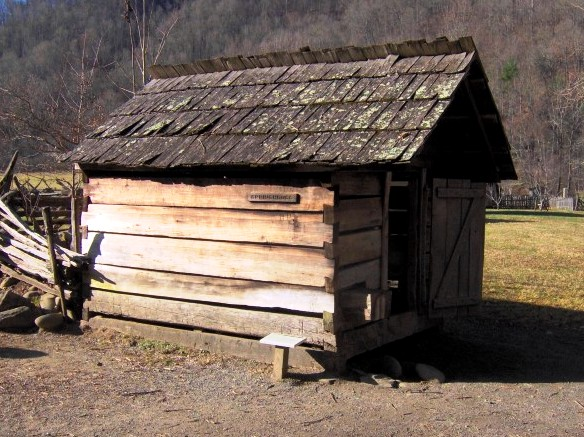
A spring house was a low structure of stone, brick or poured concrete, built directly over the point where a spring emerged from the ground, with the water running through the floor of it and out the other side.
Mechanical refrigeration in every house, with the buildings themselves surviving in large numbers as sheds, pump houses, garden features and ruins.
Siting was the whole design decision and it was fixed. You could not put the building where it would be convenient; you put it where the water came out, which is why spring houses are frequently a long walk from the house, downhill, in an awkward spot, and why the path to them is worn into the ground.
Like our content? Follow us for more.
2. The Water Came Out at the Same Temperature All Year
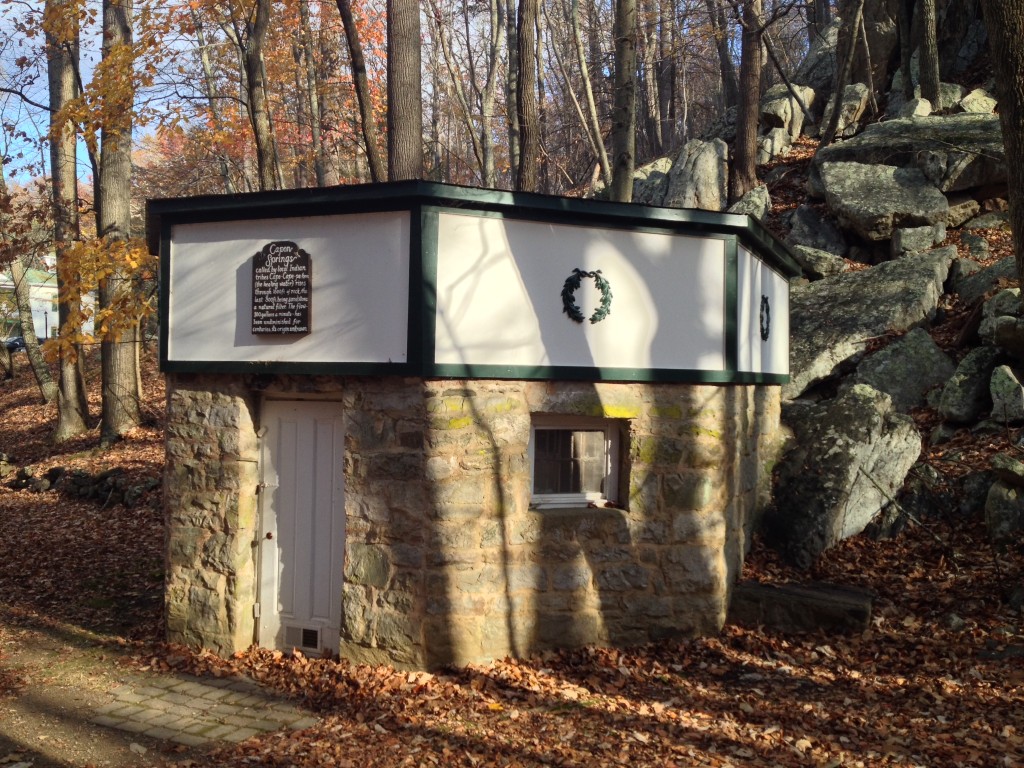
A spring fed by groundwater emerges at a nearly constant temperature in every season – cool in July and comparatively warm in January – varying by only a few degrees across the whole year.
The same physical fact, unchanged and unchangeable, now used as the operating principle of ground-source heating and cooling systems.
The reason is the mass of the earth. Ground below a certain depth does not follow the air temperature, because soil and rock are poor conductors and enormous heat stores – so water that has travelled through them emerges close to the average annual air temperature of that place and stays there.
3. That Constant Temperature Was the Entire Point
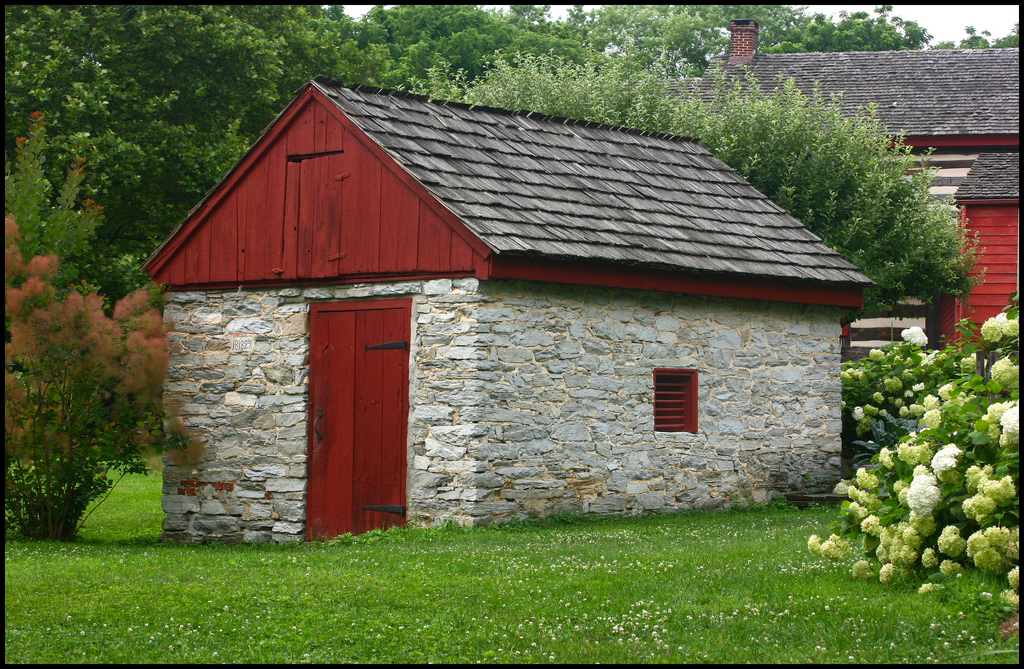
Somewhere around fifty degrees, depending on the region, is what a spring delivers – cold enough to slow spoilage substantially, and reached without fuel, machinery, ice or any attention whatsoever.
Refrigerators holding a chosen temperature well below that, maintained continuously by a compressor at a cost in electricity.
Fifty degrees is the figure that explains both the usefulness and the limit. It roughly doubles or triples how long milk stays good compared with a warm kitchen, which is a genuine and valuable gain – and it is nowhere near cold enough to keep anything for a week.
4. Crocks and Cans Stood Directly in the Channel
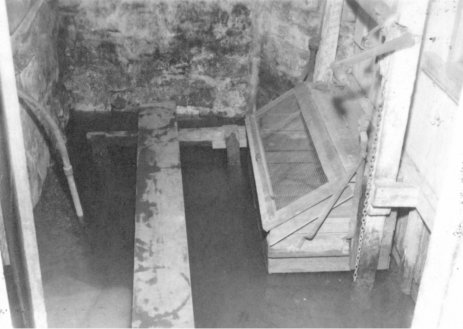
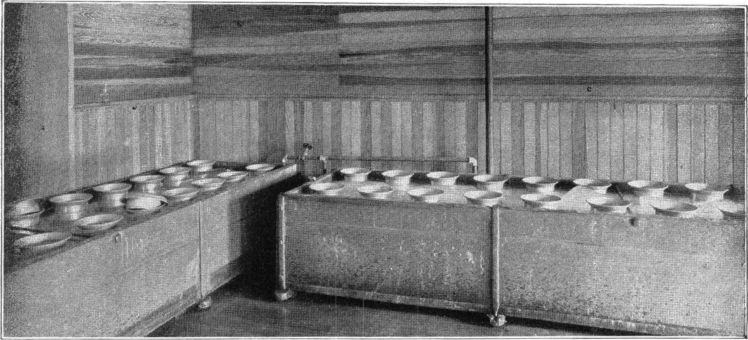
The floor was a shallow channel or trough through which the spring ran, and containers were set down into the moving water – stoneware crocks, metal milk cans, covered pails, butter in a sealed container, eggs in a basket on a stone.
Shelves in a cabinet with cold air circulated around them, which cools far more effectively because the contents are not relying on contact with one surface.
Standing in moving water is better cooling than standing in a cold room and the reason is heat transfer. Water carries heat away from a container far faster than air does, and flowing water carries it away continuously rather than warming up around the object – so a can in the channel reached the water’s temperature and stayed there.
5. Milk and Cream Went There Immediately
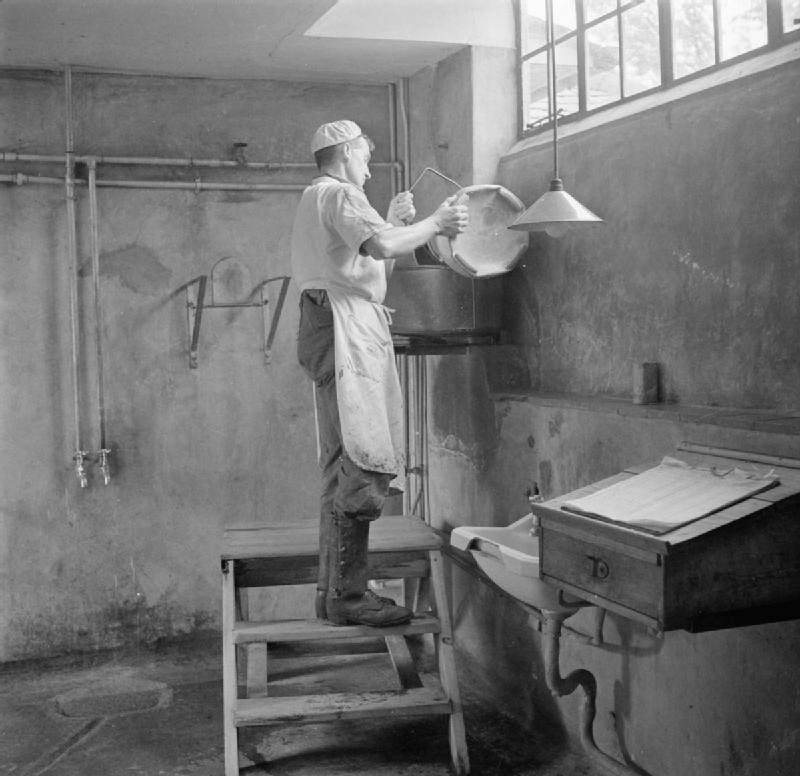
Milk came from the barn to the spring house as fast as it could be carried, because warm milk deteriorates quickly – and the cooling began the moment the can went into the channel.
Refrigerated bulk tanks cooling milk on the farm within minutes of leaving the animal, to standards that a spring could not approach.
Speed was the half of the job the spring house could do well. Getting milk cool quickly matters more than how cold it eventually gets, and a channel of flowing fifty-degree water around a metal can does that respectably – which is why the walk from the barn to the spring house was done at a pace.
6. Butter Was Made and Kept There
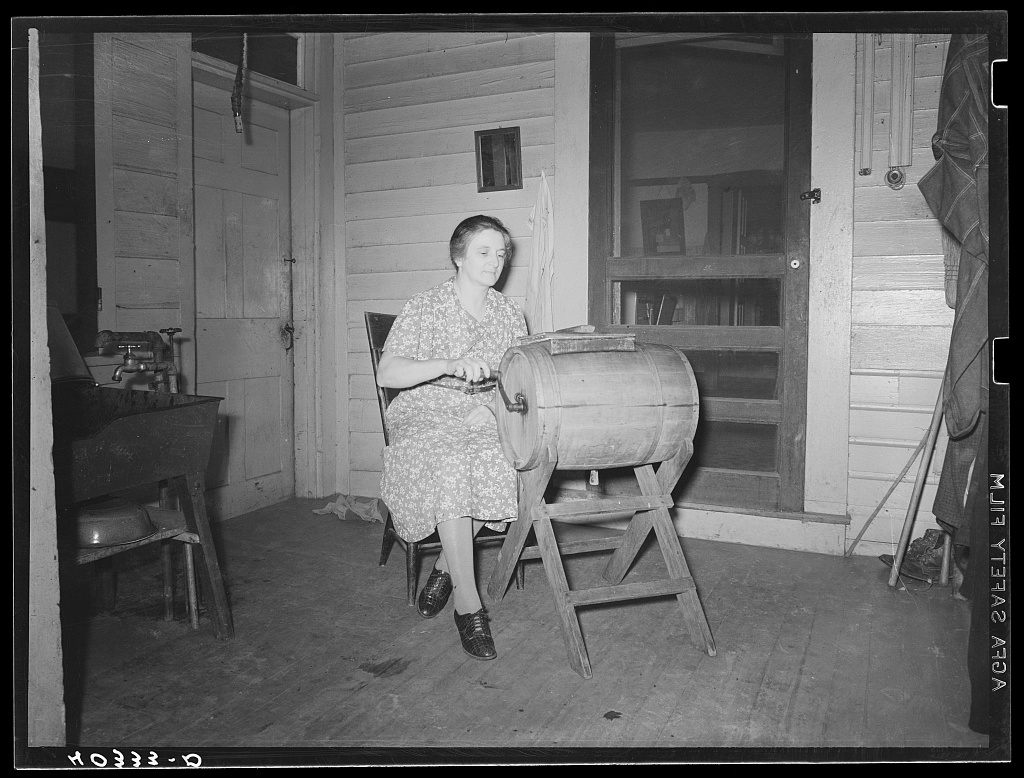
The building frequently served as the dairy workroom as well as the store: cream was skimmed, butter was churned and worked, and both the working and the keeping happened in the one cool place on the property.
Butter made industrially and bought, with no household production and no need for a cool room to do it in.
Butter is the reason a spring house was a workroom rather than merely a cupboard. Working butter requires a temperature cool enough that it stays firm and warm enough that it does not crumble, which is a narrow band – and a spring house happens to sit inside it, year round, without anybody managing anything.
7. It Was Above Freezing in Winter Too
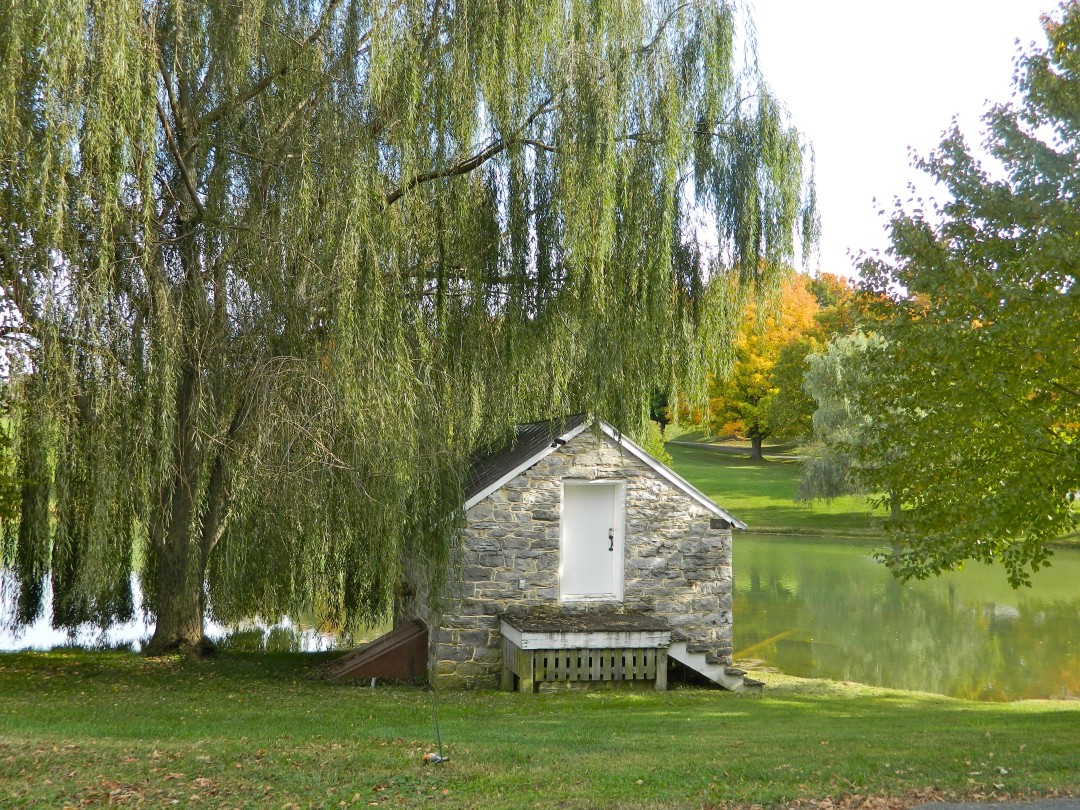
The same constancy that made the building cool in summer kept it from freezing in winter, so a spring house could hold things that must not freeze through a hard cold snap – including vegetables, crocks and the water supply itself.
Heated houses and insulated plumbing, with freezing now a failure to be prevented by insulation and heat tape rather than by siting something over a spring.
This is the half of the function that people forget, because we think of the building as a refrigerator. In January it was working in the opposite direction – a reliably frost-free store in a landscape where everything else froze, supplied by water that simply refused to get cold.
8. The Same Water Was the Drinking Supply
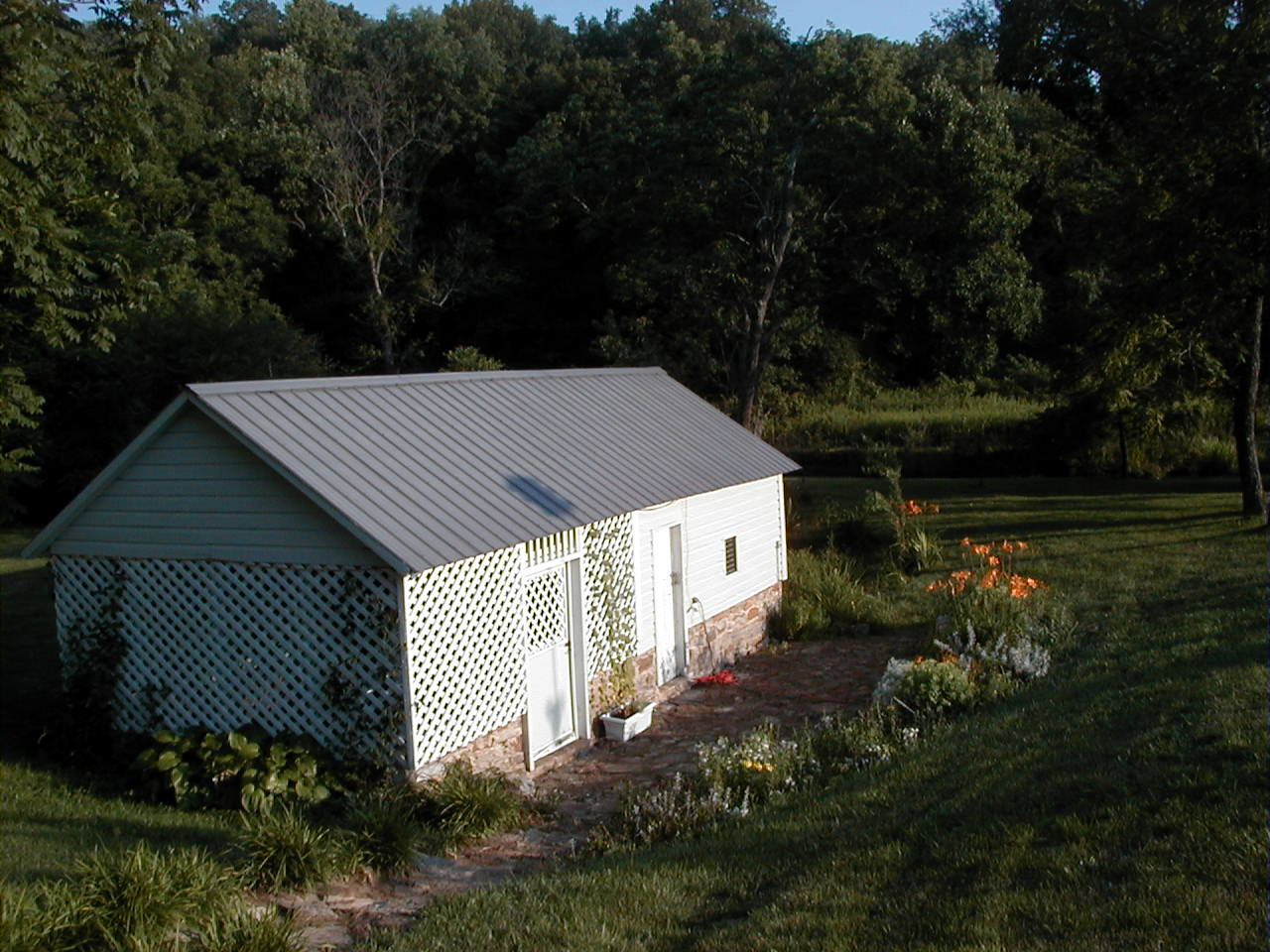
In a great many cases the spring was the household’s water source as well as its cold store, with a pipe or a dipping point upstream of where anything was set to cool.
Drilled wells with pressure systems, municipal supply, and treatment and testing regimes that a spring house arrangement did not have.
The upstream and downstream ordering was the whole of the sanitary thinking, and it was taken seriously as far as it went. Drinking water was taken from where the spring emerged and containers stood below that point – which is a sensible arrangement and considerably less protection than anybody on a tested supply now has.
9. There Was a Stone Shelf Above the Water Line
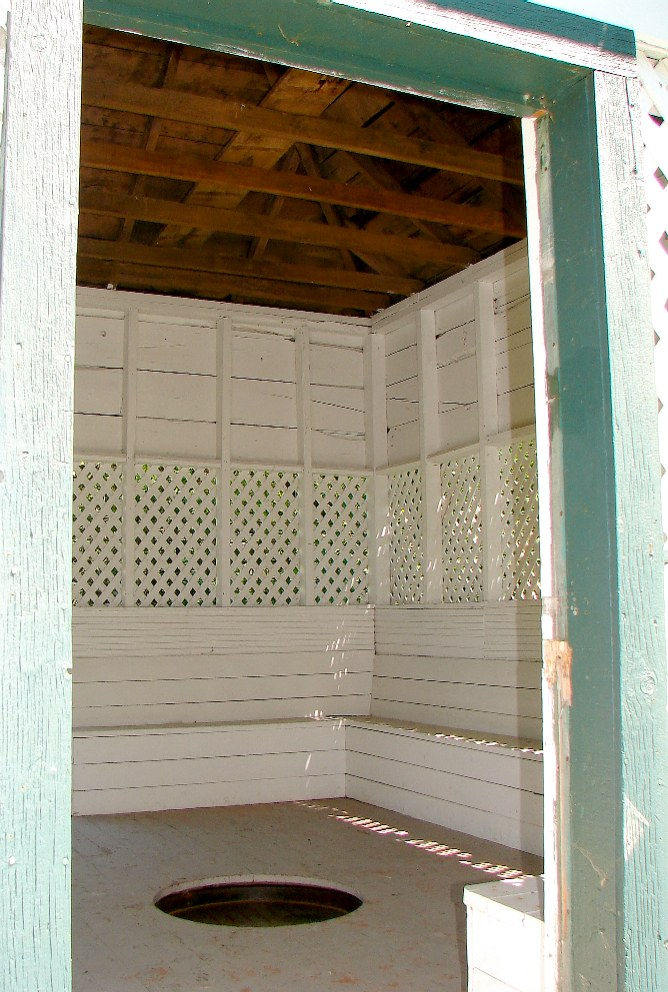
Above the channel, built into the wall, was a slab or a run of shelving out of the water – for things that needed the cool air but not the wet: eggs, cheese, covered dishes, cooked food waiting for a meal.
Separate compartments at different temperatures within one appliance, achieving the same graded storage by design rather than by height above a stream.
The two levels made it a more capable store than it looks. The channel gave maximum cooling for liquids in containers, and the shelf gave cool dry air for everything else – which is a crude version of the distinction every refrigerator now makes between its compartments.
10. Somebody Walked There Several Times a Day
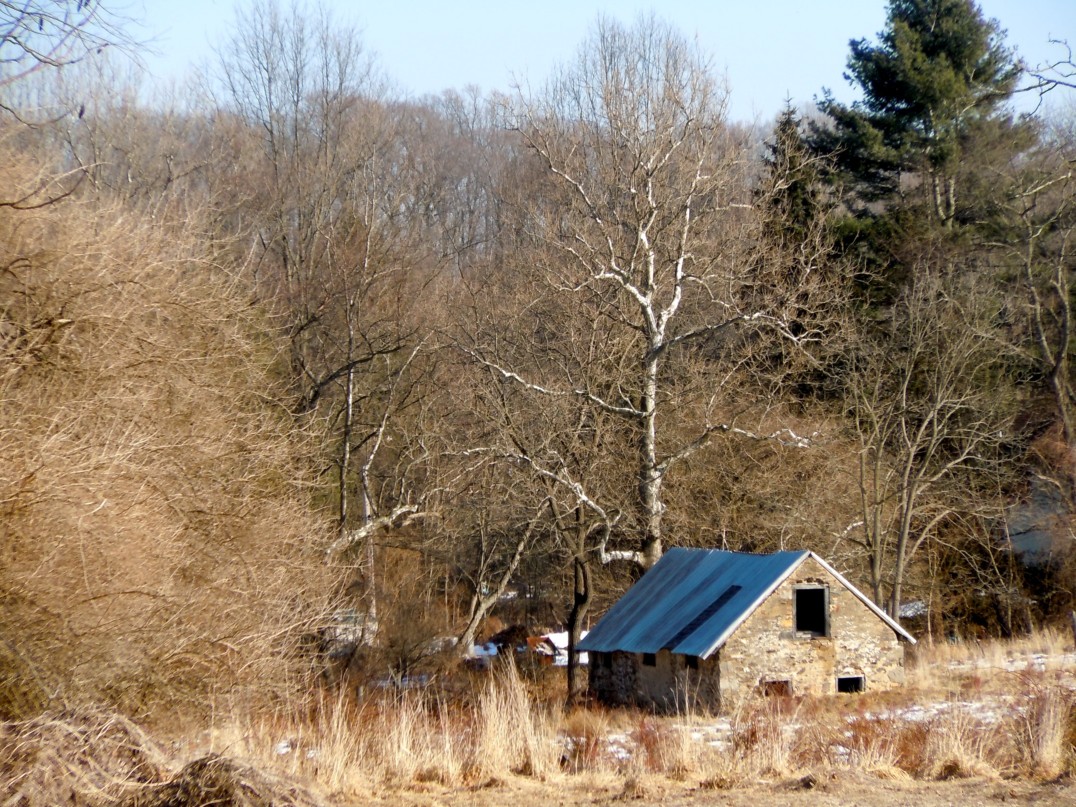
Using the spring house meant going to it: before breakfast, after milking, to fetch something for a meal, to put something away, in the evening – repeatedly, in all weather, down a path that was frequently steep and frequently muddy.
Opening a door in the kitchen, which has compressed the whole journey into about two seconds of standing up.
The walking is what the refrigerator actually abolished, and it was substantial. Several trips a day, every day, carrying containers of liquid along a worn path in rain, snow and darkness – and it fell, as these things did, mostly to whichever woman or child was available.
11. The Building Also Kept Things From People and Animals
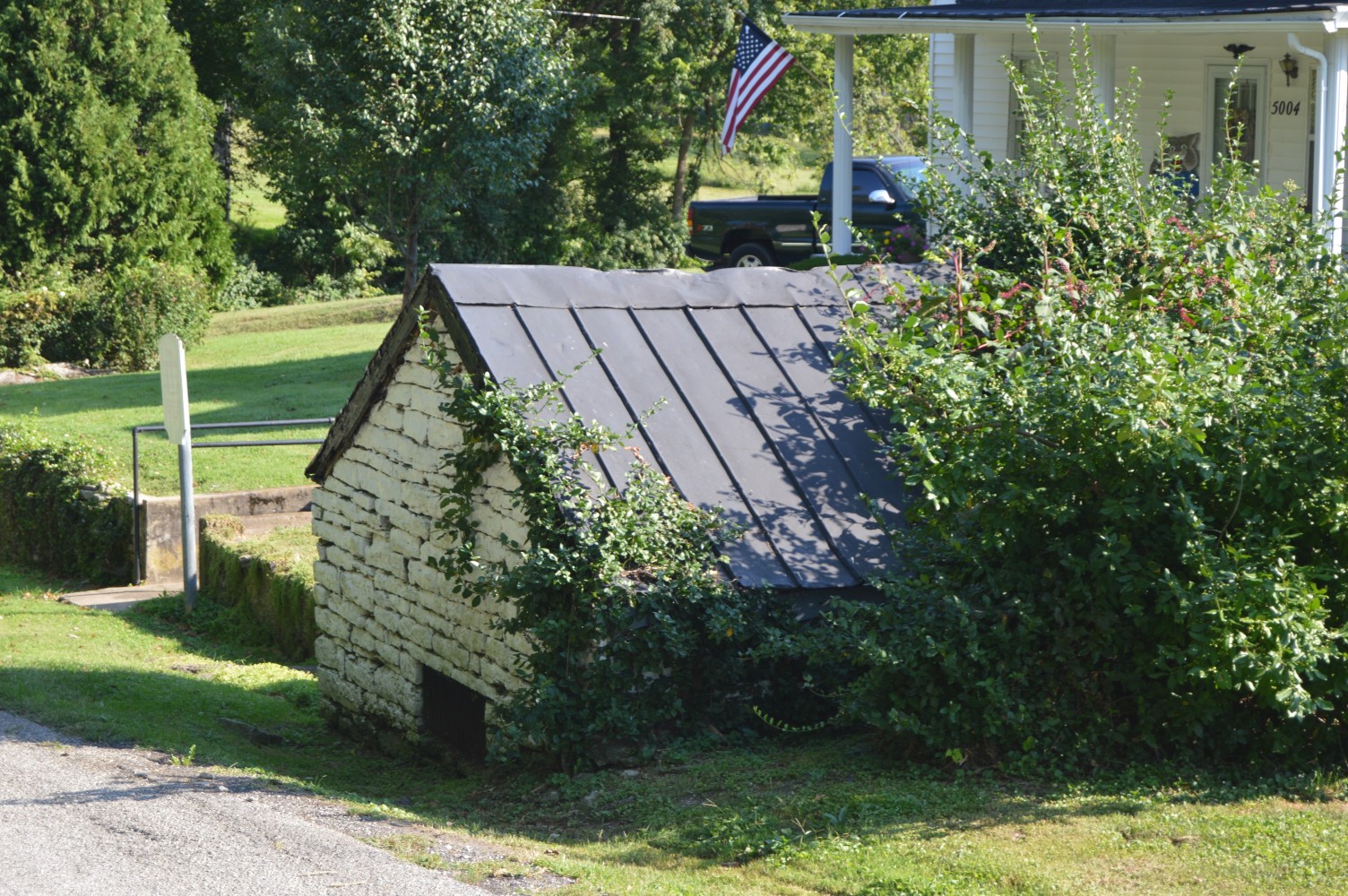
Being a proper structure with a door, walls and a roof, it excluded what an open spring would not: dogs, livestock, birds, vermin, falling leaves and whatever else would otherwise have been in the water or the food.
The same function performed by a sealed appliance in a closed kitchen, far more effectively and with no door for anybody to leave open.
The roof had a second job that is easy to miss. Shading the water keeps the building’s own temperature down and stops algae and growth in the channel, so the structure was not simply a security measure – it was part of what made the water usable rather than merely cold.
12. Then Refrigeration Delivered a Temperature You Could Choose
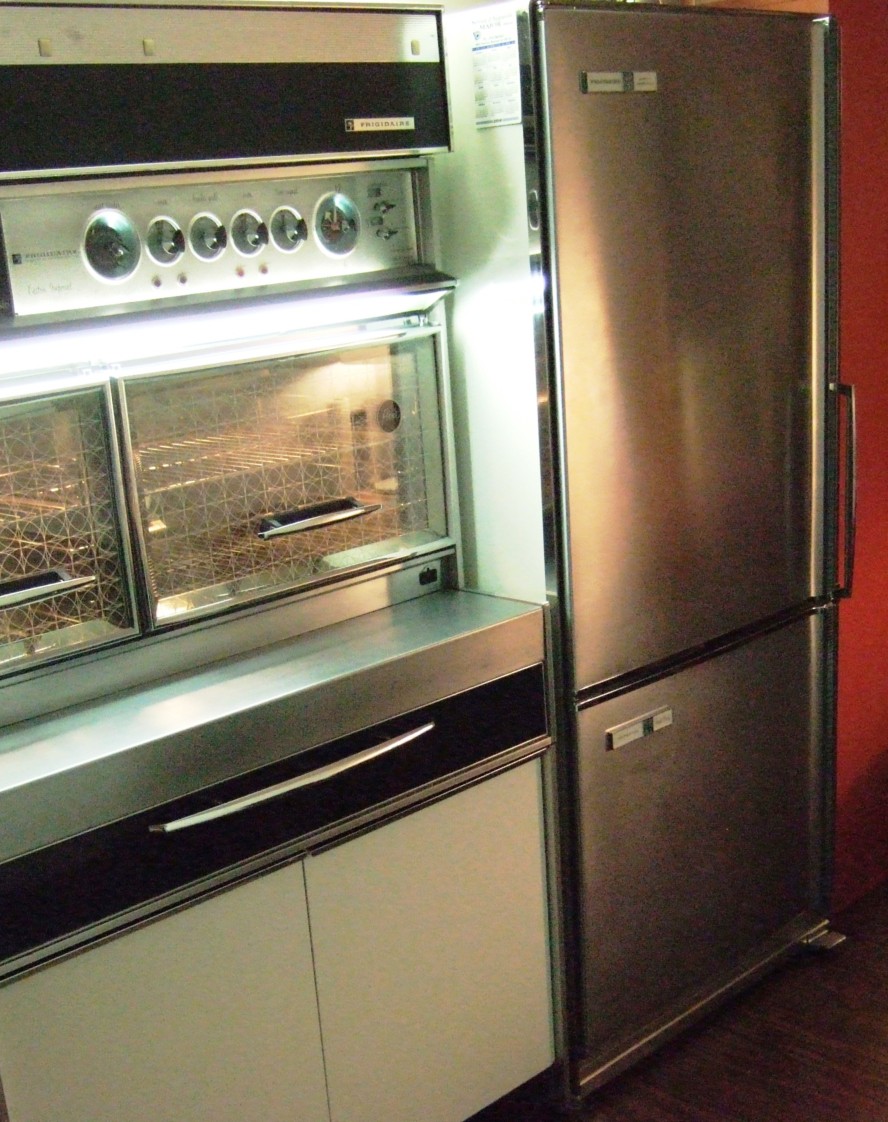
The spring house was a free, powerless, maintenance-free cold store of unmatched reliability, running continuously for decades with no fuel, no machinery, no attention and nothing to fail – held at whatever temperature the ground gave it.
An appliance in the kitchen holding whatever temperature its owner specifies, considerably colder, with a separate compartment below freezing – at a continuous cost in electricity and with a machine that will eventually break.
And the distinction is not cold against warm, it is chosen against given, which is the real achievement of mechanical refrigeration and is almost always described wrongly. A spring house cannot be made colder. It delivers the annual mean temperature of its own location, perfectly reliably, forever, and that figure is set by geography rather than by anybody’s requirements – which is excellent for milk overnight and useless for a week’s meat. The refrigerator’s innovation was specification: a household could decide what temperature it wanted, obtain it regardless of where it lived, and have a second compartment below freezing as well. That is why the spring houses emptied. And the physics the building ran on has not gone anywhere – the stability of ground temperature that made a spring useful in 1964 is precisely the principle a ground-source heat pump works on, so the oldest unpowered cold store on an American farm and the most sophisticated domestic heating system now available are exploiting exactly the same fact about the earth.
The Achievement Was Not Cold. It Was Choosing.
A spring house is usually described as a primitive refrigerator, which gets the comparison backwards in a way worth correcting.
On reliability, the spring house wins and it is not close.
It has no moving parts. It consumes no fuel, no electricity and no ice. It requires no maintenance beyond keeping the channel clear and the door shut. It cannot break down, cannot be switched off, does not notice a power failure, and will continue doing exactly what it does for as long as the spring runs – which in a great many cases has been well over a century. No appliance ever built comes close to that record, and nothing ever will.
Its cooling is also better engineered than it looks. Setting a metal can down into flowing water is a far more effective way of removing heat than standing it in a cold room, because water carries heat away from a surface much faster than air does and a current carries it away continuously instead of warming up around the object. A can in the channel reaches the water’s temperature quickly and then stays there.
And the temperature itself is a genuinely elegant piece of physics. Ground below a certain depth does not track the air, because soil and rock conduct heat poorly and store enormous quantities of it – so water that has passed through them emerges at close to the average annual air temperature of that place and holds there within a few degrees all year. That is why the building is cool in July and frost-free in January, which is two useful functions from one unchanging fact.
So what did the refrigerator actually offer that was better?
Not reliability. Not efficiency, in any sense a 1964 household would have recognised. Not even, particularly, cooling performance per dollar.
It offered a temperature you could choose.
That is the whole thing, and it is the point that gets missed. A spring house delivers one figure, set by the geography of the place it stands in, and nobody can alter it. Around fifty degrees is excellent for keeping milk overnight, perfectly adequate for butter and eggs, and nowhere near sufficient to hold meat for a week or to freeze anything at all. The building is not adjustable. It gives what the ground gives.
A refrigerator lets a household specify. Pick a temperature, get it regardless of where you live, and have a second compartment below freezing into the bargain – which turns a store that extends food by a day or two into one that extends it by weeks or months, and makes an entire pattern of shopping, cooking and eating possible that a spring cannot support.
That is why the spring houses emptied, and it is a complete and sufficient explanation. Nobody abandoned them because they stopped working.
The last thing is a small pleasure. The physical fact the building ran on has not gone anywhere, and it is now the basis of the most sophisticated domestic heating and cooling system money can buy. A ground-source heat pump works because the earth sits at a stable temperature all year and will exchange heat with a loop of pipe buried in it – which is precisely, exactly, the property that made a farmer build a stone shed over a spring.
The oldest cold store on an American farm and the most advanced heating system in a new house are exploiting the same sentence about the ground.
If your family had one, you remember how cold the water was on your hands in August, and how far the walk was.
And somebody made that walk four times a day, carrying something, in all weather, for years.
Like our content? Follow us for more.