There Was a Book With Everybody in It
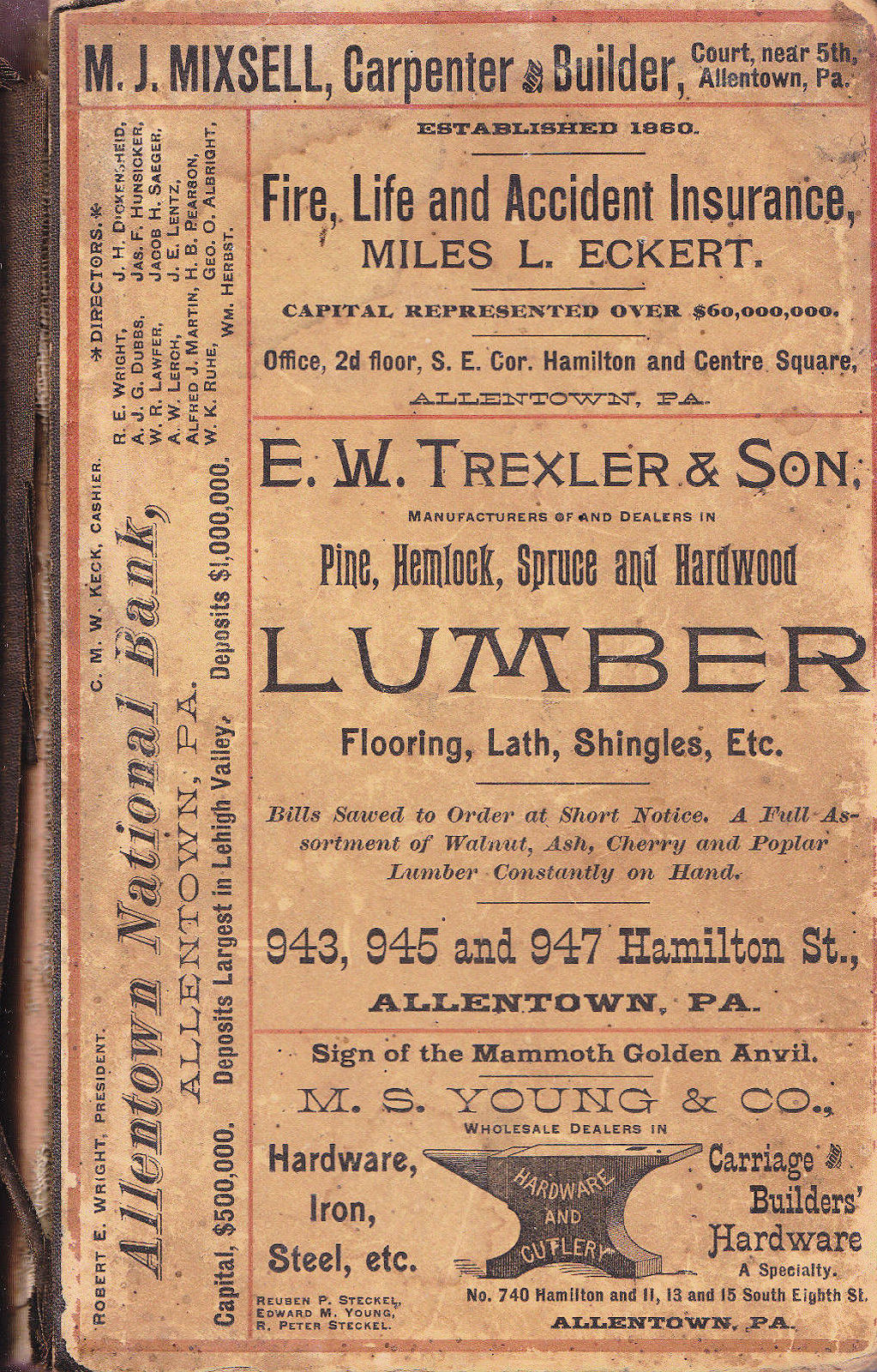
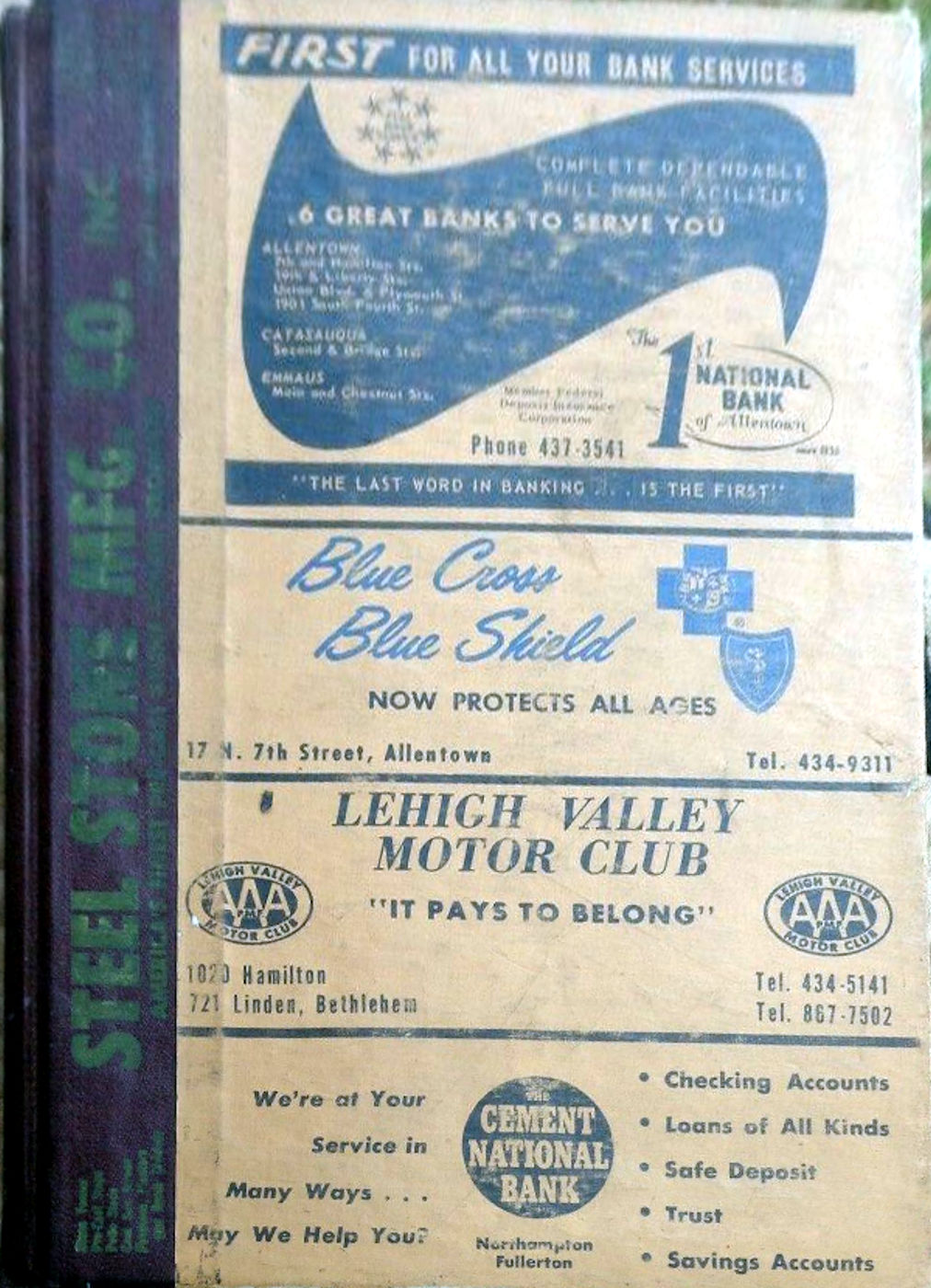
In the reference section of the library, on a shelf behind the counter at the bank, in the back office of a store and in a great many homes, there was a thick hardbound book with the name of the city on the spine and a year.
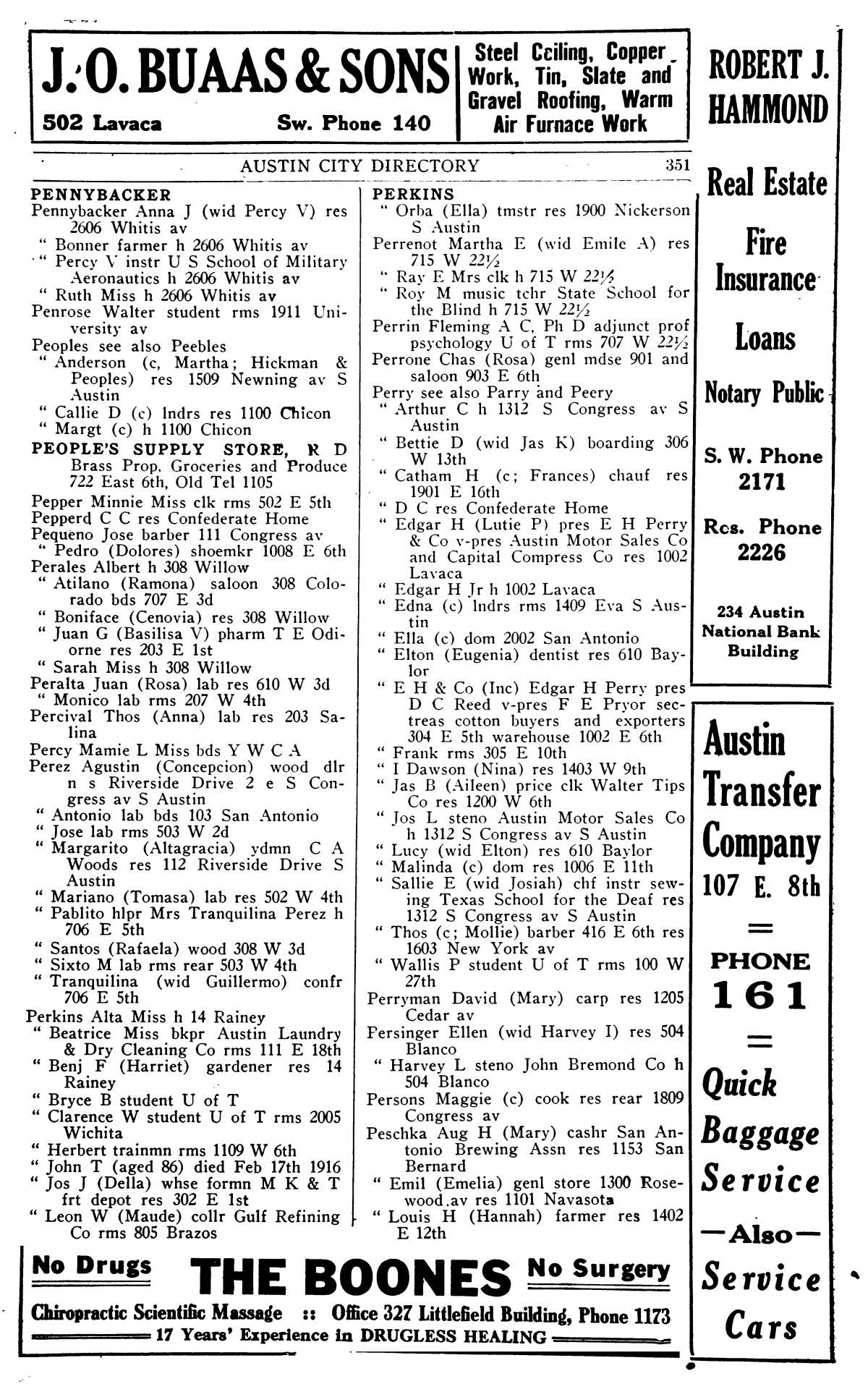
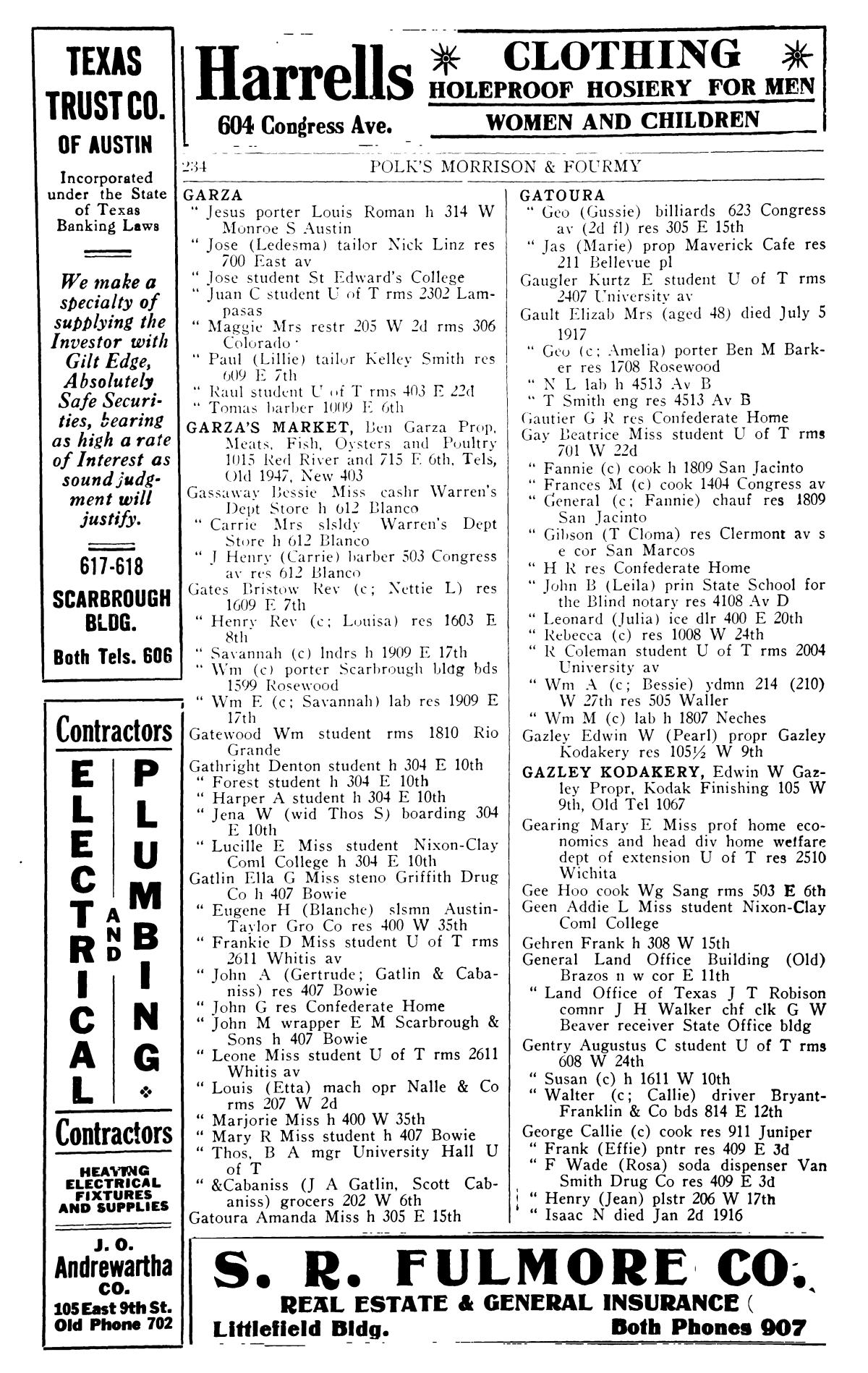
Inside it, in very small type, in alphabetical order, was every adult resident the publisher had been able to find. Not a list of telephone subscribers. Everybody – including the people with no telephone.
And beside each name was more than you might expect.
Like our content? Follow us for more.
The Entry Said Who You Were and What You Did
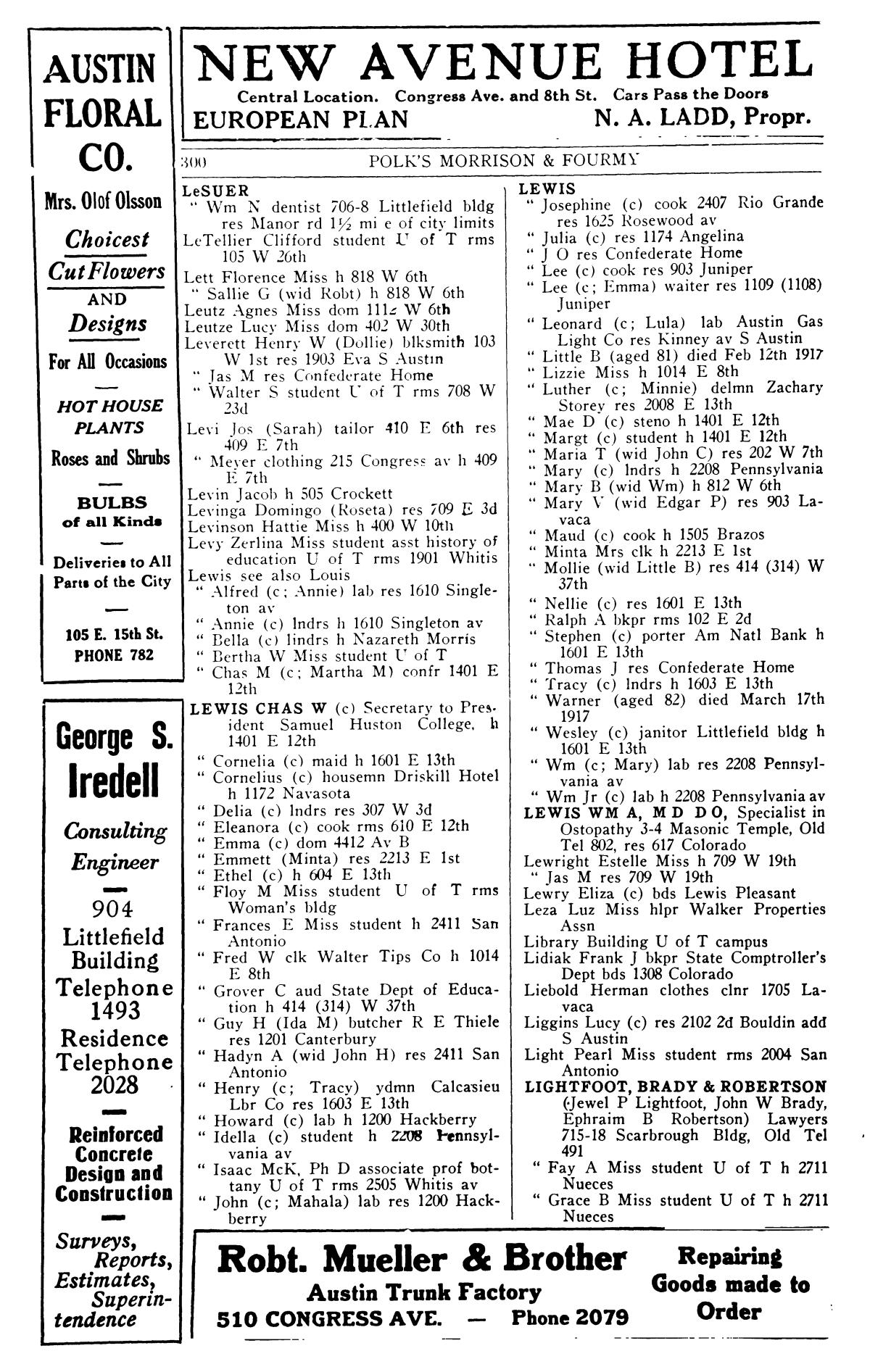
A typical household line ran something like a surname, a first name, an occupation, the name of the employer, a home address, and – in a separate convention that varied by city – the first name of a wife in parentheses.
So the book did not merely locate people. It described them. It said that the man at a given address was a machinist, that he worked for a particular company, and that his wife was called Ruth.
It also marked, by various typographic conventions, whether the household owned or rented, whether an adult at the address was a widow, whether somebody was a student or retired, and in a great many American cities of the earlier twentieth century it marked the race of the resident with a letter or a symbol beside the name – a practice that is a significant part of what these books now get used for, and one of the reasons they are studied rather than simply remembered.
The directories were compiled by commercial publishers, sold at a real price to businesses and institutions, and updated annually.
How They Got the Information Is the Startling Part
Somebody came to the door and asked.
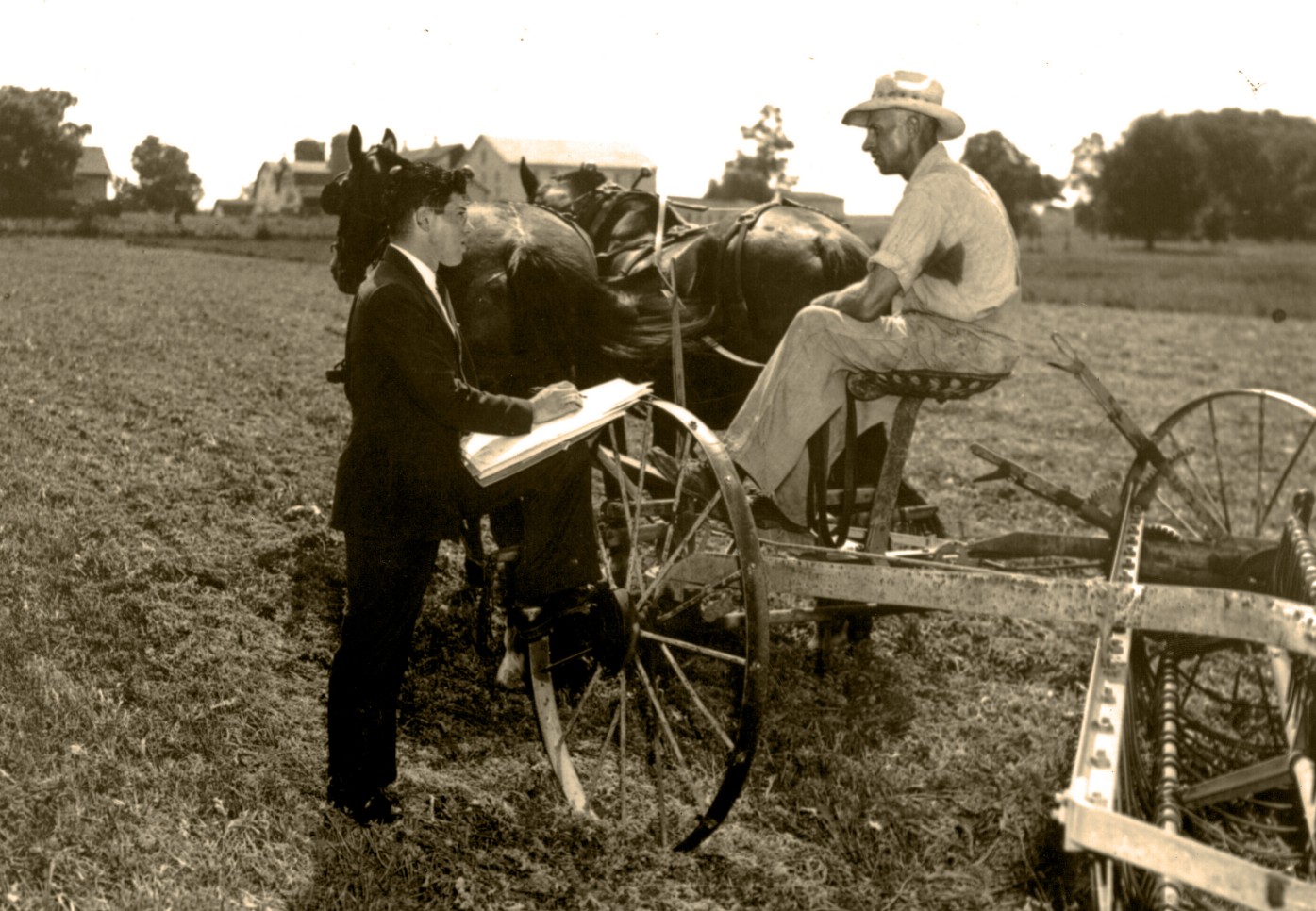
Directory publishers employed canvassers who walked every street in a city, block by block, knocking on every door and recording who lived there, what they did, where they worked and who else was in the household. Where nobody answered, they asked the neighbours. Where a building had multiple units, they worked through them.
That information was then typeset, printed, bound and sold.
There was no consent form, no opt-out in most cities, and no expectation of either. A canvasser asking a housewife on a Tuesday afternoon what her husband did for a living was doing a recognised and respectable job, and she told him, because that is what you did when somebody from the directory came round.
The Back of the Book Was the Part Professionals Used
The alphabetical list was the front. Behind it were two or three other arrangements of the same data, and those are what made the book commercially valuable.
There was a classified business section – the same idea as the later yellow pages – listing every business in the city grouped by trade.
And there was a street directory, which is the one that modern readers find genuinely unsettling. It listed every street in the city in order, and under each street every house number in sequence, and against each number the name of whoever lived there. Starting from an address, you could read off the occupant. Starting from a block, you could read off every family on it, in order, with their occupations.
Some editions added a numerical telephone section, which did the same trick for a phone number: given the number, it gave you the name and address.
Reverse lookup, in other words, printed and bound and sitting on a shelf in the public library, for most American cities, for roughly a century.
What People Actually Used It For
It is worth being concrete, because the uses were overwhelmingly mundane and that is the point.
A business checked whether a customer asking for credit lived where he said he did and worked where he said he worked. A salesman planned a route. A new minister found his congregation. A landlord checked a reference. A newspaper confirmed a spelling. A collection agency found somebody who had moved. A tradesman looked up the house he had been called to. Somebody trying to find a cousin who had come to the city twenty years earlier started here and frequently finished here.
And ordinary households used it for the ordinary reason: to find out who lived in the house on the corner, or what the man two streets over did for a living, or whether the family who had moved away had turned up somewhere else in the same city.
The book was a social map, and consulting it was neither furtive nor remarkable.
Nobody Thought of It as a Privacy Problem
This is the part that is genuinely hard to convey, and it is not because people of that era were naive.
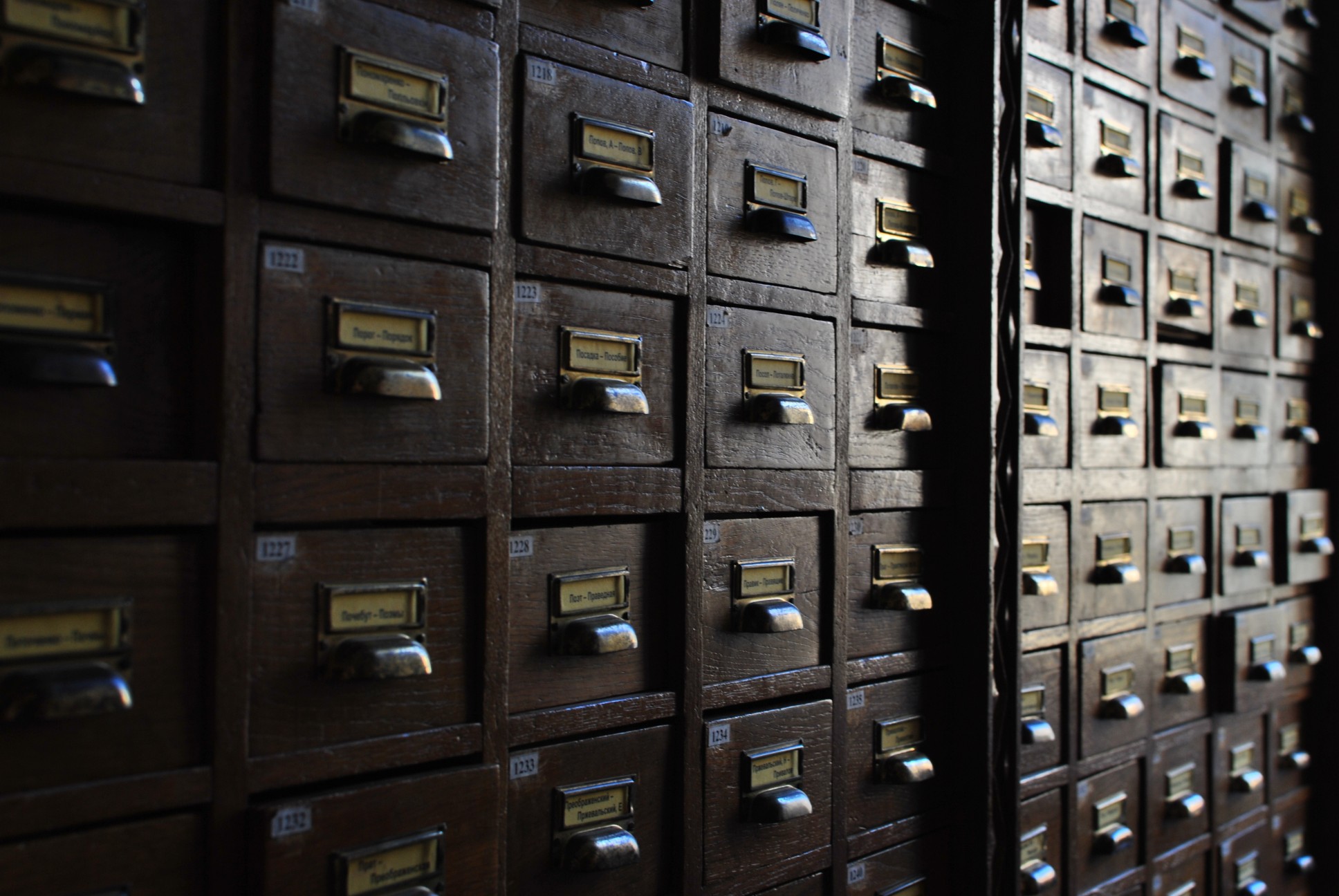
The protection was not secrecy. It was friction. The information was public, but acting on it at scale required physical effort that did not scale. To use the directory you had to be in the same city as a copy of it, open it, read very small print, and copy things out by hand. Looking up one person took a minute. Looking up ten thousand took a career.
So the practical worst case was somebody local, with a specific interest, learning something about one household – which is roughly the same exposure a person already had from living on a street where everybody could see them.
What the book could not do was be searched instantly, combined with anything else, copied in its entirety, sorted by any field, sold to a stranger a thousand miles away, or kept forever and compared against next year’s edition. The data was open and the access was slow, and the slowness was doing all the work.
Which is why a woman in 1964 could tell a canvasser her husband’s occupation without a second thought, and why that same disclosure would alarm her granddaughter.
The Telephone Book Killed It, and Then Something Else Did
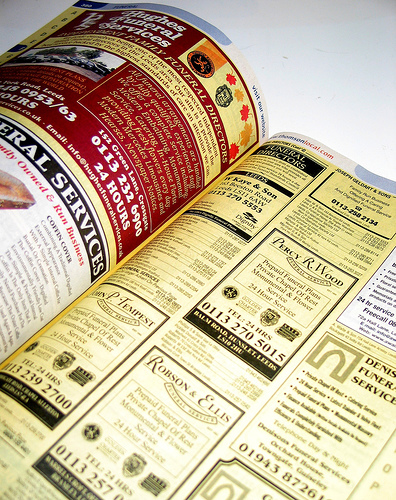
The first blow was the telephone directory. Once nearly every household had a phone, a free book delivered to every door gave most of the same addresses to everybody at no cost – and a book you pay for competes badly with a book you are given.
The directories fought back by keeping what the phone book lacked: occupations, employers, the street-order section, the reverse lookup, and the people with no telephone. For a while that kept them in business with the customers who needed exactly those things, which is to say credit departments, collection agencies, and sales operations.
Then the computer took the whole category. Once the underlying records could be held in a database, there was no reason to print them. Compiling, cross-referencing, updating and selling personal data became an industry conducted entirely out of sight – and the thing that had made the printed book tolerable, the friction, disappeared completely.
Printing stopped, city by city, through the last decades of the century. The old volumes went to libraries and historical societies, where they are now among the most heavily used genealogical sources in the country – because a run of annual directories tracks where a family lived and what they did, year by year, for a hundred years.
The Twist: The Function Did Not End. It Went Invisible.
The easy reading of this story is that we used to publish everybody’s details and then we got sensible. That is not what happened, and the directory is the clearest possible illustration of why.
Every single function of the city directory exists today, in a vastly more capable form.
Your name, address, occupation, employer, household members and tenure are compiled and sold right now, by commercial firms, as a business, exactly as the directory publishers did it. The reverse lookup from an address to an occupant exists. So does the lookup from a phone number to a name. So does the street-order view of a neighbourhood. The compilation is still commercial, still annual or better, and still assembled without asking.
Three things changed, and none of them is privacy.
The canvasser went, replaced by records nobody has to be asked for. The price collapsed, from a substantial purchase to a query. And the friction vanished – the data can now be searched instantly, filtered by any field, matched against other datasets, bought from anywhere on earth, and retained indefinitely.
So the exposure did not decrease. It increased by an enormous factor, and simultaneously became impossible to see. A household in 1964 knew it was in the book, could go and look at its own entry, and could see exactly what the whole world was able to learn about it. A household now cannot read its own listing, does not know how many listings there are, and cannot find out who has bought one.
The directory’s real distinction was not that it was intrusive. It was that it was intrusive in public, in print, with its name on the spine, where you could pull it off the shelf and read what it said about you.
That is the part that disappeared.
Like our content? Follow us for more.