

The Korean jjimjilbang (찜질방) is one of the most distinctive Korean cultural institutions — substantial public bathhouse complexes typically operating 24 hours daily, where Korean families spend entire days bathing, sweating, eating, and sleeping. The complete jjimjilbang experience follows specific traditional sequences that take approximately 4 hours minimum to complete properly. Most international visitors don’t understand the actual ritual structure and miss substantial portions of what makes the institution genuinely distinctive. Here’s what actually happens during a complete jjimjilbang visit — and the specific stages that distinguish authentic Korean bathing culture.
The Korean jjimjilbang is one of those cultural institutions that doesn’t translate cleanly into Western “spa” or “bathhouse” categories. The institution combines public bathing, sauna culture, social space, family entertainment, casual lodging, and various other functions into single comprehensive complexes. Most jjimjilbangs operate 24 hours daily and serve as meeting places for Korean families, sleeping accommodations for traveling Koreans, social hubs for various activities, and substantial recreational facilities. International visitors who experience only the bathing portion miss substantial elements of what makes the institution culturally significant.
The Initial Entry and Locker System
The jjimjilbang experience begins with check-in at the front desk. Typical entry fees: ₩10,000-15,000 ($7-12 USD) for basic admission, with higher fees for premium facilities. Guests receive a wristband or key tied to a specific locker number. The wristband functions as electronic payment for additional services, food, drinks, and various amenities throughout the visit. Guests are directed to gender-segregated locker rooms.
Initial preparation involves: storing all clothes and personal items in the locker, taking jjimjilbang-provided uniform (typically a t-shirt and shorts in standardized colors — often pink for women, blue for men), separating bathing items (towel, soap, shampoo) from sleeping/social items. The system requires substantial cultural orientation for first-time visitors. Once oriented, the system provides remarkable convenience — the wristband enables wallet-free movement throughout the complex.
Stage 1: The Initial Cleaning Wash
Before any other activity, all jjimjilbang visitors must thoroughly clean themselves. This stage occurs in the gender-segregated bathing area. Specific procedure: use the seated showers (substantial rows of low shower stations with stools), apply soap and shampoo thoroughly, wash all body parts including hair, rinse completely. The cleaning is not perfunctory — it’s expected to be substantially thorough.
The thorough washing serves specific functions. Korean bathing culture treats subsequent pool soaking as therapeutic activity that requires entering pools genuinely clean. Soap residue or dirt entering pools is considered substantially disrespectful to other bathers. The cleaning typically takes 15-20 minutes for proper completion. International visitors often underestimate how thorough this cleaning should be — perfunctory rinsing isn’t sufficient. Cultural expectations require substantial actual cleaning before pool entry.
Stage 2: The Hot Pools Sequence
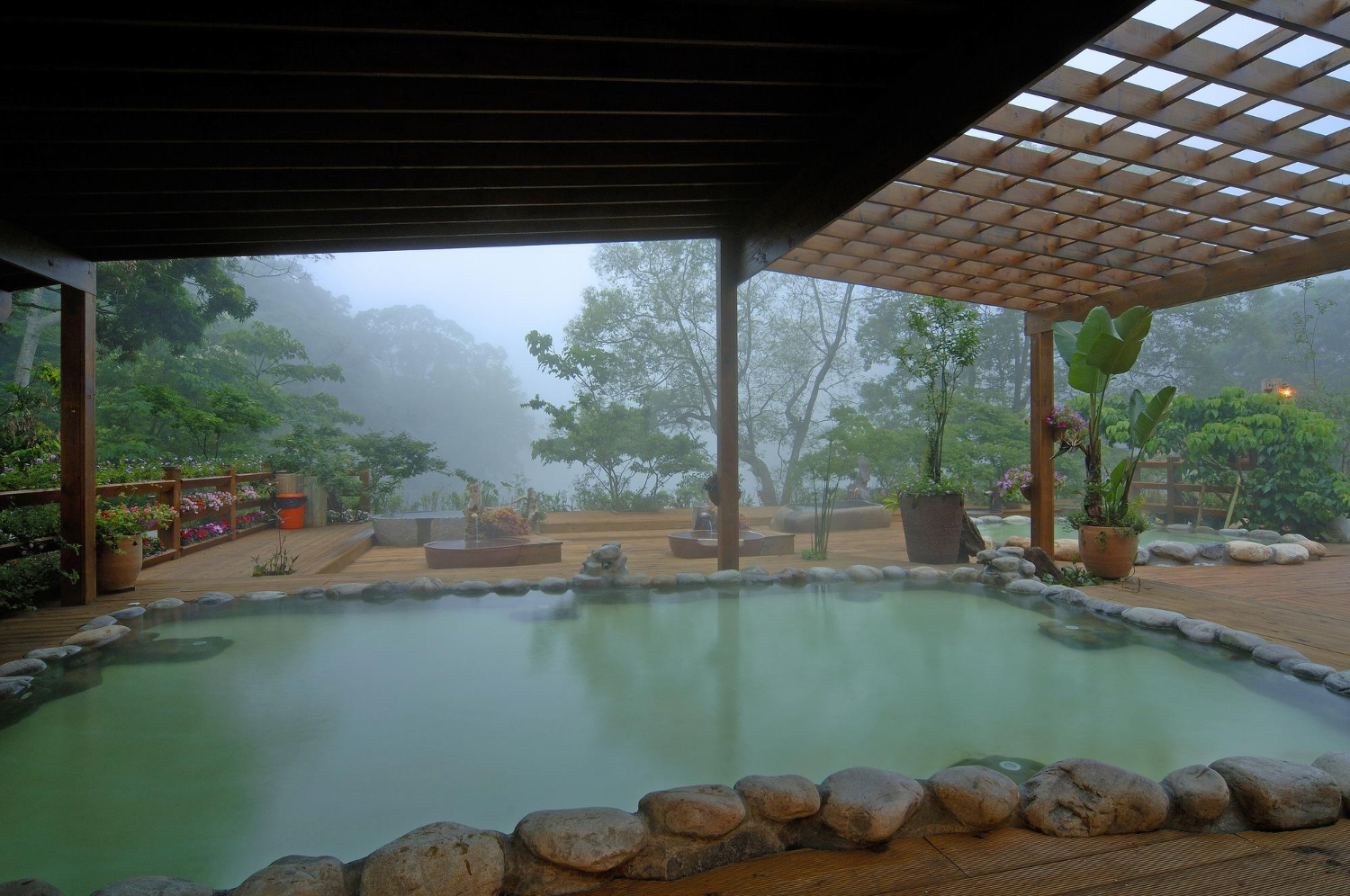
After thorough cleaning, visitors progress through various heated pools. Most jjimjilbangs offer multiple options: hot water pools at various temperatures (typically 38-42°C / 100-108°F), hot mineral pools containing specific substances claimed to provide health benefits, jet pools for muscle relaxation, cold pools for contrast therapy, and various specialty options. The progression typically involves multiple pools rather than single extended soak.
The traditional sequence: start with moderate temperature pool, progress to hotter pools as body acclimates, alternate hot and cold for circulation effects, take periodic breaks for hydration. Total time at this stage typically runs 30-45 minutes. The progression produces specific physiological effects (substantial circulation enhancement, muscle relaxation, sweating) that prepare the body for subsequent stages. Many international visitors substantially shorten this stage, missing benefits that come from sustained graduated heat exposure.
Stage 3: The Body Scrub (Optional but Traditional)
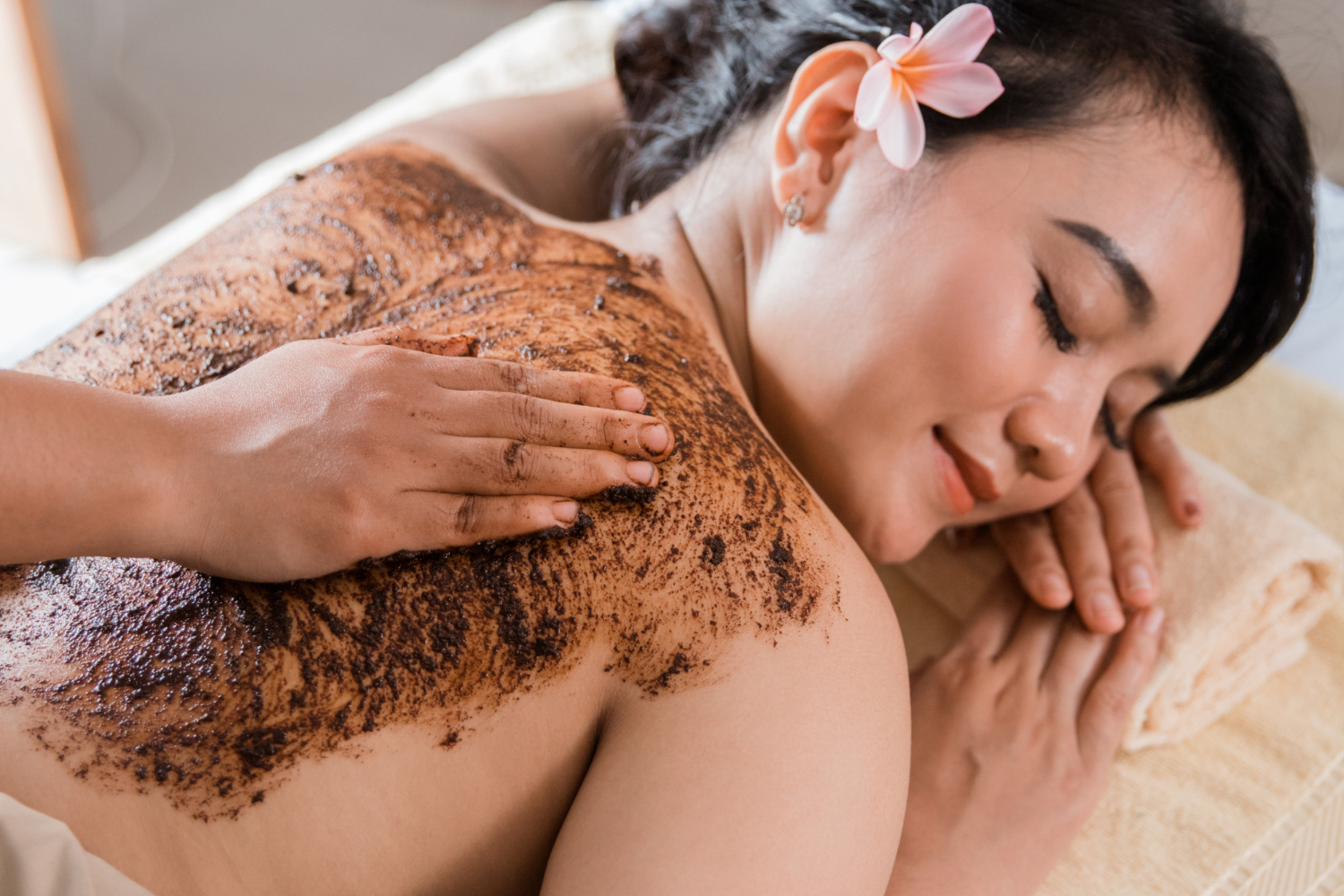
Most jjimjilbangs offer professional body scrub services (세신 / sesin) — typically performed by experienced female workers (sometimes called “ajumma scrub ladies”). The service involves substantial physical scrubbing with rough mitts to remove dead skin cells. Cost typically: ₩20,000-40,000 ($15-30 USD) for full-body scrub. Duration: typically 30-45 minutes.
The scrub experience can be intense for first-timers. The physical pressure is substantial. The amount of dead skin removed during typical scrub can be visible and surprising. Many visitors describe initial discomfort followed by feeling extraordinarily clean afterward. The procedure has substantial Korean cultural significance — sesin is considered both health practice and personal care ritual rather than just cosmetic service. International visitors who choose to experience sesin should be prepared for the intensity but typically describe the result as worthwhile.
Stage 4: The Common Area Transition
After bathing and any scrub treatment, visitors put on the provided uniform and move to the common area (찜질방 proper — the section that gives the institution its name). The uniformed common area is gender-mixed — men, women, and children all share space. Activities possible at this stage: visiting various themed sauna rooms, eating at the on-site restaurants, drinking traditional Korean beverages, socializing with friends or family, watching television, sleeping on heated floors, and various other activities.
The transition substantially changes the experience. Bathing area is private and gender-segregated; common area is communal and family-oriented. The uniforms create egalitarian atmosphere — everyone wears the same clothes regardless of social status. The combination produces specific Korean social atmosphere that exists nowhere quite the same way in Western contexts.
Stage 5: The Themed Sauna Rooms
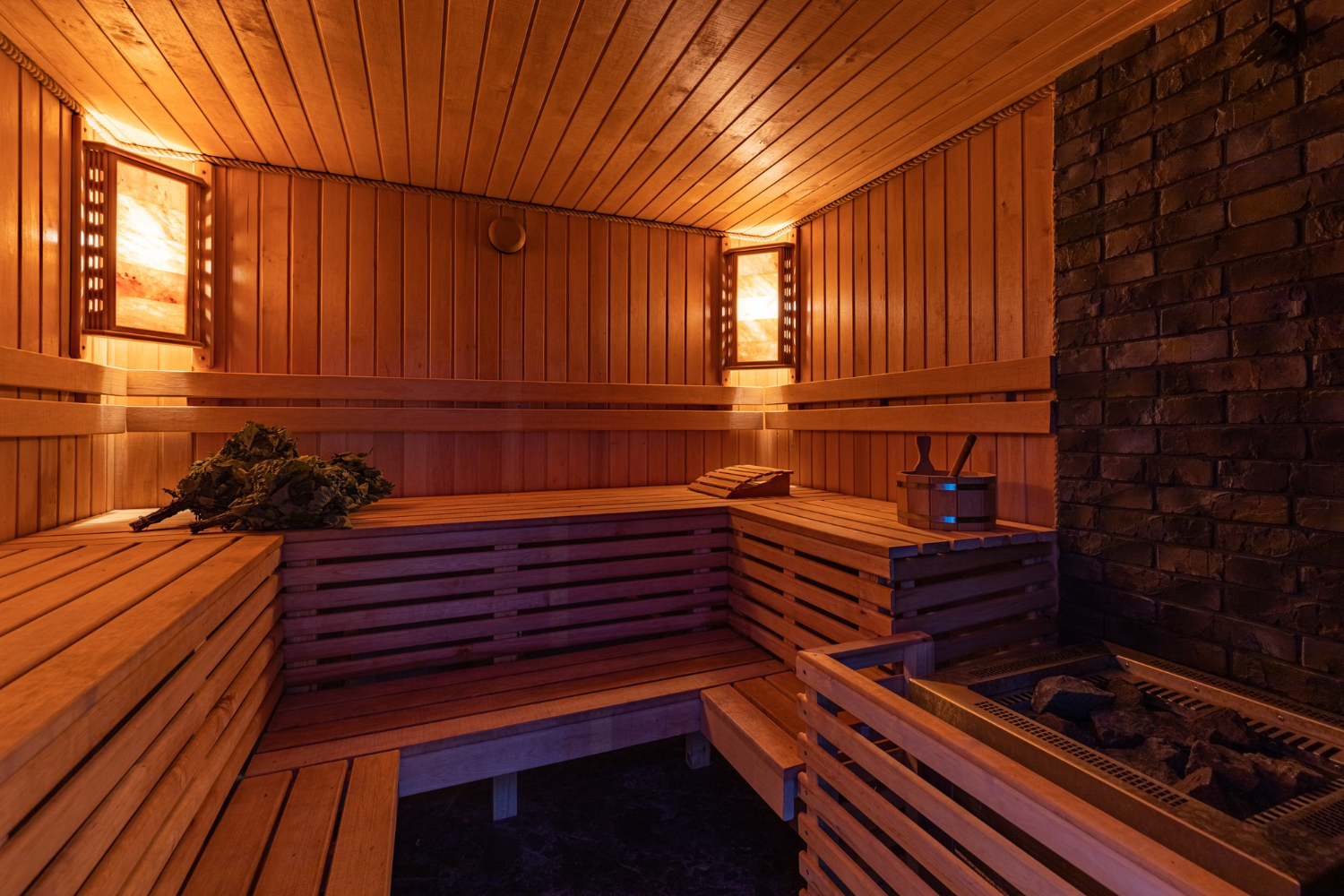
Korean jjimjilbangs typically feature multiple specialty sauna rooms (방 / “rooms”) with different temperature profiles, materials, and claimed health benefits. Common varieties include: jade rooms (claimed to balance energy), salt rooms (for respiratory benefits), charcoal rooms (for detoxification), pine wood rooms (for skin benefits), ice rooms for cooling between hot rooms, and various others. Temperatures range from cooling rooms around 5°C to extreme rooms reaching 80°C+.
The room sequence produces traditional Korean sauna experience. Visitors typically spend 5-15 minutes in specific rooms before moving to others, alternating between hot and cold, taking breaks for hydration. The cumulative effect produces substantial sweating and the specific feeling of physical purification that defines authentic Korean bathing culture. This stage typically takes 1-2 hours for proper experience.
Stage 6: The Korean Food Stage
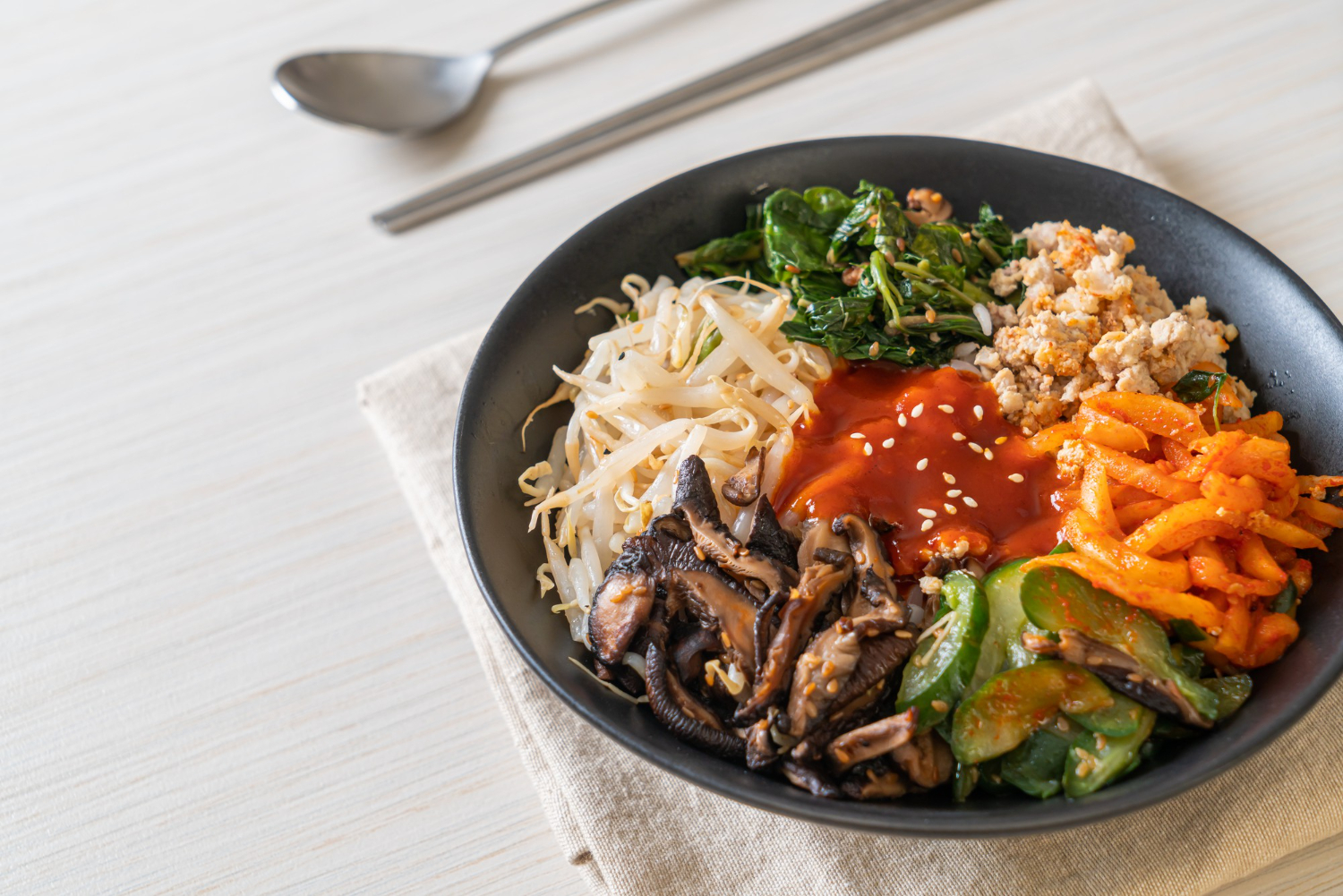
Most jjimjilbangs include substantial food service. Traditional jjimjilbang foods include: sikhye (sweet rice drink), soojeonggwa (cinnamon ginger drink), boiled eggs (specifically prepared in jjimjilbang kettles), dried squid, instant ramyeon, traditional Korean meals like bibimbap or kimchi jjigae. Food is typically ordered through wristband charges, eaten in common area dining sections.
The food stage represents specific Korean cultural practice. Eating in jjimjilbangs isn’t just convenience — it’s traditional practice that has accumulated specific food associations. Particular foods are essentially required for authentic experience. Boiled eggs eaten in jjimjilbangs have specific yellow color from prolonged kettle preparation. The combination of post-sauna physical state plus traditional Korean foods produces specific eating experience that’s difficult to replicate elsewhere.
Stage 7: The Sleep or Relaxation Stage
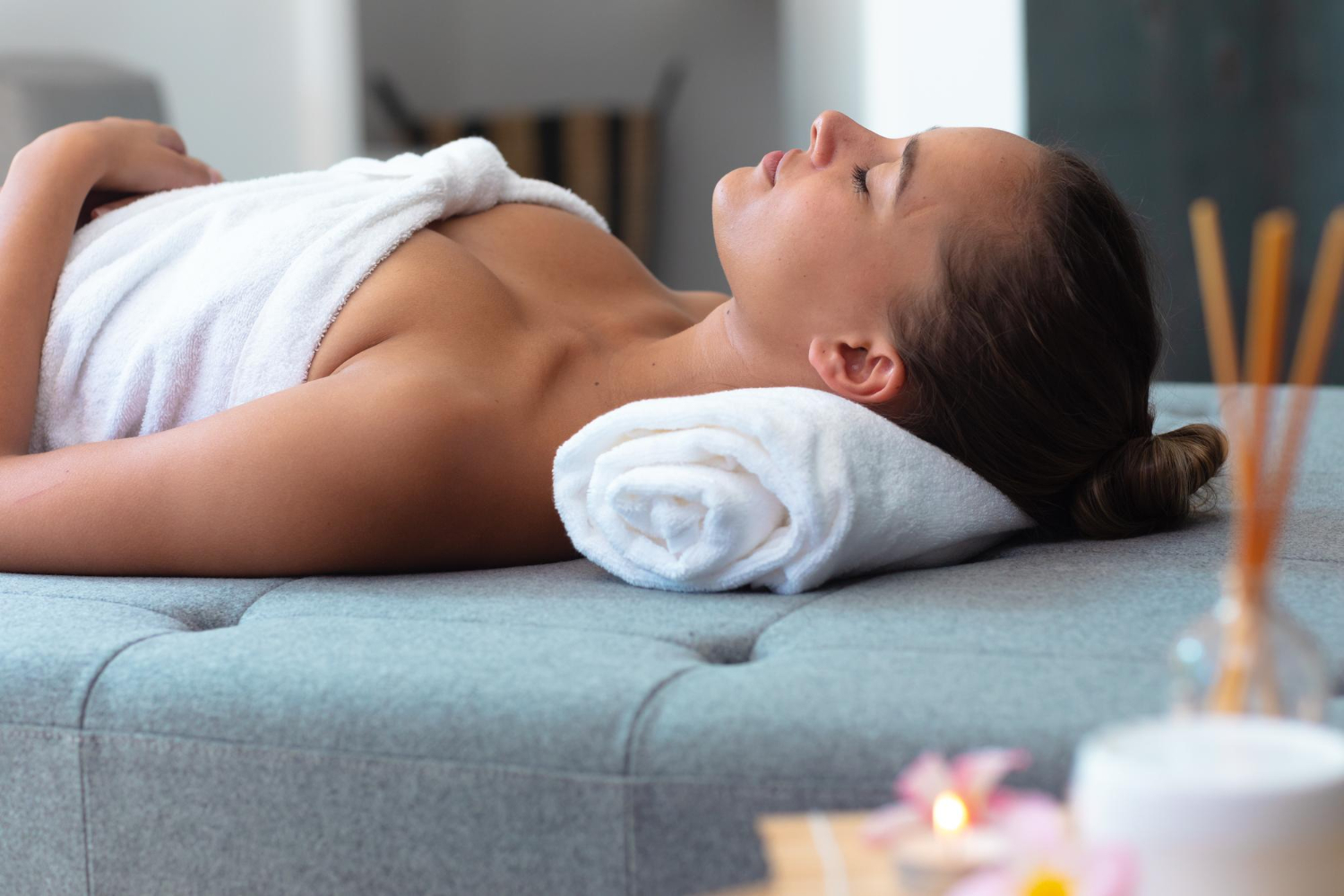
Korean jjimjilbangs are designed to support extended visits including overnight stays. Heated floor areas, sleeping mats, neck rolls, and various amenities support visitors who choose to sleep at the jjimjilbang. Many Koreans use jjimjilbangs as inexpensive accommodation during travel — entry fees typically include 24-hour access. Single-night jjimjilbang stays cost substantially less than typical hotel accommodations.
The sleep stage may follow extended bathing/sauna sequence or precede continued bathing — the 24-hour operation allows flexible scheduling. Various other relaxation options include reading rooms, massage chairs, internet access areas, and various other quiet spaces. The total experience from initial entry through extended stay can encompass entire days. Korean families sometimes spend full weekend days at jjimjilbangs as substantial recreational activity.
What Foreigners Typically Get Wrong
International visitors often substantially abbreviate the jjimjilbang experience by treating it as Western-style spa visit rather than full-day cultural institution. Common mistakes: insufficient initial cleaning before pool entry, brief pool soaking without sequence variation, skipping the sesin scrub, missing the common area entirely, leaving immediately after bathing rather than experiencing complete sequence. The abbreviated visits miss substantial portions of what makes jjimjilbang culturally distinctive.
Better approach: plan minimum 4-hour visits, ideally extending to 6-8 hours for complete experience. Bring change of clothes for after-visit. Eat at the on-site restaurants. Try multiple sauna rooms. Accept the bathing protocols including thorough cleaning. The complete experience produces substantially different result than abbreviated visit. Many international visitors who initially try abbreviated visits later return for full experience after understanding what they missed.
What This All Represents
The Korean jjimjilbang represents specific Korean cultural integration of bathing, social interaction, family entertainment, and casual lodging into single comprehensive institutions. The complete experience requires substantial time investment and cultural adaptation that abbreviated tourism cannot provide. Visitors who invest the time describe jjimjilbangs as among the most distinctive aspects of Korean travel — providing genuine cultural experience that mainstream tourism cannot replicate. The institution continues evolving with modern amenities and changing Korean social patterns, but maintains essential character that has defined Korean bathing culture for generations. For travelers willing to commit substantial time and cultural openness, jjimjilbangs provide entry to a specific part of Korean life that observation alone cannot match. The 24-hour operation, the comprehensive amenities, the family orientation, and the various other distinctive elements combine to produce something genuinely available nowhere else in quite the same way.

