


The world of travel is a dynamic landscape, constantly reshaped by technology, shifting priorities, and generational values. While the thrill of exploring new places remains universal, the how of travel often sparks a fascinating, sometimes humorous, divide between generations. For many Baby Boomers, cherished travel habits honed over decades represent comfort, efficiency, and a tried-and-true approach. For Gen Z, however, these very same practices can seem, well, a little… analog.
From planning methods to on-the-ground experiences, here are 10 travel habits Boomers adore that Gen Z often views as charmingly, if bewilderingly, outdated.
1. Printing Every Confirmation Just in Case

Boomers still feel safest when every flight, hotel, and rental car reservation is printed and tucked into a travel folder. They like having physical proof of everything, especially if Wi-Fi drops or an app glitches. For many, this habit comes from decades of travel before smartphones existed. Gen Z sees this differently. They lean on cloud backups, screenshots, and autofill, and they trust that everything they need lives on their phone. To them, traveling with a paper stack feels like hauling unnecessary baggage into a world built around digital convenience.
2. Arriving at the Airport Three Hours Early for Domestic Flights

Boomers tend to plan for every delay: parking issues, security lines, gate changes, and the possibility of missing a flight. Arriving extremely early gives them peace of mind, even if it means spending long stretches in uncomfortable seats. Gen Z approaches airports with a different rhythm. They monitor line wait times online, breeze through with digital IDs, and often show up with just enough time to spare. For them, three hours early feels like losing part of a day to fluorescent lights and restless crowds, not gaining control of the schedule.
3. Booking Travel Packages Through Human Agents

Boomers often prefer picking up the phone and talking to a real person who can walk them through flights, hotels, travel insurance, and local tours. Many developed a long-term trust with travel agents who handled complicated trips long before comparison sites existed. Gen Z, raised on apps and instant access, can compare dozens of prices in minutes and book everything without speaking to anyone. Calling an agent feels slow and old-fashioned to them, even if boomers appreciate the reassurance and personal touch that a human expert provides.
4. Packing Full-Sized Toiletries From Home

Boomers like using familiar products, especially if they’ve relied on the same brands for years. They prefer bringing full bottles rather than trusting unpredictable hotel minis or buying replacements on arrival. They also see it as being prepared, ensuring nothing goes wrong mid-trip. Gen Z takes the opposite approach. They pack light, travel with small refillable containers, or buy whatever they need at their destination. Carrying heavy, bulky bottles feels impractical to younger travelers who prize mobility and minimalism over “just in case” readiness.
5. Choosing Chain Hotels Over Local Stays

Boomers value consistency. Chain hotels offer predictable room layouts, familiar service, loyalty points, and fewer surprises. These comforts feel reliable, especially after long travel days. Gen Z leans toward boutique hotels, hostels, and short-term rentals where each stay feels different. They want local design, interesting neighborhoods, and unique experiences over standardized hallways. To them, big hotel chains can feel bland, while boomers appreciate stability. Both groups simply prioritize different definitions of comfort and adventure.
6. Wearing “Airport Outfits” Instead of Comfortable Travel Clothes

Boomers grew up in an era when flying was considered a special occasion. Dressing neatly (slacks, blouses, dress shoes) was part of the ritual. Many still hold onto that mindset, believing looking presentable matters in transit. Gen Z sees airports as endurance zones and opts for hoodies, soft pants, socks with grip, and layers built for survival, not appearance. Comfort rules the day, especially on long flights. Dressing up for a plane feels outdated to younger travelers who don’t believe travel needs to be formal.
7. Bringing Guidebooks Instead of Using Apps

Boomers trust printed guidebooks because they’ve used them for decades. A guidebook never loses signal, drains battery, or needs an update. For them, the maps, restaurant tips, and cultural notes feel curated and dependable. Gen Z has shifted entirely to digital, Google Maps, Reddit threads, TikTok travel recs, and real-time reviews. Lugging a book around seems unnecessary when a phone can provide directions, hours, translations, and suggestions instantly. The divide here is practical rather than generational: one values tradition, the other efficiency.
8. Sticking to Established Itineraries With No Room for Spontaneity
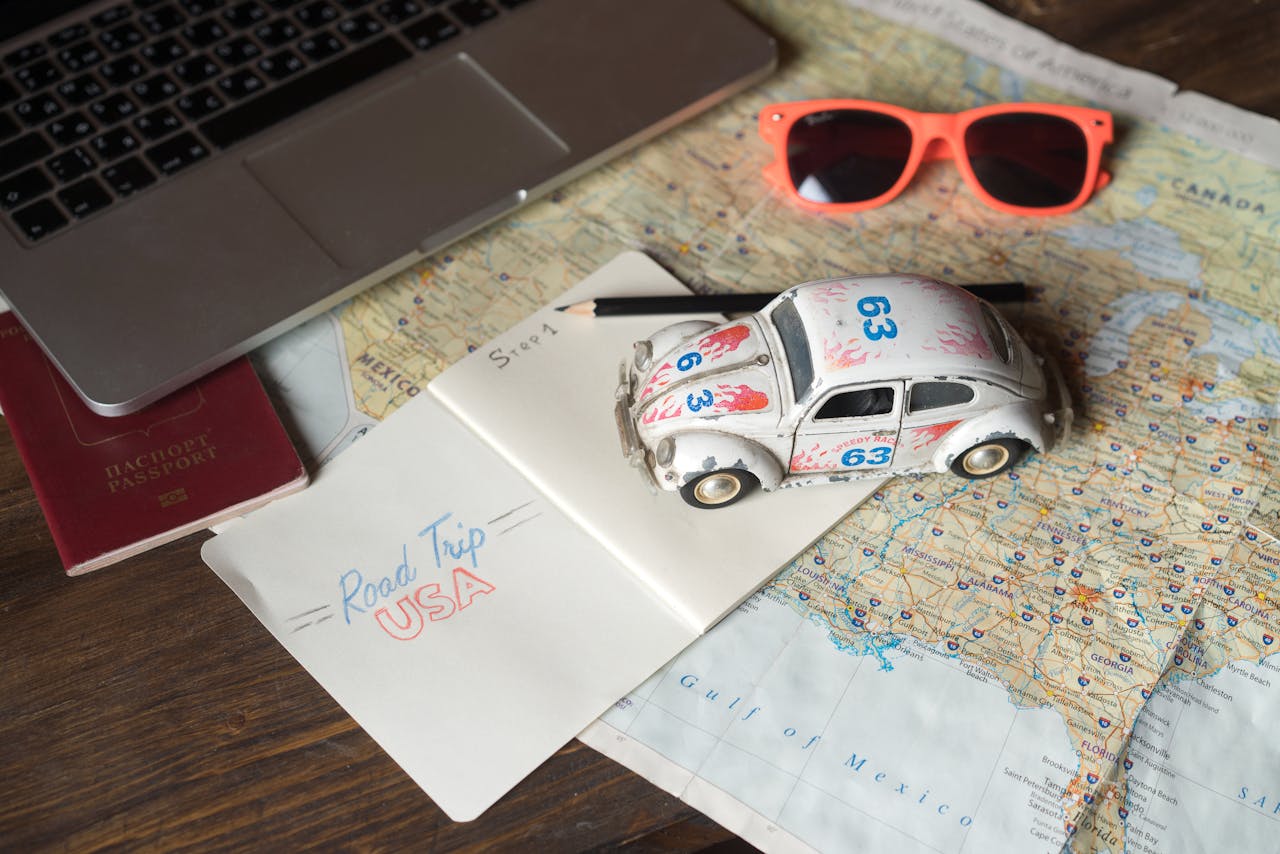
Boomers often prefer a well-structured plan: reservations made weeks ahead, tours booked early, and daily schedules broken into tidy blocks. Predictability reduces stress and makes the trip feel organized. Gen Z approaches travel like a flexible puzzle. They wander, discover things in real time, follow recommendations from locals or social media, and adjust their plans on the fly. A rigid itinerary feels limiting to them, while boomers see it as a lifeline that keeps trips smooth and enjoyable.
9. Avoiding Self-Check-In Kiosks Because Talking to a Person Is “Easier”
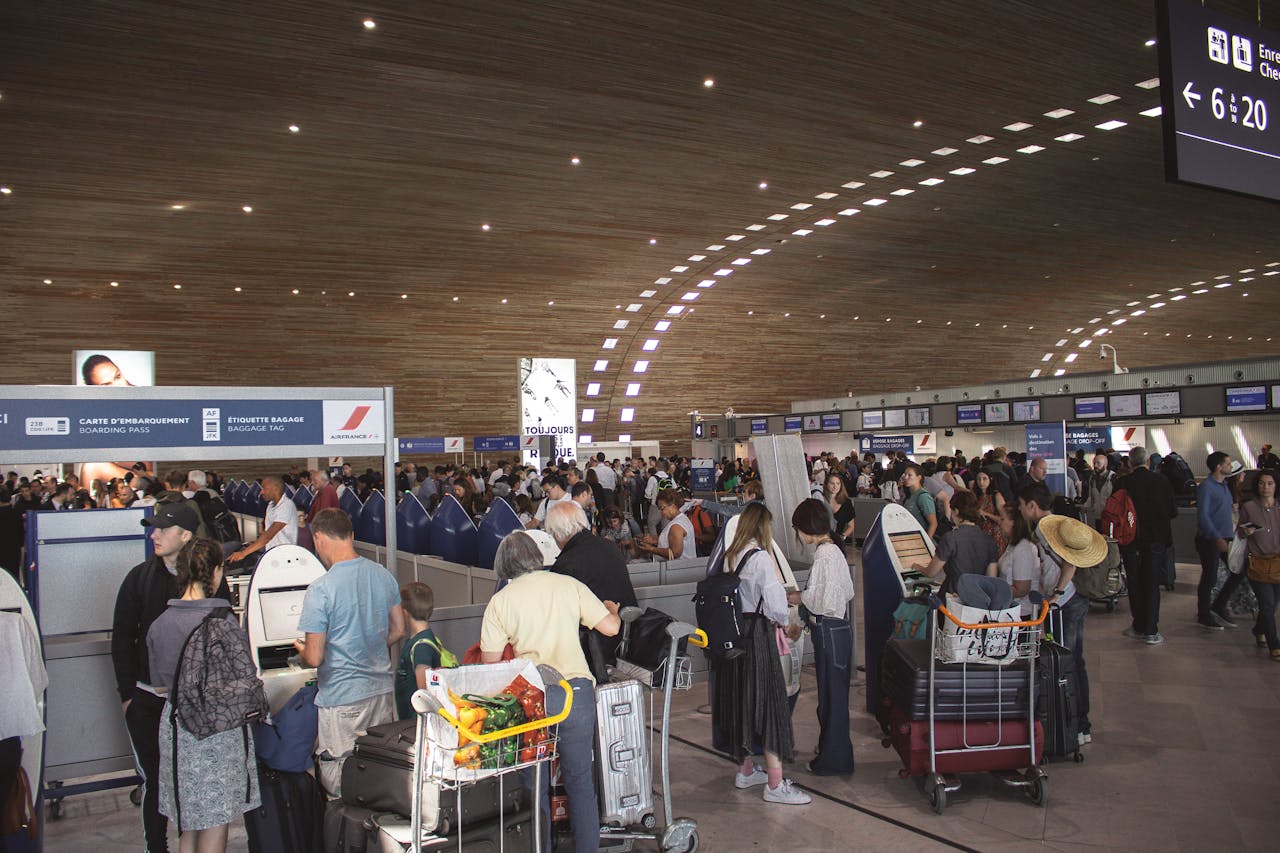
Boomers often find comfort in human interaction, especially when travel logistics feel complicated. A desk agent can confirm details, answer questions, and fix issues immediately. Gen Z would rather skip the line, tap through a few screens, print their own bag tags, and move on. For them, kiosks eliminate small talk and speed up everything. They trust the tech more than the process of waiting for an agent. What feels reassuring to boomers feels like wasted time to younger travelers.
10. Bringing Cash for Everything, Including Tips and Snacks

Boomers frequently travel with envelopes of cash, one for meals, one for souvenirs, one for emergencies. It gives them a sense of control and helps with budgeting. Gen Z barely carries bills and often doesn’t see the point; digital wallets and tap-to-pay options handle almost every purchase. For younger travelers, cash feels bulky and inconvenient. Yet boomers often argue that cash works when card machines break, international fees spike, or remote areas lack digital payments. The debate continues because both methods have their advantages.


