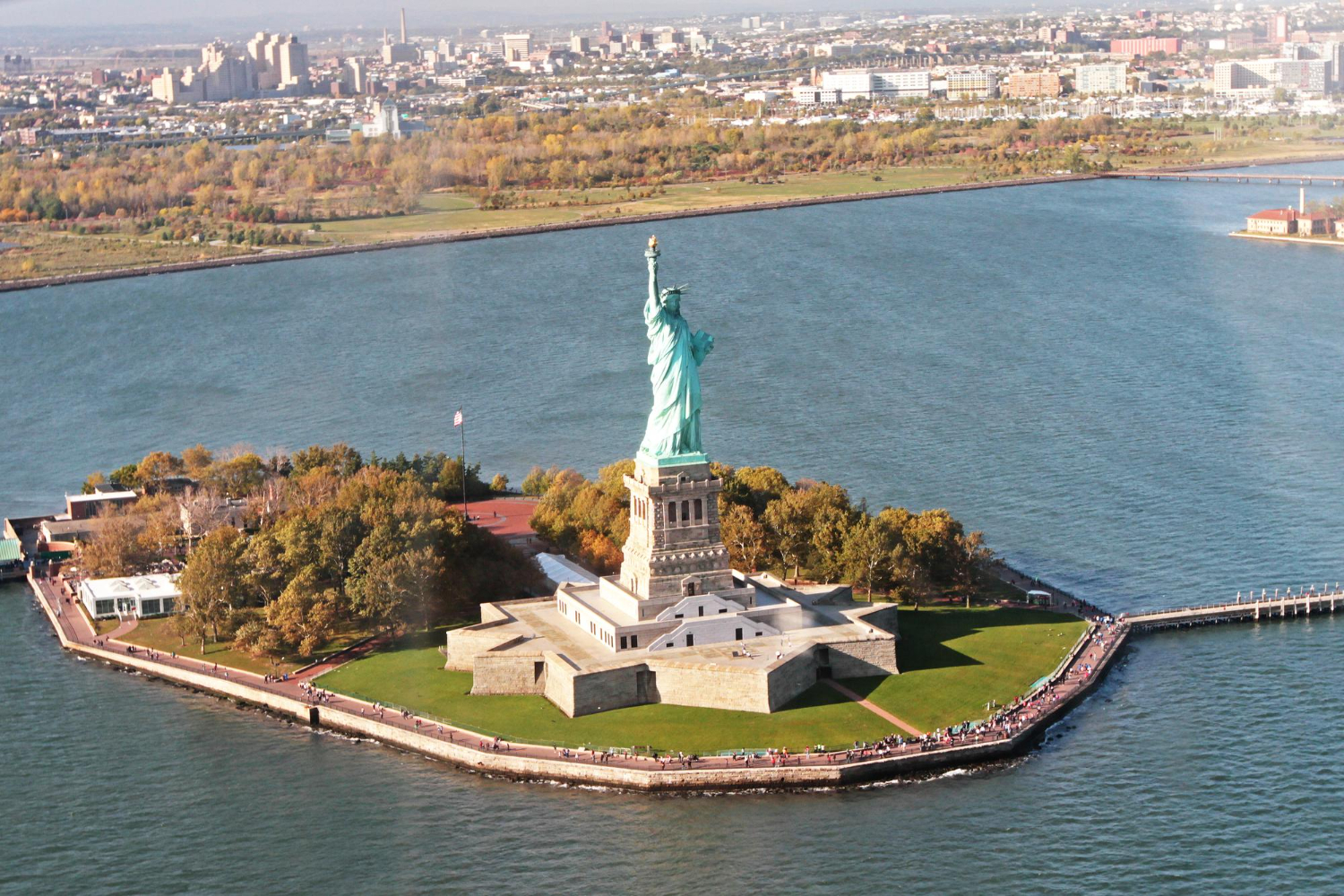
The most-visited American landmarks are familiar to anyone who has watched a tourism advertisement — the Statue of Liberty, the Golden Gate Bridge, the Grand Canyon, Yellowstone’s geysers, the Lincoln Memorial. The American landscape, however, contains hundreds of additional landmarks of comparable historical or geological significance that receive a fraction of the visitor traffic. Most are not officially obscure — they have Wikipedia pages, National Register listings, and active interpretive programs. They are simply not on the standard American tourist itinerary. The reason is usually geographic — landmarks in remote or non-coastal states, off interstate routes, or in areas without strong tourism marketing budgets. Here are twelve American landmarks most travelers will never see, with the specific historical or geological significance of each and the logistics of getting there.
The list below was compiled from a combination of National Park Service visitation data (which clearly identifies under-visited federal landmarks), state historic preservation office records (which identify under-promoted state landmarks), and the National Register of Historic Places (which includes thousands of significant sites). Each entry on the list draws fewer than 200,000 visitors per year — substantially less than the 4 to 12 million annual visitors of the famous landmarks. None of the sites is officially obscure. All are accessible to the general public. The cumulative effect of visiting these twelve sites would be a richer understanding of American history and geology than is possible from the standard tourist circuit.
1. Effigy Mounds National Monument (Iowa)
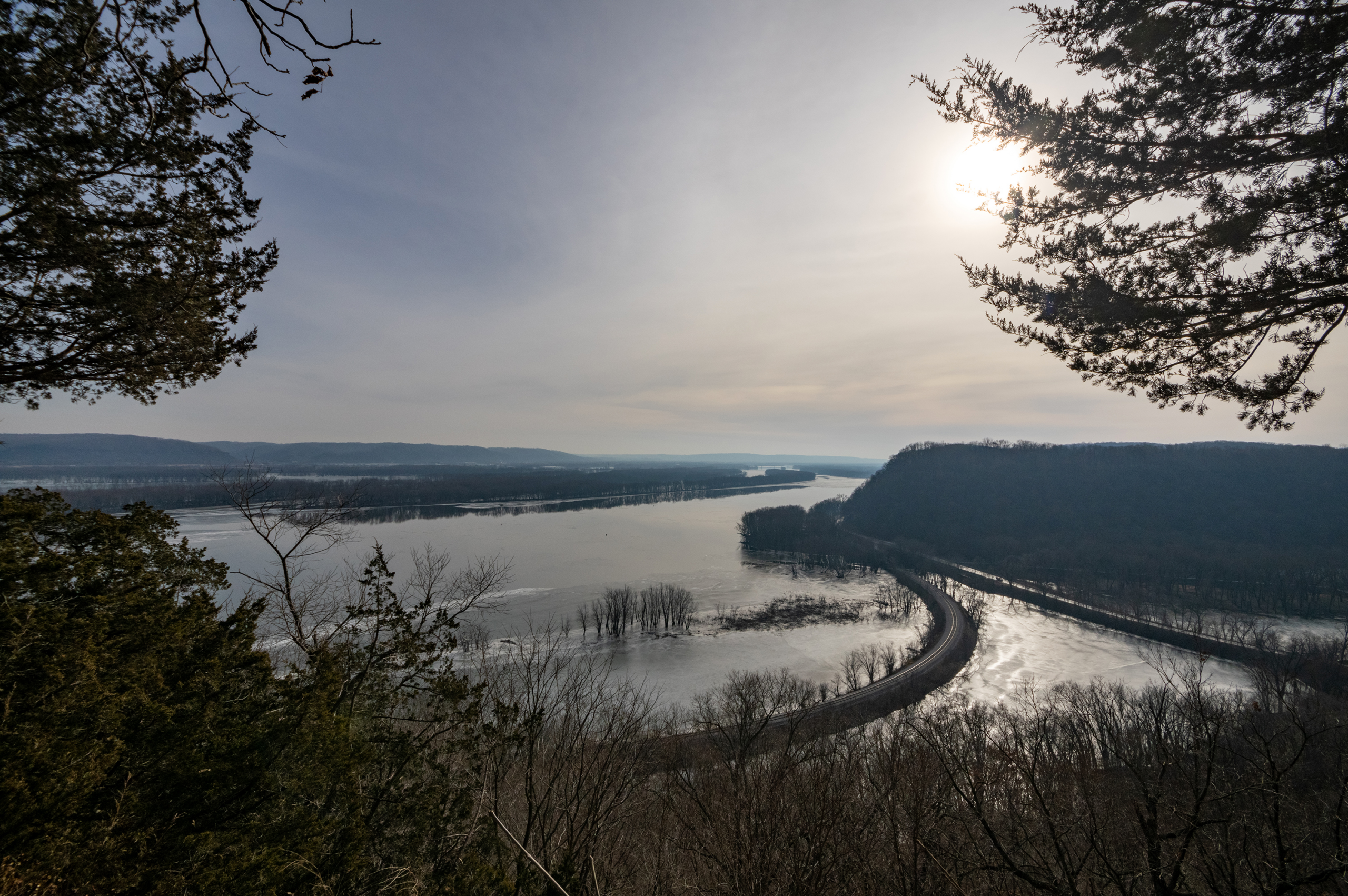
Effigy Mounds National Monument in northeastern Iowa contains 206 prehistoric mounds built by Native American cultures between approximately 600 and 1300 CE. The mounds include unique animal-shaped earthworks — bears, birds, and other figures — that exist primarily in the upper Midwest and are rare globally. The monument receives approximately 75,000 visitors per year. The site is located along the Mississippi River near Marquette, Iowa, approximately 60 miles from Dubuque. Visitors can hike approximately 14 miles of trails through the mound complex. The site’s significance — as one of the largest concentrations of prehistoric earthworks in North America — is comparable to the famous Cahokia Mounds in Illinois but receives less than one-tenth the annual visitation.
Like our content? Follow us for more.
2. Watkins Glen Gorge (New York)
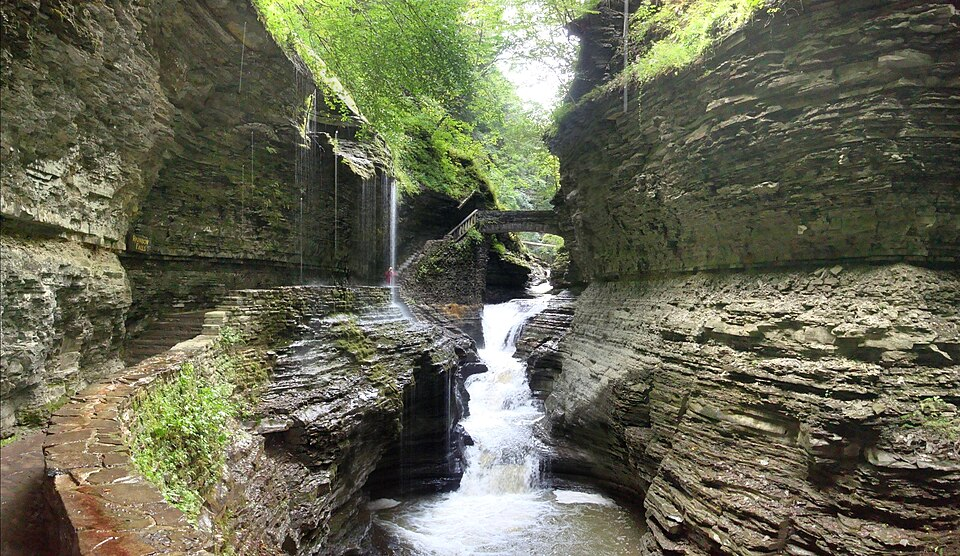
Watkins Glen State Park in the Finger Lakes region of New York State contains a 1.5-mile gorge with 19 waterfalls, accessible via 800 stone steps cut into the rock face throughout the early 20th century. The gorge cuts approximately 200 feet deep through the surrounding limestone. The park receives approximately 800,000 annual visitors — substantial but a fraction of comparable East Coast natural attractions. The gorge trail is one of the most distinctive hikes in the American Northeast. The town of Watkins Glen, separately famous for the Watkins Glen International racetrack, provides accommodations and services. The Finger Lakes wine region surrounds the park, with over 100 wineries within a 30-mile radius.
3. The Marfa Lights (Texas)
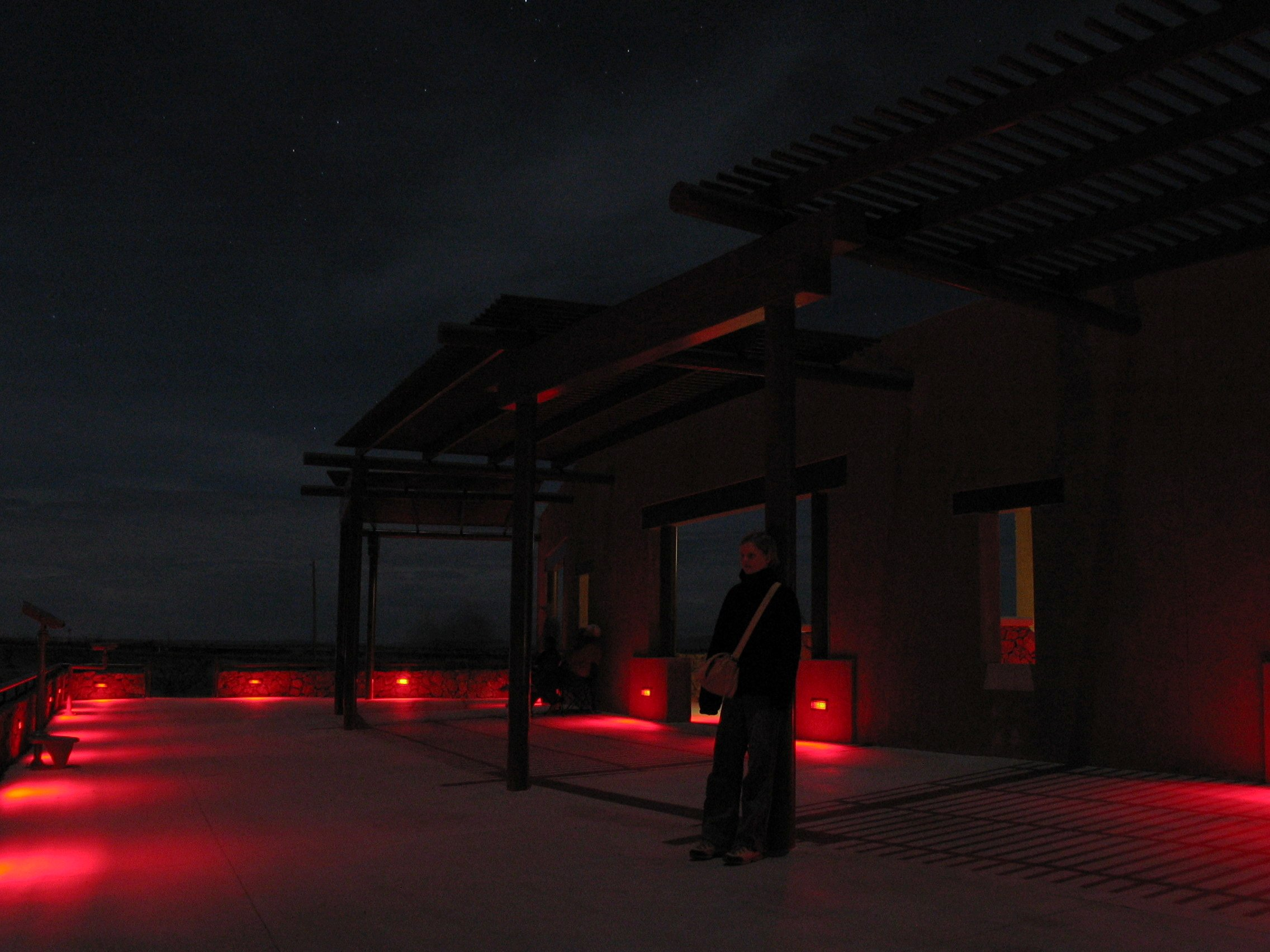
The Marfa Lights — unexplained nocturnal light phenomena visible from a state-built viewing platform east of Marfa, Texas — have been documented since the 1880s. The lights appear as flickering or moving illuminations near the Chinati Mountains. Scientific explanations remain contested. The viewing platform is approximately 9 miles east of Marfa along U.S. Route 90 and is free to access. The town of Marfa itself has become a small but distinctive tourist destination, with the Donald Judd Chinati Foundation art installations and the Prada Marfa permanent installation 26 miles west. The lights themselves draw approximately 50,000 dedicated visitors per year — a small fraction of the broader Marfa tourism economy.
4. The Hubbell Trading Post (Arizona)
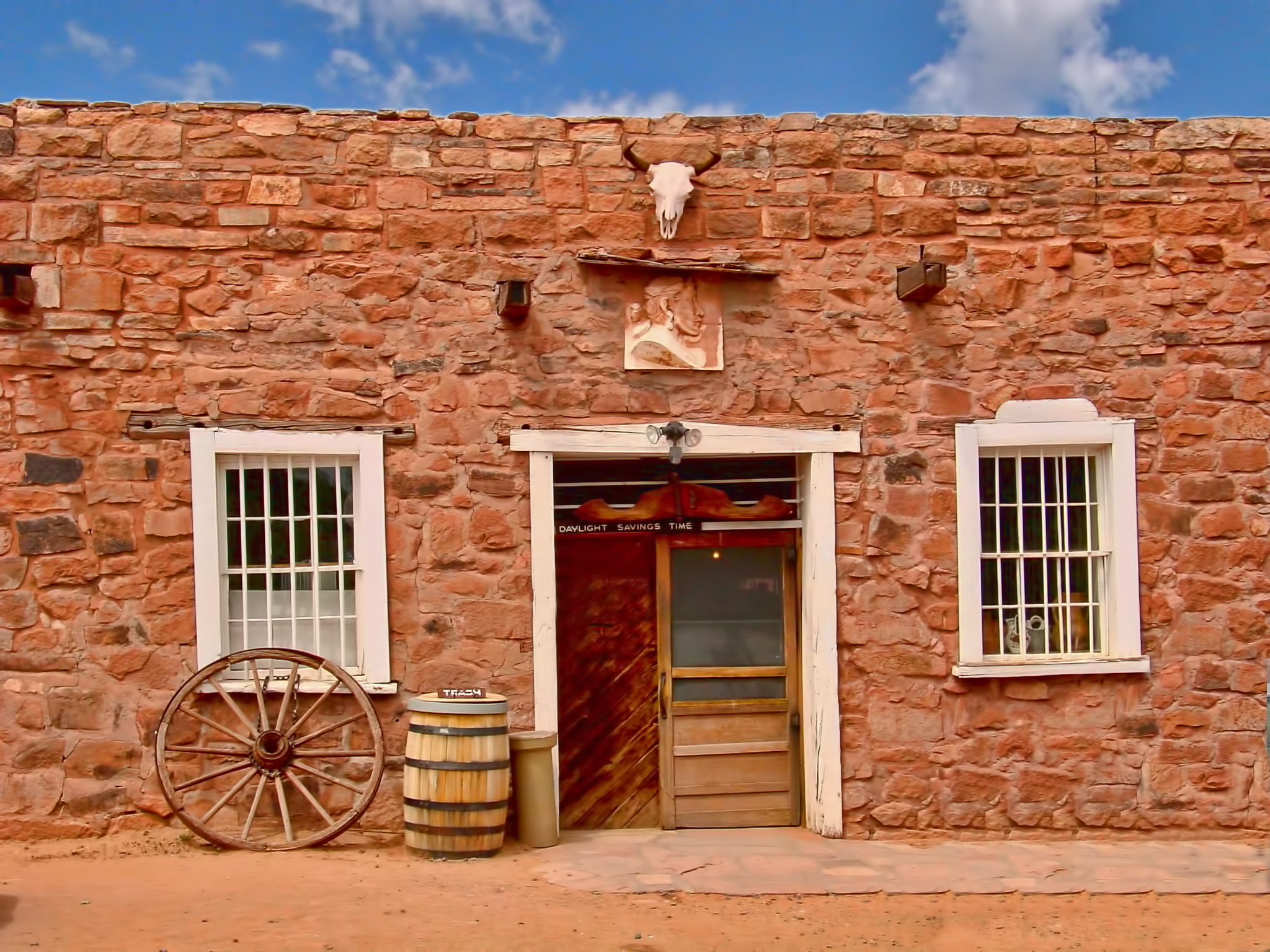
Hubbell Trading Post National Historic Site in the Navajo Nation of northeastern Arizona has operated continuously as a trading post since 1878 — making it the oldest continuously operating trading post in the United States. The site receives approximately 60,000 annual visitors. The original 1880s structures are intact, the trading floor continues to operate selling Navajo weaving, silverwork, and Pueblo pottery, and the National Park Service operates an interpretive program documenting Diné (Navajo) culture and the trading-post economy of the post-conquest American Southwest. The site is approximately 30 miles southwest of Window Rock, Arizona.
5. The Toledo War Memorial Area (Michigan/Ohio Border)
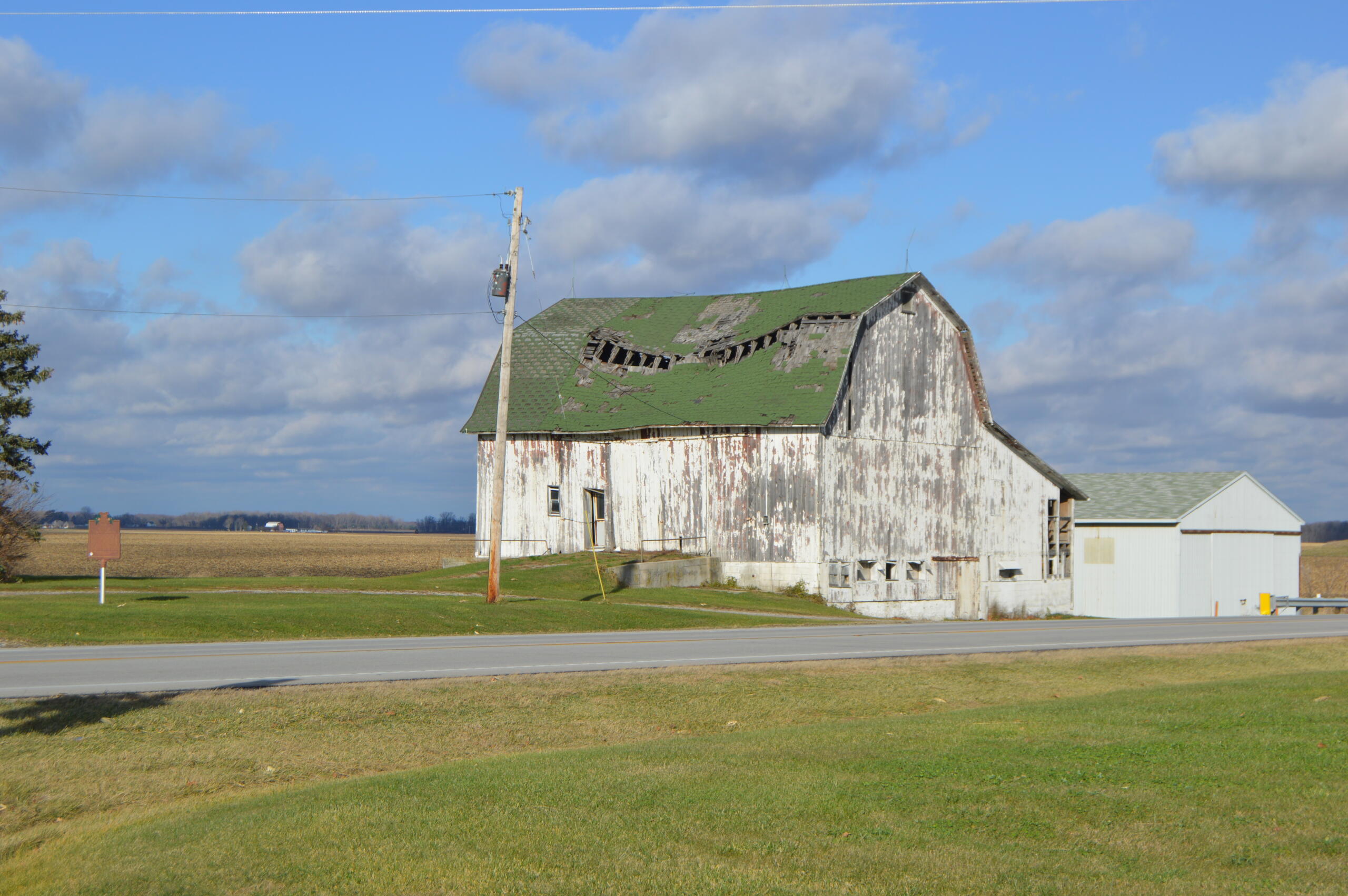
The Toledo War of 1835-1836 was a near-armed conflict between Michigan and Ohio over the Toledo Strip, a disputed strip of land along Lake Erie. The war was resolved through federal mediation, with Ohio receiving the disputed territory and Michigan receiving the western Upper Peninsula as compensation. The historical sites — small monuments in Toledo, Ohio and in southeast Michigan — receive minimal visitation but commemorate one of the strangest interstate conflicts in American history. The fact that Michigan received the Upper Peninsula, which contains some of the most valuable copper and iron deposits in North American mining history, transformed the state’s economic trajectory in ways the federal mediators in 1836 could not have anticipated.
6. The Slabsides — John Burroughs’s Cabin (New York)
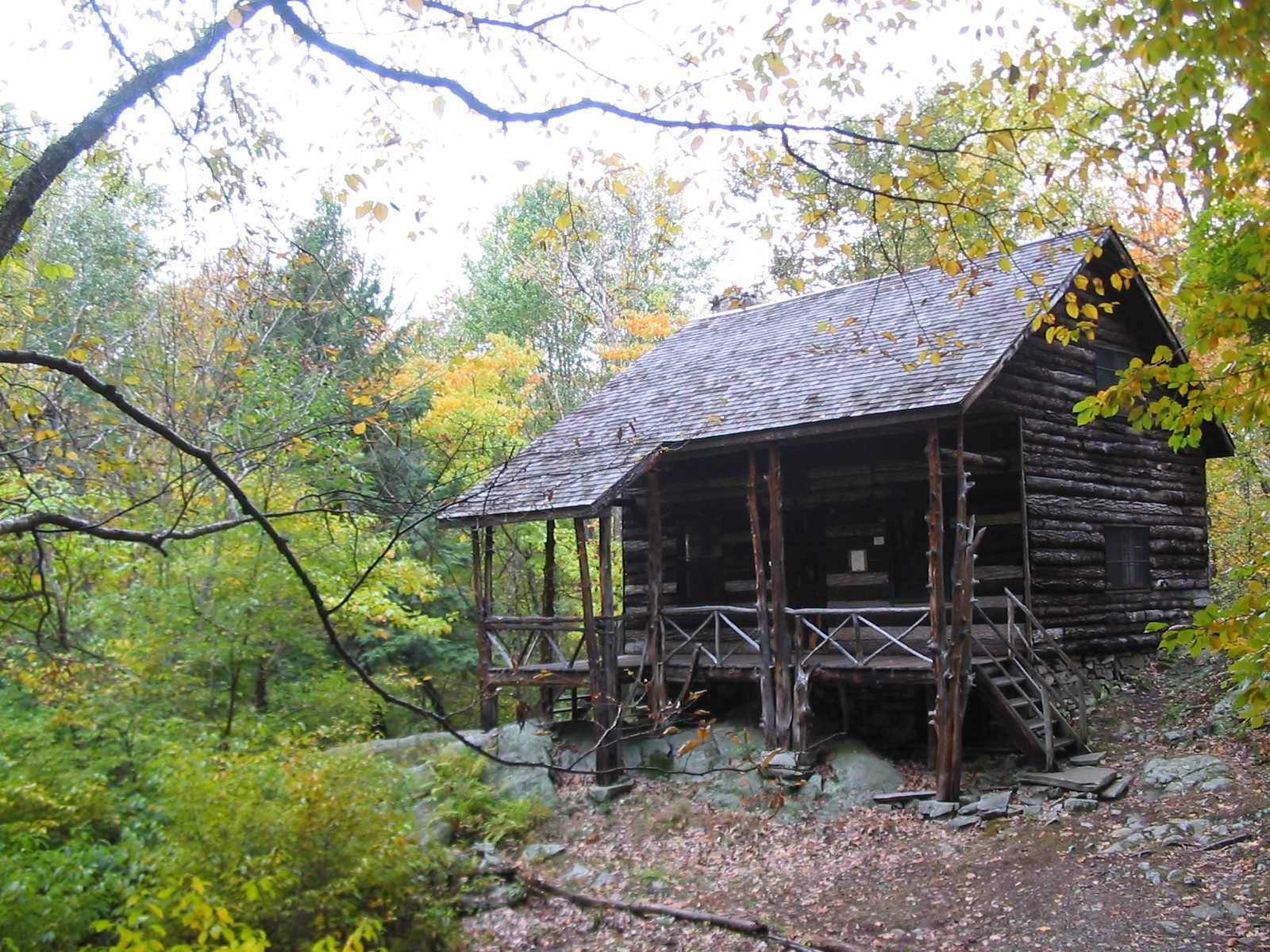
Slabsides, the rustic cabin built by naturalist John Burroughs in 1895 in West Park, New York (Ulster County), is one of the most significant sites in the history of American nature writing. Burroughs, a friend of John Muir, Theodore Roosevelt, and Walt Whitman, wrote dozens of influential natural-history essays at Slabsides. The site is operated by the John Burroughs Association and receives approximately 5,000 annual visitors. The cabin is open by appointment and during specific public events. The surrounding 200 acres of Burroughs’s Riverby property remain substantially as Burroughs left them.
7. Mount Magazine (Arkansas)
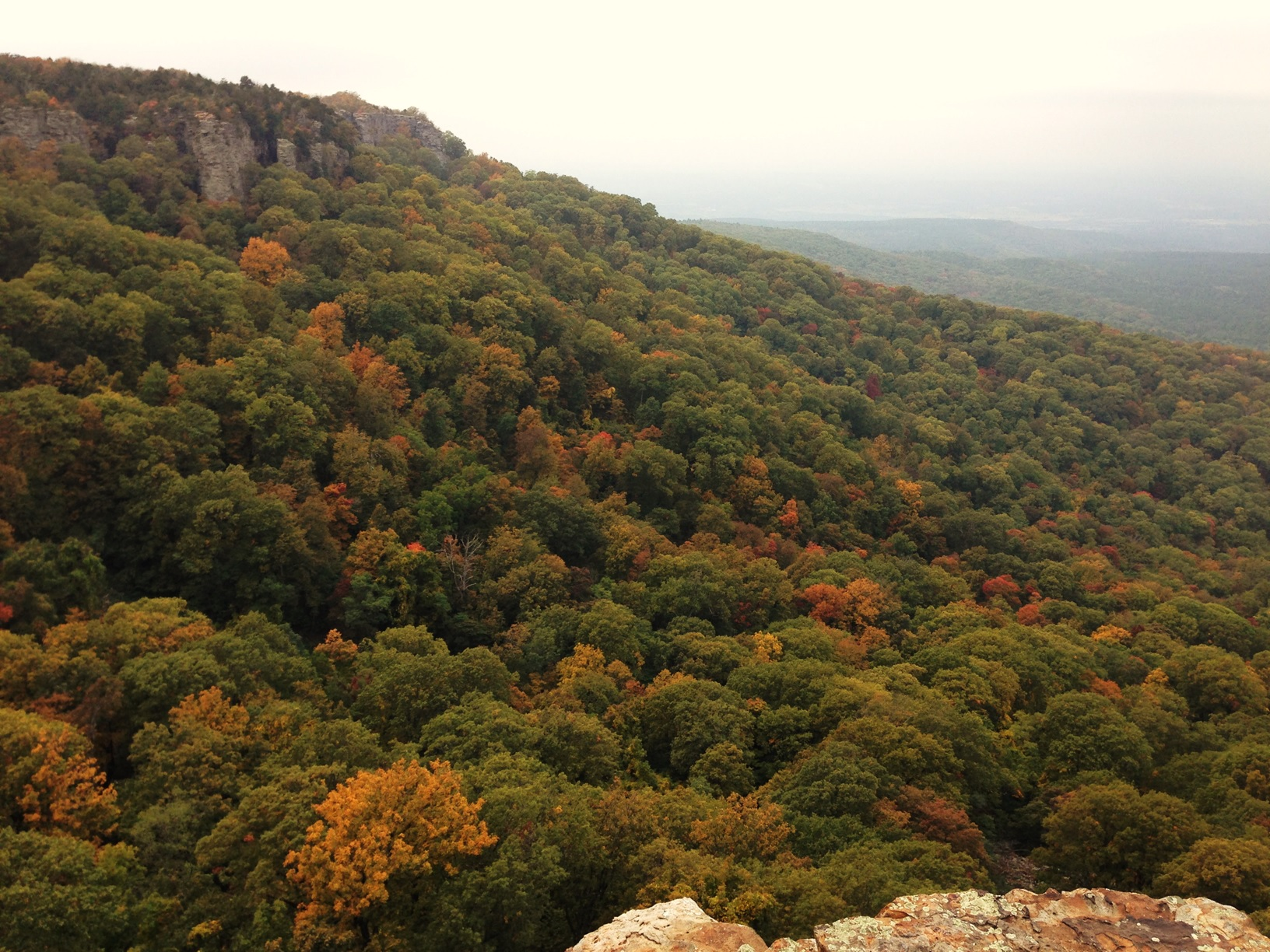
Mount Magazine in west-central Arkansas is the highest point in the Ouachita Mountains and the highest point in Arkansas at 2,753 feet. The mountain is the geological highest point between the Appalachians and the Rocky Mountains. The state park atop the mountain has a lodge, cabins, a restaurant, and hiking trails. The mountain receives approximately 250,000 visitors per year — a small number for a state highpoint. The summit overlooks vast areas of central and western Arkansas. The Mount Magazine Lodge, opened in 2006, is one of the few state-park lodges in the American South.
8. The Mountain Lake Hotel (Virginia)
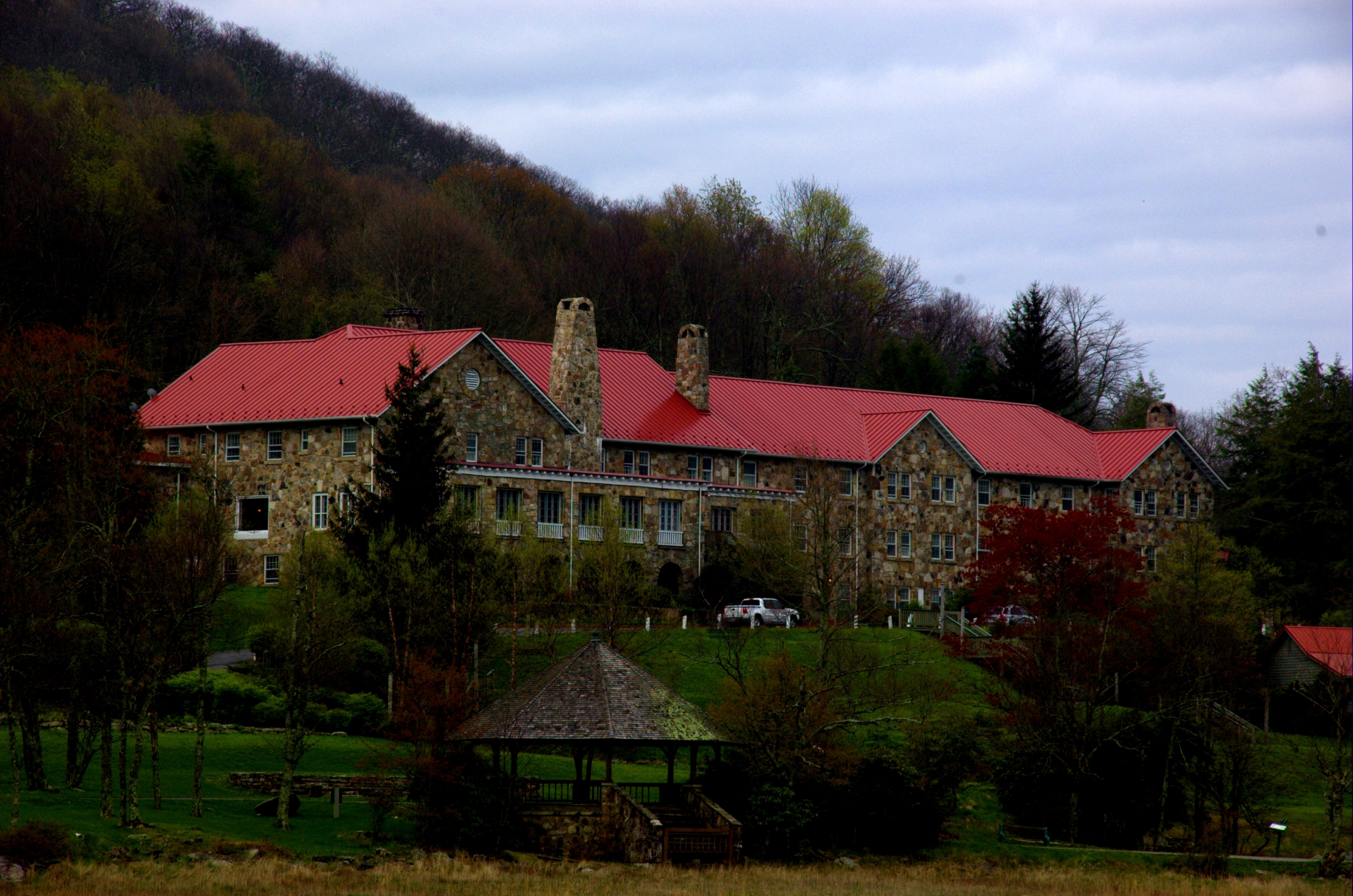
Mountain Lake Hotel in Giles County, Virginia — the actual filming location for the 1987 film “Dirty Dancing” — sits at 4,000 feet elevation atop Salt Pond Mountain. The hotel was built in 1936 around a natural mountain lake that has fluctuated dramatically in depth over the past century, including a near-complete drainage event from 2008 to 2014 followed by partial refilling. The Mountain Lake Lodge receives approximately 40,000 annual visitors, primarily Dirty Dancing fans and Appalachian Trail hikers. The natural lake-drainage phenomenon — caused by geological seepage through the underlying limestone — is one of the most unusual hydrological events in the American Appalachians.
9. The Wormsloe Historic Site (Georgia)
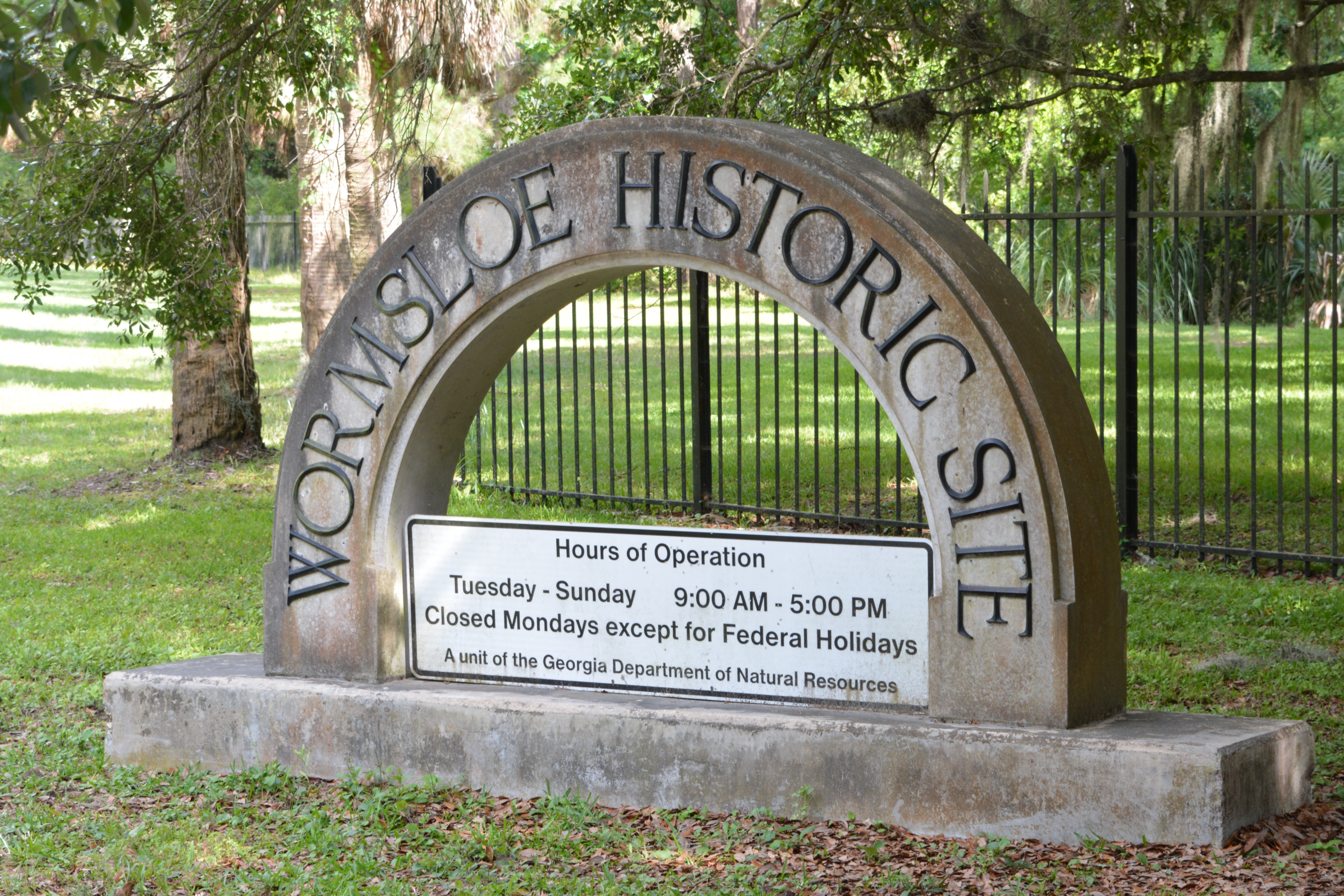
Wormsloe State Historic Site just south of Savannah, Georgia, contains the tabby ruins of a colonial fortified plantation built by Noble Jones in 1737 — the oldest standing structure in Georgia. The site is approached via a 1.5-mile oak-lined drive that has been featured in numerous films and television productions. The site receives approximately 150,000 annual visitors — substantial but a fraction of Savannah’s overall 14 million annual tourism volume. Visitors typically combine Wormsloe with Fort Pulaski National Monument and the Savannah historic district.
10. Quartz Mountain Nature Park (Oklahoma)
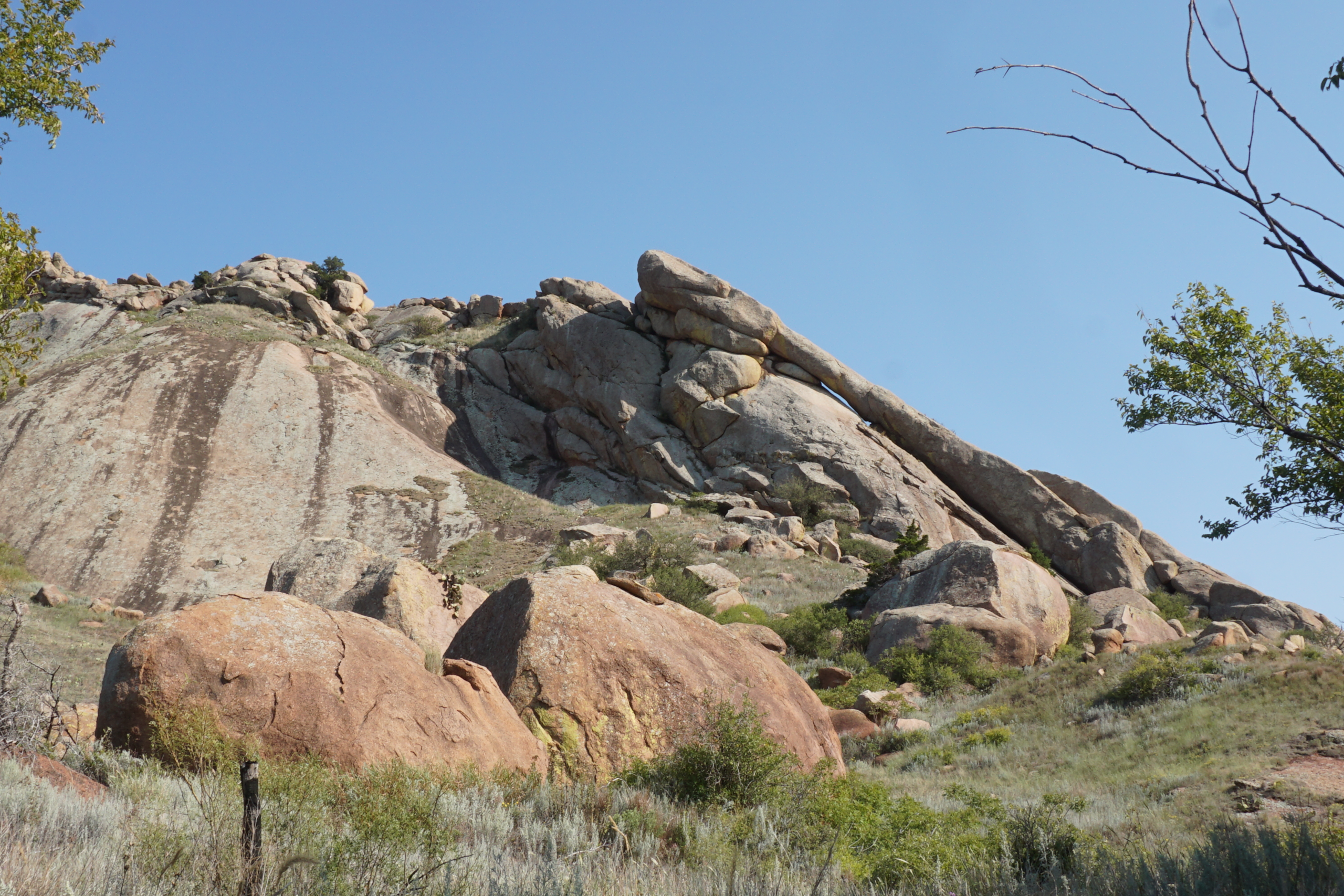
Quartz Mountain Nature Park in southwestern Oklahoma sits in the Wichita Mountains, contains 1.6-billion-year-old granite formations, and operates a state-park resort with hiking trails, a lake, and dramatic Western views. The park receives approximately 200,000 annual visitors. The Wichita Mountains National Wildlife Refuge, adjacent to the state park, contains free-ranging American bison, elk, and longhorn cattle herds. The combined Wichita Mountains/Quartz Mountain area is one of the most distinctive landscapes in the American interior plains and is substantially overlooked by travelers heading to more famous Western destinations.
11. Theodore Roosevelt National Park (North Dakota)
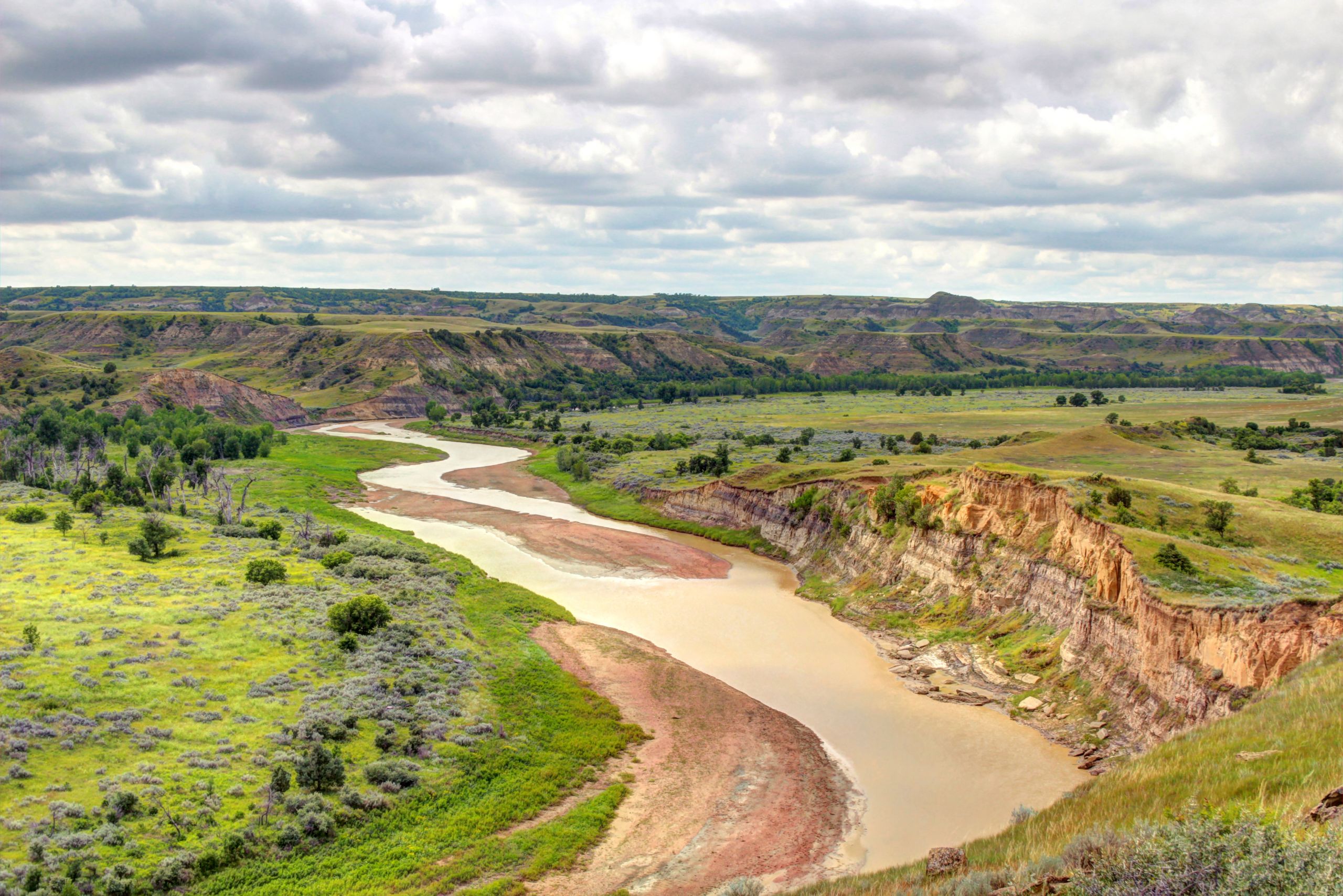
Theodore Roosevelt National Park in western North Dakota was Roosevelt’s personal ranching area in the 1880s and contains some of the most distinctive badlands landscape in the United States. The park covers 70,447 acres in three distinct units along the Little Missouri River. The park receives approximately 700,000 annual visitors — substantially less than comparable national parks elsewhere. The park is approximately 5 hours from Bismarck, the nearest major city, which substantially limits casual visitation. Visitors who do make the journey typically report the park as one of the most-impressive American national parks they have visited, with the badlands landscape rivaling South Dakota’s Badlands National Park while drawing far fewer crowds.
12. The American Computer Museum (Montana)
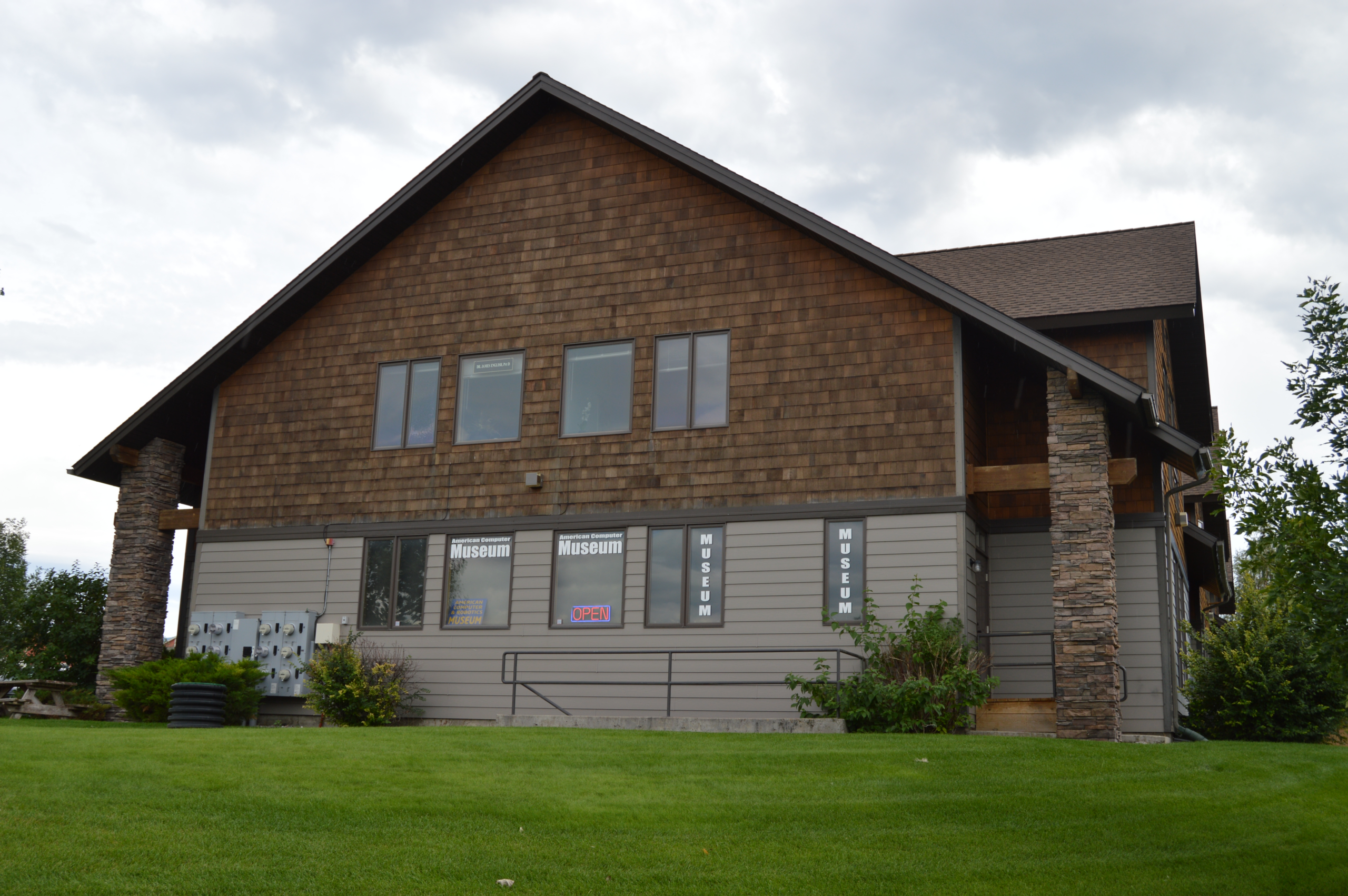
The American Computer & Robotics Museum in Bozeman, Montana, is the world’s oldest continuously operating computer museum, founded in 1990. The museum’s collection traces the entire history of computing from ancient calculating devices through modern computing. The museum receives approximately 20,000 annual visitors. The collection includes one of the few publicly-displayed Cray supercomputers, original Apple I computers, military computing devices, and extensive personal-computing-era artifacts. The museum’s relatively small visitor base reflects its Bozeman location and the broader American tendency to overlook history-of-technology museums in favor of more conventional historic sites.
Like our content? Follow us for more.