The town of Blaenau Ffestiniog in north Wales sits on slate deposits that, at industry’s peak in the 1880s, roofed buildings across the British Empire and beyond. By the 1960s, when the slate market collapsed, an entire mountain of tunnels and chambers had been carved out beneath the town. Rather than seal them, owners turned them into one of the most unusual tourist destinations in Britain — including underground adventure golf in a cavern twice the size of St Paul’s Cathedral, the steepest underground railway in the UK, and giant trampolines suspended 180 feet above cavern floors. Here’s how a dying industry created an entirely new one.
1: A Town Built on Slate
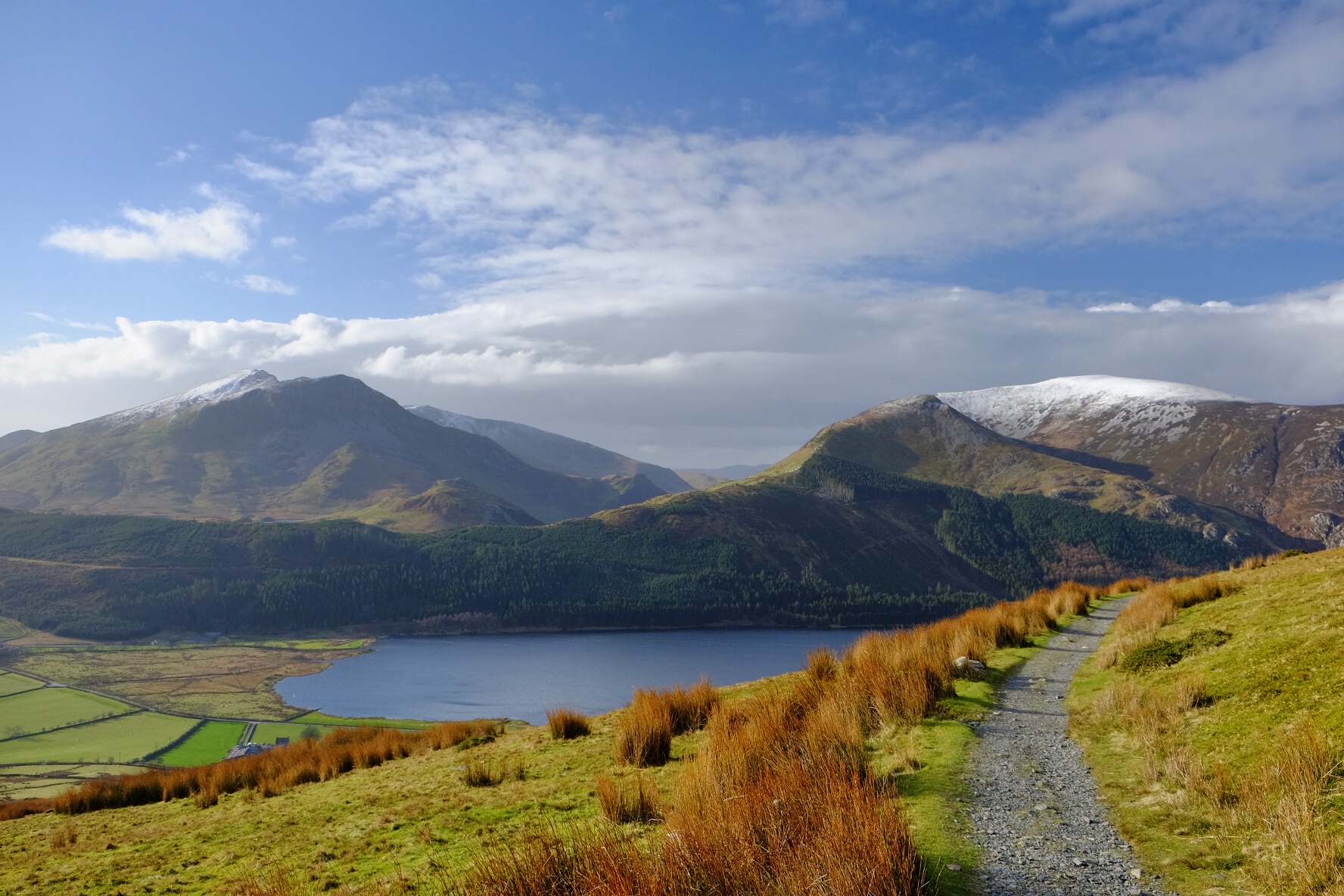
Blaenau Ffestiniog sits in a dramatic mountain valley in Snowdonia (now Eryri National Park), north Wales. The town’s geographic situation made it useless for almost any economic purpose except one: the surrounding mountains contained vast deposits of high-quality slate. Beginning in the late 18th century, slate quarrying transformed the area from sparsely populated mountainside into a major industrial center.
By the mid-19th century, Welsh slate roofed buildings across the British Empire and beyond — Sydney Opera House, the British Museum, parliament buildings, churches, and millions of ordinary homes. Welsh slate was considered the best in the world. At peak production, the Ffestiniog area employed thousands of quarrymen and produced hundreds of thousands of tons of finished slate annually.
2: The Llechwedd Quarry
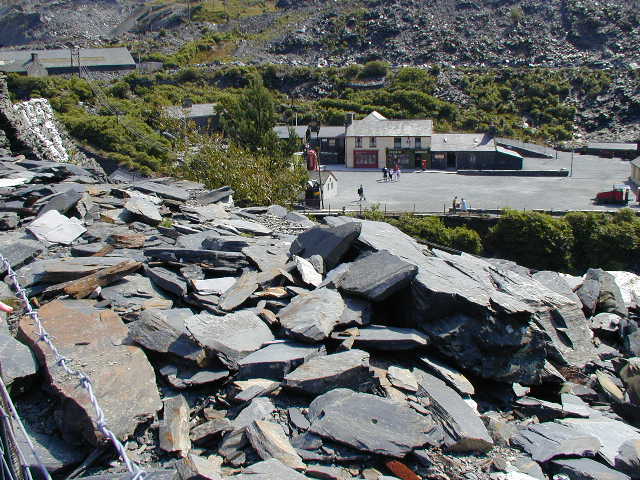
The Llechwedd quarry was established in 1846 when John Greaves and his partner Edwin Shelton leased pasture land at Llechwedd Farm and began prospecting for slate. By 1847, miners had located the “Old Vein” — the primary slate seam they would work for over a century. The quarry’s first significant production came in 1851, when 2,900 tons of finished slate were shipped via the Ffestiniog Railway.
Llechwedd became one of the most innovative quarries in the area. In 1890, it became the first quarry in Ffestiniog to introduce electrical power, with hydro-electric generation beginning in 1891. The quarry installed a Blondin aerial ropeway in 1932 and built a major new mill in 1935. The site continued operating throughout World War II, with production temporarily increasing after the conflict.
3: How Slate Mining Actually Worked
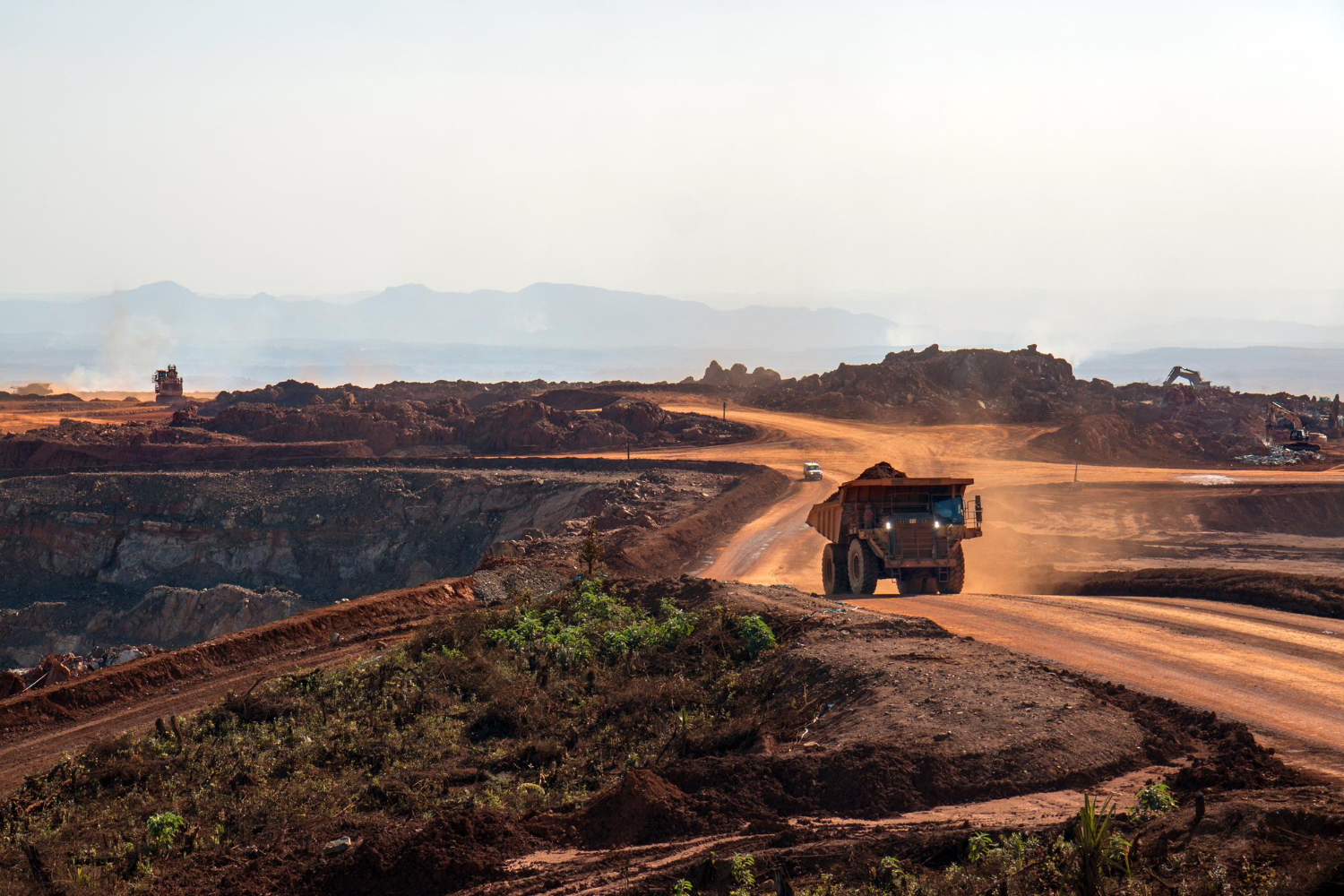
Welsh slate quarrying involved both surface excavation and deep underground tunneling. The most valuable slate veins extended deep into the mountains, requiring miners to follow them underground through systematically excavated chambers. The chambers were enormous — often described as “cathedral-sized” — because miners removed slate in massive quantities while leaving structural supports.
Working conditions were genuinely brutal. Miners worked 10-12 hour shifts in damp, cold tunnels lit by candles or oil lamps. Silicosis (lung disease from slate dust) was nearly universal among long-term miners. Industrial accidents were frequent. Miners typically died young, often in their 50s, from respiratory diseases related to their work. Despite these conditions, slate mining was relatively well-paid for industrial labor of the era, and Welsh-speaking communities developed strong cultures around the quarrying way of life.
4: The Industry Peak (1880s)
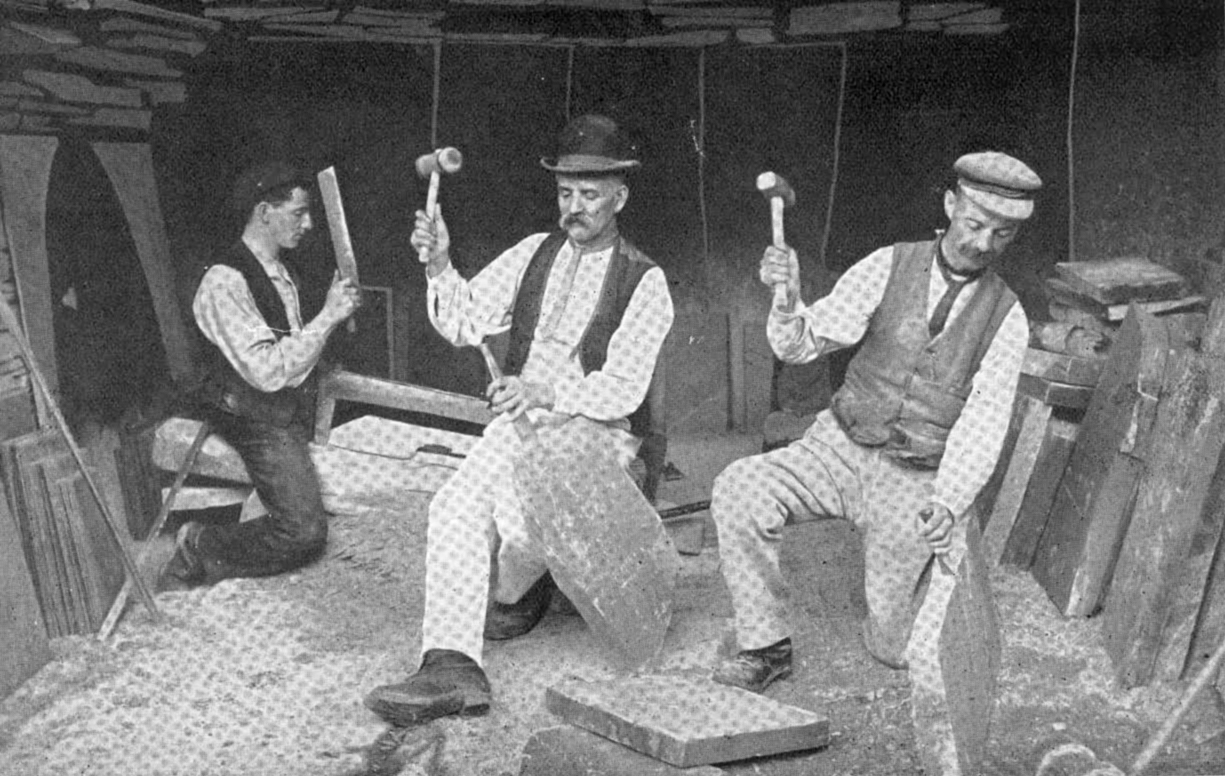
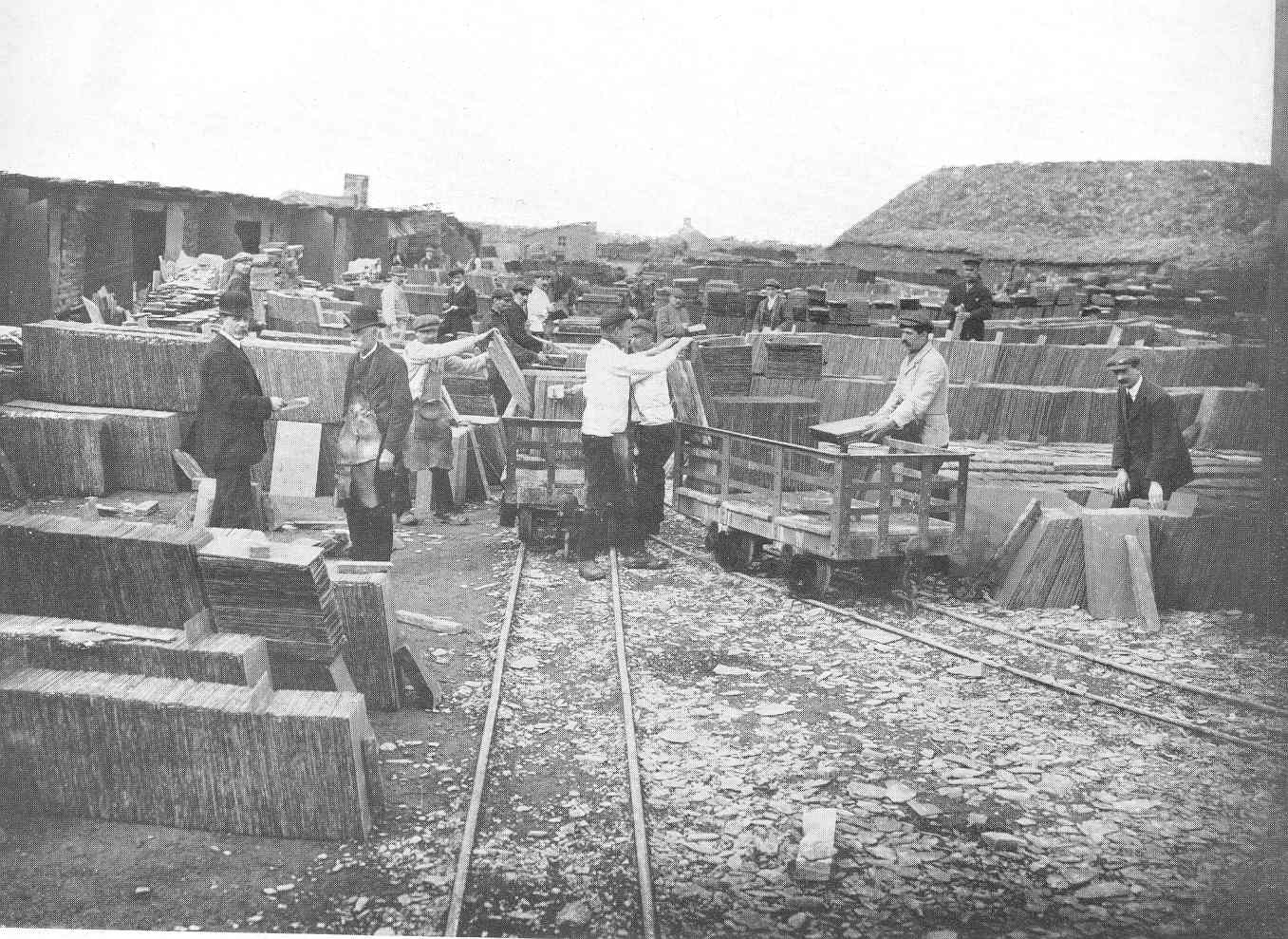
By the 1880s, Welsh slate quarrying had reached its peak. Across the slate region (including Blaenau Ffestiniog, Penrhyn, Dinorwig, and several other major quarrying centers), tens of thousands of workers extracted slate that was shipped worldwide. Welsh slate roofed buildings in Argentina, Australia, the Caribbean, India, and across Europe.
The Llechwedd quarry alone employed several hundred miners at peak. The Greaves family who owned Llechwedd became substantially wealthy. Welsh-language newspapers, chapels, and cultural institutions flourished in slate communities. The slate quarrying industry shaped not just regional economy but Welsh-language culture, religious practice, and political organization. The 1900-1903 strike at the Penrhyn slate quarry was one of the most significant industrial actions in British history.
5: The Decline (1900-1960s)
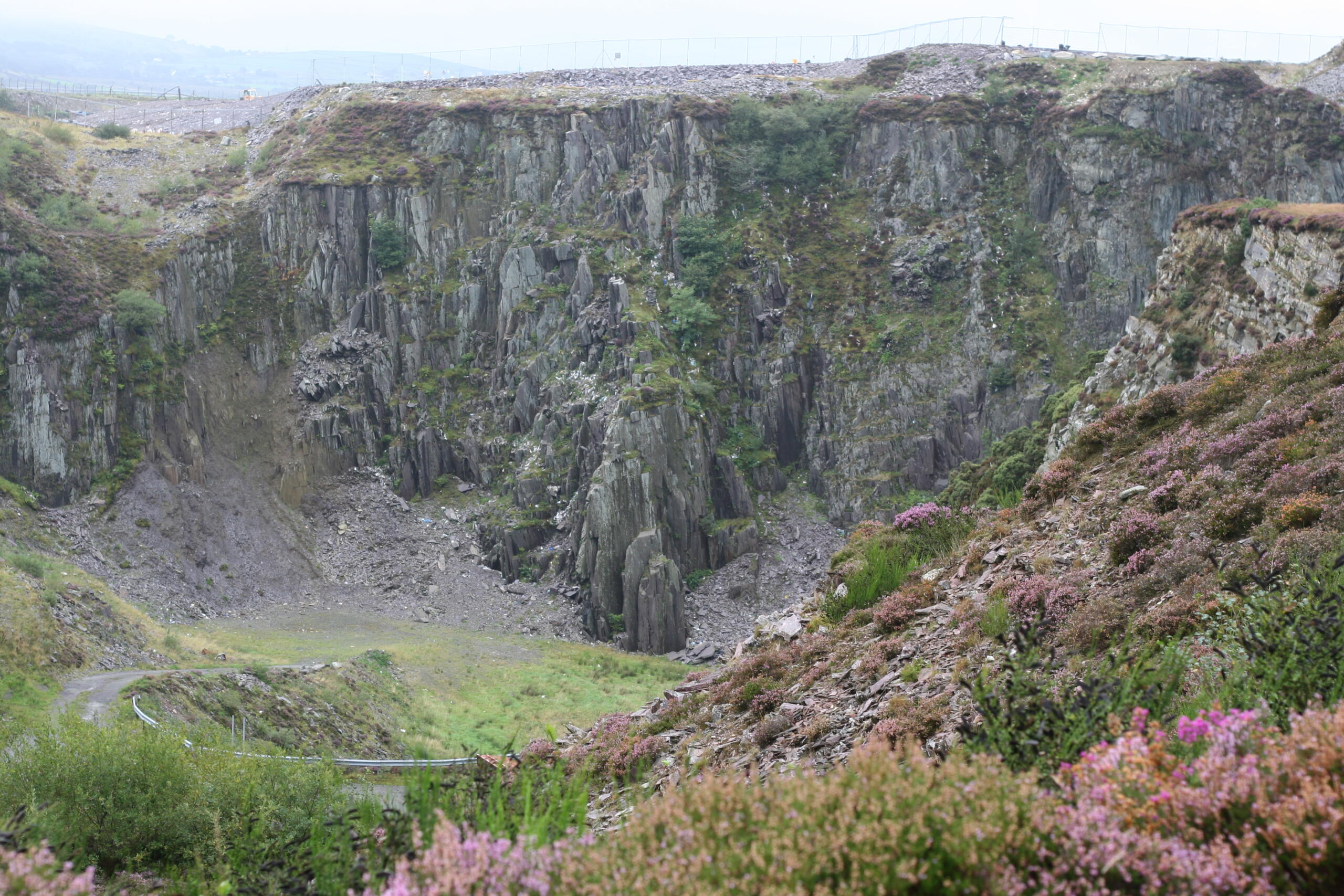
Welsh slate’s dominance began declining around 1900 as competing materials emerged. Manufactured tile (clay and concrete) provided cheaper roofing alternatives. Spanish slate (eventually) provided lower-cost natural slate. Asbestos cement (before health risks were understood) provided cheap durable roofing. The interwar period saw substantial declines in Welsh slate production.
By the 1960s, the slate industry had effectively collapsed. Most Welsh slate quarries closed permanently. Blaenau Ffestiniog faced the fate of many former mining towns: substantial population decline, economic collapse, and uncertain future. Llechwedd quarry continued operating at reduced scale but the writing was on the wall. The quarry needed alternative revenue or it would close entirely. The decision the owners made would transform Welsh tourism.
6: The 1972 Tourist Decision
In 1972, the owners of Llechwedd quarry made a specific business decision: rather than closing the quarry entirely, they would open the abandoned underground tunnels to tourists. The “Quarry Tours” attraction began with the Miners’ Tramway — a 2 ft narrow gauge railway running 800 meters underground through original mining tunnels.
The decision was substantially ahead of its time. Industrial heritage tourism — the modern category that includes Llechwedd — barely existed as a concept in 1972. The owners essentially had to invent a new tourist category to make the abandoned mine economically viable. The 1976 opening of the Deep Mine Tour expanded the offering substantially. Llechwedd won the British Tourist Authority’s “Come to Britain” award in 1976 — recognizing the genuine innovation of using abandoned industrial infrastructure as tourist attraction.
7: The Deep Mine Tour Today
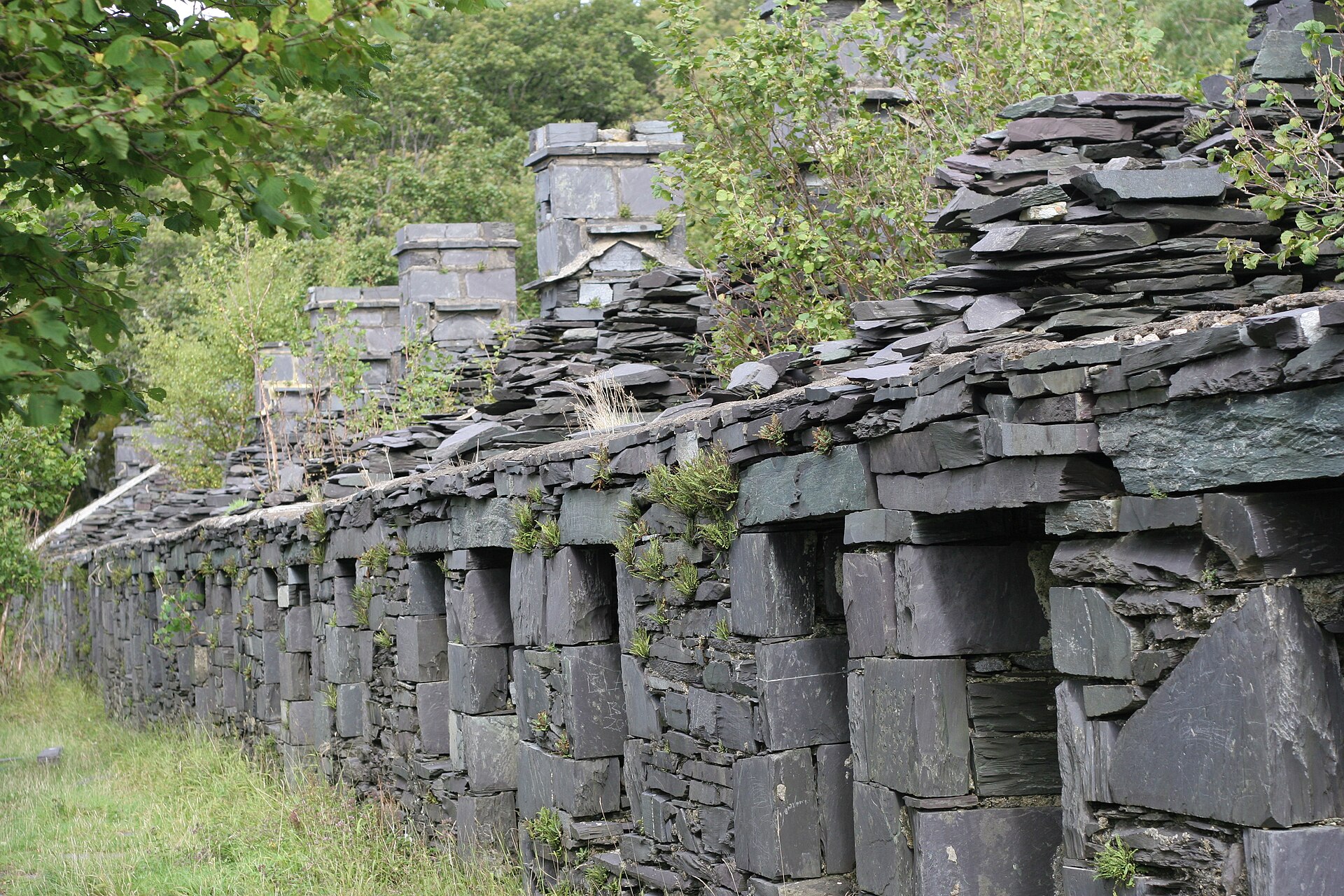
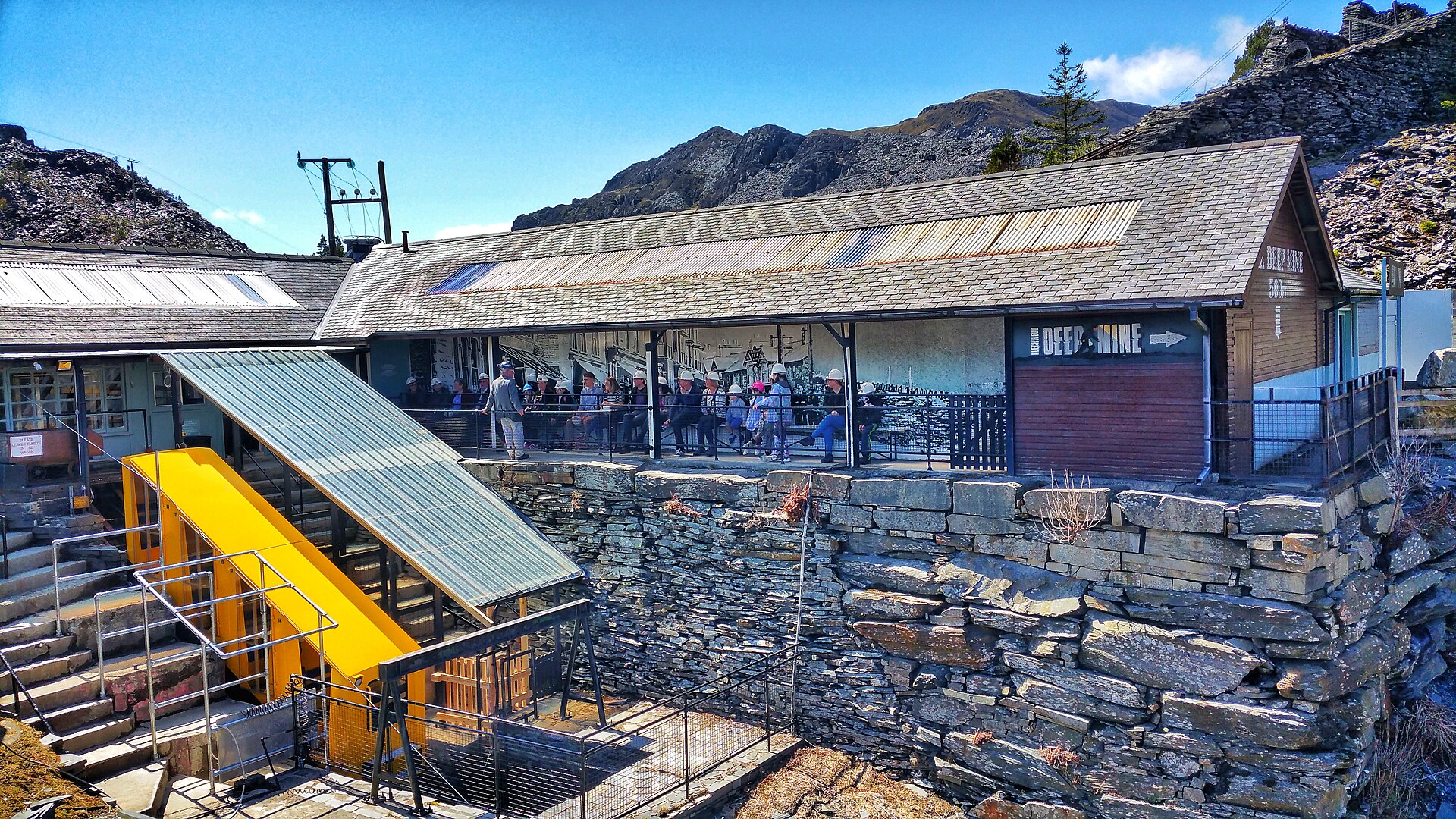
The current Deep Mine Tour uses the steepest narrow gauge cable railway in the UK to descend 500 feet underground through tunnels originally cut by Victorian miners. The descent itself takes about 50 seconds. Once underground, visitors walk through 10 cathedral-sized chambers, each presenting different aspects of the mine’s history through “sound and light” sequences using projection technology and special effects.
The temperature underground is consistently 6-8°C (54°F) year-round, regardless of weather above ground. The chambers feature an underground lake illuminated by colored lighting that produces genuinely beautiful visual effects. The tour typically lasts about an hour. It provides one of the most accessible experiences of authentic Victorian industrial conditions available anywhere in Britain — even if heavily reinterpreted with modern entertainment technology.
8: Bounce Below — Trampolines in Caverns
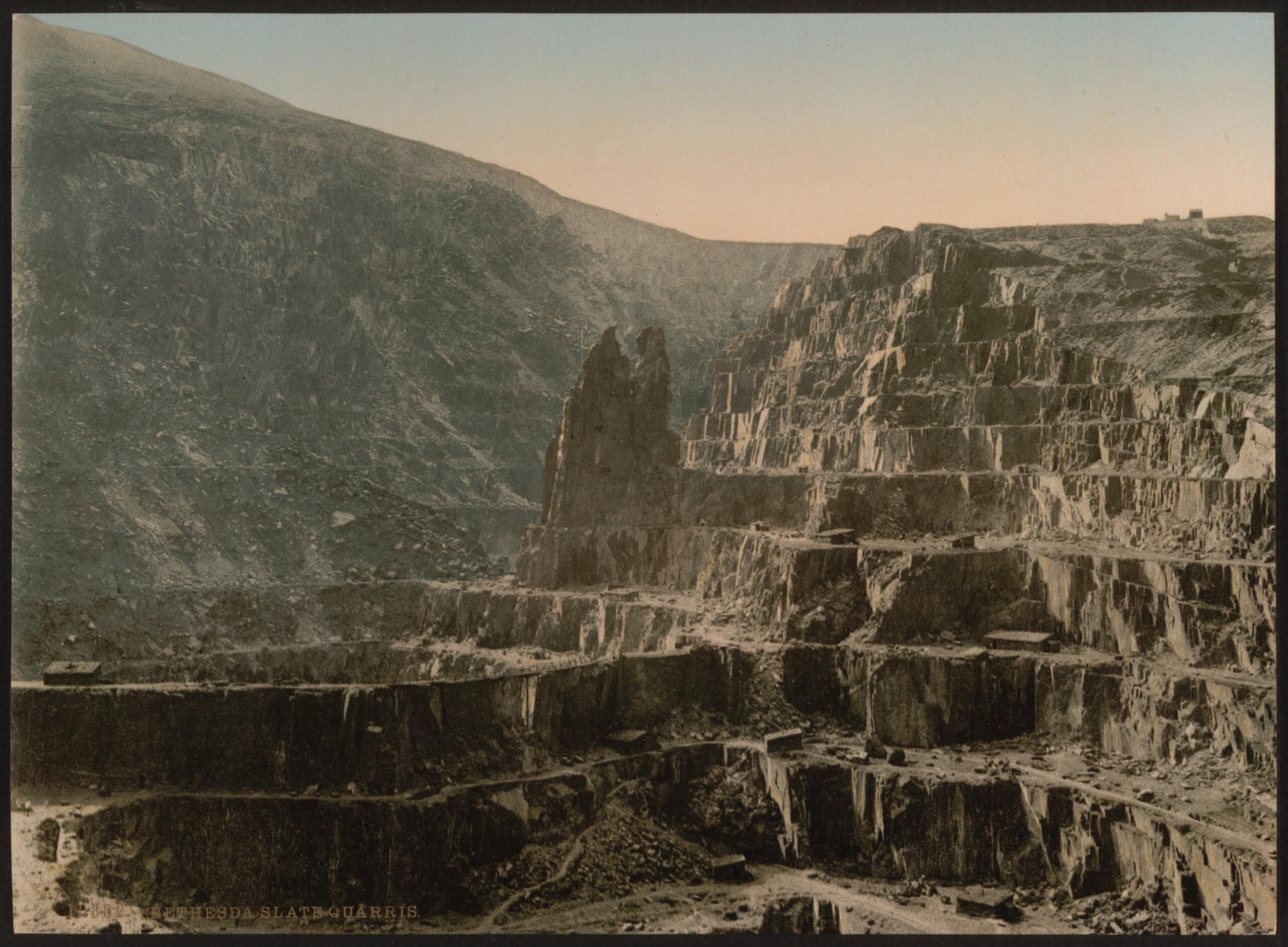
In 2014, Zip World (a Welsh adventure tourism company) opened “Bounce Below” — perhaps the most unusual use of abandoned slate caverns ever attempted. The attraction installed massive industrial trampolines suspended 180 feet above cavern floors, with multiple levels connected by tunnels and slides. The cavern containing Bounce Below is twice the size of St Paul’s Cathedral.
Visitors bounce between cavern levels in spaces that 19th-century miners would never have imagined. The combination of original mining infrastructure with modern adventure tourism creates a genuinely unique experience. Bounce Below has become one of the most-photographed adventure attractions in Wales, drawing visitors who would never have considered visiting a former slate quarry without the addition of giant trampolines.
9: Zip World Titan and Other Adventures
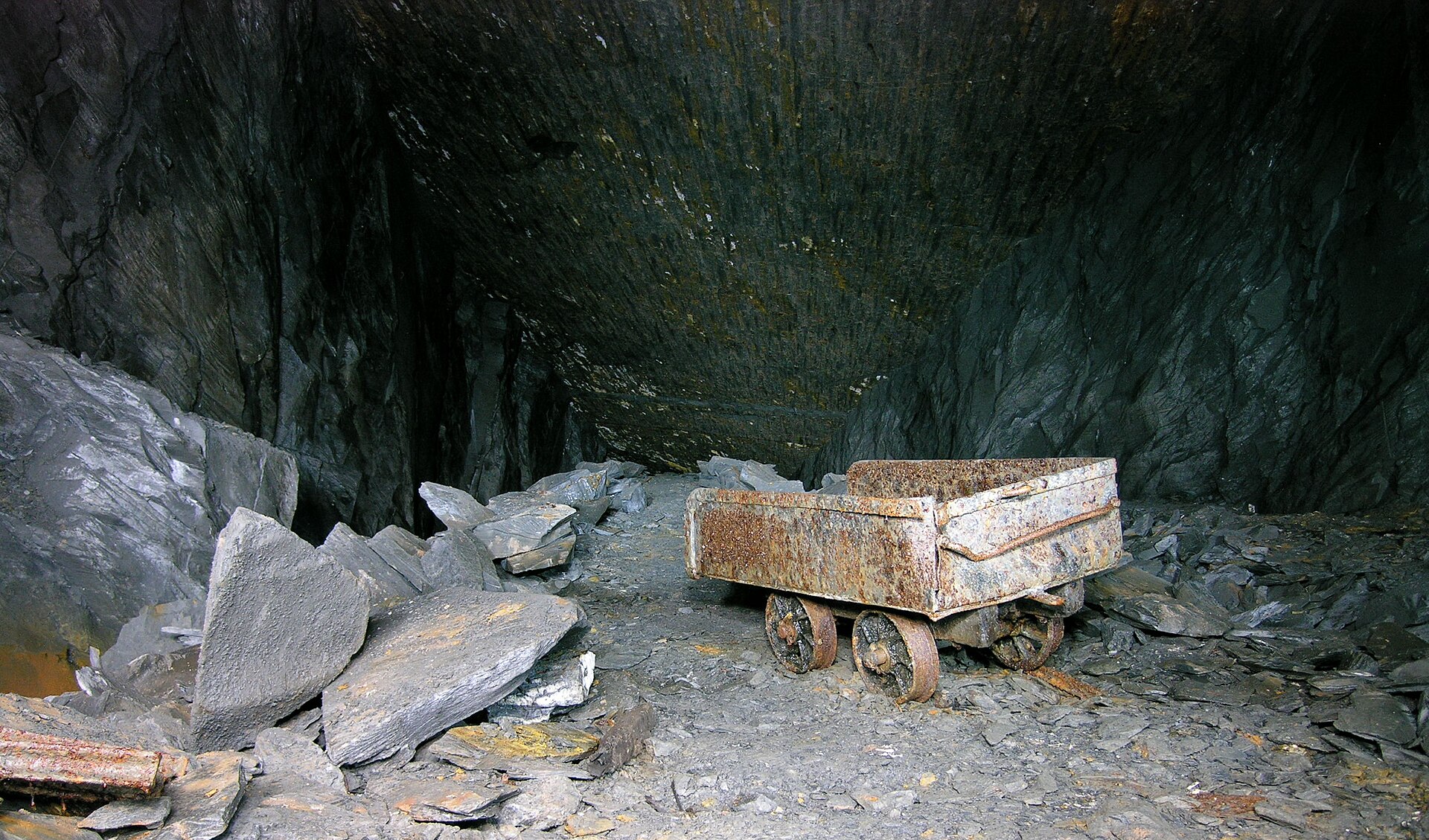
Zip World has expanded substantially at the Llechwedd site since 2014. Titan is Europe’s first four-person zip line, featuring multiple sections that allow groups to ride together at speeds up to 70 mph across the quarried landscape. The lines provide aerial views of the slate quarries that no other attraction can match.
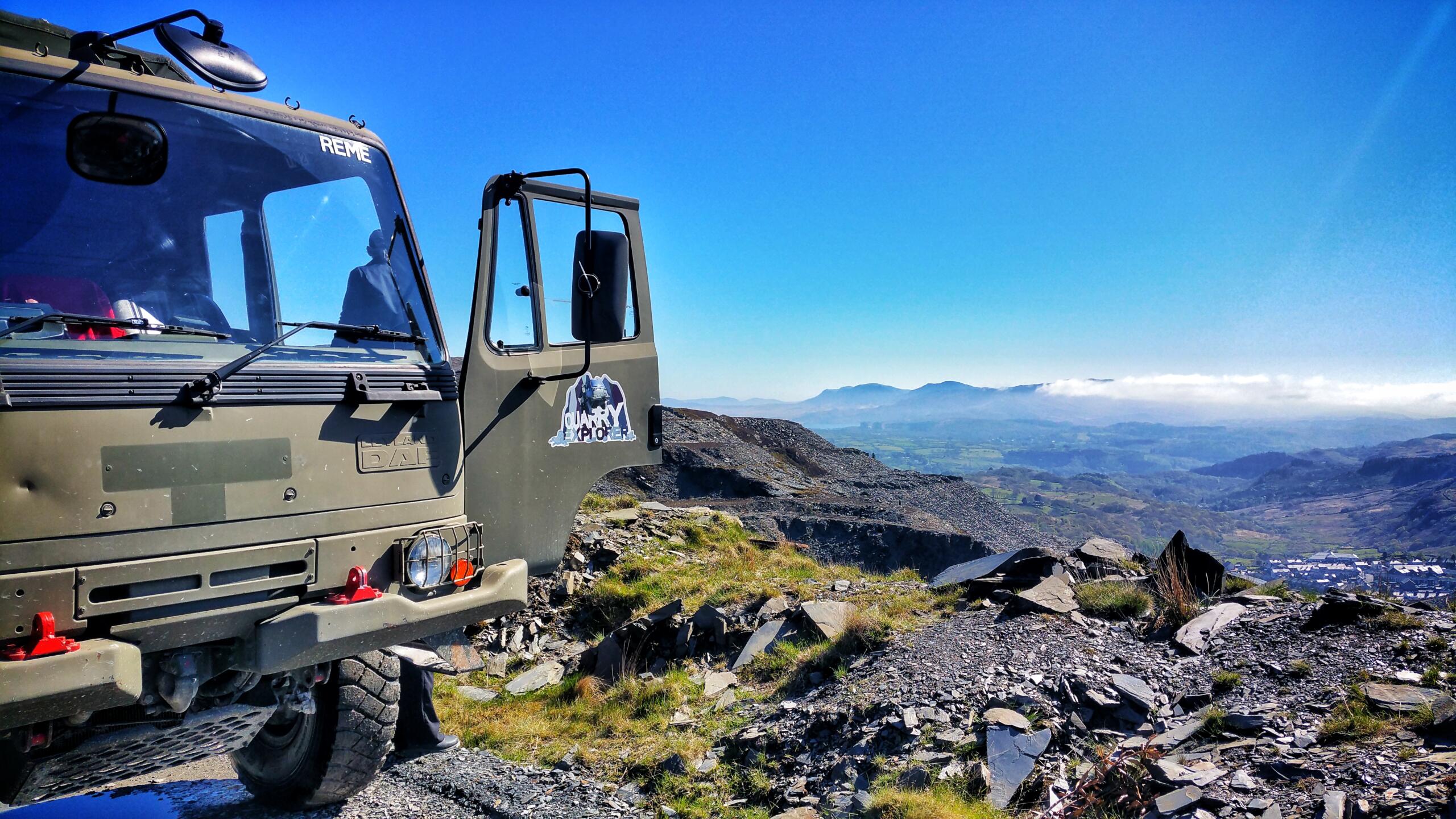
Additional attractions include underground adventure golf (the world’s first cave-based mini-golf course), Via Ferrata climbing routes, the Quarry Explorer (an ex-army truck tour through the quarry’s most remote sections), and various other adventures. The site now offers seven distinct adventure experiences. The combination has made Zip World Llechwedd one of Wales’s most-visited tourist attractions, drawing visitors who specifically come for the adventure activities rather than primarily for the heritage interpretation.
10: The Working Slate Quarry Continues
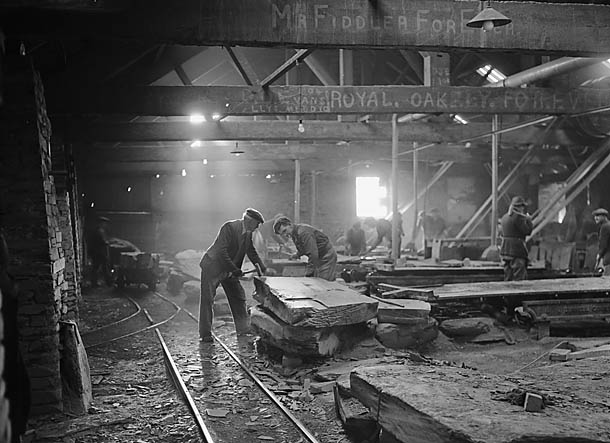
Despite all the tourism development, the Llechwedd site remains a working slate quarry. Greaves Welsh Slate continues to extract and process slate at limited scale, primarily for high-end roofing applications, restoration projects on heritage buildings, and specialty uses. The combination of working quarry plus tourist attraction is unusual but operational.
Visitors to the surface facilities can sometimes observe slate splitting demonstrations and visit slate workshops. The “Victorian Village” (open April-September) recreates 19th-century slate community life with a tavern, sweet shop, and various other period attractions. Some recent visitors have complained about reductions in heritage interpretation in favor of adventure activities. The balance between preserving industrial heritage and supporting modern tourism economics remains an active question for the site’s operators.
11: UNESCO World Heritage Status

In July 2021, “The Slate Landscape of Northwest Wales” was designated a UNESCO World Heritage Site. The designation covers six distinct quarrying areas including Llechwedd, recognizing the cumulative cultural and industrial significance of Welsh slate quarrying. The designation was the result of decades of advocacy by Welsh heritage organizations.
The UNESCO status provides international recognition and additional preservation requirements but doesn’t directly fund new conservation work. The designation has substantially increased international tourism awareness of the slate region. Visitors who previously might have considered Wales primarily for castles or Snowdonia hiking now have specific industrial heritage destinations on their itineraries. The cumulative effect has been positive for tourism revenue across the slate region.
12: How to Experience It Today
For modern visitors, Llechwedd provides multiple experience options. The Deep Mine Tour costs approximately £25-30 and provides authentic underground heritage experience. Bounce Below costs approximately £35 and provides the unique trampoline experience. Combined tickets and family packages substantially reduce costs.
Visitors should plan for full-day visits to take advantage of the multiple attractions. The site is located beside the A470 just north of Blaenau Ffestiniog, accessible by car (free parking) or by train to Blaenau Ffestiniog station. Public transport from major Welsh cities (Cardiff, Swansea) requires significant travel time. Most international visitors combine Llechwedd with other Welsh destinations including Conwy Castle, Caernarfon Castle, and Snowdonia hiking. The combination produces substantial Welsh experience over 3-5 days.
What Llechwedd Actually Represents
Llechwedd’s transformation from collapsing industrial site to thriving tourist attraction represents a specific model that has been replicated across post-industrial Britain and Europe. The basic insight — that abandoned industrial infrastructure can become valuable tourism asset rather than economic burden — has been applied to former coal mines, steel works, factories, and various other facilities throughout the UK. Llechwedd was substantially ahead of this trend in 1972, demonstrating both the opportunity and the considerable creativity required to identify it. The site preserves authentic Welsh slate heritage while supporting modern adventure tourism — sometimes in tension with each other but ultimately producing a destination that brings substantial economic activity to a region that would otherwise face the slow decline that has affected many other former mining communities. The miners who carved these tunnels in the 19th century would probably be astonished to see modern visitors bouncing on giant trampolines in spaces they cut from the mountain — but the chambers they created continue providing economic value to their descendants in ways those original miners couldn’t have imagined.