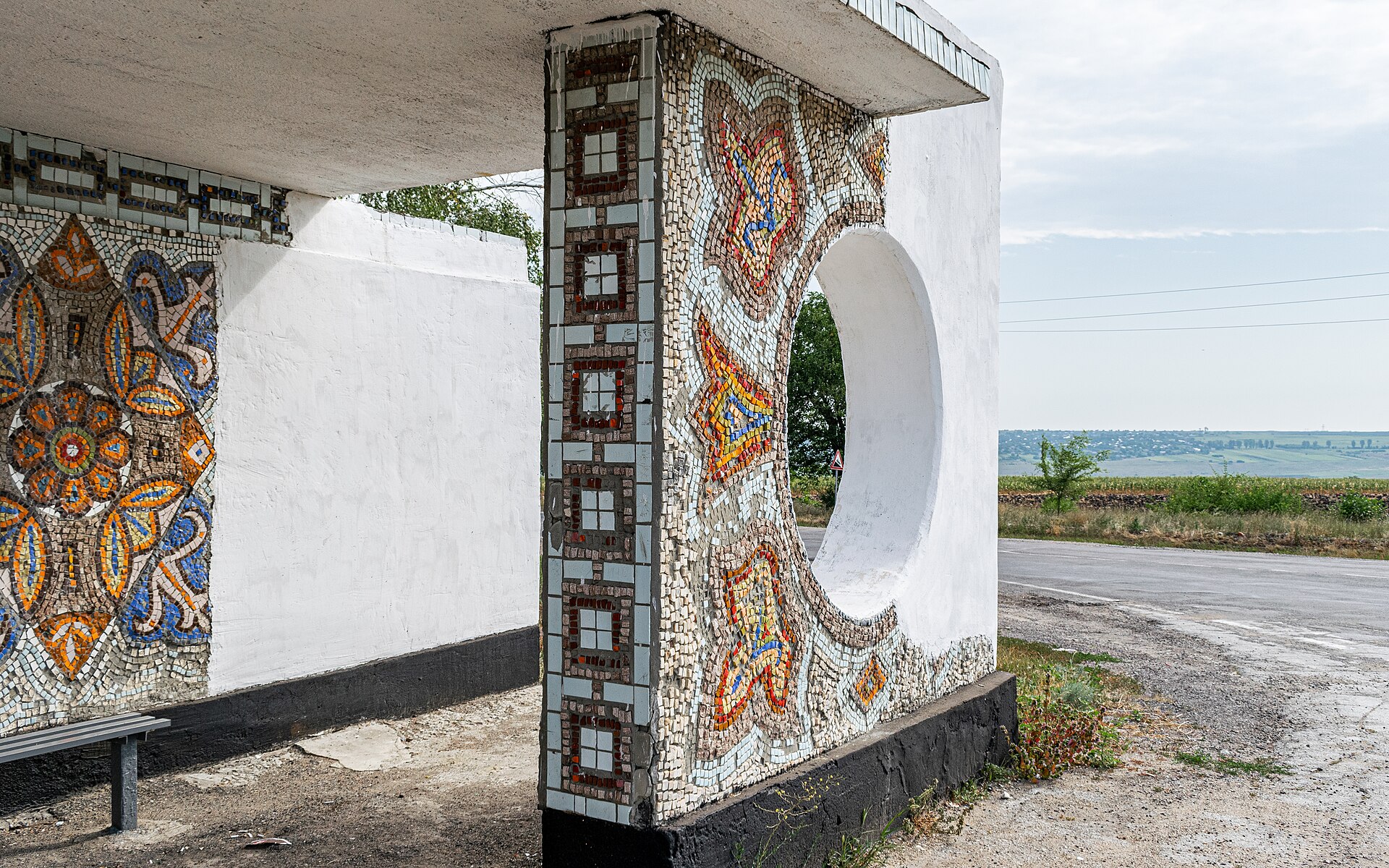
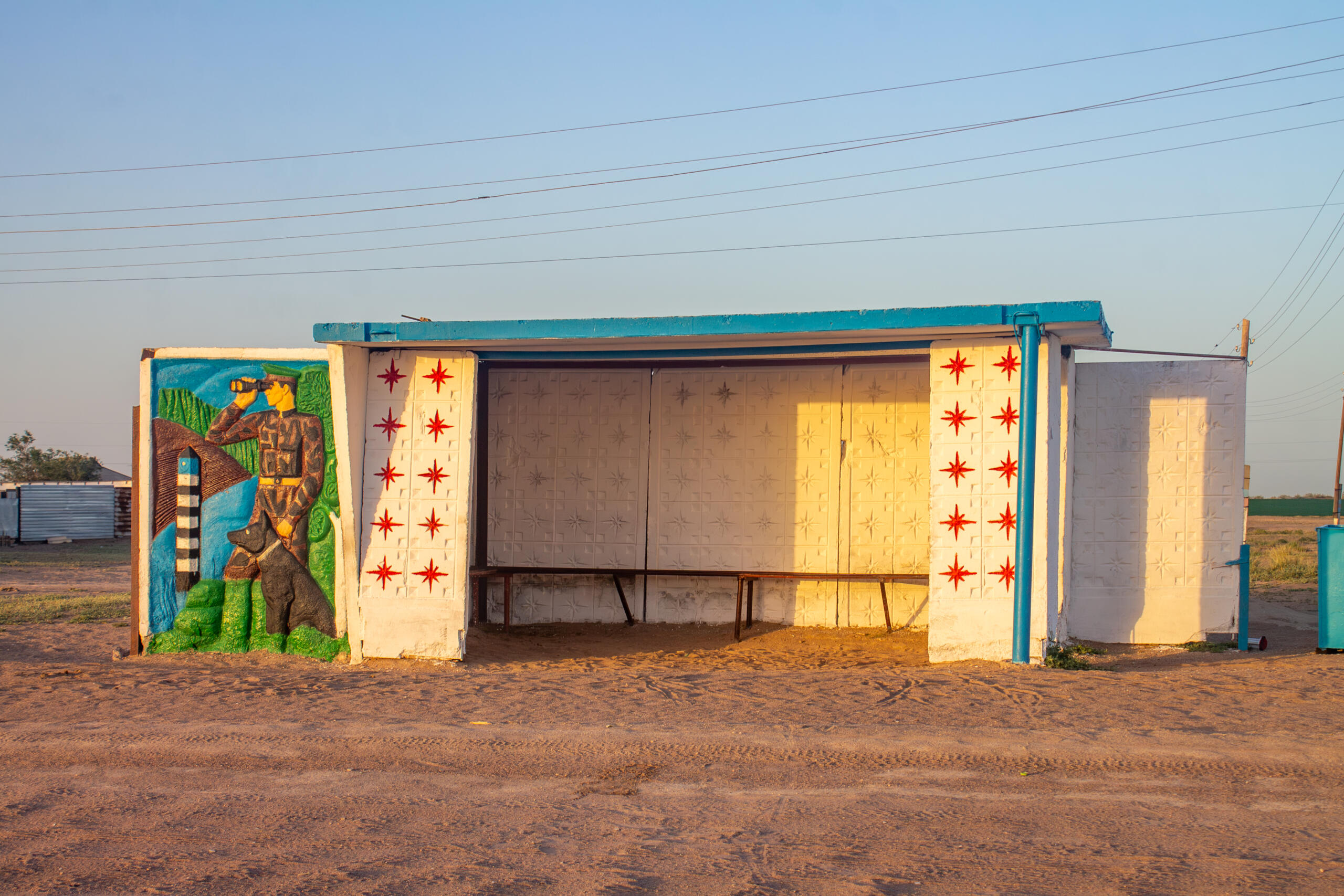
Across the former Soviet Union, scattered along rural roads from Estonia to Kazakhstan, stand thousands of bus stops that became unintentional modernist art. Soviet architecture was famously rigid — concrete apartment blocks, monumental civic buildings, standardized everything. But the humble bus stop somehow escaped central planning oversight. Architects used these small structures to experiment with shapes, mosaics, brutalist forms, and various other creative expressions otherwise forbidden under Soviet design norms. Canadian photographer Christopher Herwig has spent over 20 years documenting them — covering 50,000+ kilometers across 14 countries. Here’s the story of one of the most distinctive architectural phenomena of the 20th century.
1: A Photographer on a Bicycle
The Soviet bus stop phenomenon was discovered by Western audiences essentially through one Canadian photographer’s specific obsession. In 2002, Christopher Herwig was bicycling from London to Saint Petersburg, challenging himself to photograph something interesting every hour of the 1,740-mile journey. As he entered Lithuania, he started noticing the unusual bus stops along rural roads — distinctive sculptural structures that didn’t match any architectural patterns he’d seen elsewhere in Europe.
Herwig describes the moment as fundamentally surprising. His prior assumption (which he describes as “quite simplistically”) had been that Soviet architecture was uniformly standardized and soulless. The bus stops contradicted this assumption directly — clearly Soviet-era construction but featuring substantial individual creativity, regional variation, and artistic experimentation that mainstream Soviet architecture didn’t contain. The discovery would consume the next 20+ years of his professional life.
2: The 50,000 Kilometers of Documentation

Over 20+ years since 2002, Herwig has covered approximately 50,000 kilometers documenting Soviet-era bus stops. His travels have taken him through 14 former Soviet countries: Kazakhstan, Turkmenistan, Uzbekistan, Kyrgyzstan, Tajikistan, Ukraine, Moldova, Armenia, Abkhazia (disputed region), Georgia, Lithuania, Latvia, Estonia, and Belarus. Various transportation methods — cars, bicycles, buses, taxis, trains — have been used to reach remote rural areas where the most distinctive bus stops typically exist.
The cumulative documentation includes nearly 750 individual bus stops across the photographs. Most were built in the 1960s and 1970s. The most interesting examples are typically located in countryside and smaller towns rather than major cities. The cumulative project has produced two photography books (Soviet Bus Stops Volume I and Volume II), one documentary film (released 2022), and substantial international media coverage. The work has become substantially recognized as definitive documentation of this specific architectural phenomenon.
3: Why Bus Stops Specifically Were Different
Soviet architectural and design culture was substantially controlled through centralized planning systems. Major buildings, monuments, public art, and various other significant structures required approval through specific planning authorities that enforced ideological consistency and aesthetic standards. The cumulative system substantially constrained individual creativity in mainstream Soviet architecture.
Bus stops occupied a specific exception within this system. The structures were considered too minor for substantial centralized oversight. Local architects and builders could often create them without seeking approval from higher authorities. The cumulative regulatory gap created specific opportunity for individual creativity that wouldn’t have been permitted in larger projects. As one Estonian designer (Jüri Konsap, who created the famous “Spider Stop” in Niitsiku, Estonia in the 1970s) put it: “Nobody saw it as a Soviet thing. It was ours.”
4: The Architectural Variety
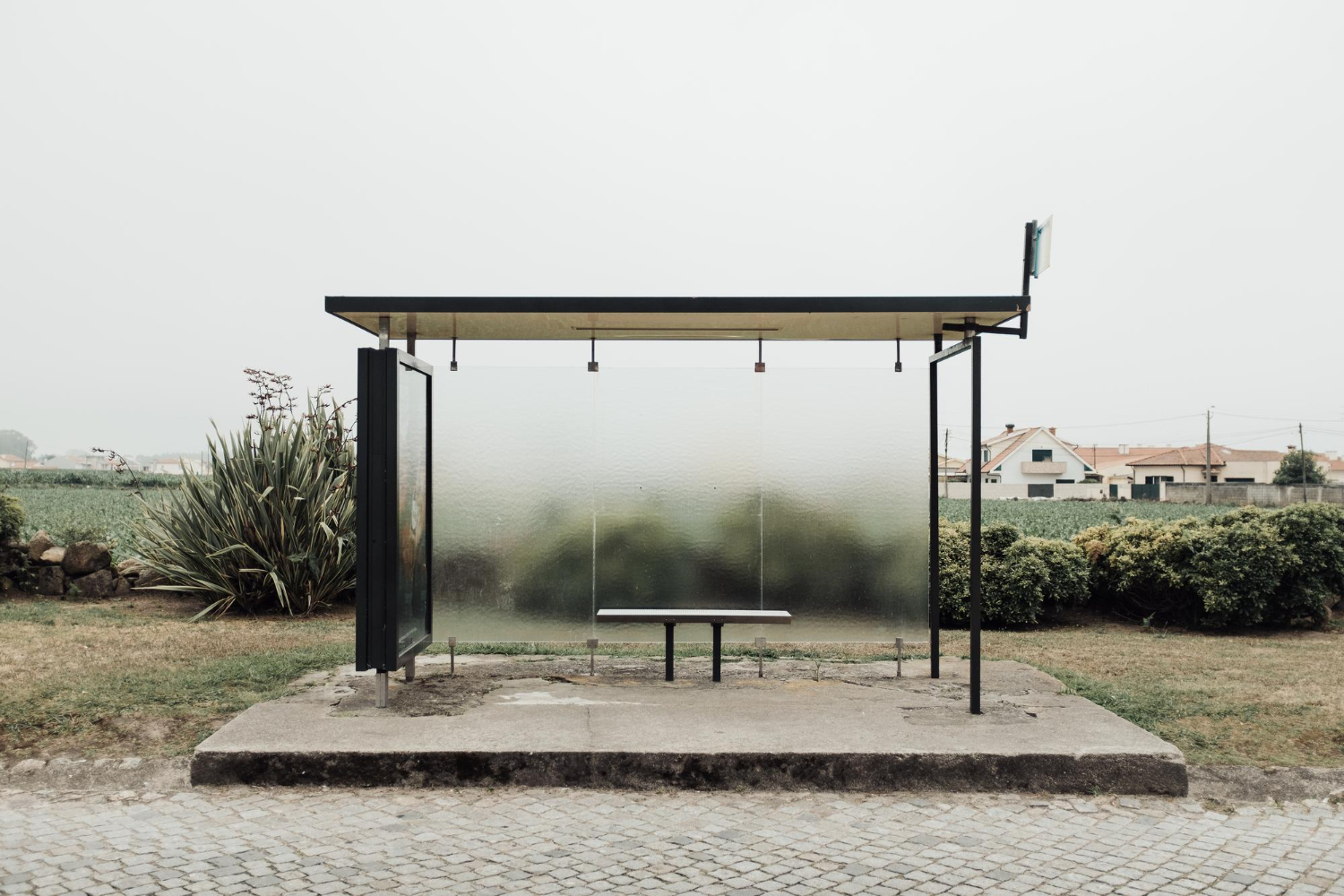
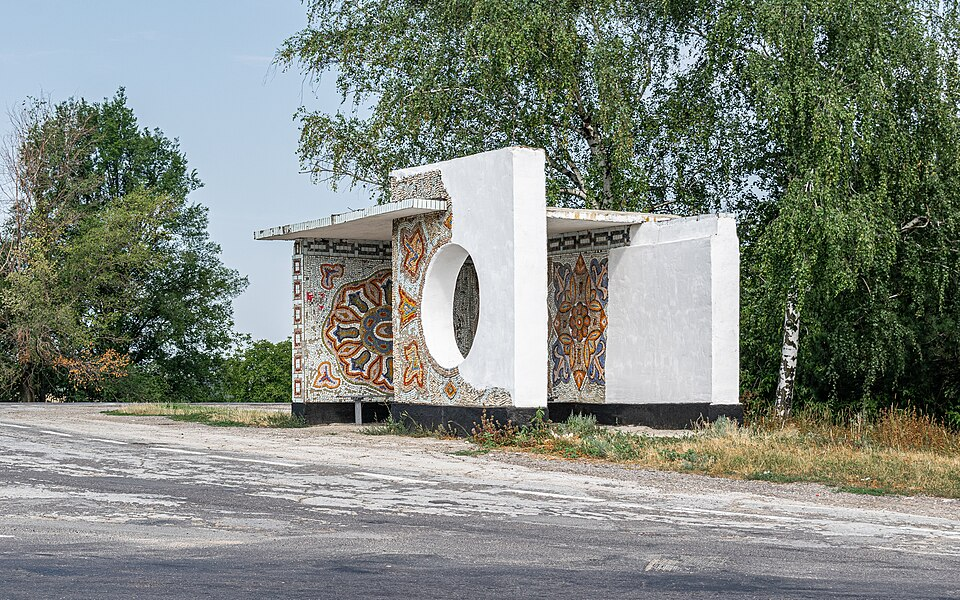
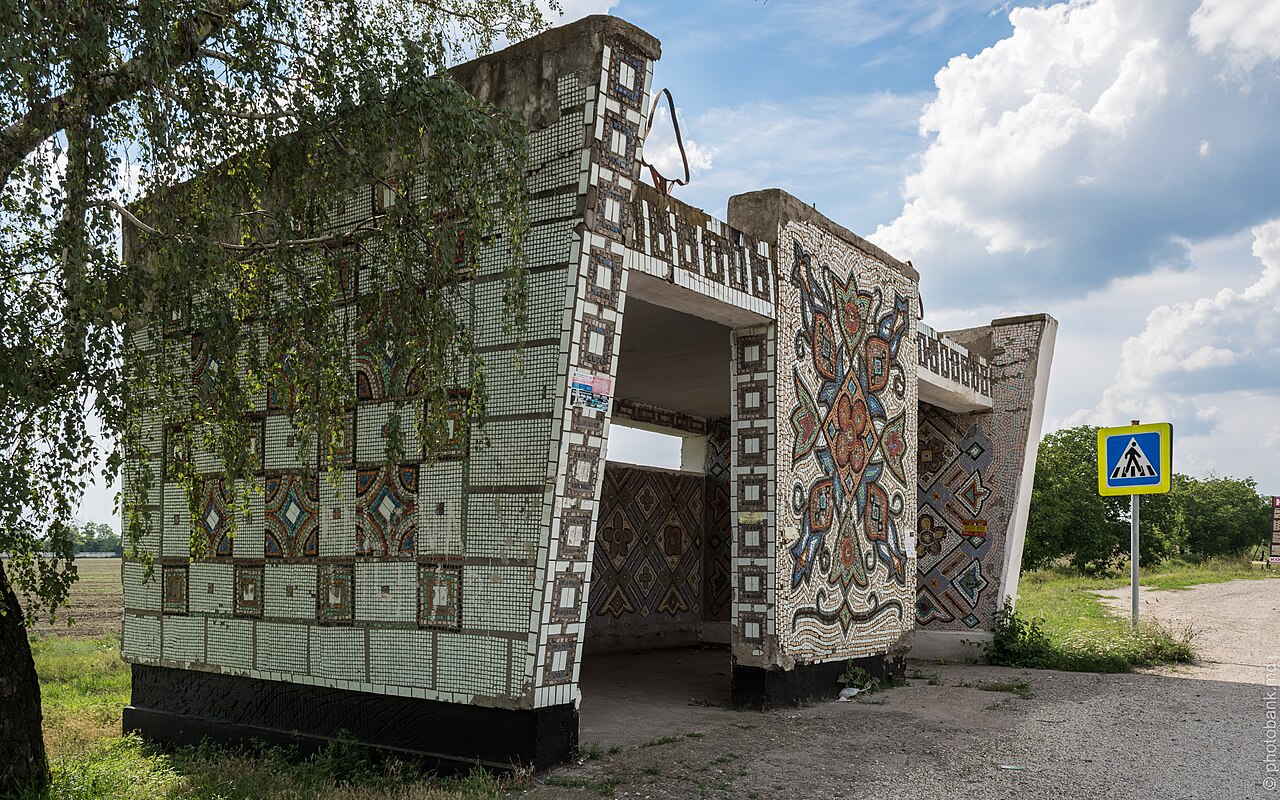
The Soviet bus stops represent enormous architectural variety. Some examples lean toward strict Brutalism — substantial concrete forms, severe geometry, minimal decoration, characteristic Brutalist materials. Others feature exuberant decoration with mosaics, murals, sculptural elements, bright colors, and various other expressive elements. Some incorporate folk art traditions specific to local cultures. Some experiment with forms borrowed from Constructivism, Modernism, and various other architectural movements.
The cumulative variety is genuinely substantial. Architectural historians comparing Soviet bus stops to 18th-century English follies have noted similar functions — small structures providing experimental opportunities for architectural creativity that larger projects didn’t permit. The specific Soviet context produced specific creative outputs different from English follies, but the underlying logic — small structures as testing ground for creative ideas — connects the two phenomena across substantial geographical and historical distance.
5: The Architecture Student Connection

A specific aspect of Soviet bus stop creation involved architecture education. In many Soviet architecture universities, the bus stop was assigned as one of students’ first design projects — providing opportunity to create something genuinely new without facing the constraints that larger projects imposed. The cumulative educational pattern produced substantial number of architects who had specifically experimented with bus stop design during training, then continued similar experimentation when they encountered actual bus stop commissions in their professional careers.
The student origins explain part of the architectural ambition that distinguishes many Soviet bus stops. Students approaching their first design opportunity often produced more creative work than they would in subsequent commercial projects facing various constraints. The bus stops were essentially professional debut works in many cases — places where young architects could demonstrate creative ambitions before facing the standardization pressures that would constrain their later careers.
6: The Specific Regional Variations

Soviet bus stops show substantial regional variation that reflects underlying cultural differences across the diverse Soviet territory. Baltic state bus stops (Lithuania, Latvia, Estonia) tend toward Modernist forms with substantial Scandinavian influences. Caucasus region stops (Armenia, Georgia, Abkhazia) often incorporate traditional decorative motifs from local cultures. Central Asian stops (Kazakhstan, Uzbekistan, Turkmenistan, Kyrgyzstan, Tajikistan) frequently incorporate Islamic geometric patterns and substantial color. Ukrainian stops show various influences from Ukrainian folk art traditions.
The cumulative regional variation illustrates an important point about Soviet cultural reality. Despite centralized political control, substantial regional cultural diversity persisted throughout the Soviet period. The bus stops provided one specific format where regional cultural expression could occur with limited oversight. The cumulative phenomenon demonstrates how individual creativity and regional cultural identity managed to find expression even within substantial systemic constraints — small acts of cultural assertion that survived through their relative invisibility to centralized authorities.
7: The Most Famous Examples

Several specific Soviet bus stops have achieved international fame through Herwig’s documentation. The Pitsunda bus stop in disputed Abkhazia features distinctive Gaudí-influenced curving forms that critics have compared to Antoni Gaudí’s Barcelona work. The Niitsiku “Spider Stop” in Estonia features dramatic spider-like leg forms supporting a curved roof. Various Kazakh stops feature substantial mosaic decoration with specific regional artistic traditions. Various other specific examples have become particularly photographed and discussed.
The cumulative famous examples have become substantial tourism attractions in their own right. Architectural enthusiasts specifically plan trips to see particular bus stops. Various tour operators in former Soviet countries now include bus stop visits in itineraries. The cumulative tourism interest has somewhat helped preservation in specific cases — community awareness that international visitors come to see the structures provides some incentive against demolition. But many bus stops remain at risk and have been demolished or substantially deteriorated.
8: The Decline and Demolition
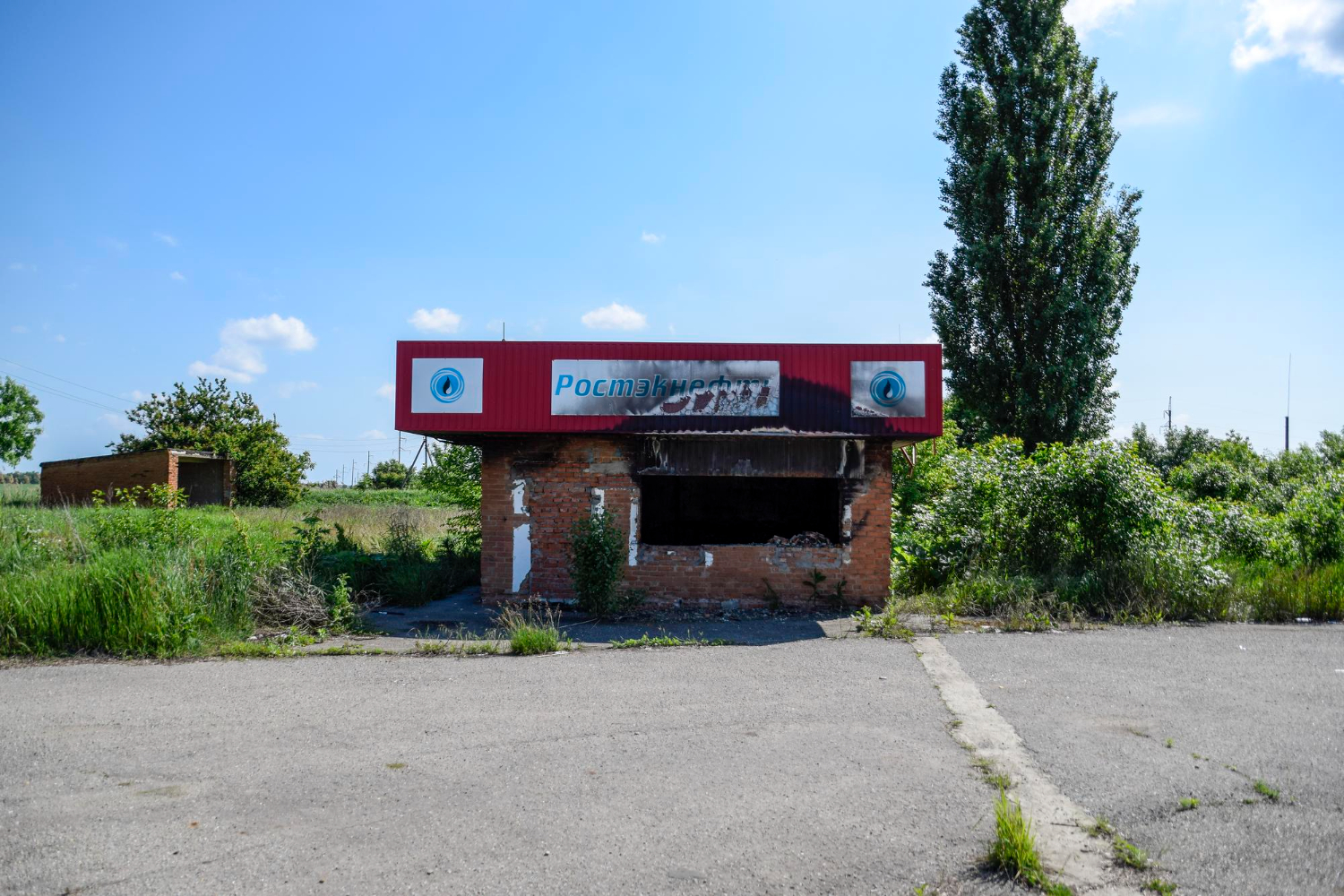
Many Soviet bus stops have been demolished or substantially deteriorated since the Soviet collapse in 1991. Various factors contribute: the bus systems they served have substantially declined as private vehicle ownership has increased and rural populations have migrated to cities. Many bus stops are no longer functionally needed. Local authorities sometimes view them as embarrassing relics of Soviet era and prefer demolition over preservation. Maintenance has been substantially neglected across decades.
The cumulative loss has been substantial. Various examples documented by Herwig in earlier project phases no longer exist by the time of later visits. The cumulative trend continues — bus stops continue being demolished or deteriorating beyond repair. Herwig’s documentation has become substantially valuable specifically because many of the structures he photographed will no longer exist in coming decades. The cumulative cultural loss represents specific aspect of broader post-Soviet architectural changes that have substantially transformed the built environment across the former Soviet territories.
9: The 2022 Documentary Film
In 2022, the documentary “Soviet Bus Stops” was released, capturing Herwig’s specific documentation process across multiple expeditions. The film was shot over 7 years and follows Herwig through various countries as he searches for additional bus stops, documents them, and tries to track down the original architects who created them. The film has been screened at various film festivals globally including CPH:DOX (Denmark), Vancouver International Film Festival, Architecture & Design Film Festival in multiple cities, and various other venues.
The documentary substantially expanded international awareness of the Soviet bus stop phenomenon beyond the photography books’ audience. Various interviews with surviving architects provide first-hand accounts of the design and construction processes. The cumulative film documentation provides specific historical record that complements the photographic documentation. The combination of books, documentary, and various other media provides substantially comprehensive documentation of the architectural phenomenon despite ongoing physical losses.
10: How to Actually See Soviet Bus Stops
Practical guidance for travelers interested in seeing Soviet bus stops directly. The structures are scattered across substantial geographic territory. Various countries are more accessible than others — Baltic states (Lithuania, Latvia, Estonia) provide relatively easy access for European visitors. Caucasus countries (Georgia, Armenia) require somewhat more substantial travel logistics. Central Asian republics (Kazakhstan, Uzbekistan, etc.) require substantial travel planning.
Specific tour operators in various countries now offer Soviet bus stop tours, particularly in Lithuania, Estonia, and Georgia. Independent travel by rental car works well in countries with adequate road infrastructure. Photography enthusiasts often plan specific itineraries based on Herwig’s documentation, locating specific bus stops he’s photographed and creating their own documentation. The cumulative experience requires substantial time investment but provides specific architectural exposure that mainstream tourism rarely offers.
11: The Other Soviet Architectural Curiosities
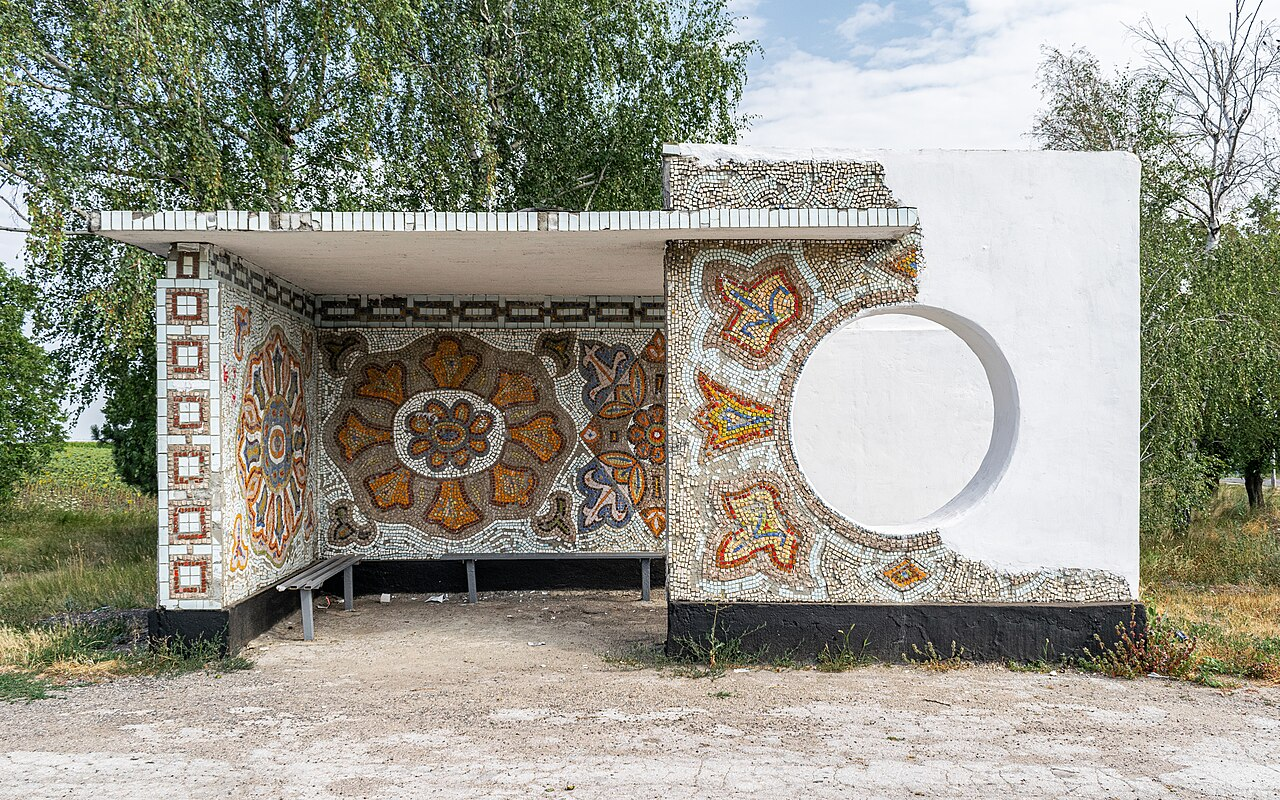
Soviet bus stops are part of broader category of distinctive Soviet-era architecture that has gained international interest. Soviet metro stations (Herwig has also photographed these in subsequent project) contain substantial architectural distinction. Soviet sanatoriums (massive resort complexes built across the USSR) feature substantial Modernist and Brutalist architecture. Soviet space-related buildings (cosmonaut training facilities, observatories, various other structures) include substantial distinctive architecture. Various other specific categories provide additional Soviet architectural interest.
The cumulative interest in Soviet-era architecture has increased substantially since approximately 2010 as international audiences have rediscovered various specific phenomena. Various publishers (notably FUEL, the British publisher who handled Herwig’s books) have produced substantial documentation of various Soviet architectural categories. The cumulative documentation provides substantial historical record despite ongoing physical losses to demolition, deterioration, and various other factors. Soviet bus stops occupy specific position within this broader interest as relatively accessible examples that travelers can actually visit.
12: What Soviet Bus Stops Actually Represent
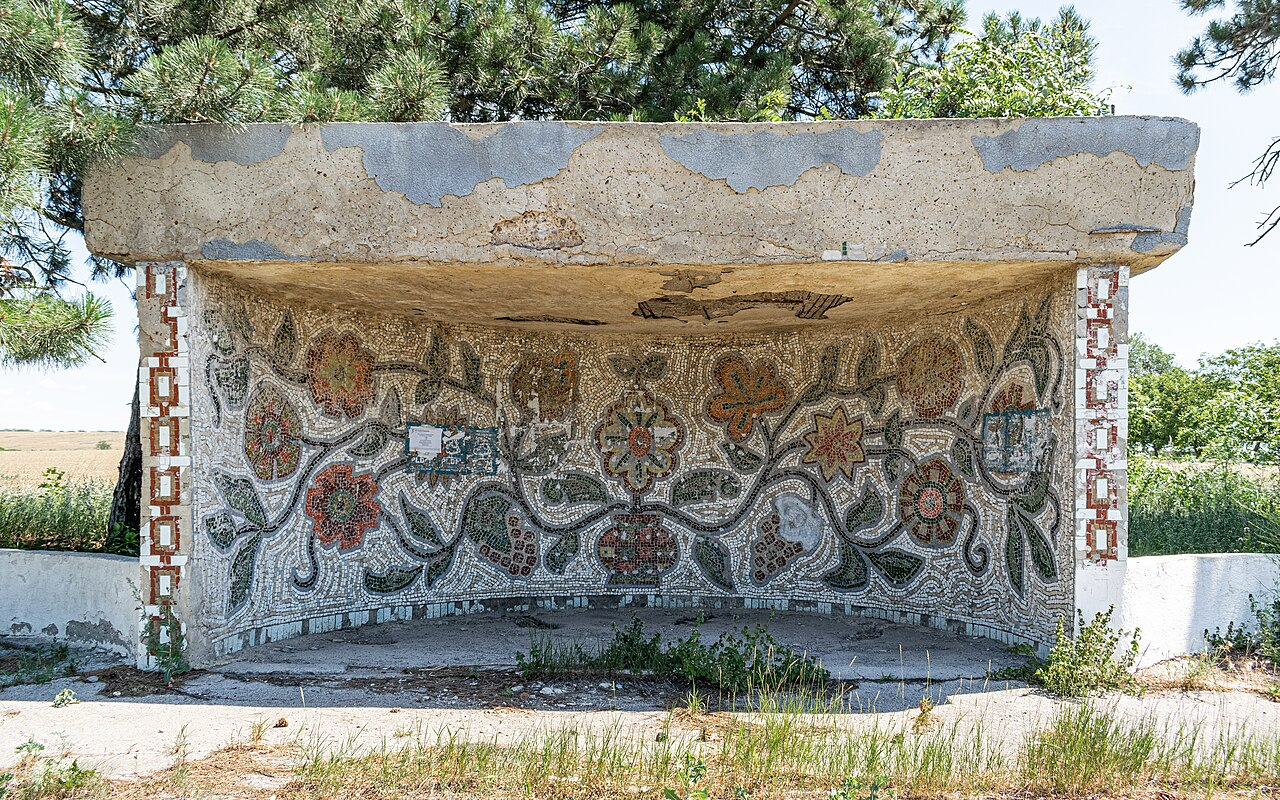
The Soviet bus stop phenomenon represents specific aspect of how human creativity persists despite substantial systemic constraints. Soviet architectural culture was substantially controlled through centralized planning that enforced ideological and aesthetic consistency. The bus stops escaped this control specifically because they were too minor for centralized oversight. The cumulative result was substantial creative output that wouldn’t have been permitted in larger projects — small architectural experiments that local architects and builders could create with minimal external interference.
The cumulative phenomenon illustrates that creative expression finds ways to persist even within substantially constrained systems. The specific Soviet context produced specific creative outputs. Various other constrained societies have produced different creative outputs through similar processes. The general pattern — creativity emerging in spaces too marginal for centralized oversight — has substantial broader implications beyond the specific Soviet case. Modern architectural and design audiences have rediscovered Soviet bus stops as substantial cultural phenomenon precisely because they demonstrate this broader principle. The structures themselves continue declining toward eventual loss, but the documentation by Herwig and various others provides cultural record that will outlast the physical structures. The cumulative phenomenon demonstrates that even the most ordinary structures (bus stops) can become substantial cultural artifacts when historical circumstances align appropriately.