

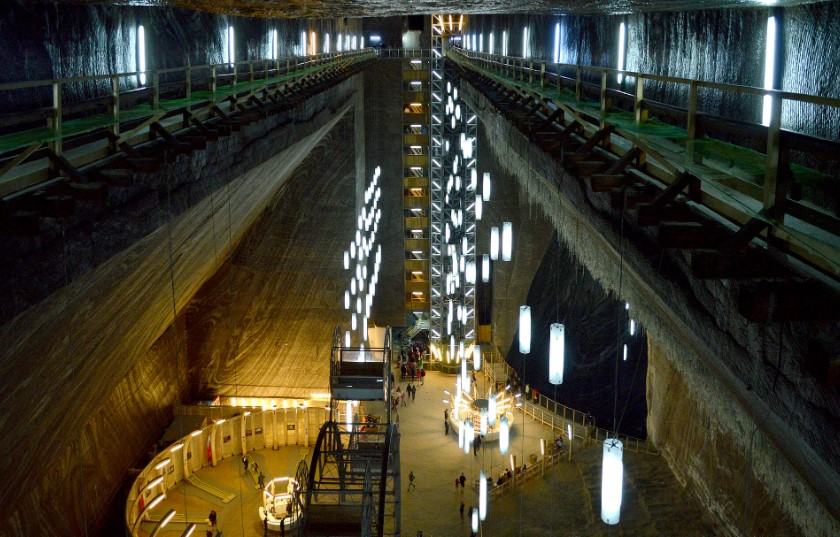
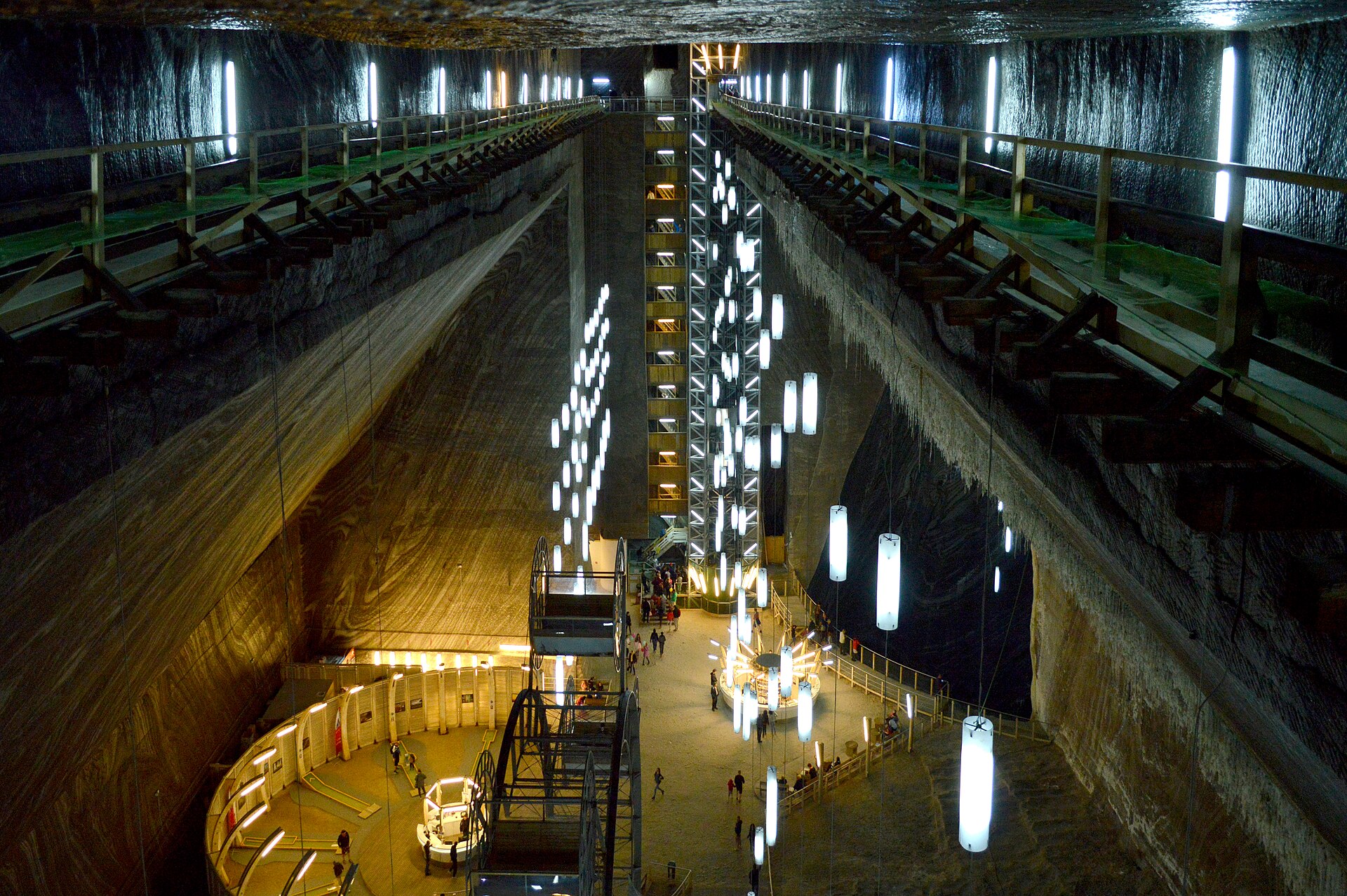
Salina Turda is a 2,000-year-old salt mine in Transylvania. Closed for production in 1932, it sat largely forgotten until 1992 when it reopened as something unprecedented: an underground amusement park 120 meters below the surface featuring a Ferris wheel, a boating lake, mini-golf, and a 180-seat amphitheater carved from salt. Business Insider has ranked it the most beautiful underground place in the world. Here’s what’s actually down there.
1: A Mine With 2,000 Years of History
Salina Turda sits in the Durgău-Valea Sărată area of Turda, the second-largest city in Cluj County in northwest Transylvania, Romania. Salt extraction at the surface dates back to antiquity. Underground mining expanded during the Roman occupation of Dacia (roughly 106-271 CE). The first written reference to a salt mine in Turda dates from May 1, 1271 — a document issued by the Hungarian chancellery.
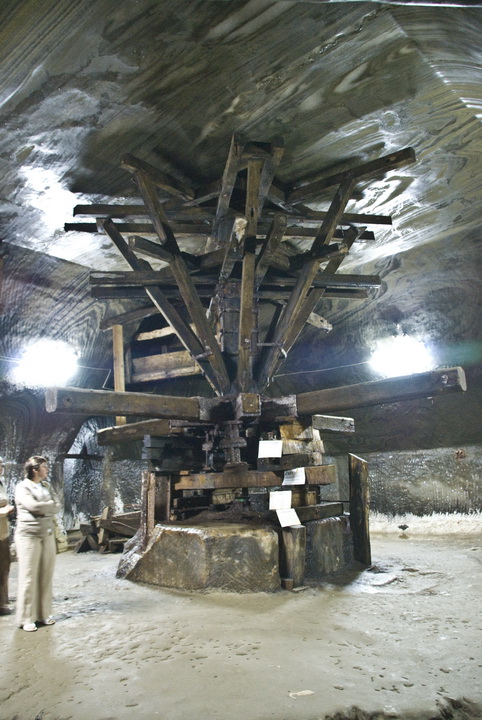
For nearly two millennia, the mine produced table salt that was extracted manually by workers using pickaxes, hammers, chisels, and steel wedges. The workers were paid in florins (gold and silver coins), ale, and loaves of bread. The salt extraction created the massive underground caverns that visitors explore today.
2: How the Caverns Were Created
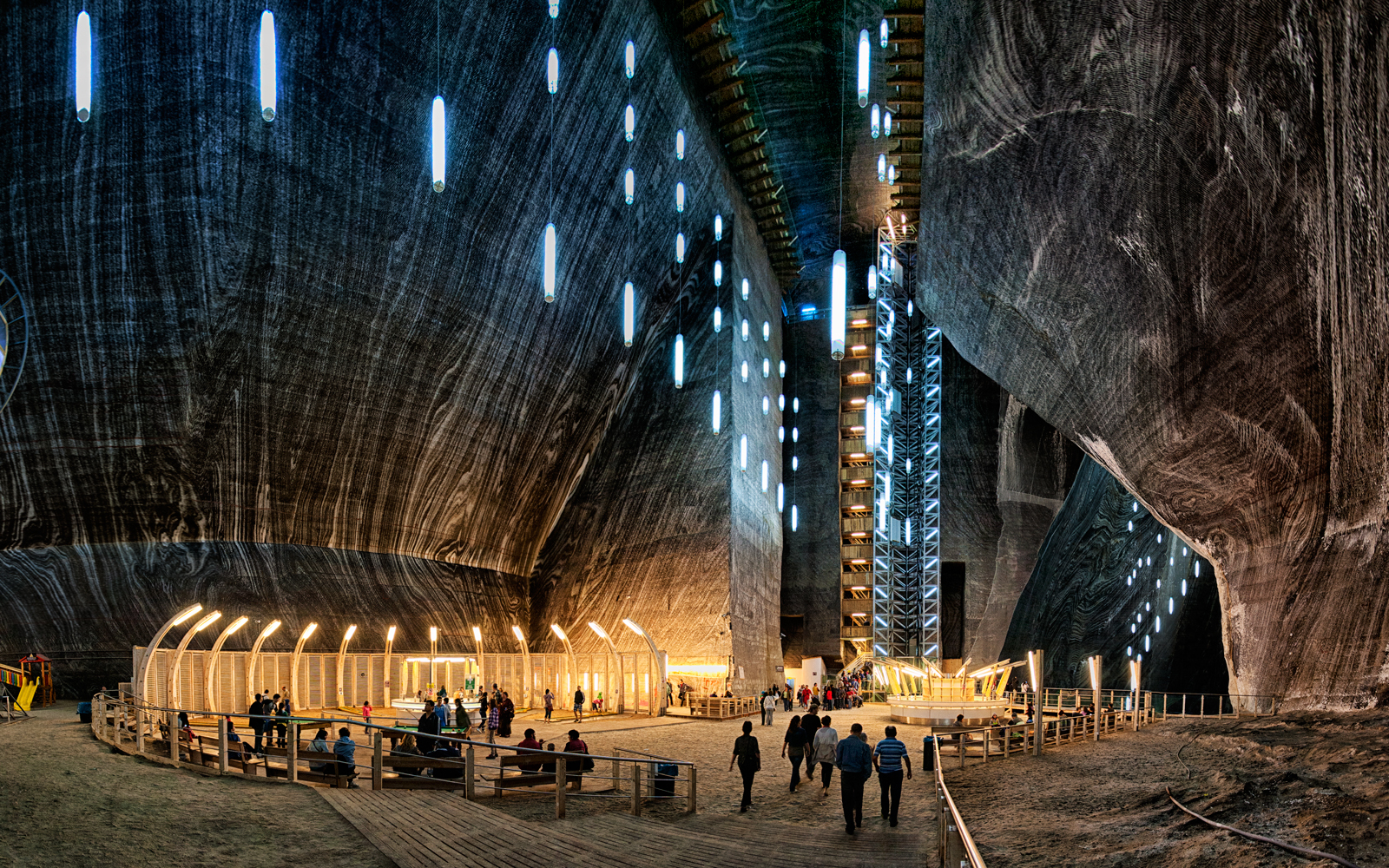
The underground halls at Salina Turda weren’t designed — they’re the negative space left behind after centuries of salt extraction. Miners removed salt from specific veins, creating bell-shaped cavities that grew larger over time. The largest cavern, Theresa Mine (Terezia), reached 90 meters (300 feet) tall and 87 meters (285 feet) in diameter — dimensions comparable to substantial cathedrals.
The conical shape developed because miners worked downward and outward from a central shaft. Salt was extracted in massive quantities across centuries. The remaining salt deposits could theoretically supply the entire planet’s salt needs for approximately 60 years if extraction resumed.
3: The 1932 Closure
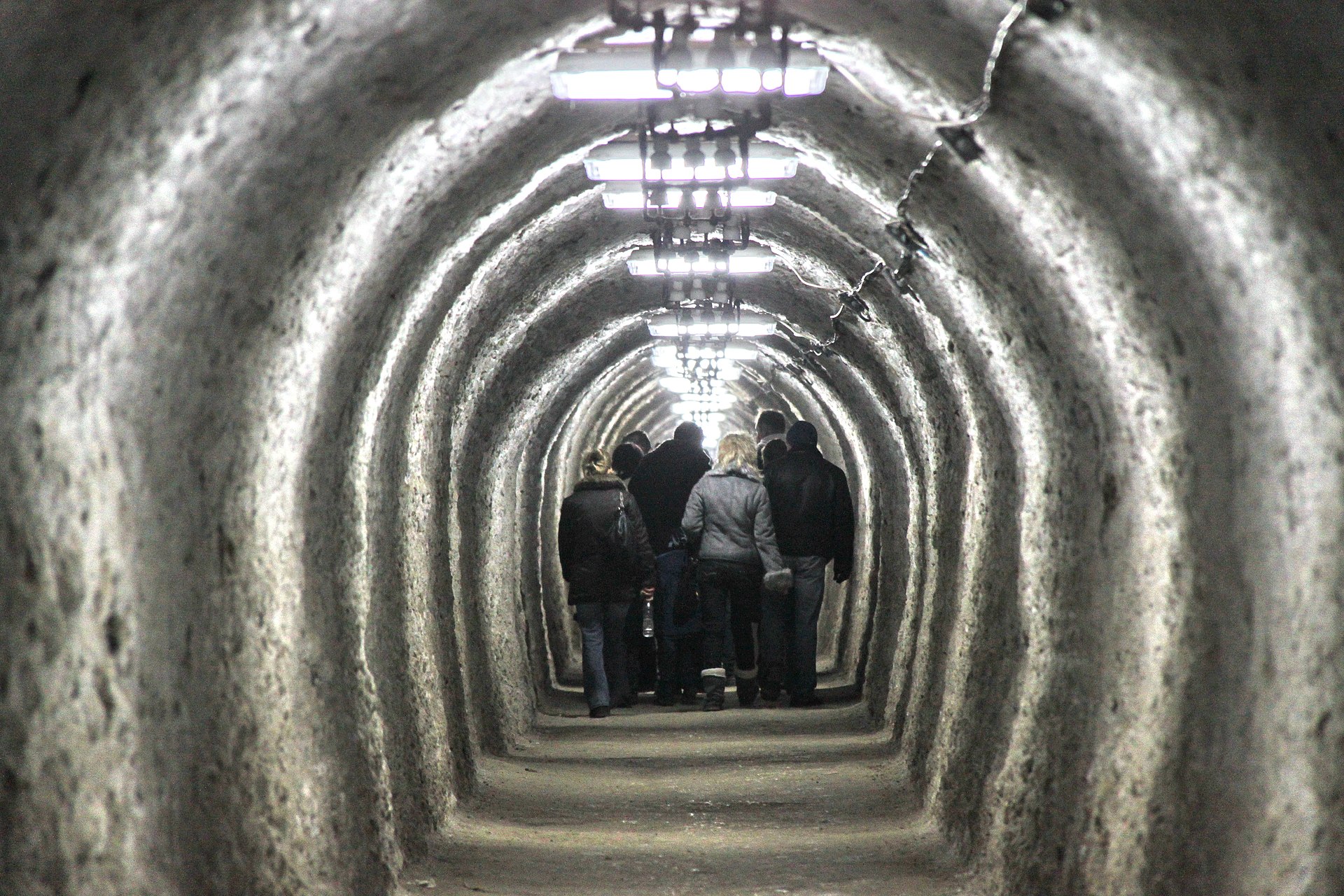
By the early 20th century, Salina Turda’s importance had declined substantially. New mines opened elsewhere with more efficient extraction equipment. The Turda mine’s old infrastructure became increasingly uneconomical compared to modern alternatives. In 1932, after over 900 years of continuous salt production, Salina Turda closed permanently for commercial operations.
The closure left behind one of the most extensive underground cavity systems in Europe — preserved exactly as miners had left it, with original equipment, transportation infrastructure, and cavern walls untouched by further extraction. The mine was essentially mothballed for the next 60 years, with various brief utilitarian uses but no major restoration.
4: The WWII Bomb Shelter Period
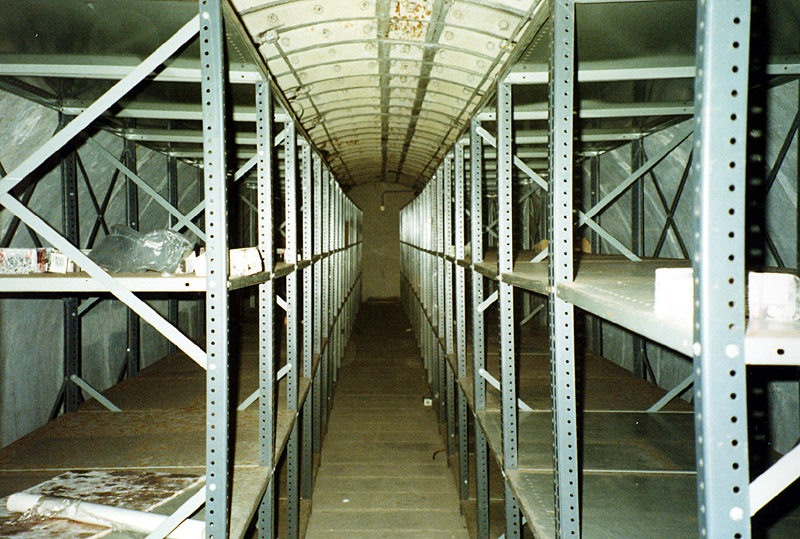
During World War II, Salina Turda served as a bomb shelter for the local population. The deep underground location and substantial cavern dimensions provided genuine protection from air raids. Local civilians used the mine during periods of bombing throughout the war.
After the war ended, the mine returned to abandonment until various utilitarian uses emerged in subsequent decades — most famously serving as a temporary cheese storage facility taking advantage of the mine’s consistently cool temperatures and humid conditions. The shelter and cheese-storage period preserved the caverns essentially intact, without modifying the underground infrastructure that had developed over centuries of mining.
5: The 1992 Tourism Reopening
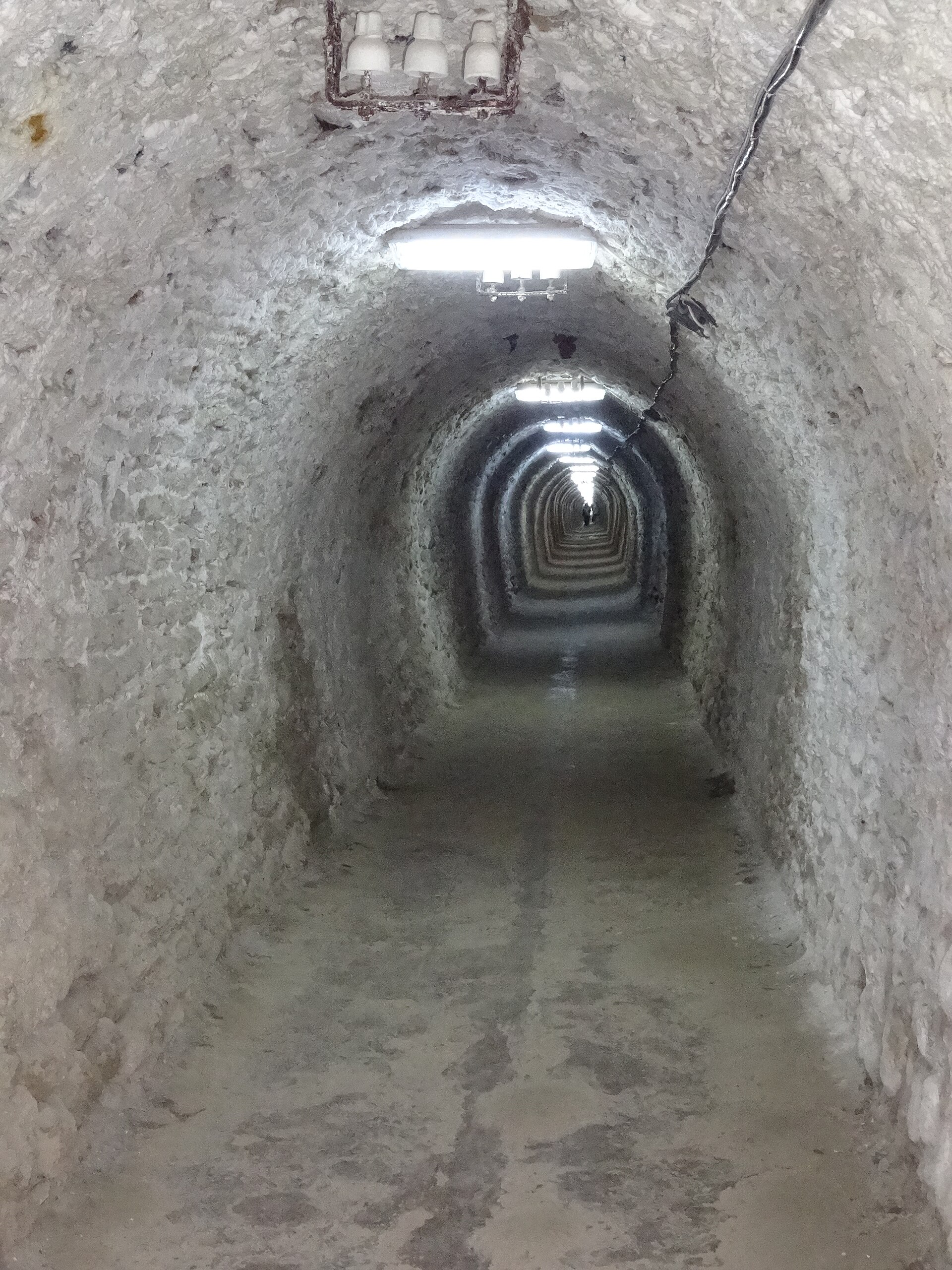
In 1992, after Romania’s transition from communism, Salina Turda reopened to the public — initially as a halotherapy center (salt therapy for respiratory conditions) and basic tourist attraction. The microclimate provided specific health benefits: constant temperature of 11-13°C, 80% humidity, and air essentially free of allergens, bacteria, and respiratory irritants. The salt aerosol naturally suspended in the cavern air was claimed to provide therapeutic benefits for asthma, hay fever, and various respiratory conditions.
The early tourism operation was modest. Basic walking paths were established. Some interpretive signage explained the mine’s history. The amusement attractions that would later define Salina Turda hadn’t yet been developed.
6: The 2008-2010 Transformation
The dramatic transformation that produced modern Salina Turda came through a 2008 modernization project funded under the European PHARE 2005 program. Total investment: approximately €5.9 million. Romanian architects designed a comprehensive renovation that would transform the underground caverns into one of the most distinctive tourist attractions in Europe.
The project added extensive LED lighting designed to dramatize the underground spaces, new walkways and accessibility infrastructure, the now-iconic Ferris wheel installation, paddle boats for the underground lake, mini-golf course, bowling lanes, table tennis, pool tables, and amphitheater seating for 180 people. The renovated Salina Turda reopened in January 2010.
7: The Underground Ferris Wheel
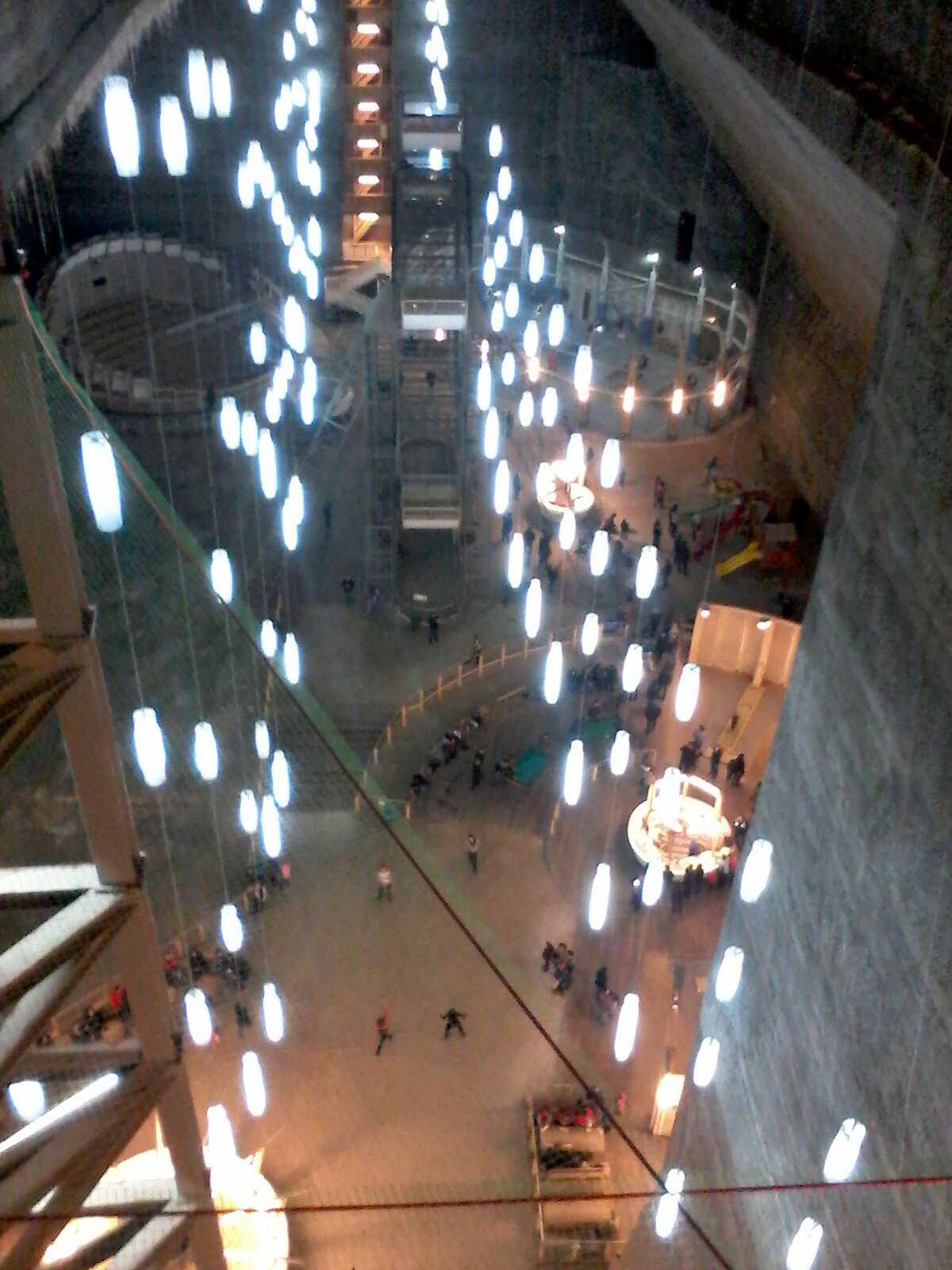
The most-photographed feature of Salina Turda is its Ferris wheel — installed in the Rudolf Mine cavern at the heart of the modernization. The wheel stands 20 meters (65 feet) tall and provides the only operating underground Ferris wheel in the world. From the top of the wheel, visitors get views of the entire cavern from above — providing perspective on scale that ground-level walking can’t match.
The Ferris wheel operates throughout the day with substantial visitor demand. Riding the wheel inside the salt cavern, surrounded by colored LED lighting, illuminated salt formations, and the dramatic sense of being far underground, creates an experience genuinely unavailable elsewhere.
8: The Underground Lake and Boats
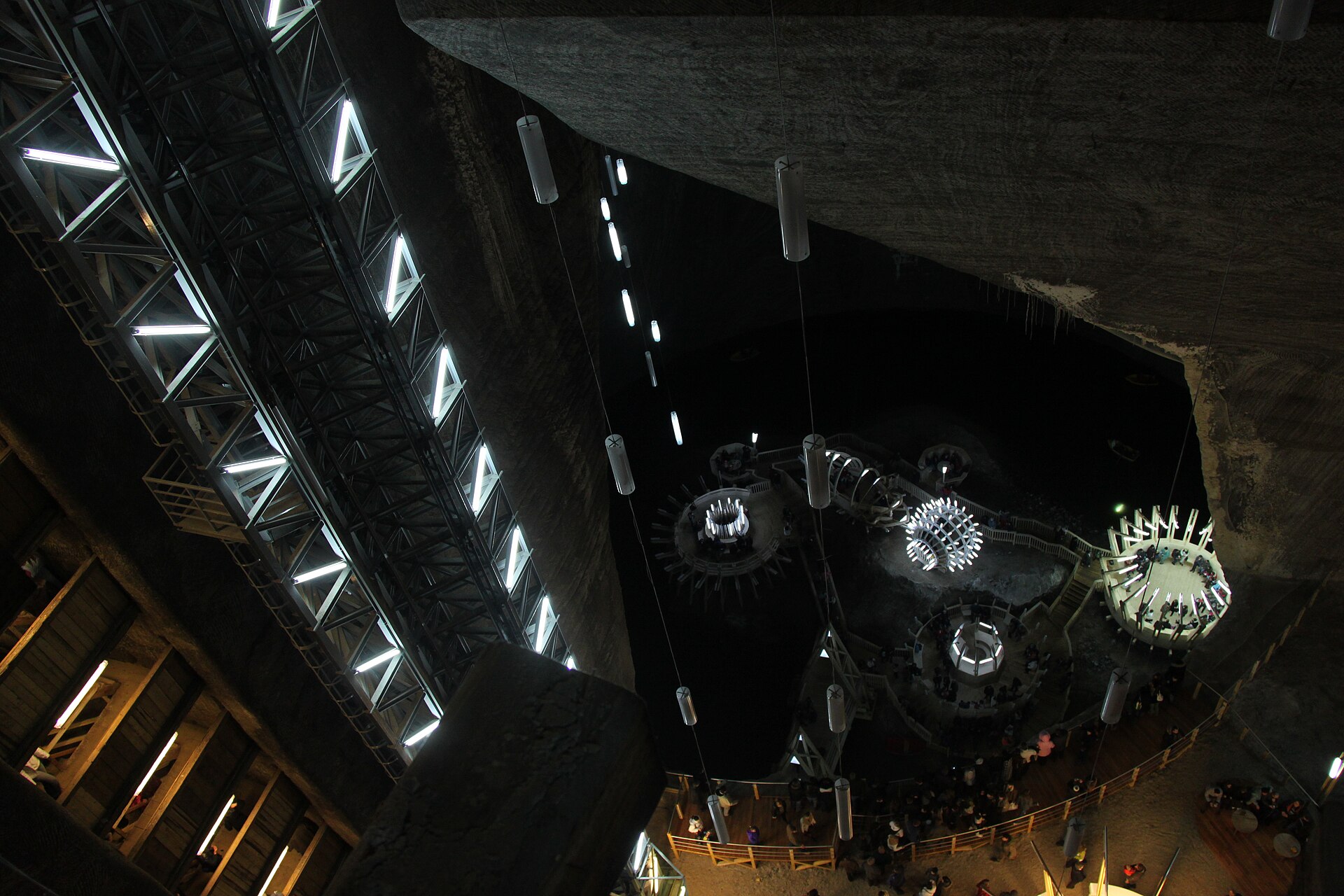
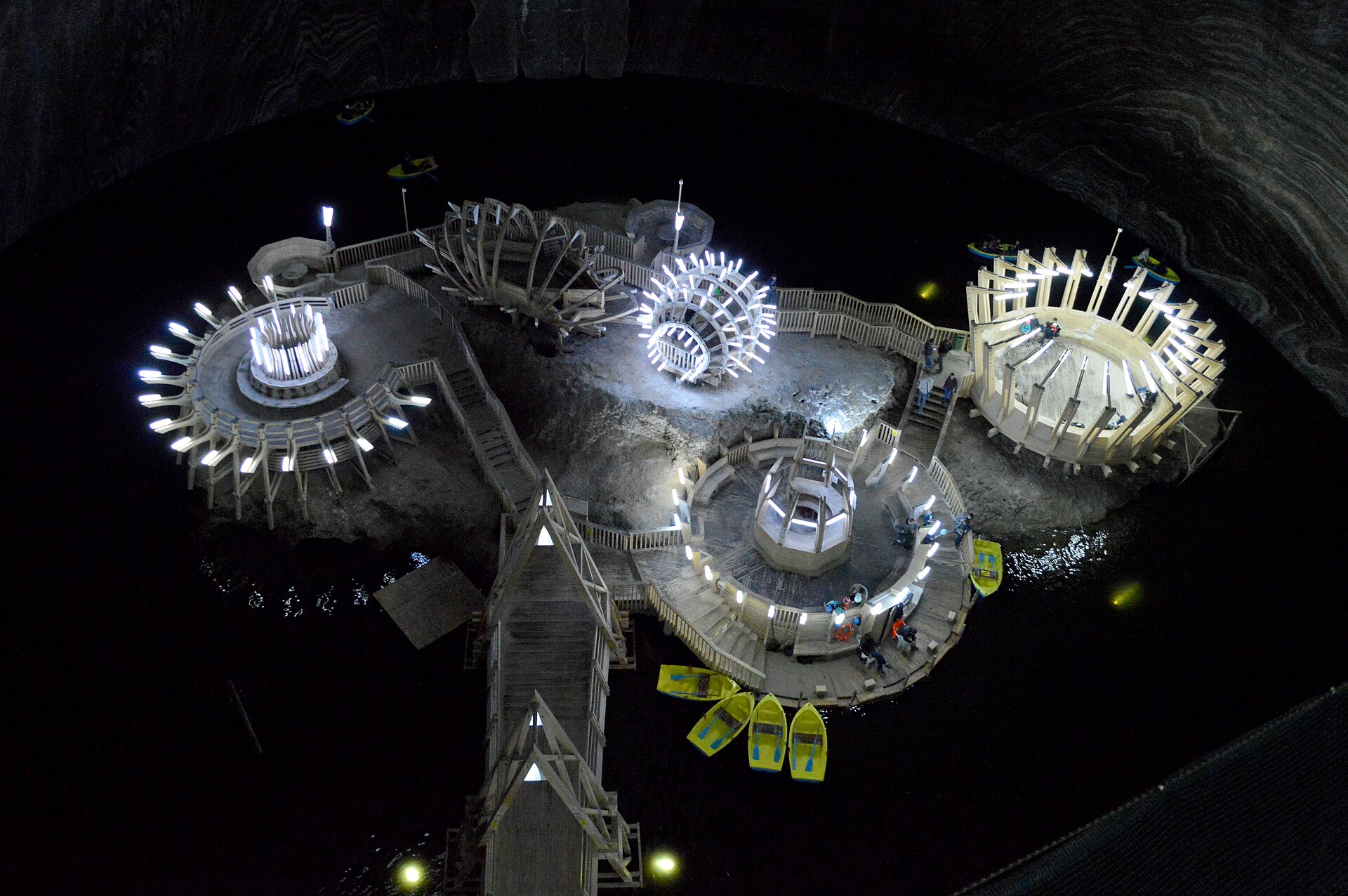
The Theresa Mine’s lower level contains a remarkable underground lake. Water depth ranges from 0.5 to 8 meters, with the lake covering approximately 80% of the cavern’s hearth area. The water is extremely saline — comparable to the Dead Sea in Israel — providing unusual buoyancy and producing genuinely strange swimming or boating sensations.
In the center of the lake sits an island formed from low-grade salt deposited there after 1880, when salt mining ended in this specific cavern. Modern visitors can rent paddle boats to row around the lake. A wooden bridge with triangular trusses connects the main floor to the central island.
9: The Health Spa Function
Salina Turda continues operating as a halotherapy center alongside the tourist attractions. Specific spa treatment rooms within the mine offer salt therapy sessions for visitors with respiratory conditions. The treatments take advantage of the mine’s natural microclimate without requiring any artificial intervention.
The traditional health claims have varying scientific support. Modern medical research has documented some benefits of salt therapy for specific respiratory conditions. The mine’s microclimate is genuinely distinctive — measurably free of allergens and bacteria, with consistent temperature and humidity that few above-ground facilities can match. Many visitors specifically combine spa treatment with tourism rather than choosing one purpose.
10: The Two Entrances
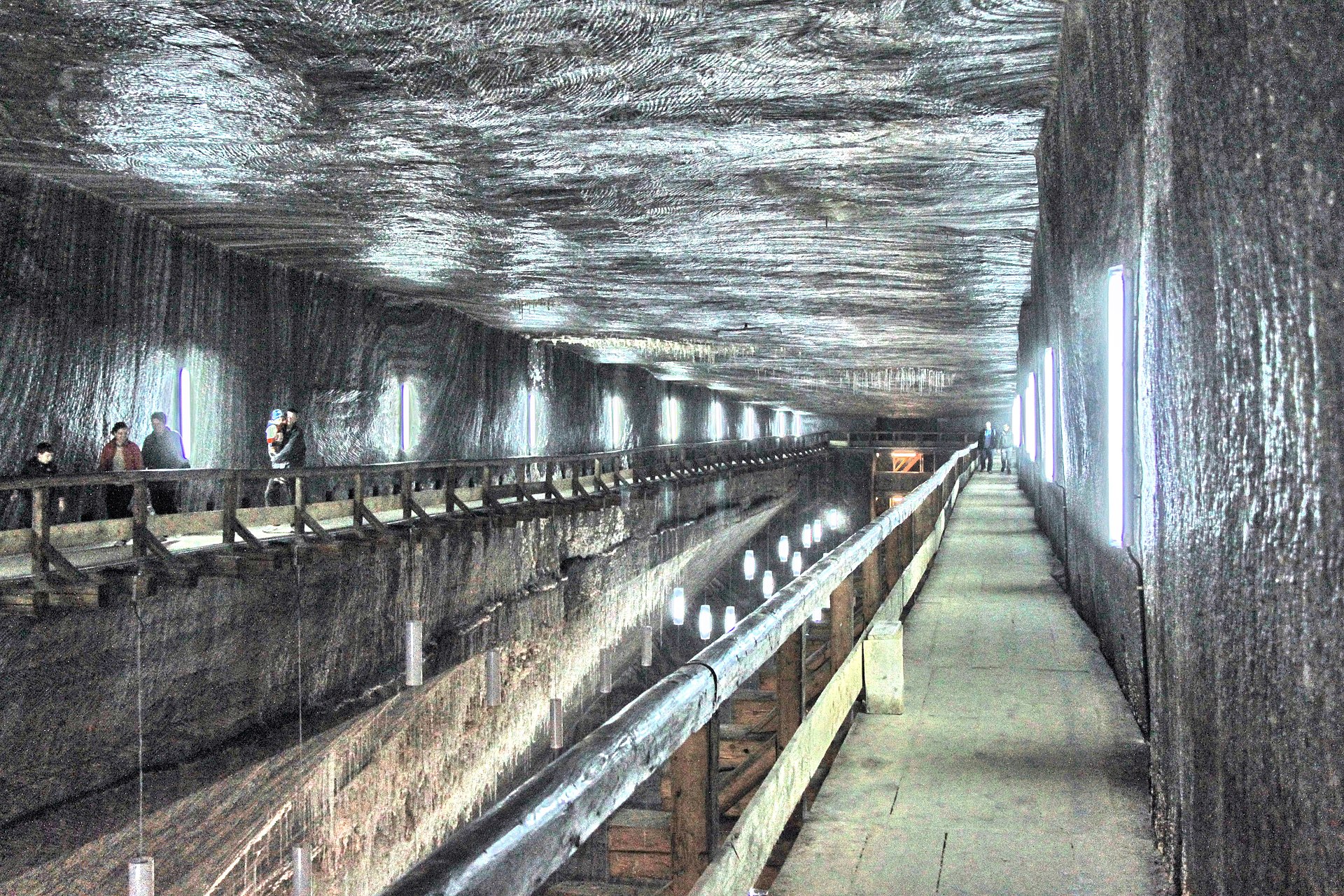
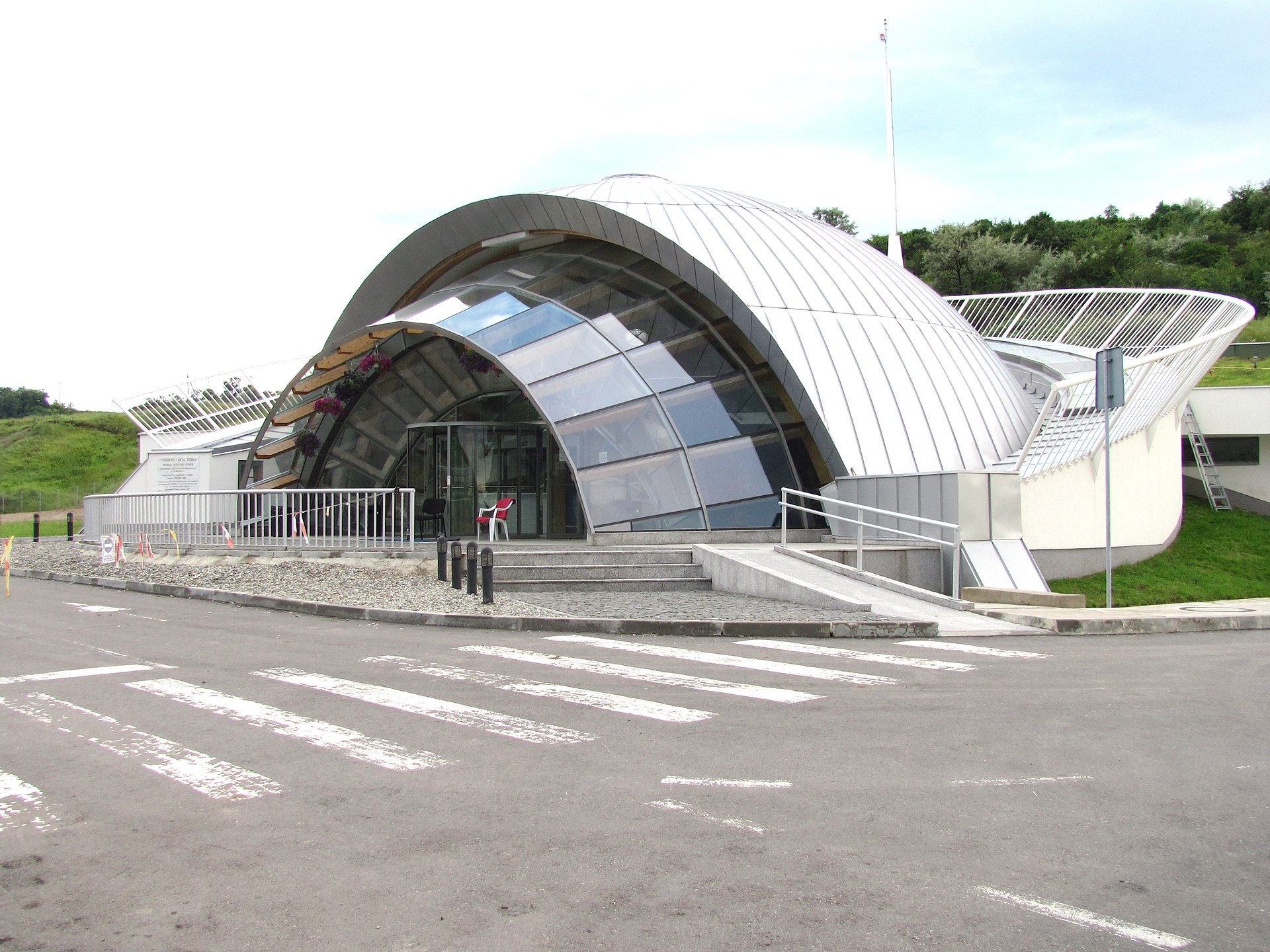
Salina Turda has two separate entrances that confuse many first-time visitors. Entrance A is the newer access point in Turda town center, with modernized facilities and easier access for tourists arriving by car. Entrance B is the original mine entrance in the fields, requiring a longer walk but providing a more historical approach to the site.
The two entrances provide different perspectives on the underground complex. Most modern visitors use Entrance A for convenience. Visitors interested in the historical mining experience often prefer Entrance B for its more authentic feel. The complete underground complex can be explored from either entrance — the cavern system connects internally.
11: The Visit Itself Today
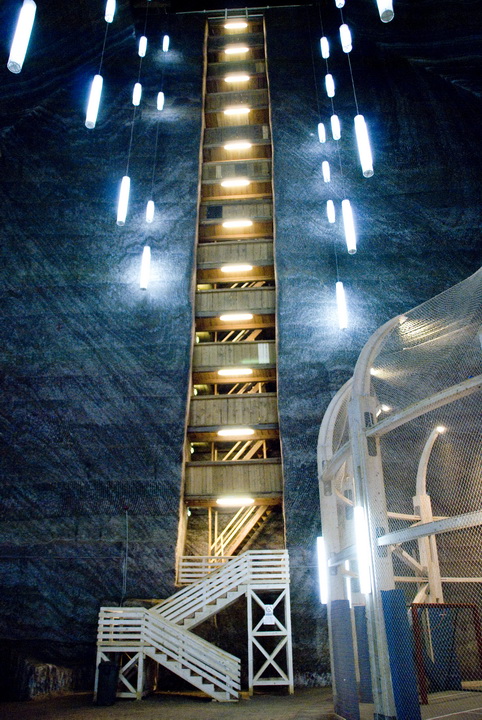
Modern Salina Turda receives approximately 600,000-650,000 visitors annually. Tickets cost approximately 60 RON ($13) for adults, with reduced rates for children, seniors, and students. The mine is open year-round with seasonal hour variations. Most visitors spend 2-4 hours exploring the various caverns and amusement attractions.
The constant 11-13°C temperature requires warm clothing regardless of outside weather. Comfortable walking shoes handle the uneven terrain. Photography is permitted (commercial photography requires separate fees). The mine includes accessibility infrastructure for visitors with disabilities through Entrance B. Cafés and snack bars are available within the mine for refreshments during longer visits.
12: The Other Romanian Salt Mines
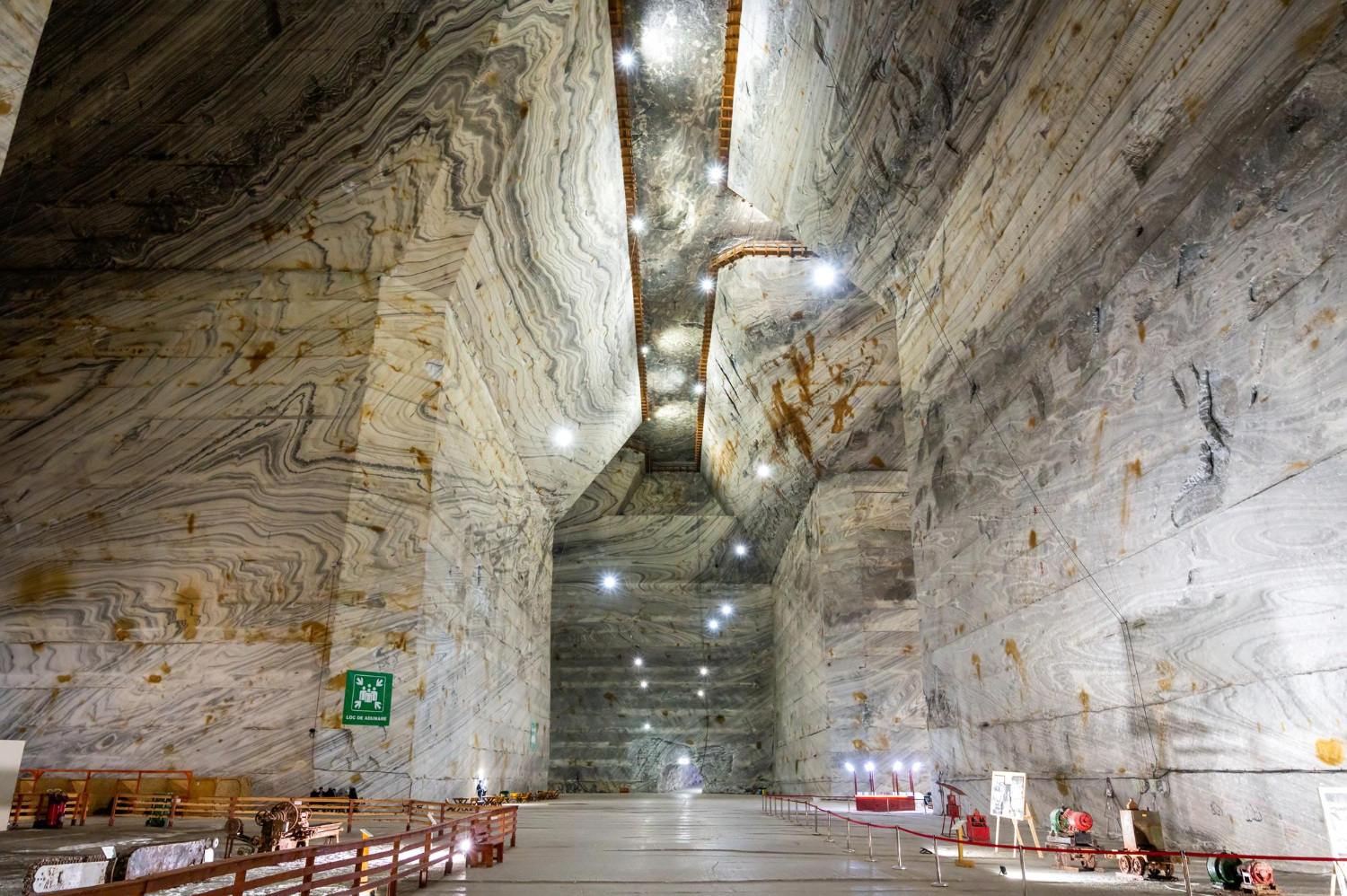
Salina Turda is the most famous but not the only Romanian salt mine open to tourism. Other notable salt mines in Romania include: Salina Praid (in Harghita County, with extensive underground spaces), Salina Slănic (in Prahova County, featuring the largest single underground hall in Europe), and Salina Cacica (in Suceava County, with a 17th-century chapel carved from salt).
Romania’s geology produces substantial salt deposits throughout the country. The combination of historical mining infrastructure plus various tourism developments has created a substantial underground tourism circuit. Salina Turda remains the most internationally famous, but visitors interested in Romanian salt mine culture have multiple options worth exploring across the country.
What Salina Turda Actually Represents
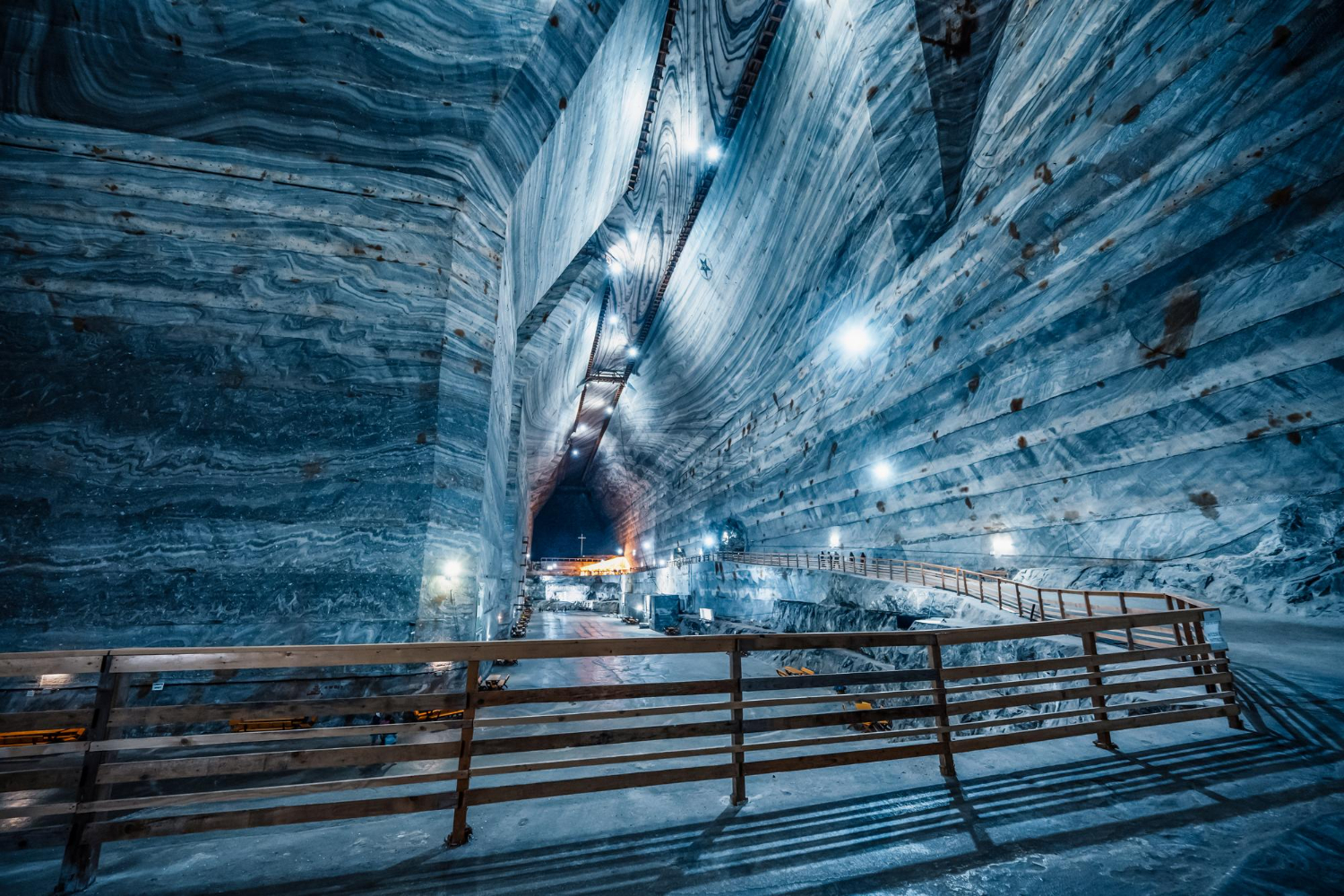
Salina Turda represents what’s possible when post-industrial infrastructure meets imaginative redevelopment. The 2,000-year-old mine could have been simply preserved as historical monument or completely abandoned to natural decay. Instead, Romanian architects and tourism developers created something genuinely new — an underground amusement park within preserved historical caverns. The combination respects the mine’s history while providing contemporary visitor experiences that traditional museum approaches cannot match. The result is one of Europe’s most distinctive tourist attractions, drawing 600,000+ visitors annually to a former salt mine that closed almost 100 years ago. The model has been studied and partially replicated by other former mining sites globally — but Salina Turda remains the most ambitious and successful example of underground heritage tourism creating new value from abandoned industrial infrastructure.
