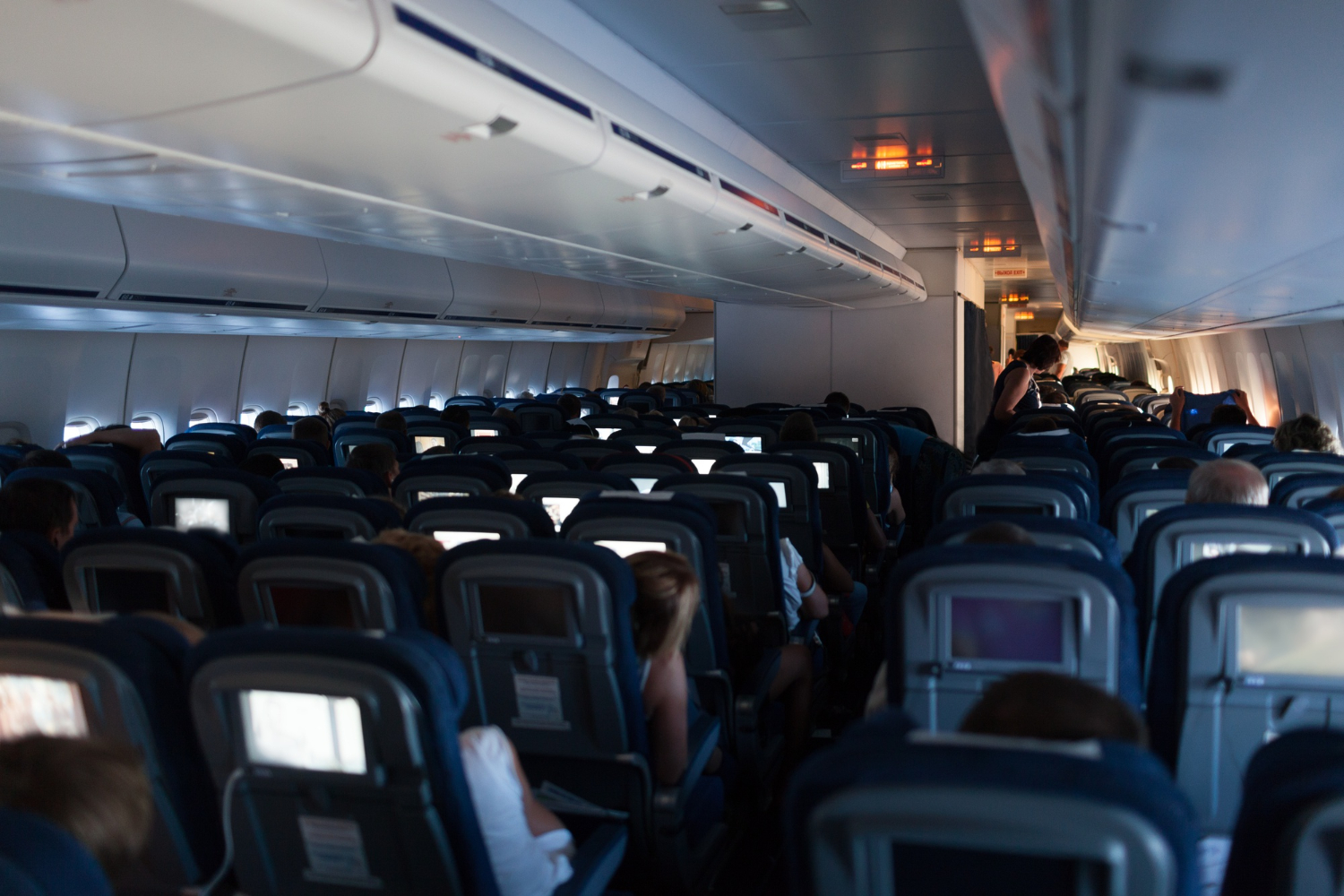
Flight attendants see thousands of passengers, and over time they develop a sharp, frequently unspoken read on the people in their cabin — the small habits and requests that mark someone as considerate or oblivious, easy or high-maintenance. None of this is about judgment for its own sake; it’s that a few simple behaviors genuinely make a flight smoother for everyone, and the crew notices and appreciates the passengers who get them right. The good news is that becoming the kind of passenger flight attendants love isn’t about grand gestures — it’s about a handful of small courtesies and a little awareness of how the cabin actually works. Here’s what flight attendants quietly notice about you, and the simple things that make you a favorite passenger rather than a memorable headache.
A quick framing note: flight attendants are, above all, there for your safety, and most are warm professionals who genuinely want you to have a good flight. The behaviors they notice mostly come down to courtesy and awareness — and getting them right makes your own flight better too. Here’s what registers.
Some Drink Orders Quietly Signal “High Maintenance”
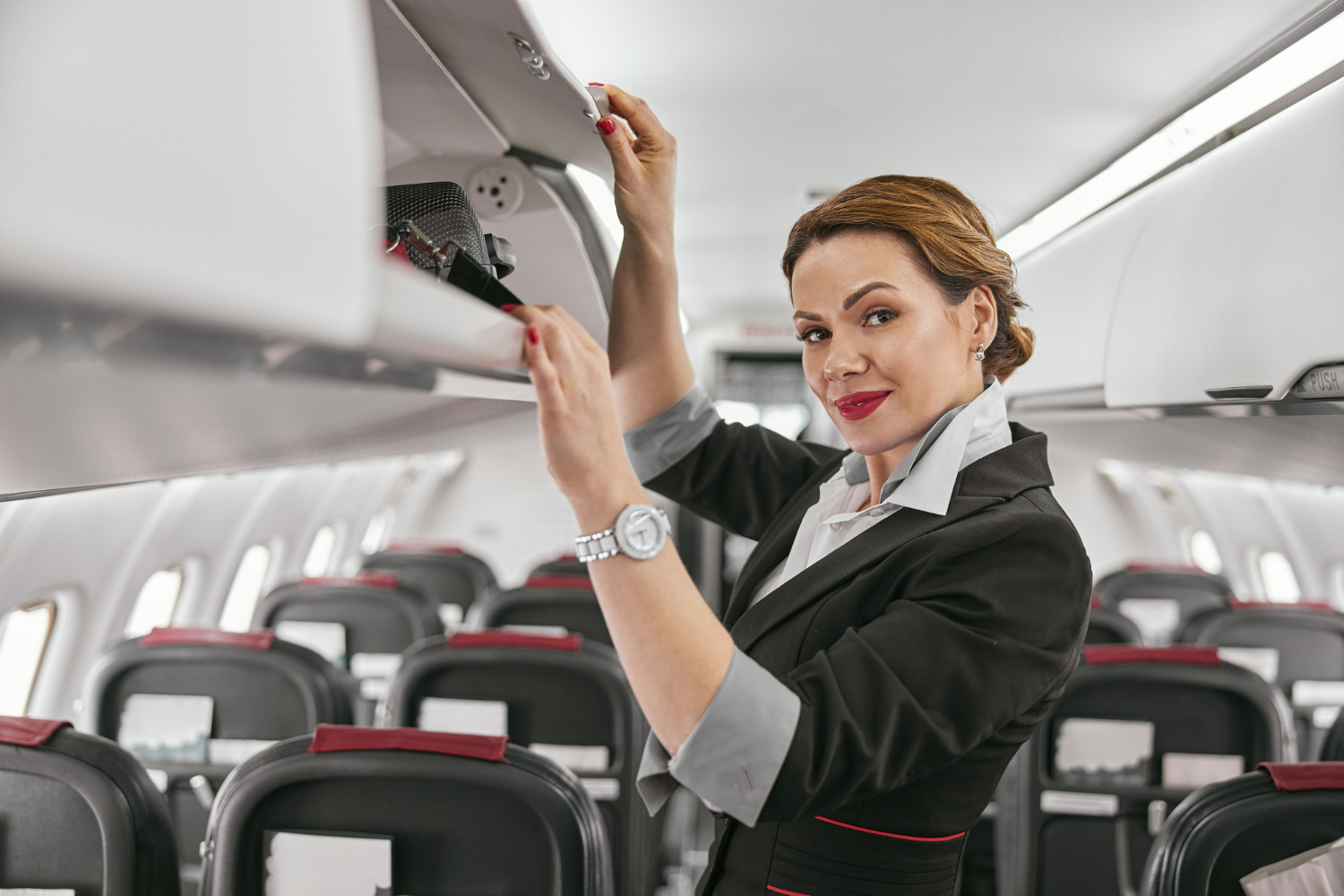
Flight attendants do notice drink orders, and certain ones — elaborate custom requests, ordering multiple separate items, or demanding specific brands the airline may not stock — can mark a passenger as higher-maintenance in a setting with limited supplies and time. It’s not that you can’t order what you want; it’s that the cabin has constraints. What helps: keep drink requests reasonably simple, be flexible if your first choice isn’t available, and order everything you’d like at once rather than flagging the crew down repeatedly. Being easygoing about beverages is a small thing that crews genuinely appreciate, and it gets you served faster and more warmly throughout the flight.
Snapping, Whistling, or Grabbing to Get Attention
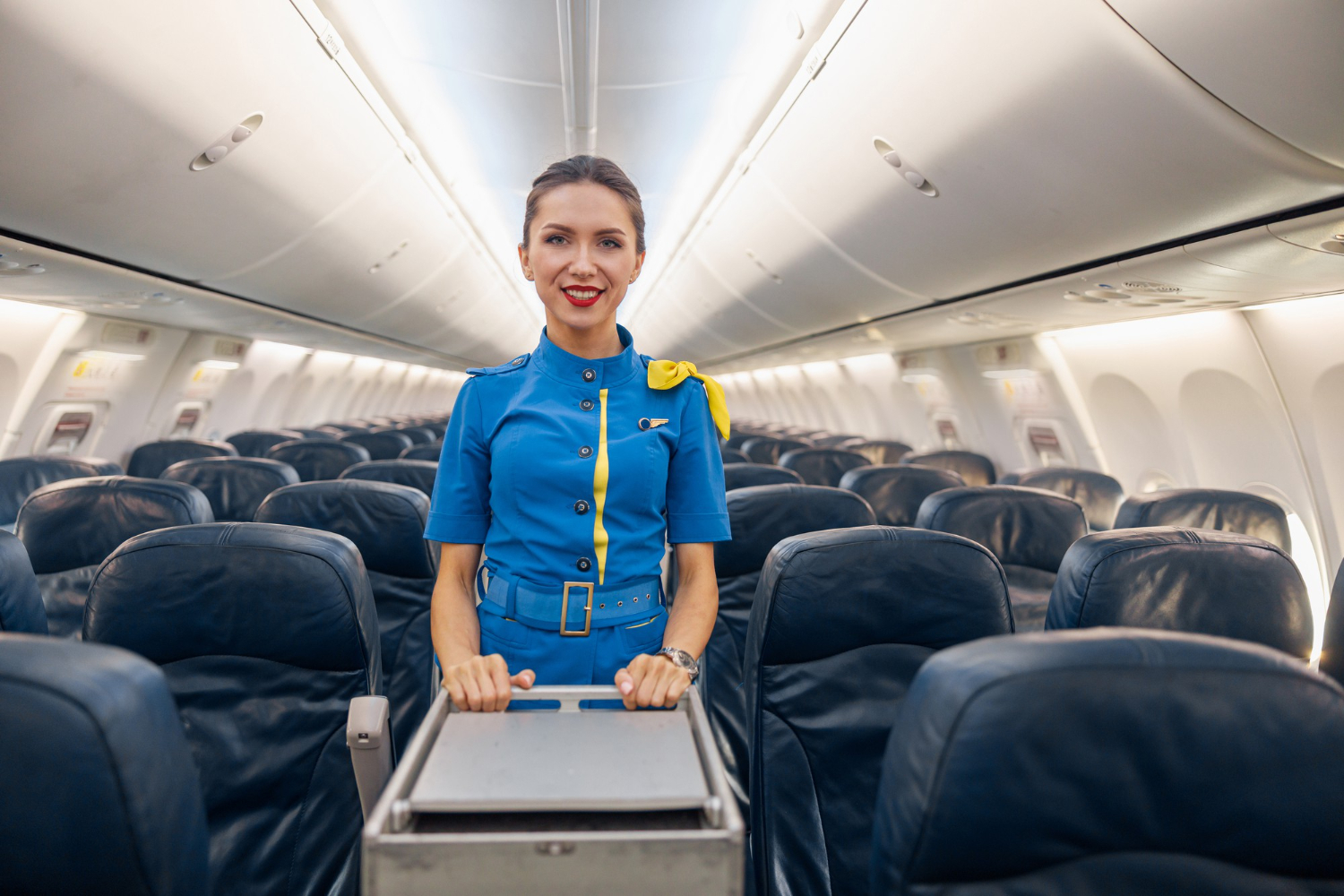
Few things register more negatively with cabin crew than being summoned rudely — snapping fingers, whistling, grabbing an arm, or barking orders. Flight attendants are professionals, not servants, and these behaviors mark a passenger instantly and unfavorably. What helps: use the call button for non-urgent needs, make eye contact and ask politely when the crew passes, say please and thank you, and treat flight attendants with the same courtesy you’d want. Polite passengers consistently receive warmer, more attentive service, and the contrast with rude travelers is so stark that simple good manners genuinely make you stand out as someone the crew is happy to help.
Walking Around Barefoot
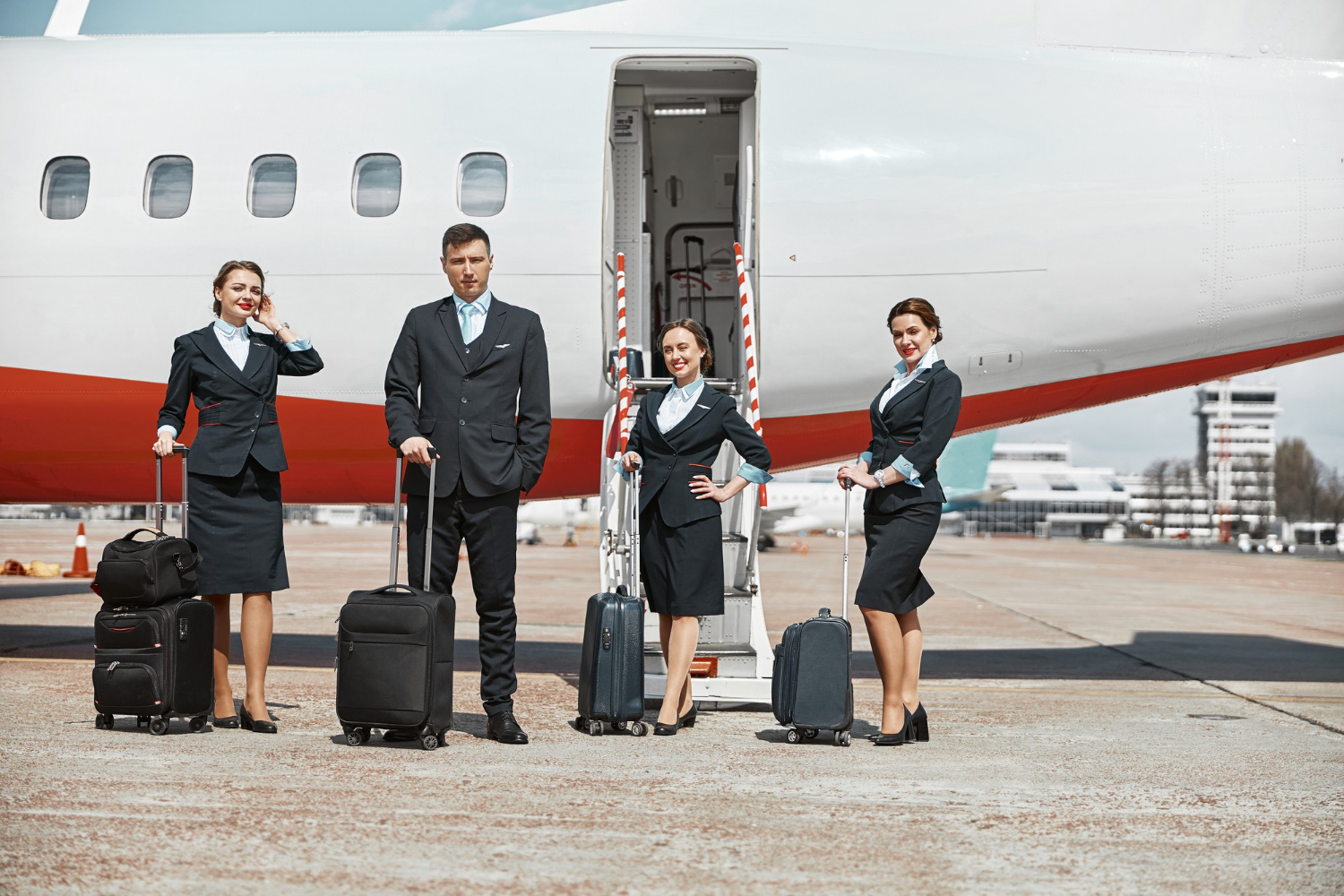
Flight attendants notice — and quietly wince at — passengers who take off their shoes and socks and pad around the cabin, especially into the lavatory, barefoot. Aircraft floors, and lavatory floors in particular, are far from clean, and bare feet are both unhygienic and unpleasant for everyone. What helps: keep your shoes on when moving about the cabin, and if you want to be comfortable, bring clean socks or slippers to wear at your seat and shoes for any trips to the lavatory. It’s a small courtesy that crews and fellow passengers deeply appreciate, and avoiding the barefoot-in-the-aisle move keeps you off the crew’s mental list of memorable passengers.
How You Treat the Crew During Boarding Sets the Tone
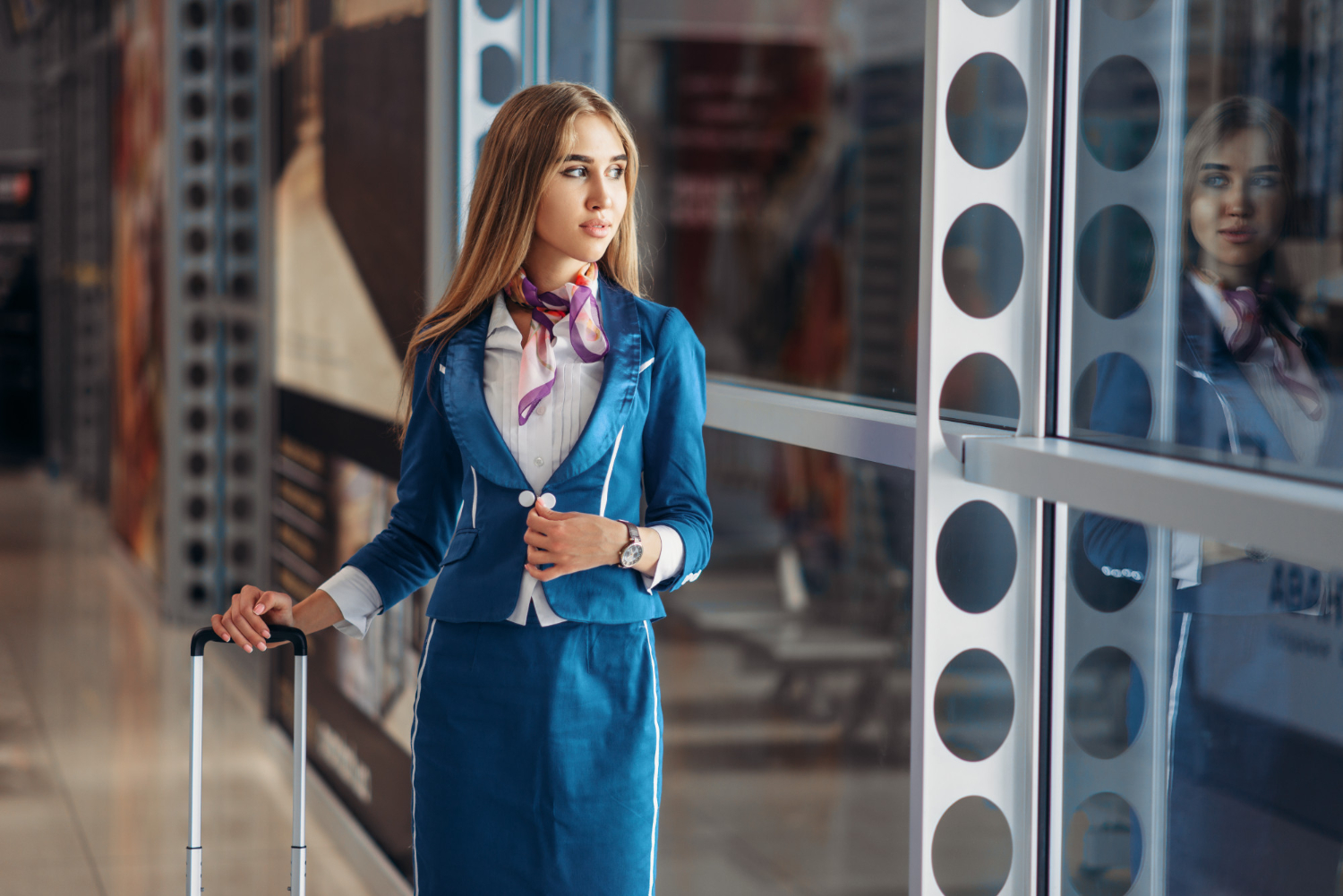
Flight attendants form quick impressions during boarding, and a warm greeting, a smile, and basic courtesy as you step aboard genuinely register — as does ignoring or being curt with the crew. That first interaction frequently colors the whole flight. What helps: make eye contact, return the greeting, and be pleasant as you board; it costs nothing and starts the relationship on a good note. Flight attendants remember the friendly passengers, and that goodwill frequently translates into better service, a little extra patience, and a warmer experience. Starting with simple kindness at the door is one of the easiest ways to become a passenger the crew is glad to have aboard.
Ignoring Safety Instructions Is Genuinely Noticed

While it may feel routine, flight attendants absolutely notice passengers who openly ignore safety briefings and instructions — keeping headphones in during the briefing, refusing to fasten a seatbelt, or arguing about seat-back and tray-table rules. Their primary job is safety, and dismissiveness here registers strongly. What helps: pay attention to the briefing (even if you fly often), comply promptly with seatbelt, tray-table, and electronics requests, and follow crew instructions without argument. Beyond being safer, cooperative passengers are exactly who crews want in their cabin, and respecting the safety role flight attendants take seriously marks you as the kind of traveler they trust and appreciate.
Letting Kids Run Wild
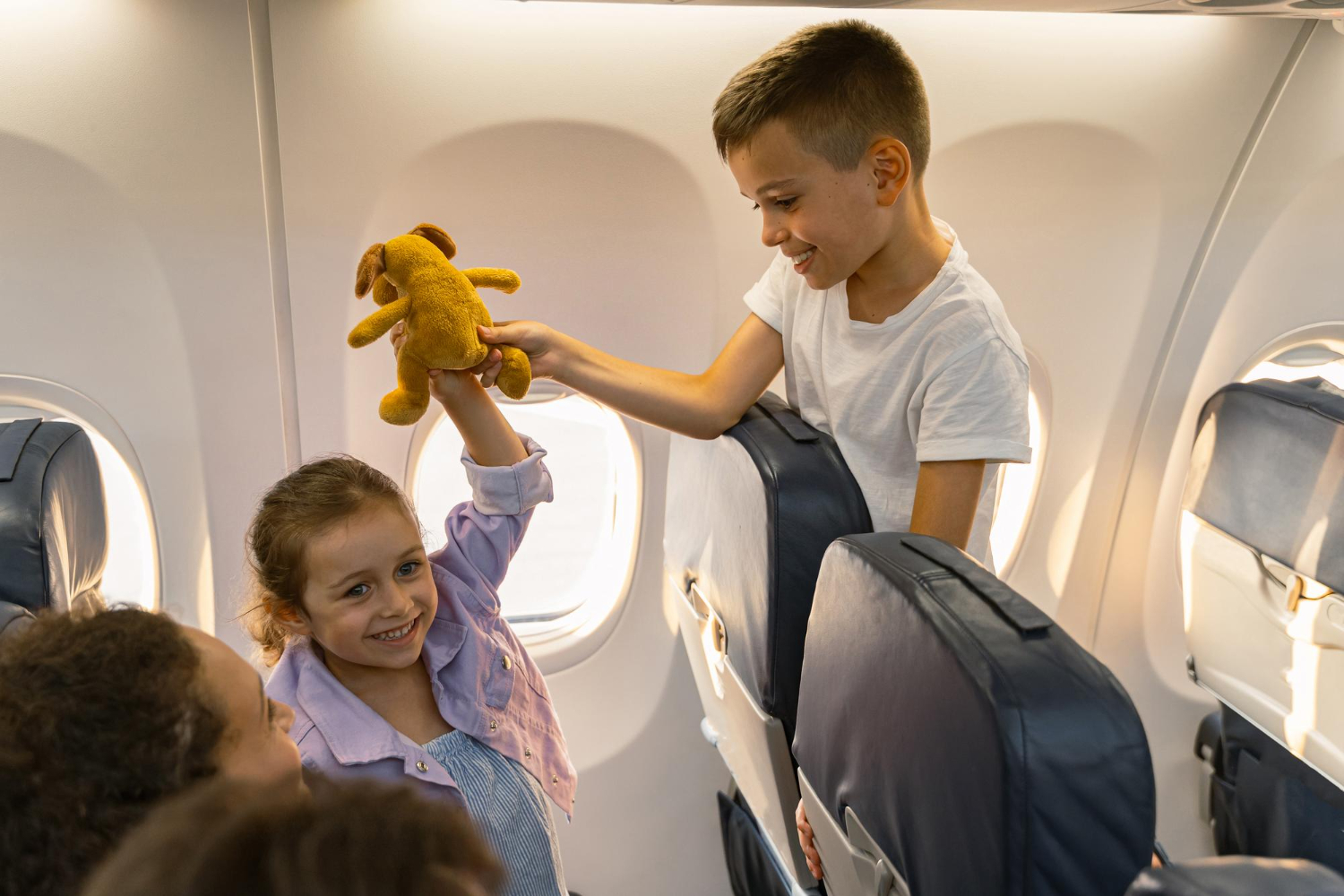
Flight attendants notice when parents disengage and let children run in the aisles, kick seats, or disturb other passengers without intervention. The crew understands that flying with kids is hard and don’t expect perfection — what registers negatively is a lack of effort. What helps: keep children occupied and seated, intervene when they’re disturbing others, and engage with the crew, who frequently go out of their way to help families who are clearly trying. Parents who make a genuine effort earn real sympathy and assistance from flight attendants, while disengaged parents stand out. A little active parenting goes a long way toward a smoother flight for your family and everyone around you.
Clogging the Galley and Lavatory Areas
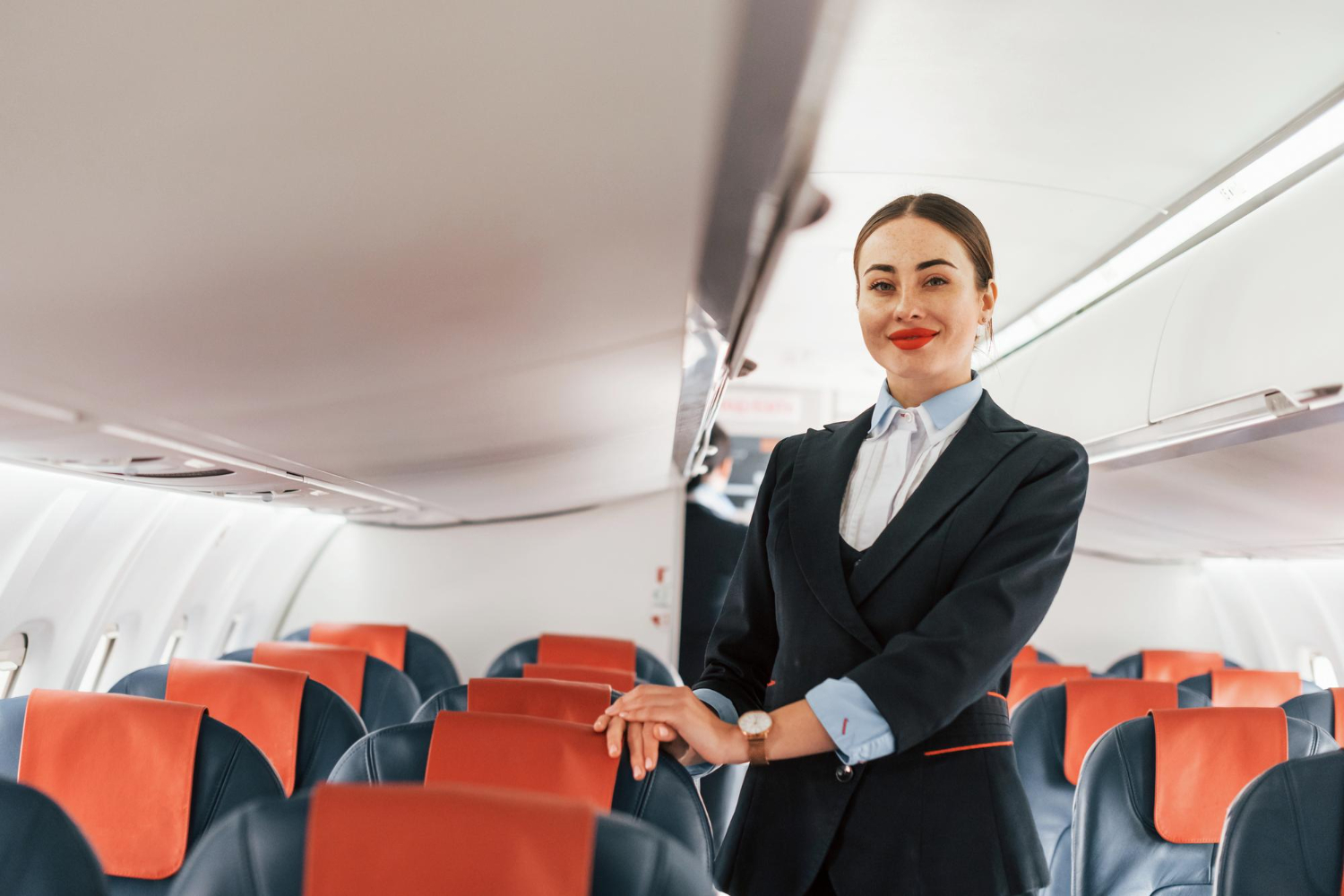
Crews notice passengers who congregate in the galley, lean on work areas, or linger in ways that block the crew’s workspace and the flow of the cabin. The galley is the flight attendants’ workplace, and the areas around lavatories need to stay clear. What helps: be brief and aware around the galley and lavatory, don’t treat the crew’s work area as a lounge, and return to your seat promptly when service or the seatbelt sign requires. Being mindful of the cabin’s working spaces is a small awareness that crews notice and appreciate, marking you as a considerate traveler who understands that the cabin is, after all, the flight attendants’ workplace.
Tidiness at Your Seat Registers
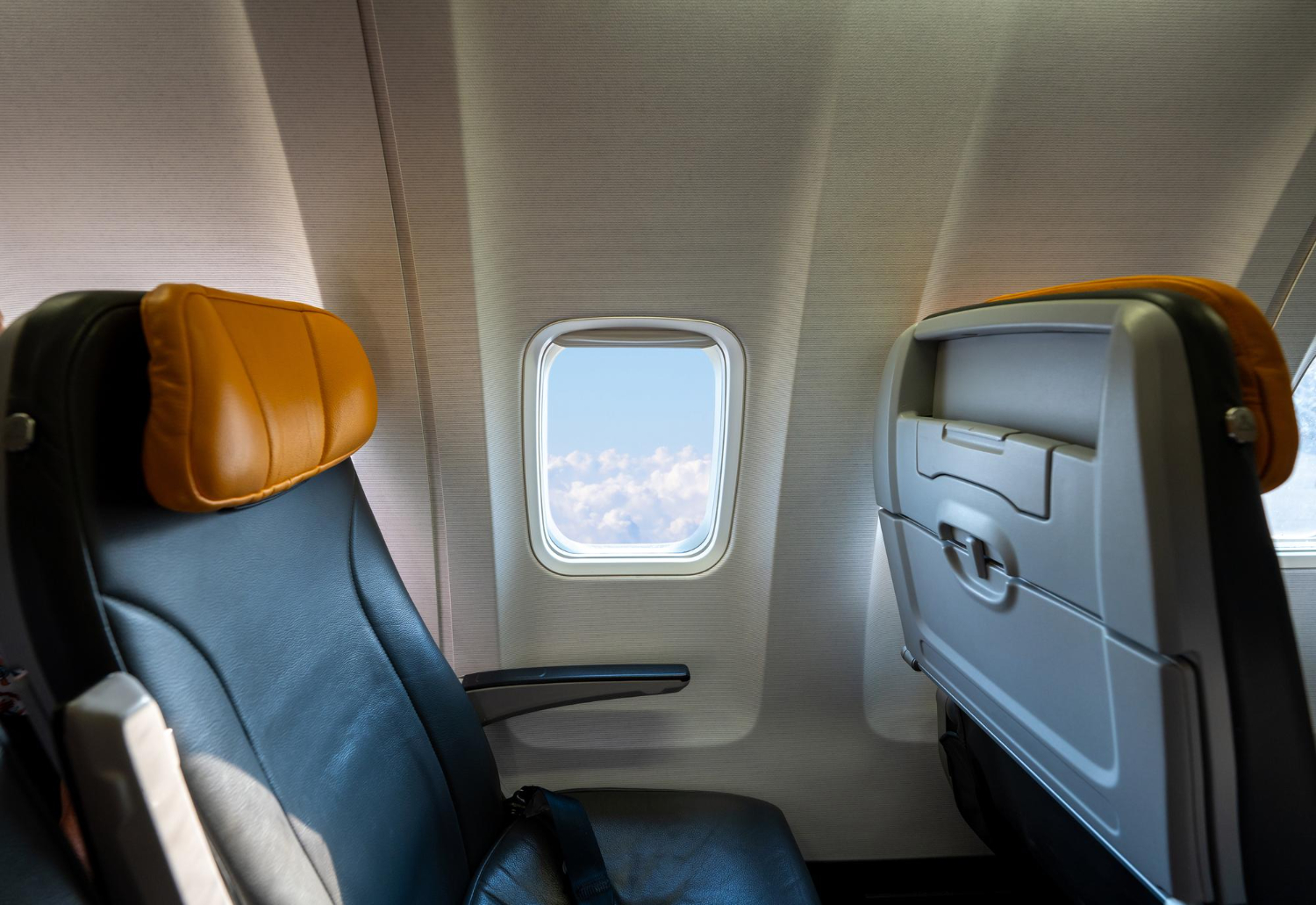
Flight attendants notice the state passengers leave their seat area in — those who hand over their trash neatly during collection and don’t leave a disaster of wrappers, spills, and debris behind register as considerate, while those who trash their space create extra work and stand out negatively. What helps: keep your area reasonably tidy, hand trash to the crew during collection rather than stuffing it in seat pockets, and leave your space decent on departure. It’s a small courtesy that makes the crew’s job easier and marks you as a thoughtful passenger. Simple tidiness, like most of these behaviors, costs nothing and quietly distinguishes the passengers crews are happy to serve.
What Flight Attendants Wish You Knew About Asking for Help
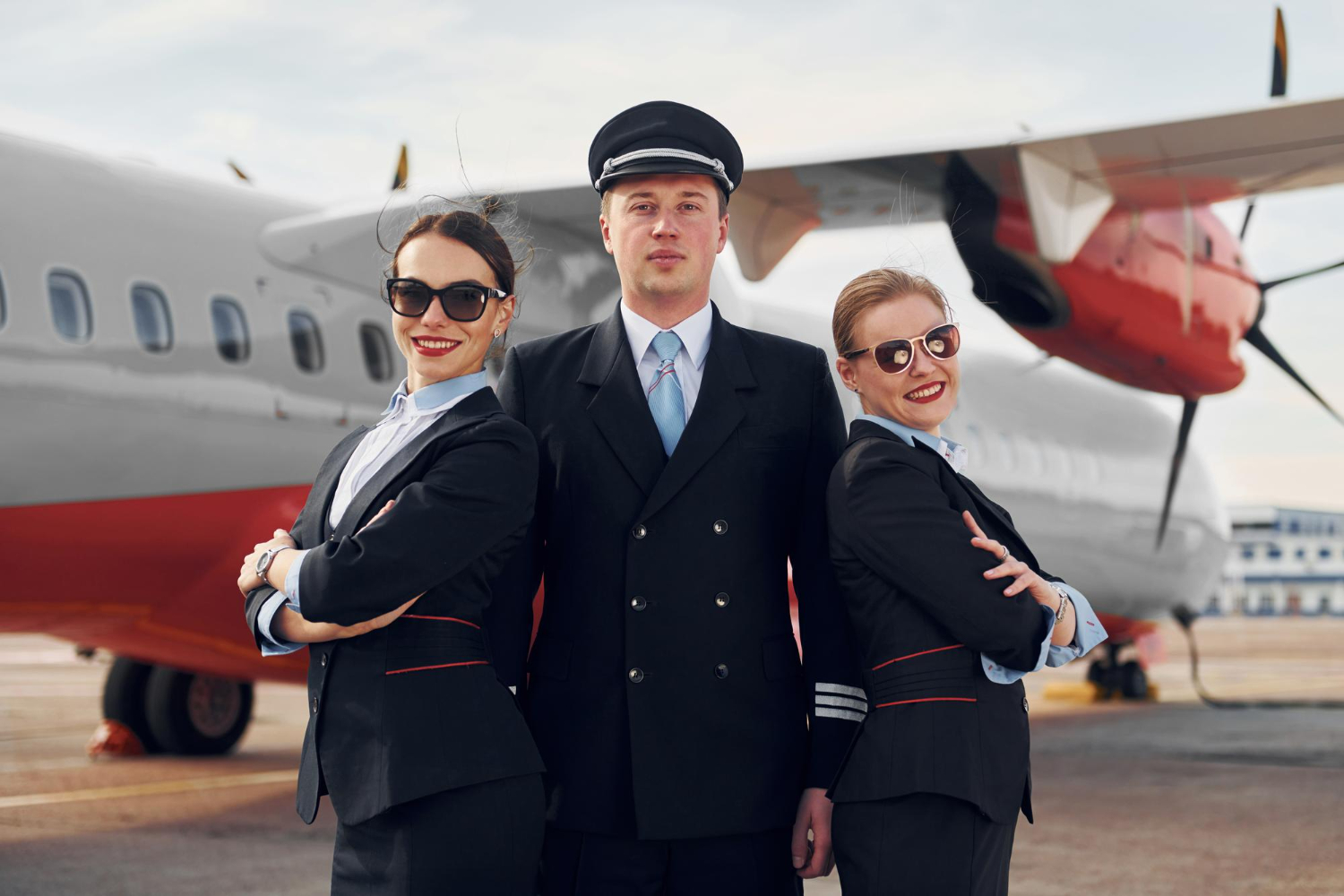
Beyond the behaviors that register negatively, flight attendants frequently wish passengers understood a few things that would make asking for help smoother for everyone. Crews genuinely want to assist — that’s a core part of the job — but timing and approach matter. During busy phases like boarding, meal service, and the rush before landing, a non-urgent request lands better a little later, while anything involving safety or genuine discomfort should always be raised right away. What helps: use the call button for routine needs rather than physically seeking out a crew member in the galley, batch your requests when you can rather than flagging the crew repeatedly, and understand that during service the crew is working through the whole cabin and will get to you. Flight attendants also appreciate when passengers understand the limits of what they can do — the cabin has finite supplies, galleys run out of popular meal choices, and some requests simply aren’t possible at altitude. A passenger who asks pleasantly, accepts the constraints gracefully, and recognizes that the crew is balancing the needs of a full cabin is exactly the kind of traveler flight attendants go out of their way for. The ones who get the warmest, most attentive service aren’t the ones who demand the most; they’re the ones who make their needs known clearly and kindly, then let the crew do their job. Understanding how and when to ask transforms the dynamic from a series of demands into a genuinely pleasant working relationship for the length of the flight.
The Bottom Line on Being a Favorite Passenger
What emerges from all of this is reassuringly simple: the passengers flight attendants love aren’t the ones who tip lavishly or never need anything — they’re the ones who are courteous, aware, and easy to deal with. Be polite and friendly, especially at boarding; keep requests reasonable and order efficiently; keep your shoes on in the aisle; pay attention to safety instructions and comply without argument; make a genuine effort with your kids; be mindful of the galley and lavatory areas; and leave your space tidy. None of it requires being a pushover or never asking for anything — flight attendants are there to help, and they’re glad to, especially for passengers who treat them with respect. The travelers crews quietly judge are the rude, oblivious, and high-maintenance ones; the travelers they genuinely appreciate are simply the considerate ones. Becoming a favorite passenger is almost entirely within your control, and the bonus is that the same small courtesies that make the crew’s job easier tend to make your own flight more pleasant too.
Like our content? Follow us for more.