Tourism promises easy money. Cities invest in branding, attractions, and short-term visitors hoping the benefits trickle down. Sometimes they do. But when tourism starts reshaping housing, jobs, and daily life, residents are often the first to feel squeezed. These cities didn’t fail overnight. They followed a familiar path: attract visitors, chase growth, ignore warning signs, then watch locals leave.
Venice
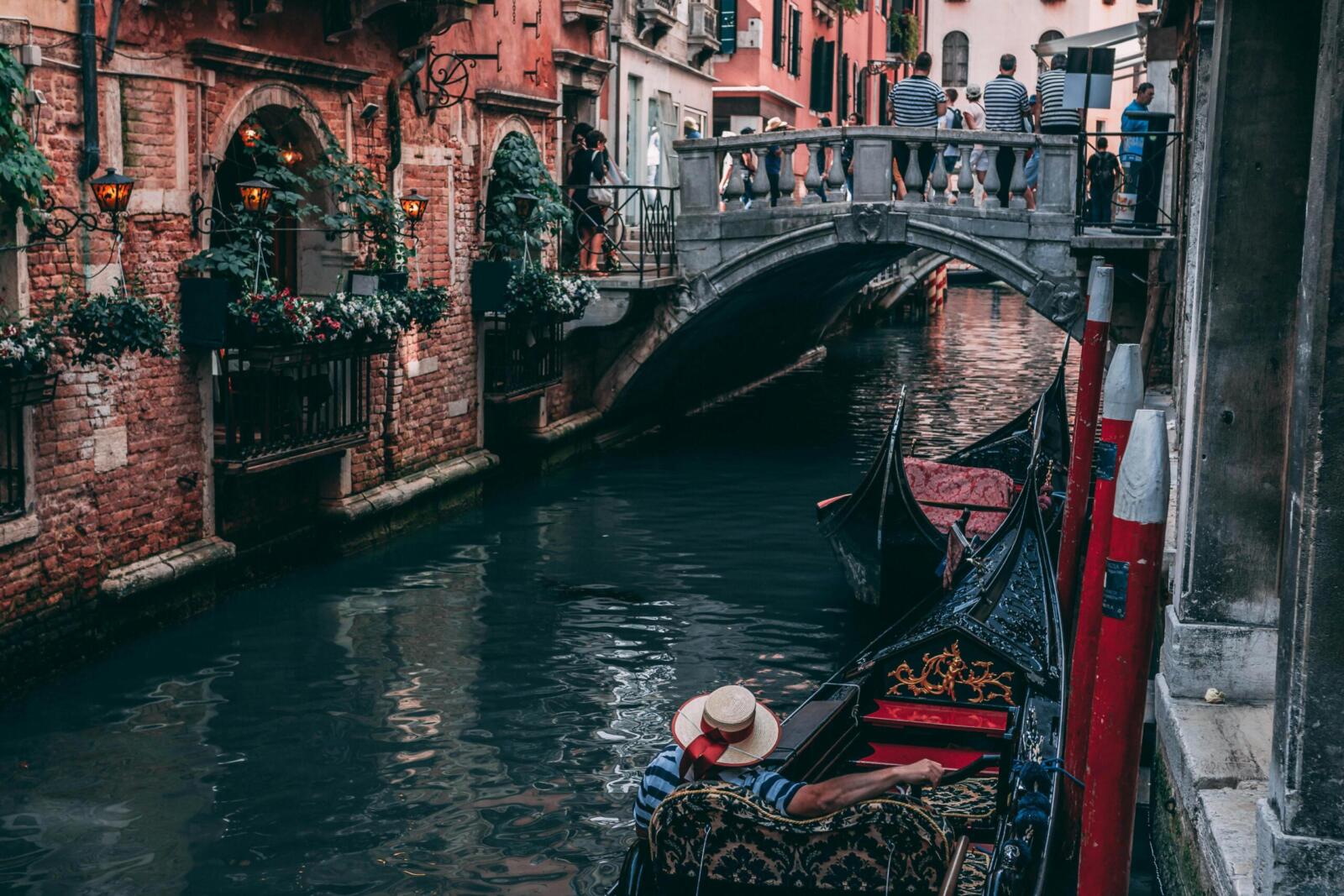
Venice is the most extreme example of tourism replacing daily life. As visitor numbers exploded, housing turned into short-term rentals and hotels. Grocery stores, schools, and essential services disappeared from entire neighborhoods. Residents didn’t just feel crowded. They felt unnecessary. Living costs rose, jobs shifted toward seasonal tourism, and the city became difficult to navigate during peak months. Over time, locals moved to the mainland, leaving Venice increasingly dependent on visitors rather than a stable population.
Barcelona

Barcelona’s appeal grew fast, especially after global events and social media exposure. Neighborhoods once built around families filled with vacation rentals and nightlife catering to outsiders. Residents saw rents spike and long-term housing vanish. Noise complaints and overcrowding became daily issues. While tourism boosted the economy, locals felt the city was being redesigned for people who never planned to stay. Protests against overtourism reflected a deeper fear of losing community identity.
New Orleans

New Orleans has always welcomed visitors, but short-term rentals changed the balance. Entire residential blocks turned into de facto hotels. Longtime neighbors disappeared, replaced by rotating guests. Essential workers struggled to live near their jobs. Housing prices climbed while wages stayed largely the same. For many residents, the culture that drew tourists began feeling packaged rather than lived, pushing locals to suburbs or out of state.
San Francisco
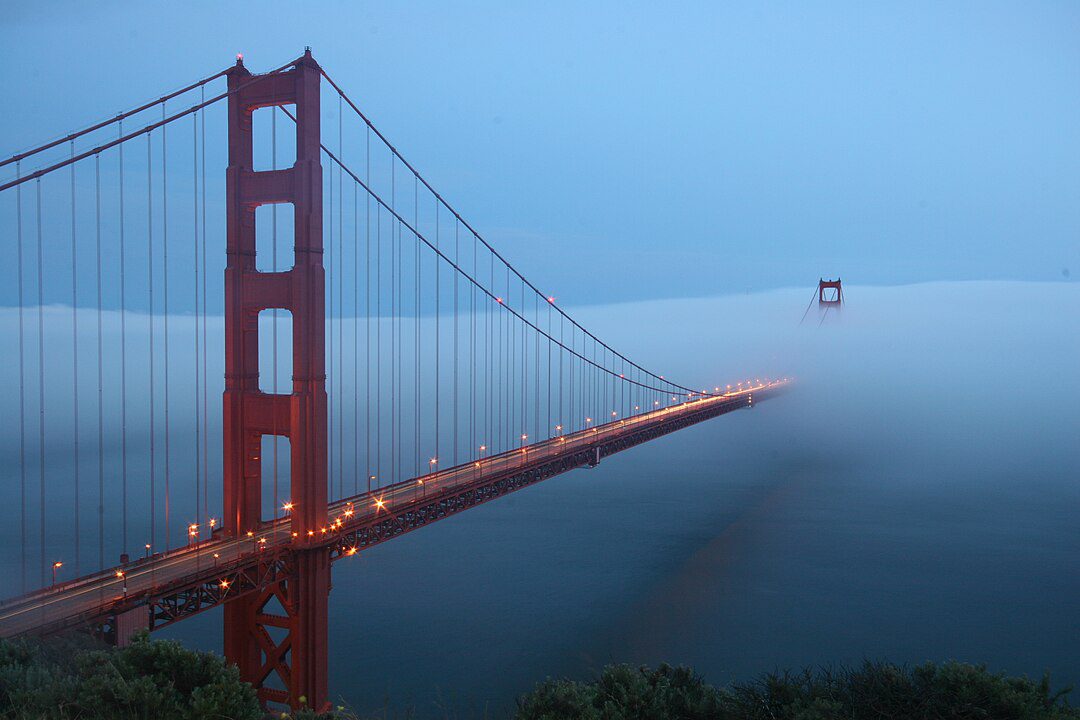
San Francisco promoted itself as a destination for tourism, tech conferences, and global events. At the same time, housing supply lagged far behind demand. Tourism wasn’t the only factor, but it compounded existing pressures. Short-term rentals reduced available housing, and neighborhoods near attractions became less livable. Middle-income residents found themselves priced out, accelerating population decline and hollowing out communities.
Amsterdam

Amsterdam leaned into tourism branding early, becoming known for nightlife, festivals, and a party-friendly reputation. The result was constant congestion in residential areas and growing frustration among locals. Housing stock shifted toward short stays. Noise, trash, and crowd control became persistent issues. City leaders later introduced restrictions, but many residents had already moved on, feeling the city had prioritized visitors over livability for too long.
Las Vegas
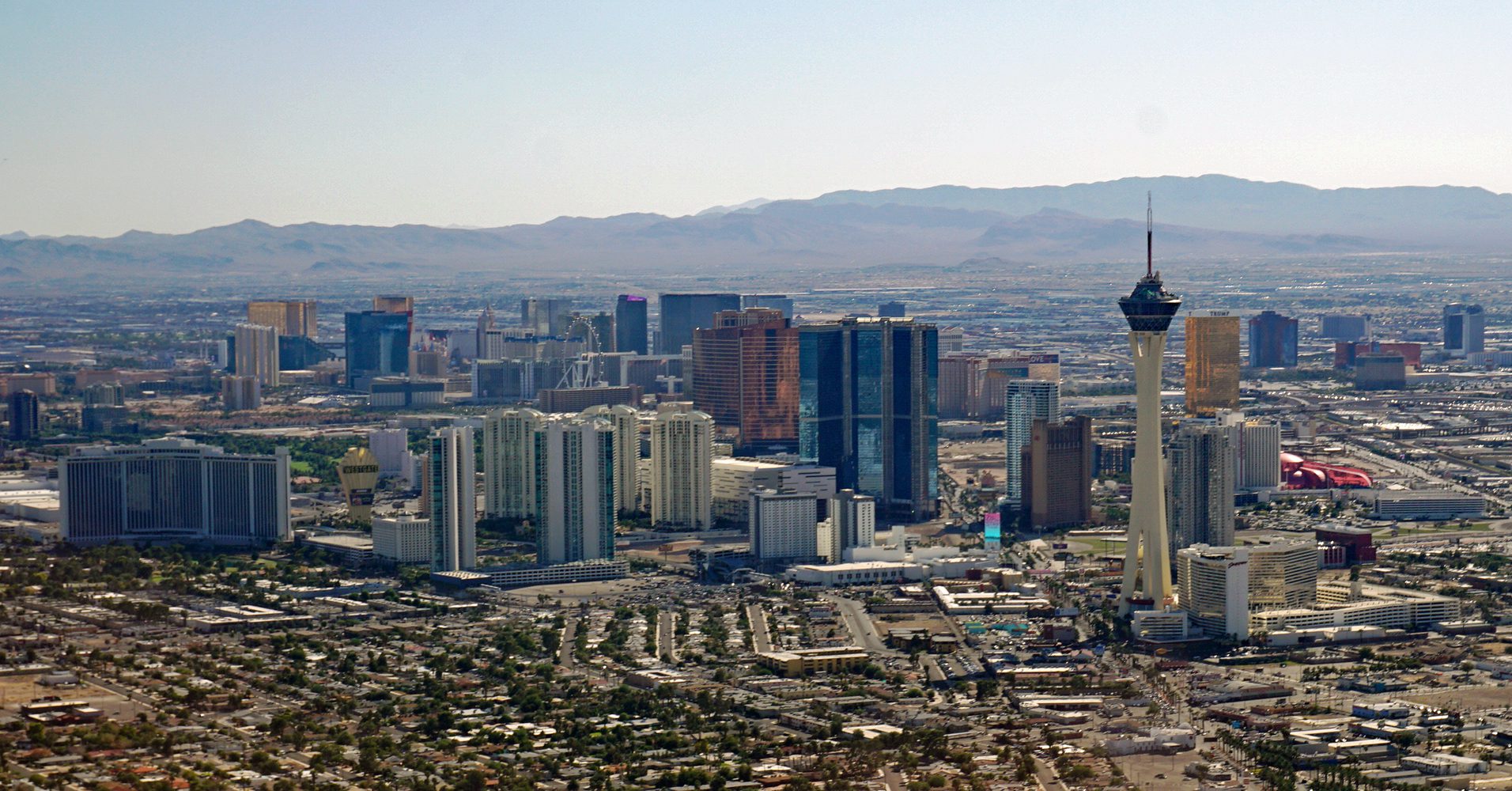
Las Vegas built its identity around tourists, but growth brought side effects residents didn’t expect. Housing costs rose alongside demand from hospitality workers and investors. Infrastructure struggled to keep up with population swings tied to tourism cycles. For residents, life revolved around an industry that wasn’t designed for stability. Many found it hard to build long-term roots in a city optimized for constant turnover.
Charleston
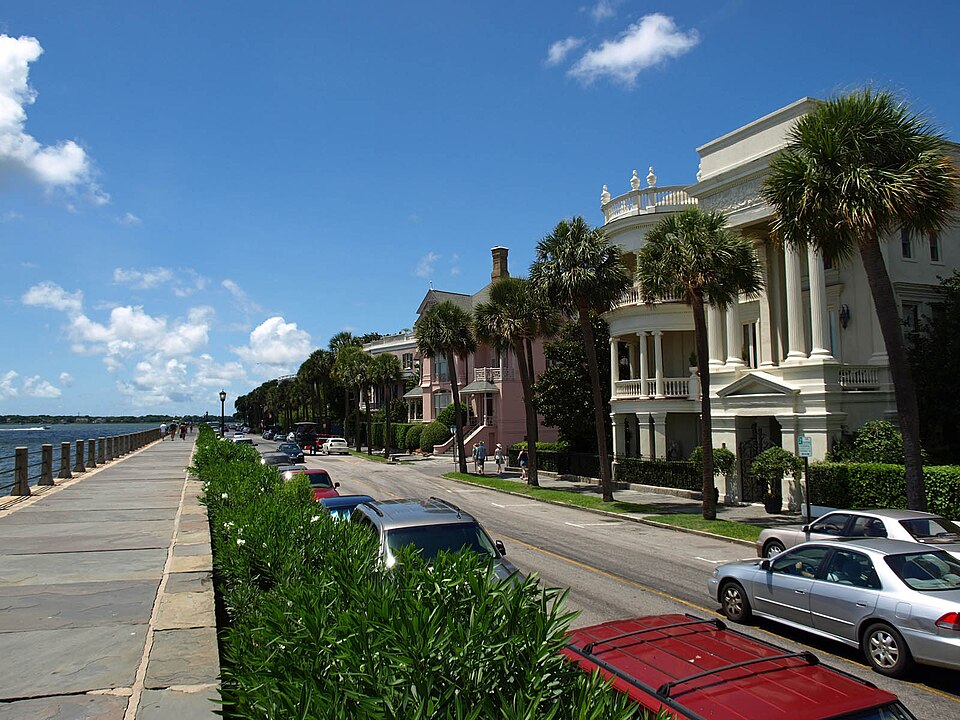
Charleston’s historic charm made it a tourism magnet. Over time, downtown neighborhoods filled with short-term rentals and second homes. Local businesses shifted toward visitors, while housing costs climbed beyond what many residents could afford. Families moved inland, leaving the historic core increasingly visitor-focused and less residential than it once was.
Dubrovnik
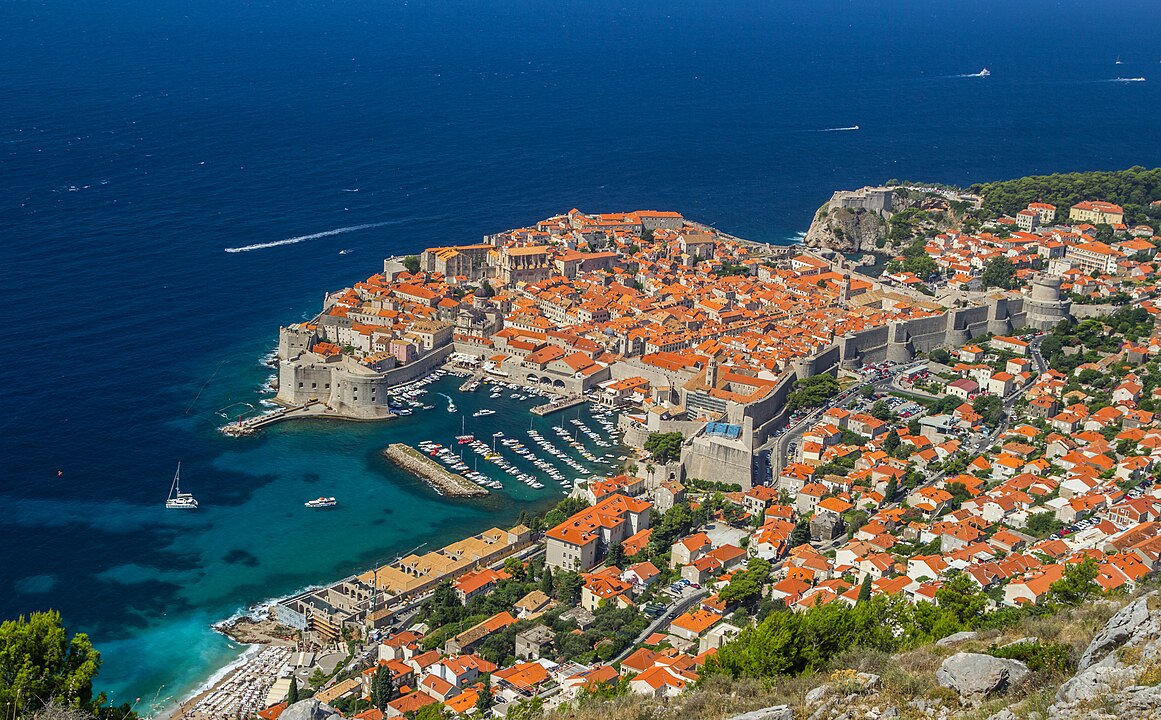
Dubrovnik’s rise as a global destination brought cruise ships and daily population surges far beyond what the city was built to handle. Historic neighborhoods became commercial zones catering almost entirely to tourists. Residents faced rising costs and shrinking access to services. Many relocated outside the city walls, leaving the old town largely seasonal and transient.
Key West
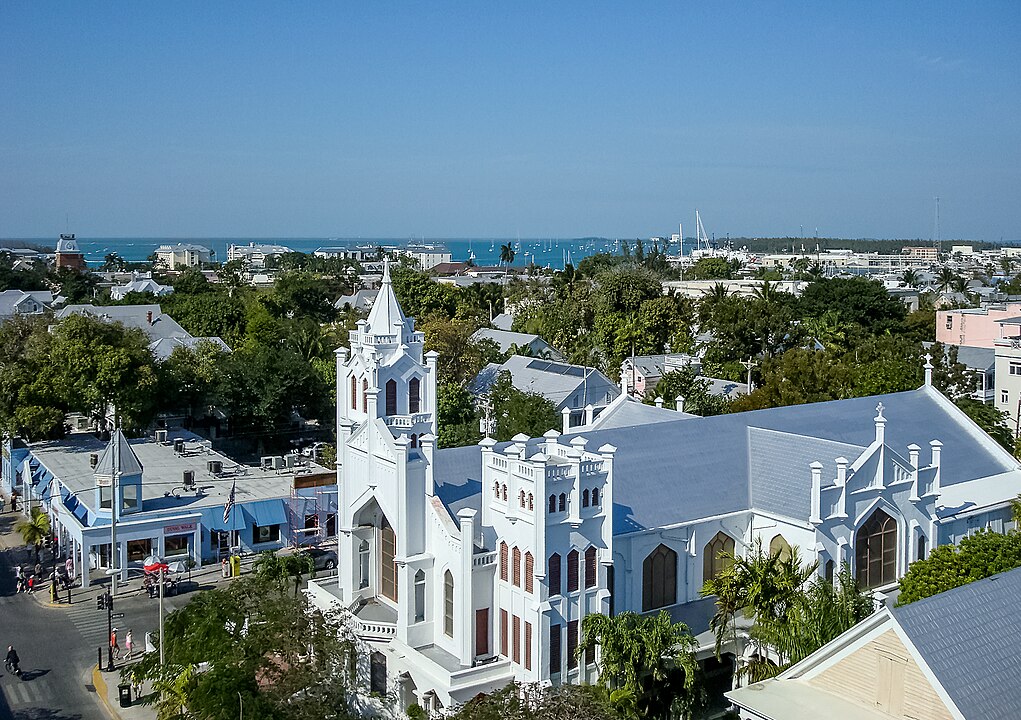
Key West’s tourism economy drove housing prices to extreme levels. Many workers can no longer afford to live on the island, commuting long distances instead. The city thrives on visitors, but the population that keeps daily life running has thinned. Longtime residents cite cost of living and housing shortages as major reasons for leaving.
Reykjavik
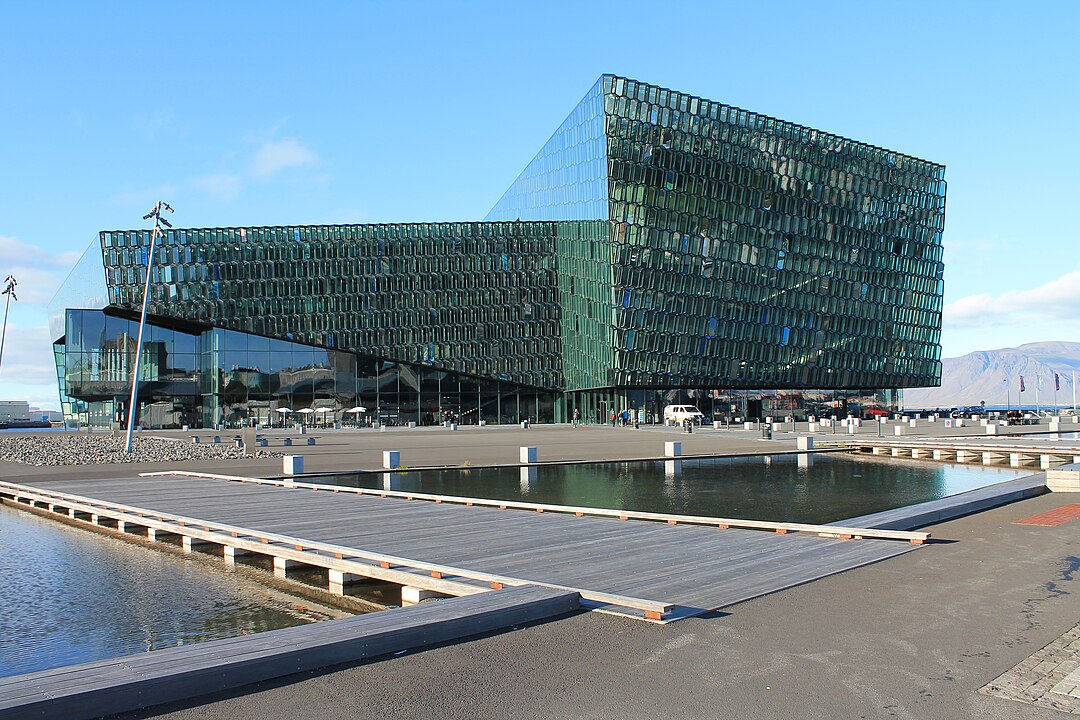
Reykjavik transformed quickly as Iceland became a global travel destination. Hotels and short-term rentals multiplied, especially in central neighborhoods. While tourism strengthened the economy, locals felt pressure from rising rents and reduced housing availability. Some neighborhoods shifted almost entirely toward visitors, pushing residents toward the outskirts and changing how the city functions year-round.
What this pattern reveals
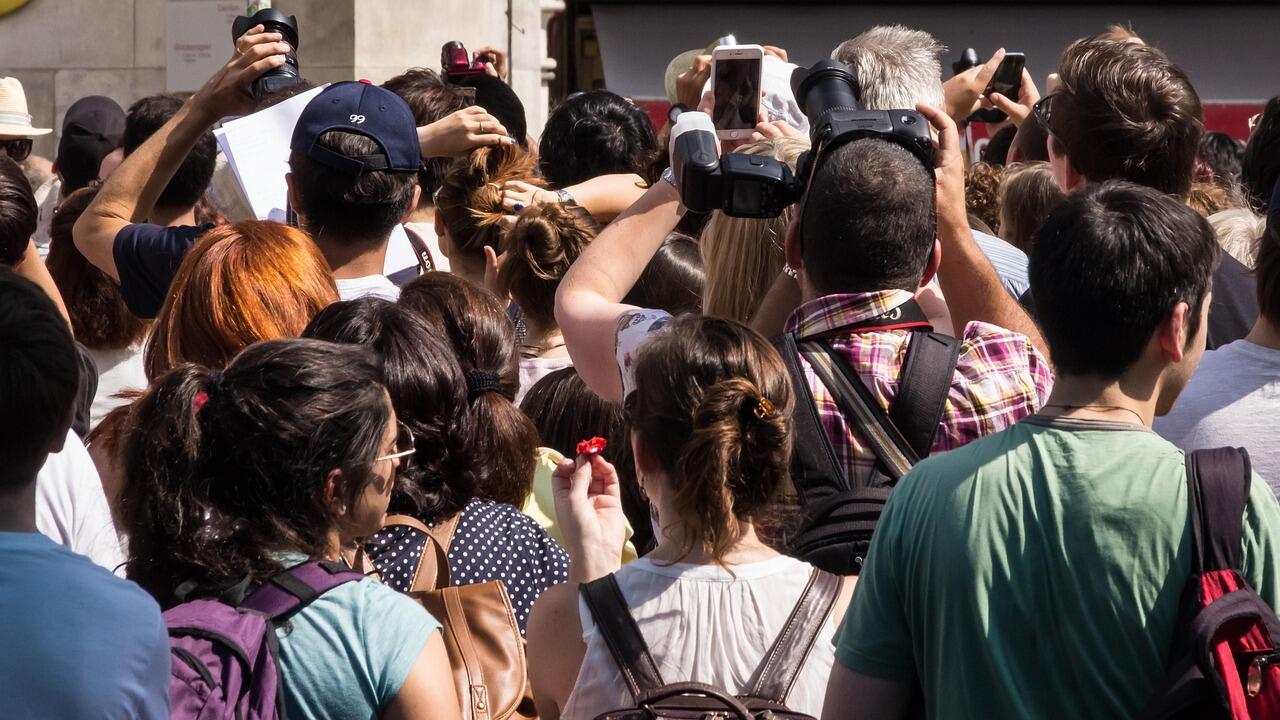
Tourism itself isn’t the problem. The issue is imbalance. When cities design housing, services, and neighborhoods primarily for short-term visitors, residents pay the price. Once locals leave, cities lose more than population. They lose culture, continuity, and resilience. The challenge now isn’t attracting tourists. It’s figuring out how to keep the people who call these places home.