The “DIY Revolution” is hitting a massive legal wall. As cities update their building codes to meet the International Residential Code (IRC) 2024/2026 standards, many projects that were “gray area” five years ago are now strictly prohibited. Failure to comply doesn’t just result in a fine; it can lead to “unmarketable titles” during home sales and the total denial of insurance claims.
According to the National Association of Realtors, nearly 30% of delayed home closings are due to unpermitted or “illegal” renovations discovered during the inspection phase. Here are 9 projects that are likely illegal in your jurisdiction this year.
1. The “Stealth” Basement Apartment
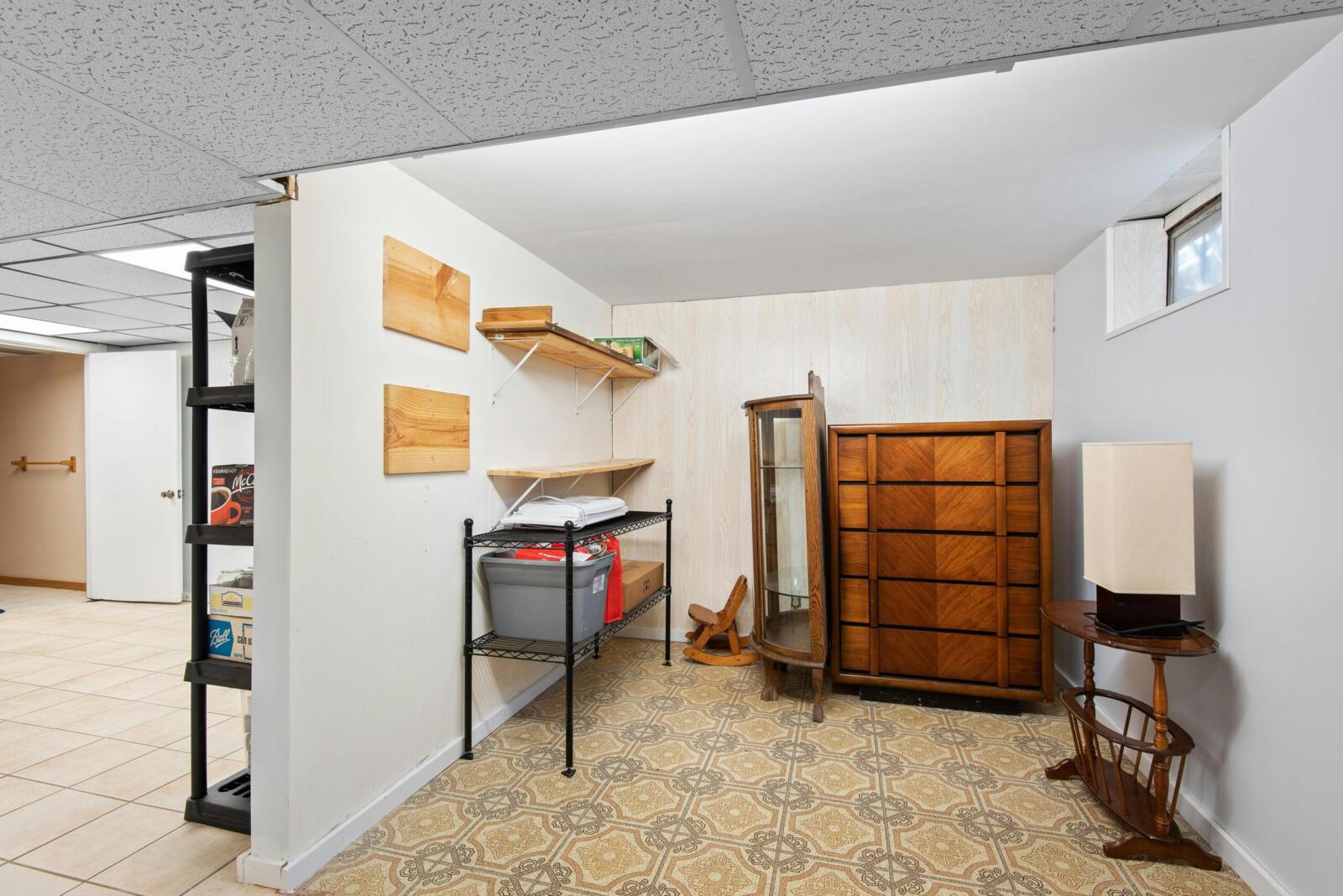
With housing costs soaring, converting a basement into a rental unit is a massive trend. However, according to IRC Section R310, any “habitable space” must have at least one emergency escape and rescue opening (egress window). If your basement lacks a window with a minimum net clear opening of 5.7 square feet, renting it out is a criminal safety violation. Furthermore, many 2026 zoning laws now use utility-load monitoring to detect “shadow” apartments that haven’t paid the required Accessory Dwelling Unit (ADU) impact fees, which can exceed $10,000.
2. DIY Electrical Panel Upgrades

Many homeowners adding EV chargers attempt to “heavy up” their own electrical panels. However, the NFPA 70 (National Electrical Code) is increasingly being adopted as a mandatory enforcement tool. In almost all 50 states, it is illegal for a non-licensed individual to pull a permit for a service panel upgrade. Data from the NFPA shows that electrical failures cause approximately 43,900 home fires annually; consequently, insurance providers in 2026 are increasingly refusing to cover fire damage if a panel was modified without a master electrician’s signature.
3. Installing “High-Flow” Showerheads

In a move to combat regional droughts, the EPA WaterSense standards have become law in states like California, Colorado, and New York. It is now illegal to install a showerhead with a flow rate exceeding 1.8 to 2.0 gallons per minute (GPM). While you can still find “high-flow” models online, local plumbing inspectors are authorized to issue “Notice of Non-Compliance” fines, and some modern “smart” water meters can now flag continuous high-volume usage that suggests non-compliant fixtures.
4. Tree Removal Without an Arborist’s “Certificate of Necessity”

“Tree Canopy” laws have reached a peak in 2026. In cities from Atlanta to Seattle, it is illegal to remove any “heritage tree” (typically defined as having a trunk diameter of 12+ inches) without a permit. According to city planning data, fines for illegal tree removal have spiked to an average of $1,000 per inch of diameter. Homeowners are being caught via high-resolution satellite imagery (like Google Earth’s frequent updates) which allows code enforcement to see a tree “vanish” from your lot in real-time.
5. Replacing Windows Without “Impact” Ratings
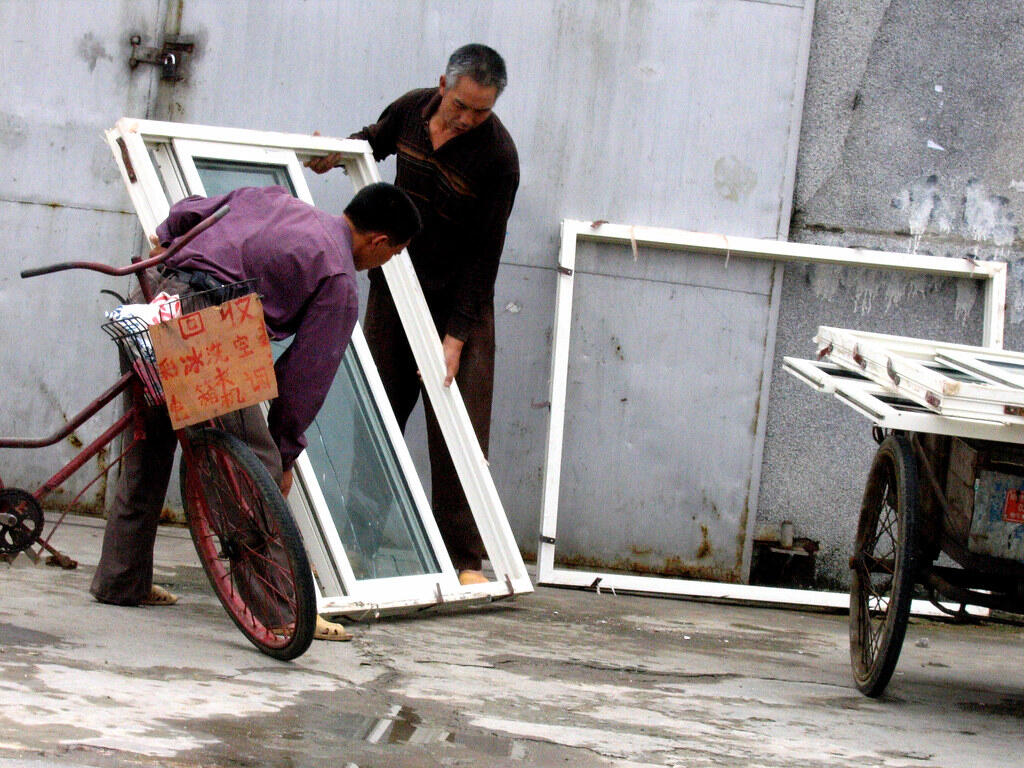
In “Windborne Debris Regions” (coastal areas within 1 mile of the coast where wind speeds reach 130 mph+), you can no longer legally install standard double-pane windows. The 2024 International Building Code requires windows to be impact-resistant or have permanent shutter attachments. Installing non-rated windows is a violation that results in an immediate “Stop Work Order.” Data shows that insurance premiums in these zones can rise by 40% if the home is found to have non-compliant glass.
6. Converting a Garage into a Living Space
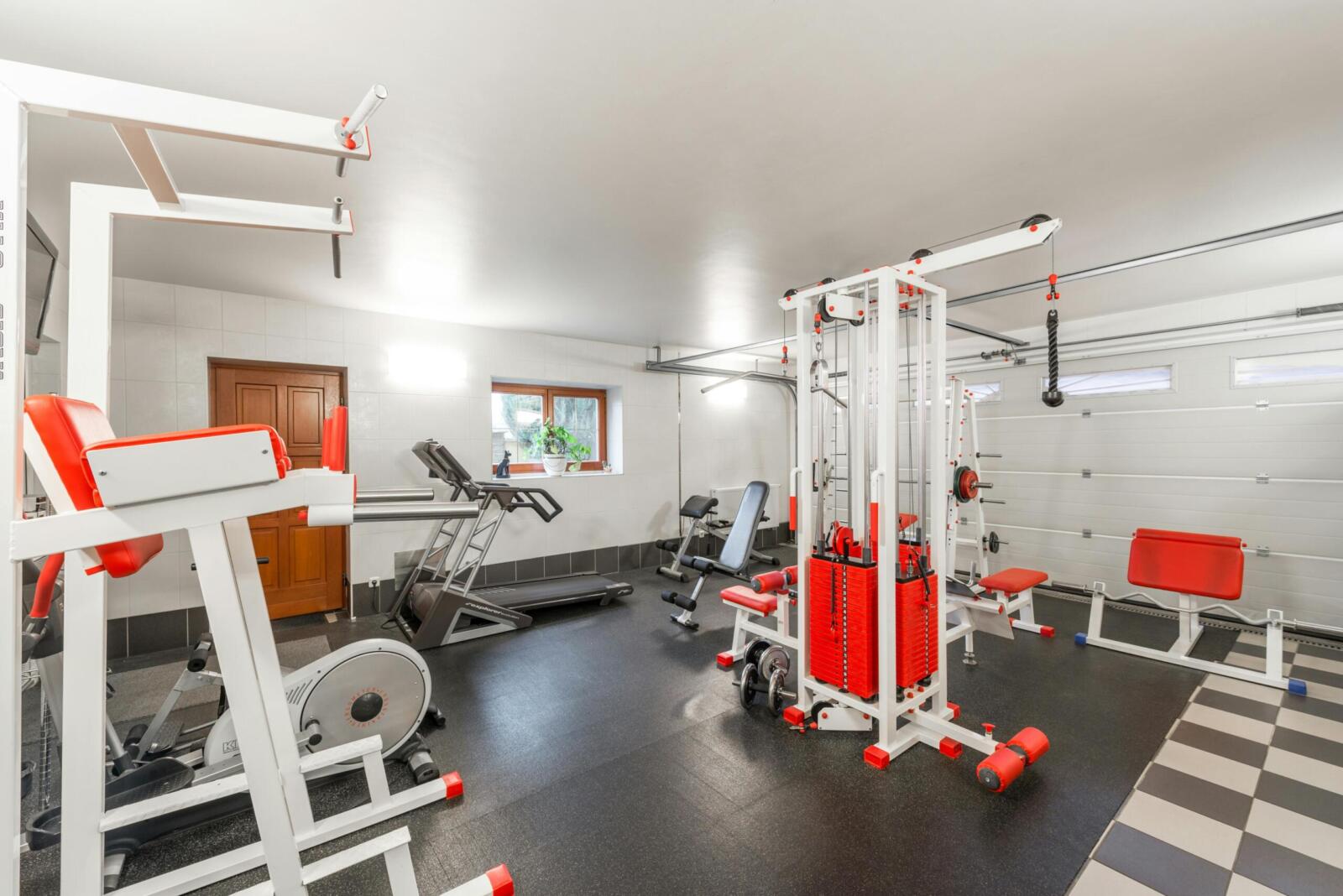
It seems harmless to put down flooring and a TV in your garage, but IRC Section R309 requires garages to be separated from living spaces by a specific fire-rated barrier. More importantly, many municipalities have “Minimum Off-Street Parking” laws. If your conversion removes the required parking spots for your home’s size, the structure is technically illegal. During a “Point of Sale” inspection, you may be forced to tear out the renovations to restore the parking capacity.
7. DIY Water Heater Replacement
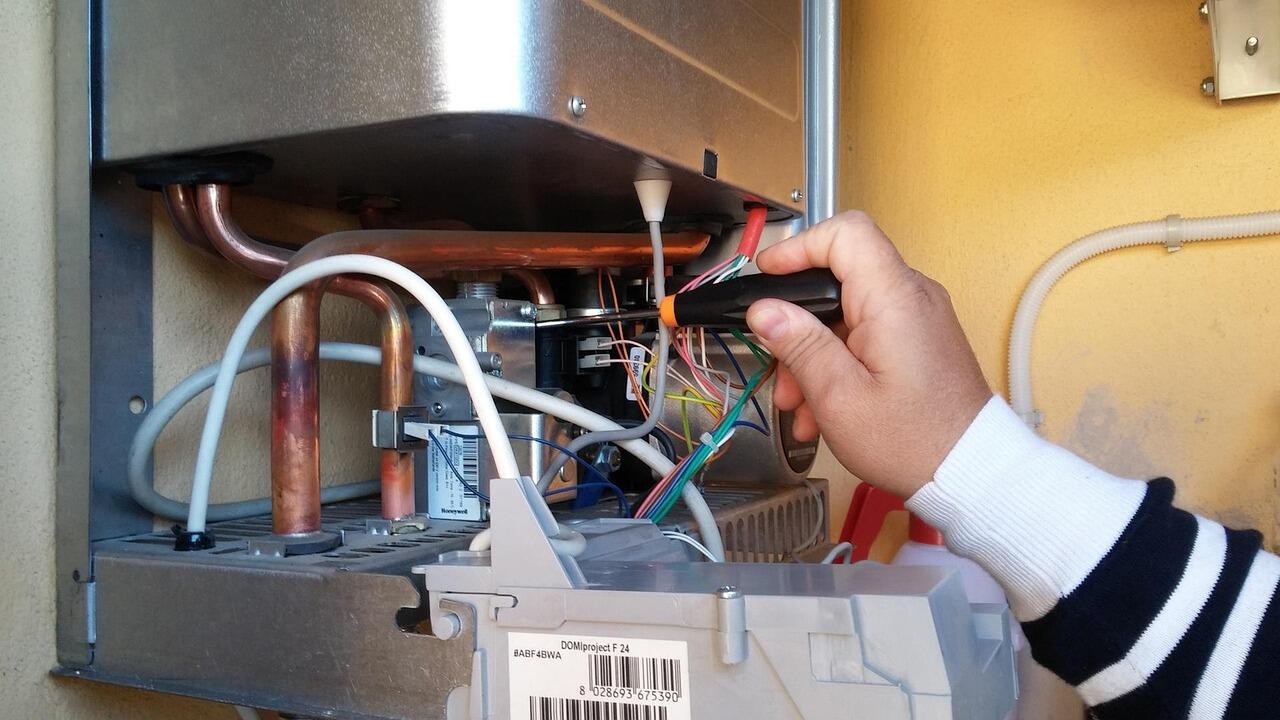
In the past, a handy homeowner could swap out a water heater in an afternoon. Today, laws regarding Thermal Expansion Tanks and Seismic Strapping (especially in the Western U.S. under IPC Section 504) make this a regulated task. In 2026, an unpermitted water heater is one of the most common reasons for a failed home inspection. Without a permit, you lack proof that the unit is properly vented to prevent Carbon Monoxide (CO) leaks, which the CDC notes causes over 100,000 ER visits annually.
8. The “She-Shed” With Power and Plumbing
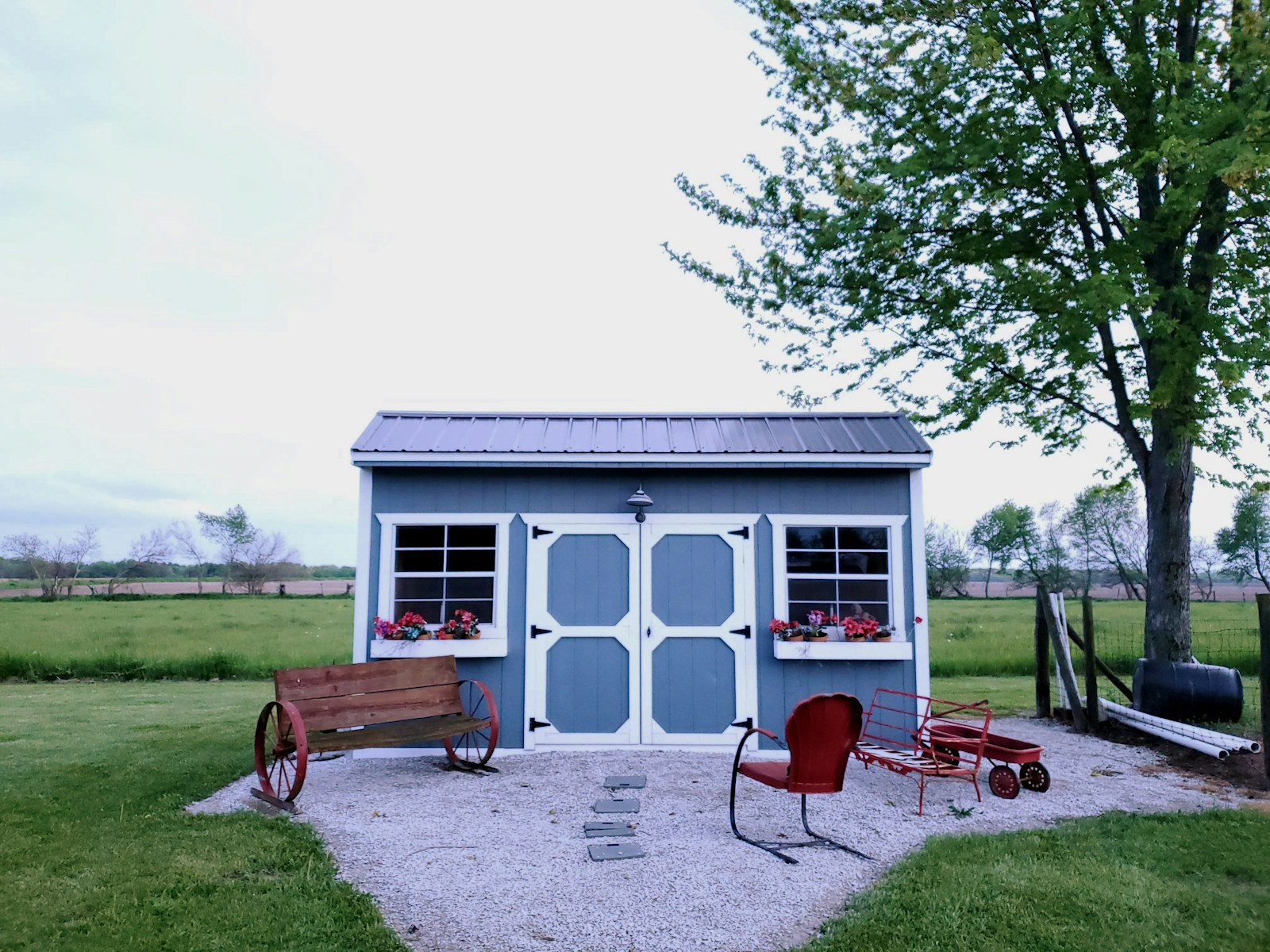
The backyard office trend has outpaced the law. While a storage shed under 120 square feet usually doesn’t need a permit, the moment you run a “permanent” electrical line or plumbing to it, it is classified as a “habitable structure” under the ADU (Accessory Dwelling Unit) code. Data indicates that unpermitted ADUs can decrease a home’s value during appraisal because they are considered “encumbrances” that the new buyer may have to pay to bring up to code.
9. Painting Brick in Historic Districts

If your home is within a federally or locally designated Historic District, you are subject to the “Certificate of Appropriateness” rule. Painting historically significant masonry is often prohibited because it can trap moisture and cause the brick to “spall” or crumble. Violating these aesthetic codes can result in daily fines until the paint is professionally (and expensively) removed via low-pressure blasting.