


The American teenager of 1965 lived under a set of social and institutional rules that would seem absurd, arbitrary, or simply incomprehensible to a teenager in 2026. Girls were forbidden from wearing pants to school. Boys were sent home for hair touching the collar. Unmarried couples could not check into most hotels. The rules were enforced by schools, by parents, by employers, by hotels, and by the broader social consensus of the era. They were not considered controversial — they were simply the way American teenage life worked. The dismantling of these rules over the following decades represents one of the largest social transformations in American history. Boomers who were teenagers in 1965 — now 75 to 79 in 2026 — lived under every one of these rules. Here are fourteen things American teenagers were forbidden from doing in 1965, with the specific rule and the reasoning behind each.
1. Girls Wearing Pants to School
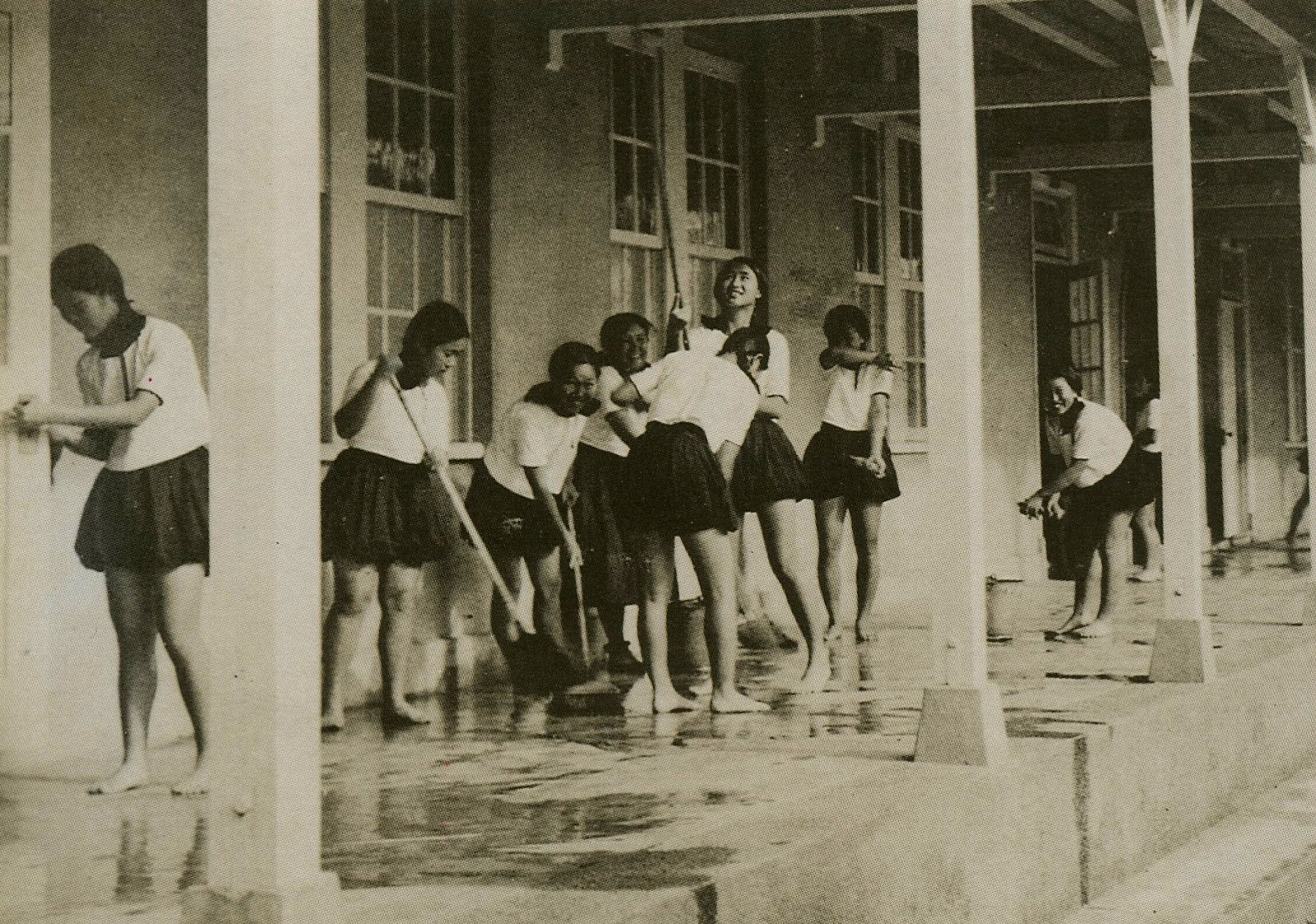
In 1965, essentially every American public school prohibited girls from wearing pants to school. Girls were required to wear dresses or skirts regardless of weather, including during winter in northern states. The rule was enforced by being sent home to change. The dress codes began to change in the late 1960s and early 1970s, accelerated by the broader cultural shifts of the era and specific legal challenges. By the mid-1970s, most American schools permitted girls to wear pants. The 1965 prohibition seems incomprehensible to modern students but was universal at the time.
Like our content? Follow us for more.
2. Boys Having Hair Touching the Collar
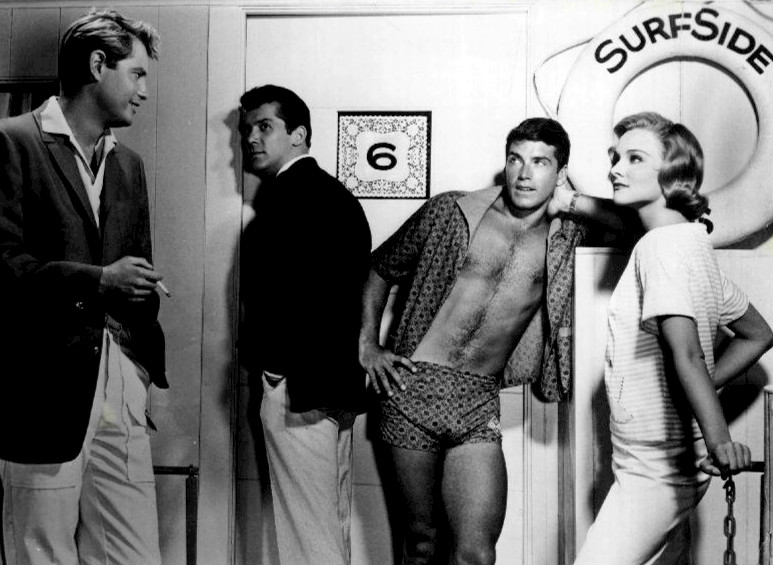
The 1965 American school enforced strict hair-length rules for boys, with hair touching the collar, covering the ears, or extending below the eyebrows producing disciplinary action including suspension. The rules intensified through the late 1960s specifically as a reaction to the Beatles-influenced longer hairstyles. Numerous court cases challenged the hair-length rules through the early 1970s. The rules largely collapsed by the mid-1970s. The 1965 crew-cut requirement for American schoolboys is a vivid period marker.
3. Checking Into a Hotel as an Unmarried Couple

In 1965, most American hotels would refuse to rent a room to an unmarried couple, and many required proof of marriage. The practice was rooted in both social convention and, in some jurisdictions, actual “cohabitation” laws that criminalized unmarried couples sharing accommodations. The practice declined through the late 1960s and 1970s. Many state cohabitation laws remained technically on the books for decades afterward (some until the 2000s) but went unenforced. The 1965 hotel marriage-proof requirement is largely forgotten by younger Americans.
4. Making Long-Distance Phone Calls Without Permission

The 1965 American teenager was generally forbidden from making long-distance telephone calls without explicit parental permission, because long-distance calls were billed by the minute at substantial rates (a 1965 cross-country call could cost the equivalent of $15-25 in 2026 dollars for a few minutes). The household telephone bill was a source of significant family tension. The teenager who called a boyfriend or girlfriend in another city faced serious consequences. Long-distance calling rates declined steadily through the 1980s and 1990s and effectively disappeared as a cost category with cellular and internet calling.
5. Being Out After the Town Curfew

Many 1965 American towns enforced juvenile curfews, typically requiring anyone under 18 to be off the streets by 10 or 11 p.m. unless accompanied by a parent. The curfews were enforced by local police, who would stop and question unaccompanied teenagers and contact their parents. Curfew laws still exist in many American municipalities but are enforced far less consistently than in 1965. The 1965 small-town curfew, with the local officer who knew every kid by name, is a specific period marker.
6. Girls Taking Shop Class or Boys Taking Home Economics

The 1965 American school rigidly segregated vocational education by gender — girls took home economics (cooking, sewing, child care), boys took shop (woodworking, metalworking, auto mechanics). Cross-enrollment was forbidden. The gender segregation was dismantled following Title IX (1972), which prohibited sex discrimination in federally funded education. The 1965 rigid gender-tracking of American vocational education seems absurd to modern students but was universal.
7. Married Teachers Who Became Pregnant Continuing to Teach
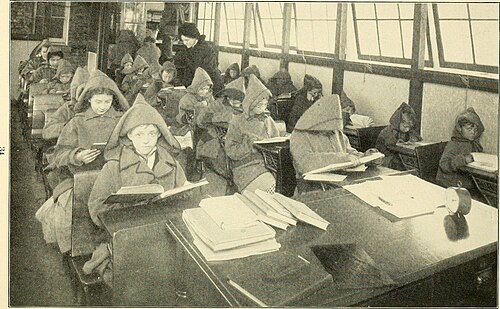
In 1965, many American school districts required pregnant teachers to resign or take unpaid leave once their pregnancy became visible, on the theory that a visibly pregnant teacher was inappropriate in front of students. While this affected teachers rather than students directly, it shaped the 1965 teenage experience. The practice was challenged through the late 1960s and was effectively ended by the Pregnancy Discrimination Act (1978) and earlier court decisions. The 1965 forced-resignation of pregnant teachers is largely forgotten.
8. Buying Most Products on Sunday (Blue Laws)
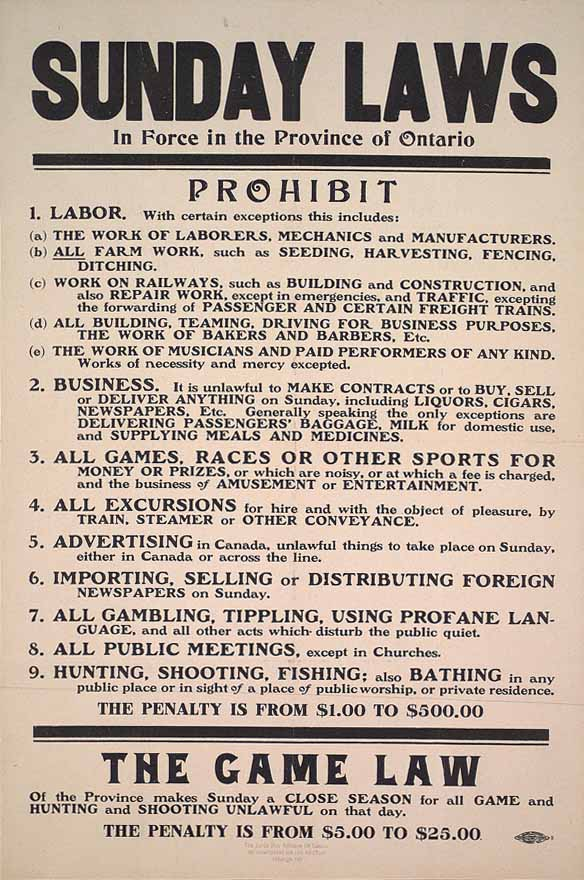
The 1965 American teenager lived under blue laws that prohibited most retail sales on Sundays. Department stores, most shops, and many other businesses were legally required to close on Sundays in most states. The teenager who wanted to buy records, clothing, or other goods had to do so Monday through Saturday. Blue laws were gradually repealed through the 1970s and 1980s, though some persist in modified form (particularly regarding alcohol sales) in 2026. The 1965 closed-on-Sunday American retail landscape is a vivid period marker.
9. Watching R-Rated Content (The Rating System Didn’t Exist Yet)

In 1965, the modern MPAA film rating system did not yet exist — it was introduced in 1968. Before 1968, films operated under the Hays Code (the Motion Picture Production Code), which prohibited explicit content entirely rather than restricting it by age. The 1965 American teenager could technically attend any film showing, but the films themselves were censored at the production level. The shift from production censorship to age-based rating in 1968 fundamentally changed the American teenage relationship to film.
10. Girls Playing Competitive School Sports

In 1965, American schools offered minimal competitive athletics for girls. Girls’ sports were typically limited to intramural or “play day” formats rather than competitive interscholastic leagues. The dramatic expansion of girls’ competitive sports followed Title IX (1972). The 1965 American high school girl who wanted to compete athletically had very few options. The transformation of American girls’ sports over the following decades is one of the most measurable effects of the era’s social change.
11. Wearing Blue Jeans to Most Public Places

In 1965, blue jeans were considered work clothes or play clothes, inappropriate for school, church, restaurants, air travel, or most public settings. The American teenager was expected to dress formally for public outings — jacket and tie for boys at nicer venues, dresses for girls. The transformation of jeans from work wear to universal casual wear occurred through the late 1960s and 1970s. The 1965 prohibition on jeans in public settings is a specific marker of how dramatically American dress norms have relaxed.
12. Driving Without Adults Being Able to Reach You

The 1965 American teenager who took the family car had no way to be reached by parents once they left the house — no cell phones, no way to check in except finding a pay phone. The parental anxiety about teenage drivers was managed entirely through curfews, route restrictions, and trust. The modern parental ability to track a teenager’s phone location in real time would have been unimaginable in 1965. The complete communication blackout of the 1965 teenage driving experience is difficult for modern teenagers to comprehend.
13. Choosing Their Own Music Without the Family Hearing It

The 1965 American teenager listened to music primarily on the family record player or a shared radio, meaning music consumption was a semi-public household activity. The private music consumption of the modern teenager — earbuds, personal devices, individual streaming accounts — did not exist. The 1965 teenager who wanted to listen to rock and roll did so within earshot of disapproving parents, or on a small transistor radio with a single earpiece. The complete absence of private music consumption shaped the 1965 teenage experience.
14. Talking Back to Any Adult Authority Figure

The 1965 American teenager operated under a social rule of near-absolute deference to adult authority — teachers, parents, employers, police, and other adults. The expectation of “respect your elders” was enforced through corporal punishment in schools (legal and common in 1965), parental discipline, and broad social consensus. The dramatic shift in American parent-child and teacher-student dynamics over the following decades transformed this completely. The 1965 expectation of unquestioning teenage deference to adults is perhaps the largest single difference between the 1965 and 2026 American teenage experience.
Like our content? Follow us for more.

