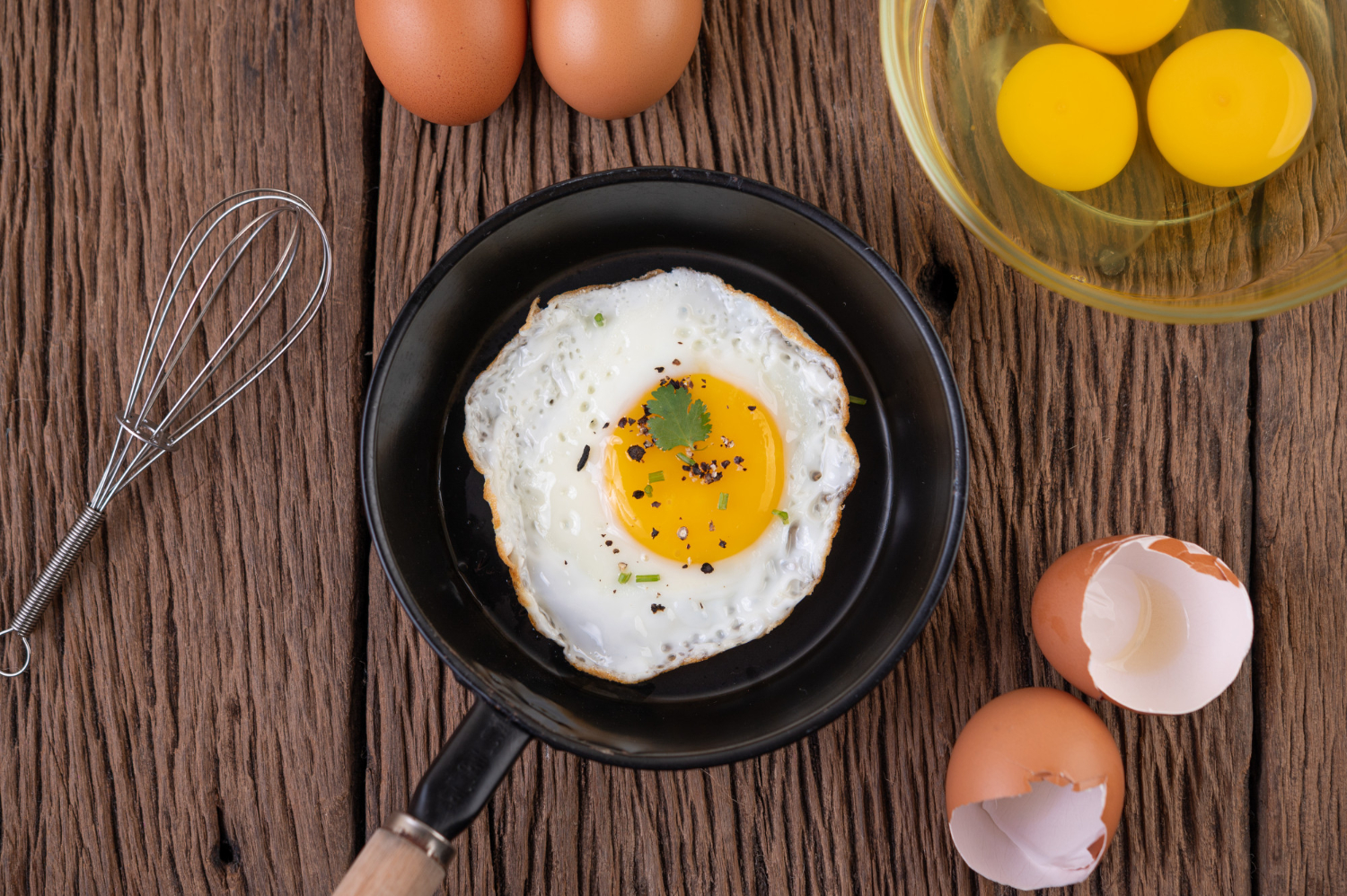
Eggs seem like the simplest thing in the world to cook, which is exactly why so many people get them wrong. Rubbery scrambled eggs, gray-ringed hard-boiled eggs, omelets that brown and toughen, fried eggs with broken yolks — these everyday disappointments come down to a handful of small mistakes that professional cooks never make. The good news is that eggs reward technique enormously: the difference between sad, rubbery eggs and silky, restaurant-quality ones isn’t expensive ingredients or special equipment, it’s understanding a few simple principles about heat, timing, and seasoning. Chefs treat eggs with a respect that home cooks frequently skip, and the payoff is enormous. Here are the egg mistakes quietly ruining your breakfast, and the simple chef tricks for perfect eggs every time.
The single biggest insight that transforms egg cookery is this: eggs are delicate and they keep cooking from residual heat, so the secret to nearly every egg dish is gentler heat and stopping sooner than you think. Almost every common egg mistake comes from too much heat, too much time, or both. Here’s how the professionals get it right.
Mistake #1: Cooking Scrambled Eggs on High Heat
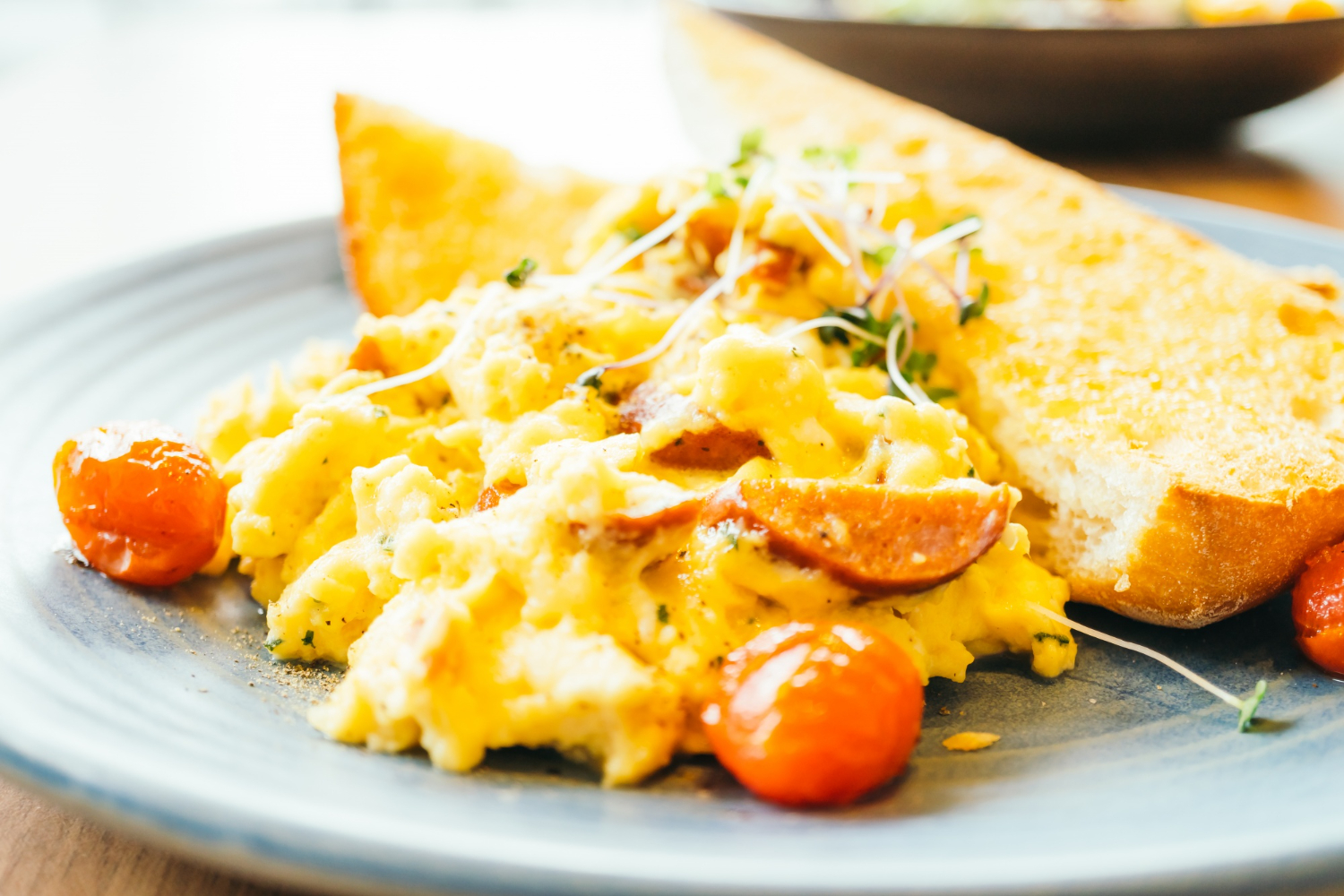
The most common scrambled-egg mistake is blasting them on high heat, which cooks them fast but turns them rubbery, dry, and weepy. Chefs cook scrambled eggs low and slow, stirring gently and patiently, which produces soft, creamy, custardy curds. The fix is simple: turn the heat down to medium-low or low, and accept that good scrambled eggs take a few minutes of gentle stirring rather than thirty seconds of frantic cooking. Low, patient heat is the single biggest difference between the rubbery scrambled eggs most people make and the silky, luxurious ones served at good restaurants.
Mistake #2: Cooking Eggs Until They Look Done
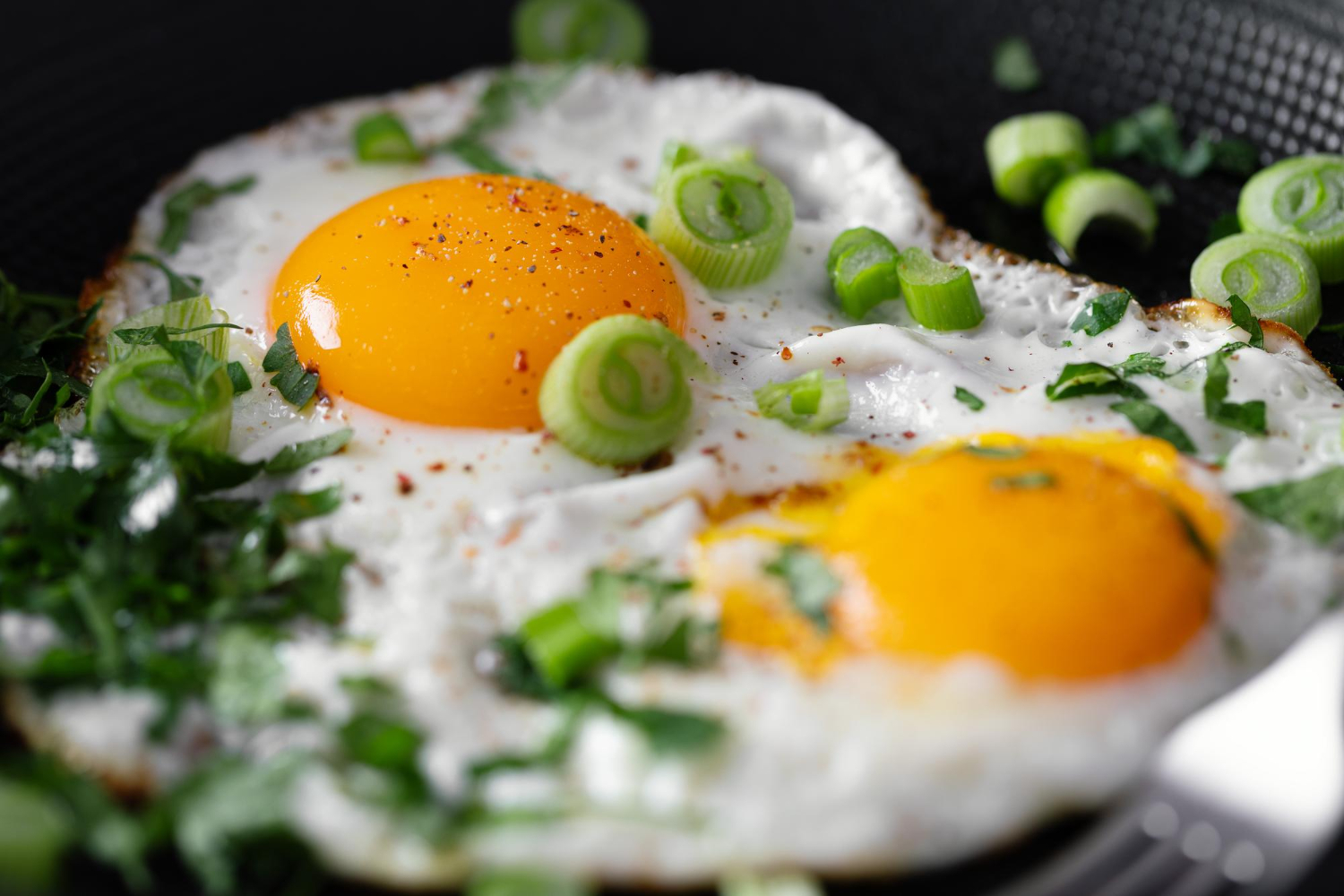
A crucial chef secret is that eggs keep cooking after you remove them from the heat, thanks to residual warmth (carryover cooking). Home cooks routinely cook scrambled eggs until they look fully done in the pan, which means they overcook into dryness by the time they reach the plate. The fix: pull scrambled eggs off the heat while they still look slightly underdone and a bit glossy, and let the residual heat finish them. This single habit — stopping early and trusting carryover heat — prevents the most common overcooking, and it applies to nearly every way of cooking eggs.
Mistake #3: Not Seasoning Properly (or at the Wrong Time)
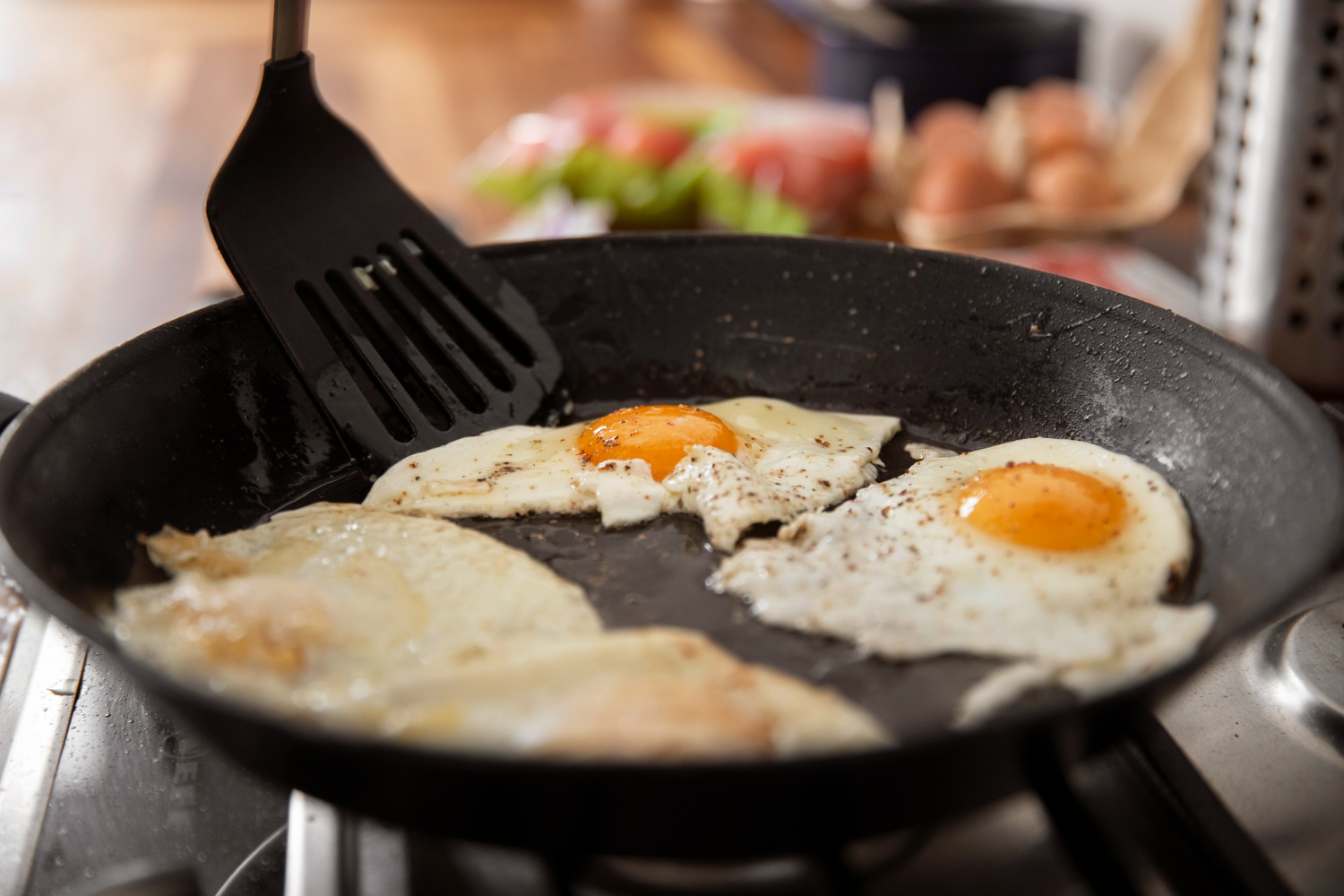
Eggs need salt, and many home cooks under-season them or are confused about timing. There’s a long-running debate about whether to salt eggs before or after cooking, but the practical takeaway is that eggs taste flat without adequate salt, and seasoning them is essential. Many chefs salt scrambled eggs a few minutes before cooking, finding it produces more tender results, though salting at the end works too. The fix is simply to make sure you’re salting your eggs adequately — properly seasoned eggs taste vividly of egg, while unsalted eggs taste like nothing. Don’t forget pepper and, if you like, a finishing touch at the end.
Mistake #4: The Gray Ring Around Hard-Boiled Yolks
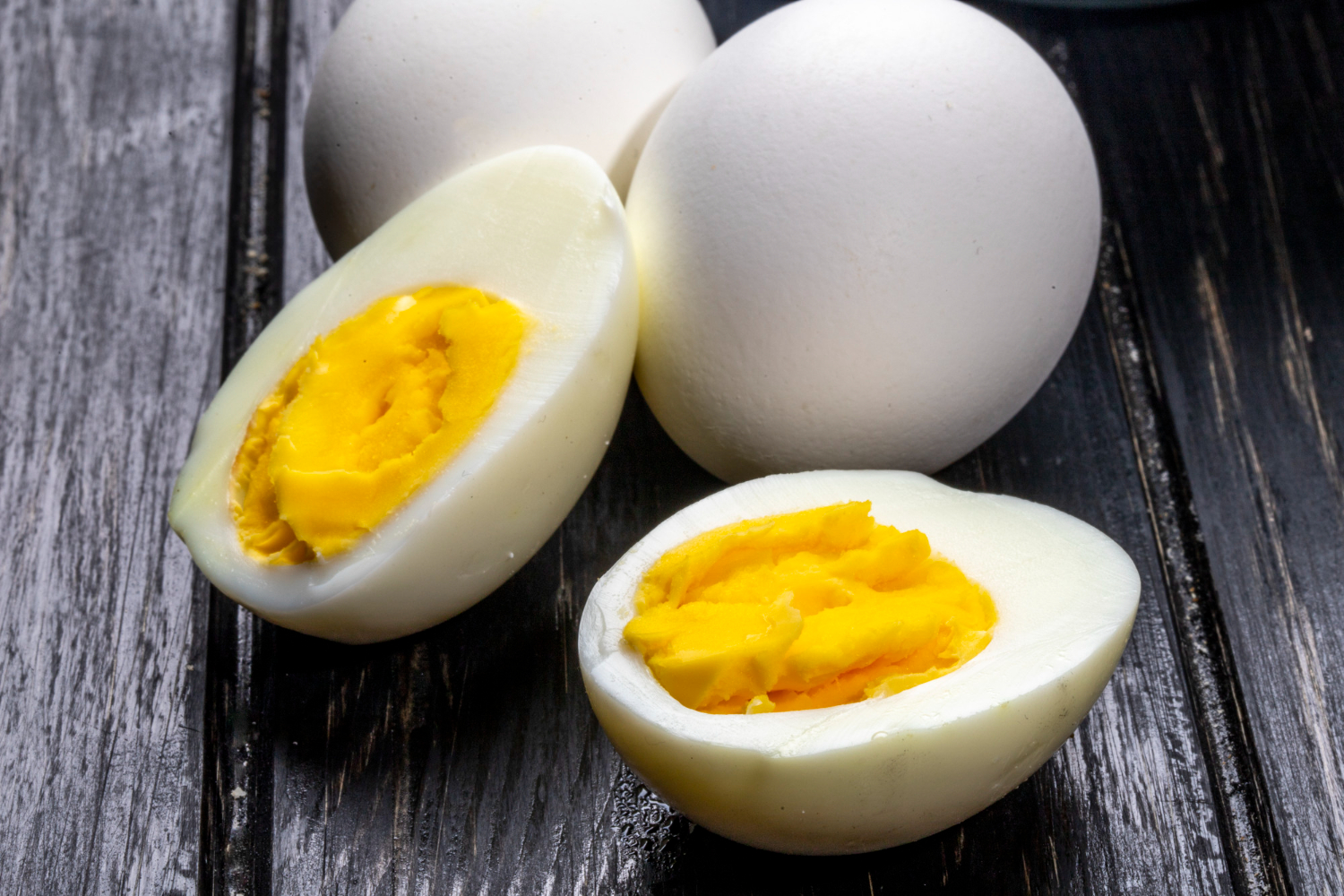
That unappetizing green-gray ring around a hard-boiled yolk is a sign of overcooking — a harmless but telltale result of cooking eggs too long or too hot. Chefs avoid it by not boiling eggs aggressively for too long. The fix: bring eggs to a boil, then reduce to a gentle simmer or turn off the heat and let them sit (a common method is to cover and let them sit off the heat for around ten to twelve minutes for hard-cooked), then immediately transfer them to an ice bath. The ice bath stops the cooking and also makes peeling easier. Gentle cooking and a prompt ice bath produce a bright, fully-yellow yolk with no gray ring.
Mistake #5: Hard-to-Peel Hard-Boiled Eggs
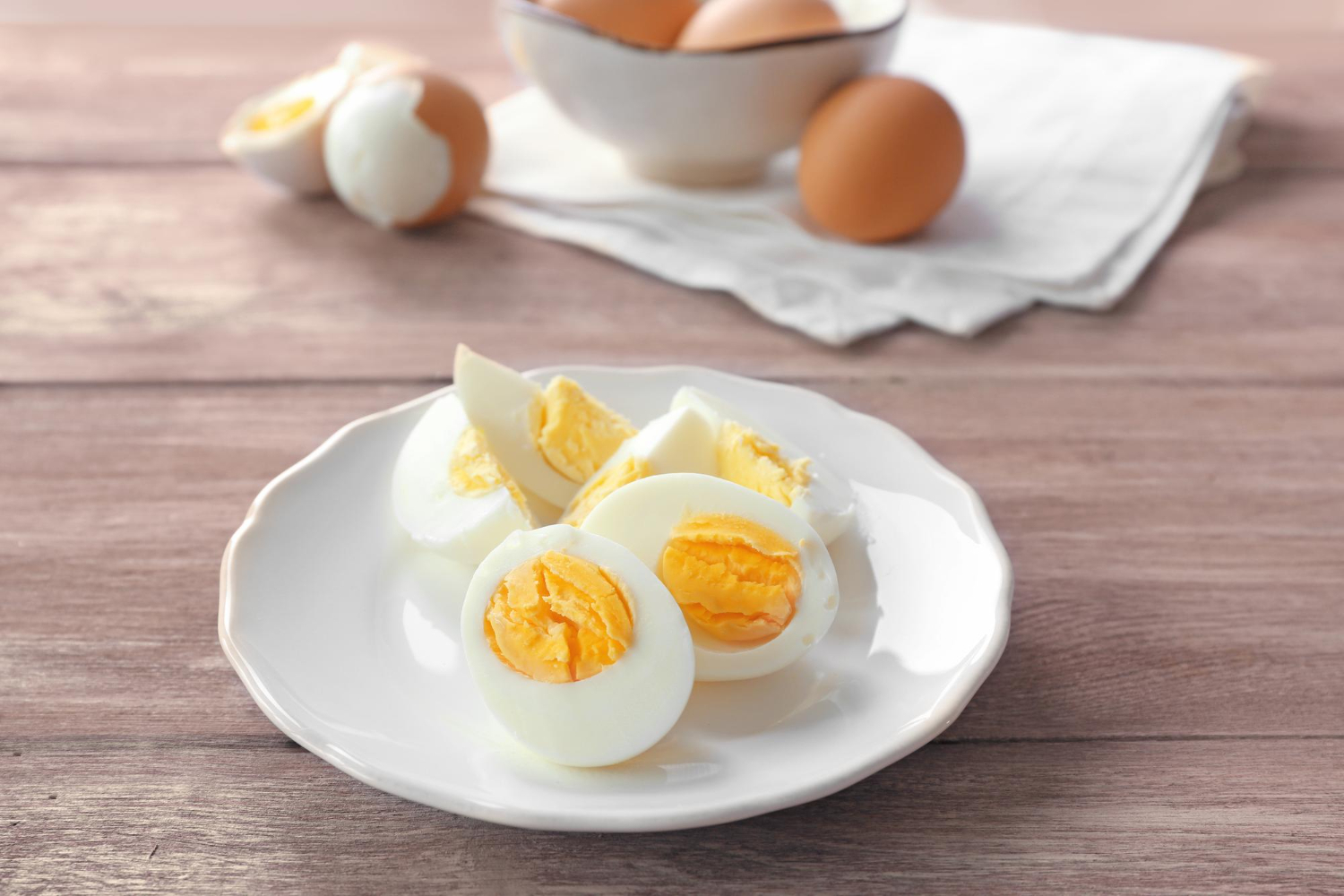
The frustration of hard-boiled eggs that tear apart when peeled has a few chef solutions. Very fresh eggs are notoriously harder to peel, so slightly older eggs actually peel more easily. Starting eggs in already-boiling water (gently lowering them in) rather than cold water, and shocking them in an ice bath immediately after cooking, both dramatically improve peelability. The fix combines these: use eggs that aren’t brand new, lower them into boiling water or steam them, and ice-bath them right after. These tricks turn the maddening tear-apart peel into clean, easy peeling, a small thing that makes a real difference.
Mistake #6: Making Omelets Too Hot and Too Brown
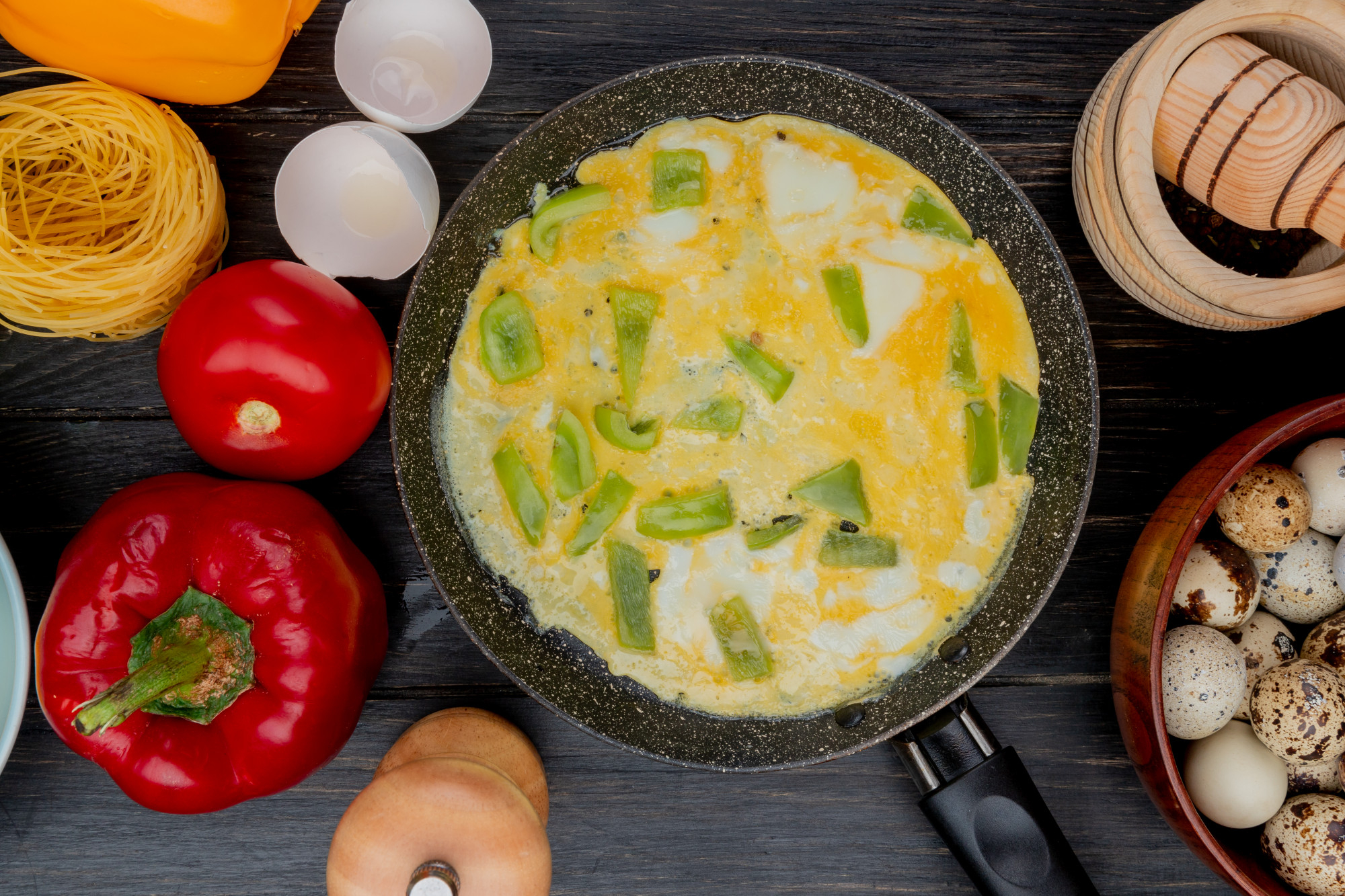
Home cooks frequently cook omelets on heat that’s too high, producing a browned, tough, leathery result. Classic French technique calls for a gentler heat that keeps the omelet pale, tender, and soft, frequently still slightly creamy inside. The fix: use medium or medium-low heat, keep the eggs moving at first, and don’t let the omelet brown — a proper omelet should be soft and pale yellow, not golden-brown and firm. Lower heat and a willingness to stop while the inside is still slightly soft produce the tender, delicate omelet of a good restaurant rather than the tough, browned version.
Mistake #7: Crowding or Rushing Fried Eggs
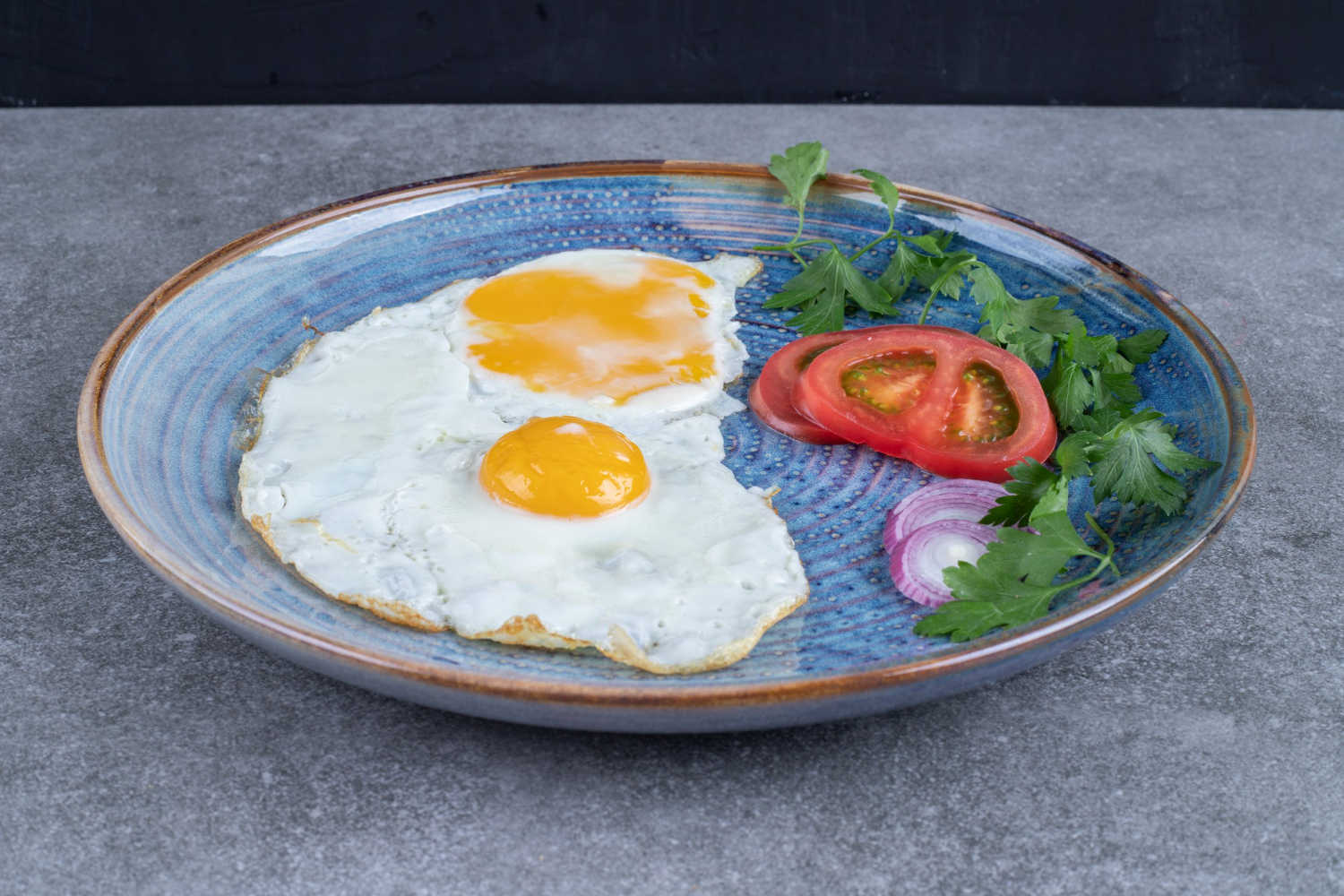
For fried eggs, common mistakes include heat that’s too high (which makes the whites rubbery and the edges unpleasantly crispy when you don’t want that, or causes sticking) and impatience. Chefs use enough fat in the pan, appropriate heat for the style they want, and patience. The fix depends on your preference: for tender whites and a runny yolk, use medium-low heat, enough butter or oil, and cover the pan briefly to set the top gently; for crispy-edged eggs, use higher heat and more fat deliberately. Matching the heat and fat to the style of fried egg you actually want is the key to getting it right every time.
Mistake #8: Skipping the Fat (or Using the Wrong Amount)
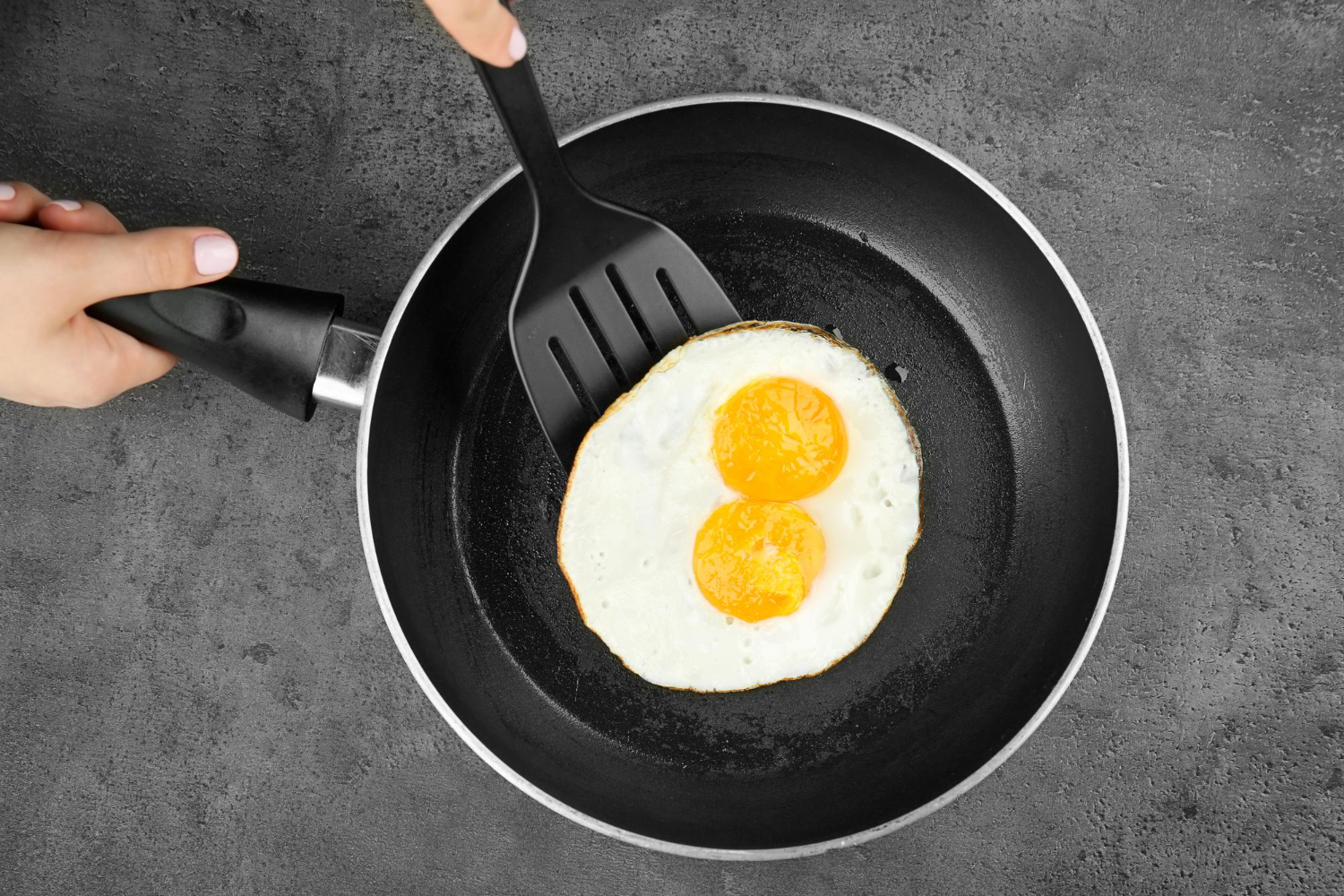
Eggs and fat are partners, and skimping on butter or oil is a common mistake that leads to sticking, tearing, and dry results. Chefs use enough fat — frequently butter for its flavor — to properly coat the pan and enrich the eggs. The fix: don’t be stingy with the butter or oil, make sure the fat coats the pan before the eggs go in, and consider that a bit of extra butter stirred into scrambled eggs at the end adds richness and silkiness. Adequate, good-quality fat is one of the simplest upgrades to any egg dish, improving both the cooking and the flavor.
Mistake #9: Using Cold Eggs Straight From the Fridge for Delicate Dishes
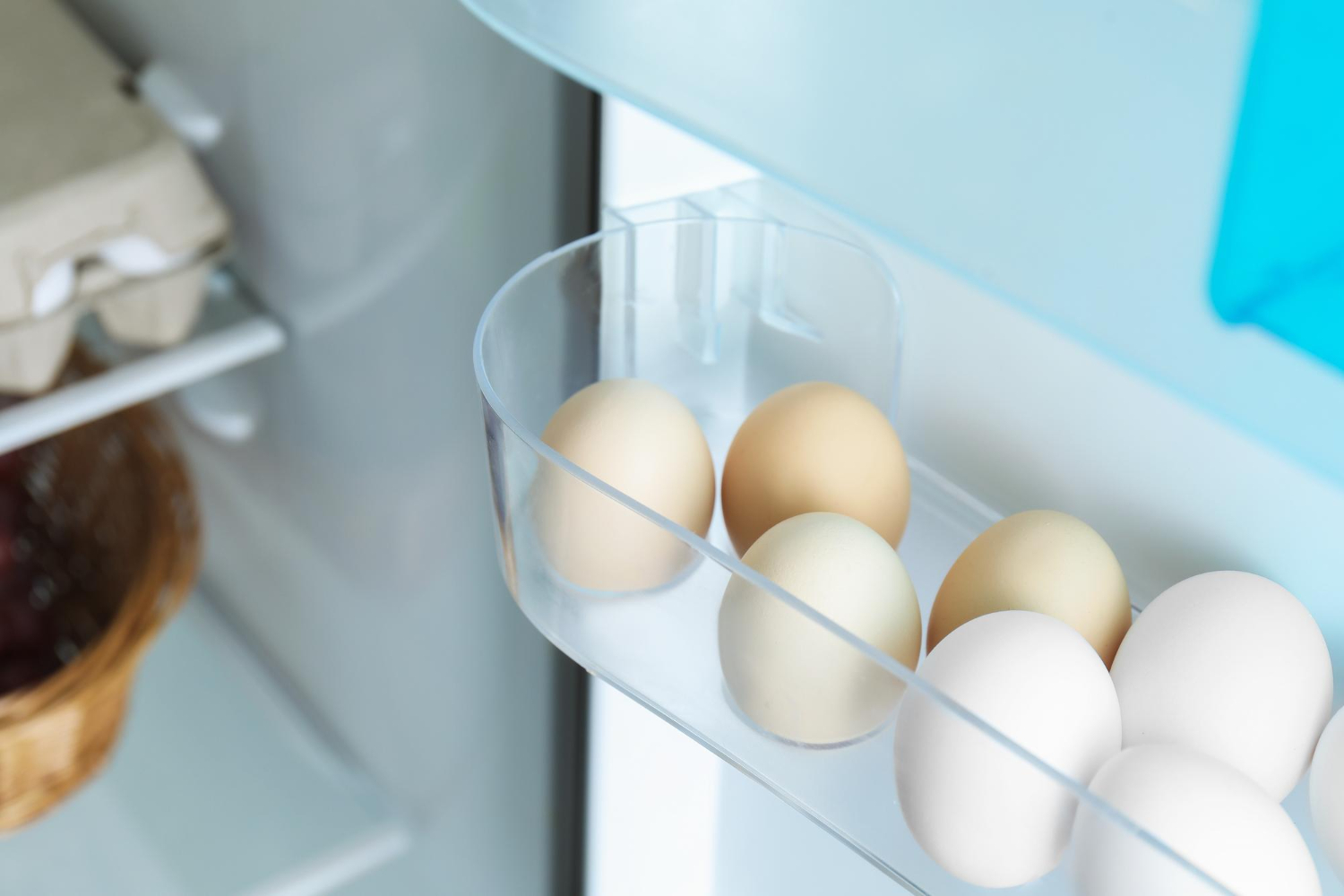
For certain preparations, especially baking and some delicate egg dishes, using eggs straight from the refrigerator can affect results, and many cooks let eggs come closer to room temperature first. While for everyday scrambling this matters less, for things like meringues, soufflés, and some baking, room-temperature eggs incorporate better and rise more reliably. The fix: for baking and delicate egg preparations, take eggs out ahead of time. It’s a small step that improves consistency in the more technical egg dishes, where temperature genuinely affects how the eggs behave.
The Bottom Line on Perfect Eggs
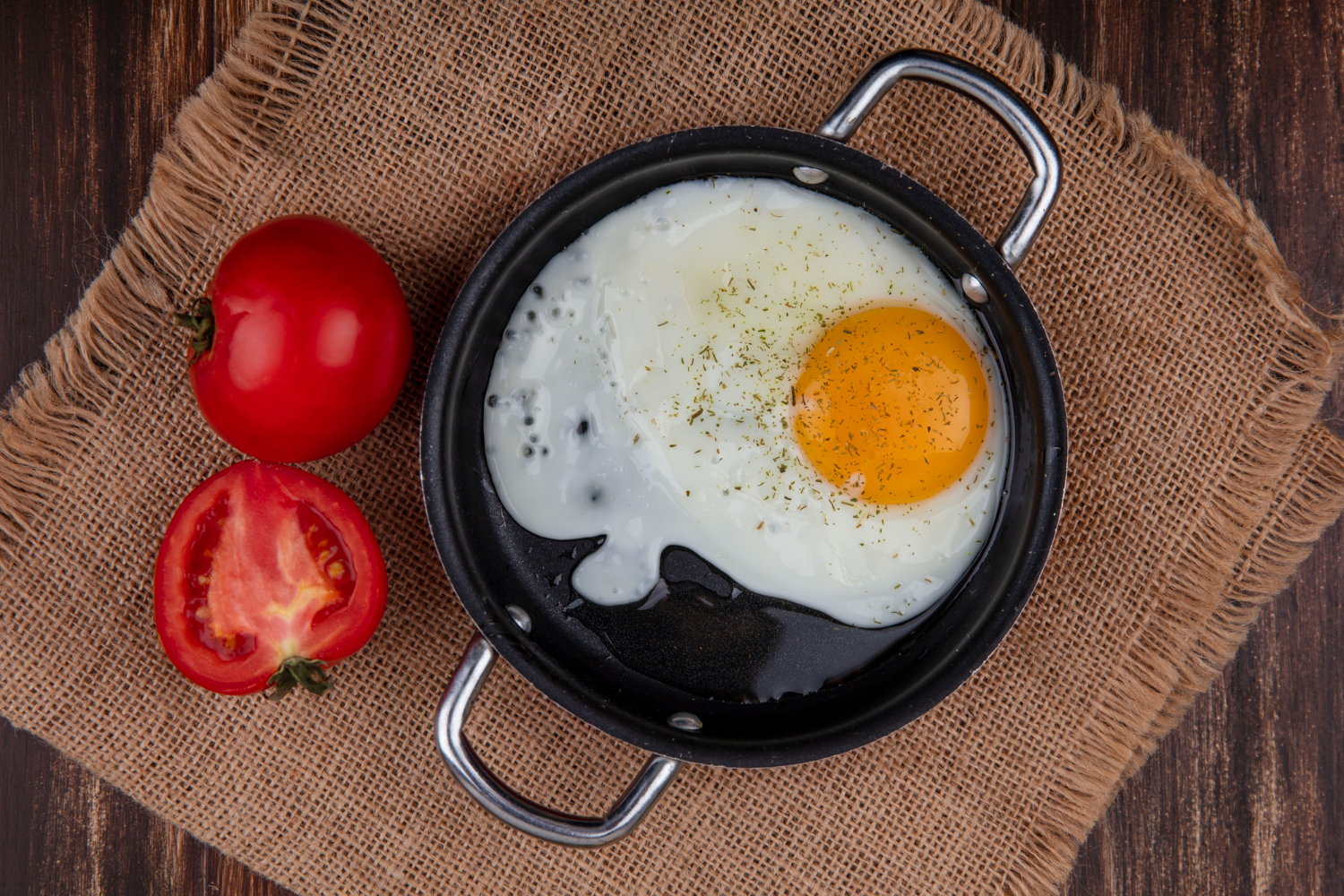
What unites nearly all of these fixes is a single principle: respect the egg’s delicacy. The overwhelming majority of egg disappointments — rubbery scrambles, tough omelets, gray-ringed yolks, weepy results — come from cooking eggs too hot and too long. The chef’s approach is the opposite: gentler heat, more patience, stopping sooner than feels natural to account for carryover cooking, adequate salt, enough fat, and a few targeted tricks like the ice bath for boiled eggs. None of it requires skill you don’t have or equipment you don’t own; it requires turning the heat down, slowing down, and trusting that good eggs are made gently. Master this handful of principles and the everyday eggs you’ve been making will transform — the scrambled eggs turn silky and creamy, the omelets become tender and pale, the hard-boiled yolks stay bright and gray-ring-free and peel cleanly, and the fried eggs come out exactly the way you wanted them. Eggs are the perfect example of how a cheap, simple, everyday ingredient rewards good technique enormously, and the difference between sad breakfast eggs and restaurant-quality ones is entirely within your control, starting with the very next time you reach for the pan.