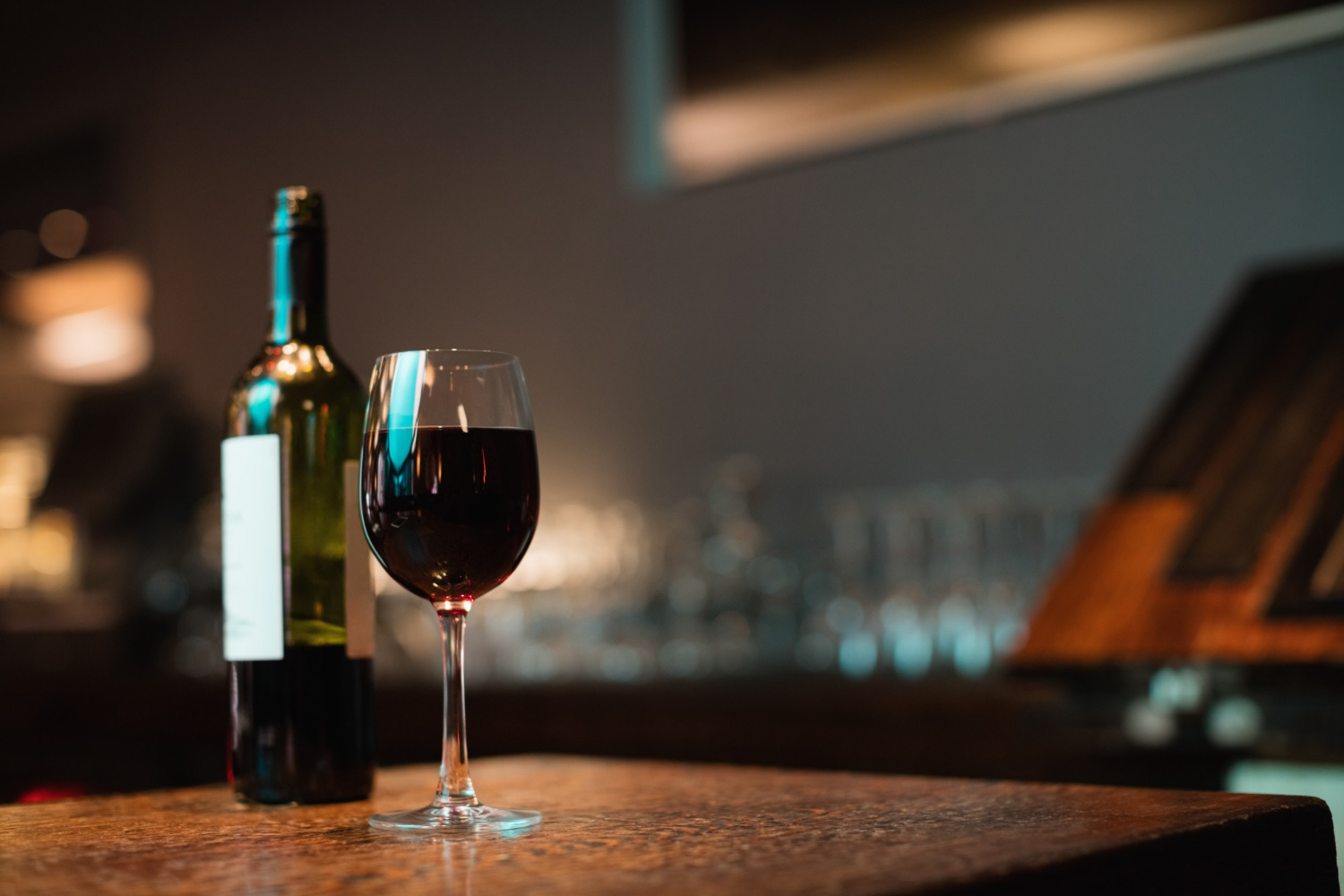
For travelers who plan their vacations around meals as much as sightseeing, a food and wine focused cruise offers a genuinely rewarding way to combine both, expert-led tastings, cooking demonstrations, and shore excursions built specifically around a region’s culinary identity. These trips have grown substantially in popularity, particularly among river cruise lines sailing through Europe’s wine regions. Here are eight things to know about booking a food and wine focused cruise, counted down one by one.
1. River Cruises Often Lean Into Wine Themes Naturally

Many of Europe’s rivers pass directly through wine country. This makes river cruises a natural fit for wine-focused travel.
Rivers like the Douro, Rhône, and Rhine wind directly through some of Europe’s most storied wine regions, making river cruises a naturally strong fit for wine-focused travel, with many lines building dedicated wine-themed sailings featuring onboard sommeliers and vineyard excursions. River cruises leaning into wine themes naturally reflects genuine geography, the simple fact that some of the world’s best wine is grown right along the water these ships travel, making the pairing feel organic rather than added on.
Like our content? Follow us for more.
2. Look for Cruises With a Dedicated Onboard Sommelier
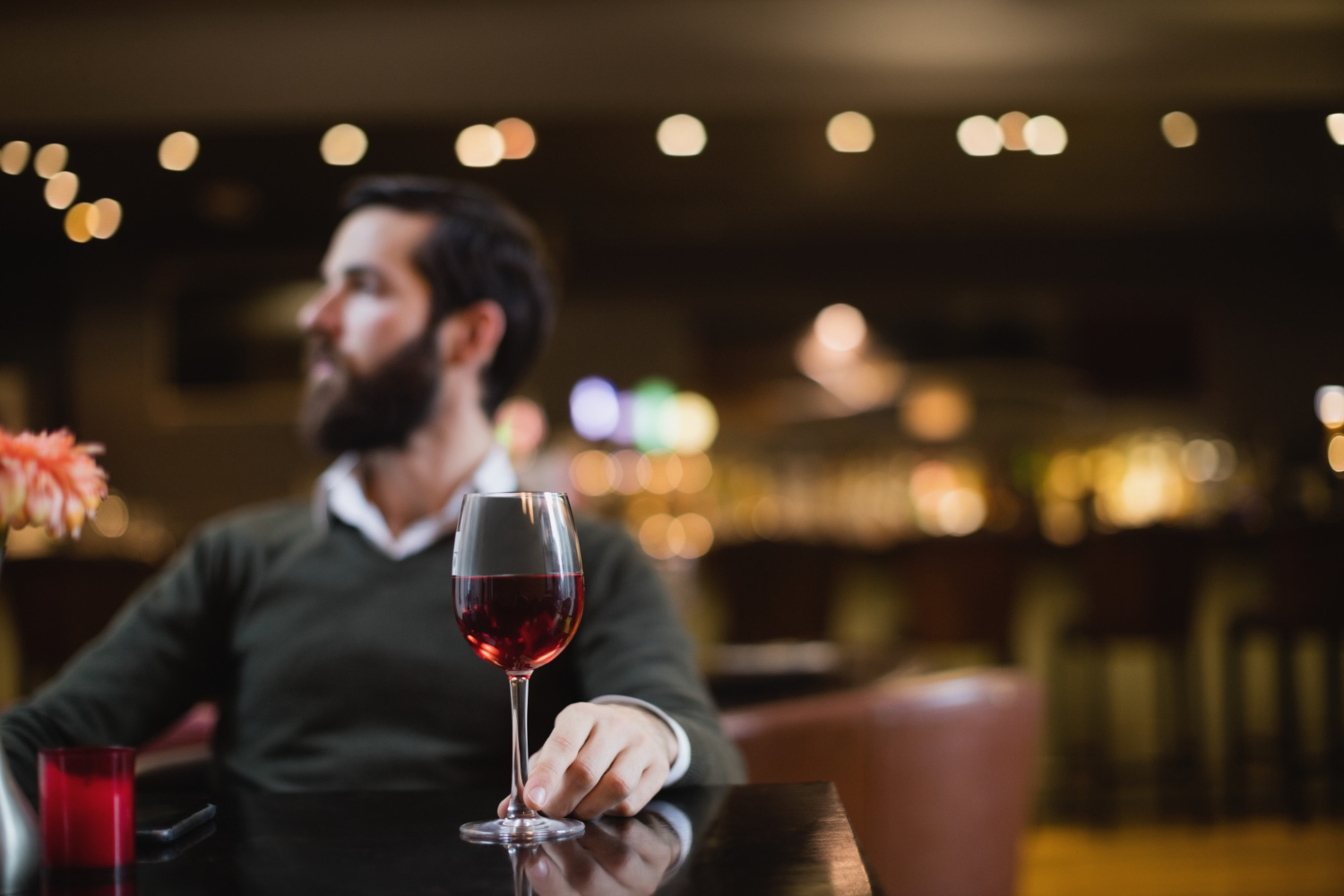
Specialized wine cruises often employ a trained sommelier. Their guided tastings add real educational value.
The most wine-focused cruises employ a dedicated onboard sommelier who leads structured tastings, explains regional wine-making techniques, and helps pair each evening’s meal with an appropriate selection. This adds genuine educational depth well beyond simply having wine available at dinner. Looking for cruises with a dedicated onboard sommelier is a useful way to gauge how seriously a cruise takes its culinary theming, since a real wine expert on staff signals a more substantive program than a themed cruise in name only.
3. Shore Excursions Should Include Actual Vineyard or Market Visits
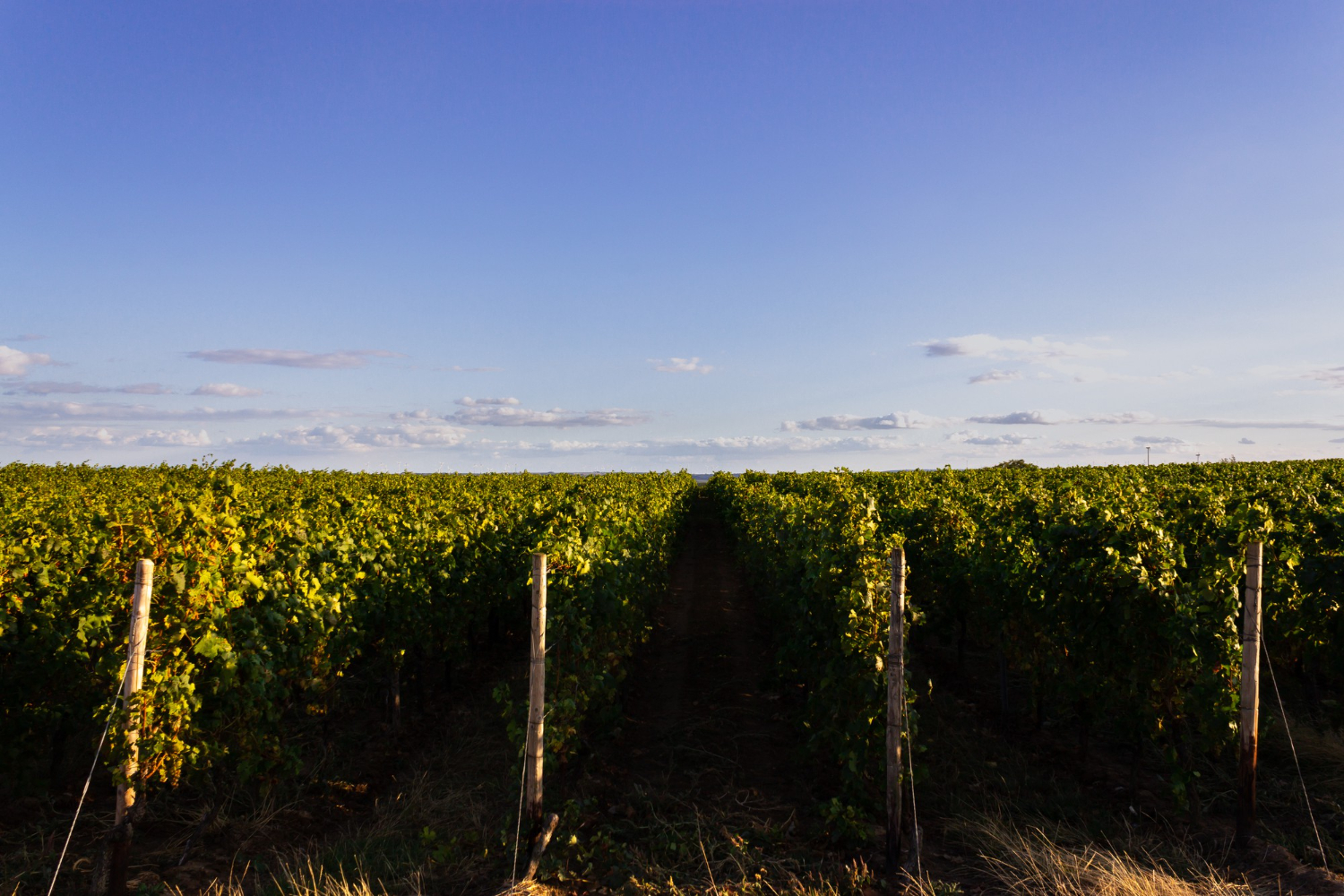
The best food cruises get you off the ship and into the source. Excursions to wineries and markets add real depth.
The strongest food and wine cruise itineraries include shore excursions to actual working vineyards, cheese producers, or local markets, giving travelers direct exposure to how the region’s food and wine are actually made rather than just consuming the finished product onboard. These excursions are often the highlight of the entire trip. Shore excursions including actual vineyard or market visits is an important thing to verify before booking, since the on-the-ground culinary immersion is usually more memorable than anything served in the ship’s dining room.
4. Cooking Demonstrations Vary Widely in Quality
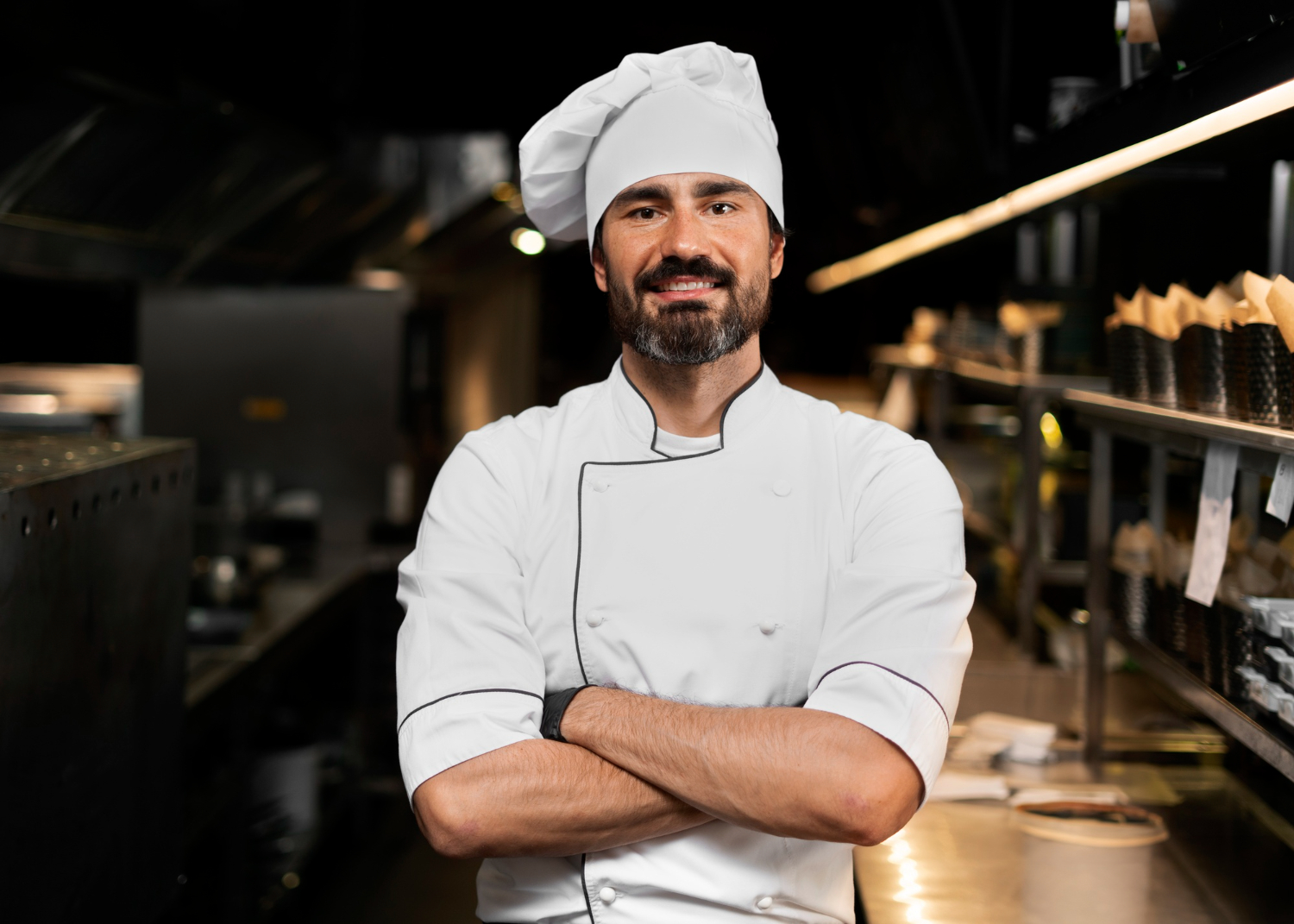
Some ships offer genuine hands-on classes. Others provide only passive demonstrations with little real instruction.
Onboard cooking programs range considerably, from genuinely hands-on classes where passengers prepare their own dishes under a chef’s guidance, to passive demonstrations where guests simply watch from a distance with little real instruction. Reading detailed reviews or asking directly about the format before booking helps set accurate expectations. Cooking demonstrations varying widely in quality is worth researching ahead of time, since the difference between an interactive class and a glorified cooking show can significantly shape how satisfying the culinary program actually feels.
5. Dietary Restrictions Should Be Flagged Well in Advance
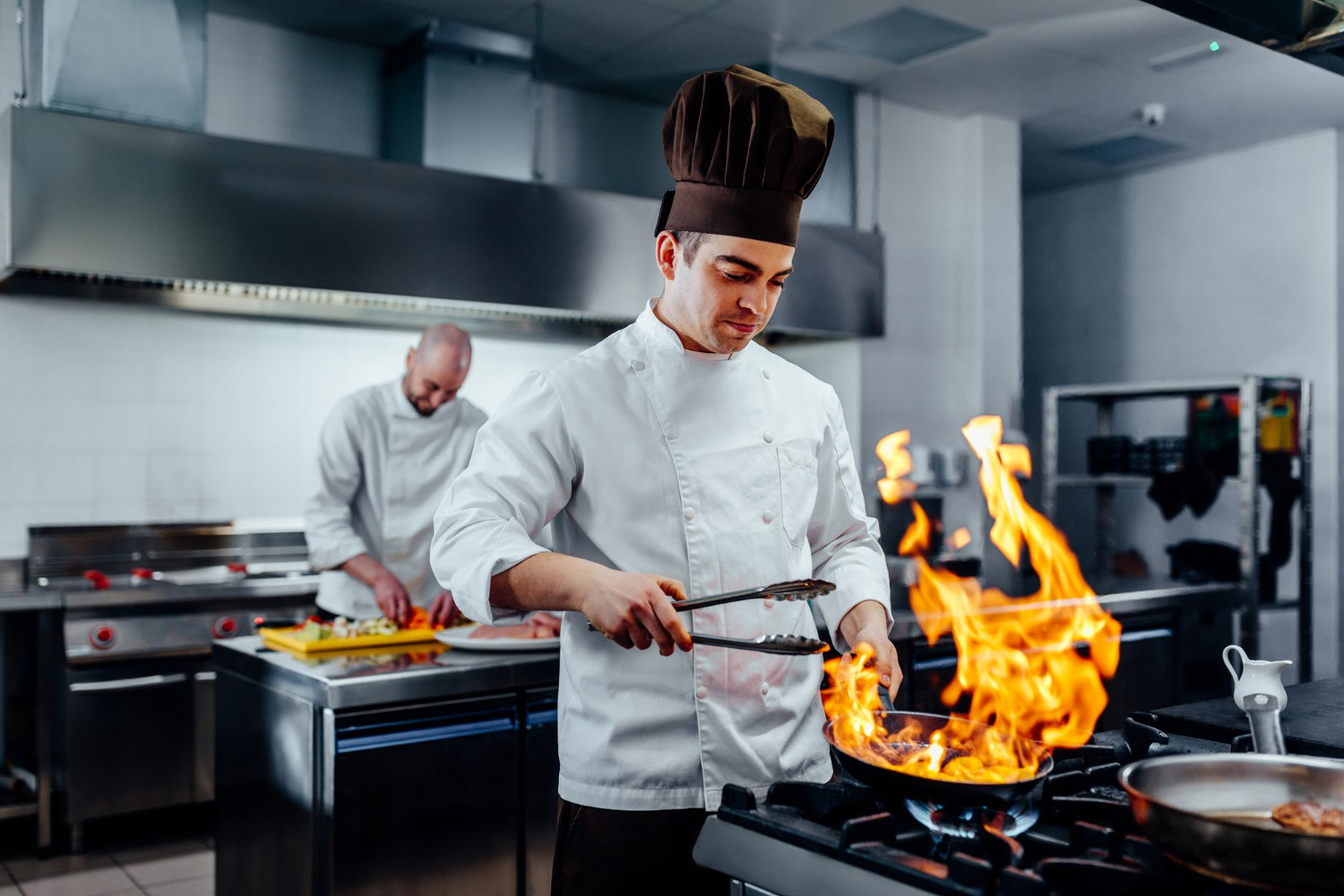
Specialty culinary cruises can accommodate real dietary needs. Early notice gives the kitchen time to prepare properly.
Given the emphasis on elaborate, often multi-course meals, food and wine cruises benefit enormously from early communication about allergies or dietary restrictions, giving the culinary team time to plan proper alternatives rather than scrambling at each meal. Most specialty lines handle this well when given sufficient notice. Dietary restrictions being flagged well in advance is essential for anyone with real food allergies or intolerances, since a cruise built around elaborate meals needs advance planning to accommodate needs safely and enjoyably.
6. Some Cruises Focus on a Single Region’s Cuisine
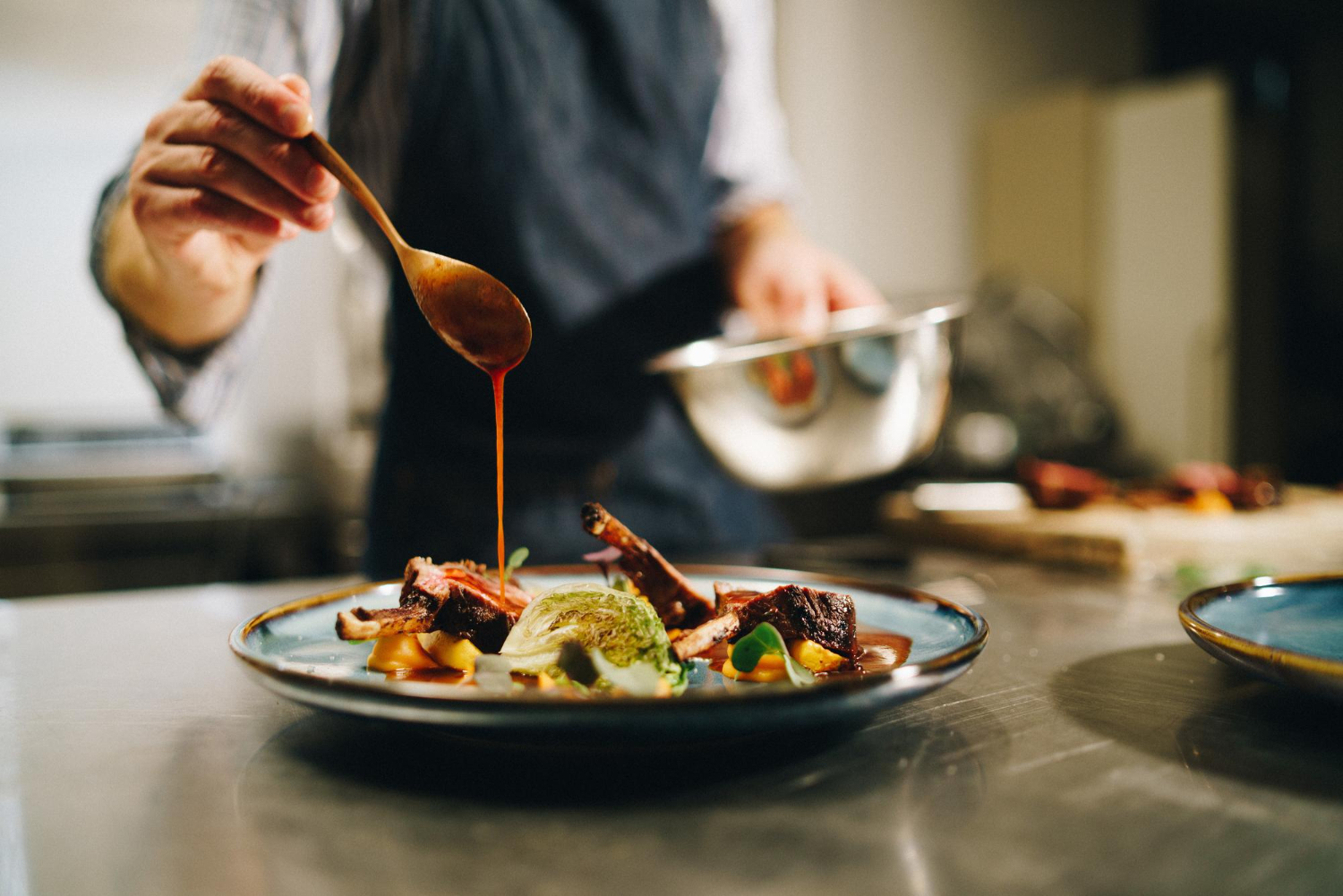
Certain sailings dive deep into one specific culinary tradition. This offers more depth than a broader, general itinerary.
Rather than a broad, general culinary theme, some cruises focus intensively on a single region’s food and wine tradition, Burgundy, Tuscany, or Bordeaux, for example, offering considerably more depth than a cruise that touches lightly on several cuisines across a longer route. This specialization tends to appeal to genuinely dedicated food and wine enthusiasts. Some cruises focusing on a single region’s cuisine is worth considering based on your own interests, since a deep dive into one culinary tradition often delivers a more satisfying and educational experience than broader coverage.
7. Ocean Cruises Offer Culinary Programs Too, Often With Celebrity Chefs
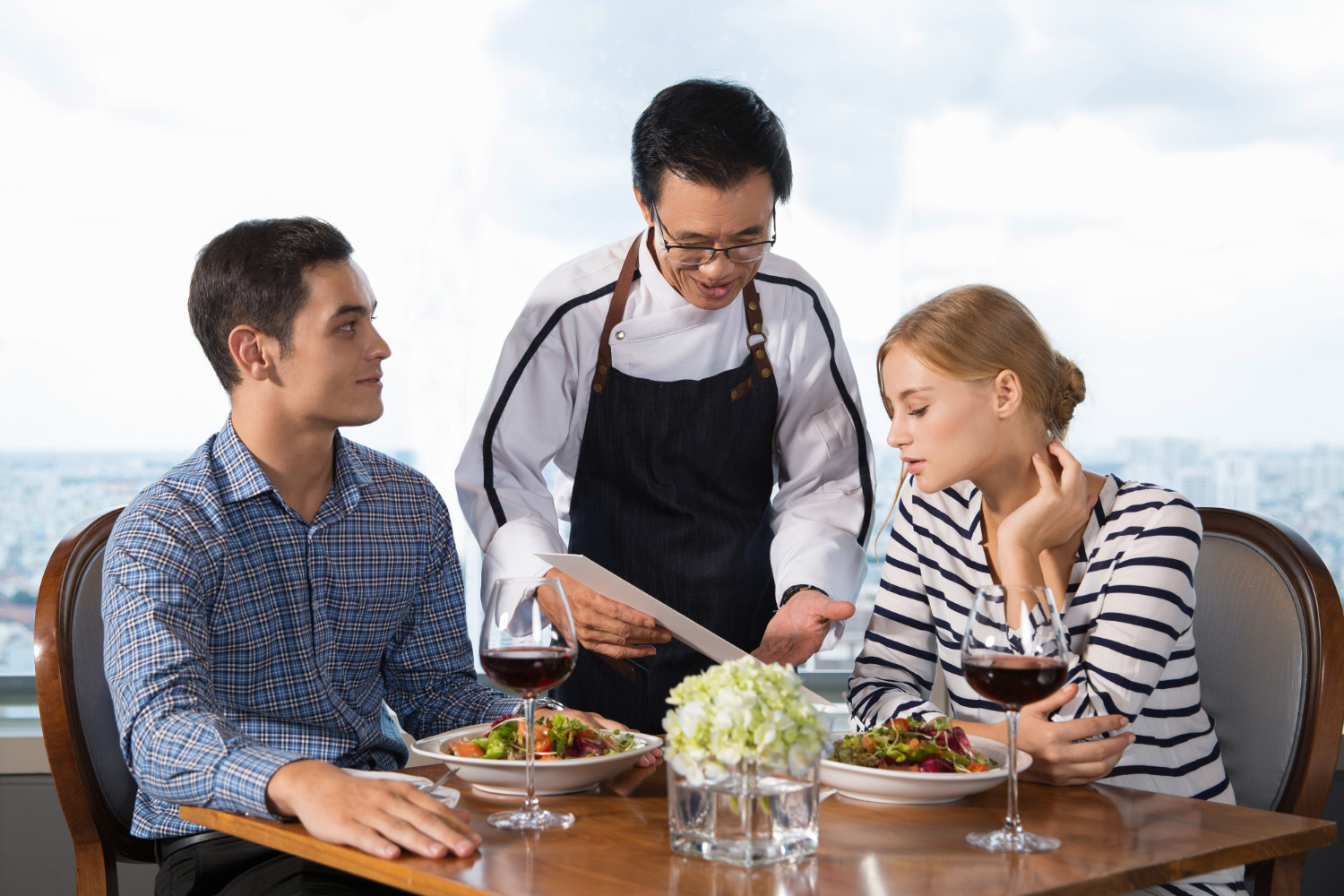
Large ocean cruise lines run notable culinary partnerships. Guest chef appearances and specialty restaurants add variety.
Beyond river cruises, several major ocean cruise lines have built out substantial culinary programs, partnering with well-known chefs for specialty restaurants, hosting cooking classes in dedicated onboard kitchens, and occasionally featuring guest chef appearances during specific sailings. These add genuine culinary interest even on larger, more traditional cruises. Ocean cruises offering culinary programs too is worth knowing, since a food-focused trip doesn’t necessarily require choosing a river cruise, larger ships increasingly compete on dining experience as well.
8. Book Early for the Most Sought-After Culinary Sailings

Specialty themed cruises often have limited departures. Popular dates and cabins can sell out well ahead of time.
Because themed food and wine sailings are typically offered on a more limited schedule than standard cruise departures, popular dates, particularly those timed to harvest season in wine regions, can sell out well in advance. Booking as early as possible secures both the preferred departure date and the best cabin selection. Booking early for the most sought-after culinary sailings is practical advice worth heeding, since waiting too long often means missing the specific themed departure that originally sparked interest in the trip.
A Trip Built Around the Table
Taken together, these eight points capture what makes a food and wine cruise genuinely worthwhile, dedicated expertise onboard, real excursions into the source of the region’s cuisine, and enough advance planning to secure the right sailing and accommodate any dietary needs. For travelers who plan vacations around meals as much as scenery, it’s a genuinely rewarding way to travel.
The best food and wine cruises succeed by treating cuisine as a genuine centerpiece of the itinerary rather than an afterthought, real experts onboard, meaningful shore excursions, and thoughtful attention to dietary needs. Comparing several specialty lines and reading detailed traveler reviews before booking helps ensure the culinary program lives up to its marketing.
It’s also worth considering the trip’s overall pacing, since a cruise packed with elaborate multi-course meals and constant tastings can feel overwhelming without occasional lighter days built into the schedule. The most satisfying culinary cruises tend to balance indulgence with genuine variety, mixing hands-on cooking sessions with simple market visits and enough free time to digest, both literally and figuratively, everything the trip has offered.
Travelers new to themed cruising might also consider starting with a shorter, well-reviewed sailing before committing to a longer, more expensive specialty itinerary, since preferences around pacing, group size, and culinary intensity vary considerably from one traveler to the next. Reviews from past passengers on independent travel forums often provide more candid detail than a cruise line’s own marketing materials. Whether the destination is a European wine valley or a broader multi-country itinerary, a well-chosen food and wine cruise can turn a vacation into a genuinely immersive culinary education, one that leaves travelers with new skills and a deeper appreciation for the region’s food culture long after the trip ends.
Like our content? Follow us for more.