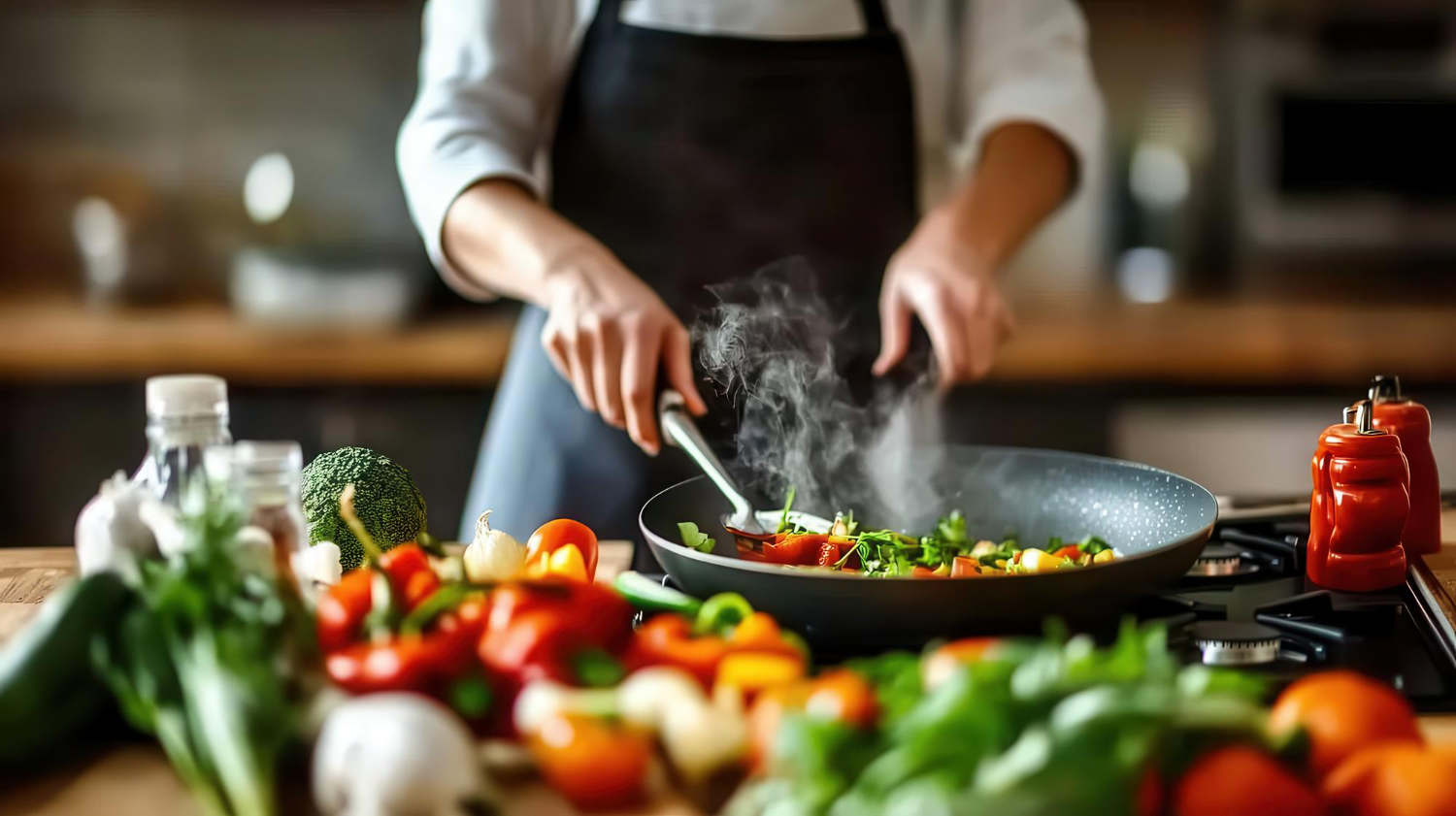
J. Kenji López-Alt — author of “The Food Lab” and a James Beard Award-winning cookbook author — has spent over a decade testing what actually makes cooking work. Here are the mistakes he and other chefs name most often, and the simple fixes for each.
There’s a particular gap that exists between food cooked at a good restaurant and food cooked at home — and it’s usually not what most people think. It’s not the equipment, the ingredients, or the chef’s skill. It’s a small set of repeating habits that quietly degrade home cooking and that almost every working chef would recognize as the difference between “fine” and “really good.”
J. Kenji López-Alt — Serious Eats’s longtime culinary director, James Beard Award-winning author of The Food Lab, and one of the most-cited working voices on home cooking science — has been asked some version of “what mistakes do home cooks make most often?” in many published interviews. So have many other working chefs and cookbook authors. The answers cluster around a small number of consistent themes. Here are the five that come up most reliably, with the actual fixes.
1. Not seasoning as you go
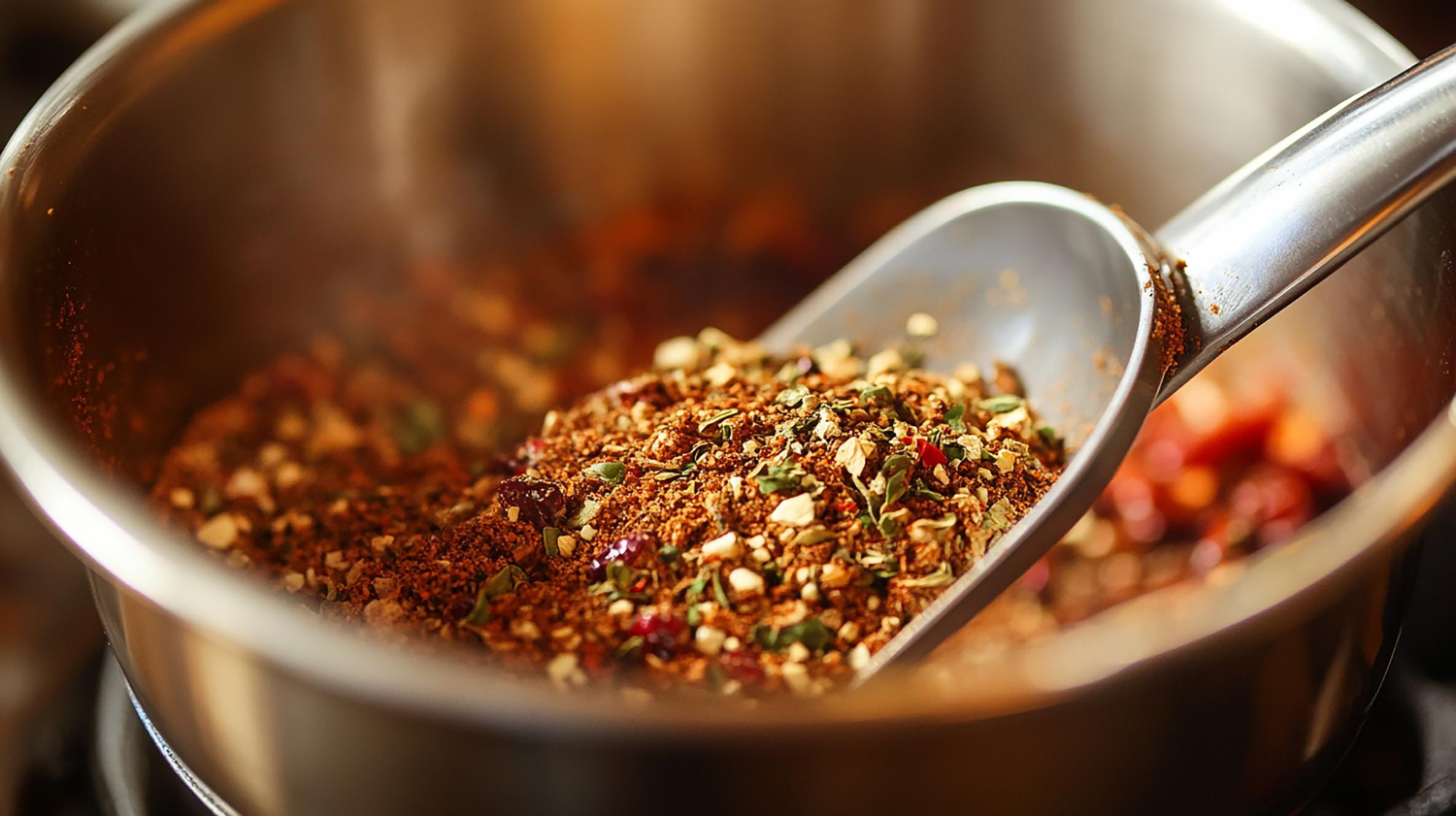
In a 2016 interview with Berkeleyside, López-Alt was asked directly to name the top three mistakes home cooks make. His first answer: “Not seasoning properly. You should always season as you go.”
The mistake home cooks make is treating salt as a finishing step — adding it to a finished dish at the end. Restaurant cooks salt at every stage: the onions when they hit the pan, the protein before searing, the sauce as it reduces, the vegetables as they cook. The result is that flavor develops into the food rather than sitting on top of it.
The fix is procedural, not recipe-specific. Salt the pan when oil hits it. Salt protein before it goes in. Salt vegetables as they cook. Taste at every stage, not just at the end. A finished dish that needs salt added at the table is a dish that wasn’t seasoned properly during cooking. This single habit, more than any technique, separates restaurant-tasting food from home-tasting food.
2. Relying on a timer instead of a thermometer
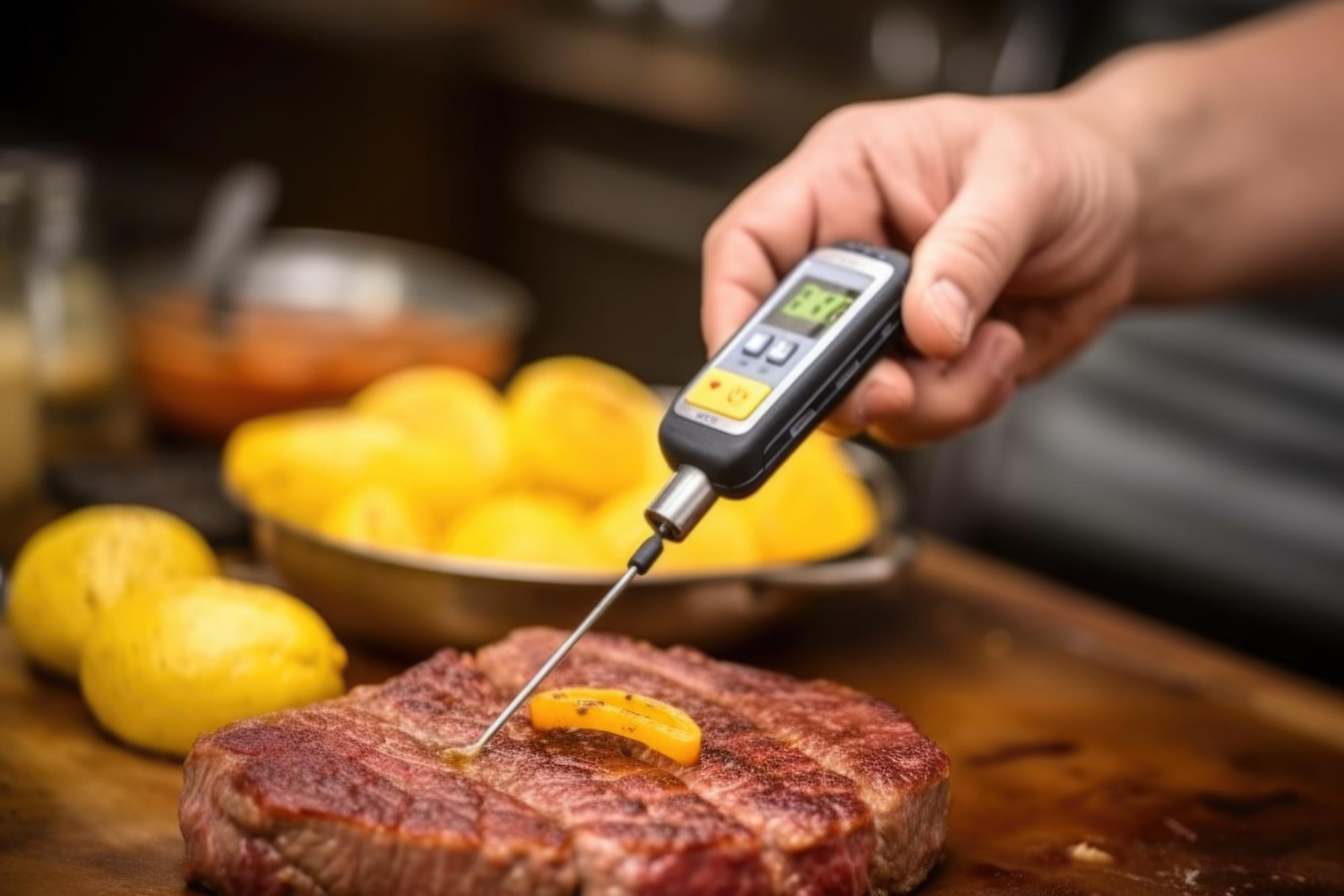
López-Alt’s second-most-cited home-cook mistake, also from the Berkeleyside interview: “Relying on a timer instead of a thermometer, particularly when cooking meat. It’s the internal temperature that defines whether it’s done or not.”
Recipe times are estimates based on assumptions — assumed pan size, assumed starting temperature of the meat, assumed thickness, assumed stove output. Real kitchens vary on every one of these variables. A “20-minute” chicken breast can be done in 14 minutes if it’s thinner than the recipe assumed, or still raw at 25 minutes if it came directly from the fridge.
The fix is about $20: a digital instant-read thermometer. Thermapen is the chef-favorite brand at the high end ($100+); ThermoPro and Habor make versions in the $20-30 range that are perfectly adequate for home use. Once you have one, you stop guessing. Chicken is done at 165°F in the thickest part. Pork chops are perfect at 145°F. Steaks medium-rare at 130°F. Any “is it done?” question becomes a 5-second measurement.
3. Not keeping knives sharp
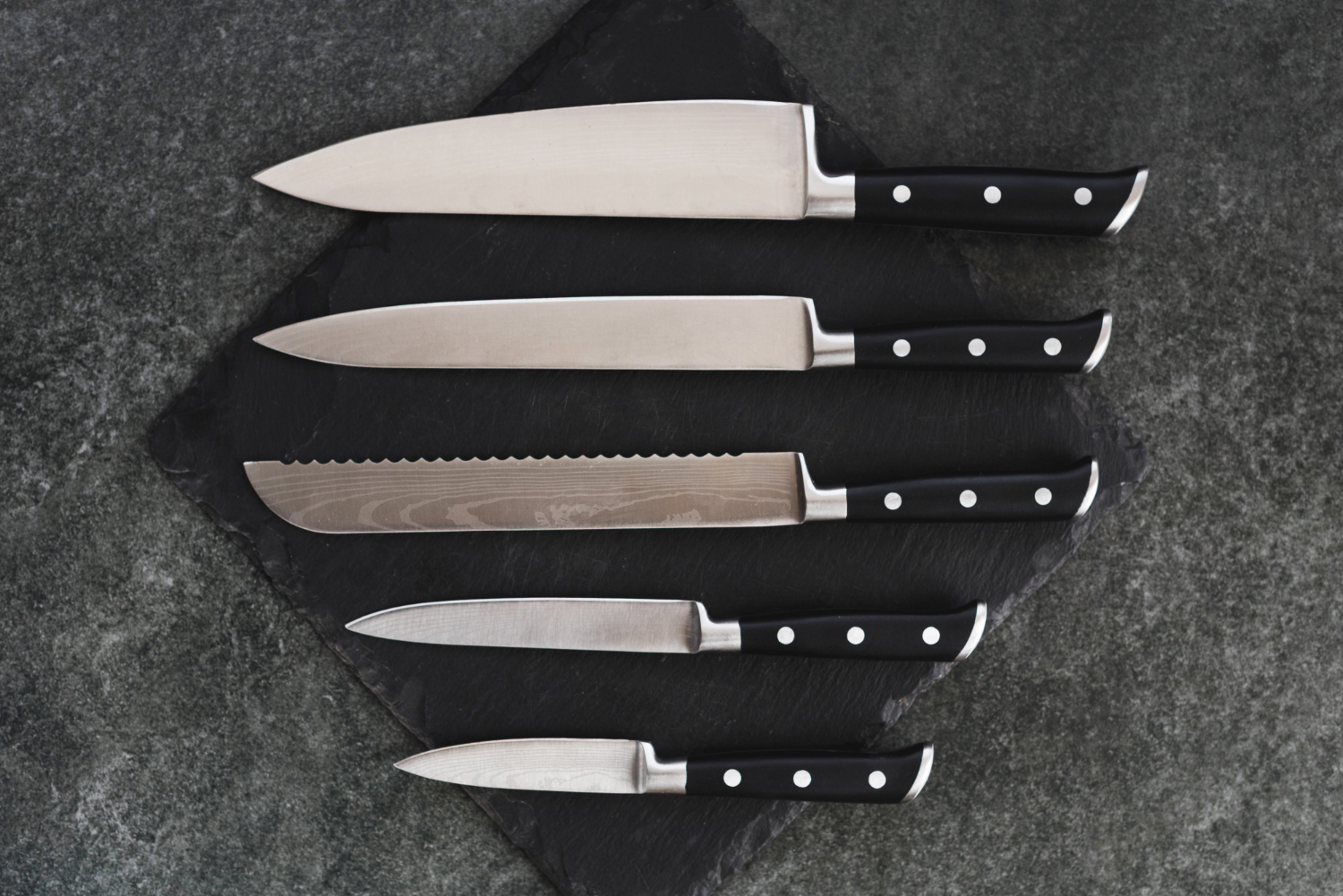
The third item on López-Alt’s most-named-mistakes list: “Not keeping your knives sharp. It makes prep work a chore and it’s much more dangerous.”
This is the mistake that has the largest effect on whether you actually enjoy cooking. A dull knife crushes food rather than slicing it, requires more force, slips off ingredients (the actual cause of most kitchen knife injuries), and turns a 3-minute mise en place into a 15-minute frustration. Most home knives are dull within a year of purchase if they’re never sharpened, and unsharpenable within two years if they’re never honed.
The fix is two-part. Get a sharpener — either a manual Chef’s Choice sharpener ($60-80), a Tojiro pull-through ($40), or take your knives to a professional sharpener once a year ($5-10 per knife at most knife shops or hardware stores). Then use a steel or honing rod between sharpenings, two or three swipes before each use. A properly maintained mid-range knife (a $40 Victorinox Fibrox 8-inch chef’s knife is a recognized industry standard) outperforms an expensive but dull knife by an enormous margin.
4. Adding food to a pan that’s not hot enough
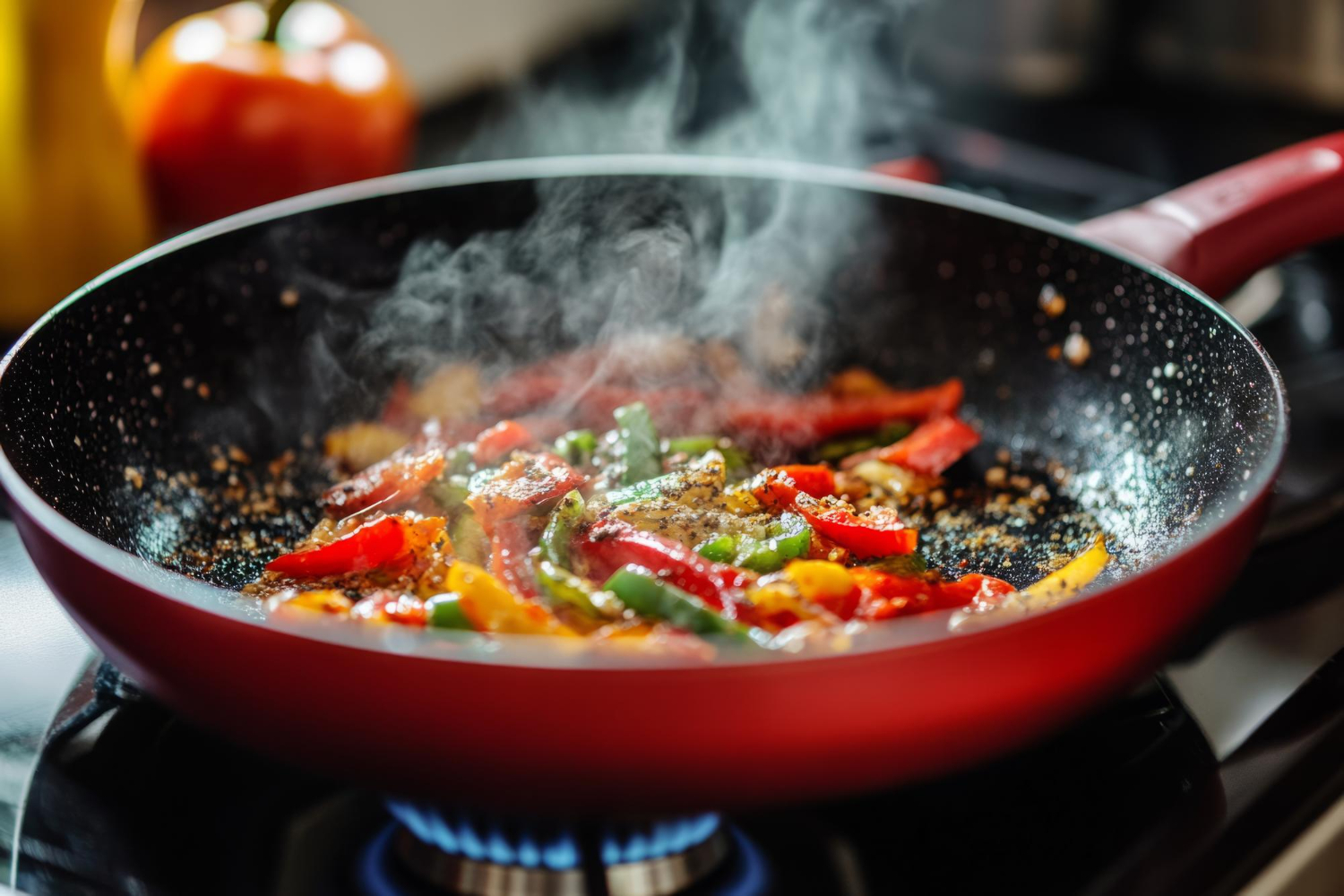
This mistake is so universal among home cooks that it has its own technical name in food science literature: “the moisture problem.” Most recipes that call for “high heat” assume the pan has been preheated long enough that water dropped on it would dance and evaporate immediately. Most home cooks add food to the pan as soon as the oil starts to shimmer — which is too soon by 30-90 seconds.
The result is what López-Alt and other food scientists describe as steaming rather than searing. Food adds moisture to the pan. A pan that’s not hot enough can’t evaporate that moisture fast enough. The food then sits in a thin layer of its own released water, cooking from the bottom but not browning. The Maillard reaction — the chemical reaction that produces browning, flavor, and crust — only happens above approximately 285°F (140°C), and it’s slow until you get to roughly 350°F (175°C).
The fix is patience. Heat the pan for 2-3 minutes on medium-high before adding any oil. Add oil; let it heat for another 30-60 seconds until it’s shimmering and just starting to wisp. Then add food. The first piece should sizzle audibly the moment it hits the pan. If it doesn’t sizzle, the pan isn’t hot enough — pull the food out and wait another minute.
A related mistake: overcrowding the pan, which drops the temperature instantly. If a recipe doesn’t fit in your pan in a single layer, cook it in batches.
5. Drying meat before searing — and not drying vegetables before roasting
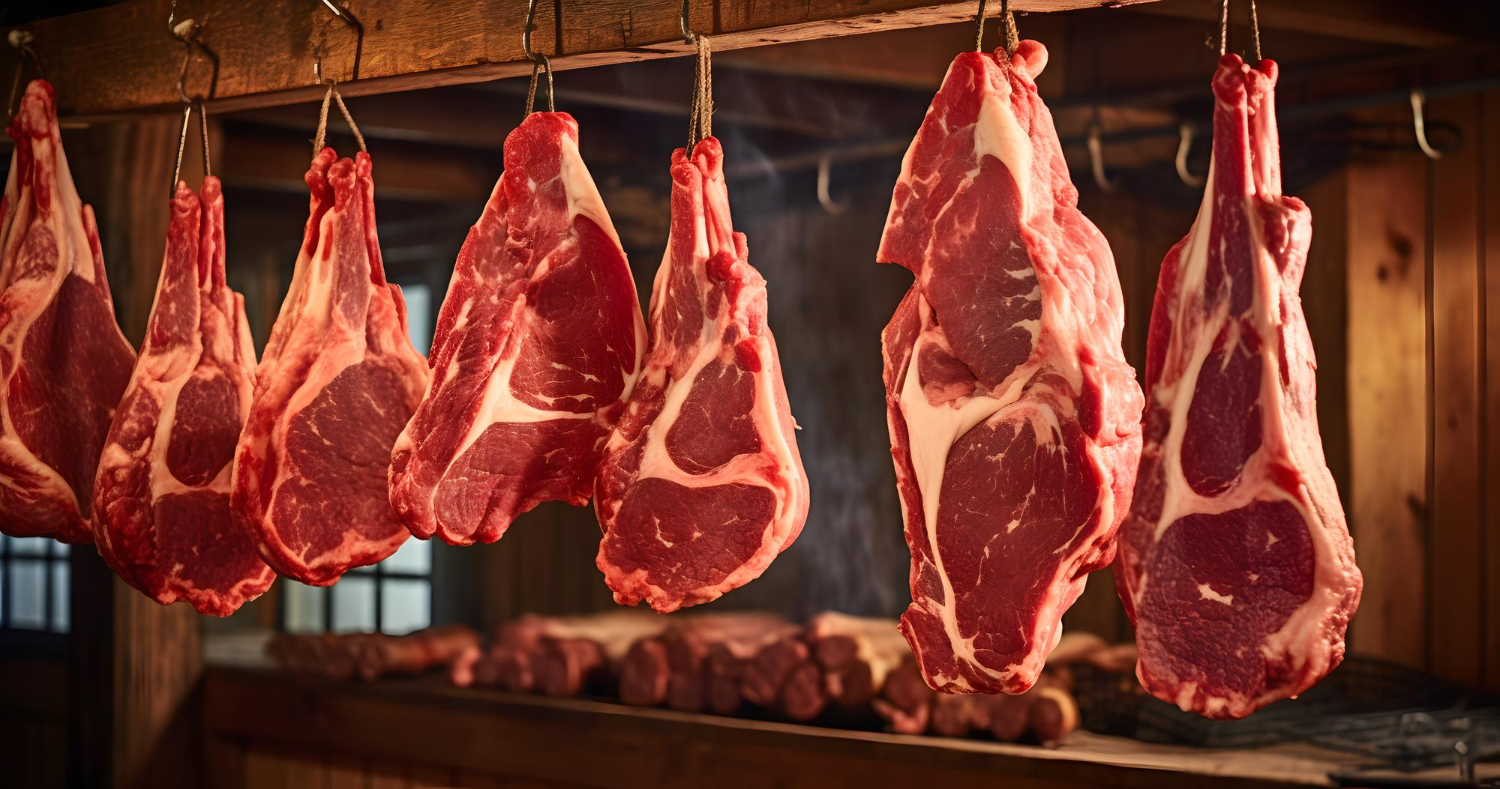
This one comes up consistently across published chef interviews. Tasting Table, Cooking Light, and López-Alt’s own Serious Eats archive all repeat the same advice: any moisture on the surface of food before it hits the pan or oven kills the browning before it starts.
For steak: pat both sides dry with paper towels immediately before salting and searing. For chicken: dry-brine in the fridge uncovered for at least 30 minutes, ideally overnight, which both seasons the meat and dries the skin so it crisps properly. For vegetables before roasting: spread them on a kitchen towel after washing and pat them genuinely dry, not just damp-dry. Roasted potatoes that don’t crisp are almost always a moisture problem; the same potatoes spread on a towel for 10 minutes after washing turn out completely different.
This is also why salting meat 40+ minutes before cooking (rather than just before) produces better results: the initial salt draws moisture out of the meat, which then reabsorbs along with the salt, leaving the surface drier than it started. López-Alt has tested and documented this extensively in The Food Lab.
A bonus that’s almost a cheat code
In a 2024 interview with Atlas Obscura, López-Alt was asked to name “one stupid easy trick I can use to make my cooking taste more like restaurant food.” His answer was specific and a little surprising:
“One of the big differences between the way people cook in a restaurant versus at home is the quality of the stock. A homemade stock is going to be really rich in gelatin, whereas a store-bought stock has virtually none. The actual thing that thickens and makes for a really silky, luxurious, well-emulsified sauce isn’t in there. A trick that I frequently use at home is to add unflavored gelatin powder directly to store-bought stock.”
The math: one packet of unflavored gelatin (Knox is the most common brand, available in any grocery store baking aisle, about $1.50) bloomed in a half-cup of cold water and stirred into a quart of store-bought stock approximates the gelatin content of a real homemade stock made from bones. Pan sauces, gravies, soups, and braising liquids all become substantially more restaurant-like with this single addition. It takes 30 seconds and costs about 30 cents per use.
What all five mistakes have in common
These aren’t dramatic technique problems. None of them require expensive equipment or rare ingredients. They’re habits — small procedural defaults that quietly shape what comes out of the pan. The reason restaurant cooks consistently produce better results than home cooks isn’t talent or training in the abstract. It’s that those five habits (and a few others) are baked into every restaurant kitchen routine. Home cooks tend to skip them because they don’t seem important.
The good news is that habits are cheap to change. Salting at every stage adds zero cost and 10 seconds per dish. Buying a thermometer is a one-time $20 expense. Keeping knives sharp is a one-time skill that takes 10 minutes to learn. Letting the pan heat properly costs 2 extra minutes per meal. Drying meat with a paper towel costs nothing.
The five things home cooks change least often are the five things that would change their cooking the most. Which is also why working chefs keep saying the same things, in interview after interview, year after year — because the answers are unglamorous and don’t sell cookbooks, but they’re true.