From mining ghost towns to entire communities evacuated by the federal government, these places were once home to thousands of Americans. Now most of them have fewer than ten residents — or none at all.
The American landscape is dotted with towns that once thrived and now barely exist — left behind by the collapse of a single industry, an environmental disaster, a federal evacuation, or the slow erosion of opportunity. Some still have a handful of residents. Some are protected as state parks or historic sites. A few are completely empty, returning to the desert or forest. Here are 15 of the most notable, with the real reasons each one emptied out.
1: Centralia, Pennsylvania
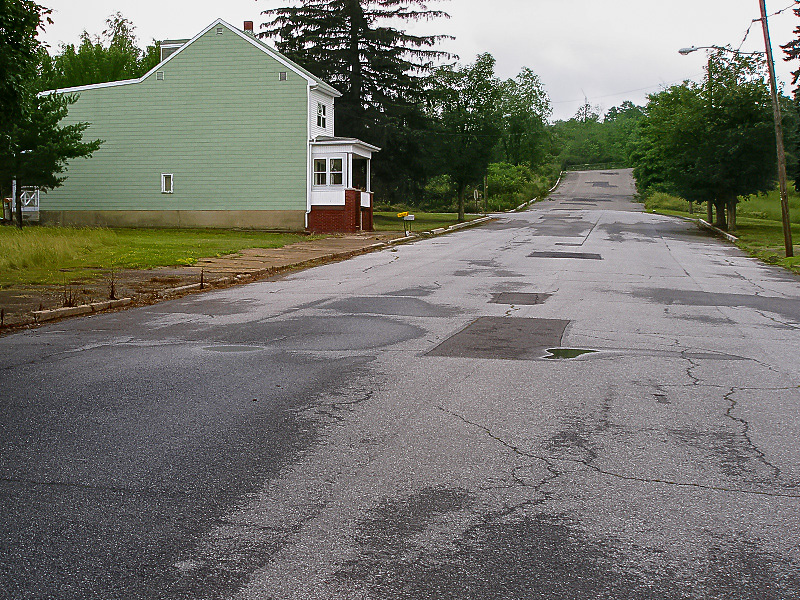
Population: 5 (2020 census). Once: ~1,200. The underground coal mine fire that started in 1962 has been burning ever since and may continue for another 250 years. The federal government bought out and demolished most of the town in the 1980s. The state removed the road signs in 2002. A handful of holdouts remain in homes that revert to the state when they die.
2: Bodie, California
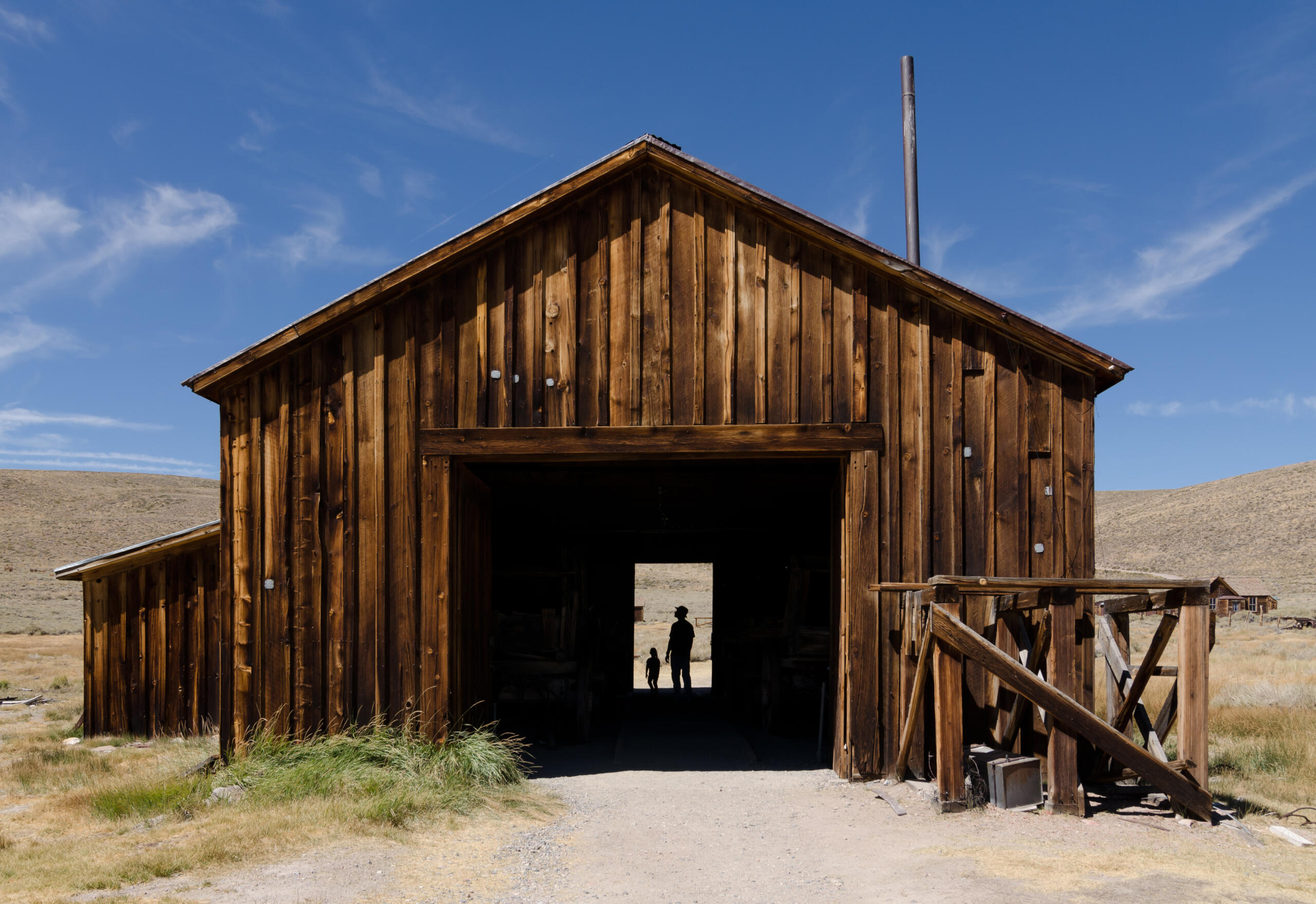
Population: 0. Once: ~10,000 in the 1880s. Bodie was a Gold Rush boomtown that produced over $34 million in gold and silver during its peak. By 1942, when the last mine closed, the population had collapsed. California declared it a State Historic Park in 1962, where it’s preserved in a state of “arrested decay” — buildings stand as they were when the last residents left, with original contents still inside.
3: Times Beach, Missouri
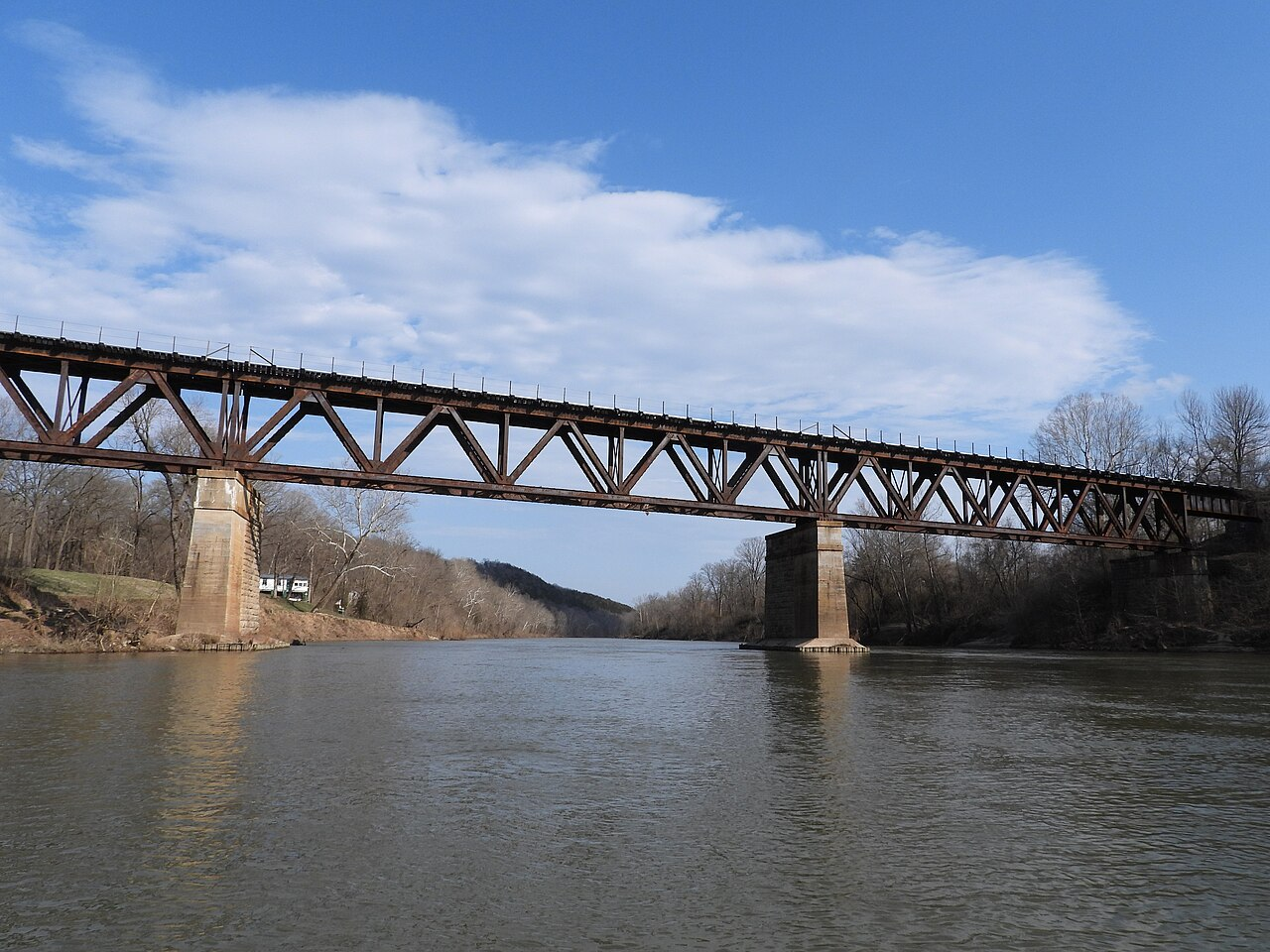
Population: 0. Once: ~2,000. In 1972, oil contractor Russell Bliss sprayed dioxin-contaminated waste oil on the town’s dirt roads to control dust. By the early 1980s, after horses, dogs, and birds began dying mysteriously and residents reported strange illnesses, EPA testing revealed dioxin levels 100 times higher than what was considered safe. The federal government bought out every resident in 1983, demolished every structure, and incinerated the contaminated soil. The site is now Route 66 State Park.
4: Picher, Oklahoma
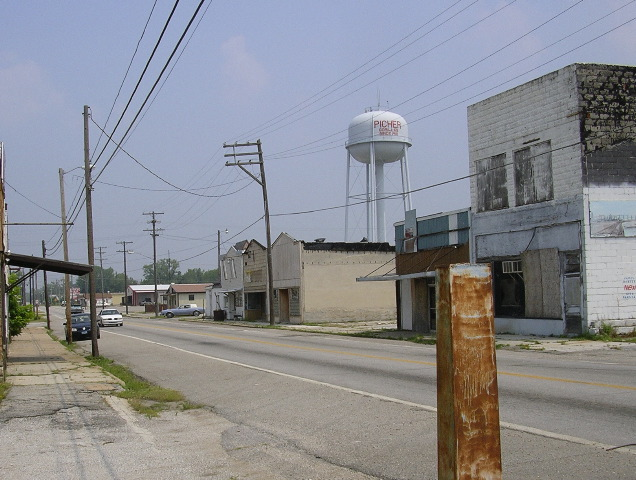
Population: 0. Once: ~20,000 in the 1920s. The lead and zinc mining industry that built Picher left behind chat piles — massive heaps of toxic mining waste — and tunnels that began collapsing under the town. After studies in the early 2000s found severe lead poisoning in local children, a federal buyout was announced in 2006, accelerated by an EF4 tornado that destroyed much of what remained in 2008. The last business, a pharmacy, closed in 2015.
5: Cahawba, Alabama
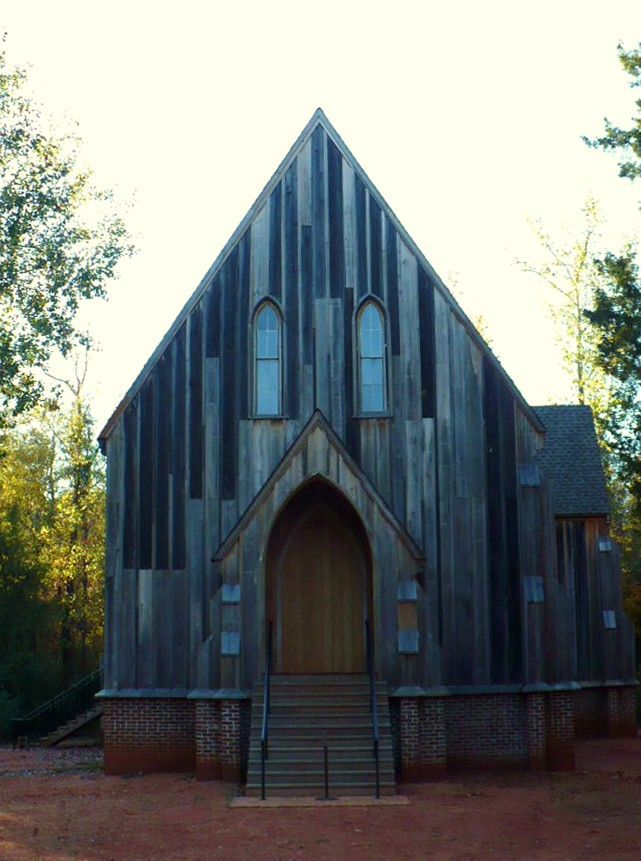
Population: 0 (residents); operates as historic park. Once: Alabama’s first state capital, ~3,000. Cahawba was Alabama’s capital from 1820 to 1826 before flooding from the Cahaba and Alabama rivers prompted relocation. The town survived as a smaller settlement until the Civil War, when it was used as a Confederate prison, then experienced repeated flooding. By 1900, it was largely abandoned. It’s now operated as Old Cahawba Archaeological Park.
6: Kennecott, Alaska
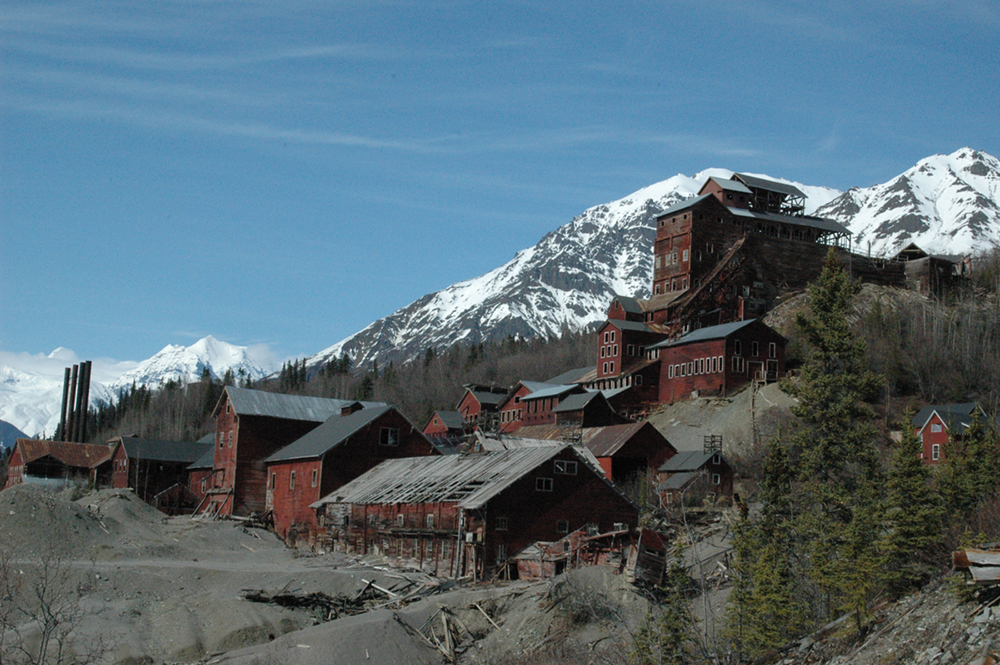
Population: 0. Once: ~600 mine workers and families. The Kennecott copper mining operation in the Wrangell Mountains was one of the richest copper deposits ever discovered. When the company closed operations in 1938 with little notice, residents reportedly left meals on tables and personal belongings in homes. The site is now a National Historic Landmark within Wrangell-St. Elias National Park.
7: Garnet, Montana
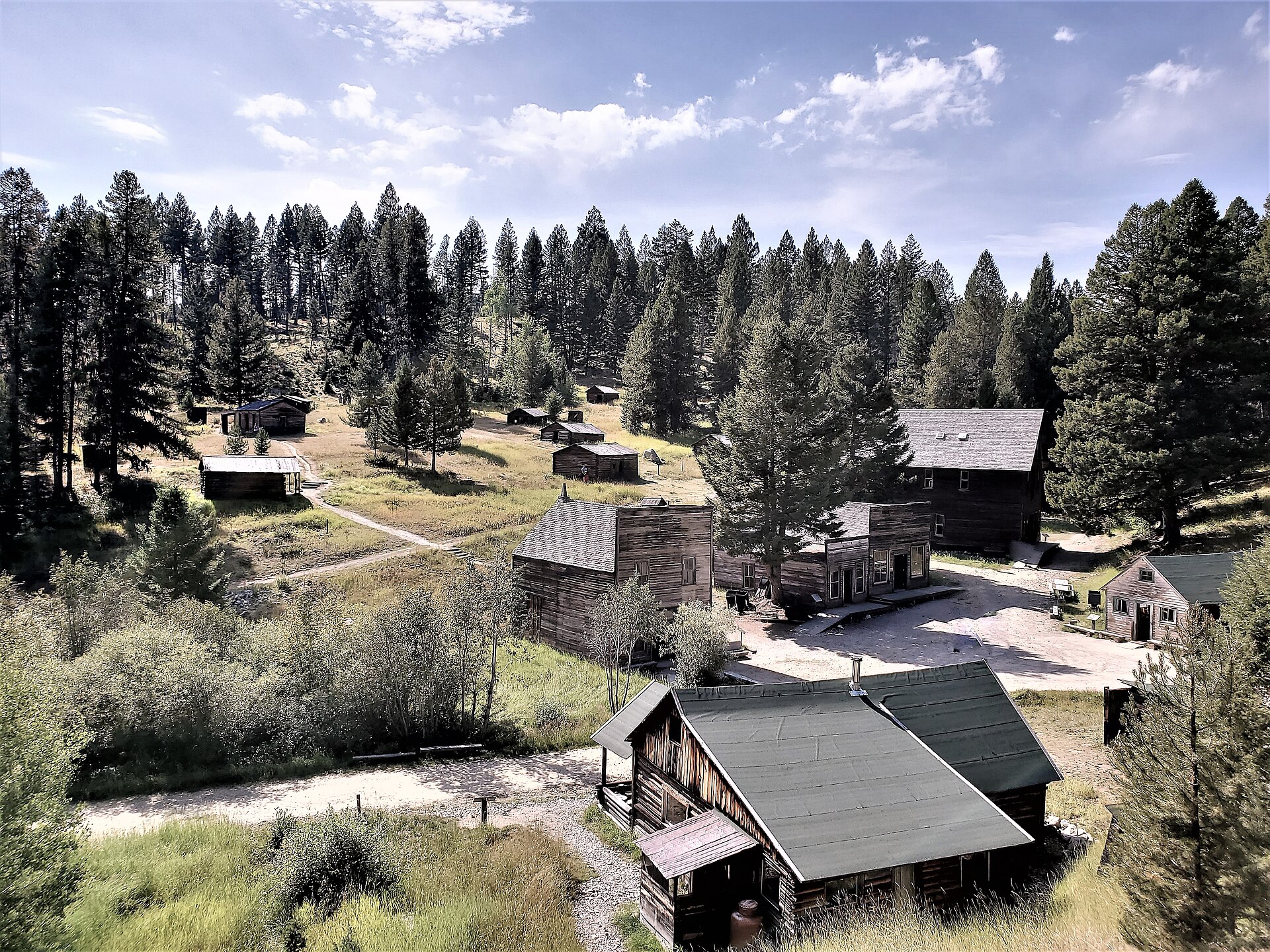
Population: 0. Once: ~1,000. A gold mining town that thrived briefly in the 1890s, Garnet was largely abandoned by 1905 when accessible gold ran out. A 1912 fire destroyed many buildings; the rest were left standing. The Bureau of Land Management now maintains it as one of Montana’s best-preserved ghost towns, with about 30 original buildings still standing.
8: Calico, California
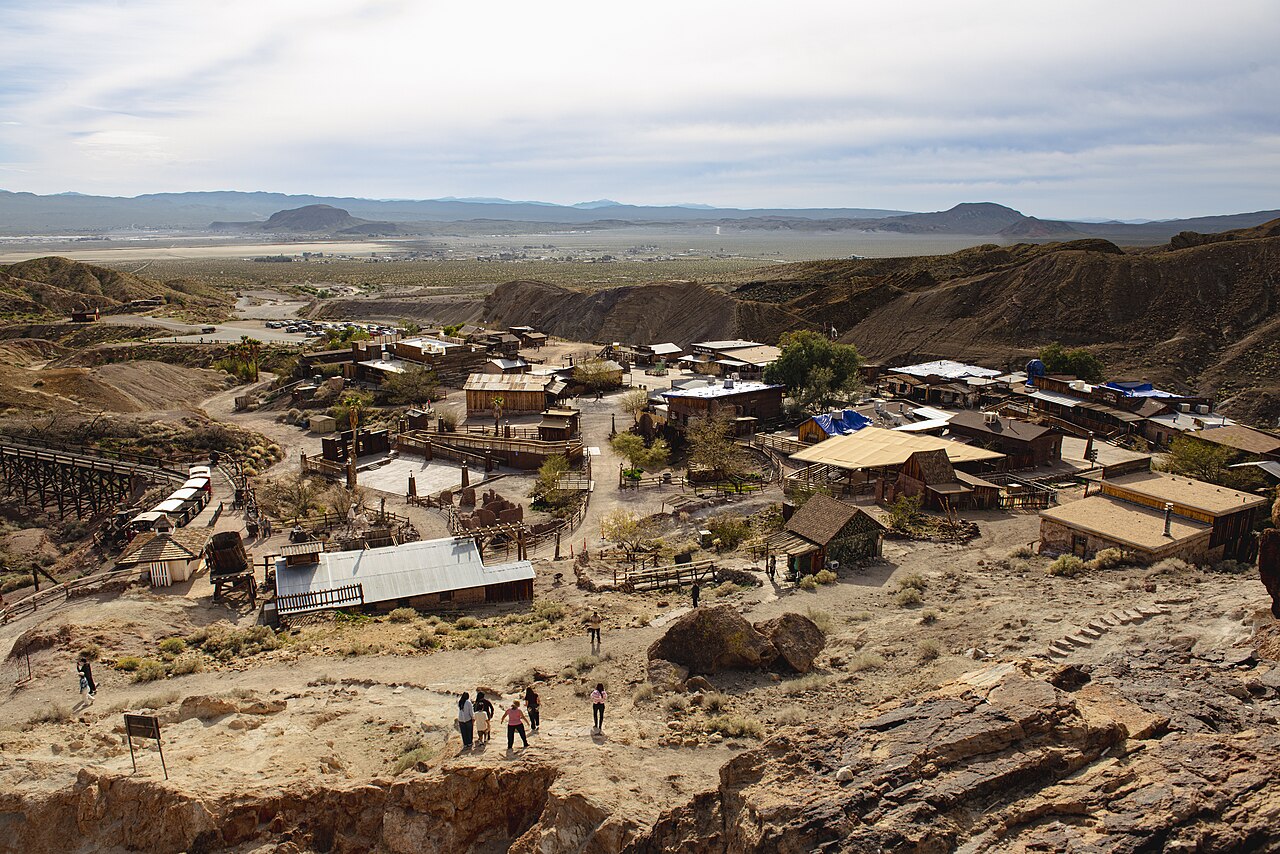
Population: 0 (residents); operates as theme park. Once: ~3,500. A silver mining town that produced over $20 million in silver between 1881 and 1907. When silver prices collapsed in the 1890s, the town slowly emptied out. Walter Knott (founder of Knott’s Berry Farm) bought Calico in the 1950s and restored it as a tourist attraction. It’s now a county park.
9: St. Elmo, Colorado
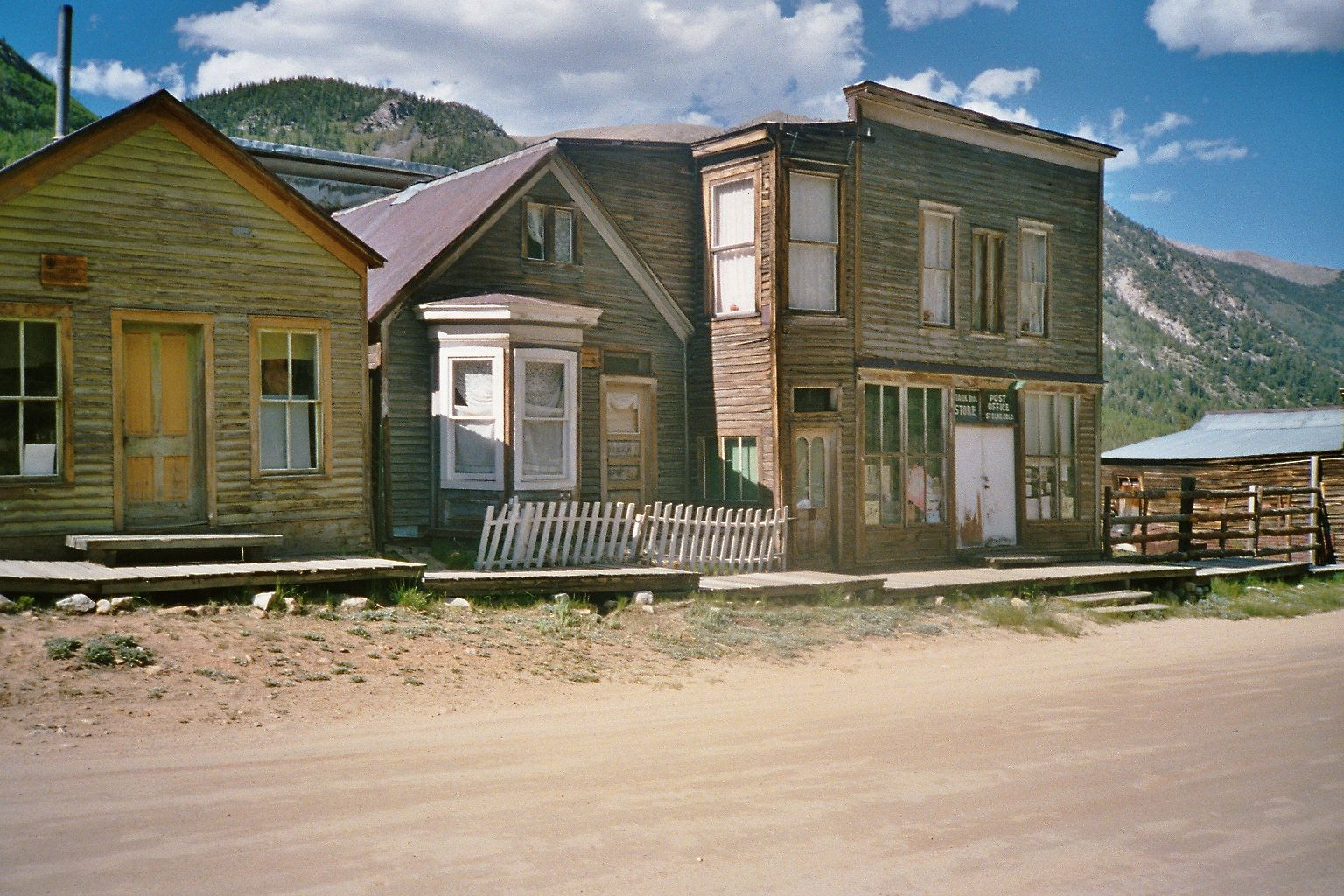
Population: 0. Once: ~2,000 in the 1880s. A Colorado mining town high in the Sawatch Range, St. Elmo emptied out gradually as the mines played out, with the last train service ending in 1922. About 40 buildings remain standing along the original main street. It’s accessible by road in summer and remains one of the best-preserved Colorado ghost towns.
10: Cisco, Utah
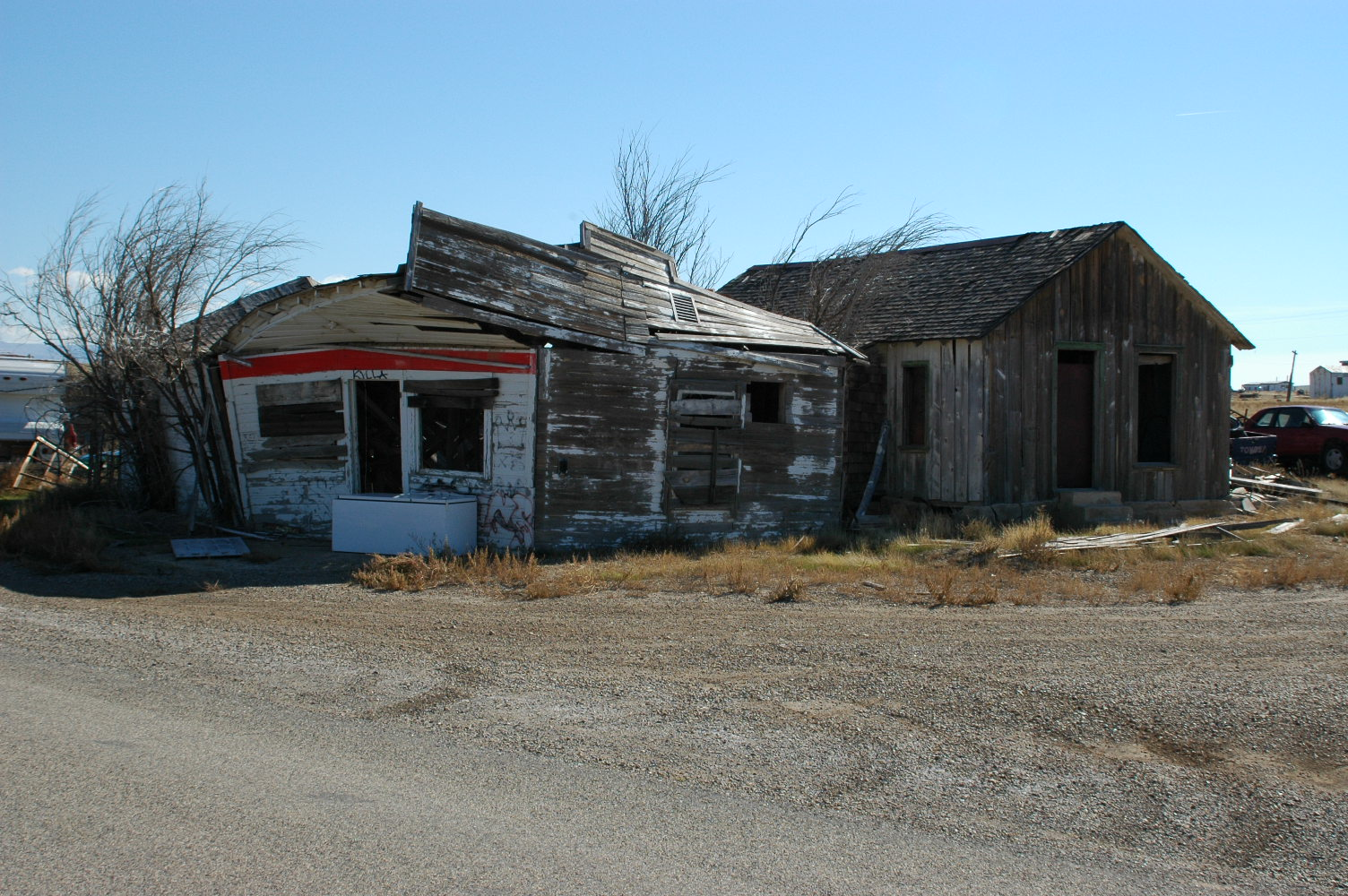
Population: 0 (officially); a few squatters. Once: several hundred. A railroad water-stop town that also served the local sheep industry, Cisco lost its purpose when railroads switched to diesel locomotives that didn’t need water stops. Highway I-70 was rerouted away from the town in the 1970s, finishing it off. It’s appeared as a filming location in Vanishing Point and Thelma & Louise.
11: Bannack, Montana
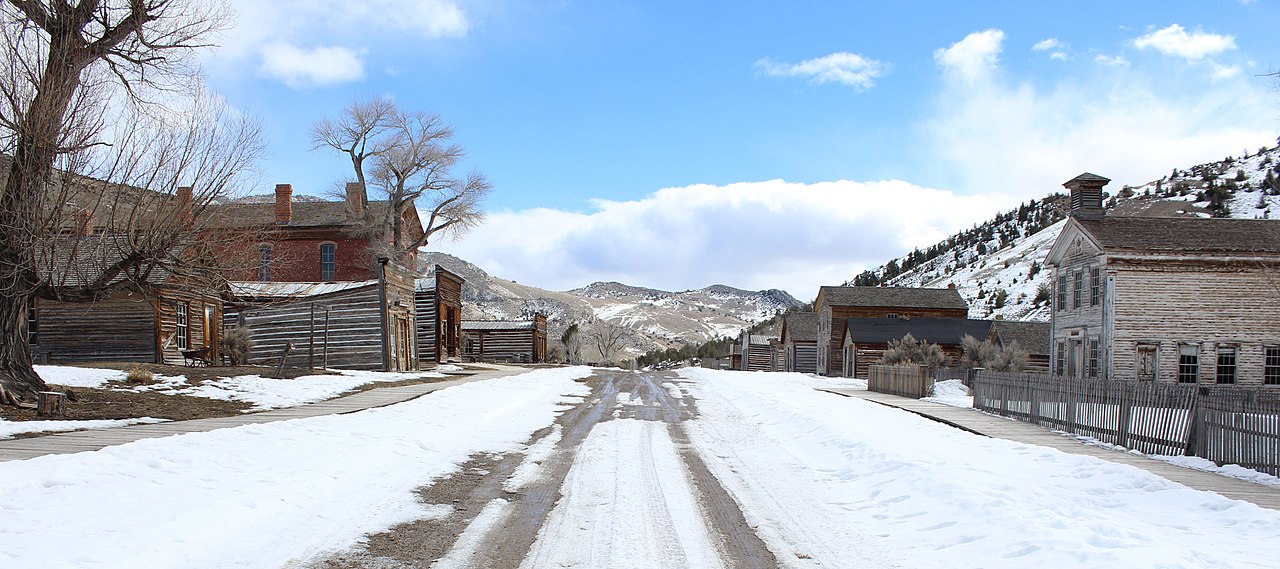
Population: 0. Once: Montana’s first territorial capital. Bannack briefly served as the capital of Montana Territory in 1864 before the capital moved to Virginia City. The town’s gold mining declined steadily through the early 20th century. The last residents left in the 1970s. It’s now Bannack State Park, with over 60 original buildings preserved.
12: Thurmond, West Virginia
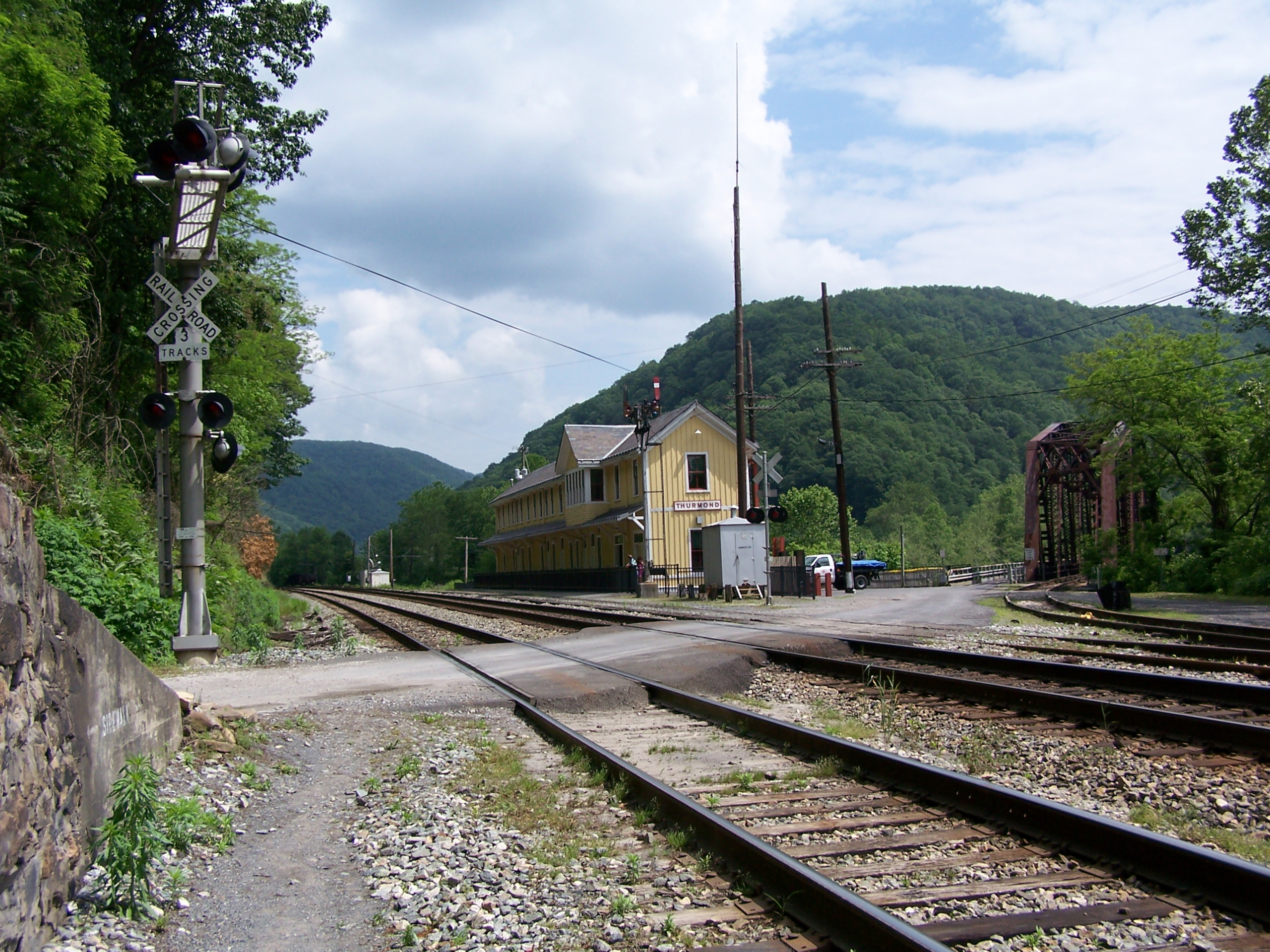
Population: 4 (2020 census). Once: ~500, plus a thriving railroad terminal. Thurmond was once the busiest railroad town in West Virginia, with two banks, multiple hotels, and a train depot that handled more freight tonnage than Cincinnati and Richmond combined. The shift from coal to other energy sources and the end of passenger rail emptied it out. It’s now part of New River Gorge National Park.
13: Rhyolite, Nevada
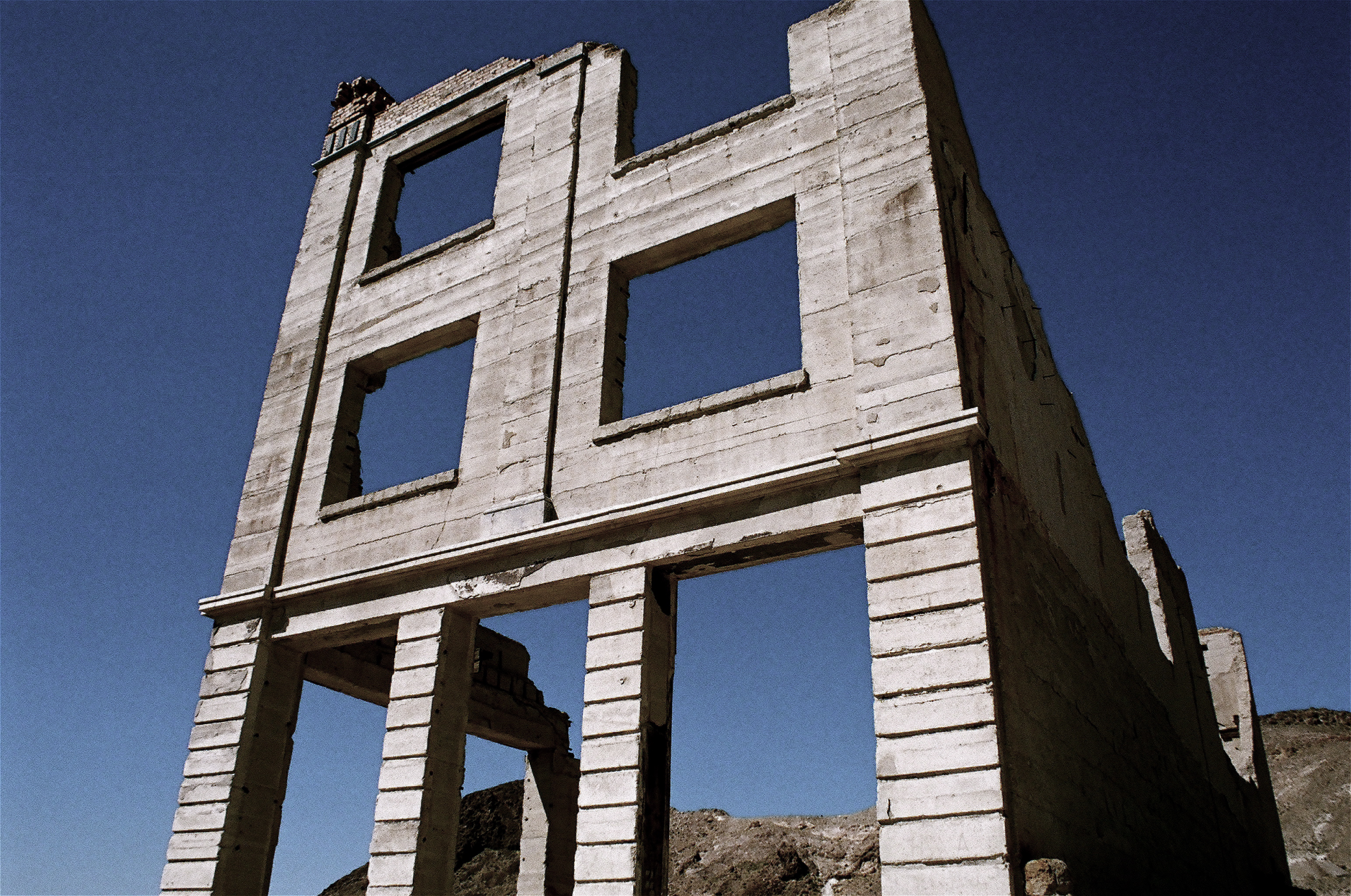
Population: 0. Once: ~5,000. A gold mining town in Nevada’s Bullfrog Hills, Rhyolite went from 0 to 5,000 residents and then back to 0 in just over a decade (1904-1916). The 1907 financial panic combined with declining ore quality emptied it out almost as fast as it had filled. The bank, train depot, and the famous Bottle House remain standing in the desert.
14: Garryowen, Montana
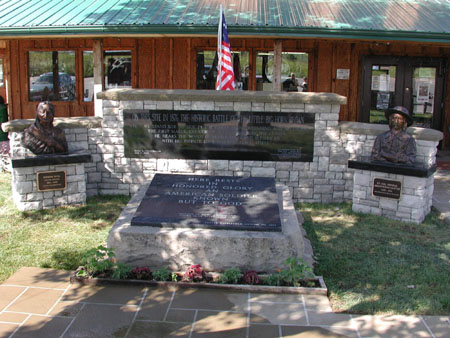
Population: 2 (2020 census). Once: a small but functioning trading post community on the site of the Battle of the Little Bighorn. Garryowen survives mostly because of its historical significance — it sits at the precise location where Major Marcus Reno’s troops engaged Lakota and Cheyenne forces in 1876. The town has a museum and a post office and not much else.
15: Glenrio, Texas/New Mexico
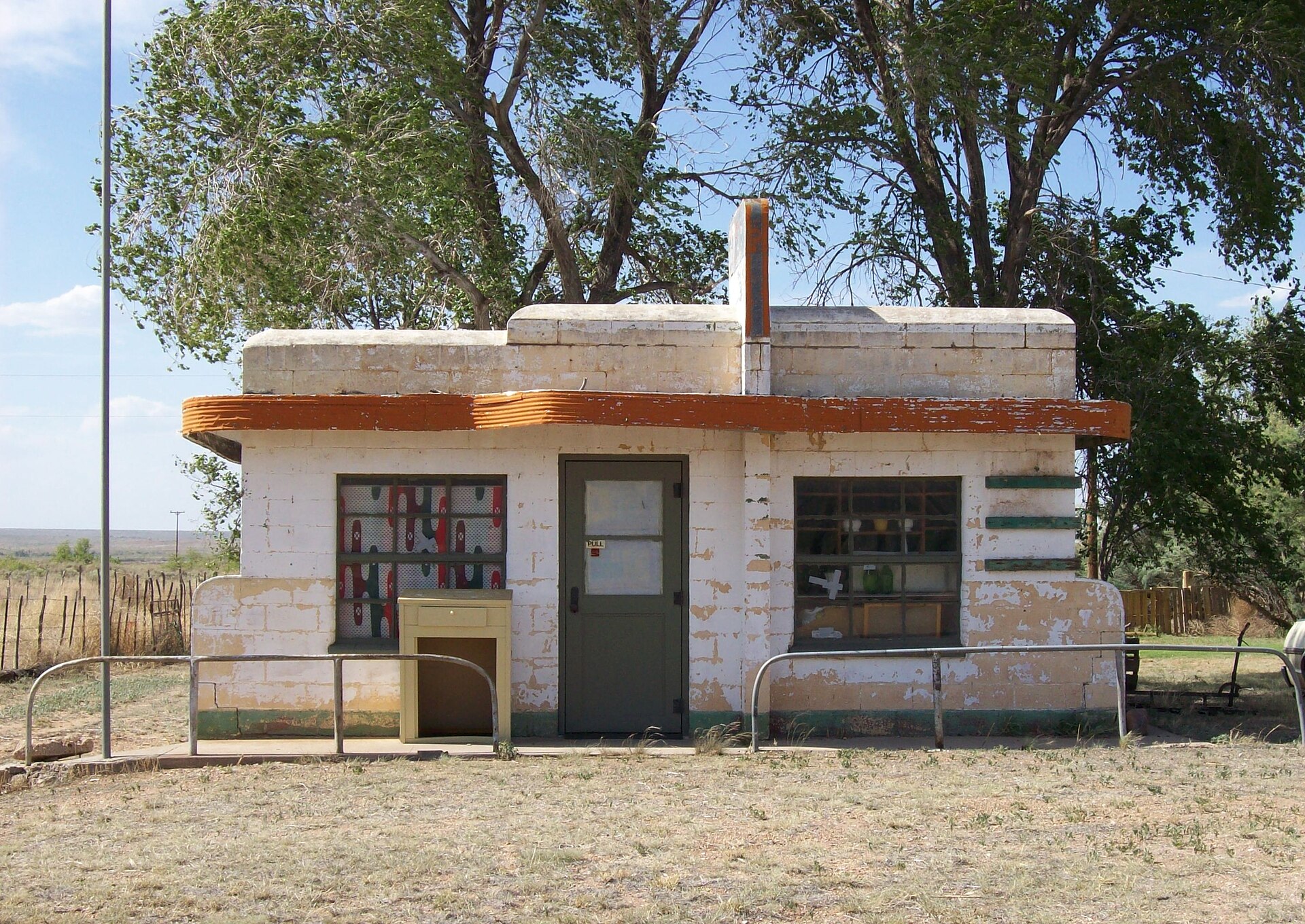
Population: 5 (2020 census), straddling the state line. Once: ~30 businesses on Route 66. Glenrio was a classic Route 66 town that thrived on through-traffic between Texas and New Mexico. When Interstate 40 opened in 1973 and bypassed the town entirely, businesses closed within a few years. The Glenrio Historic District is now on the National Register of Historic Places, with most of the abandoned diners, gas stations, and motels still standing.
What ghost towns reveal about American history
Each of these towns failed for a specific reason — extracted resources, federal evacuation, technology shift, environmental disaster, infrastructure bypass — but together they tell a consistent story about how American settlement actually worked. Most weren’t built to last. They existed because a particular industry needed workers in a particular place at a particular time. When the reason changed, the town didn’t have anything else to fall back on.
A handful of these places have been preserved as parks, historic sites, or tourist attractions. Most haven’t. The rest are slowly returning to the landscape — buildings collapsing, foundations becoming overgrown, the original street grids gradually disappearing under decades of weather. In another fifty years, a number of these towns will be archaeological sites rather than visitable ruins.
For now, most are accessible to visitors who want to see them. Standard rules apply: respect any remaining residents, stay on solid ground, don’t take anything (most are on protected federal or state land), and treat what’s left with the respect that any place where people once lived deserves.