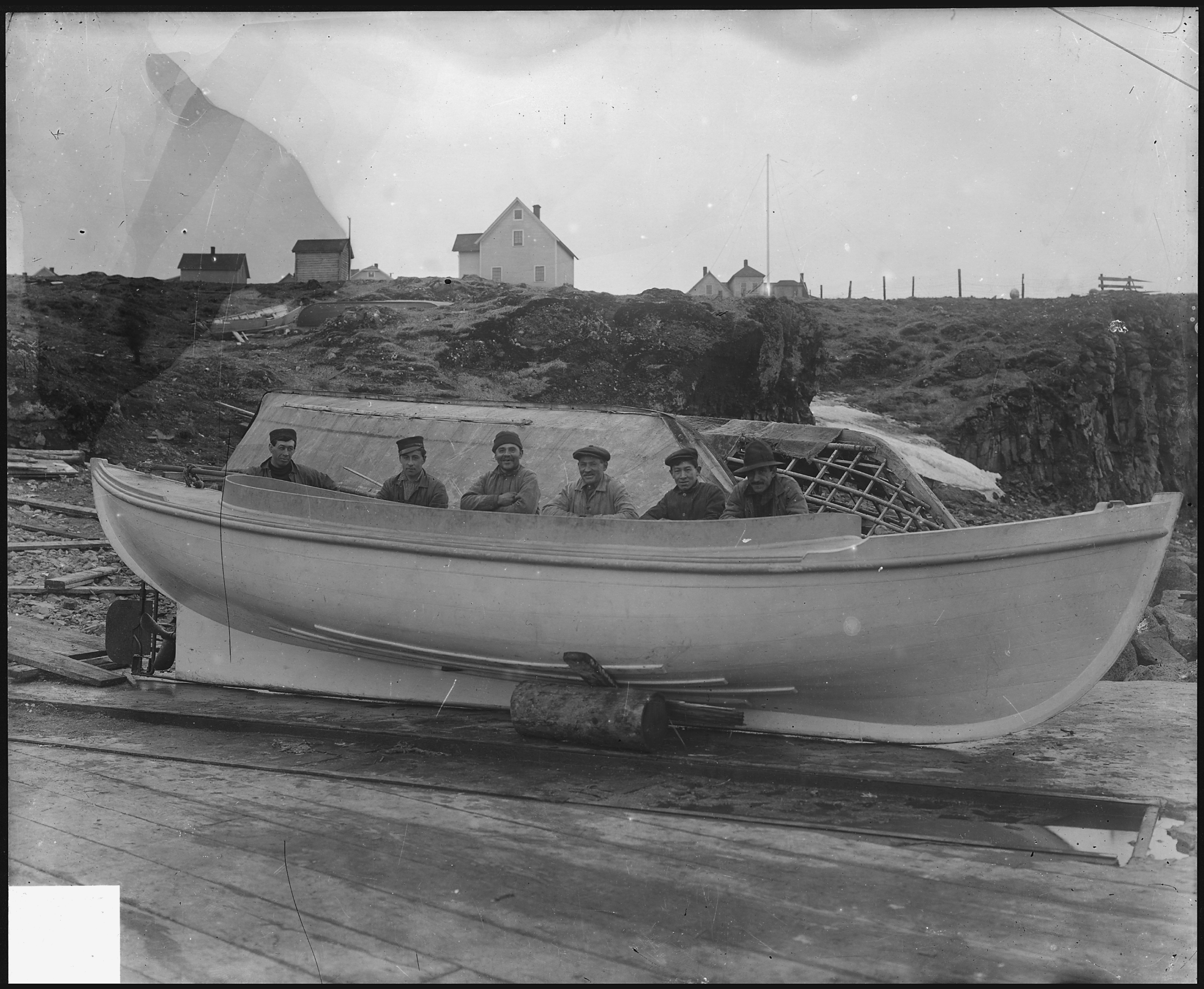
In 1960 a great many boats were built with no drawings at all. The builder carved a model of one side of the hull, took the shape off it, and drew it out full size on the floor of the shed.
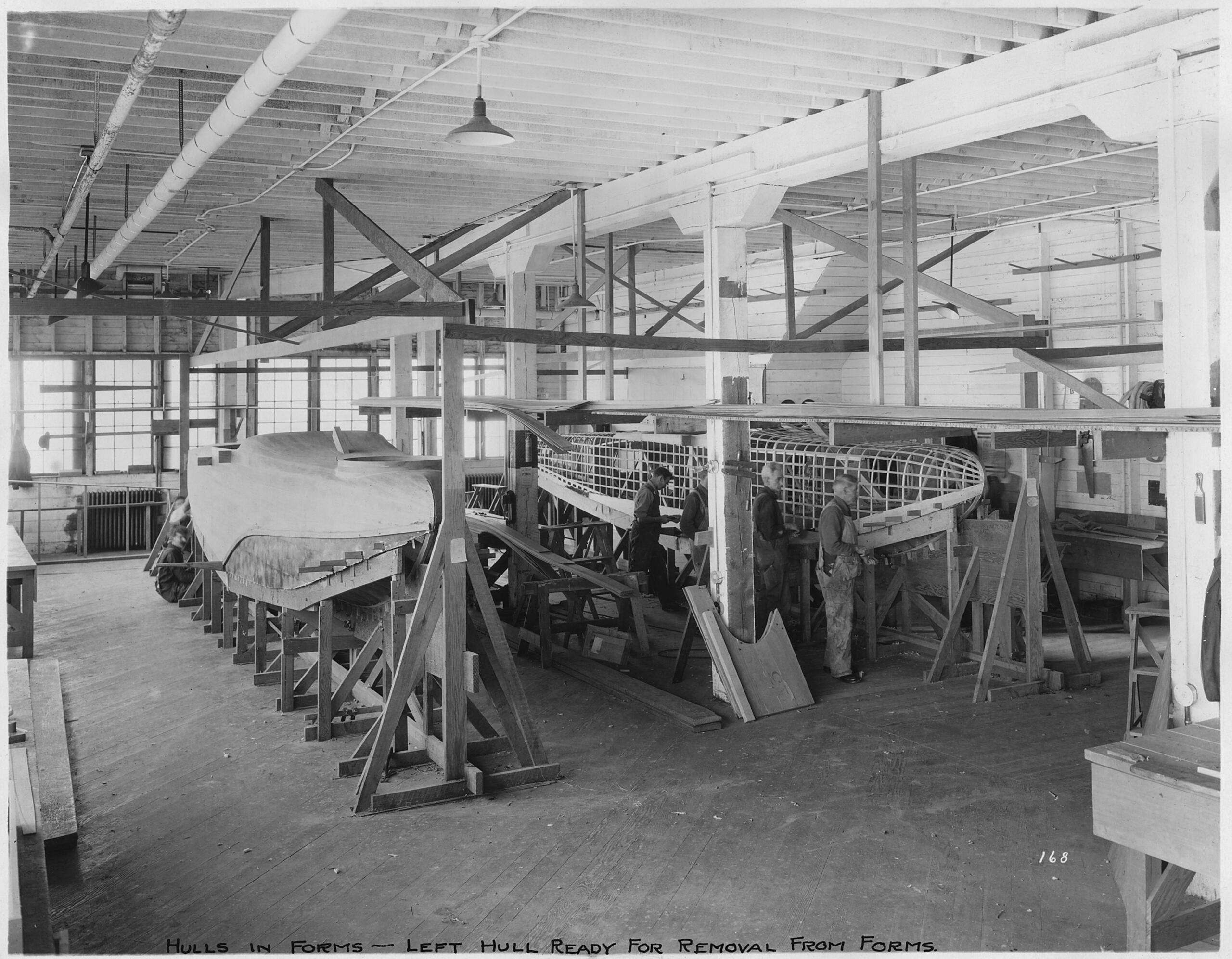
The frames were cut from pieces of timber whose grain already curved the right way. The planks were steamed until they could be bent and fastened before they cooled. The rivets were hammered over by two people working by feel through the planking. And the boat was not watertight when it was finished – it was put in the water and left to swell.
Here are sixteen things that were ordinary in a wooden boatyard in 1960, and what became of each one.
1. There Were No Drawings Worth the Name and the Shape Was in a Model
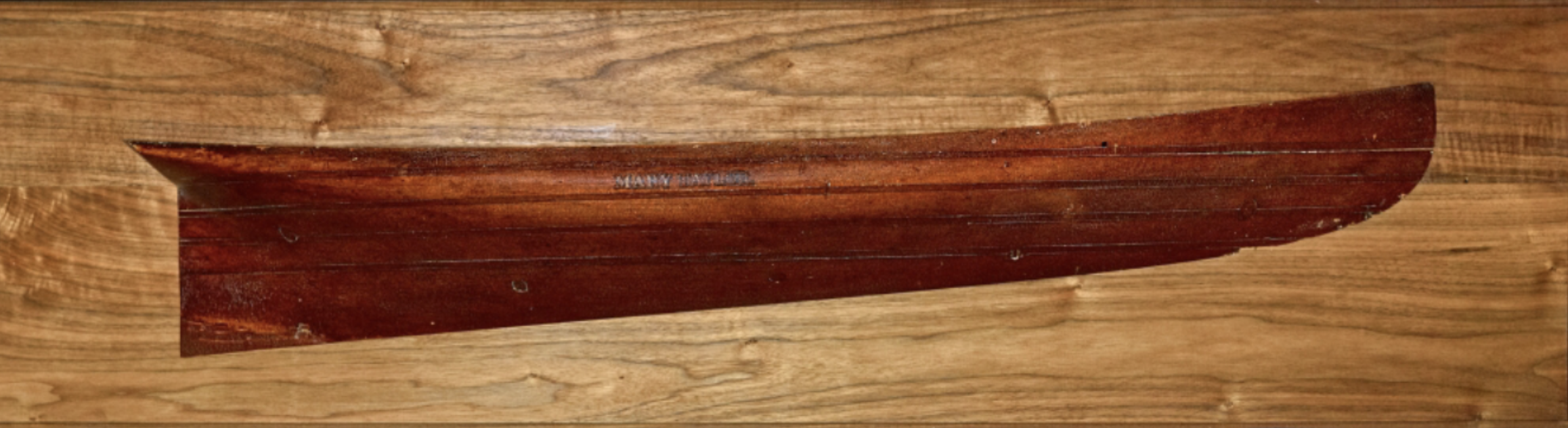
A great many working boats were built without drawings. The builder carved a half model – a wooden representation of one side of the hull – took the shape off it, and scaled it up on the floor.
Computer-aided design and digital lofting produce exact geometry before anything is cut. The half model was how a shape was recorded, discussed, sold and modified, and the models themselves survive in considerable numbers on the walls of boatyards and museums as the only drawing those vessels ever had.
Like our content? Follow us for more.
2. The Shape Was Drawn Out Full Size on the Floor
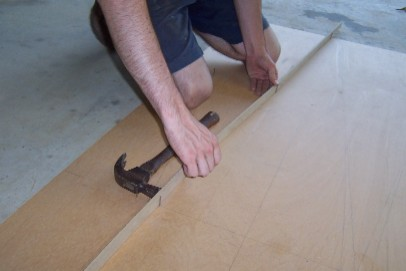
Lofting meant drawing the hull at full scale on a large floor, in three views, and resolving the discrepancies between them until every line was fair in all of them – a geometric exercise taking weeks before any timber was touched.
Software does it instantly and exactly. Lofting is the operation that makes a boat possible: a hull is a doubly curved surface described by lines that must agree with each other, and the loft floor was where the arithmetic was done with battens, weights and a pencil.
3. The Timber Was Selected Tree by Tree for Its Shape
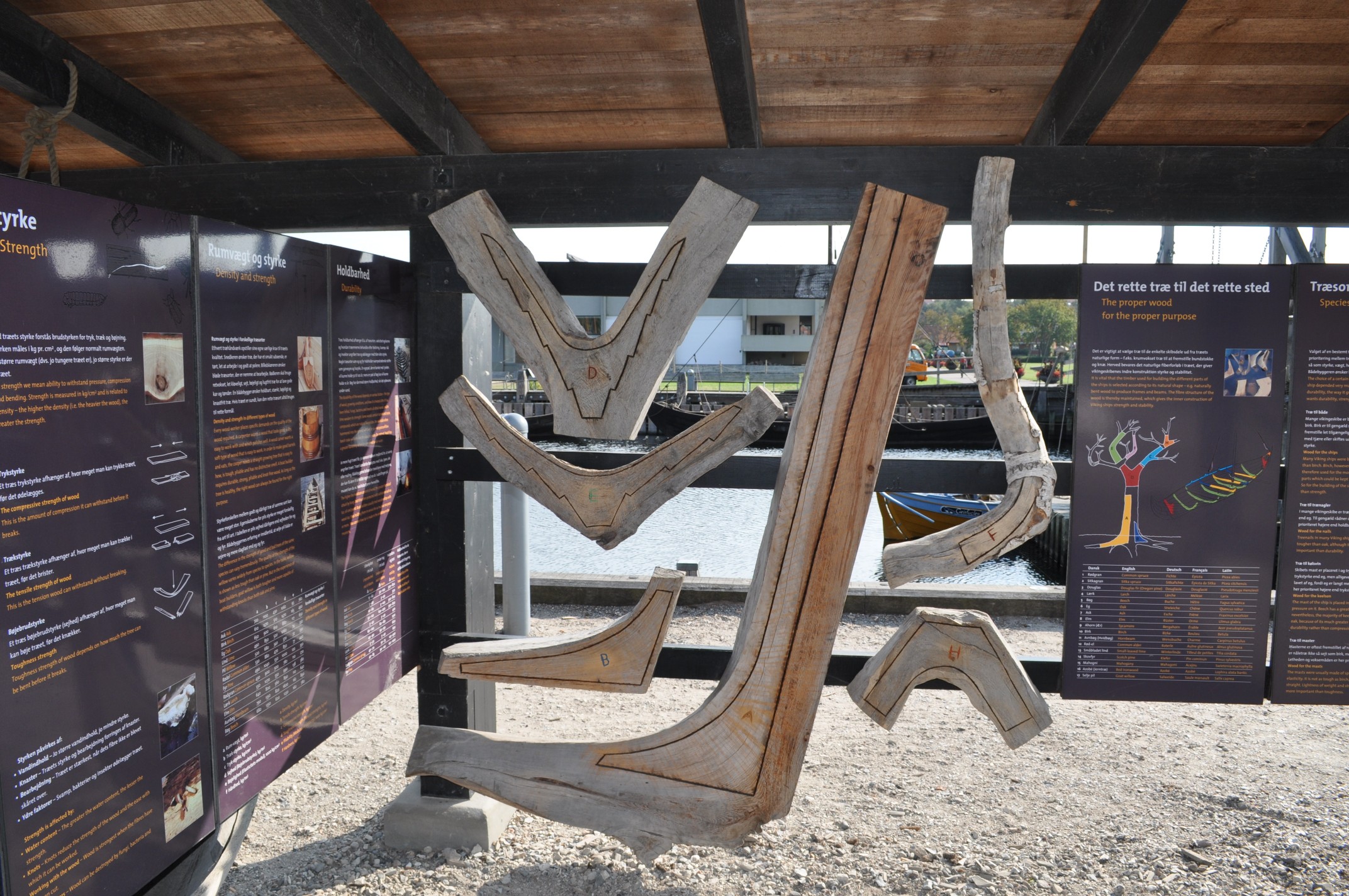
Frames, knees and stems were cut from pieces of timber whose natural grain already followed the curve required, because a curved component cut across the grain is weak and one that follows it is strong.
Laminated timber, steel, plywood and composites removed the dependence. The practice of selecting grown crooks – branches and roots curving the right way – meant a boatbuilder looked at standing trees as a catalogue of future components, which is a way of seeing a wood that essentially nobody now has.
4. The Planks Were Steamed and Bent On by Hand
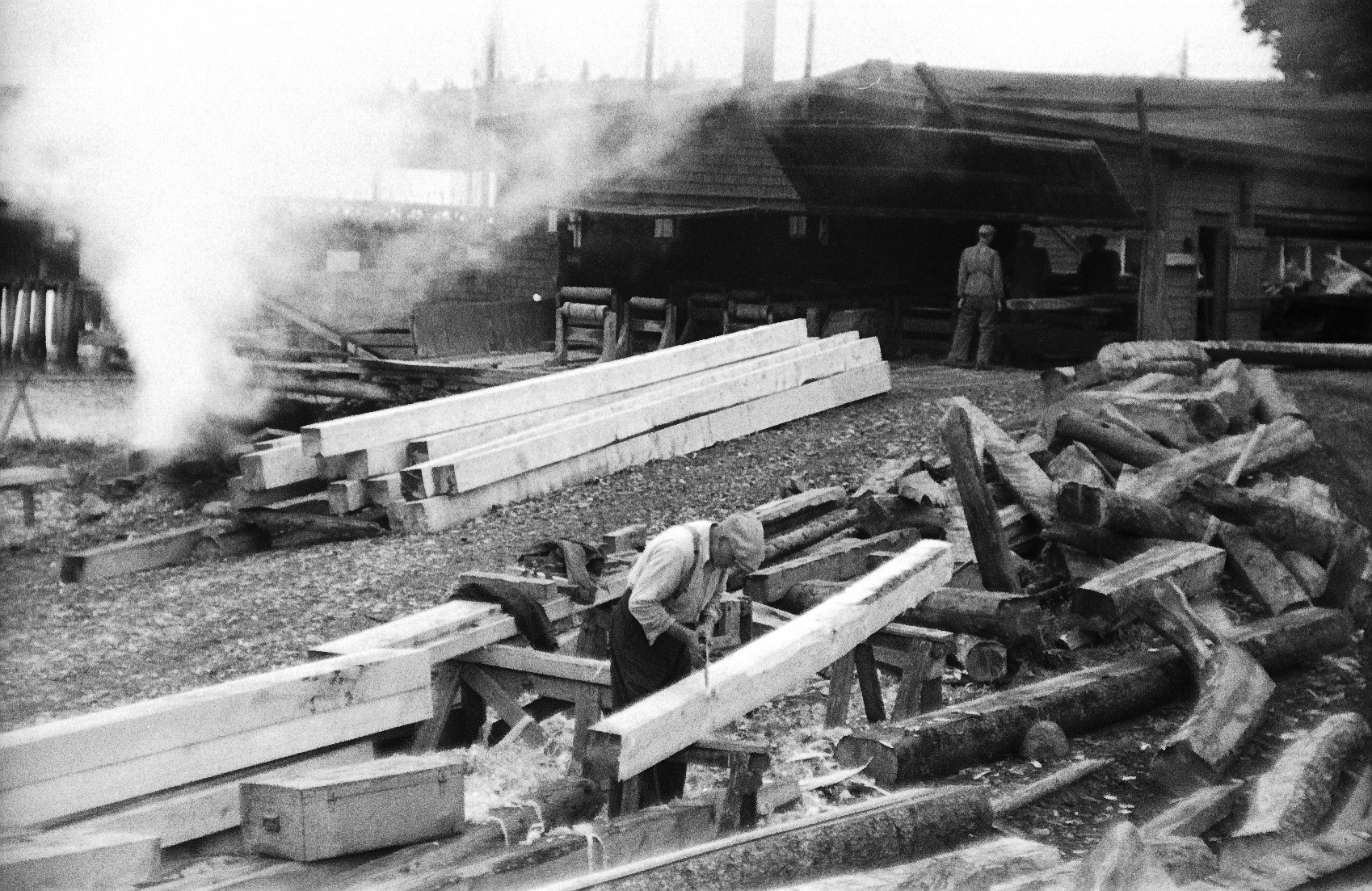
Planking meant heating timber in a steam box until it could be bent, then getting it onto the frames and fastened before it cooled – a job done at speed, by several people, with hot timber.
Cold-moulded, laminated and moulded construction removed the steam box for most building. The time pressure is the part people remember: a plank out of the box has a short working window, and everything has to be ready before it comes out.
5. Everything Was Fastened With Copper Rivets Hammered Over by Two People
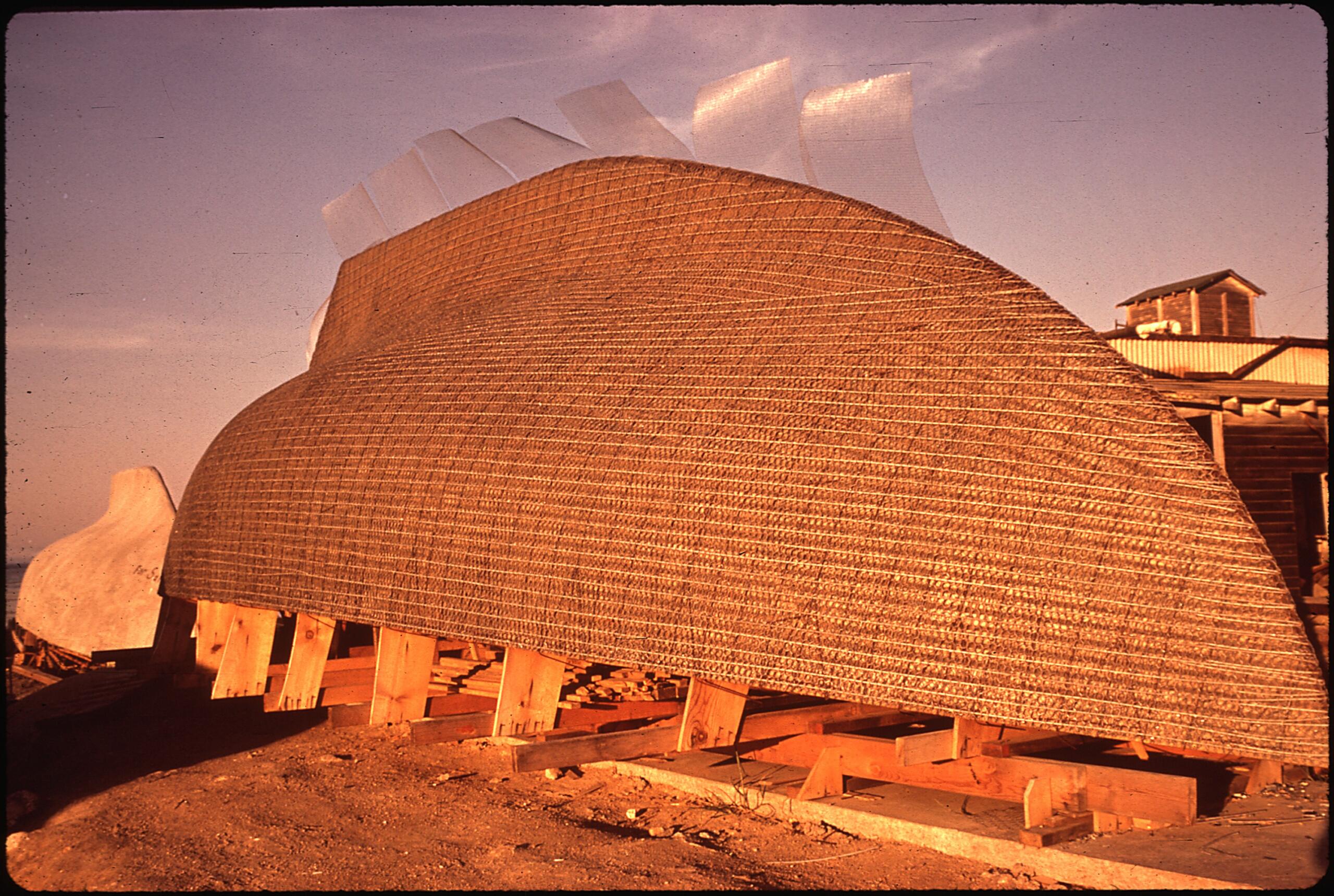
Clinker construction was fastened with copper nails driven through the overlapping planks, with a second person inside holding an iron against the head while the point was cut and hammered over a small washer.
Screws, bolts, adhesives and bonded construction have replaced riveting for most work. The two-person operation – one inside, one outside, working by feel and by sound through the planking – is the characteristic image of the trade and demanded an understanding between the pair that took time to build.
6. The Boat Was Made Watertight by Swelling Rather Than Sealing
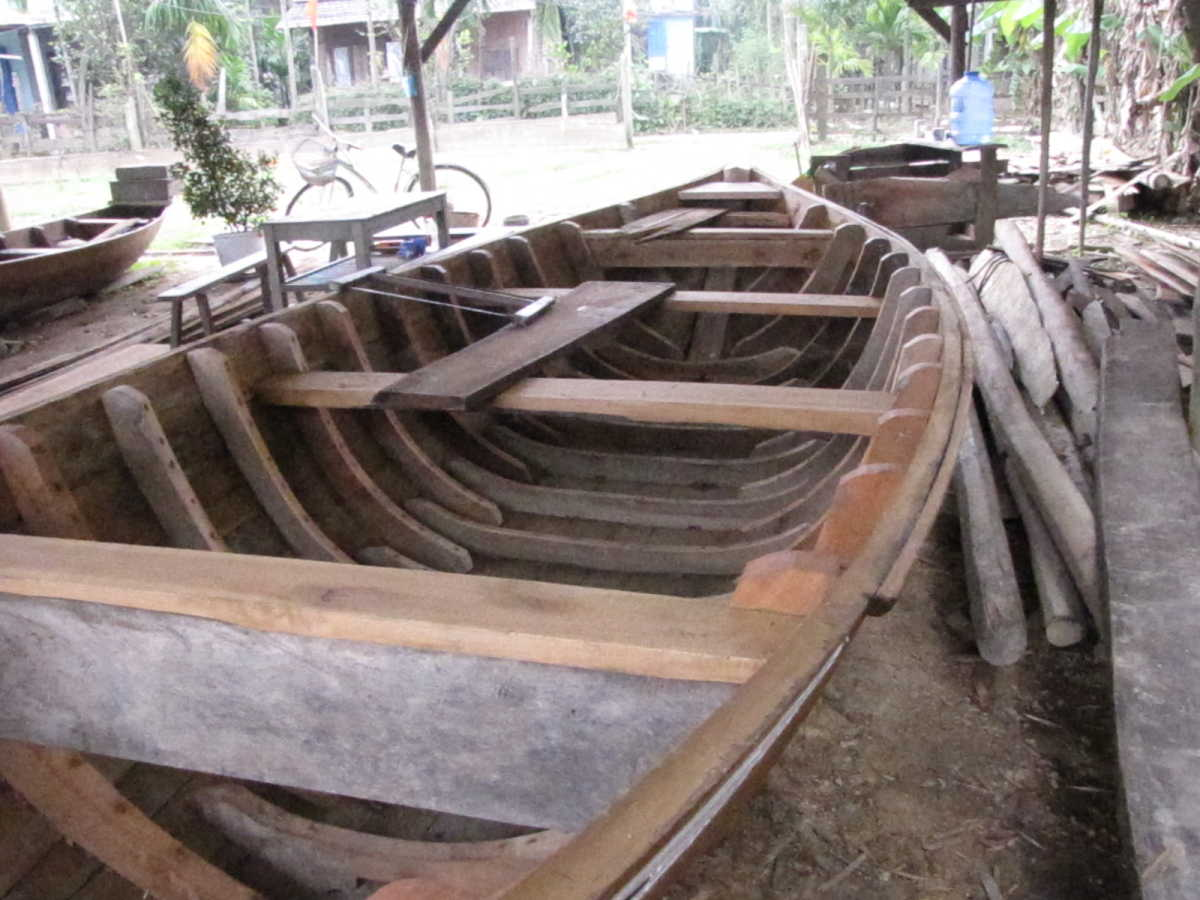
A traditional planked hull is not watertight when built. The seams are caulked, the boat is put in the water, the timber takes up moisture and swells, and the seams close.
Modern construction is watertight on completion. The old behaviour is genuinely counterintuitive and is the source of enormous confusion: a wooden boat that has been out of the water leaks when first relaunched, this is normal rather than a fault, and the practice of leaving a boat to take up is a standard part of the season.
7. The Caulking Was Driven In With a Mallet and a Set of Irons
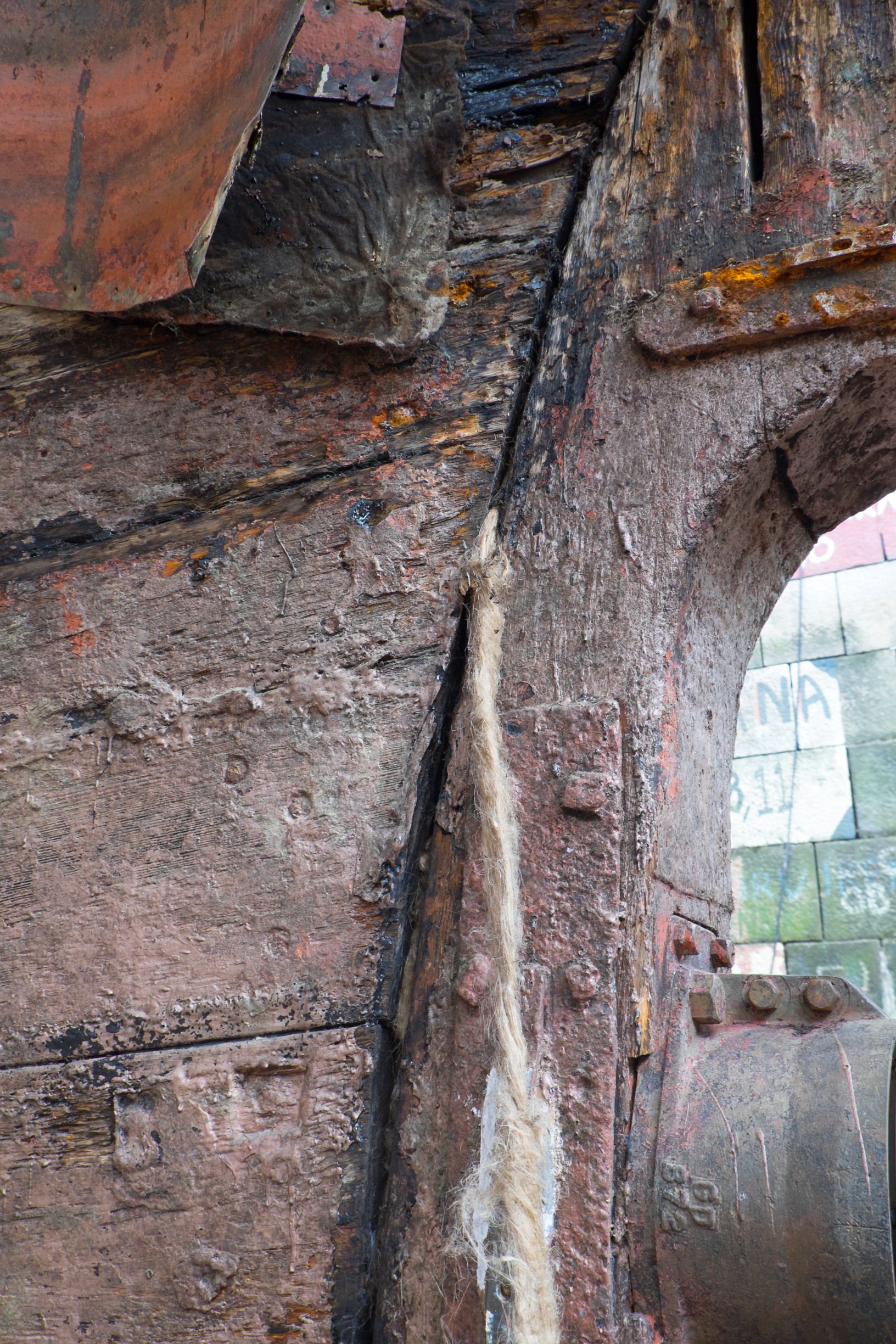
Cotton or oakum was driven into the seams between planks with specialised irons and a long-handled mallet, to a consistent tightness that the caulker judged by the sound of each blow.
Flexible sealants and different construction methods have largely replaced it. Caulking by ear is a real skill – too loose and the seam leaks, too tight and the planking is forced apart – and the caulker worked along the hull listening to the note of the mallet.
8. There Was No Power to Most of the Tools
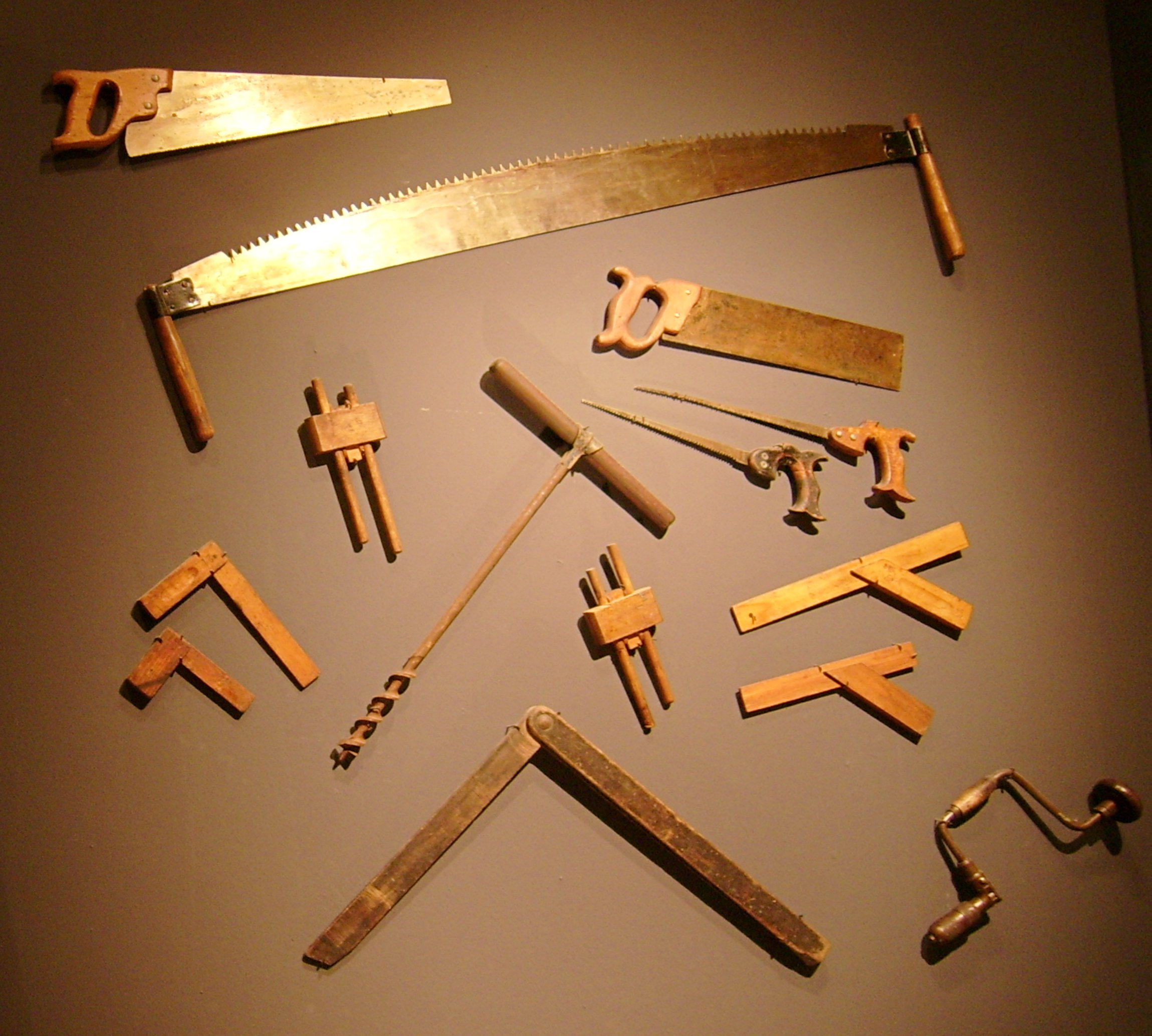
Adzes, planes, spokeshaves, augers and saws did most of the shaping, with a limited amount of machinery for sawing and planing stock.
Power tools, portable machinery and CNC cutting have transformed the labour. The hand tools were not sentiment – the shapes involved are compound curves that no machine of the period could produce, and the adze in particular removes timber in a controlled way along a curve that a plane cannot follow.
9. The Yard Worked to the Tide and to the Season
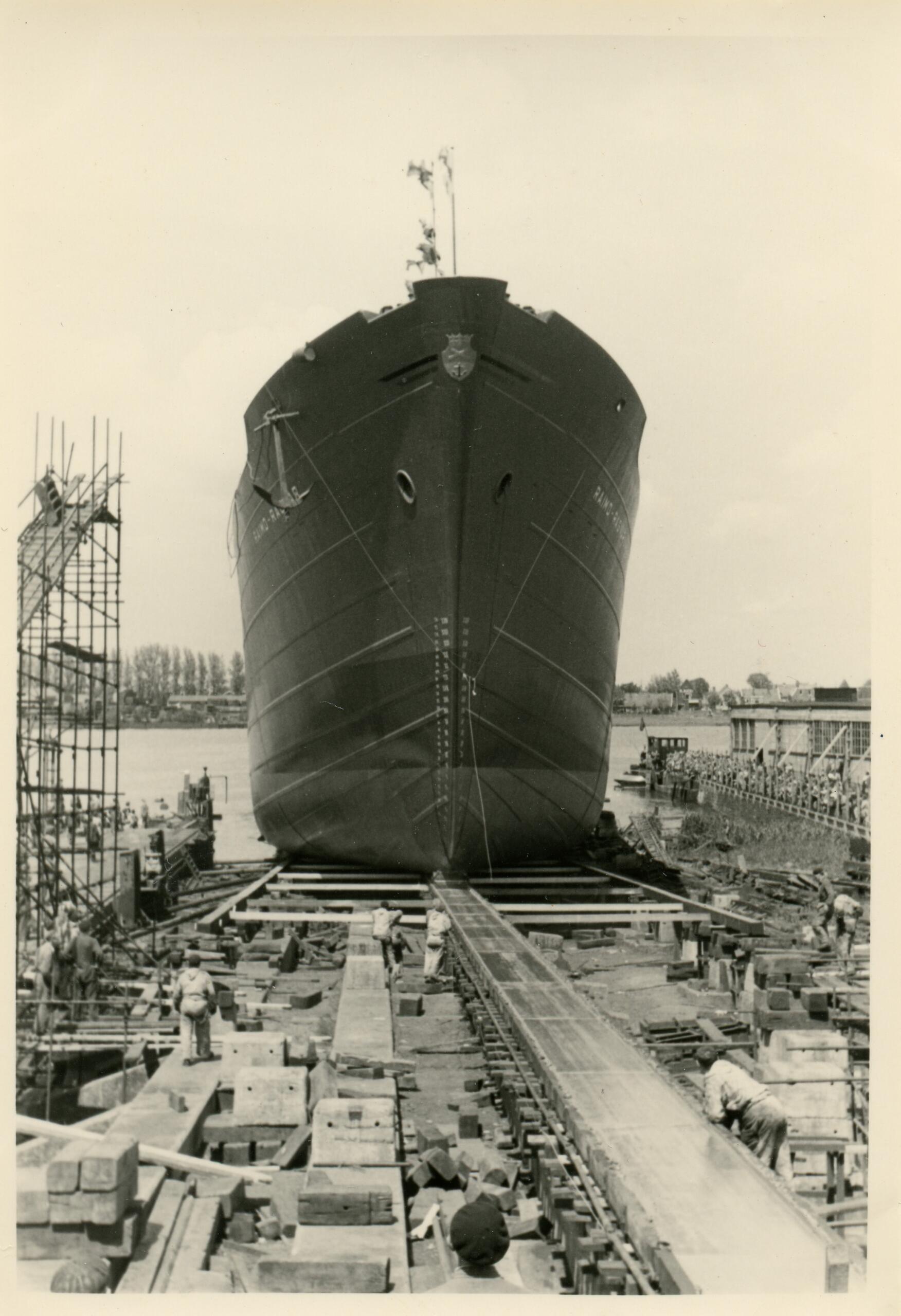
Launching depended on tides, laying up and fitting out were winter work, and the whole year was structured around when boats were in the water and when they were not.
Travel hoists, hardstanding and year-round operation have loosened it. The seasonal rhythm meant a yard had an annual cycle of building, launching, maintaining and laying up that structured the employment of everybody in it, and it is why so much boatyard work was done in cold weather.
10. The Men Were Expected to Work Anywhere in the Hull

Building and repairing a wooden hull means working in confined spaces, overhead, upside down, in the bilge and in the bow, in awkward positions, with hand tools.
Better access equipment, improved layouts and mechanical handling have helped, and the fundamental awkwardness of working inside a boat has not changed at all. It remains one of the few building tasks where the structure being built is also the space you have to fit into.
11. The Dust and the Preservatives Were Not Considered
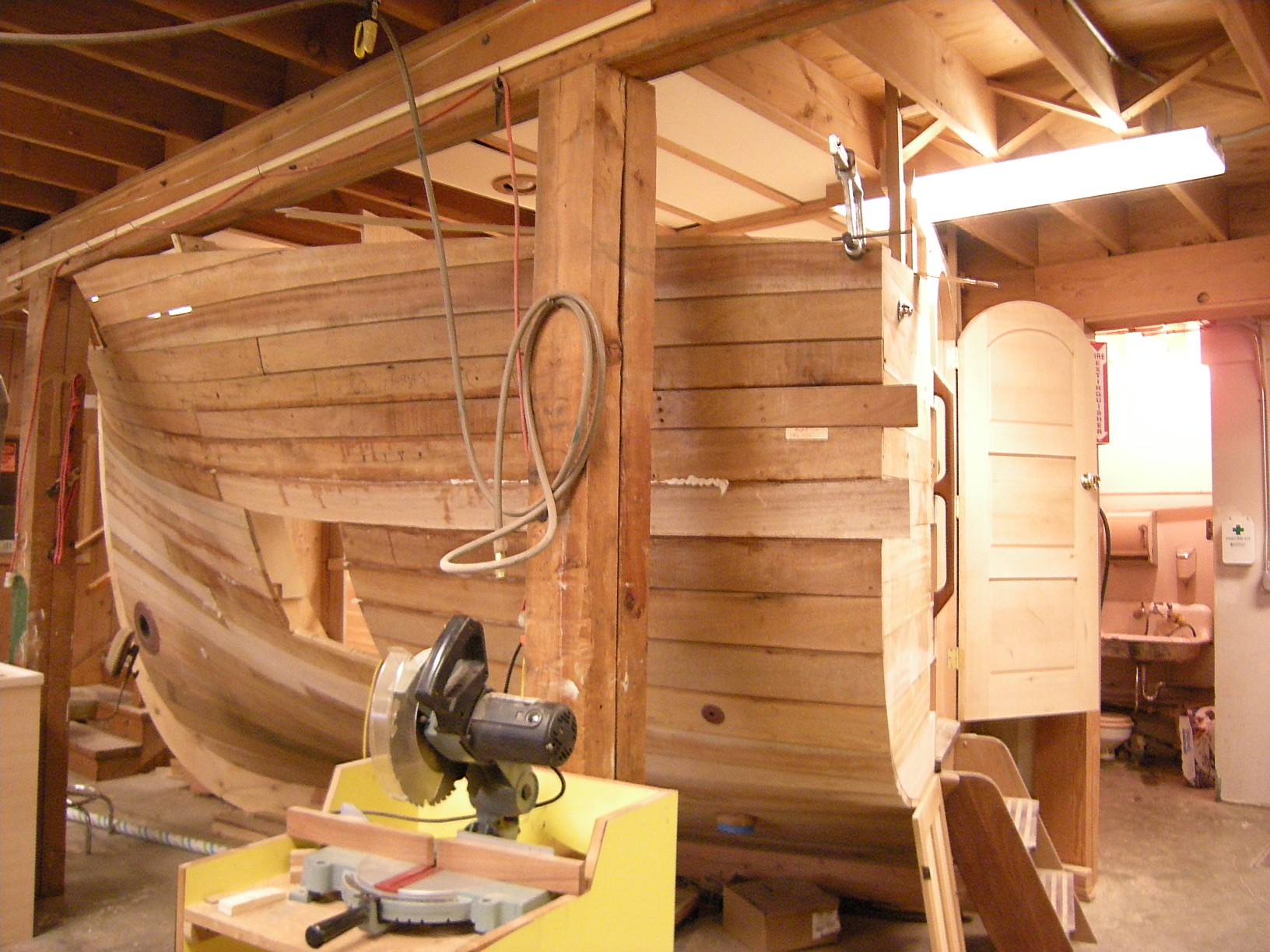
Sawing, sanding and planing hardwoods produced dust continuously, and the preservatives, antifouling paints and treatments in use contained substances later found to be considerably more harmful than anybody had assumed.
Extraction, respiratory protection, substitution and the prohibition of several formerly standard marine treatments have changed it substantially. Stated as occupational history only. Anybody with that work history should raise it with their own doctor rather than with an article.
12. Fibreglass Arrived and Nobody in the Yard Took It Seriously
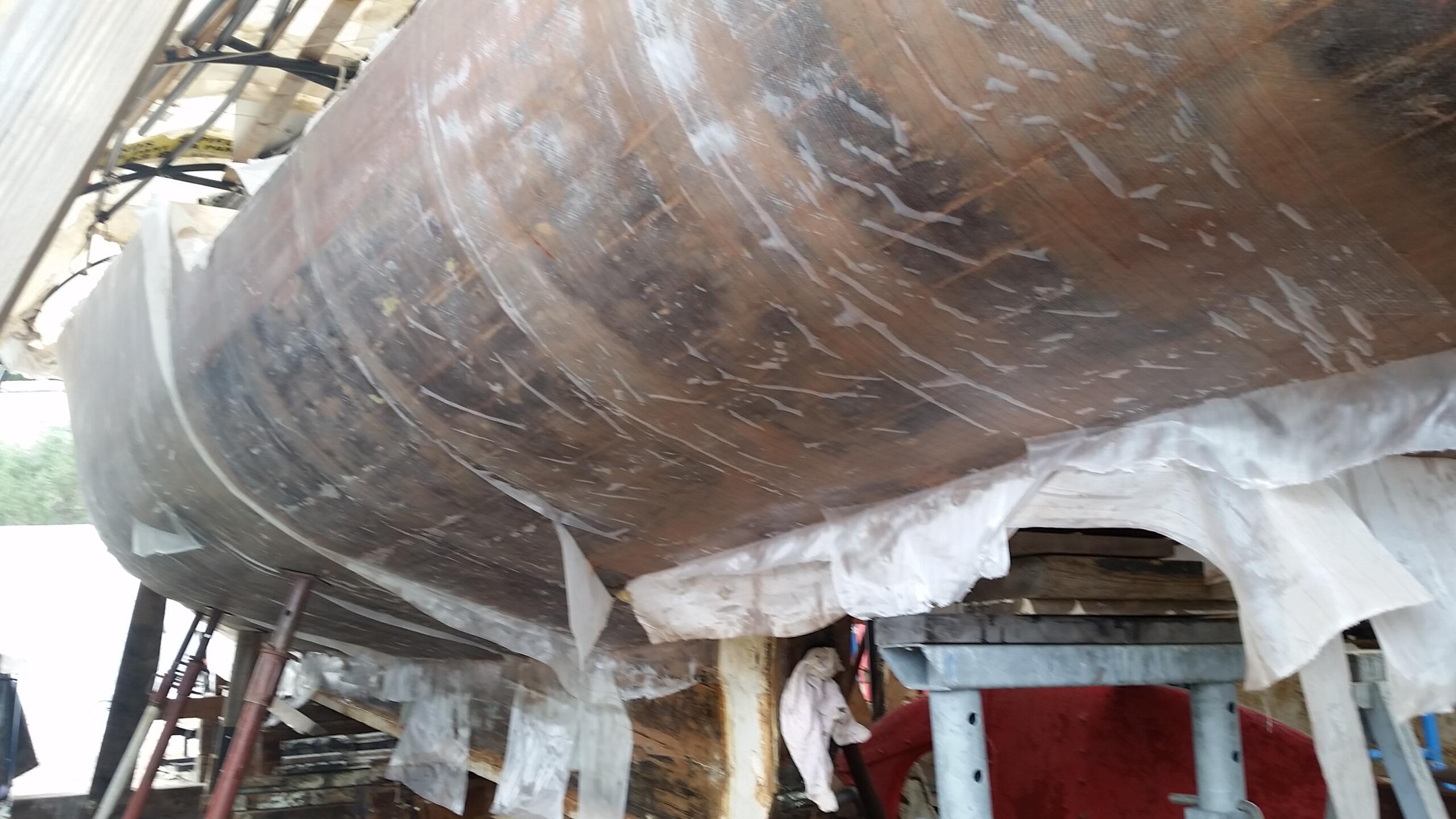
Moulded glass-reinforced plastic hulls appeared and were widely dismissed in the trade as inferior – cold, noisy, impossible to repair properly, and not a real boat.
They took the market almost completely within about fifteen years. The technical criticisms were partly fair and entirely beside the point: a moulded hull came out of a mould in a day, needed no seasonal taking up, did not rot, and required no skilled labour to replicate once the mould existed, which beat every argument the trade could make.
13. The Repair Trade Outlived the Building Trade
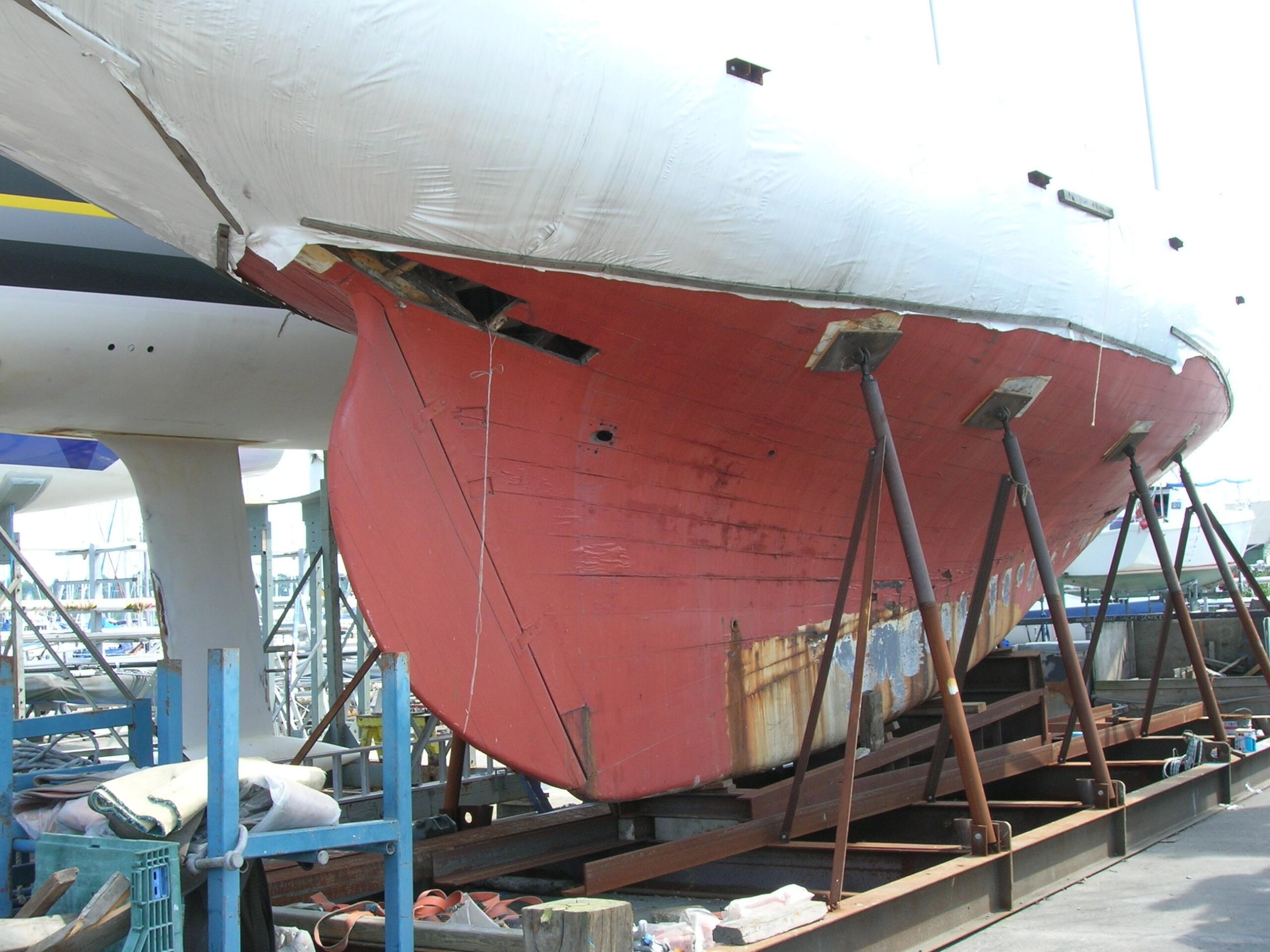
As new wooden boats stopped being ordered, the yards shifted to maintaining and repairing the ones already afloat.
Which is where a great deal of the surviving trade still is. Repair is harder than building – a new boat is built to the shape you choose, while a repair must match what is there, in a structure that has moved over decades – and the irony is that the skill now in demand is the more difficult one.
14. Nobody Thought the Boats Would Still Be Here
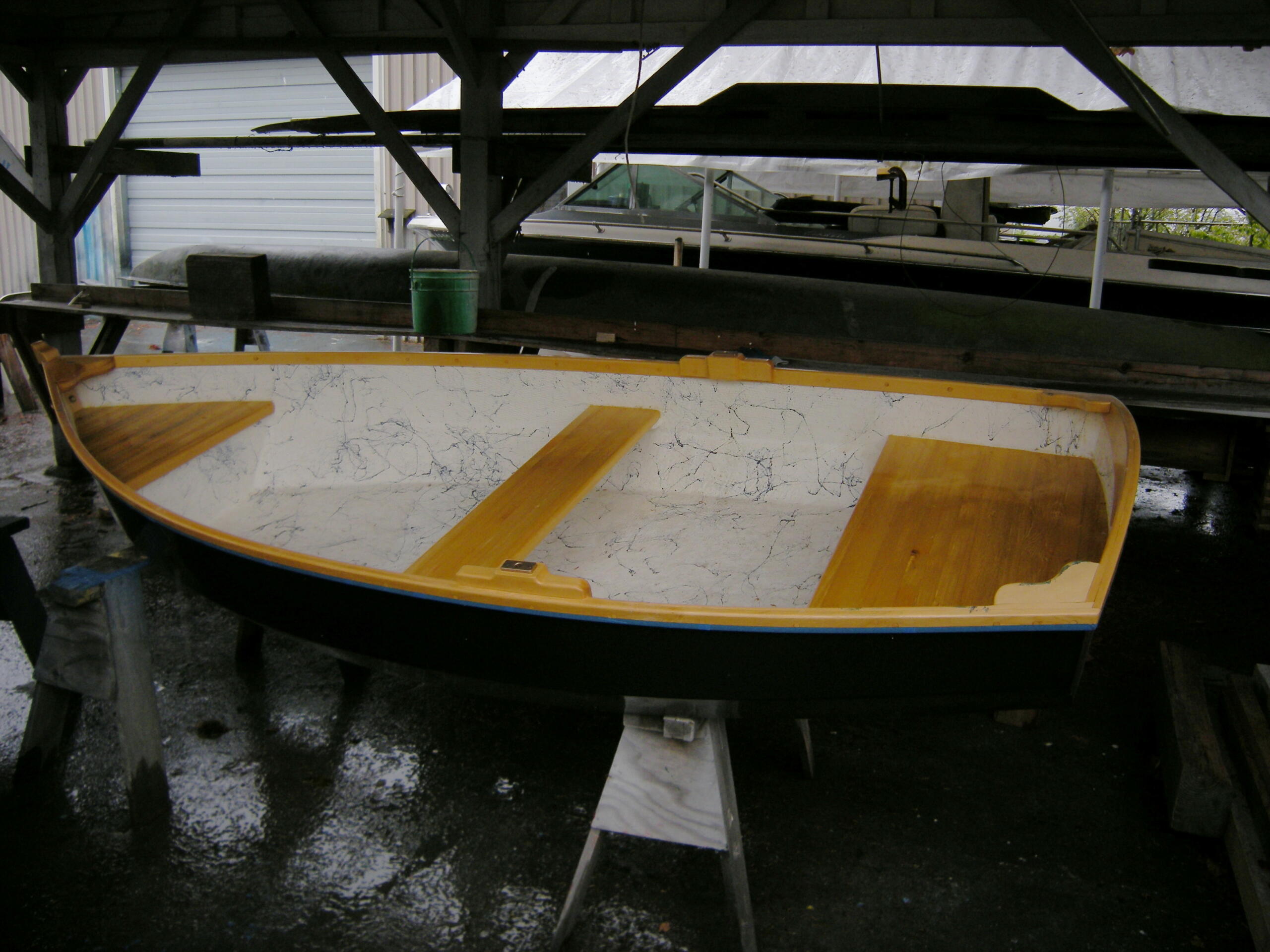
Wooden working boats were tools. They were built to earn, used hard, and expected to be worked out and replaced.
Enormous numbers survive because people took them on, and a substantial part of the surviving trade exists to keep them going. A working boat from this period is now frequently a cherished object maintained at a cost its original owner would have found incomprehensible, doing nothing commercial at all.
15. The Skills Were Nearly Lost and Were Deliberately Rescued
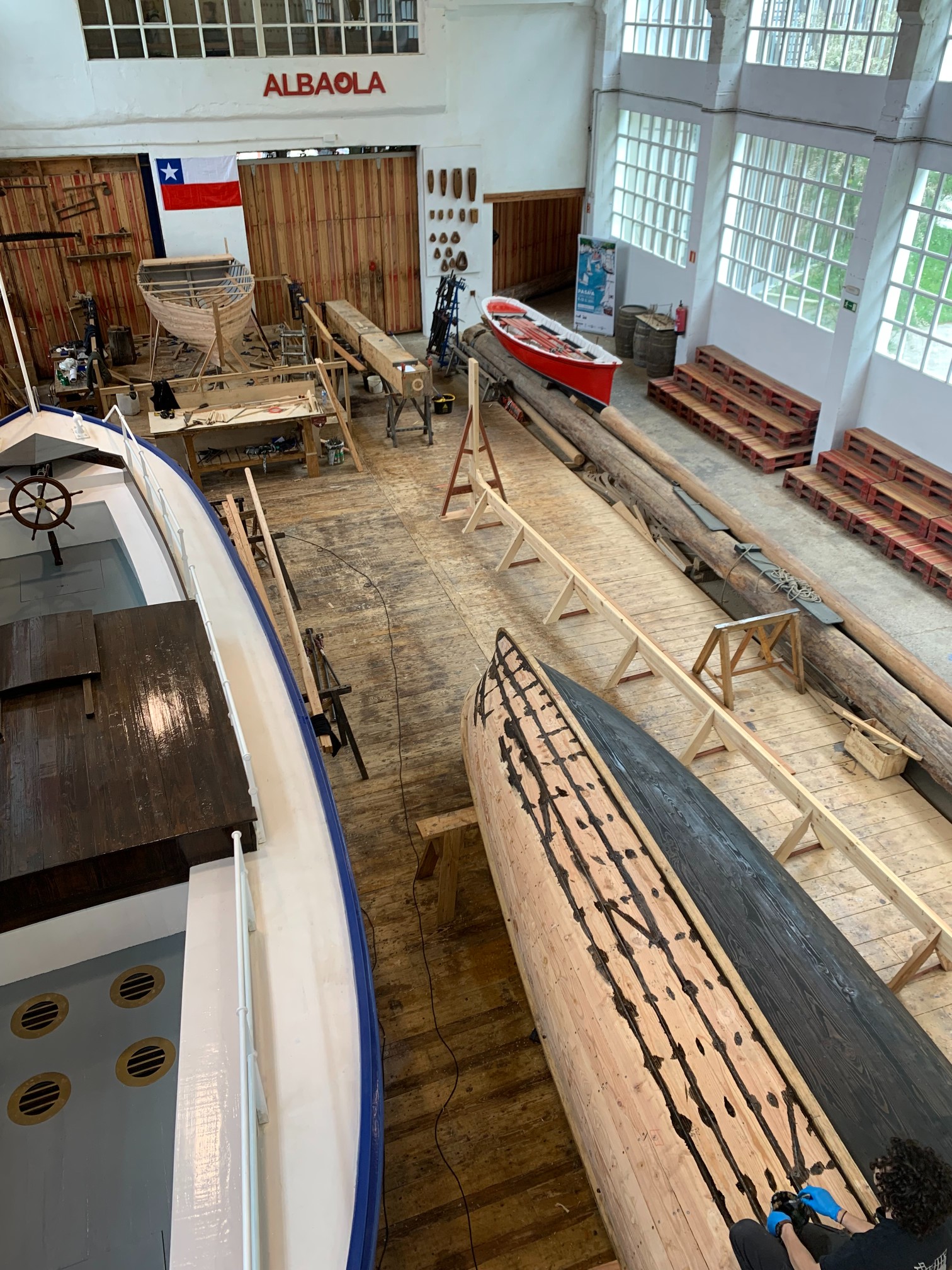
By the time the trade had contracted, the number of people who could loft, steam, plank and caulk properly had fallen very low, with no apprentices.
Dedicated training programmes, heritage boatbuilding schools and deliberate apprenticeships have maintained it, and the skill base is small, real and continuous. It is the same narrow escape as the record pressing plants, the maltings and the glove cutters – a trade reduced to a handful of practitioners, with a window of about a decade, saved because somebody noticed in time.
16. The Half Model Is Still on the Wall
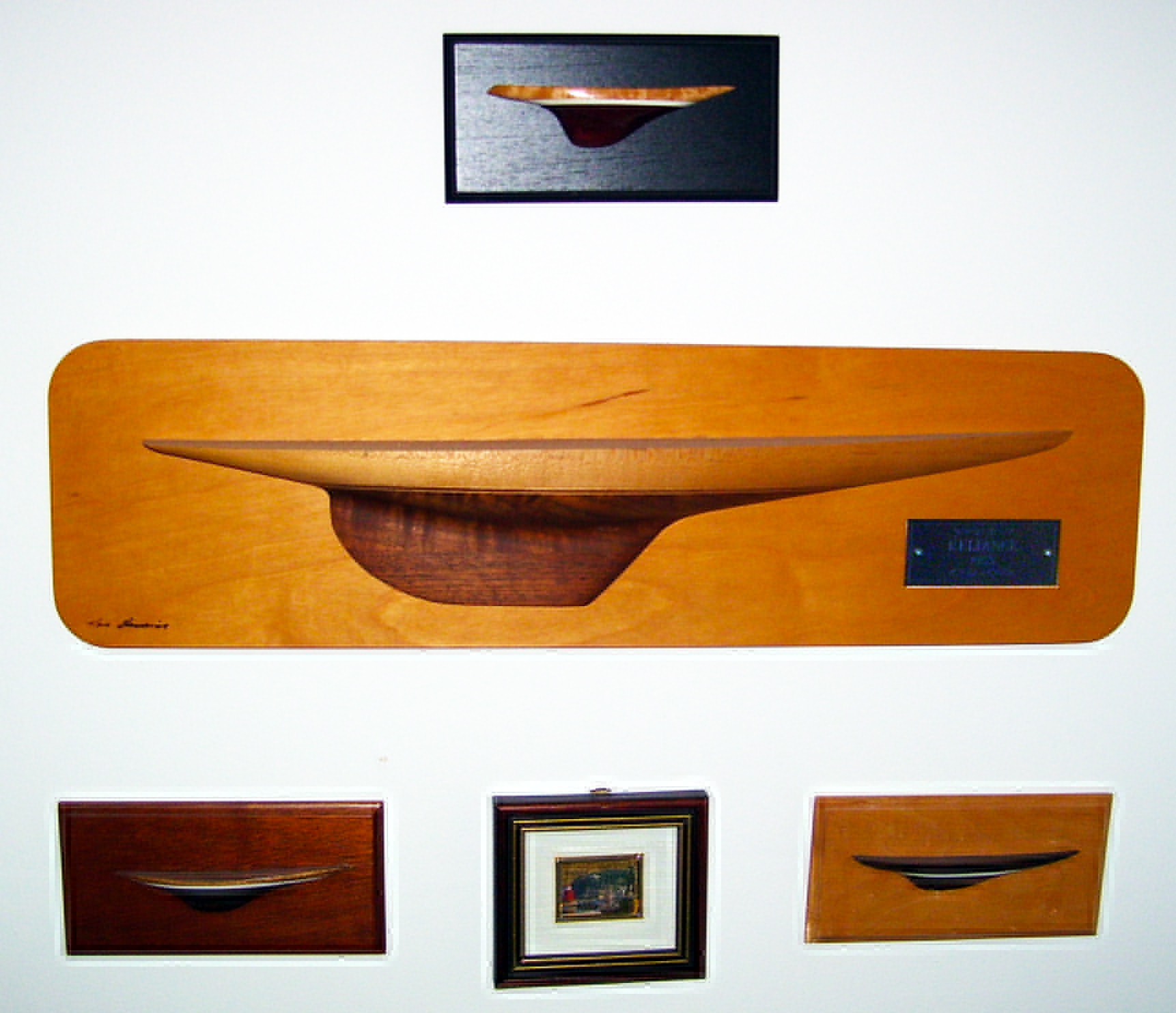
The carved half hull that was the original design record frequently stayed in the yard office, and in many cases is still there.
They have become the emblem of the trade, hung in yards, pubs, museums and houses, and most people seeing one assume it is a decorative ornament of a boat. It is the opposite: it is the drawing. The boat was made from it, rather than it being made from the boat, and the shape of a vessel that may still be afloat somewhere was taken off that piece of wood with a pair of dividers.
The Mould Beat the Craft and the Argument Was Never About Quality
The trade’s response to fibreglass is worth examining because the criticisms were largely correct and lost anyway.
Boatbuilders said a moulded hull was cold, noisy, drummy, difficult to repair properly, and that nobody knew how long it would last. Several of those were fair at the time, and the early ones did have problems that took the new industry a while to resolve.
What the trade missed was that none of it was the competition.
A wooden boat required a lofting floor, selected timber seasoned for years, a steam box, a skilled crew, and months of work, and every one was slightly different because it was made by people. Reproducing it meant doing the whole thing again.
A moulded hull required a mould. Making the first one was expensive and slow and needed the same skills, because the plug had to be shaped by somebody who knew what a hull was. After that, every hull came out identical, in a day, laid up by workers who could be trained in weeks.
That is not a better boat. It is a completely different manufacturing proposition, and it moved boat ownership from something that required either money or your own labour to something a person could simply buy.
The trade was arguing about the product while the contest was about reproduction, which is why its arguments had no effect at all.
And the postscript is the interesting part: the wooden boats have mostly outlasted the early moulded ones, repair of them is a living trade, and the thing the builders said about longevity turned out to have something in it after all – about fifty years too late to be any use to them.
If you worked in a yard you will know whether you were inside holding the iron or outside with the hammer.
And if there is a half model on a wall somewhere in your family, that is not an ornament – it is a drawing.
Like our content? Follow us for more.