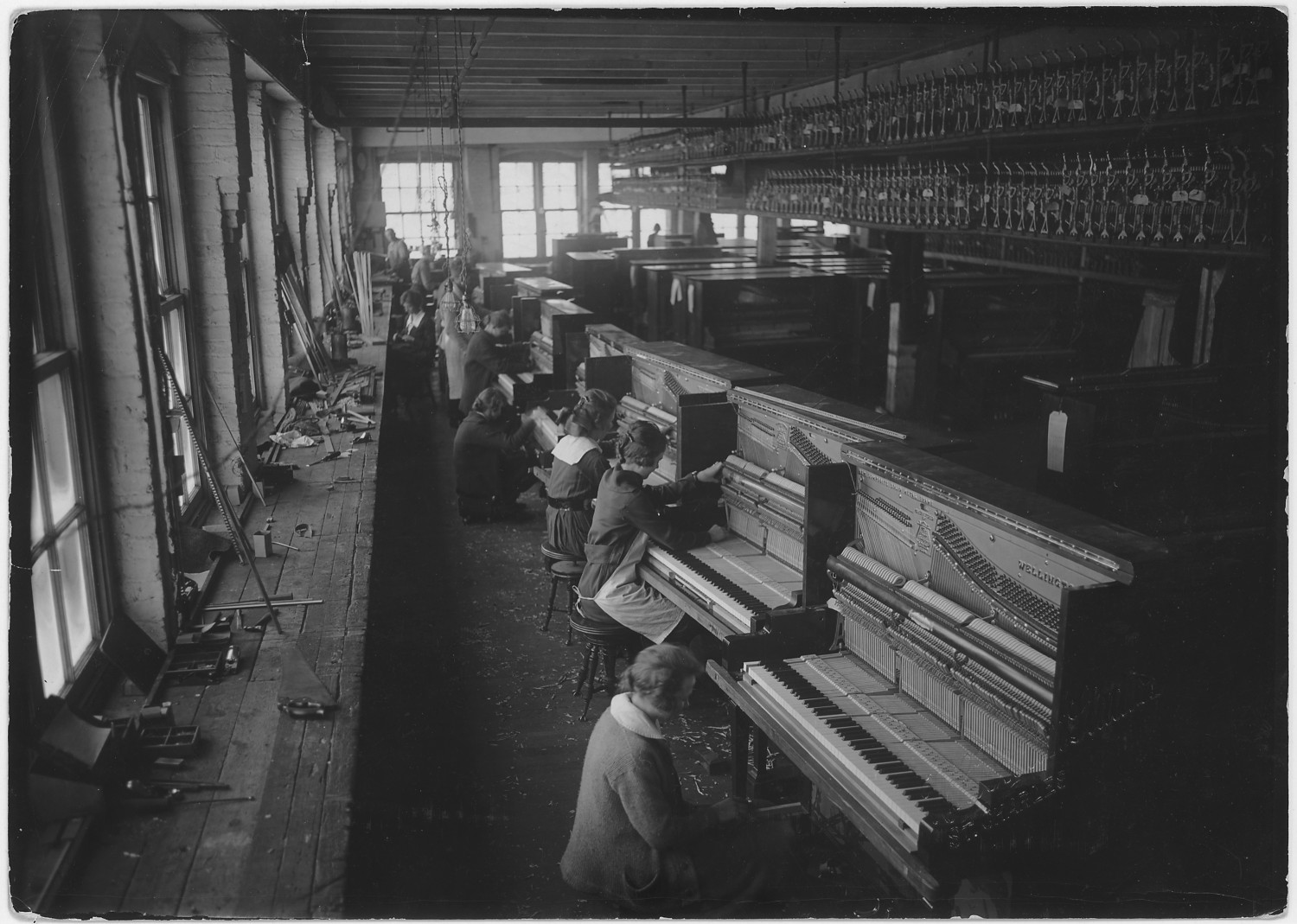
In 1960 a piano was built around a single iron casting holding many tonnes of string tension, with a curved spruce soundboard kept permanently under load, strings wound and fitted by hand, and a mechanism of thousands of parts adjusted so that eighty-eight independent actions would respond identically.
The hammers were voiced by pricking the felt with needles and listening. The case was made by cabinet makers in the same building. And essentially every household that could afford one had one.
Here are twelve things that were ordinary in a piano factory in 1960, and what became of each one.
1. The Frame Was Cast Iron Because Nothing Else Would Hold It
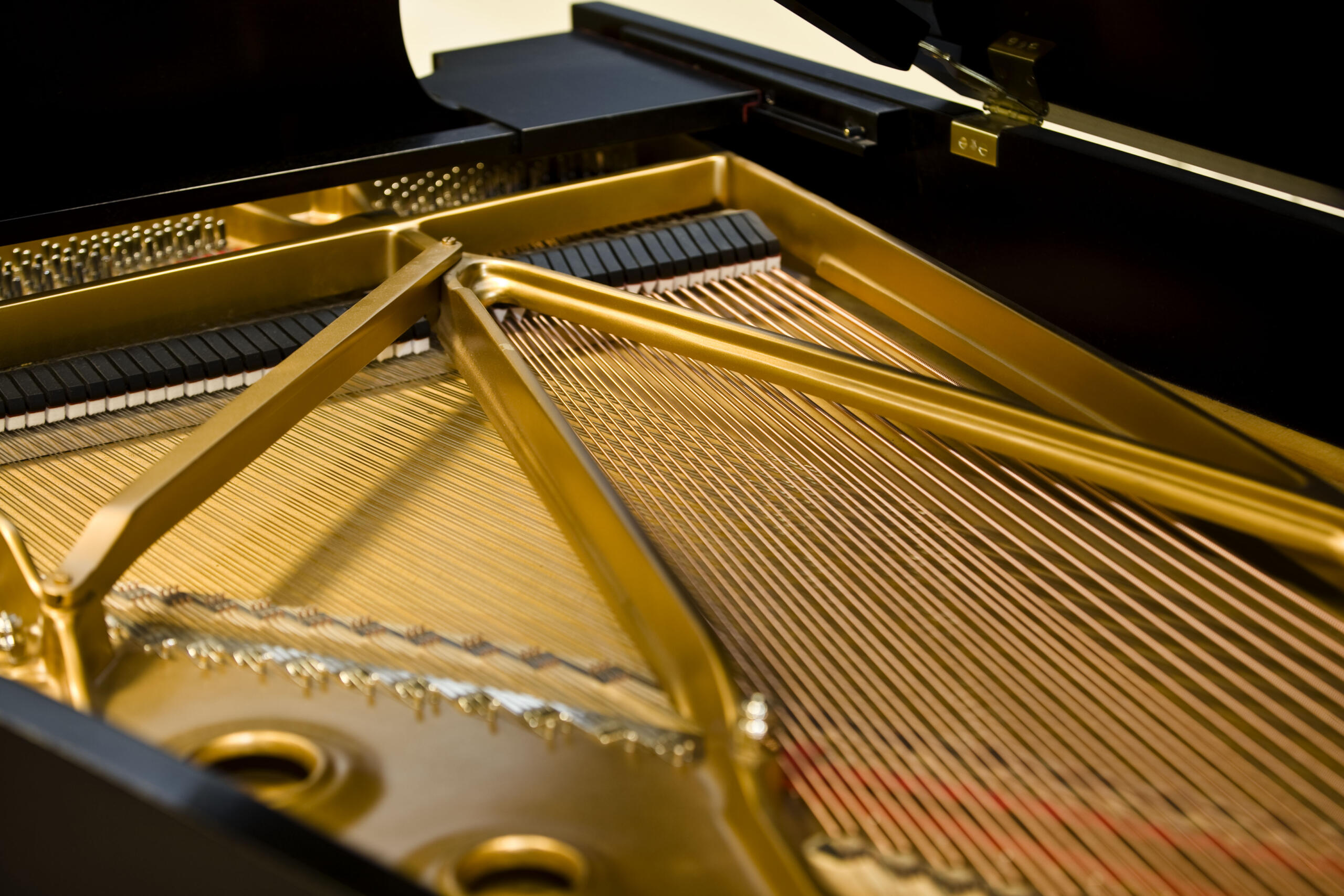
The strings in a piano pull against the frame with a combined tension of many tonnes, continuously, for the life of the instrument. The frame is a single iron casting, made in a foundry, because it has to resist that load without moving.
Still cast iron, now with better casting control and machining. The tension figure is the fact that reframes the whole object: a piano is not a piece of furniture with wires in it, it is a structure under enormous permanent load with a keyboard attached, and everything about how it is built follows from that.
Like our content? Follow us for more.
2. The Soundboard Was Made of Spruce and Was Deliberately Curved
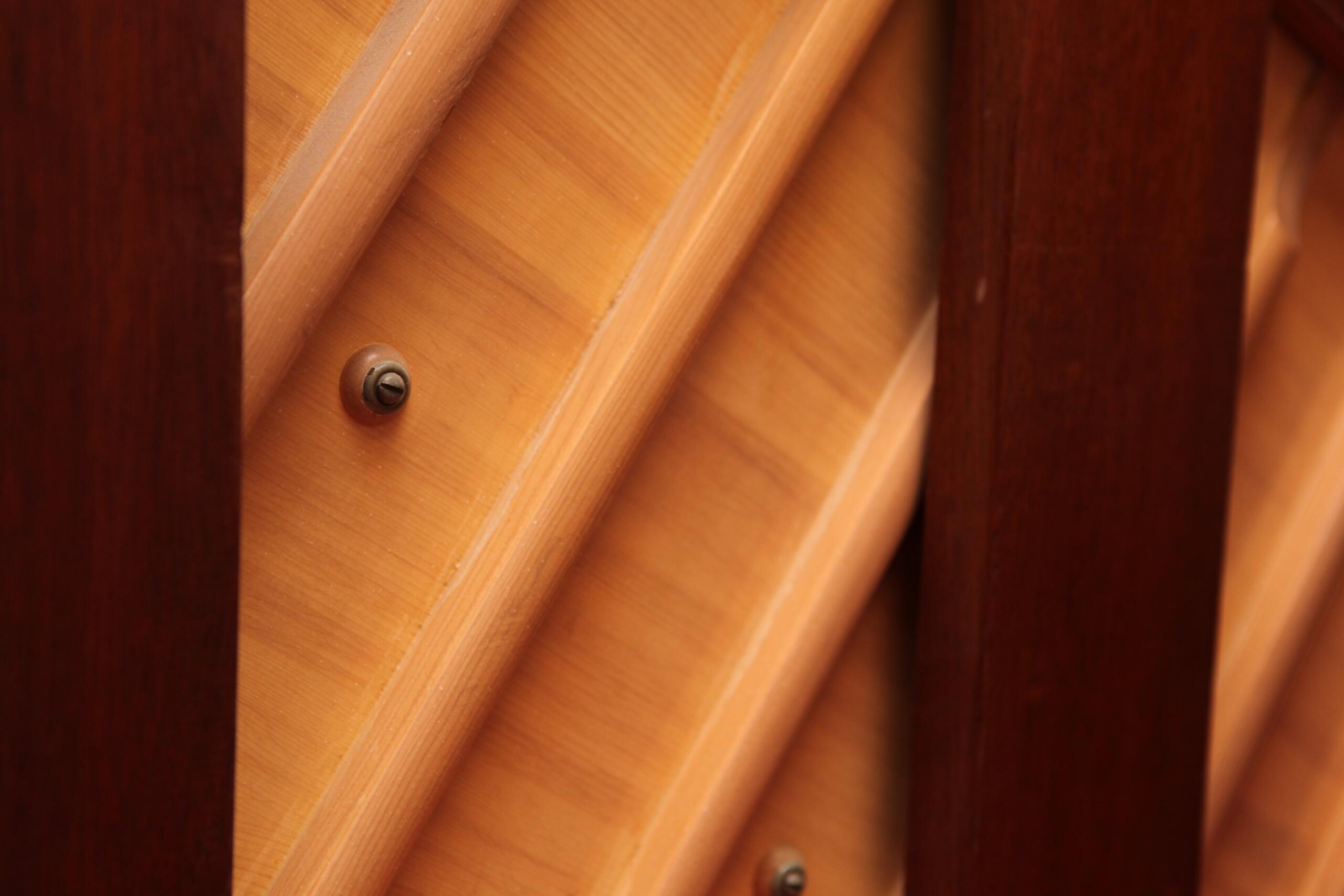
The soundboard is a thin panel of close-grained spruce, built with a slight crown rather than flat, and the strings press down on it through the bridge so that it is permanently loaded against that curve.
Unchanged for quality instruments, with laminated boards used at lower price points. The crown is what keeps the board under compression and responsive – a flat or collapsed soundboard produces a dull instrument, and the gradual loss of crown over decades is the main reason an old piano sounds tired.
3. Every String Was Wound, Cut and Fitted by Hand
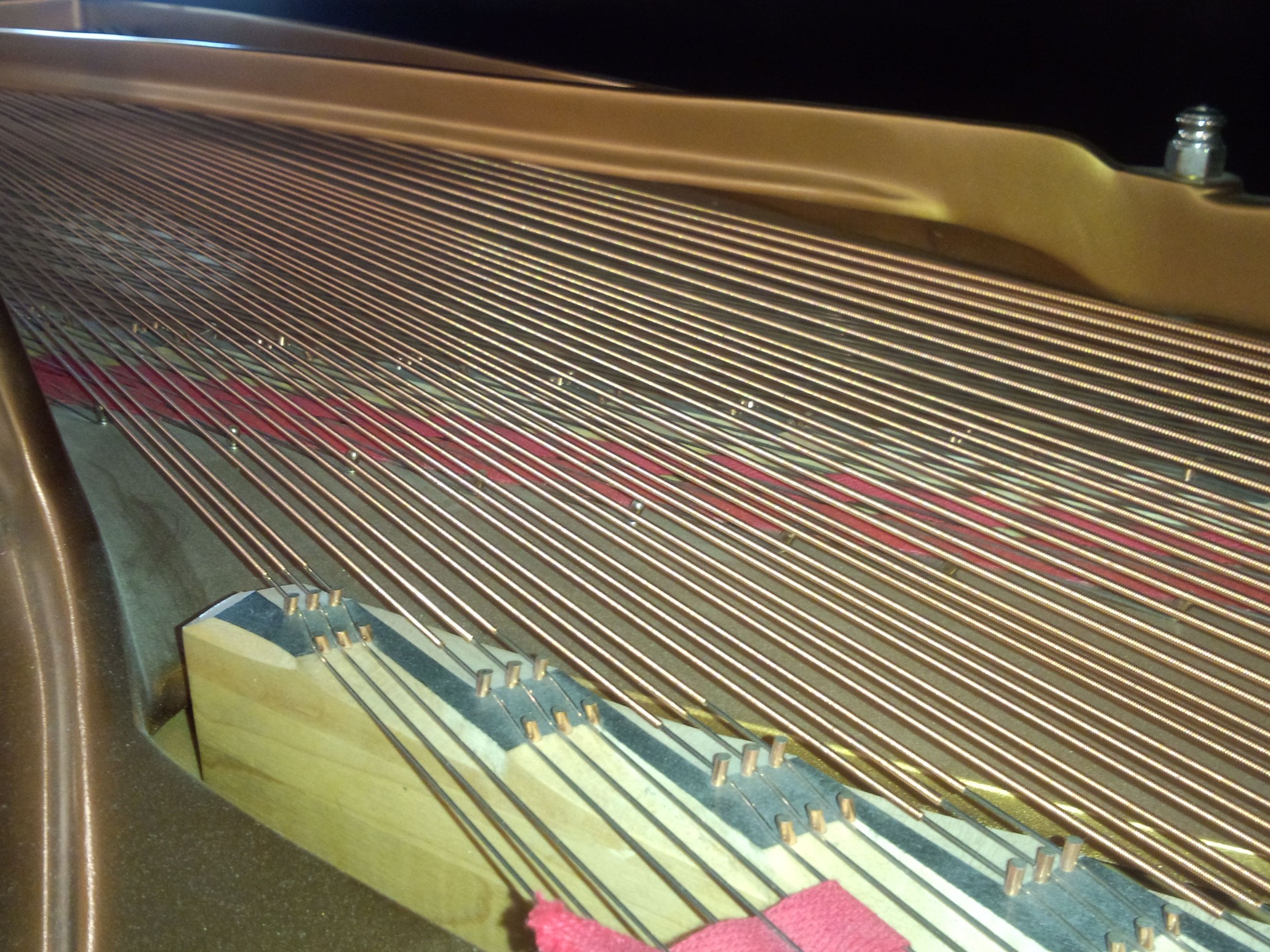
The bass strings are copper wound over a steel core, wound individually to a calculated specification, and every string in the instrument was cut, threaded, hitched and brought up to tension by hand.
Still substantially hand work on quality instruments. Bass string winding in particular is a specialist job, because the mass per unit length determines the pitch and the tone, and a replacement string for an old piano has to be made to measure for that instrument rather than taken off a shelf.
4. The Action Was Thousands of Separate Parts Fitted Individually
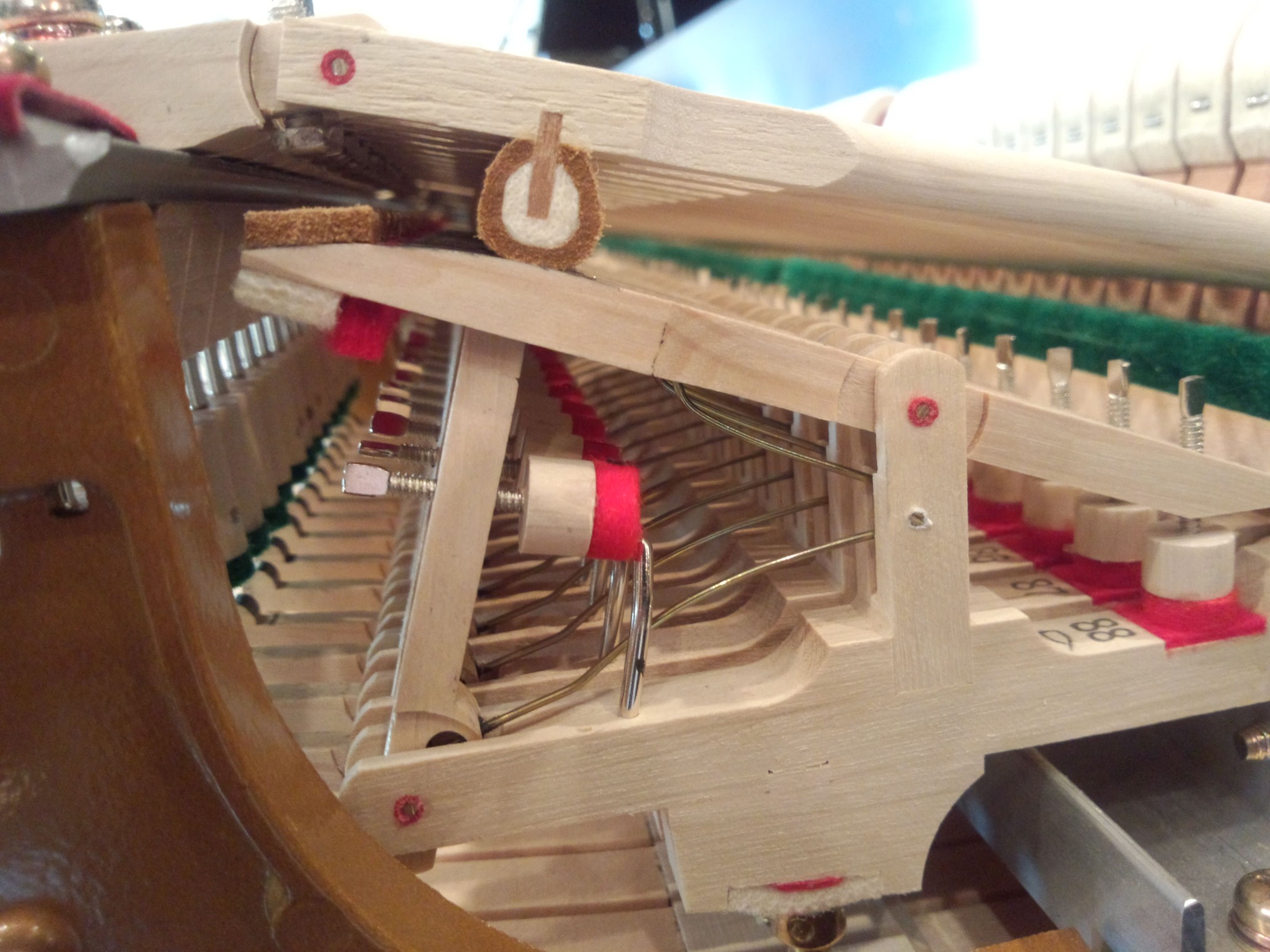
The mechanism connecting a key to a hammer involves a sequence of levers, springs, pivots and felts, repeated eighty-eight times, with each one adjusted individually so that all of them respond identically.
Manufacturing tolerances have improved enormously and regulation of the action is still skilled hand work. The requirement is unusual: not that each unit performs well, but that eighty-eight independent mechanisms perform identically, because a player feels the inconsistency immediately even when no single note is faulty.
5. The Felt Was Voiced With Needles
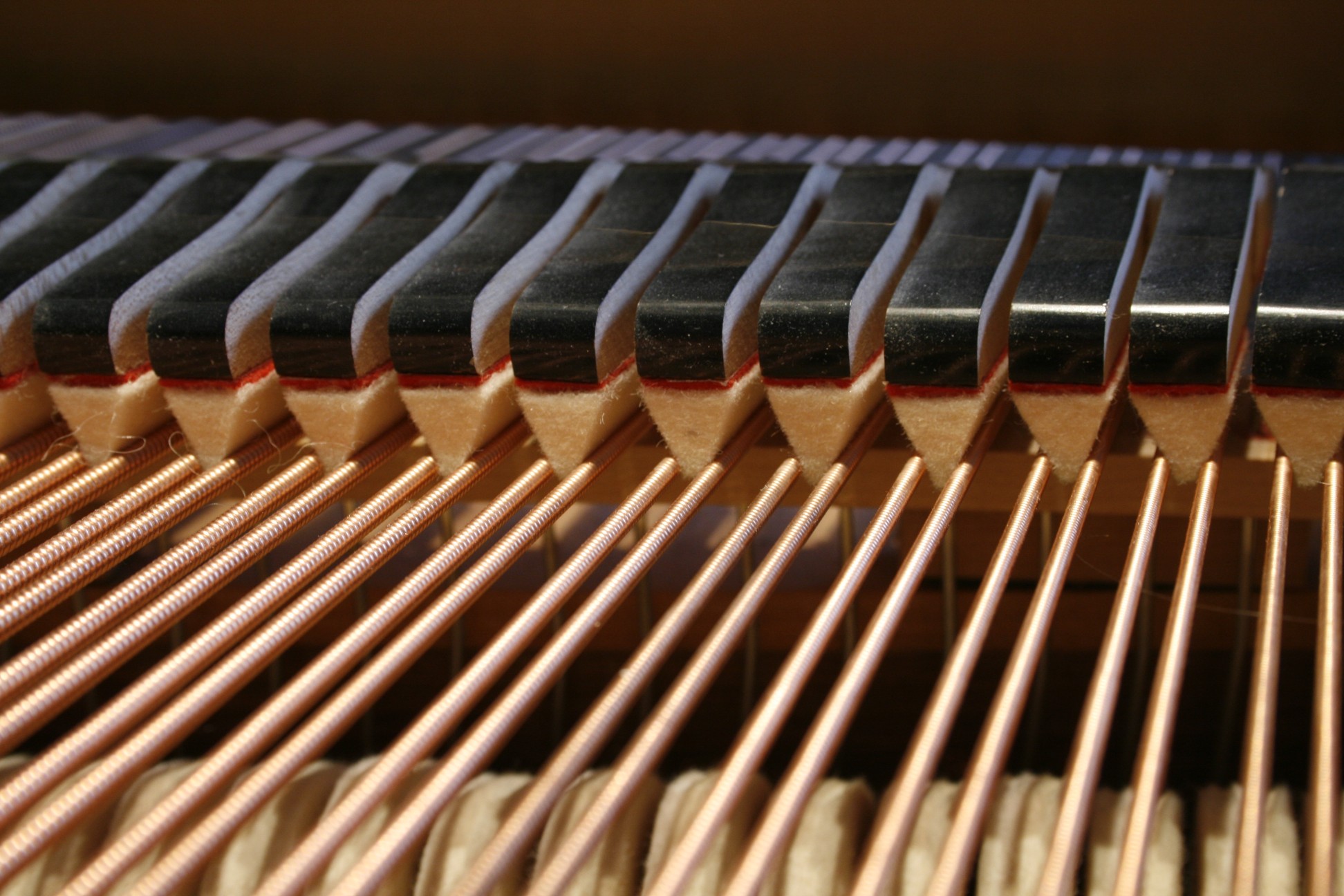
Hammer felt determines tone, and a voicer adjusted it by pricking the felt with needles to soften it or hardening it with lacquer, note by note, listening after each adjustment.
Still done exactly this way. Voicing is the least mechanical operation in the whole build – the adjustment is made by ear, the change is irreversible in the softening direction, and two instruments identical in every measurable respect can sound different because of it.
6. The Case Was Made by Cabinet Makers in the Same Building
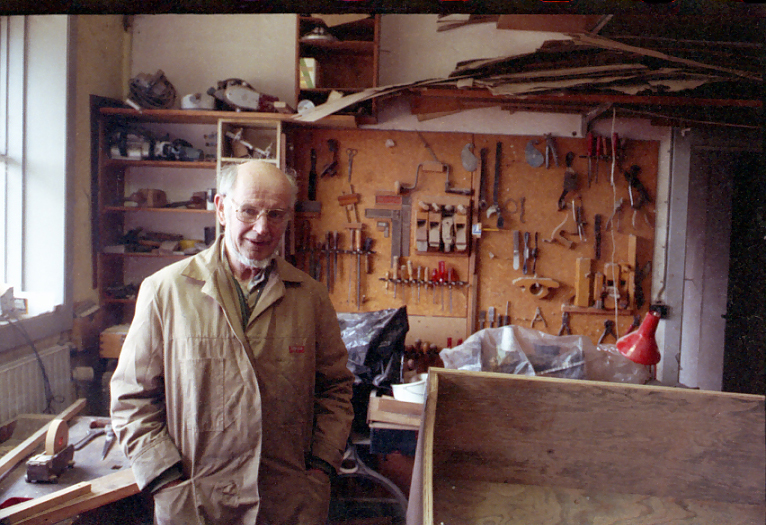
The case was a furniture-making operation – veneered, jointed, French polished – carried out by joiners and polishers working to the same standards as a furniture factory, because a piano was a piece of furniture in a front room.
Sprayed finishes and simplified casework replaced most of it, and the high-gloss polyester finish now standard is a different craft entirely. The piano was sold as furniture as much as as an instrument, which is why so many were bought by households where nobody played particularly well.
7. Every Household That Could Afford One Had One
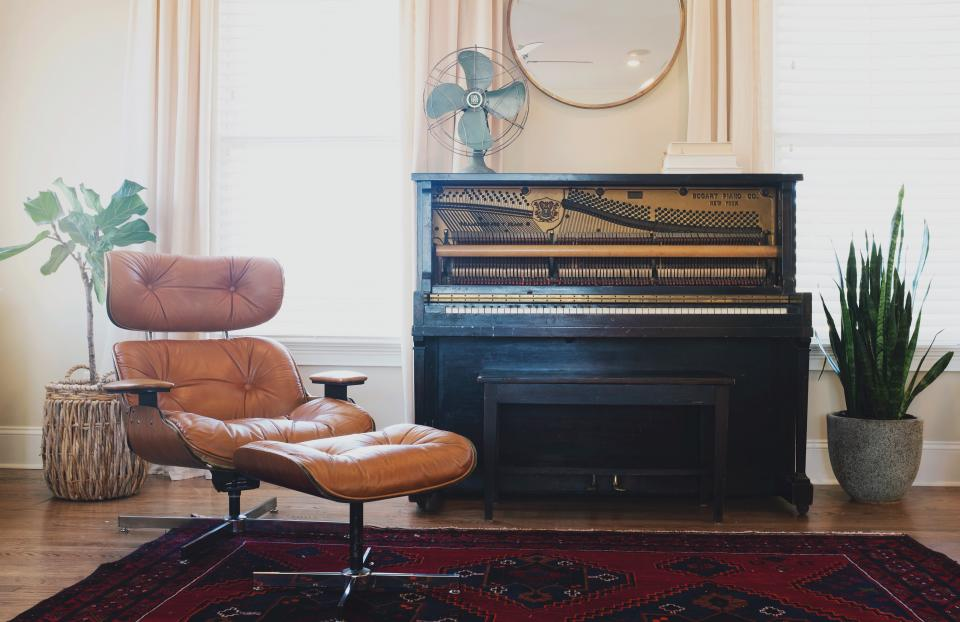
A piano was the domestic entertainment system. Before recorded music was universal and before television, a household made its own music, and the piano was the instrument it was made on.
Recorded music, radio and television removed the function entirely within a generation. This is the whole story of the industry: the piano was not out-competed by a better instrument, it was replaced as a source of music in the home by something requiring no skill at all, and the market collapsed accordingly.
8. The Instruments Were Sold on Hire Purchase to Ordinary Households
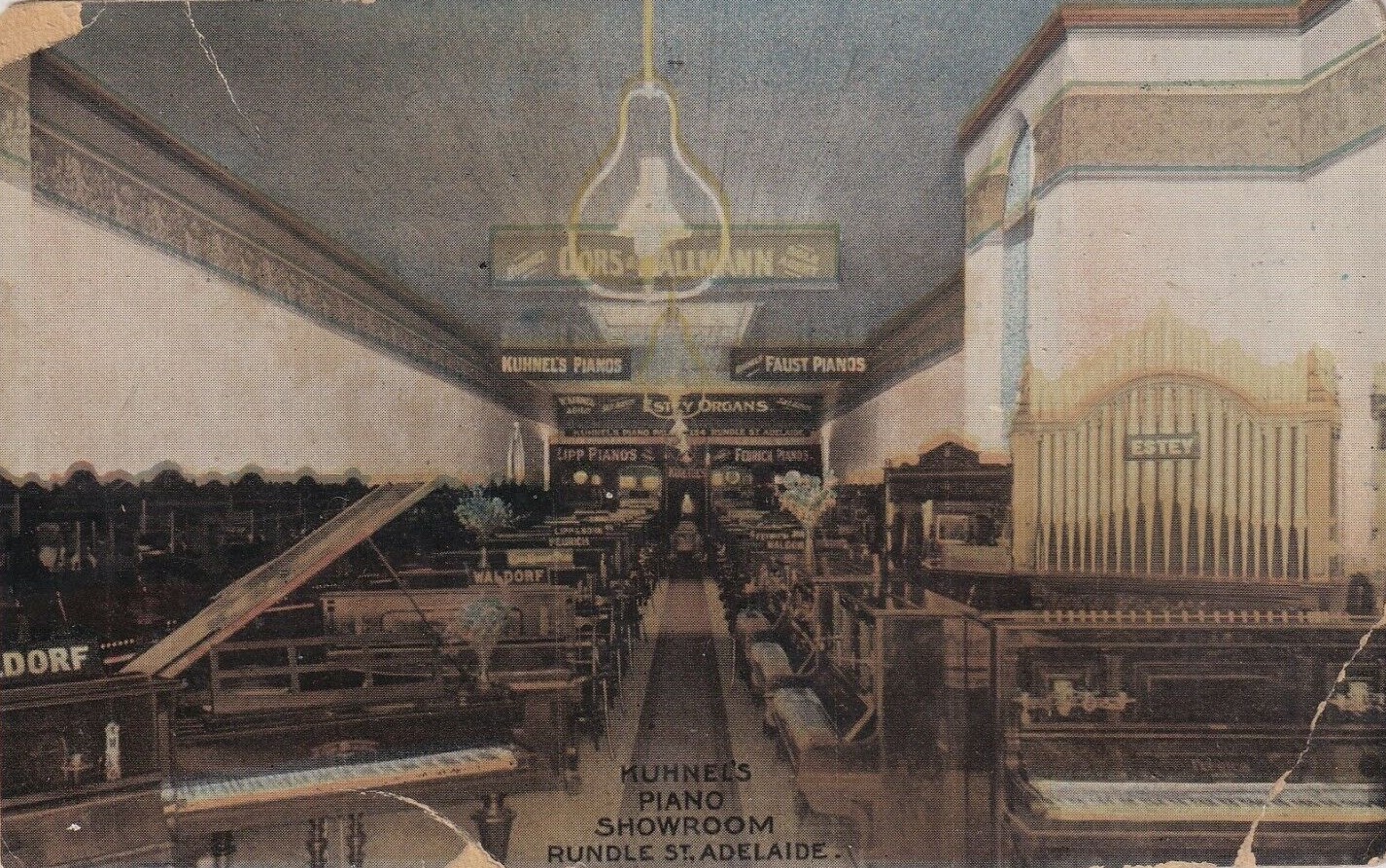
Pianos were expensive relative to income and were sold on extended payment terms, which is how an instrument costing a substantial fraction of an annual wage ended up in so many modest homes.
The finance mechanism survives and the demand does not. It is worth noting how much of the period’s domestic culture rested on instalment credit – the piano, the furniture, the sewing machine and later the television were all bought this way, and a household’s possessions were frequently not yet paid for.
9. Children Were Made to Practise and Most of Them Resented It
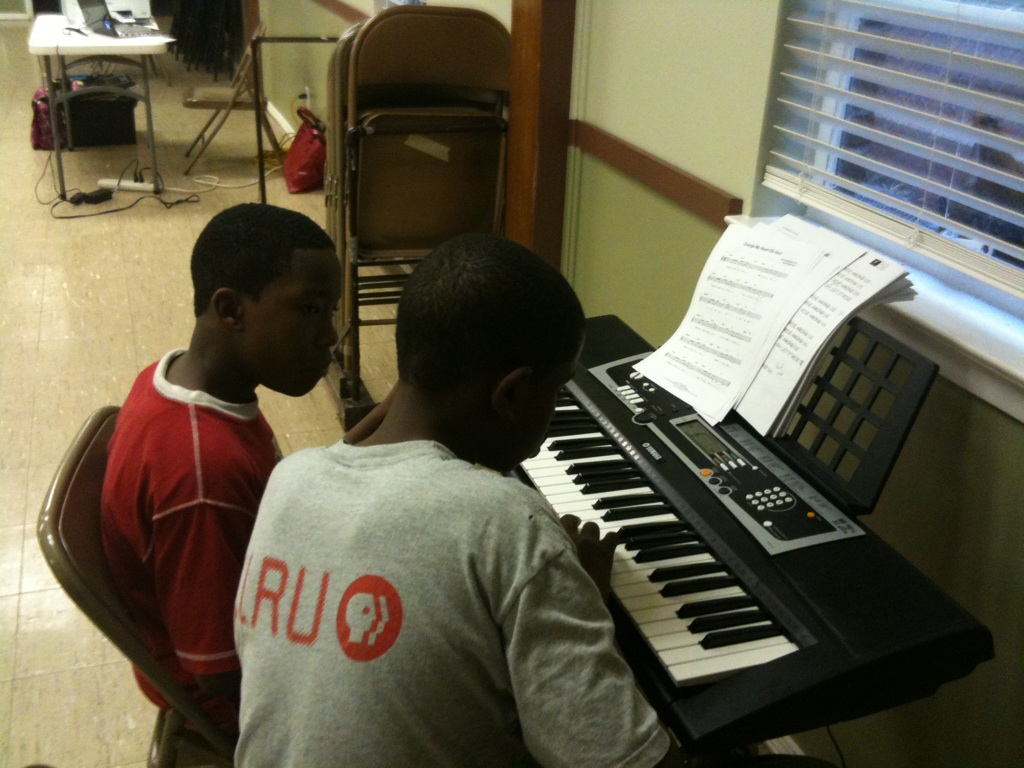
Piano lessons were a near-universal expectation in households that owned one, with graded examinations, a teacher visiting or visited, and daily practice enforced.
Participation declined with the instrument’s domestic role, and music education moved into schools and a far wider range of instruments. A substantial proportion of the adult population of that period could read music and play adequately, which is no longer true, and the mechanism that produced it was essentially compulsion.
10. The Tuner Came Twice a Year and Knew the Family
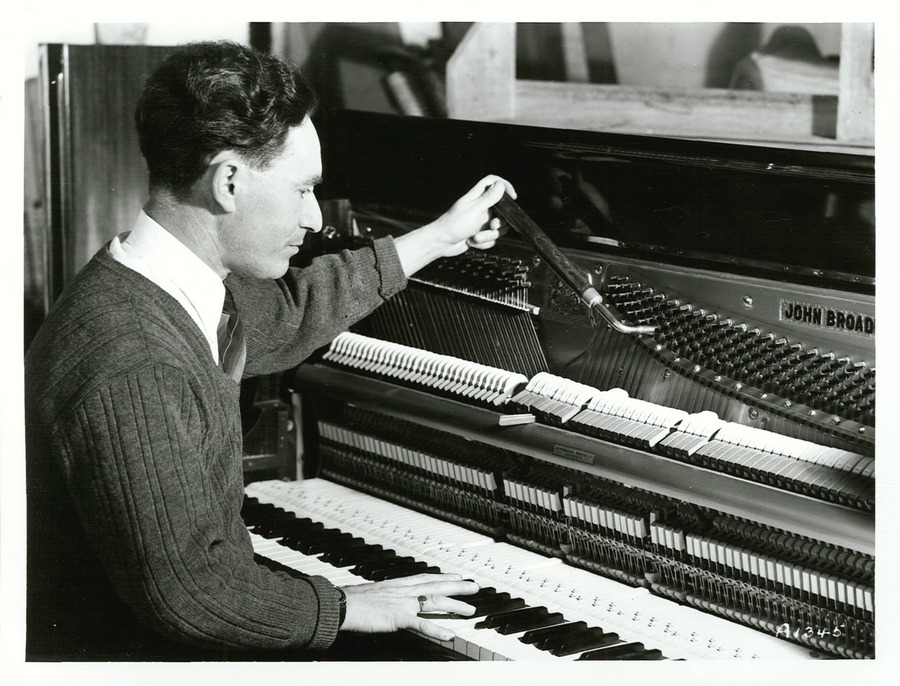
A piano needs regular tuning because the frame, soundboard and strings move with humidity and temperature, so a tuner visited each household on a schedule for decades.
Still necessary and far less common, because there are fewer instruments and many are neglected. The tuner was a recurring visitor to a great many homes over many years, and the trade accumulated a quiet knowledge of a town’s households that nobody else had.
11. Nobody Expected the Second-Hand Market to Destroy the New One
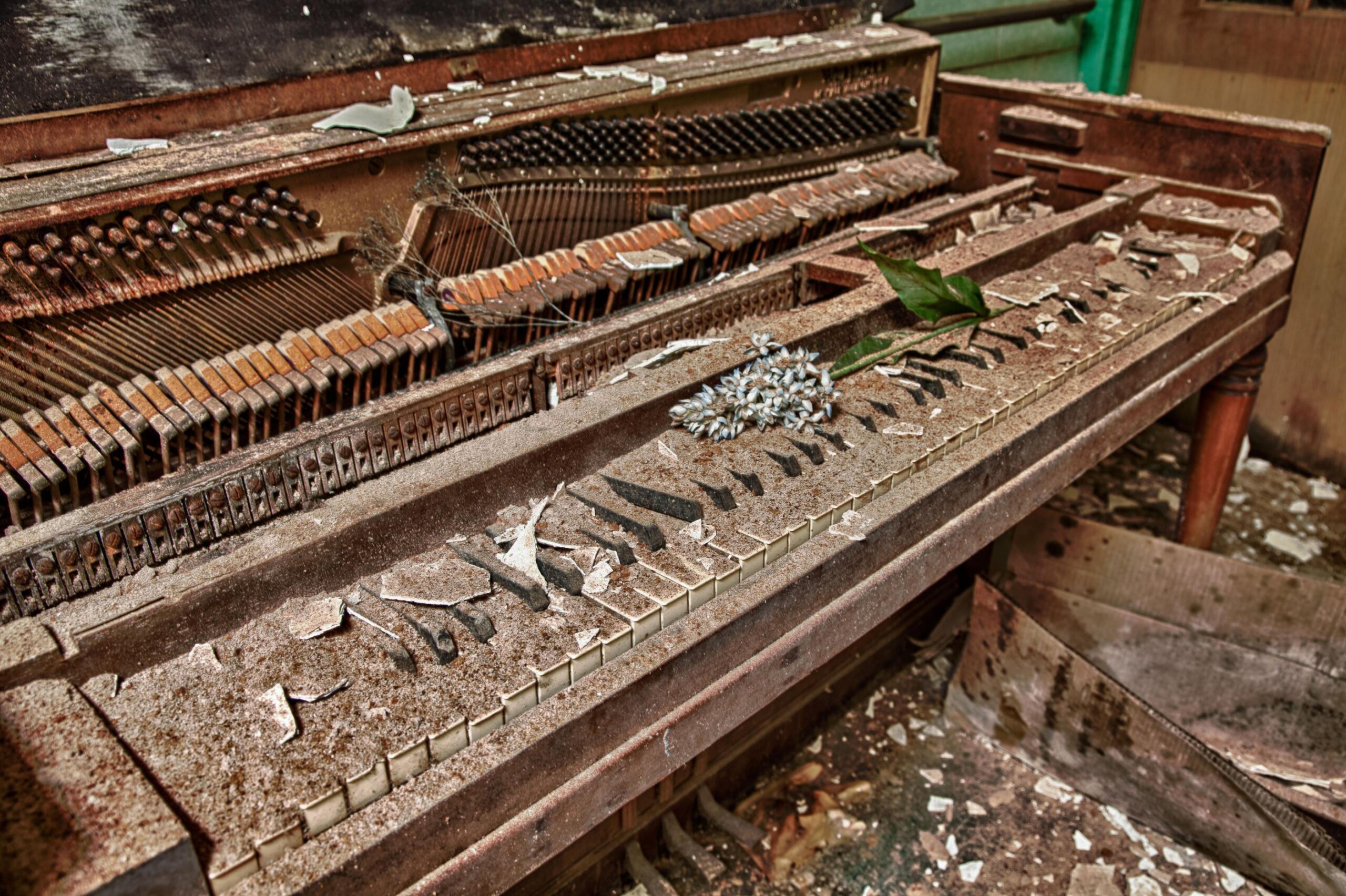
Pianos were built to last a century, and enormous numbers were built during the period when every household wanted one.
Those instruments are still in existence, which means the market for new pianos competes with an enormous stock of old ones available for very little or nothing. A great many are now given away or scrapped because moving one costs more than it is worth – which is a strange end for an object that was the most expensive thing in the house and was built to outlast everybody in it.
12. The Ones Worth Saving Are Not the Ones People Save
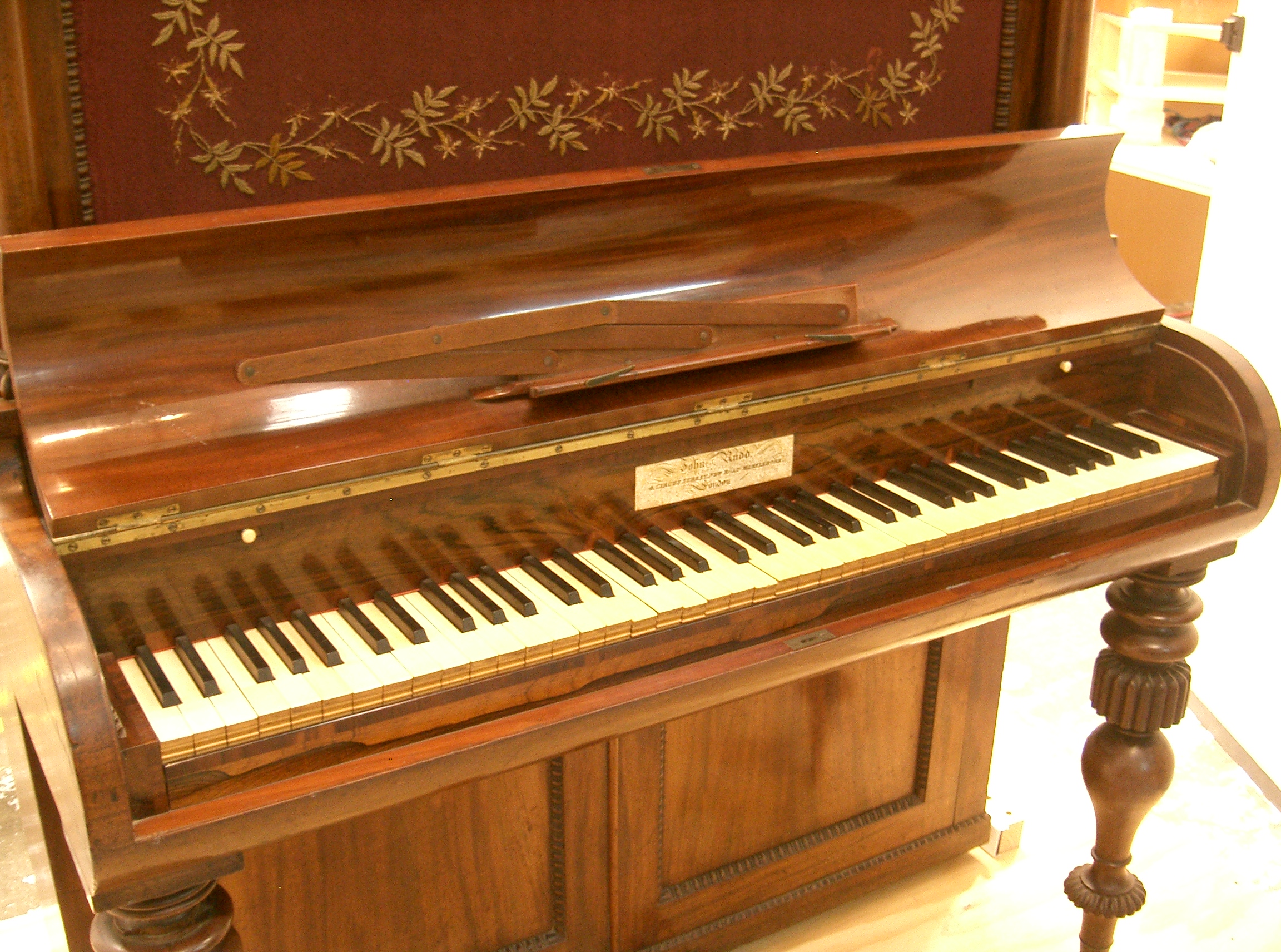
A piano’s value is in its frame, soundboard, action and strings rather than in its case, and the instruments worth restoring are frequently plain-looking while the decorative ones are frequently not.
Which is the practical point to end on. The ornate upright with the candle sconces that a family cannot bear to part with is frequently beyond economic repair, while a plain instrument from a good maker is worth rebuilding – and anybody deciding what to do with an inherited piano is better served by a technician’s assessment than by how it looks, because those two things are close to unrelated.
It Was the Machine That Made the Music
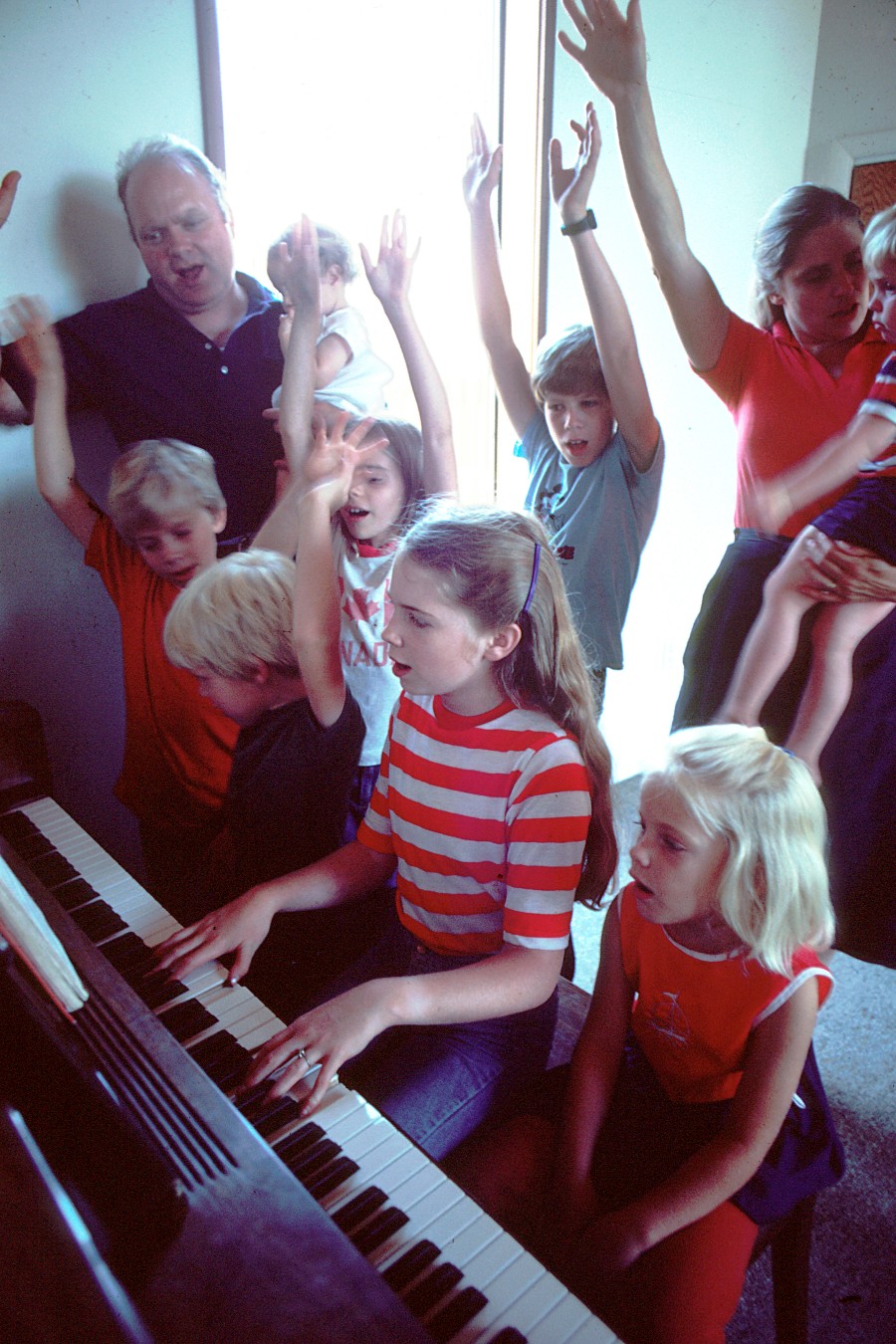
The piano industry’s collapse is frequently described as a decline in musical interest, and that is the wrong explanation.
Before recorded sound was universal, a household that wanted music had to produce it. There was no other option. Someone had to play, which meant someone had to learn, which meant an instrument had to be in the house – and the piano was the instrument that could carry a whole piece on its own, accompany singing, and be played adequately by somebody of modest ability.
So the piano was not primarily a musical choice. It was domestic infrastructure, in the same category as the range or the mangle: the equipment that delivered a thing the household needed.
Recorded music, then radio, then television delivered the same thing with no skill, no practice, no lessons, no tuning and no furniture. The performance was better than anybody in the house could manage, available instantly, and required nothing of anybody.
Against that, the piano was not competing as an instrument. It was competing as a way of getting music into a room, and it lost comprehensively on every measure that most households cared about.
What survives is the part that was never infrastructure – people who want to play, for whom the instrument is the point rather than the output. That is a much smaller and considerably more committed market, and it is why the surviving makers are concentrated at the quality end: the people still buying are the ones who always wanted a piano rather than the ones who wanted music.
Which is also why there are so many old pianos. They were bought by the second group, in enormous numbers, and they outlived the reason they were bought by about fifty years.
If you worked in the trade you will know whether you were on actions, strings, cases or voicing.
And if there is a piano in your family that nobody plays, somebody bought it so the house would have music in it.
Like our content? Follow us for more.