For travelers who want to see a lot of Europe without the hassle of repacking, driving, or navigating train schedules, a river cruise offers a genuinely appealing alternative, gliding past centuries of history while unpacking only once. Each of Europe’s great rivers has its own distinct character, some grand and castle-studded, others quiet and pastoral. Here are nine European river cruise destinations worth the splurge, counted down one by one.
1. The Rhine: Castles Around Every Bend
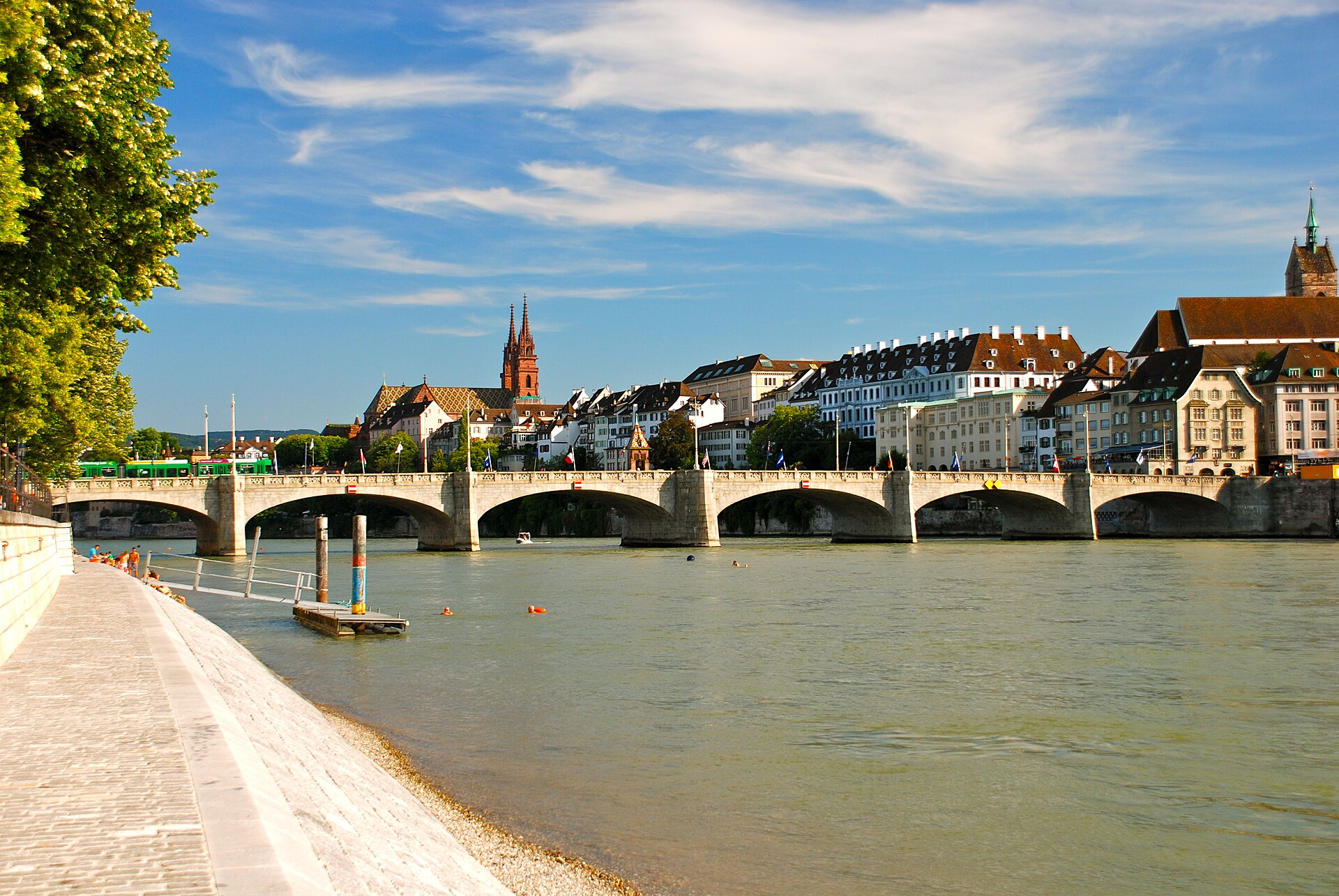
The Rhine Gorge is lined with medieval castles. It’s the classic postcard image of river cruising.
The Rhine, particularly the dramatic Middle Rhine Gorge between Koblenz and Bingen, delivers the classic river-cruise image many travelers picture, hillside vineyards and medieval castles perched on rocky outcrops appearing around nearly every bend. Stops typically include Cologne’s soaring cathedral and the charming towns of the Rhineland. The Rhine’s castle-studded scenery makes it one of Europe’s most photographed river routes, a journey that feels like passing through a storybook at a gentle, unhurried pace.
Like our content? Follow us for more.
2. The Danube: A River of Capital Cities
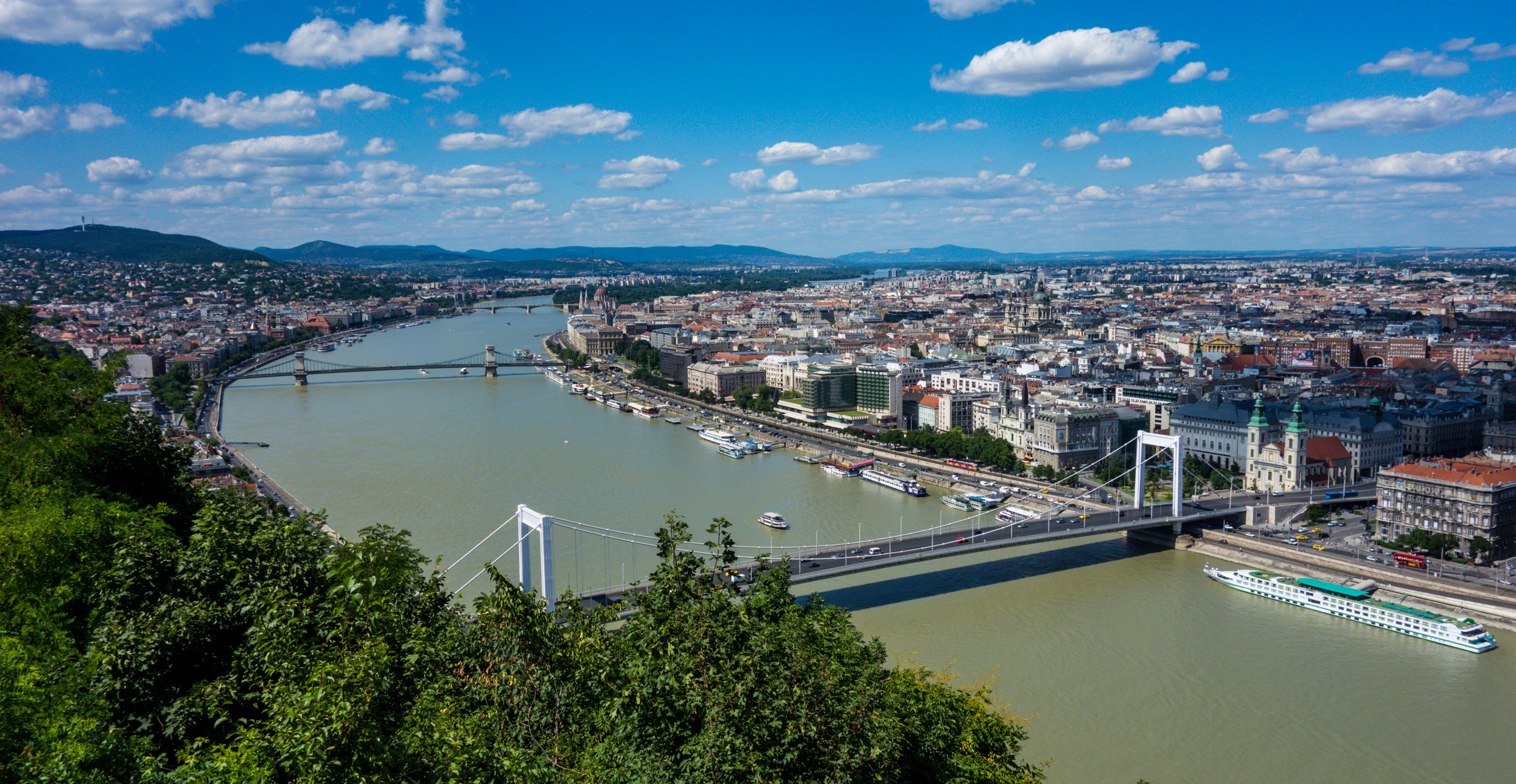
The Danube connects Budapest, Vienna, and Bratislava. Few rivers link so many major capitals.
Few rivers offer a lineup quite like the Danube, connecting Budapest’s illuminated parliament building, Vienna’s imperial palaces, and Bratislava’s compact old town within a single itinerary. The river’s Wachau Valley stretch adds terraced vineyards and hilltop abbeys to the mix. The Danube’s parade of capital cities makes it one of the most culturally rich river routes in Europe, letting travelers experience three distinct national capitals without ever needing to catch a flight between them.
3. The Douro: Portugal’s Terraced Wine Valley
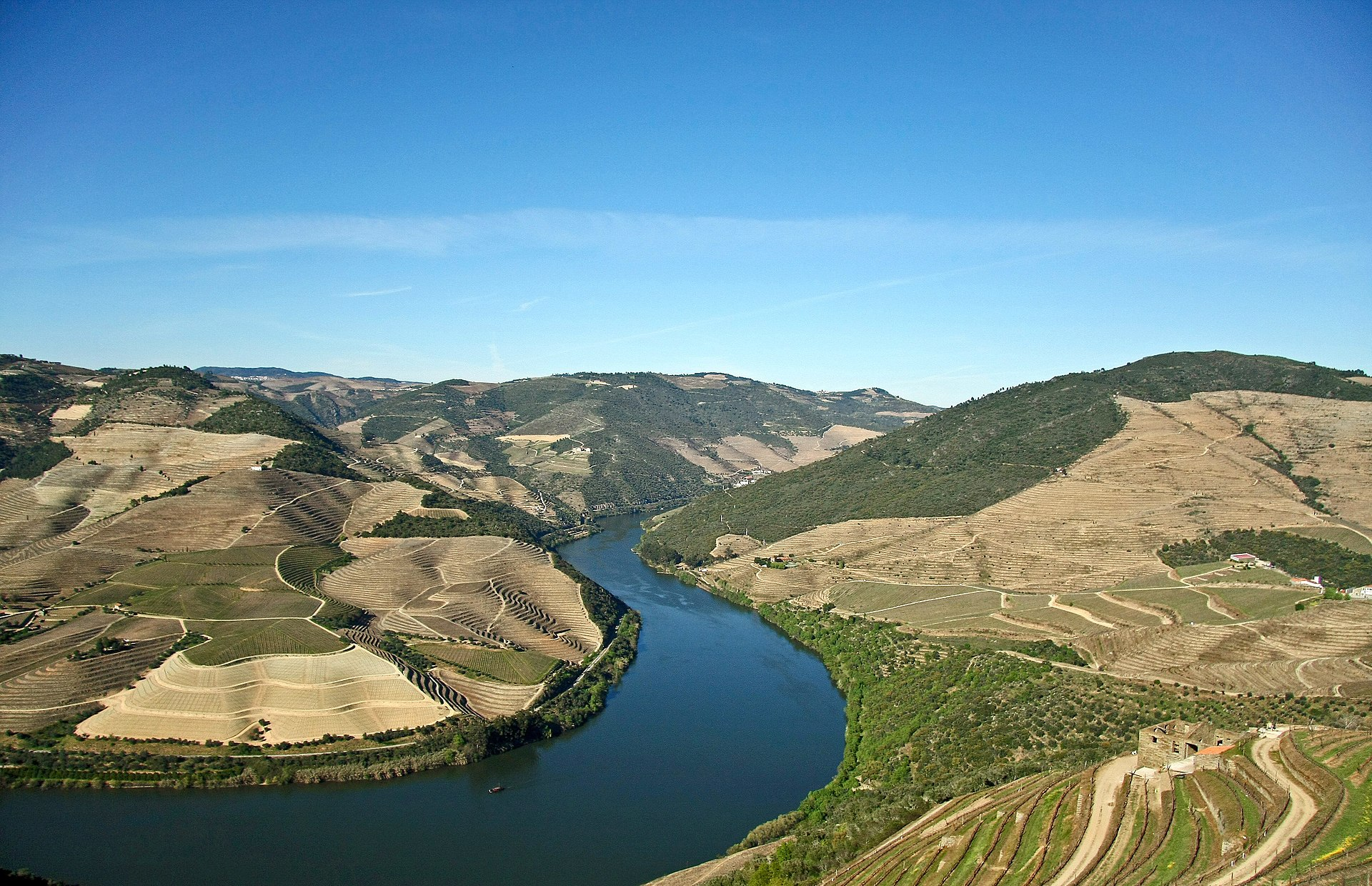
Portugal’s Douro Valley is lined with steep vineyard terraces. It’s one of the world’s oldest wine regions.
The Douro River winds through Portugal’s namesake wine region, its steep hillsides carved into terraced vineyards that have produced port wine for centuries, one of the oldest demarcated wine regions in the world. Smaller ships suit the Douro’s narrower, quieter waters better than the larger vessels found on the Rhine or Danube. The Douro’s dramatic terraced landscape offers a quieter, wine-focused river cruise experience, a scenic and culinary journey through one of Europe’s most historically significant winemaking valleys.
4. The Seine: Paris and Normandy in One Trip
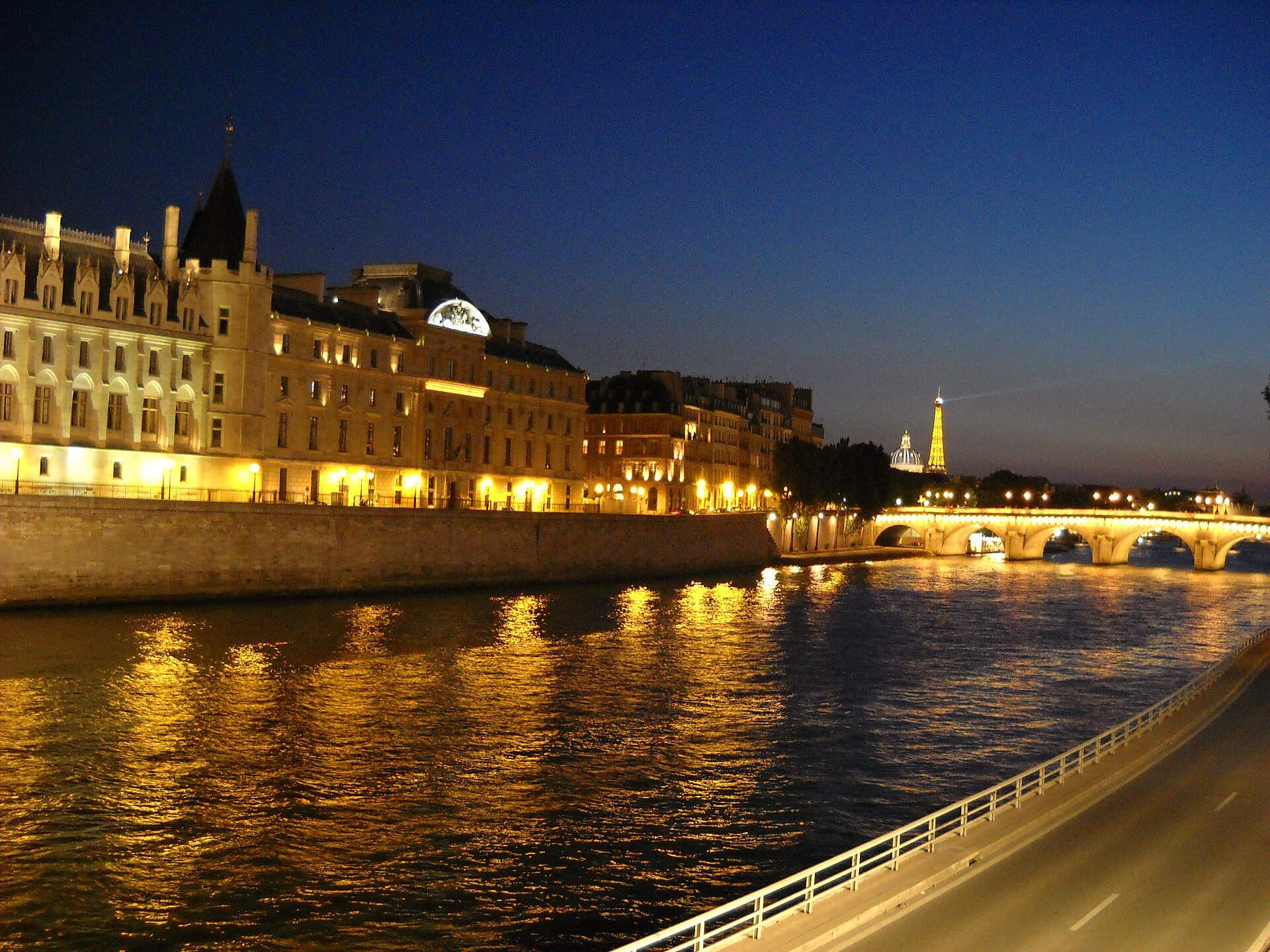
The Seine connects Paris to the Normandy coast. It pairs the capital with WWII history and countryside.
A Seine river cruise typically bookends time in Paris with excursions into Normandy, including the D-Day beaches, Monet’s gardens at Giverny, and the medieval abbey of Mont Saint-Michel reached by a short coach ride. It’s an efficient way to pair a major capital with deeply historic countryside. The Seine’s combination of Paris and Normandy makes it a uniquely rewarding itinerary, blending world-class art and cuisine with some of the most significant historical sites in modern European history.
5. The Rhône: Provence and Burgundy Wine Country
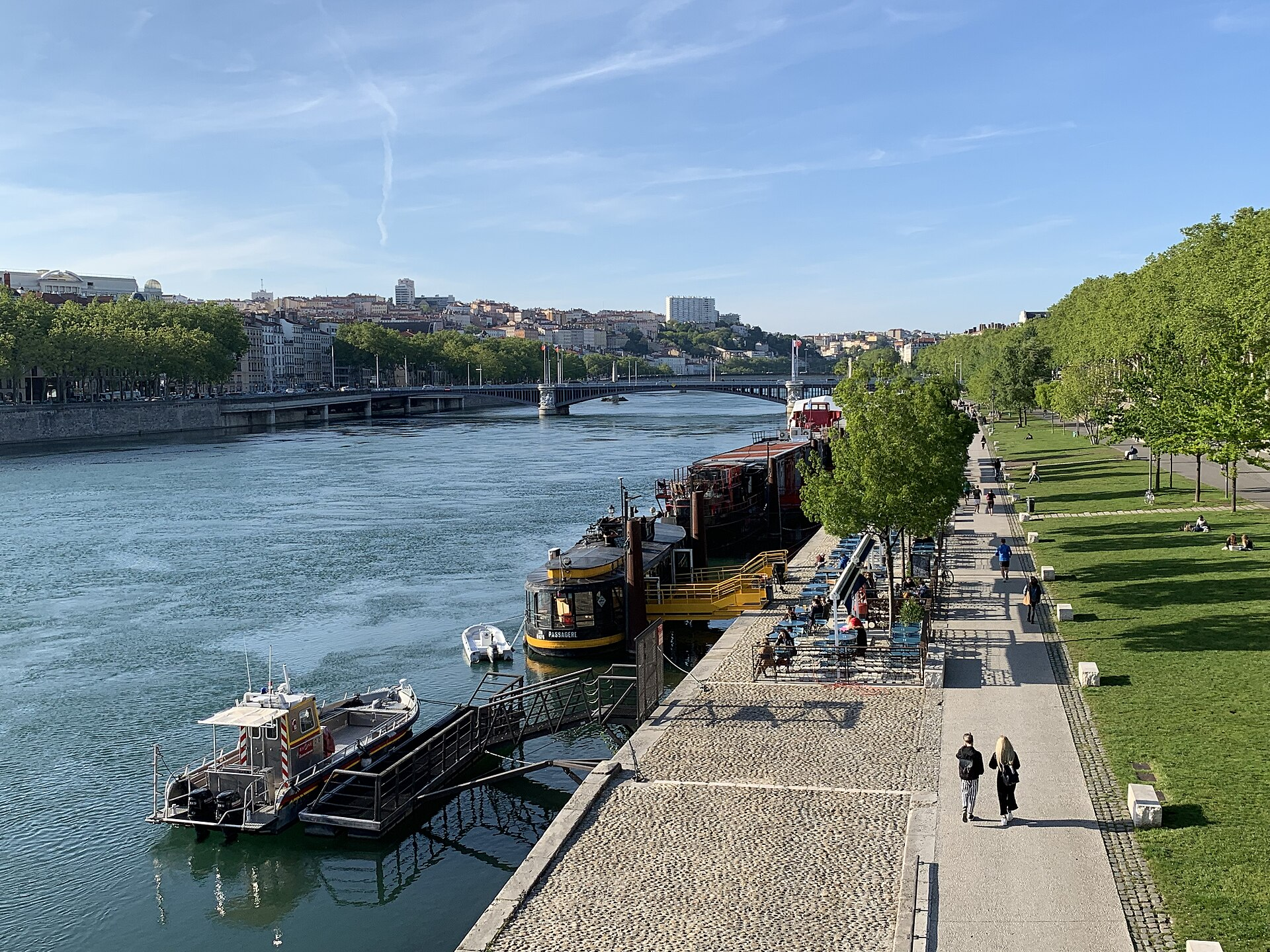
France’s Rhône River flows through Provence and Burgundy. Vineyards and Roman ruins line the route.
The Rhône River carries travelers through the lavender fields and Roman ruins of Provence and the celebrated vineyards of Burgundy, with stops in Lyon, Avignon, and the walled town of Arles that inspired several of Van Gogh’s paintings. Wine tastings are a natural highlight of the route. The Rhône’s blend of Provençal light and Burgundian wine country makes it a favorite among food-and-wine-focused travelers seeking a slower, more indulgent river journey through southern France.
6. The Elbe: Baroque Dresden and Rural Saxony
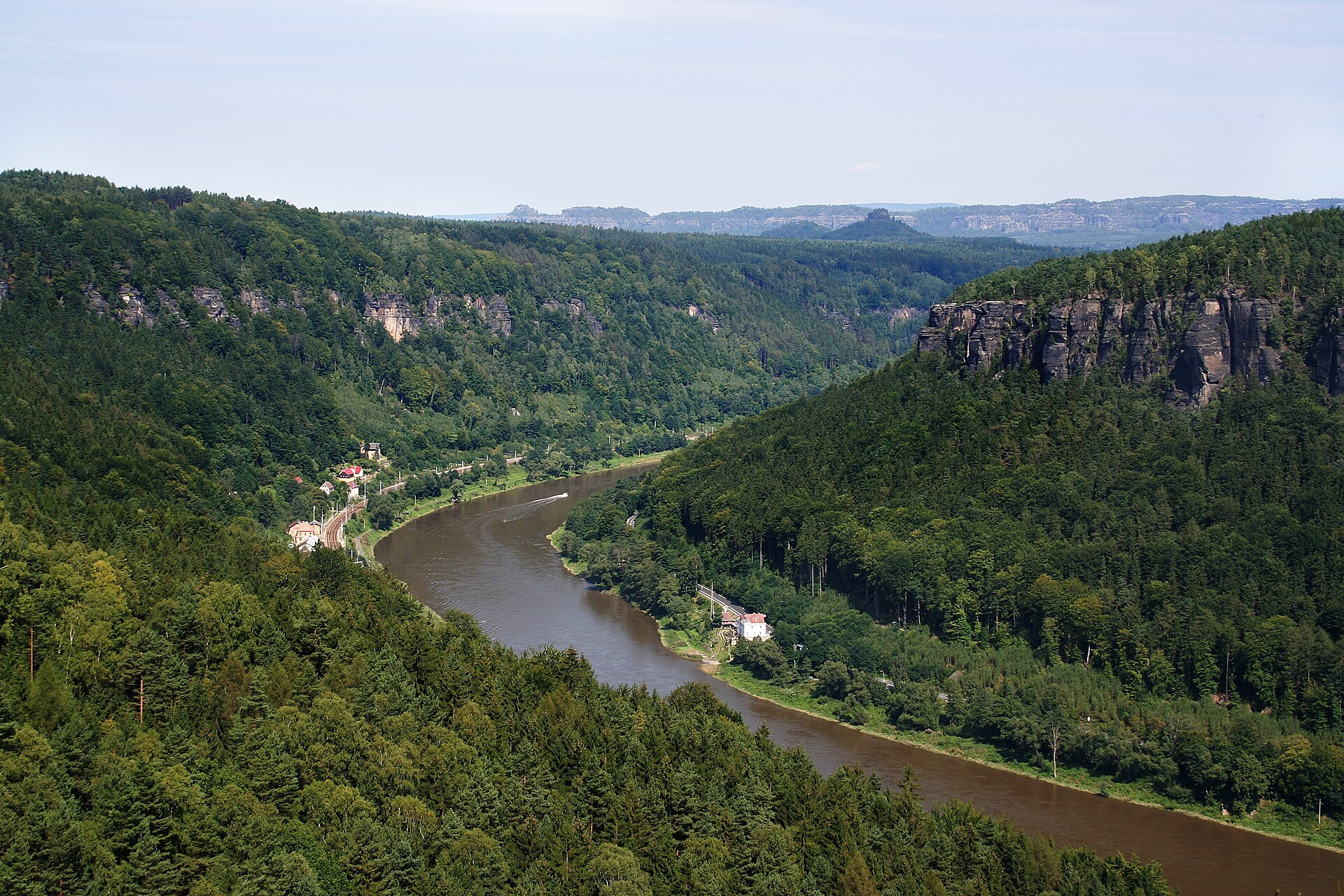
The Elbe River flows through eastern Germany’s countryside. Dresden’s rebuilt baroque architecture is a highlight.
The Elbe River offers a quieter, less-traveled alternative to the Rhine and Danube, winding through the rural Saxon countryside toward Dresden, whose baroque old town was meticulously rebuilt following its destruction in World War II. The route also passes through the dramatic sandstone cliffs of Saxon Switzerland. The Elbe’s blend of rebuilt baroque grandeur and rural German scenery offers a genuinely underrated river cruise experience, away from the more crowded waterways further west.
7. The Nile: Ancient Temples Along the Water
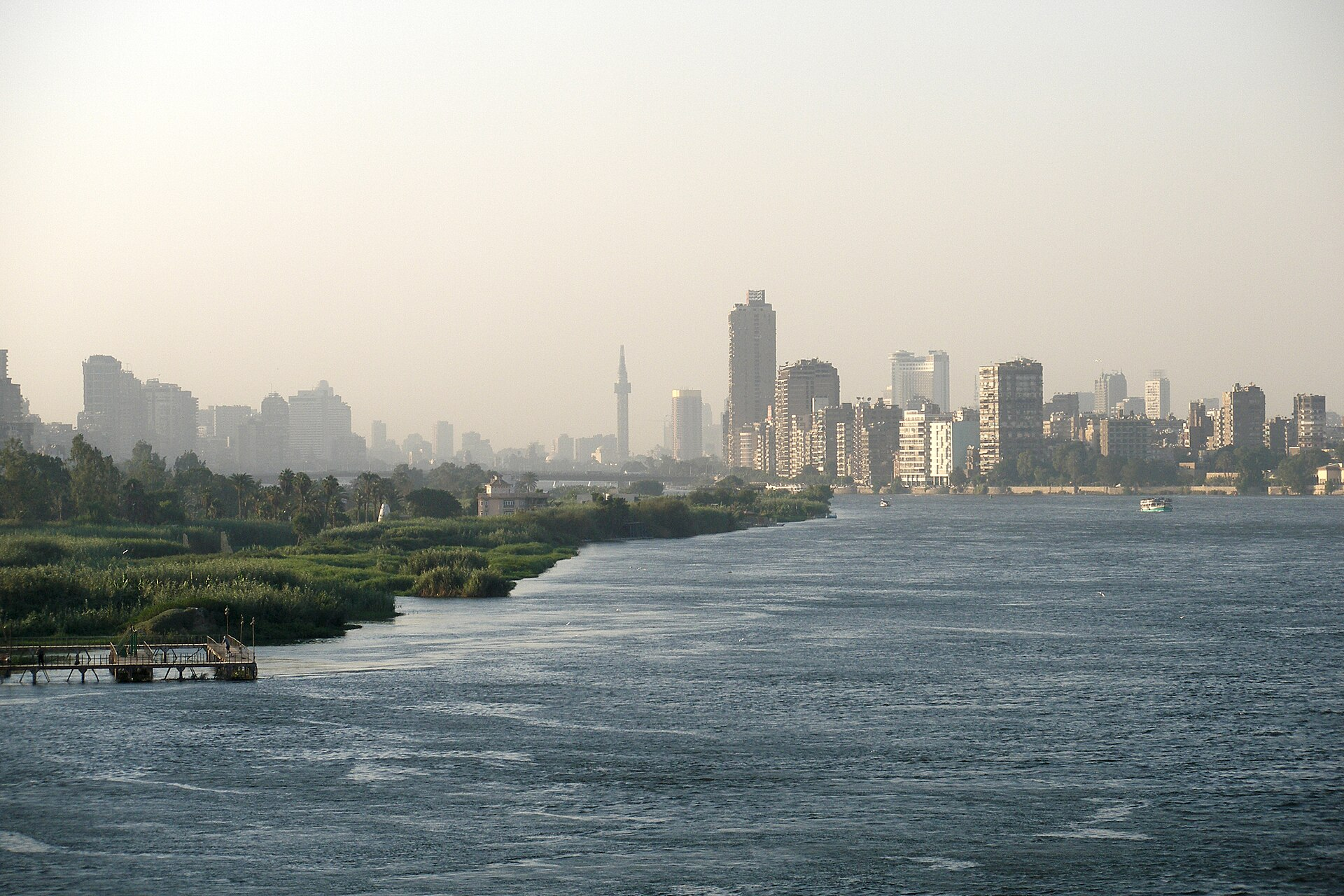
Egypt’s Nile River connects Luxor and Aswan. Ancient temples line nearly the entire route.
A Nile river cruise between Luxor and Aswan offers a genuinely different kind of river journey, sailing past millennia-old temples, including Karnak, Luxor Temple, and the tombs of the Valley of the Kings, rather than medieval castles or vineyards. The pace is unhurried, with the river itself framing some of the ancient world’s most significant monuments. The Nile’s ancient temple-lined route makes it one of the most historically profound river cruise destinations anywhere on earth, a journey through civilization’s earliest chapters.
8. The Mekong: Vietnam and Cambodia’s Waterways
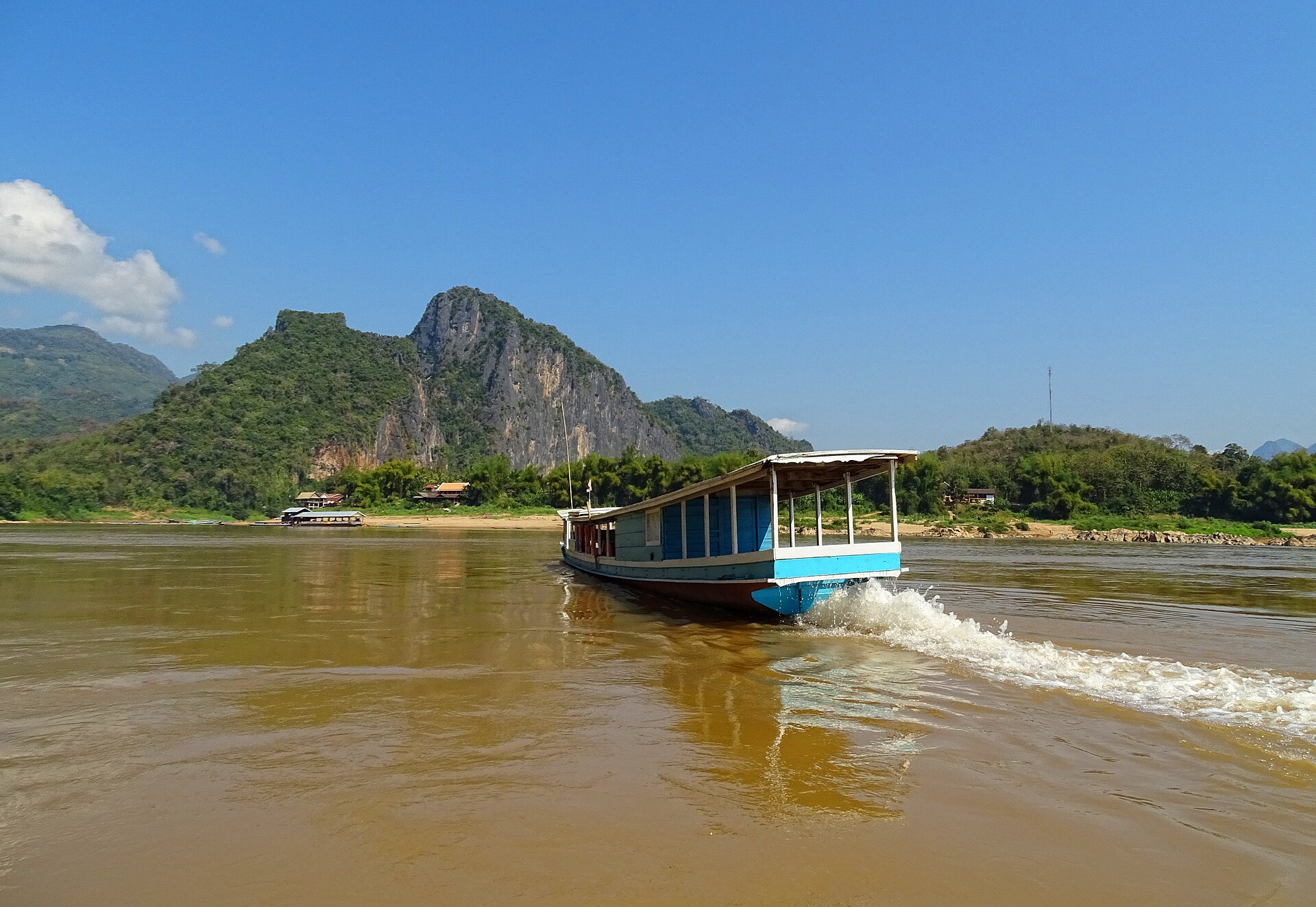
Southeast Asia’s Mekong River links floating markets and temples. It offers a cultural alternative to Europe.
For travelers seeking something beyond Europe, the Mekong River carries cruisers through Vietnam and Cambodia, past floating markets, rural villages, and the temple complexes of Angkor, offering a slower, more immersive introduction to Southeast Asian culture than a typical land tour. Excursions into local communities are a defining feature. The Mekong’s cultural richness and unhurried pace make it an increasingly popular choice for river cruisers looking to expand beyond the well-trodden waterways of Western Europe.
9. The Mississippi: America’s Own Great River
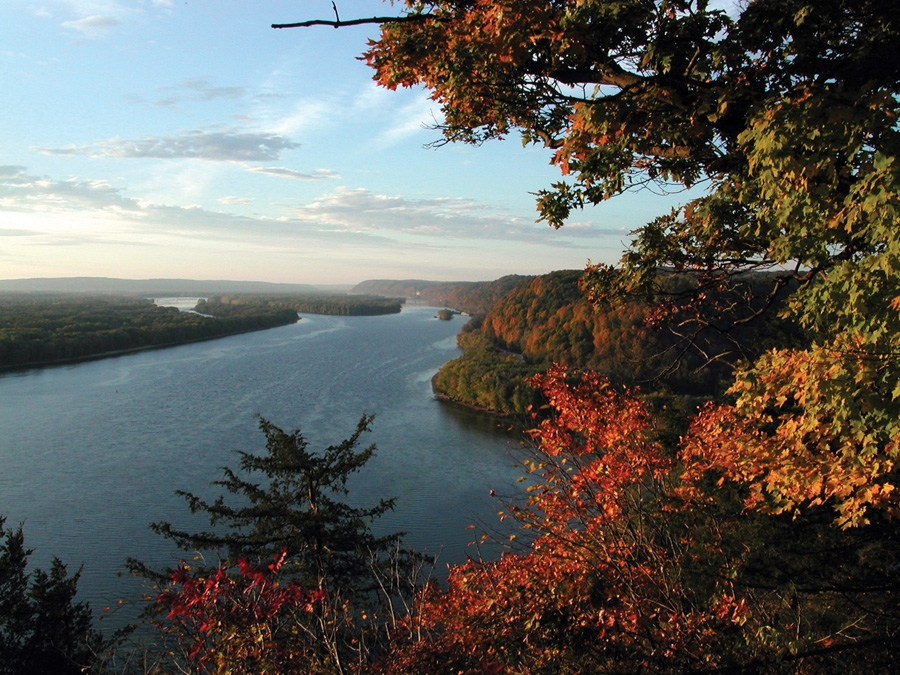
The Mississippi River offers a domestic river cruise option. Southern history and music anchor the route.
Closer to home, the Mississippi River offers American travelers a domestic river cruise option, tracing historic paddle-wheeler routes through Southern cities like Memphis, Natchez, and New Orleans, with stops centered on Civil War history, antebellum architecture, and the birthplace of American blues and jazz. No passport is required. The Mississippi’s blend of Southern history and music makes it a rewarding, logistically simpler alternative for travelers not ready to commit to an overseas river cruise.
Slow Travel, Unforgettable Scenery
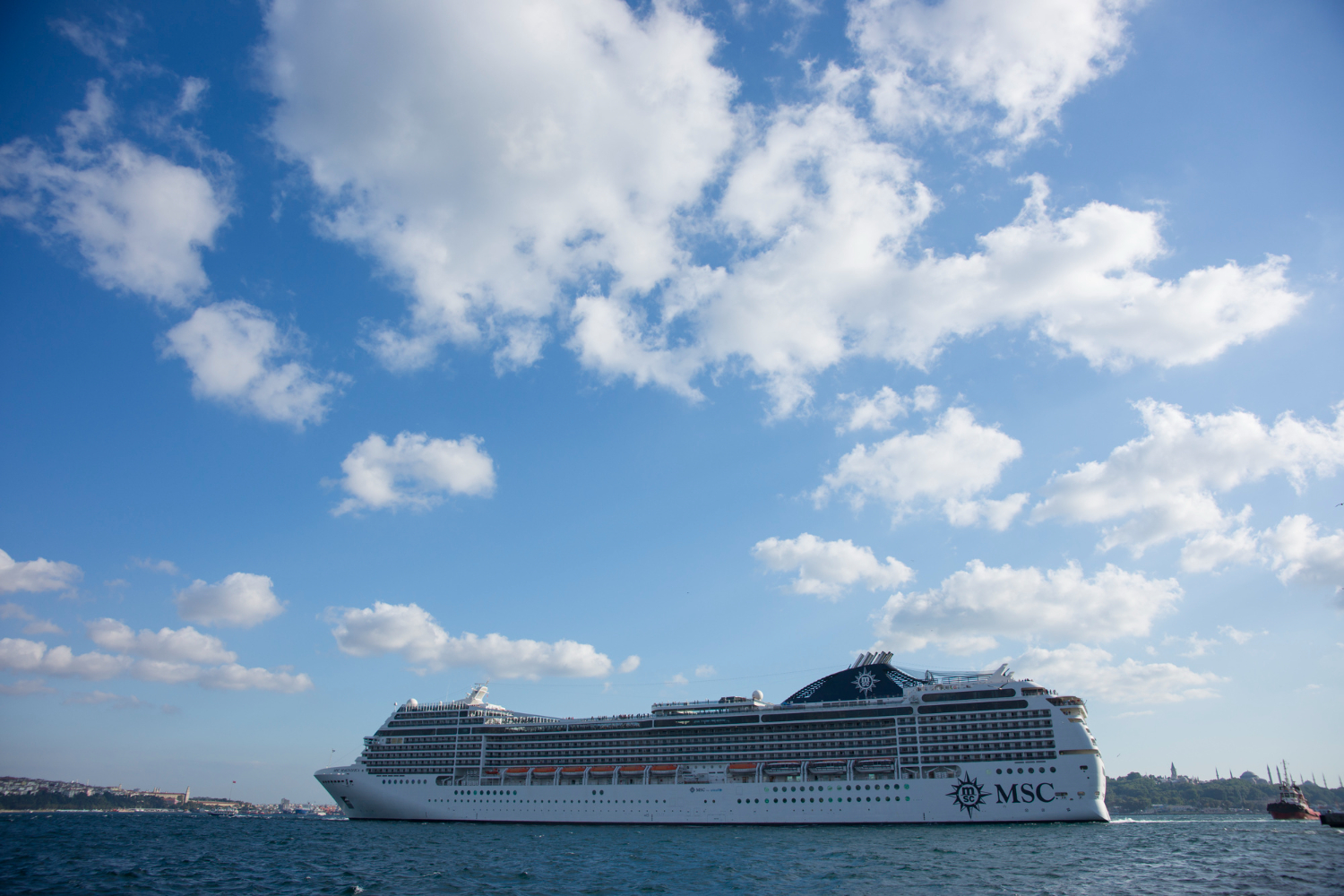
Taken together, these nine rivers offer a genuinely wide range of river cruise experiences, from the castle-lined Rhine and the capital-city Danube to the ancient temples of the Nile and the Southern history along the Mississippi. Each one delivers the particular appeal of river cruising: unpacking once, waking up somewhere new, and watching the landscape unfold gently from the deck.
Choosing among them often comes down to personal priorities, castles and wine versus ancient history, major capitals versus quiet countryside, and how far from home you’re ready to travel. Smaller ships tend to suit narrower rivers like the Douro, while the Rhine and Danube accommodate larger vessels with more onboard amenities.
Season also plays a meaningful role in the decision, since a Christmas markets cruise along the Rhine or Danube offers an entirely different atmosphere than the same route in high summer, and the Nile’s cooler winter months are generally considered more comfortable than its scorching summer heat. First-time river cruisers often find that starting with a well-established European route like the Rhine or Danube, both known for reliable infrastructure and well-worn itineraries, builds confidence before venturing toward less-traveled waterways further afield.
It’s also worth remembering that a river cruise’s appeal lies as much in the pace as the destination itself, the ability to wake up in a new city each morning without repacking, and to watch a changing landscape from a deck chair rather than a car window. That fundamental appeal holds true whether the river in question is lined with castles, vineyards, or ancient temples. Whichever river you choose, the fundamental appeal remains the same: a relaxed, scenic way to experience a region’s history and culture without the logistics of constant repacking and re-routing.
Like our content? Follow us for more.