For many Americans, tracing family history has evolved from a hobby into an actual travel plan, visiting the specific villages, churches, and archives connected to ancestors who emigrated generations ago. With DNA testing and online records making it easier than ever to identify a specific hometown, genealogy tourism has grown into a genuinely popular and meaningful way to travel. Here are ten things to know about planning a genealogy and ancestry trip abroad, counted down one by one.
1. Start Your Research Well Before You Book
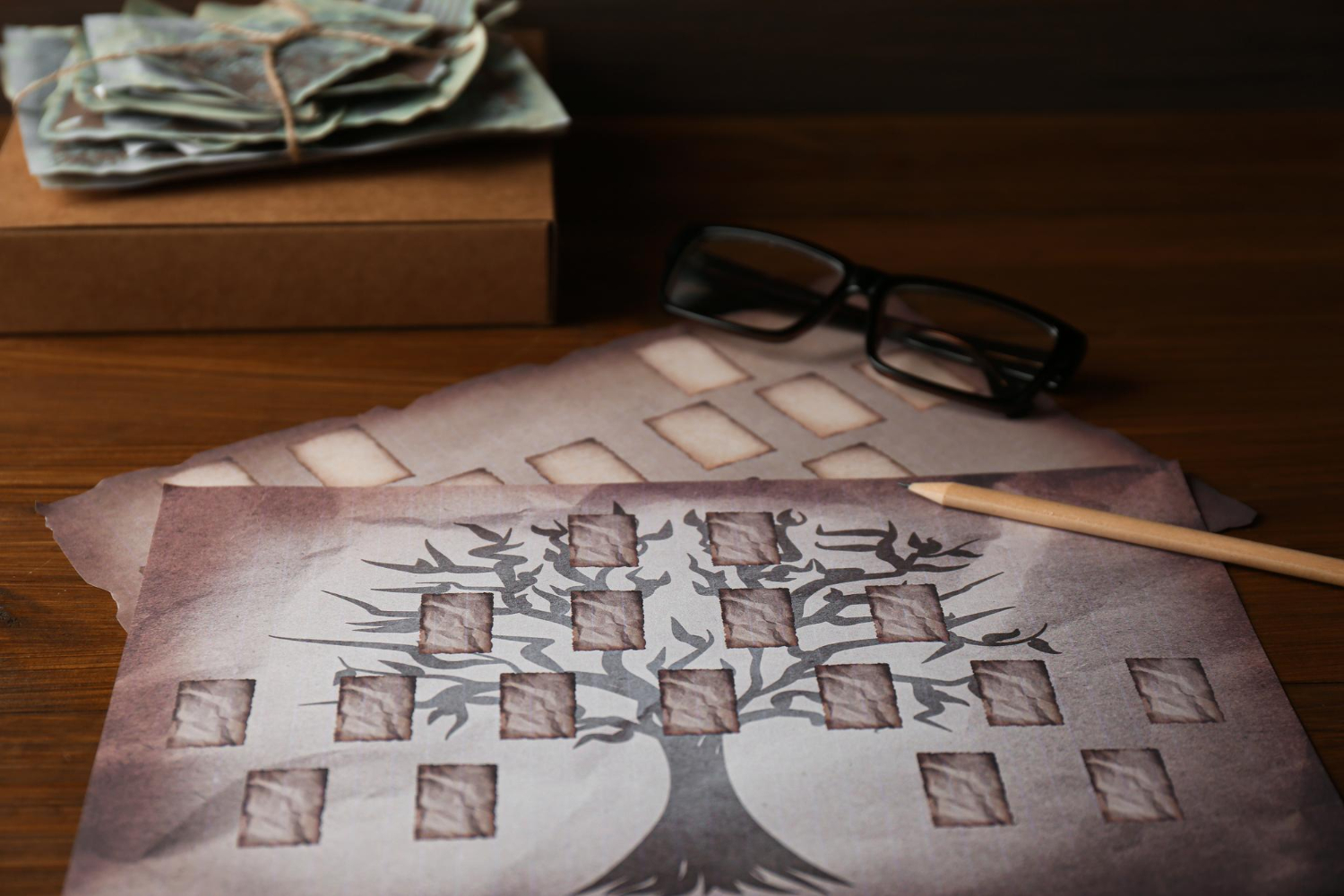
Solid groundwork at home makes the trip meaningful. Arriving without specifics often leads to disappointment.
The single most important step happens before you ever book a flight: gathering as much documented information as possible, specific towns, parish names, and approximate dates, using genealogy databases, DNA testing services, and any family records already on hand. Arriving in a country with only a general sense of “somewhere in Ireland” tends to lead to a frustrating, unfocused trip. Starting your research well before you book is essential groundwork, the preparation that transforms a vague ancestral curiosity into a specific, plannable itinerary with real places to visit.
Like our content? Follow us for more.
2. Identify the Specific Town, Not Just the Country
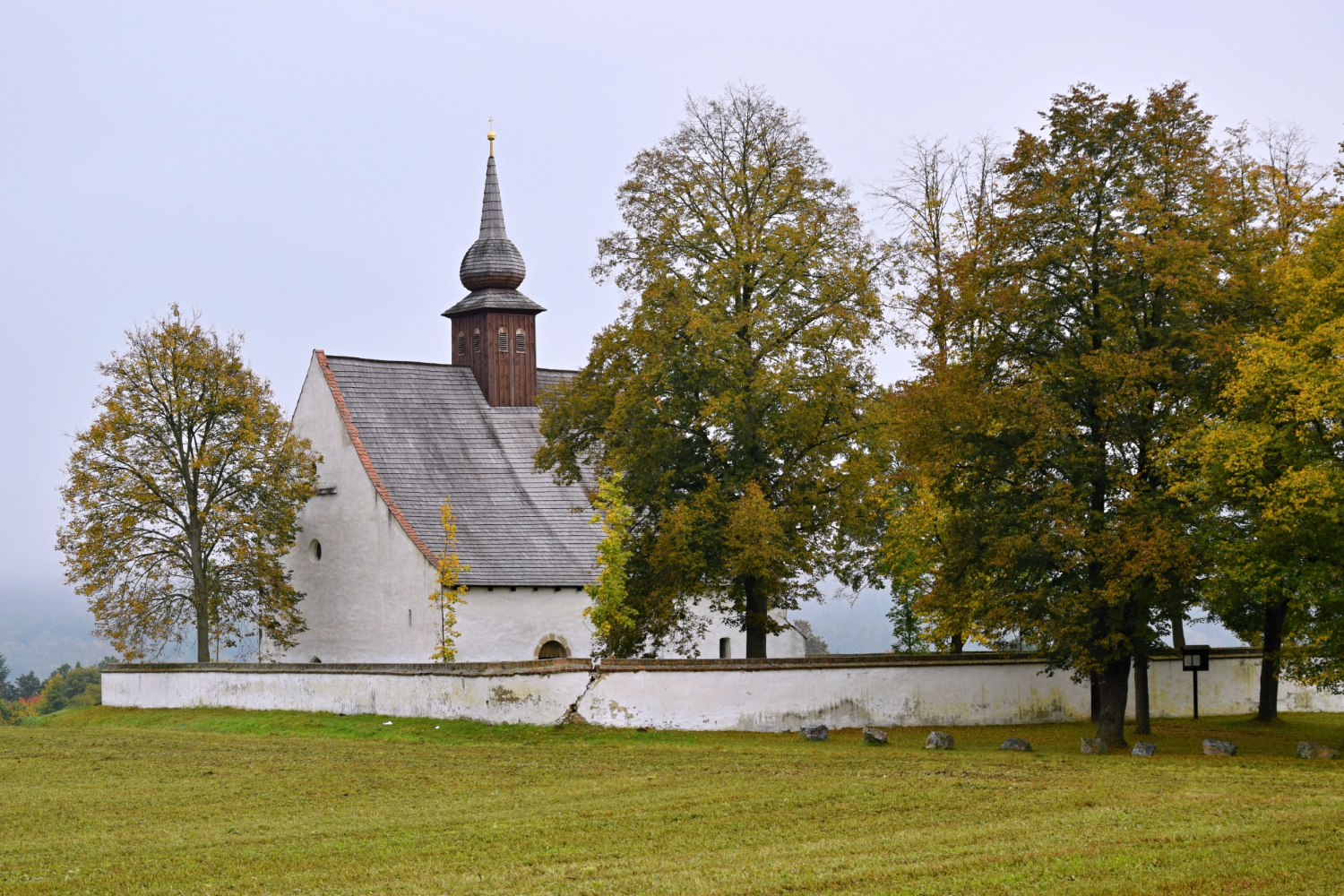
Village-level detail makes a trip meaningful. Country-level knowledge alone isn’t enough to visit anywhere specific.
Knowing that an ancestor came from Italy or Poland is a starting point, but a genuinely meaningful trip requires narrowing that down to a specific town, village, or parish, information often buried in immigration records, ship manifests, or church baptismal records. This level of detail is what actually makes a destination visitable. Identifying the specific town, not just the country, is the key research milestone, the detail that turns an abstract heritage connection into an actual place you can stand in.
3. Contact Local Archives and Parishes in Advance
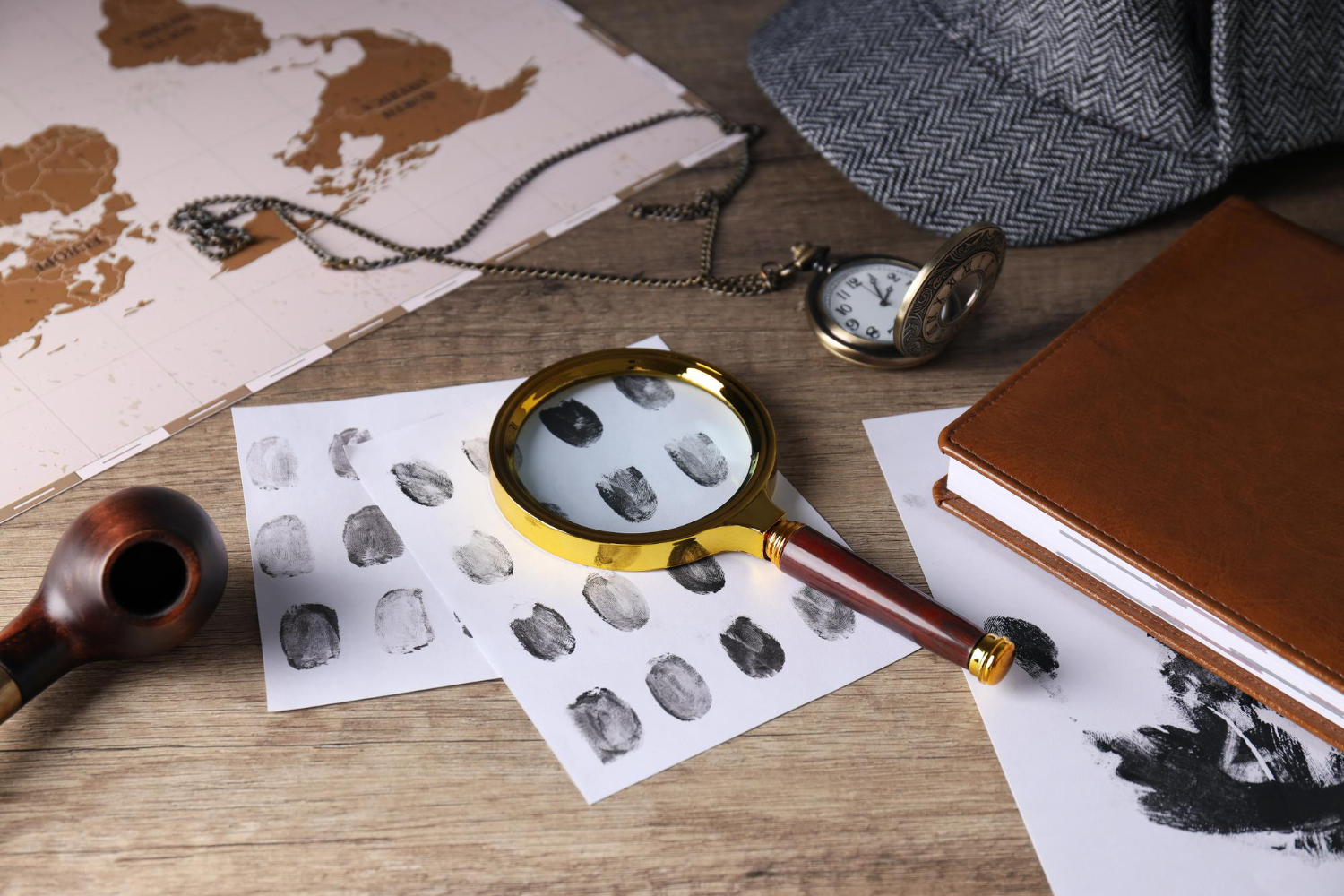
Many small-town records aren’t digitized. Advance emails can secure access before you arrive.
Many local parish and municipal records, particularly older ones, still exist only in physical form at a local church or town hall archive, not digitized or searchable online. Reaching out by email well in advance, ideally with the help of a local genealogist or translator if there’s a language barrier, can secure access or at least confirm what records exist before you arrive. Contacting local archives and parishes in advance is a crucial planning step, one that can mean the difference between a productive research visit and a wasted trip to a locked office.
4. Hire a Local Genealogist or Guide
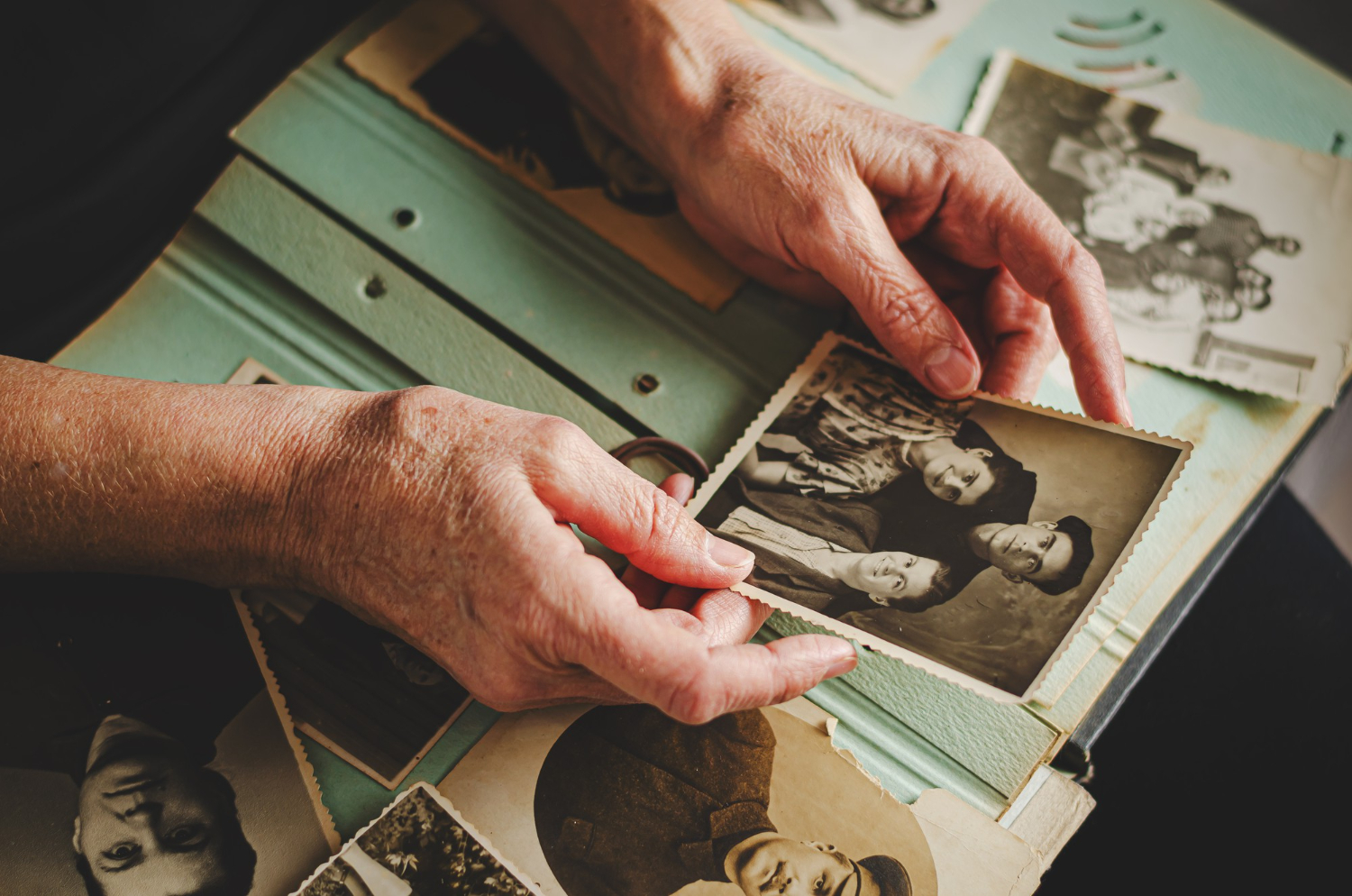
Local experts know records and language barriers. Their knowledge can save significant time on the ground.
Many regions with high rates of historical emigration, Ireland, Italy, Poland, and Germany among them, have professional local genealogists who specialize in helping descendants navigate regional archives, dialects, and bureaucracy. Hiring one, even for just a day, often uncovers records and connections a visitor would never find alone. A local genealogist or guide is a genuinely valuable investment, the local expertise that can transform a frustrating search into meaningful discoveries within a fraction of the time.
5. Visit the Actual Cemetery, If You Can Find It
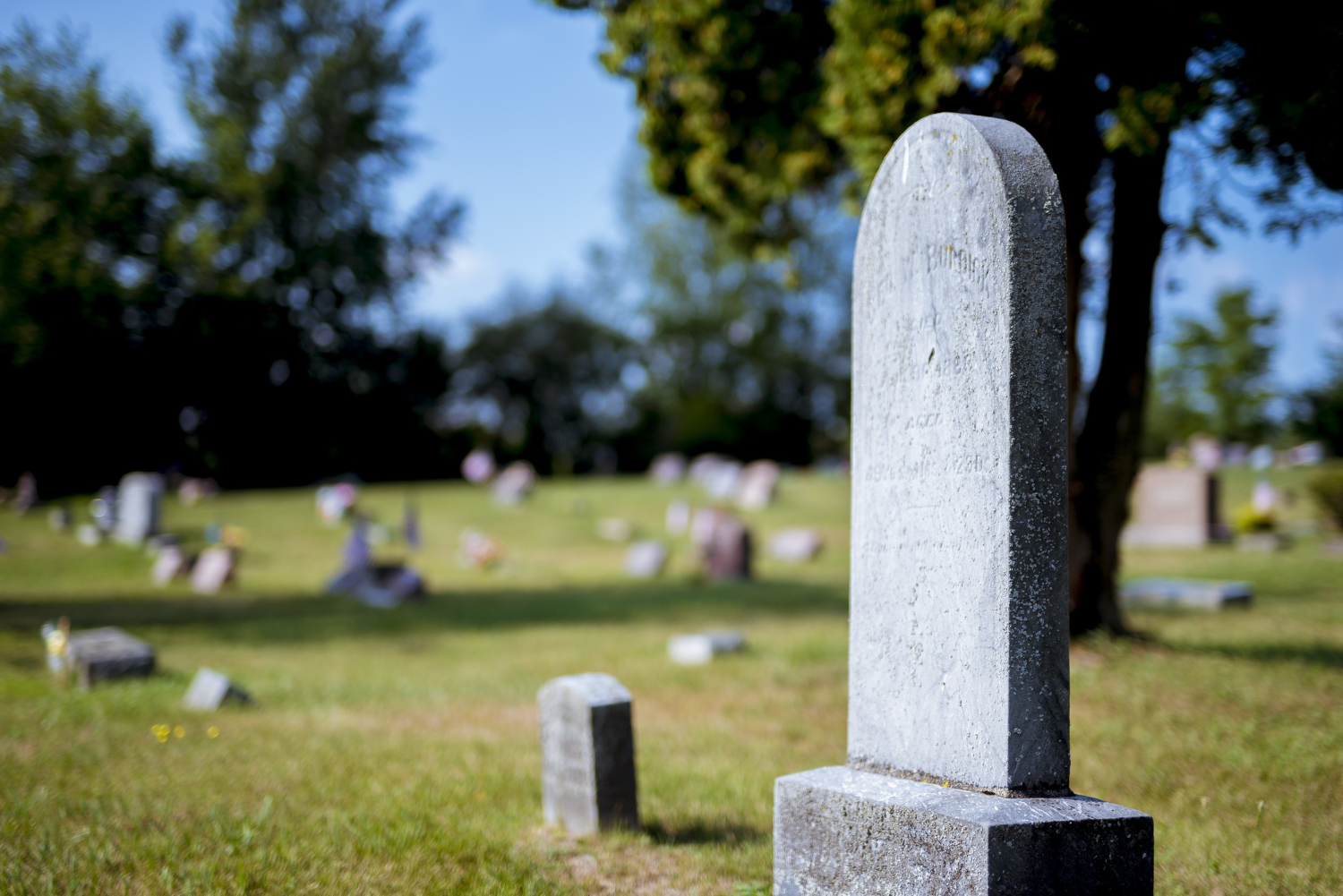
Cemeteries often hold the most direct record of a family. Rural or overgrown burial grounds require some searching.
A local cemetery, sometimes rural and overgrown, sometimes still tended, often holds the most direct physical connection to a family line, gravestones bearing names, dates, and sometimes even hometown details passed down through generations. Local parish offices or town halls can often point visitors toward the right burial ground. Visiting the actual cemetery, if you can find it, is frequently the most emotionally powerful part of a genealogy trip, a tangible link to ancestors that no document alone can quite replicate.
6. Bring Copies of Whatever Documentation You Have

Physical or digital copies help local record-keepers assist you. They can speed up on-the-ground research significantly.
Bringing printed or digital copies of whatever documentation you’ve already gathered, immigration papers, old letters, family Bible records, or DNA match information, gives local archivists, genealogists, or even distant relatives something concrete to work from. It genuinely speeds up any on-the-ground research. Bringing copies of whatever documentation you have is a simple but essential preparation step, the paper trail that helps local experts pick up exactly where your own research left off.
7. Reach Out to Potential Living Relatives Beforehand

Distant cousins may still live in the ancestral town. A respectful advance introduction can lead to a meaningful visit.
If DNA testing or genealogy research has identified potential living relatives still residing in the ancestral region, reaching out respectfully before the trip, through a genealogy platform, social media, or a mutual connection, can occasionally lead to an actual in-person meeting during the visit. Not every outreach leads somewhere, but some do. Reaching out to potential living relatives beforehand is a meaningful, if uncertain, step, one that occasionally transforms a heritage trip into a genuine family reunion decades or generations in the making.
8. Understand That Records May Be Incomplete or Lost

Wars, fires, and record-keeping gaps affect availability. Some searches simply hit a dead end.
Historical events, wars, fires, changing borders, and simple gaps in record-keeping, have destroyed or scattered many local archives over the centuries, meaning some genealogical searches genuinely hit a dead end no matter how much effort goes into them. Managing expectations accordingly helps avoid real disappointment. Understanding that records may be incomplete or lost is an important, if sobering, part of genealogy travel, a reminder that not every ancestral thread can be fully traced, however much research goes into the search.
9. Photograph and Document Everything You Find
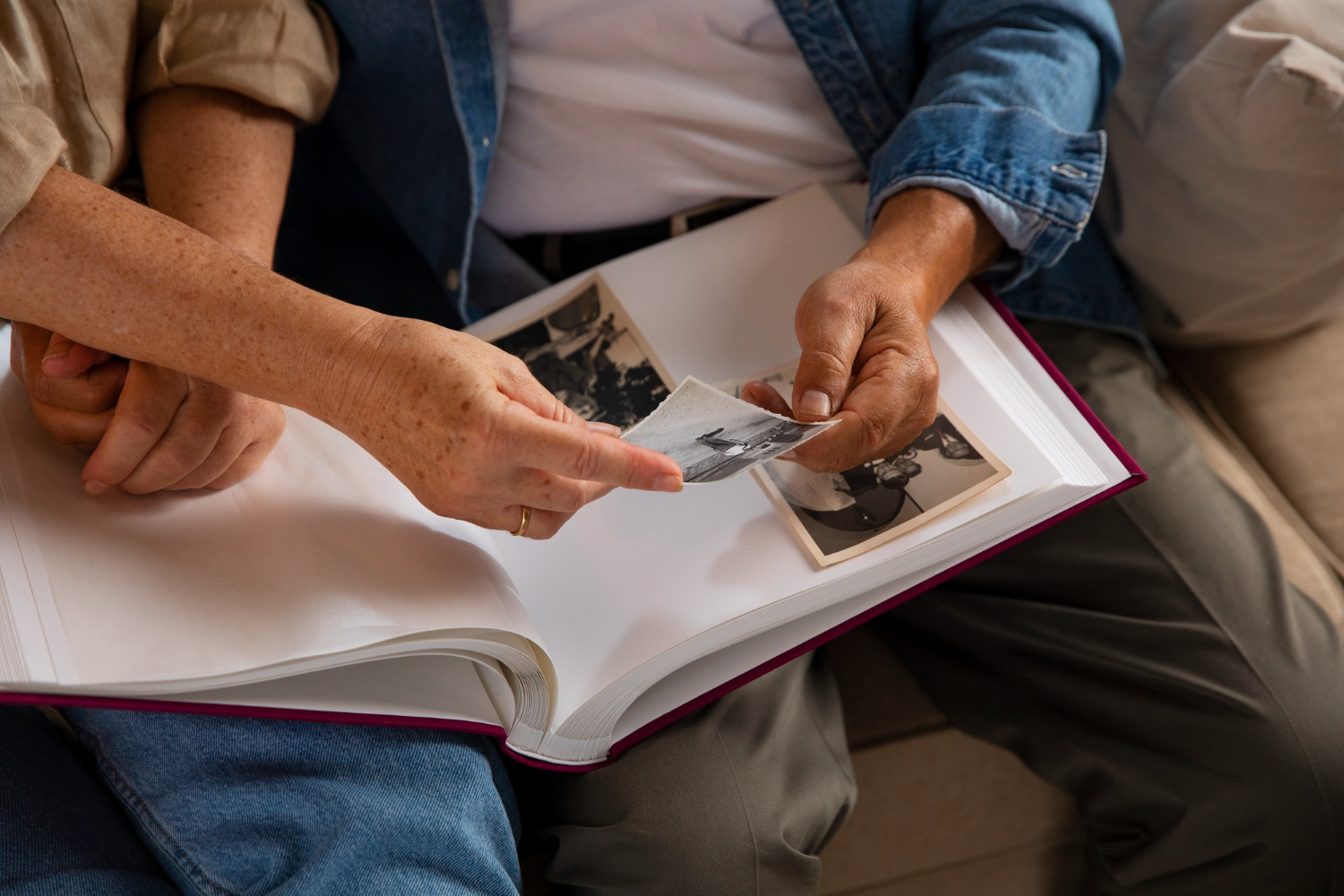
Visual records preserve discoveries for the whole family. A thorough record benefits future generations too.
Photographing gravestones, buildings, documents, and even the general landscape of an ancestral town creates a lasting visual record that can be shared with family back home and preserved for future generations who may want to continue the research. A simple phone camera is usually sufficient for the task. Photographing and documenting everything you find is a small habit with lasting value, the record-keeping that turns a single trip into a resource the whole extended family can benefit from for years to come.
10. Approach the Trip With Emotional Flexibility
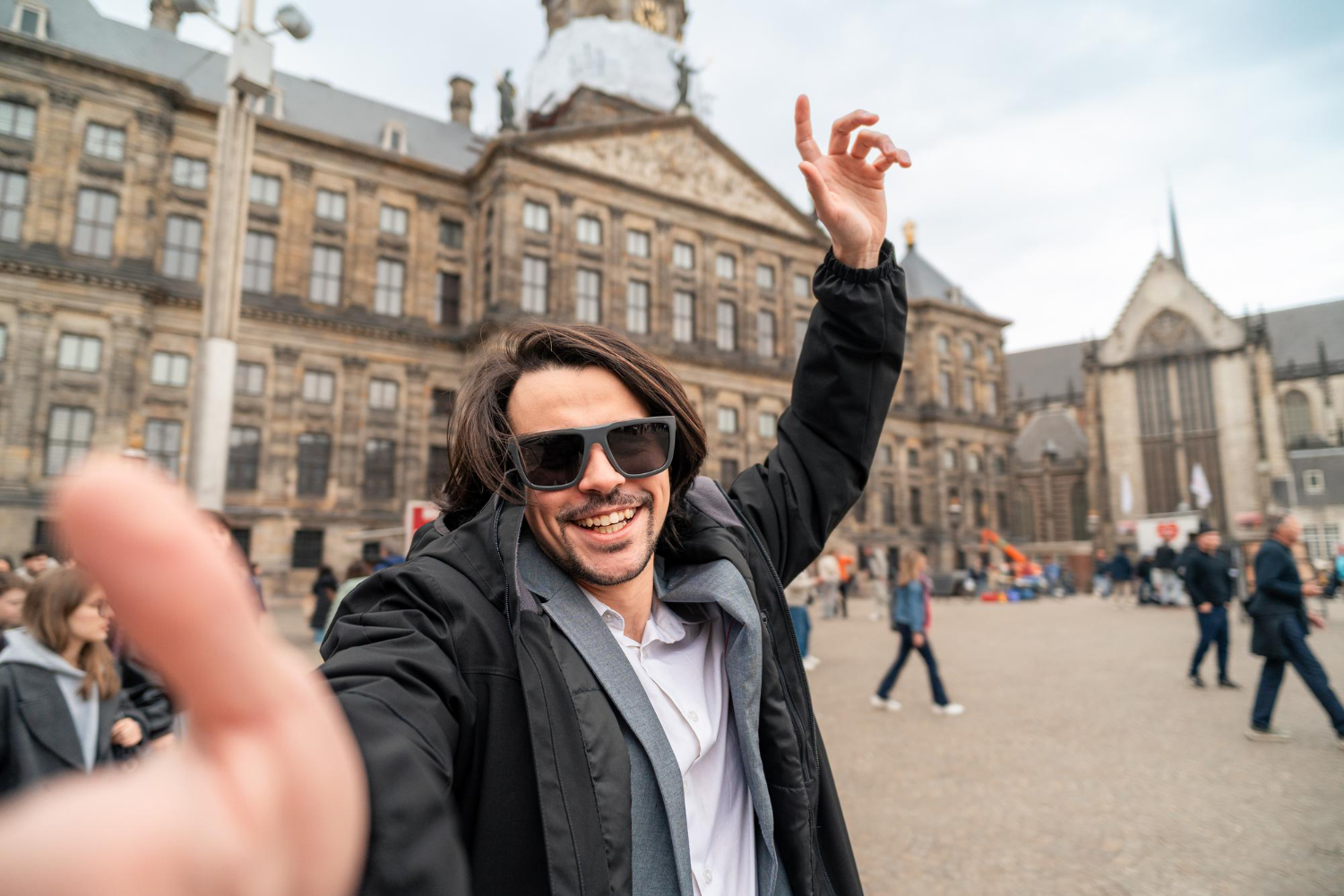
Genealogy trips can bring unexpected feelings. Staying open to whatever the visit reveals matters most.
Genealogy trips often bring genuinely unexpected emotional responses, standing in a childhood home an ancestor once lived in, or discovering a difficult or complicated family history that wasn’t part of the story passed down. Approaching the trip with openness and emotional flexibility, rather than a fixed expectation of what you’ll find, tends to make for a more meaningful experience overall. Approaching the trip with emotional flexibility is perhaps the most important mindset of all, the openness that lets a genealogy journey become whatever it genuinely turns out to be.
A Journey Into Your Own Story
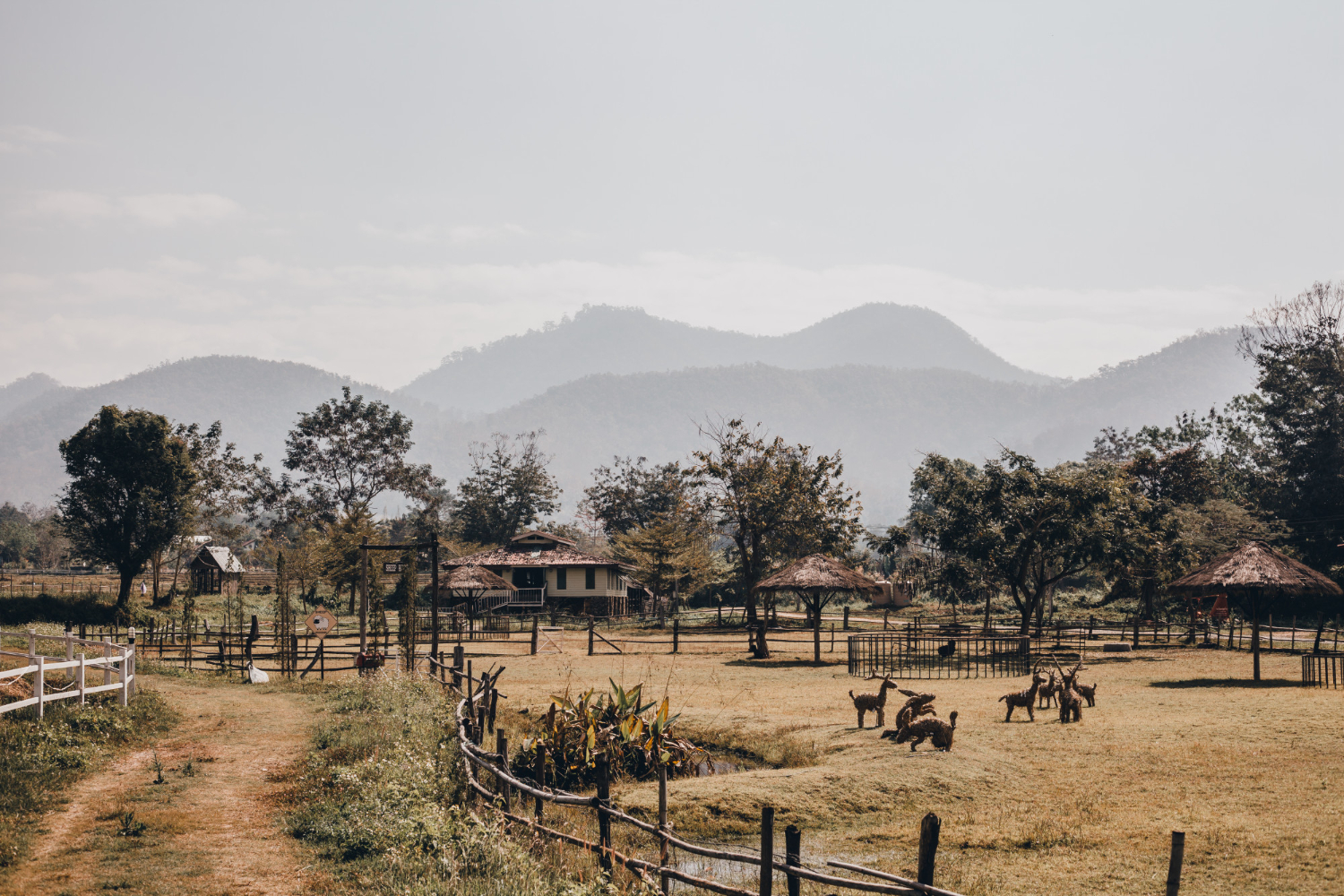
Taken together, these ten points capture what it takes to plan a genuinely meaningful genealogy and ancestry trip abroad, from the research groundwork and local archive outreach to the emotional openness the experience often demands. For many American travelers, it becomes one of the most personally significant trips they’ll ever take.
Genealogy tourism has grown substantially in recent years, driven by widespread DNA testing and increasingly accessible digital archives that make it possible to trace family lines with a specificity previous generations couldn’t have imagined. While not every search leads to a tidy resolution, the process of researching, traveling, and standing in the places connected to your own family history offers a kind of connection that few other trips can match. With the right preparation, a genealogy trip can become far more than sightseeing, it can become a genuine journey into your own story.
Like our content? Follow us for more.