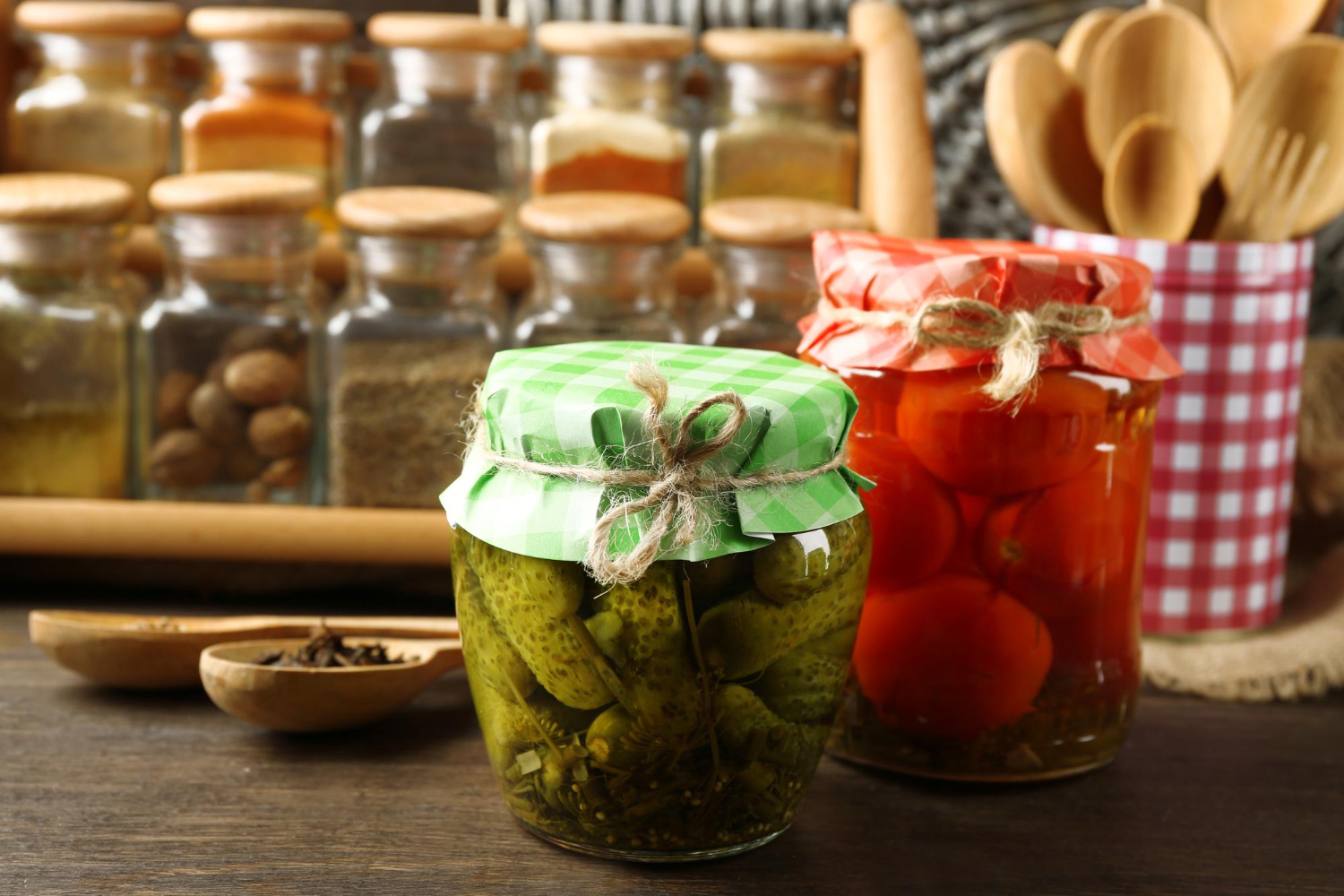
Preserving began as survival technology and became cuisine. The methods split broadly into two families: adding acid directly with vinegar, or letting bacteria produce it through fermentation. The second is where the interesting flavours live. Here are fifteen from around the world.
1. Kimchi — Korea
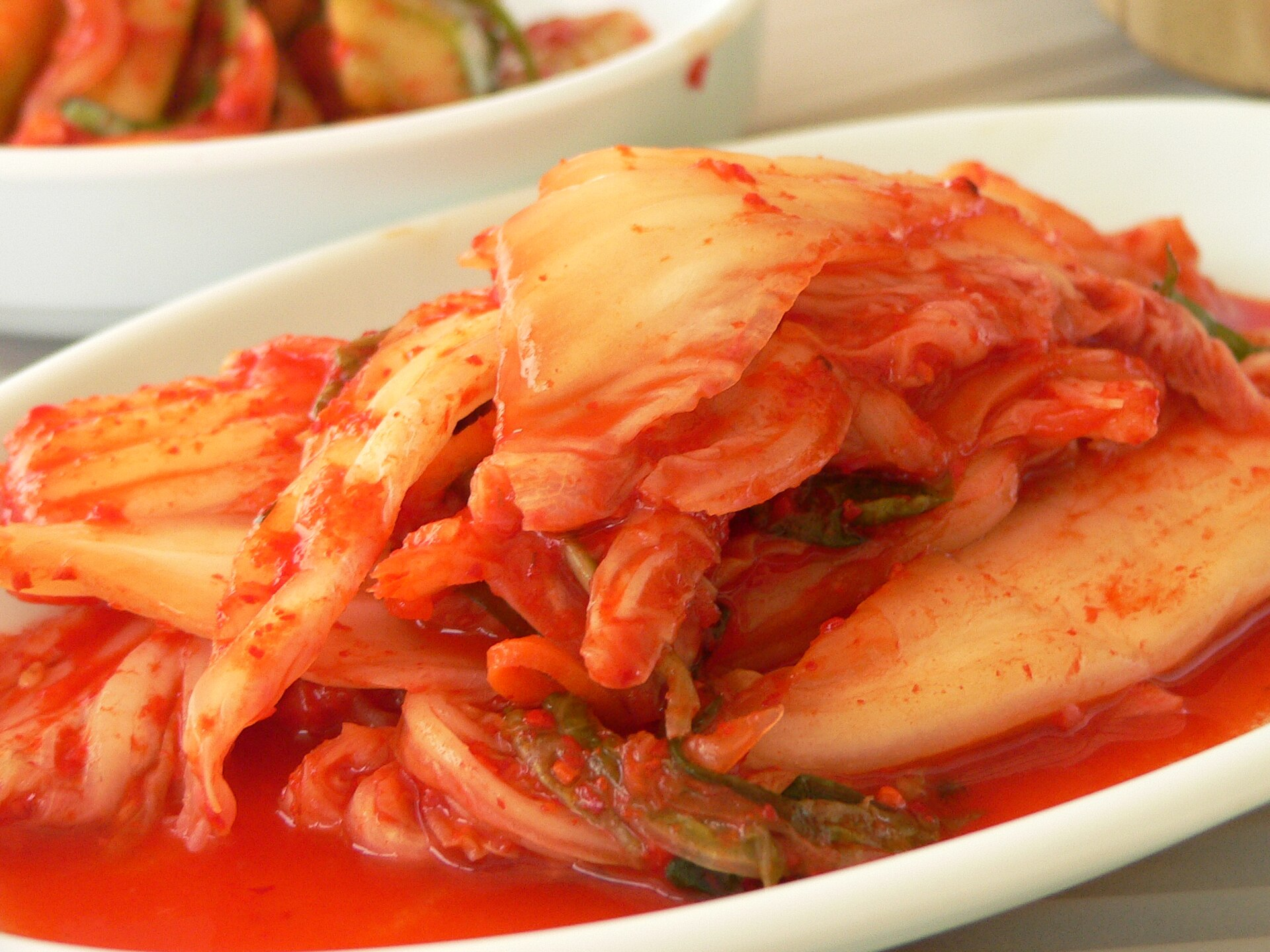
Napa cabbage salted, seasoned with chilli, garlic, ginger and fermented seafood, then left to ferment. It is eaten at essentially every meal.
Hundreds of regional and seasonal varieties exist, made with radish, cucumber or greens rather than cabbage, and households traditionally prepared enormous quantities together before winter. The flavour deepens for months. Kimchi is the preserved food that anchors an entire national cuisine.
Like our content? Follow us for more.
2. Sauerkraut — Central Europe
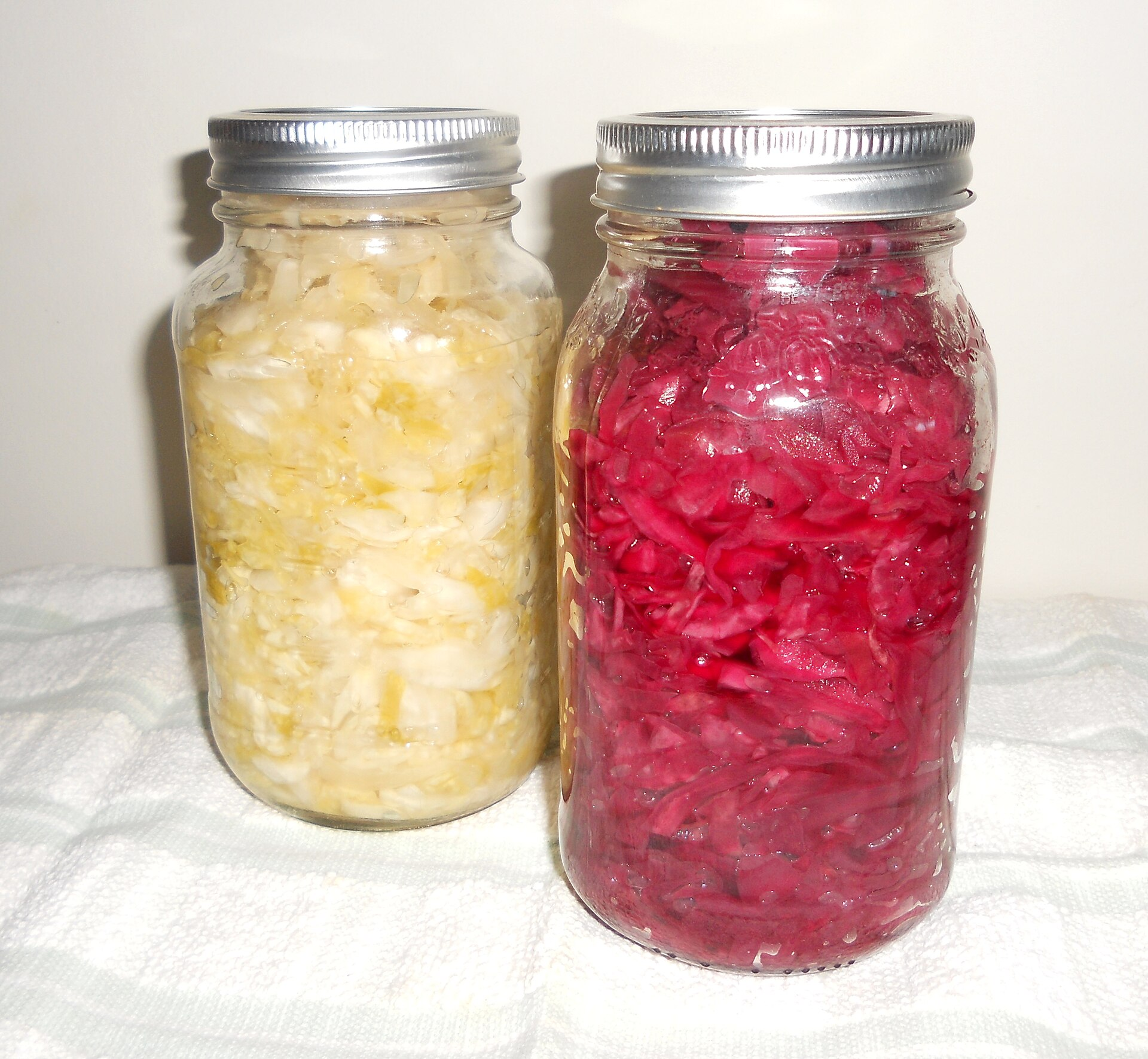
Shredded cabbage salted and left to ferment in its own liquid, producing sourness biologically rather than from added vinegar. The ingredient list is two items long.
Salt draws water out of the cabbage, creating a brine that excludes spoilage organisms while lactic acid bacteria do the work. It keeps for months. Sauerkraut is the preserved food that proves you need almost nothing to transform a vegetable.
3. Umeboshi — Japan
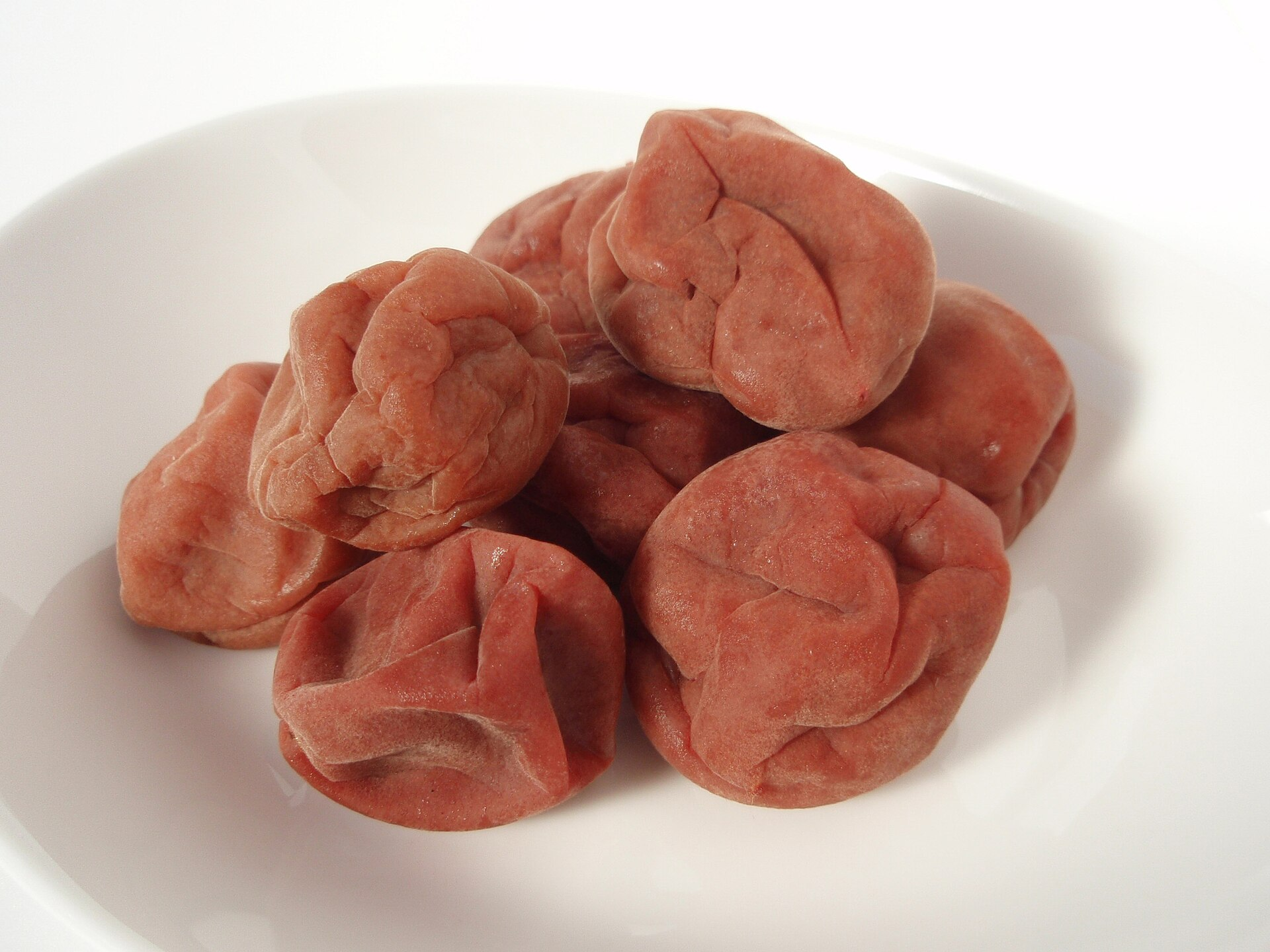
Ume fruit salted, weighted, and dried in the sun, often with red shiso leaves that turn them a deep pink. They are intensely sour and salty.
Traditionally eaten with rice or tucked into a rice ball, a single one is enough, and they have been made in Japan for centuries. The flavour is startling on first encounter. Umeboshi are the preserved food that delivers more intensity per gram than anything else on this list.
4. Gravlax — Scandinavia
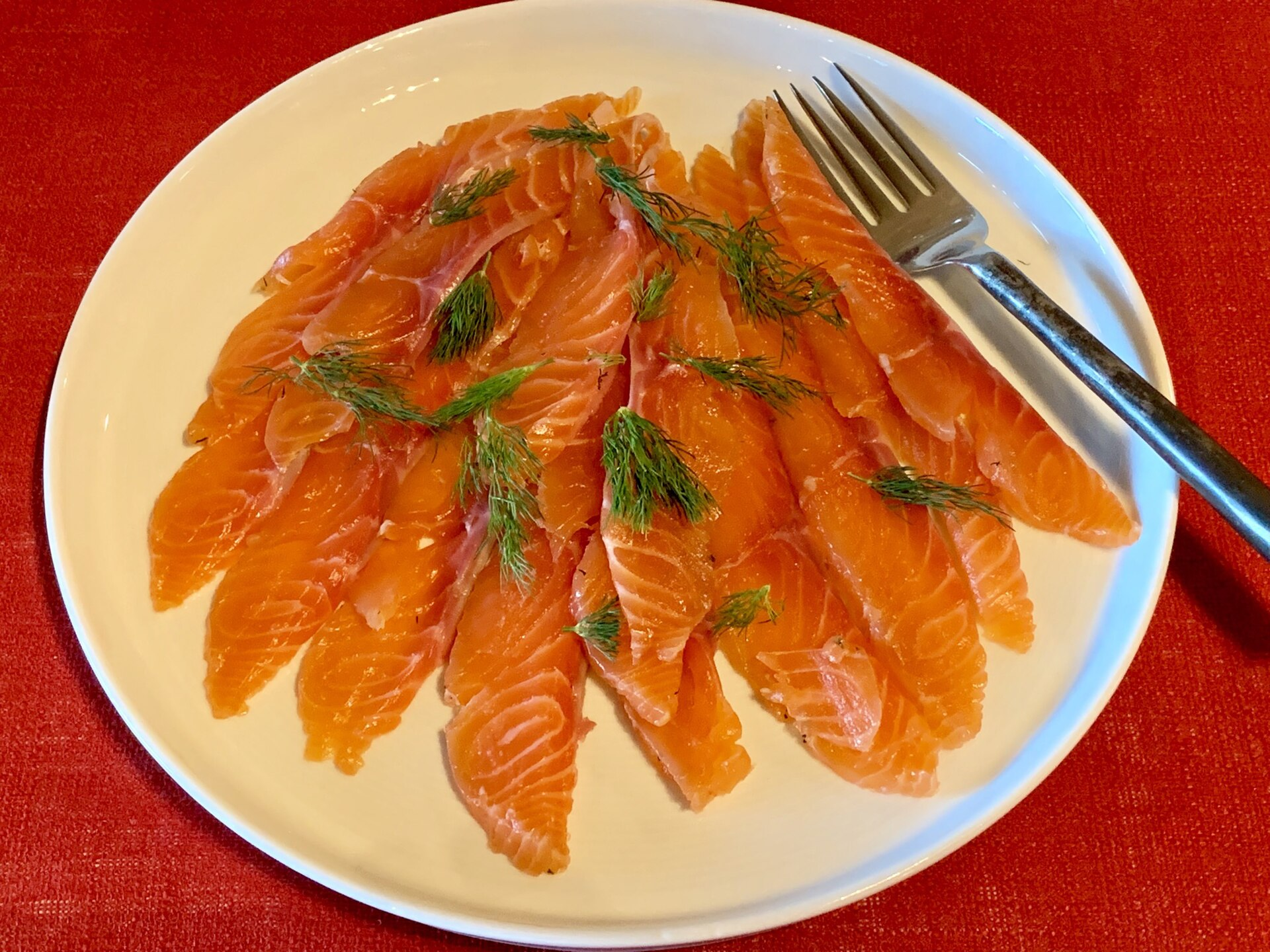
Salmon cured with salt, sugar and dill, weighted and left for a couple of days until the flesh firms and turns translucent. No cooking is involved.
The name refers to the historical practice of burying the fish to cure it, and the modern version is a refrigerator method requiring almost no equipment. It is straightforward to make at home. Gravlax is the preserved food most likely to convince you curing is easy.
5. Preserved Lemons — North Africa
Lemons packed in salt and their own juice for weeks until the rind softens completely and the flavour transforms into something floral and deeply savoury.
The rind is the part used, chopped into tagines and stews; the pulp is usually discarded. A jar takes about a month and then lasts a year. Preserved lemons are the preserved food that changes a citrus fruit into an entirely different ingredient.
6. Torshi — Middle East and the Balkans
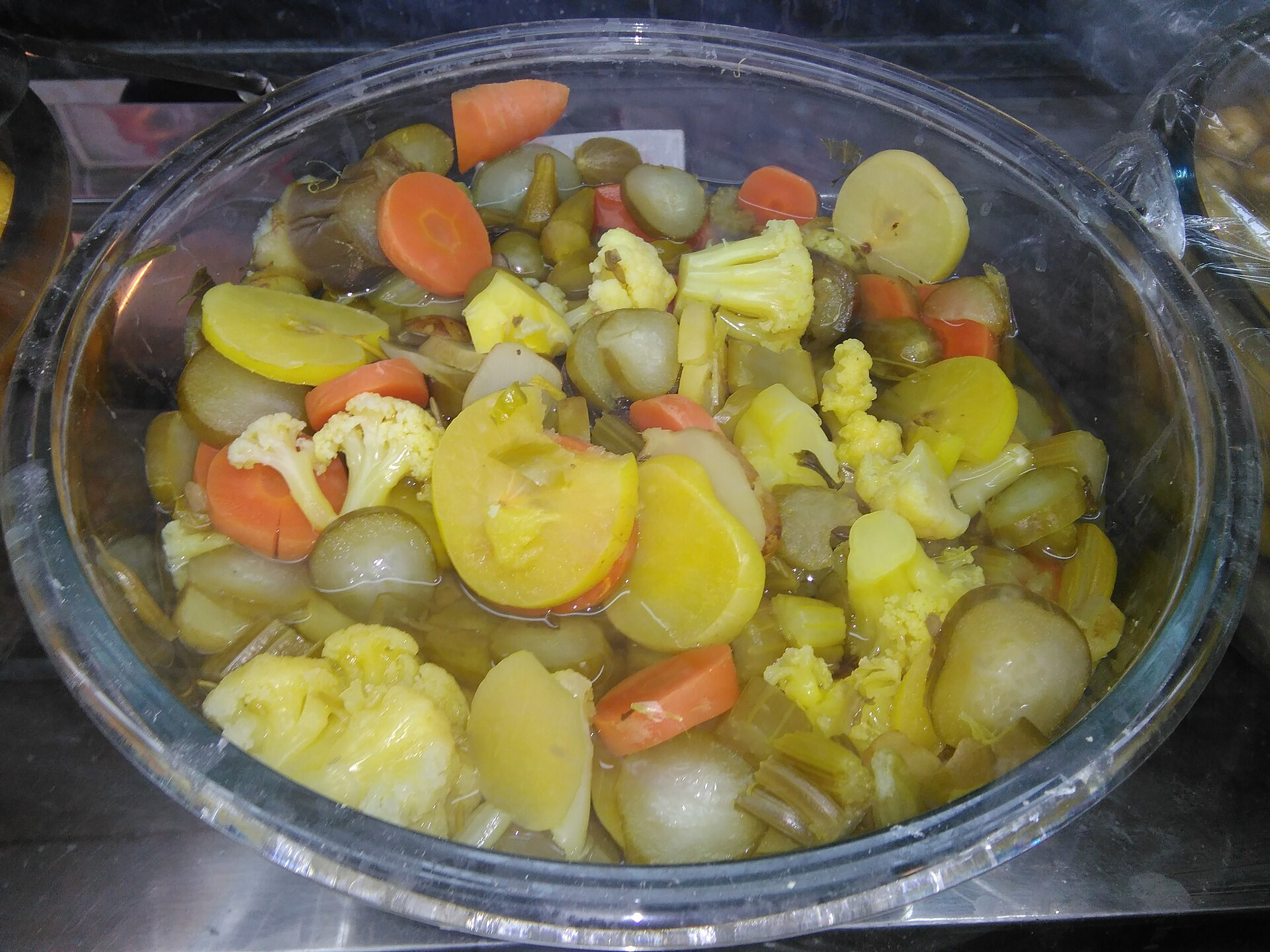
An umbrella term for vegetables pickled in vinegar or brine — turnips, cauliflower, cucumbers, peppers — often coloured pink with beetroot.
Served as a side with almost everything, the sharpness cuts through rich and grilled food, and every household has its preferred mix. The pink turnips are the visual signature. Torshi is the preserved food that turns up beside more meals than any other in the region.
7. Dill Pickles — Eastern Europe and North America
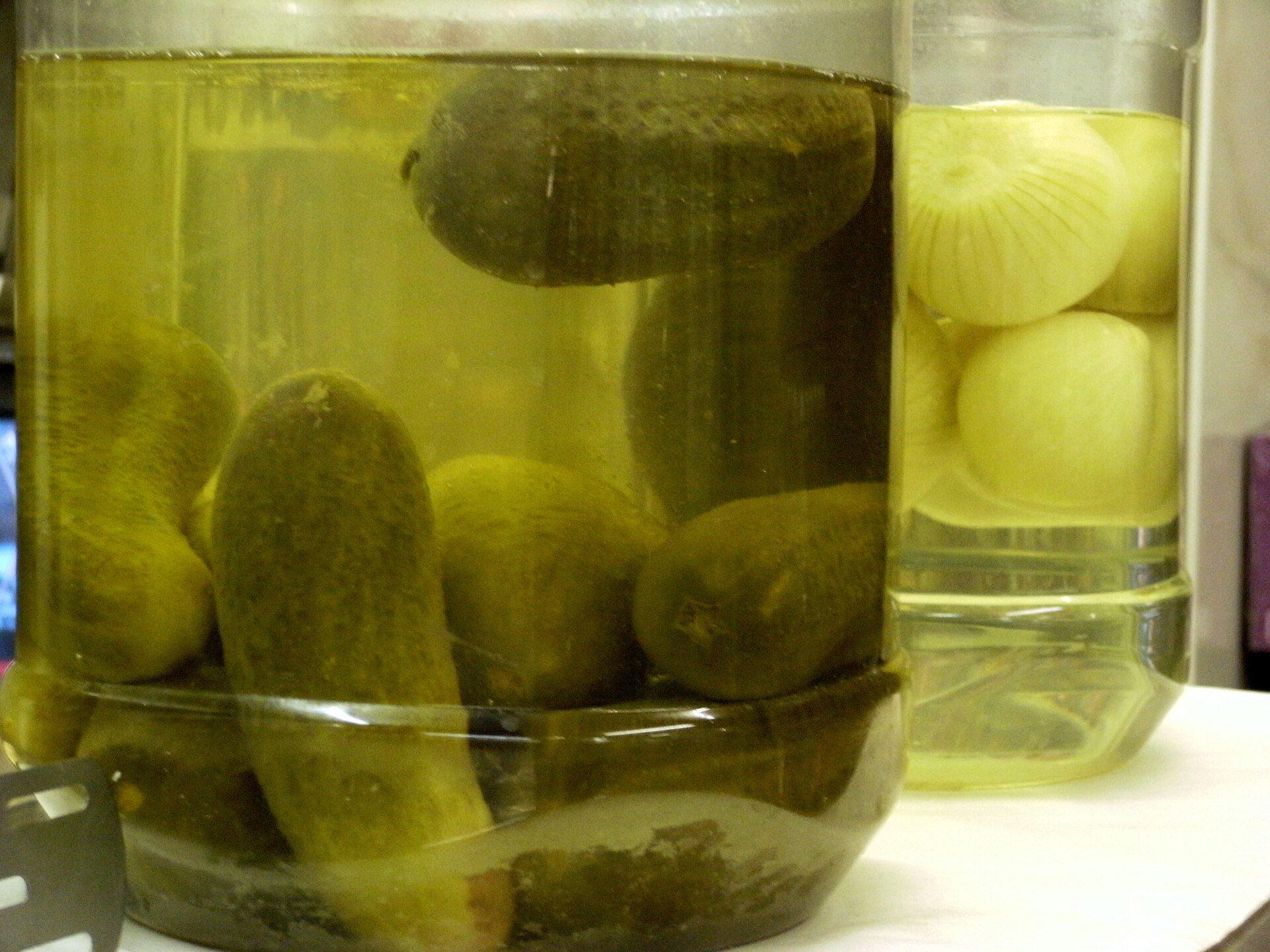
Cucumbers in brine with dill and garlic, either fermented for real sourness or quick-pickled in vinegar. The two produce noticeably different results.
Fermented versions develop complexity and a slight fizz; vinegar versions are sharper and faster. The barrel-fermented style is the older tradition. Dill pickles are the preserved food most people have eaten without knowing which method produced them.
8. Biltong — Southern Africa
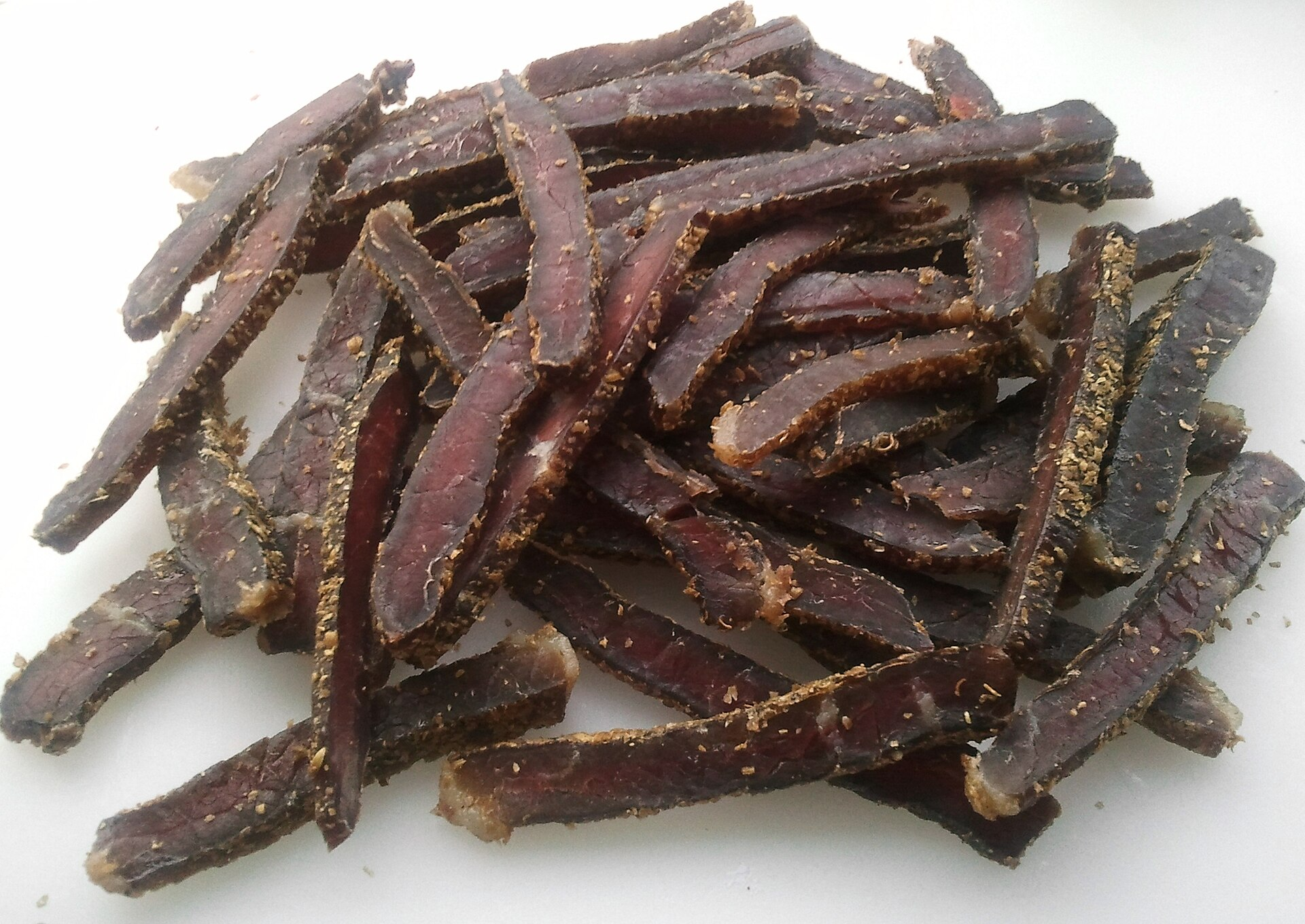
Strips of meat cured with salt and vinegar, seasoned with coriander seed, and air-dried rather than cooked. It is not the same as jerky.
The vinegar cure and the drying method give a different texture and flavour from smoked or heat-dried products, and thickness is a matter of strong personal preference. It keeps for a long time. Biltong is the preserved food that turns air-drying into a national habit.
9. Salt Cod — Portugal, Spain and Scandinavia
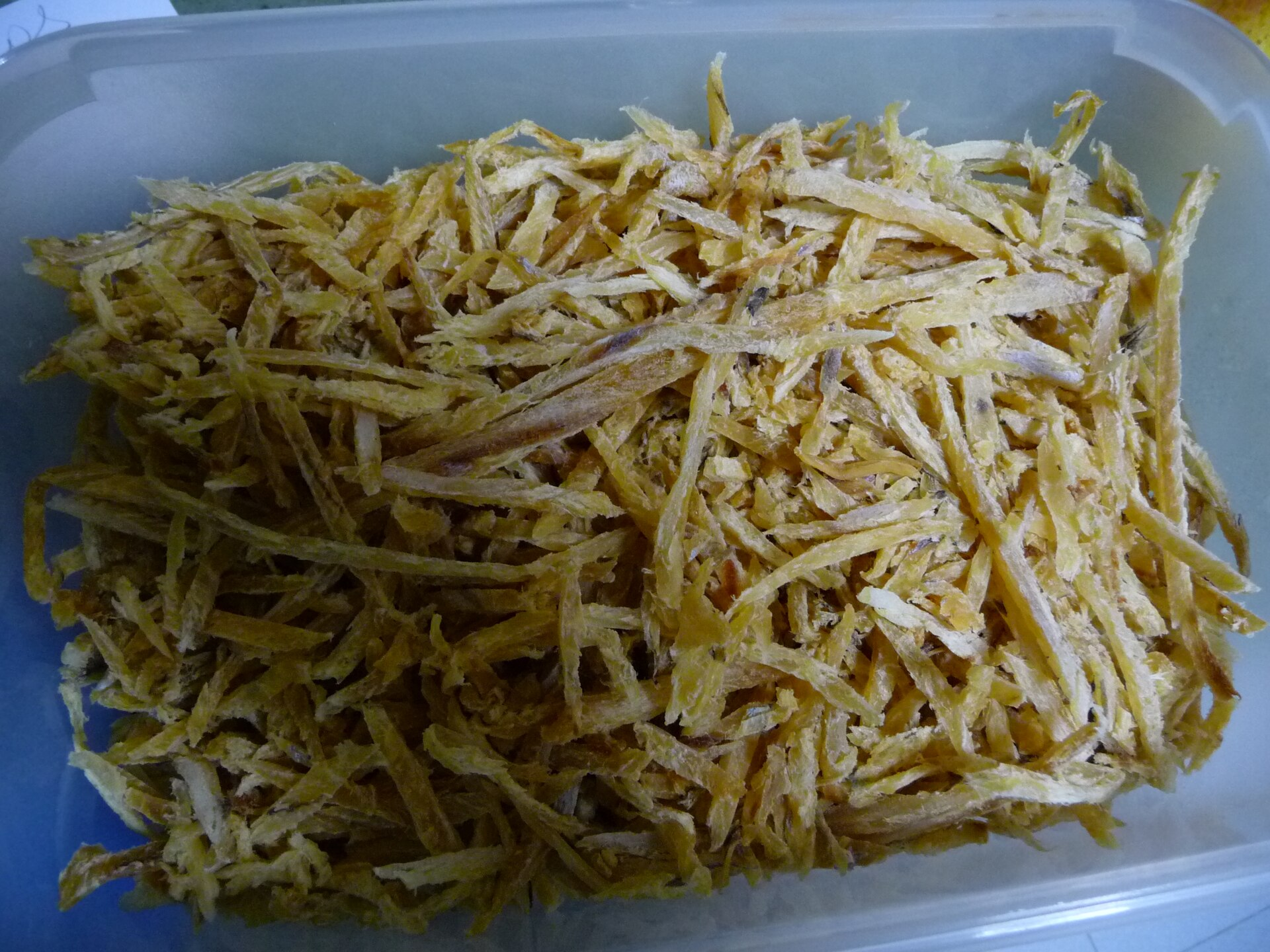
Cod heavily salted and dried until hard, requiring soaking for a day or more before use. It sustained long sea voyages and inland trade for centuries.
Portugal is said to have a recipe for every day of the year, and the reconstituted fish behaves quite differently from fresh cod. Soaking is not optional. Salt cod is the preserved food that shaped Atlantic trade for four hundred years.
10. Achar — South Asia
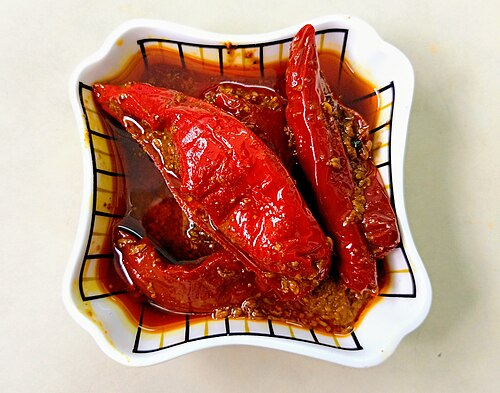
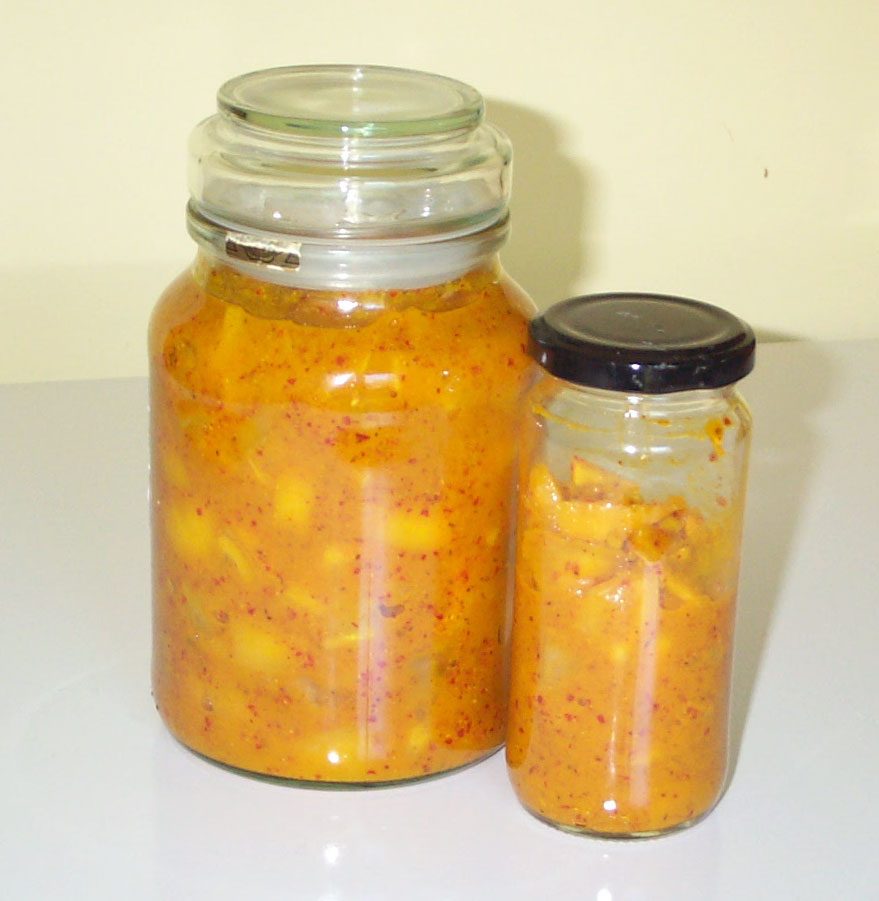
Fruits and vegetables — mango, lime, chilli, garlic — preserved in oil, salt and spices, often matured in the sun for weeks. Small quantities are served alongside meals.
Regional variation is enormous, the oil acts as a preservative and flavour carrier, and a well-made jar improves with age. A spoonful is a whole condiment. Achar is the preserved food with more regional variants than anyone could catalogue.
11. Sauerruben and Fermented Roots — Northern Europe
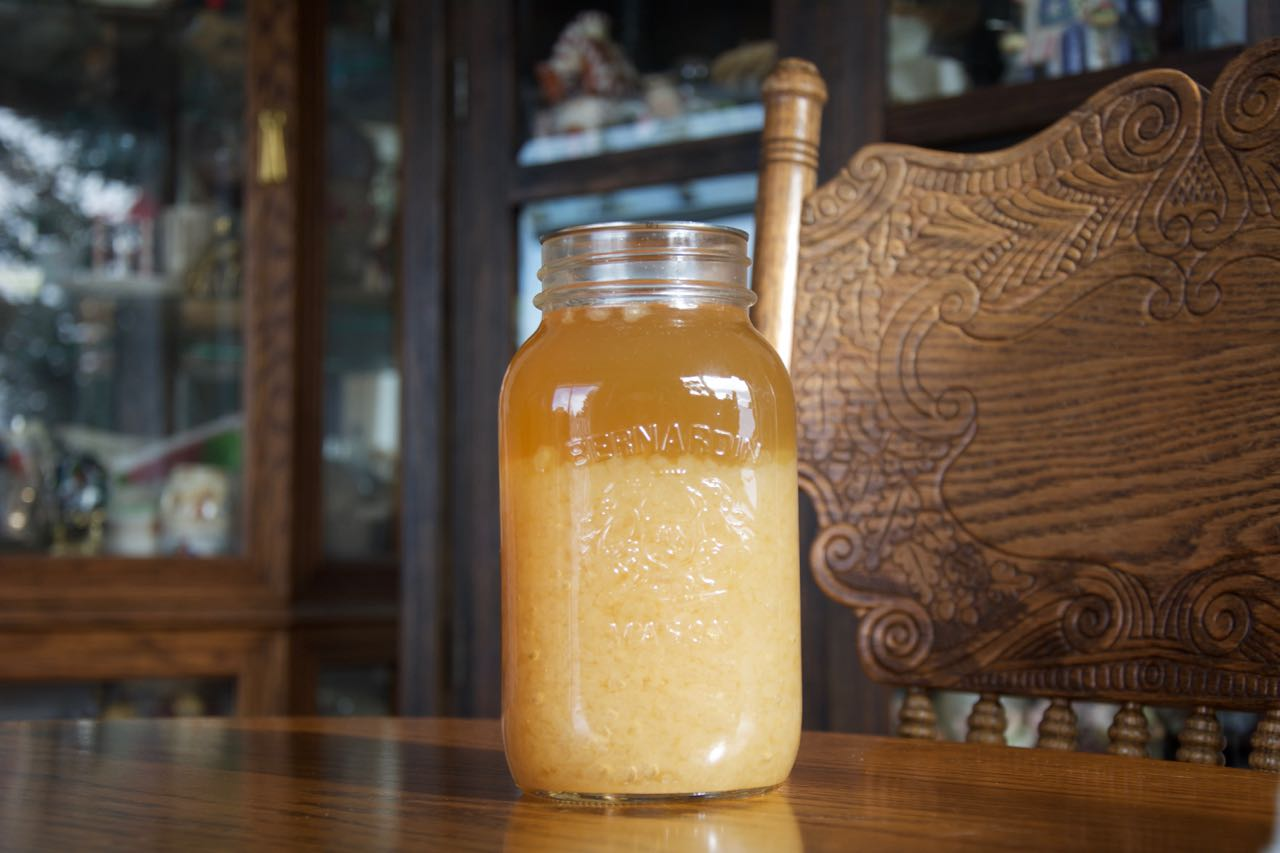
Turnips and other root vegetables shredded and fermented like cabbage, producing a sour, earthy result that keeps through winter.
Less famous than sauerkraut but made on the same principle, these were staple winter food across northern regions where little else grew. The method is identical. Fermented roots are the preserved food that kept northern households fed between harvests.
12. Confit — France
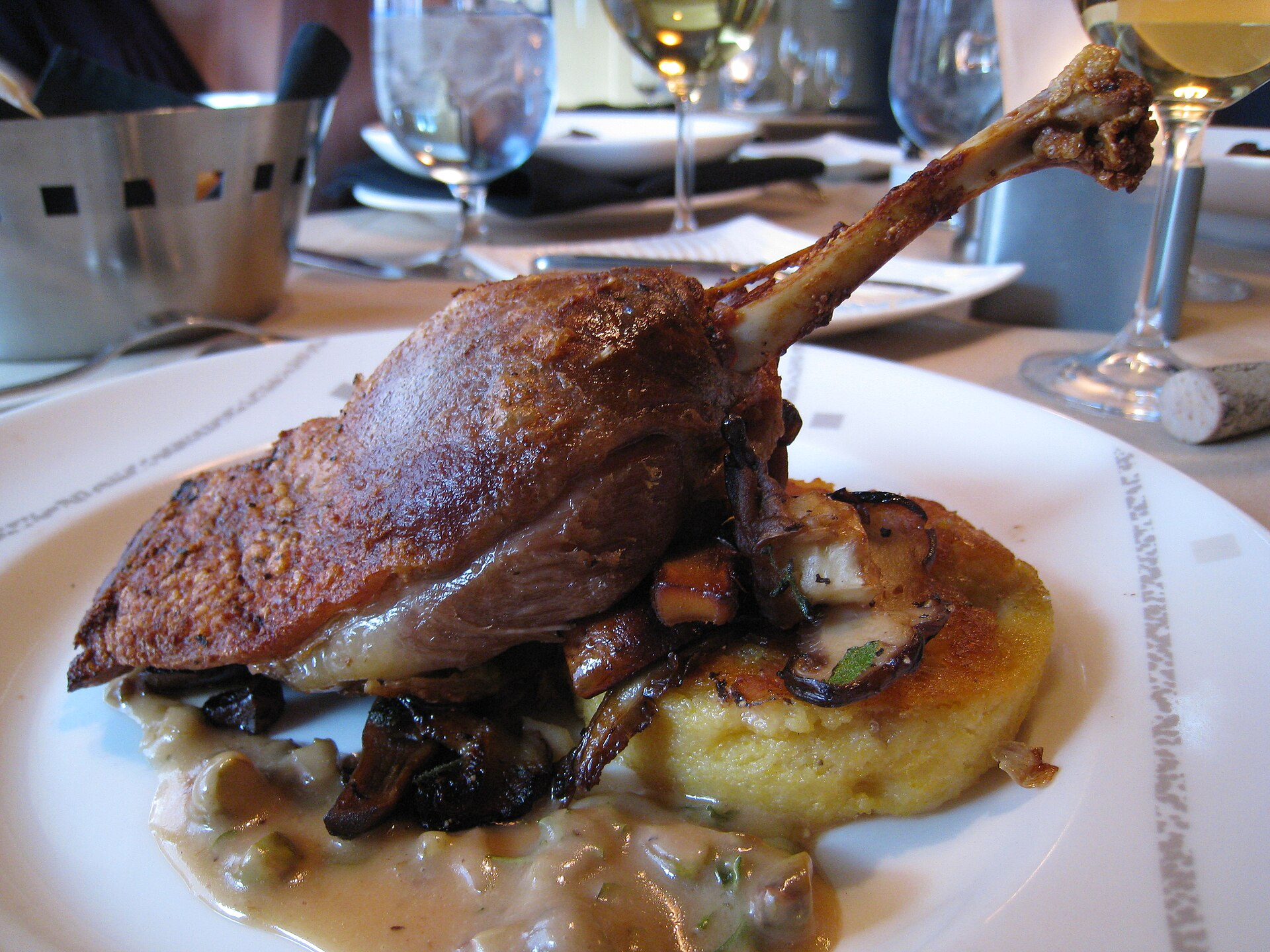
Duck or goose cooked slowly in its own fat and then stored submerged in it, sealed from air. The fat is the preservative.
Traditionally packed into earthenware and kept for months, the meat becomes meltingly tender and the fat itself is prized for cooking. It is a technique as much as a dish. Confit is the preserved food where the storage medium became a delicacy in its own right.
14. Chutney and Fruit Preserves — Global
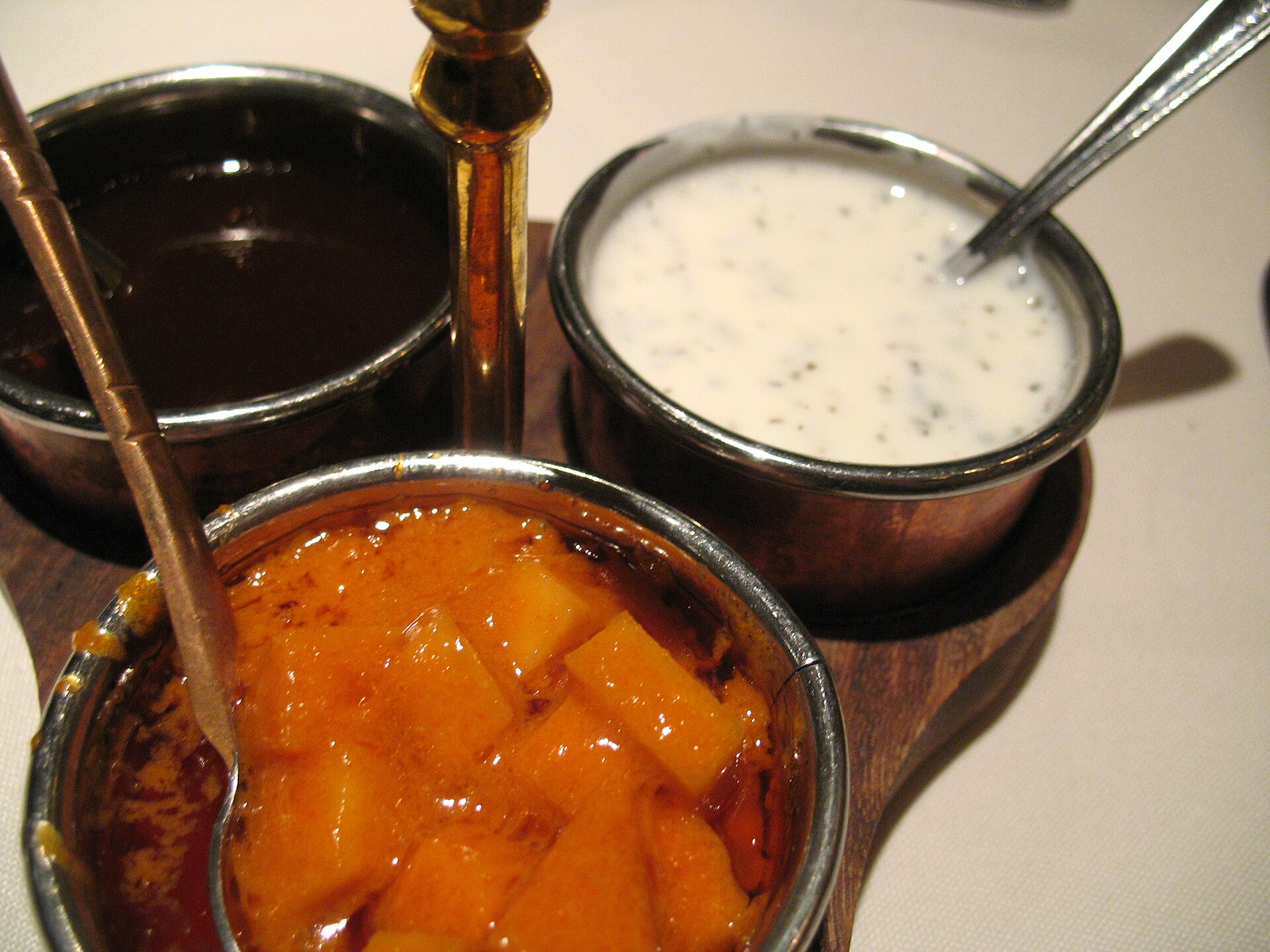
Fruit cooked with sugar, vinegar and spices until thick enough to keep, a method that appears independently across many cultures.
Sugar and acid together create conditions in which spoilage organisms struggle, which is the same principle behind jam. Sweet and sour work as preservatives before they work as flavours. Fruit preserves are the preserved food that made seasonal gluts last through the year.
15. Century Eggs — China
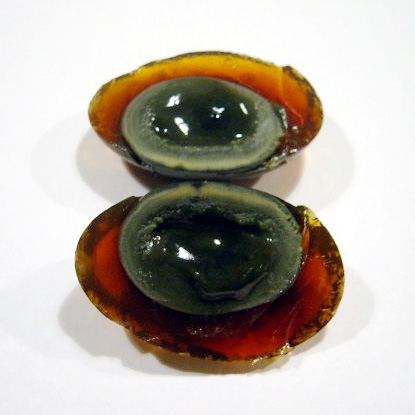
Eggs preserved in an alkaline mixture of clay, ash, salt and lime for weeks or months, transforming the white into translucent amber jelly and the yolk into dark green.
The name overstates the timescale substantially, and the flavour is savoury and complex rather than the ordeal outsiders expect. They are usually served sliced with condiments. Century eggs are the preserved food most likely to surprise anyone willing to try one.
16. Smoked Fish — Northern Europe and Beyond
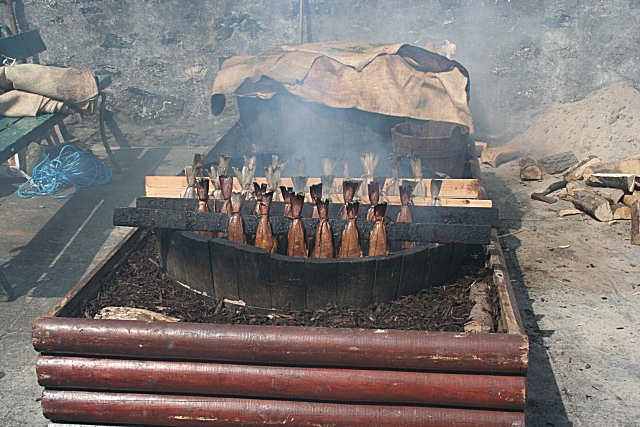
Fish cured with salt then cold- or hot-smoked, a method that dries, flavours and preserves simultaneously. Smoke contains natural antimicrobial compounds.
Cold smoking below cooking temperature produces silky results; hot smoking cooks as it flavours. Both traditions run from the Baltic to the Pacific Northwest. Smoked fish is the preserved food where the preservation method became the entire point.
Everything Here Began as Necessity
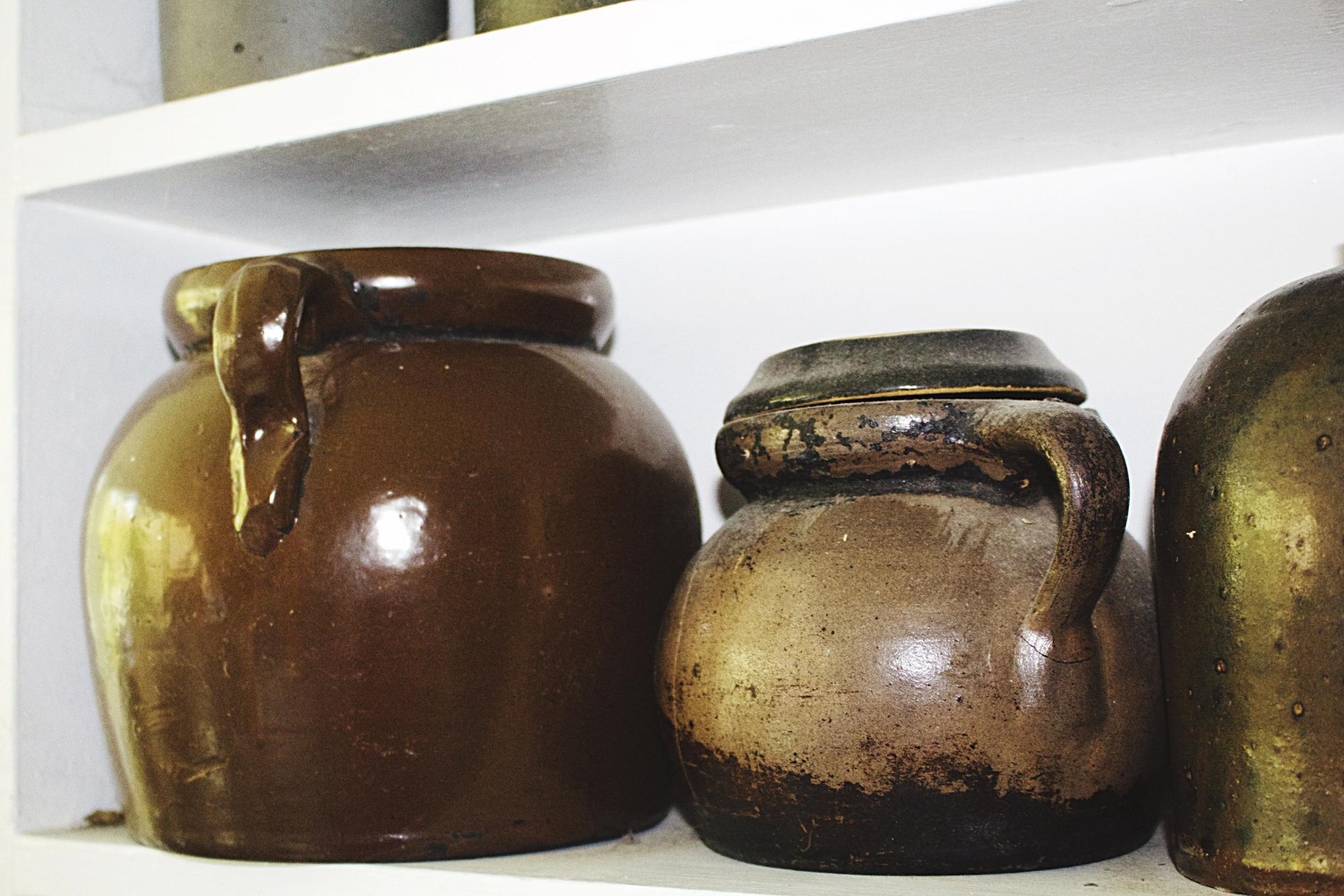
None of these was invented to taste good. Each solved a problem — a glut, a winter, a voyage — and the flavour was a consequence that outlived the need.
Several of these are truly easy to make at home with almost no equipment: sauerkraut needs cabbage and salt, preserved lemons need lemons and salt, gravlax needs a fridge and two days. Start with one of those and you are participating in a technology several thousand years old.
Like our content? Follow us for more.