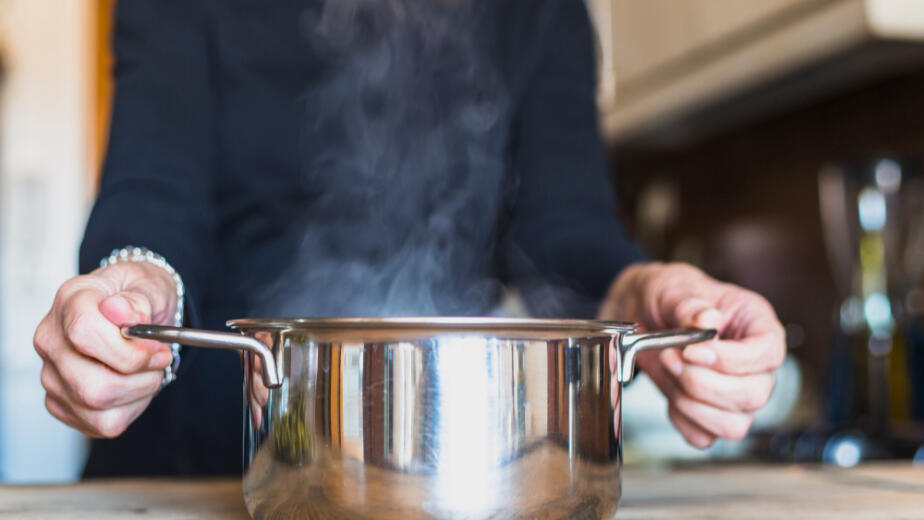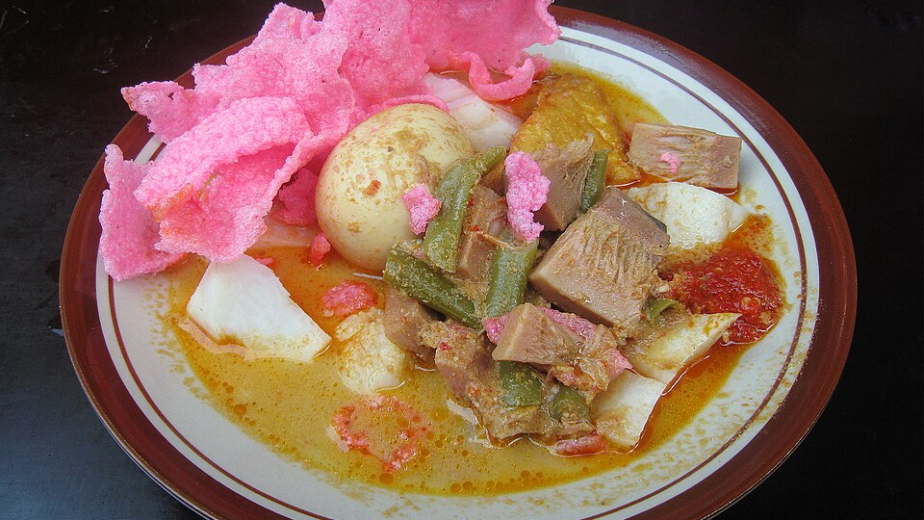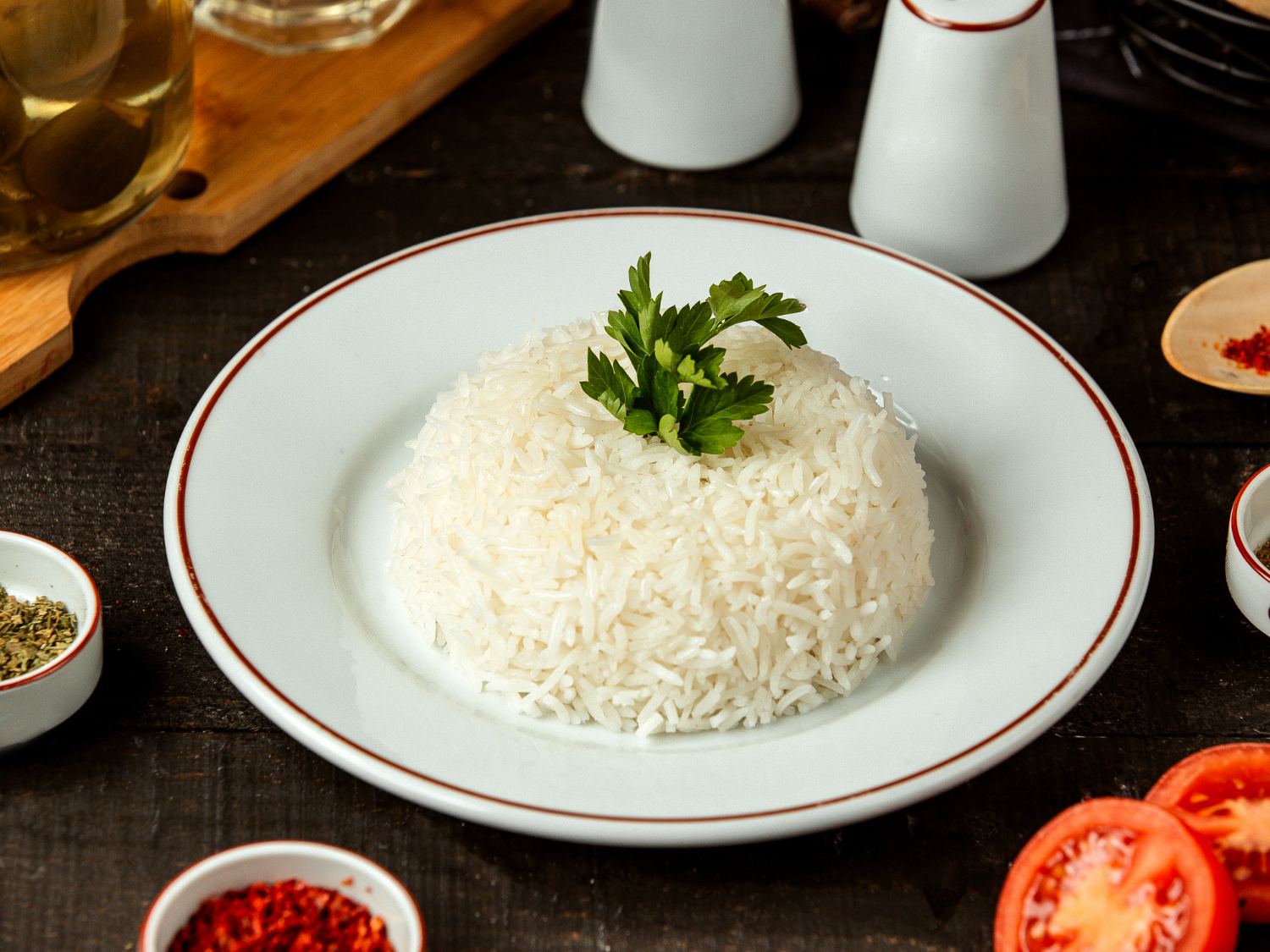
The organising fact is that rice is not one ingredient. Varieties differ in starch composition in ways that make them truly unsuitable for each other dishes, and almost every rice problem is a variety problem. Here are fifteen.
1. There Are Two Starches and the Ratio Decides Everything
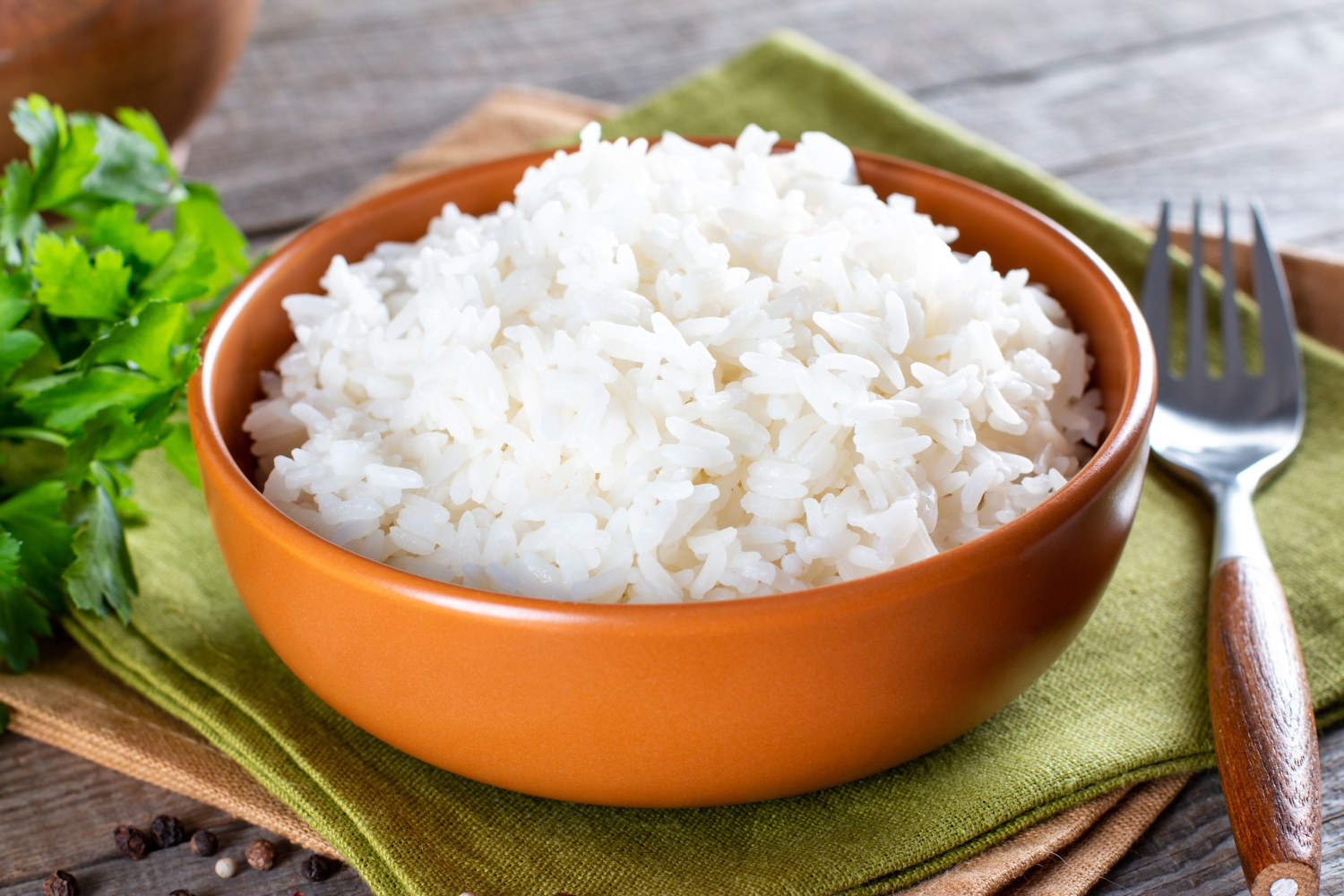
Rice contains two forms of starch in varying proportions – one that keeps grains separate and one that makes them adhere – and the balance between them determines the finished texture.
Nothing you do in the pan overrides it. Starch ratio is the property the whole subject rests on.
Like our content? Follow us for more.
2. Which Is Why Some Rice Cannot Be Made Fluffy
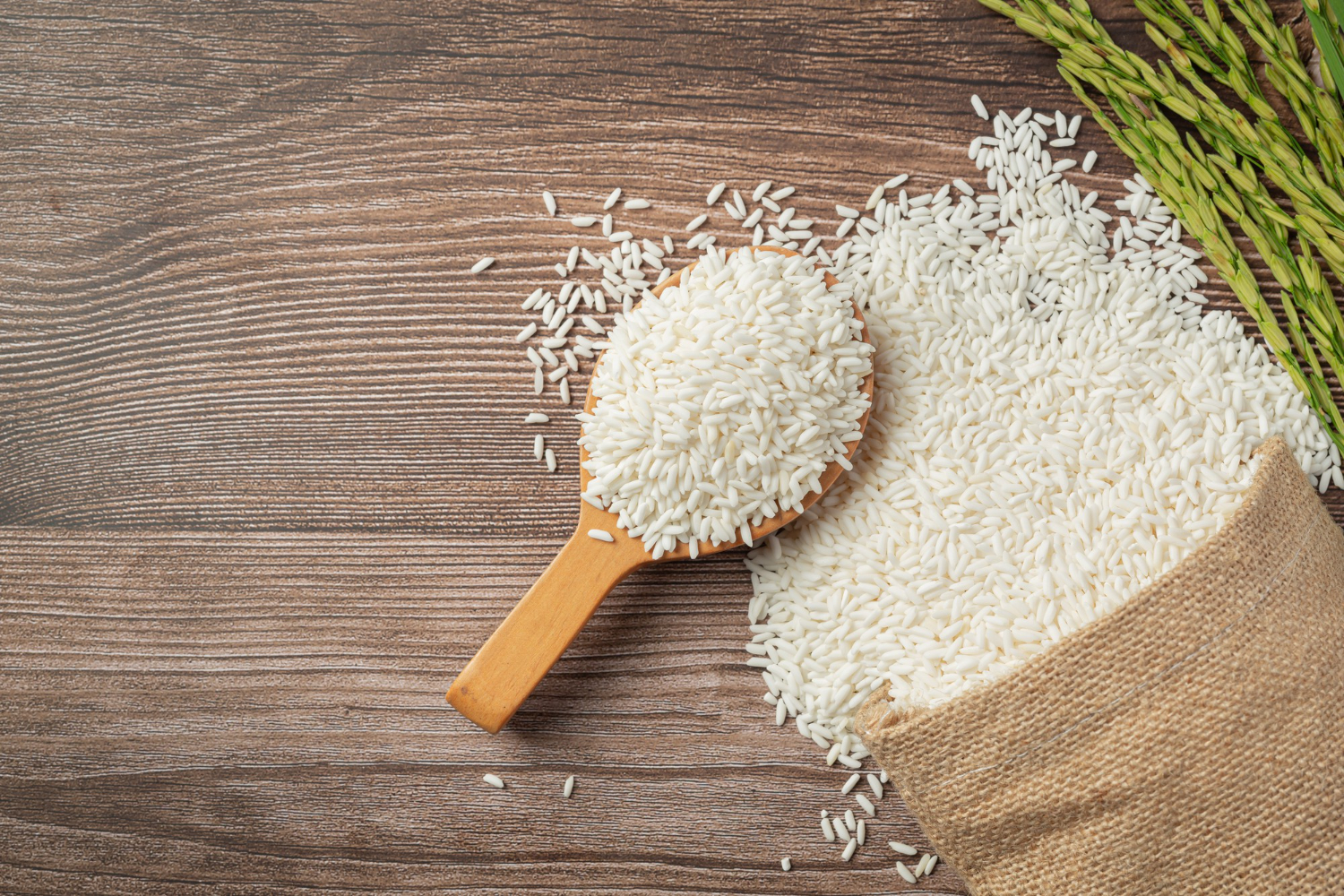
A variety high in the adhesive starch will become cohesive however carefully it is cooked, because the property is in the grain rather than in the method.
Substituting varieties produces the wrong dish rather than a worse one. Variety mismatch is the cause of most disappointment.
3. Grain Length Is a Rough Guide
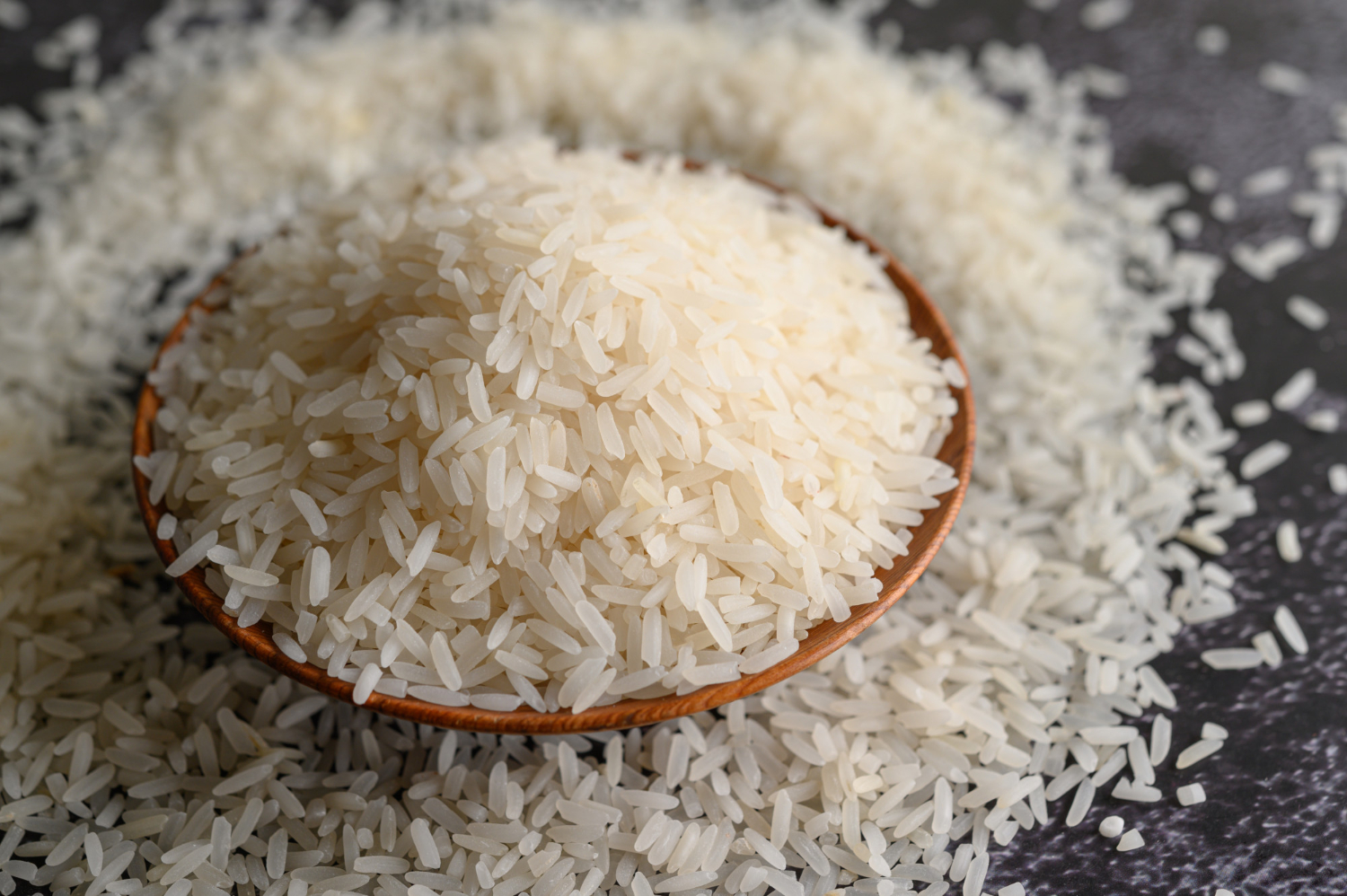
Longer grains tend toward the separating starch and shorter ones toward the adhesive, which is why long-grain and short-grain rices behave so differently.
It is a correlation rather than a rule. Grain length is the shorthand that works most of the time.
4. Rinsing Removes Loose Starch
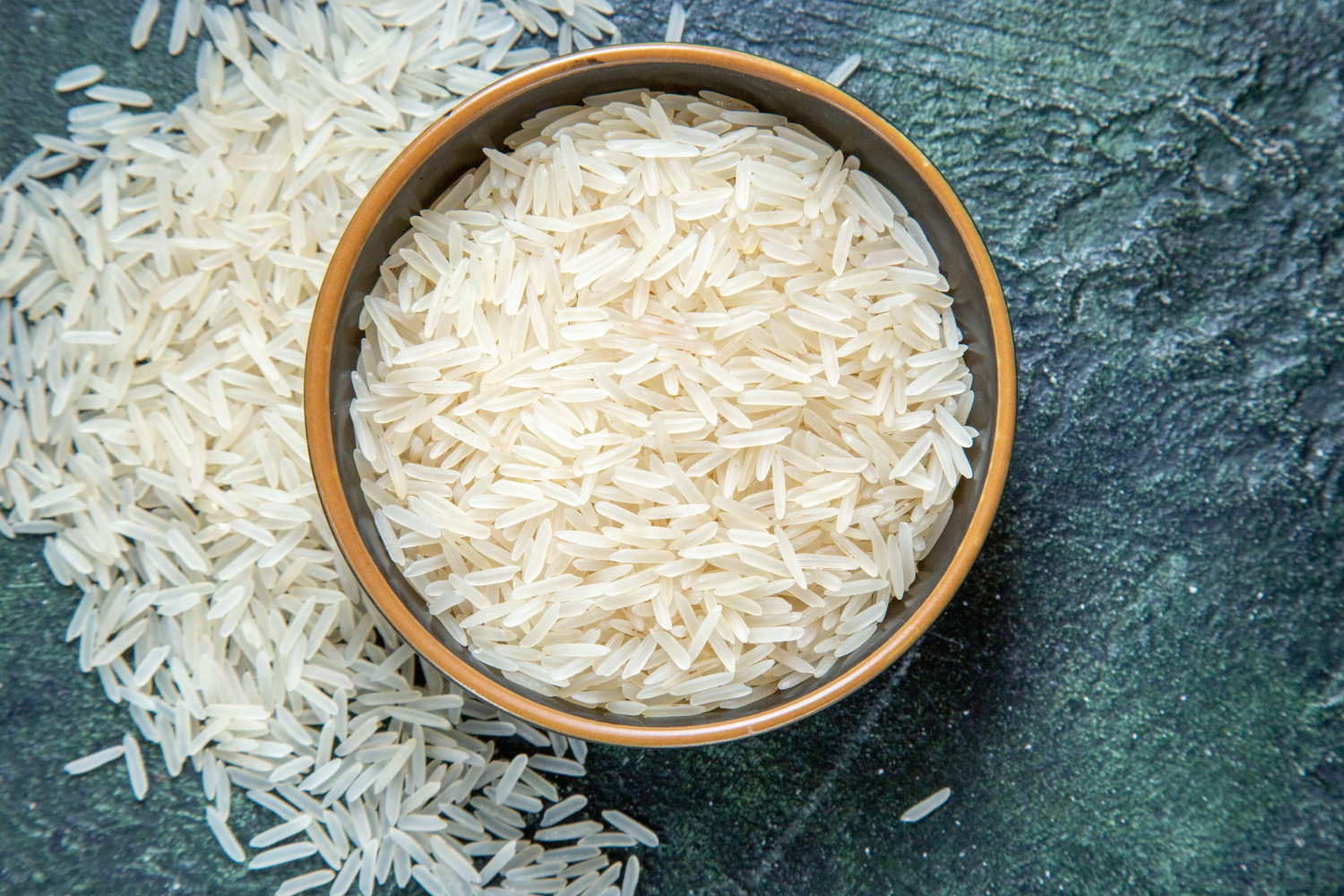
Milling and handling abrade the grains, leaving free starch on the surface that gelatinises immediately and glues everything together.
Rinsing until the water runs clear removes it. Surface starch removal is the step that changes texture before any heat is applied.
5. And Some Traditions Deliberately Do Not
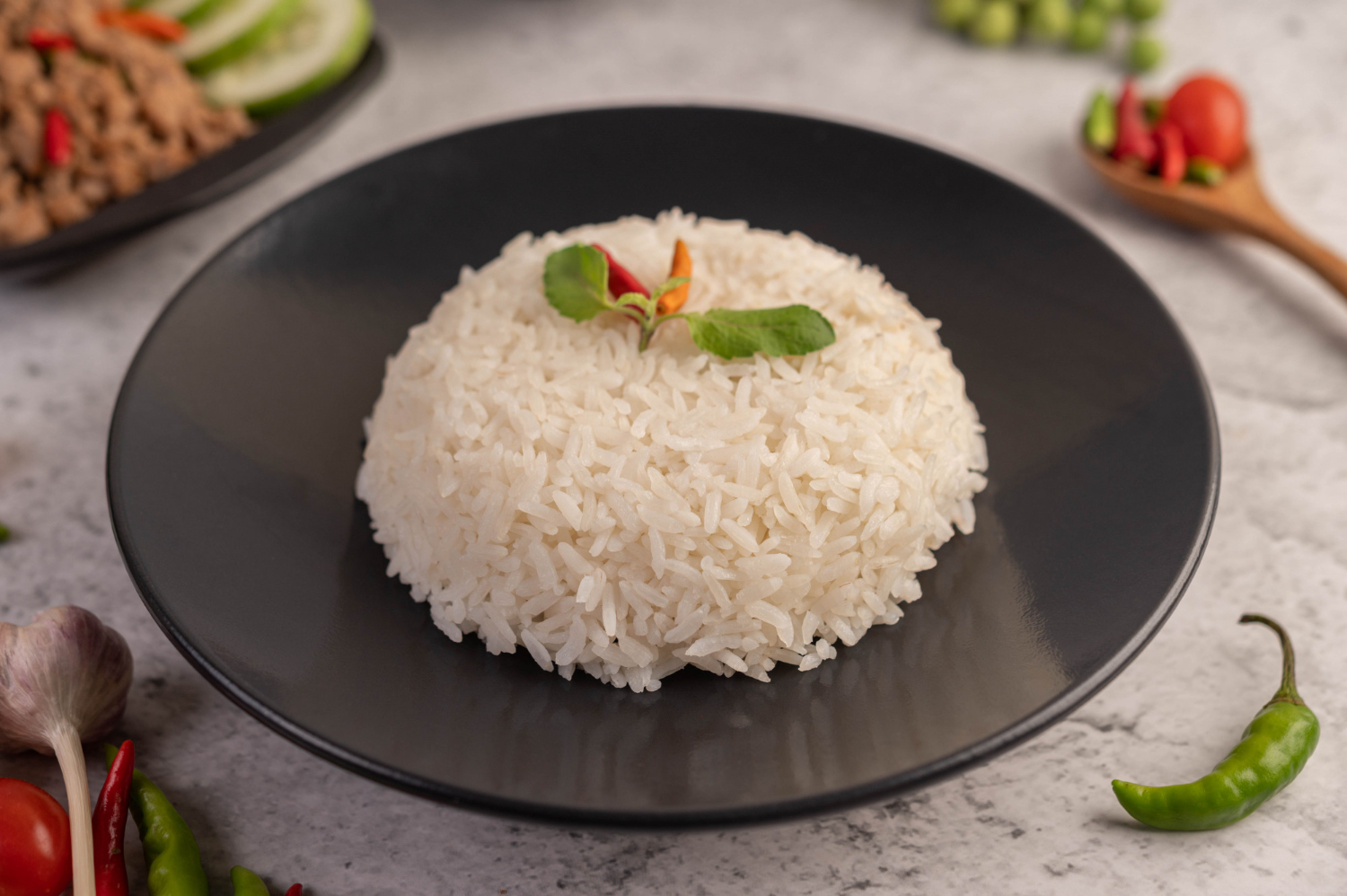
Where cohesion is wanted, the surface starch is an asset rather than a problem, so rinsing is reduced or skipped entirely.
Both approaches are correct for their purpose. Deliberate retention is the technique that uses the same starch the other way.
6. Soaking Hydrates Before Heat
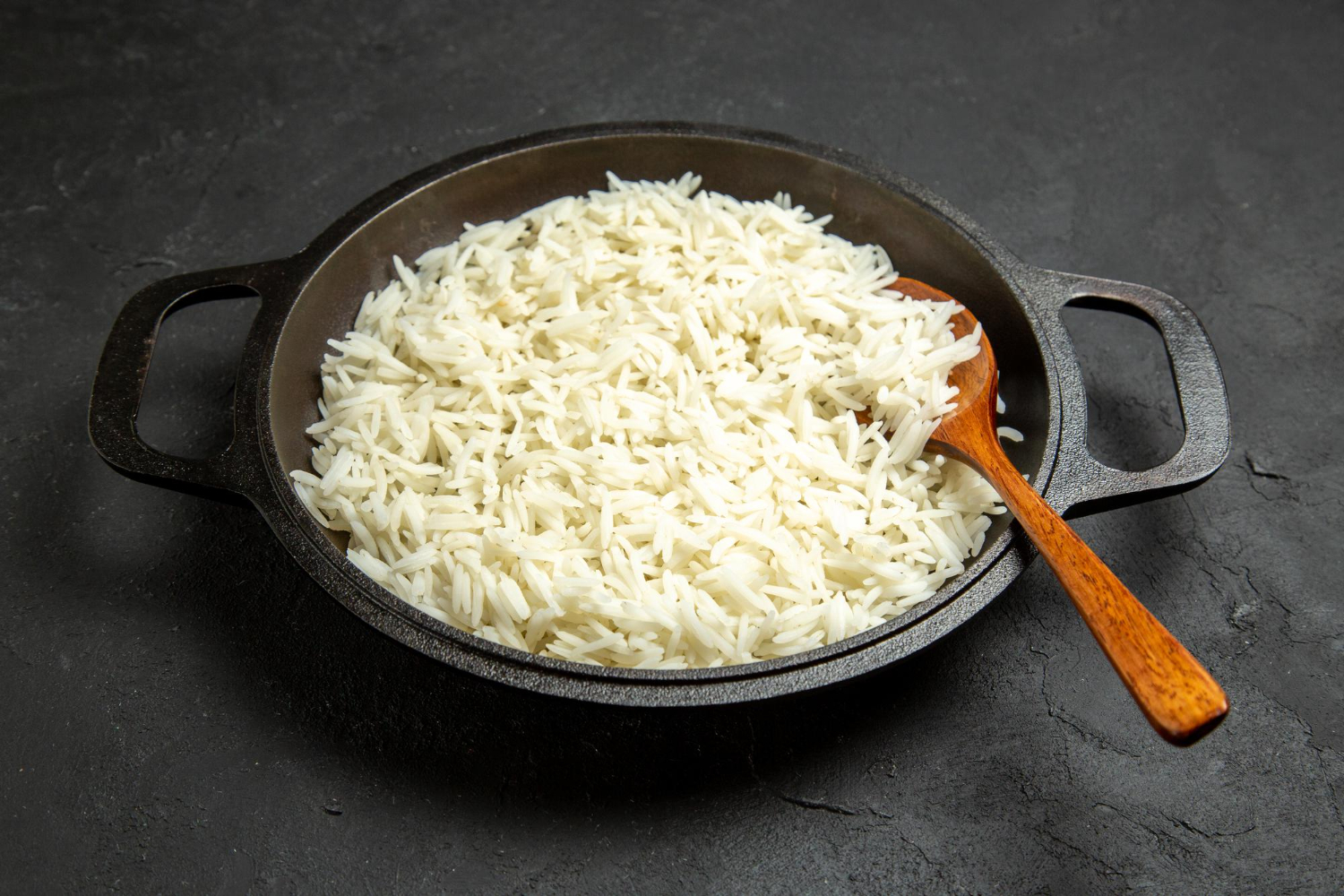
Letting grains absorb water before cooking means the interior is already wet when heating begins, so the grain cooks evenly rather than from the outside inward.
It also shortens cooking time noticeably. Pre-hydration is the step that produces consistency through the grain.
7. Absorption Versus Boiling Are Different Methods
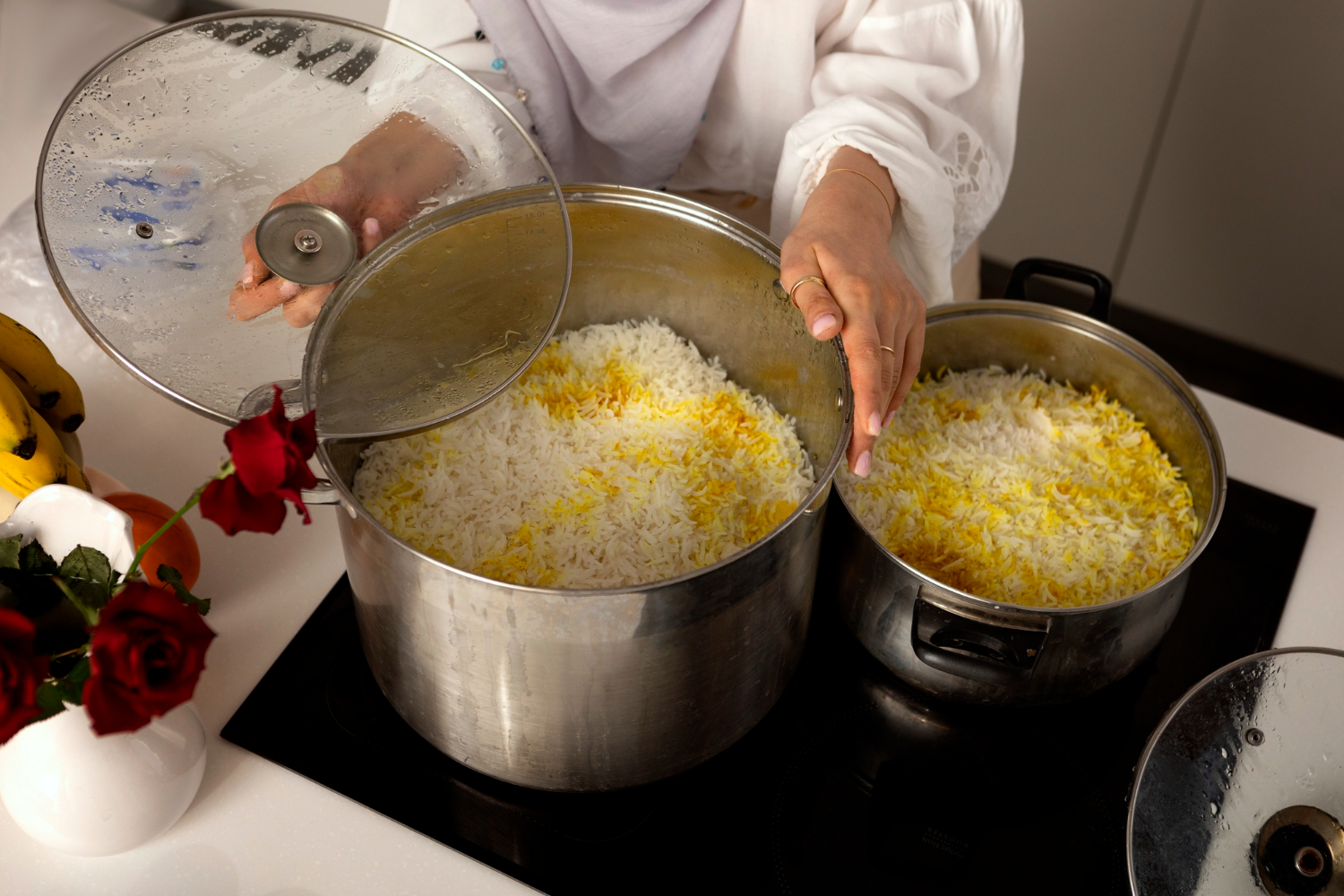
Cooking in exactly enough water that all of it is absorbed retains everything in the pan; cooking in excess and draining removes surface starch along with the water.
They suit different varieties and produce different results. Method choice is the second decision after variety.
8. The Steam Does the Second Half
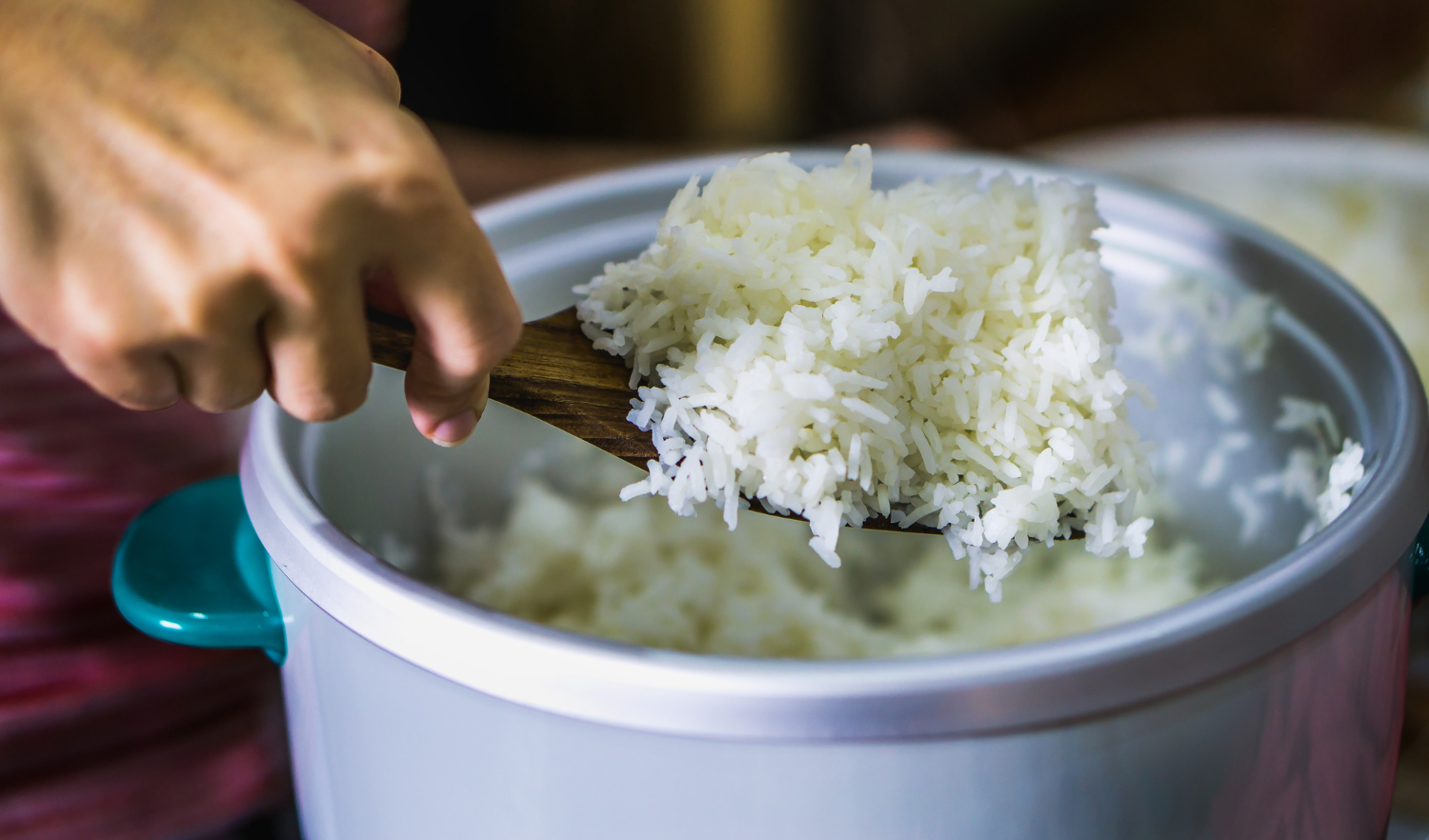
In the absorption method, the grains at the top cook in trapped steam rather than in water, which is why the lid and the seal matter as much as the heat.
Lifting it releases the mechanism. Trapped steam is the part of the process that is not boiling.
9. A Heavy Pan Prevents the Burnt Base
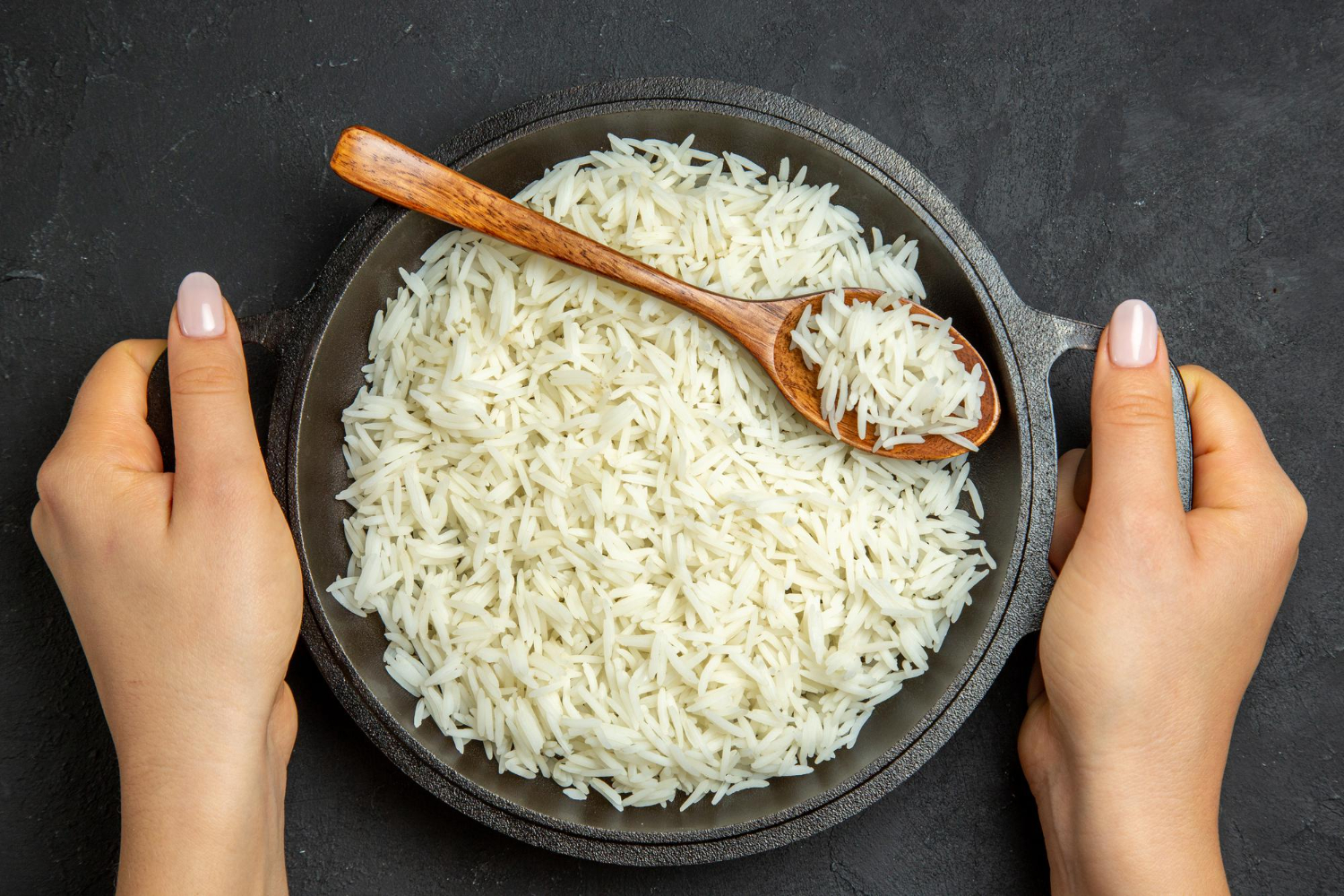
Rice settles and the base is in direct contact with the heat, so a thin pan scorches the bottom layer before the top is cooked.
Some traditions cultivate that crust deliberately. Pan weight is the equipment decision that determines whether the base is a fault or a feature.
10. Resting Off the Heat Finishes It
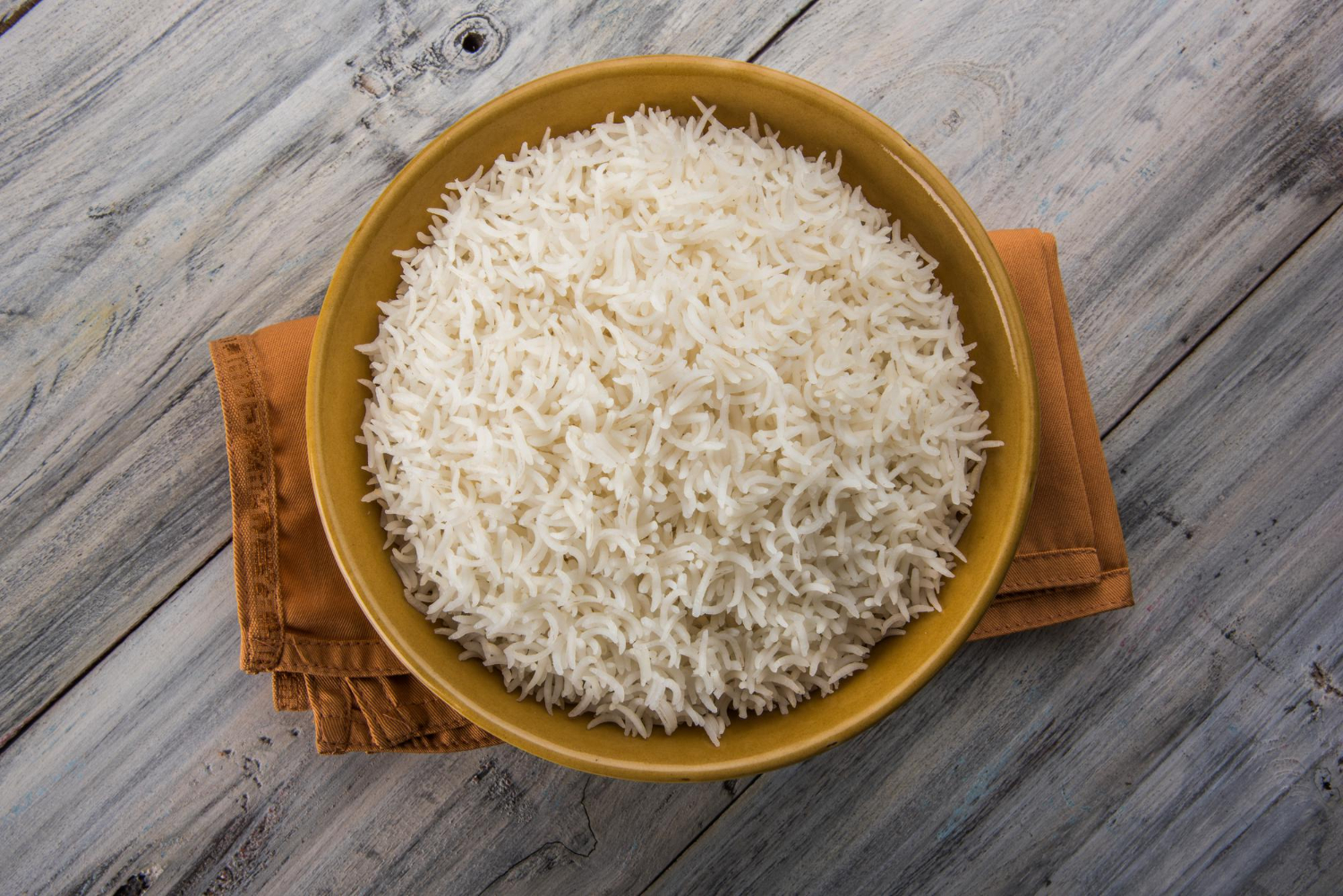
Standing covered after cooking allows moisture to redistribute from the wetter base to the drier top, which evens out the whole pot.
Serving immediately produces two textures. The rest is the stage that completes the cooking without any heat.
11. Fluffing Separates Rather Than Stirs
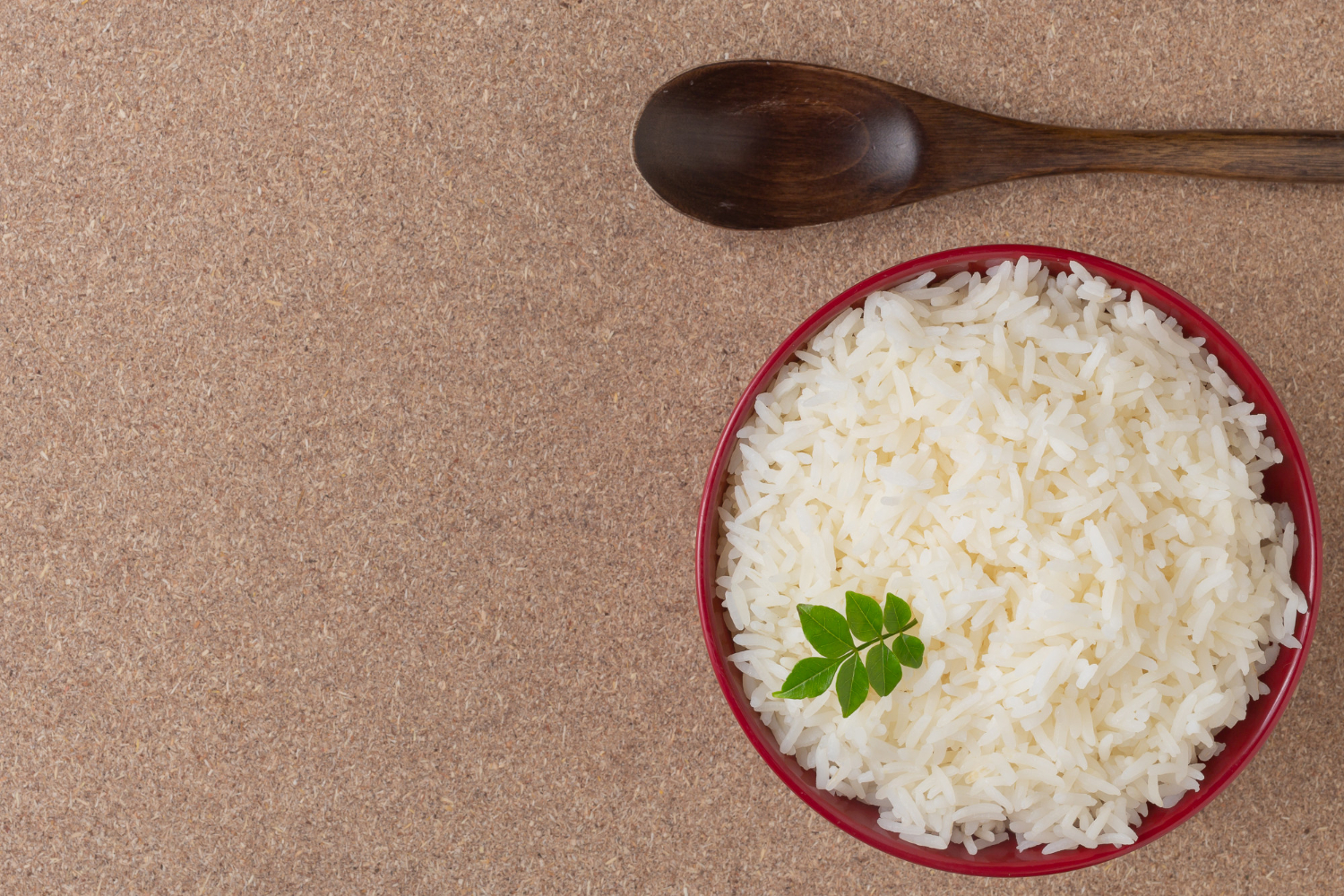
Lifting and separating grains with a fork releases steam and prevents them settling into a compacted mass, whereas stirring breaks grains and releases starch.
The distinction between the two actions is the whole point. Gentle separation is the finishing technique that preserves the texture.
12. Parboiling Before Milling Changes the Grain
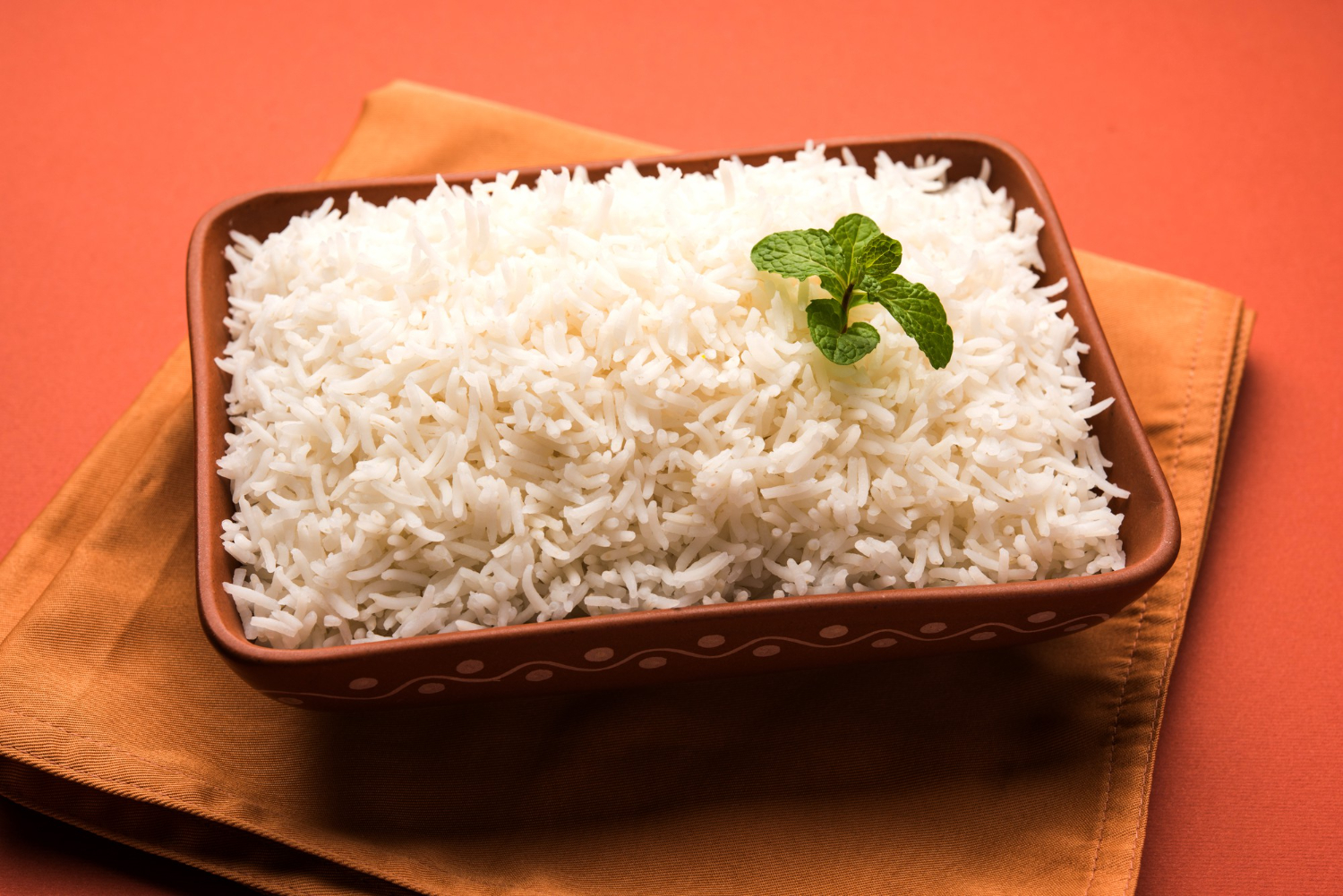
Processing rice in the husk before milling drives nutrients inward and alters the starch, producing grains that stay separate readily and tolerate a wider range of treatment.
It is a completely different product from the same plant. Pre-milling treatment is the process that makes a forgiving rice.
13. Brown Rice Is a Different Cooking Problem
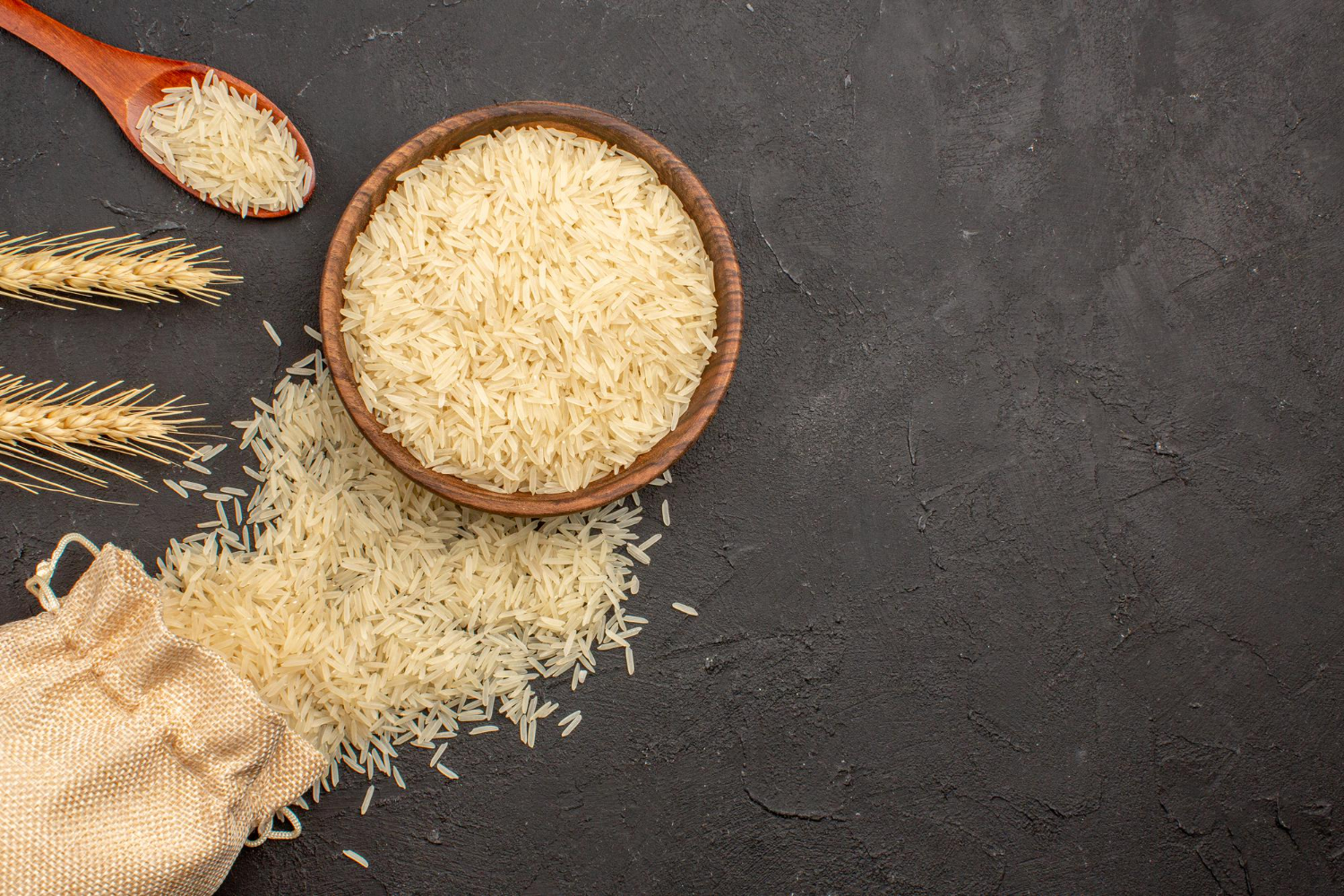
Leaving the outer layers on means water must penetrate them, which requires more liquid, longer cooking and different timing entirely.
It is not white rice with a coating. The intact bran is the barrier that changes every parameter.
14. Cold Rice Behaves Differently
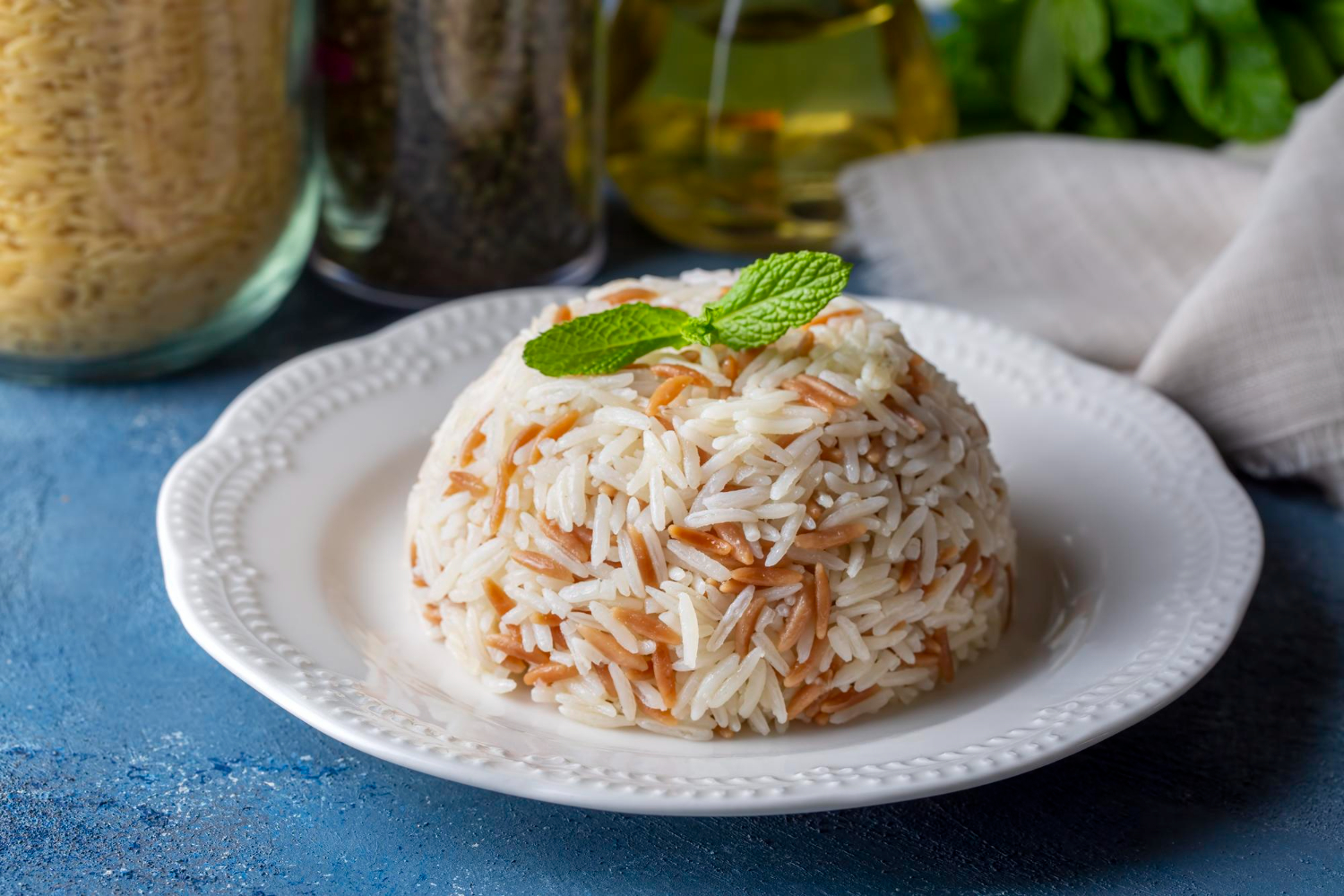
Cooling causes the starch to reorganise into a firmer structure, so refrigerated rice has separate firm grains that fry rather than clump.
That is why several traditions specify day-old rice. Starch reorganisation is the change that happens after cooking is finished.
15. Every Cuisine Chose Its Variety Deliberately
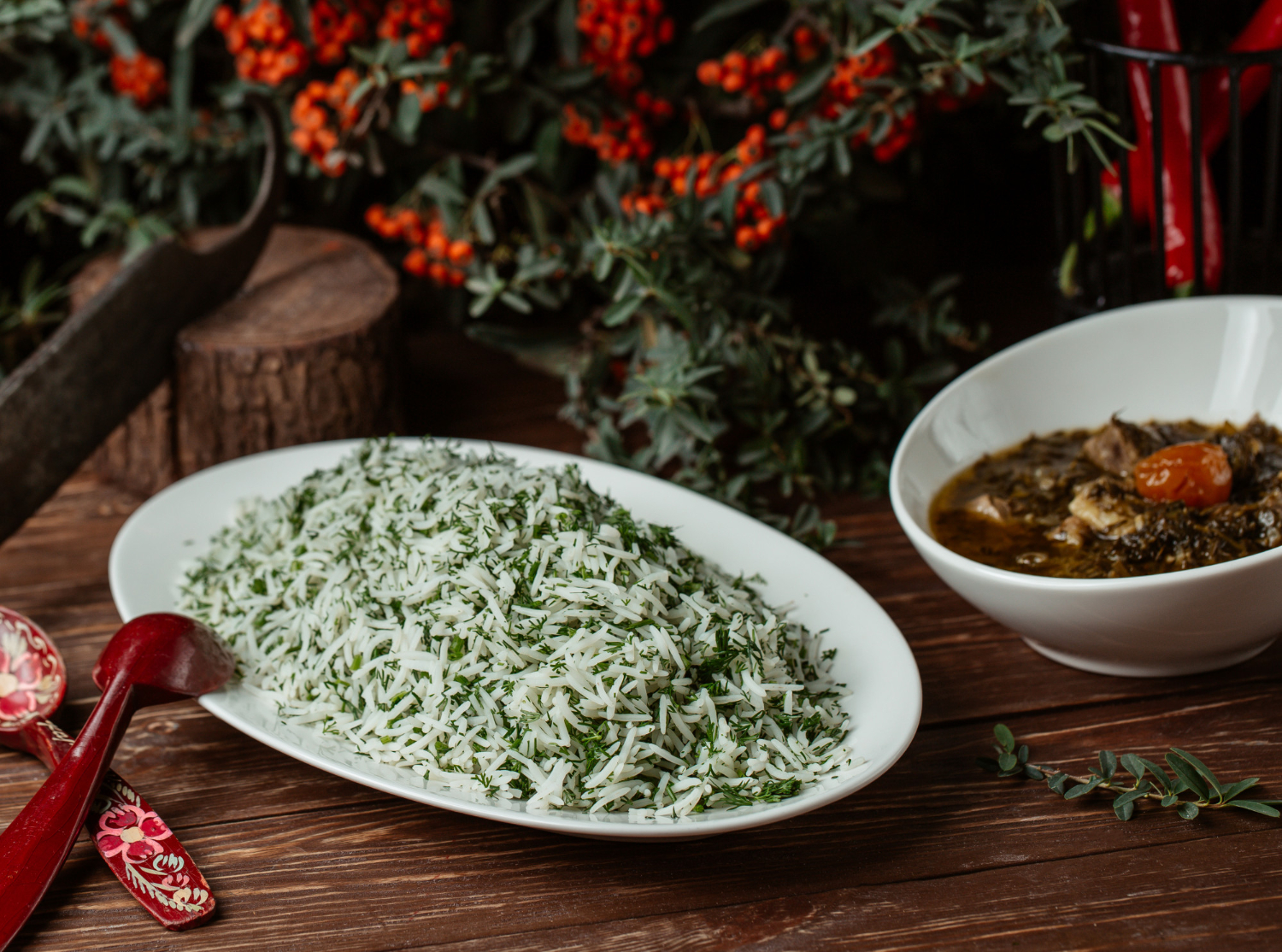
The rice used in any tradition was selected over centuries for the texture its dishes require, which means variety and recipe developed together rather than independently.
Using the wrong one is not a shortcut. Co-evolved varieties are the reason substitution rarely works.
The Ratio Was Decided Before You Bought It
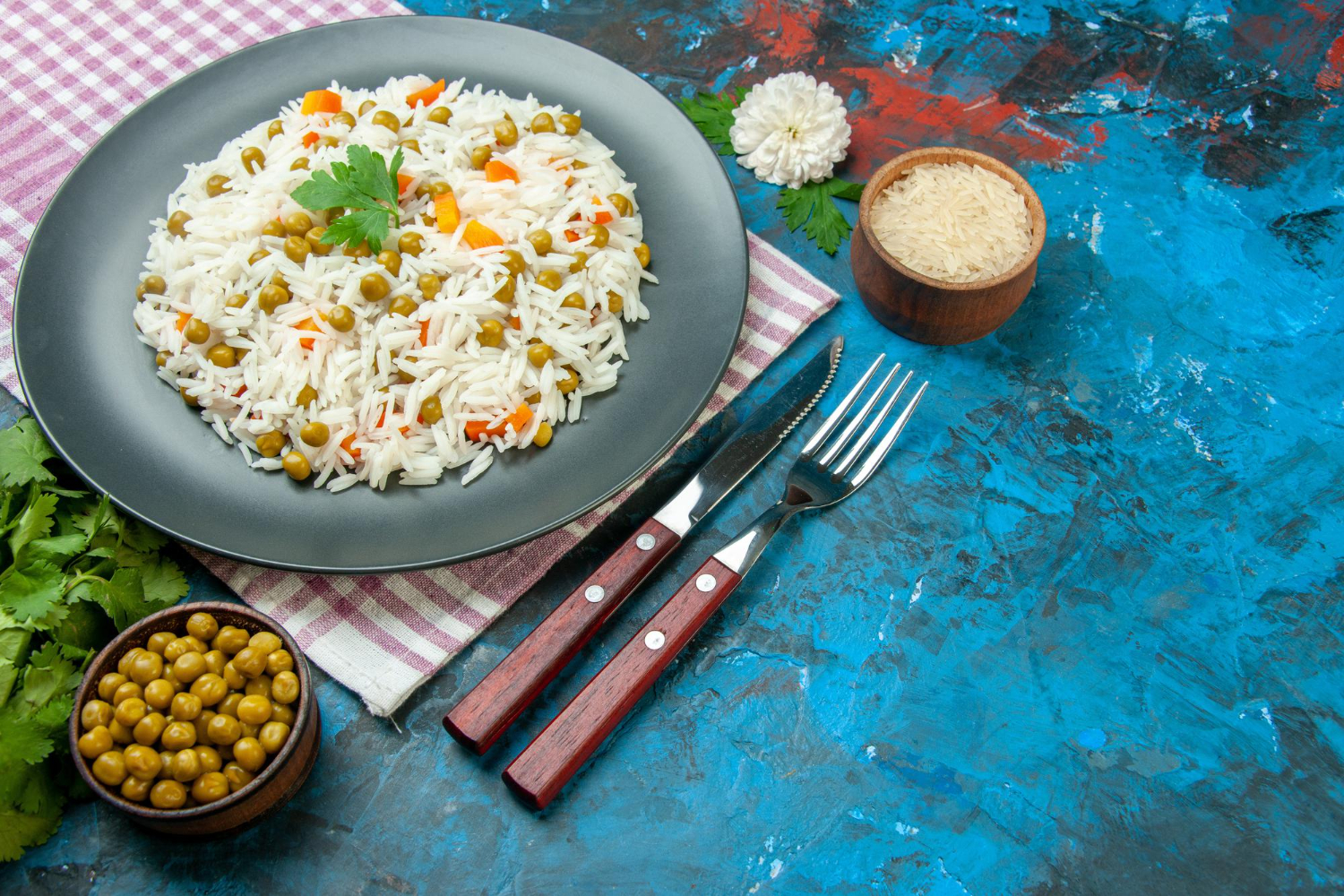
Two starches in varying proportion, adjusted by rinsing, soaking, method, steam and resting – and the single largest variable was settled by whoever bred the variety long before it reached a pan.
One necessary note: how cooked rice is cooled, stored and reheated is a real food-safety matter with specific requirements, it varies by country, and it belongs with official guidance rather than with an article about starch. Everything above concerns texture and what happens in the pan.
Like our content? Follow us for more.