Go and find your brother. Go and find your sister. A household that wanted one of its children and did not have them had exactly one tool available, which was another of its children, and the tool was deployed constantly.
The errand sounds trivial and was not. A child sent to find a sibling who was somewhere within half a mile was being given an open-ended search with no information, no deadline that made sense and no authority to compel anybody to come back – and they were expected to succeed, and usually did.
You Were Given a Name and Nothing Else
The instruction contained no location, because the household had none to give.
This is the whole difficulty. An adult who knew where the other child was would have had no need to send anybody, which means every one of these errands began from zero – and the child dispatched had to generate the search themselves, from scratch, every time.
Children were extremely good at it. A child looking for a sibling started with the three or four places that sibling went, in order of likelihood, and the hit rate on the first or second was high enough that the whole arrangement worked – which is a piece of applied knowledge nobody had taught and nobody acknowledged.
Like our content? Follow us for more.
Nobody Was Ever Actually Missing
That is stated plainly and early, because the shape of this errand invites the opposite assumption.
Every search in this piece ends with a child being found, usually within ten minutes, exactly where somebody expected them to be. The reason for wanting them was ordinary – the household had something to do, somebody had arrived, the day had moved on – and no search described here concerned anybody being lost, late in any worrying way or unaccounted for.
Nothing in this piece should be read as describing a household with any cause for concern. Modern thinking about knowing where children are is entirely correct and the reasons behind it are not in dispute; this is an account of an ordinary afternoon task in a period when no household could locate anybody.
The Search Had a Fixed Order
Children worked through possible locations in a sequence that never varied.
The order was built from experience and was specific to each sibling. One went to one place first on a dry afternoon and another on a wet one; one was reliably in the nearest of the four and one almost never was – and the searching child held all of it without ever having written anything down or discussed it with anybody.
The sequence was also abandoned in a fixed way. A child who had tried all four and found nothing did not start again; they went home, which is the only termination rule anybody applied.
The Sighting Was Always Slightly Out of Date
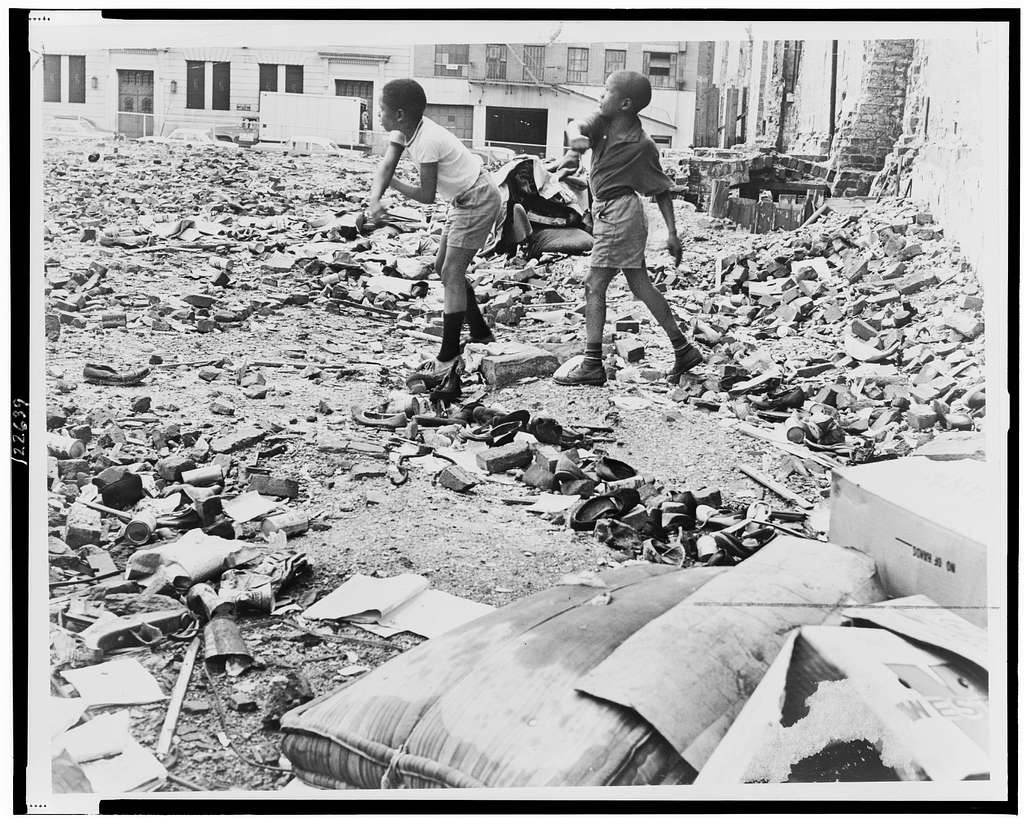
Every piece of information a searching child received described where somebody had been rather than where they were.
The lag was built into the method and could not be removed. A child reporting a sighting was describing a moment that had already passed, by five minutes or by half an hour, and had no way of qualifying it – which meant a searching child was always working from a position the subject had probably already left.
Children handled this by treating a sighting as a direction rather than a location. A report that somebody had been seen somewhere was used to pick which of the four places to try next, not to go to the spot itself, which is a surprisingly sound way of using unreliable information and was arrived at by trial alone.
You Asked Other Children Rather Than Adults
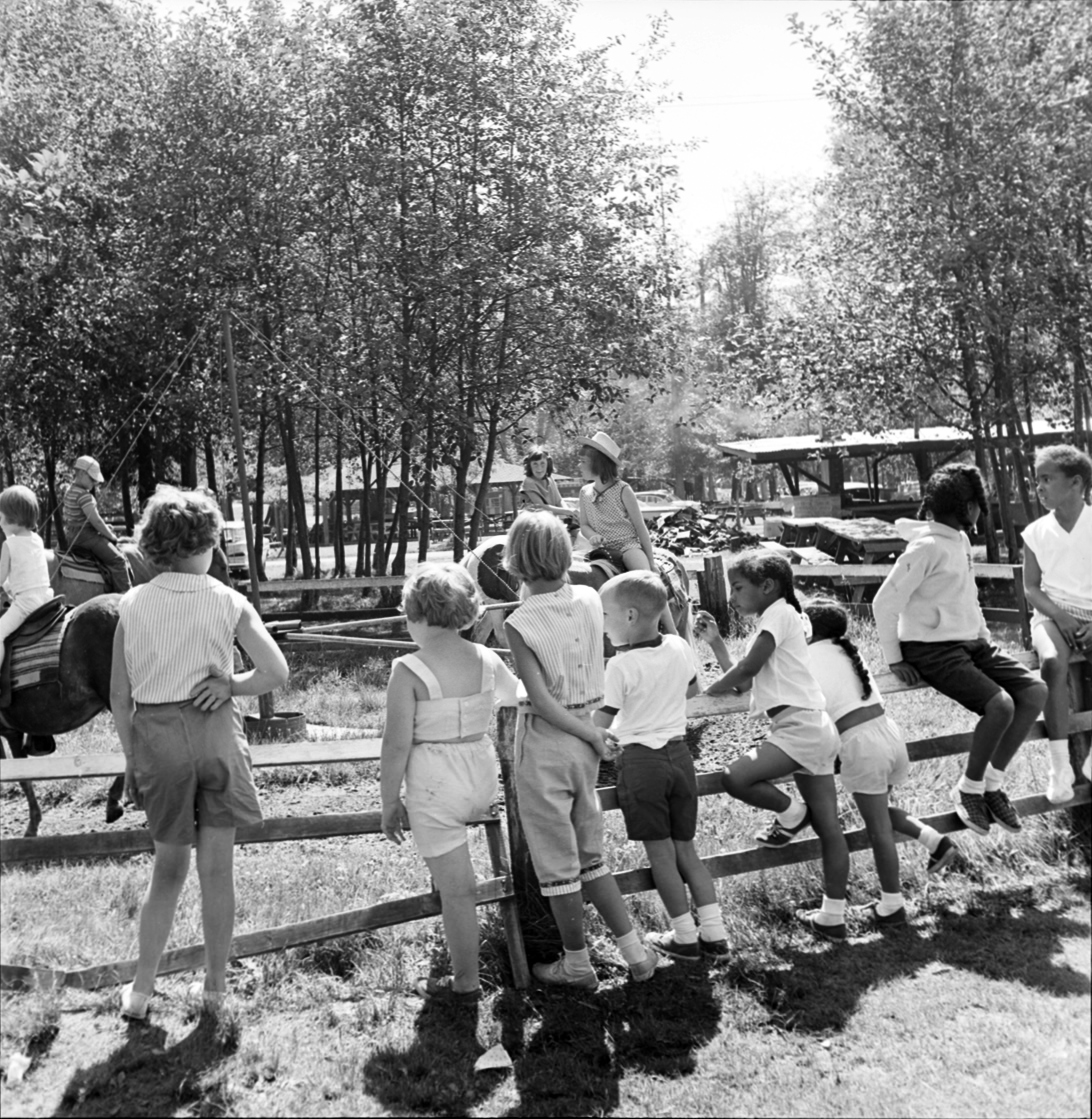
The information network a searching child used was entirely horizontal.
Children knew where other children were, continuously and in detail, and a child looking for a sibling asked the first child they saw rather than any adult. The answers were accurate, specific and freely given – nobody ever declined to say where somebody was, and nobody ever charged anything for it.
Adults were a last resort and a poor one. An adult asked where a particular child was generally did not know, which children discovered early and which reinforced their reliance on each other.
Finding Them Was the Easy Half
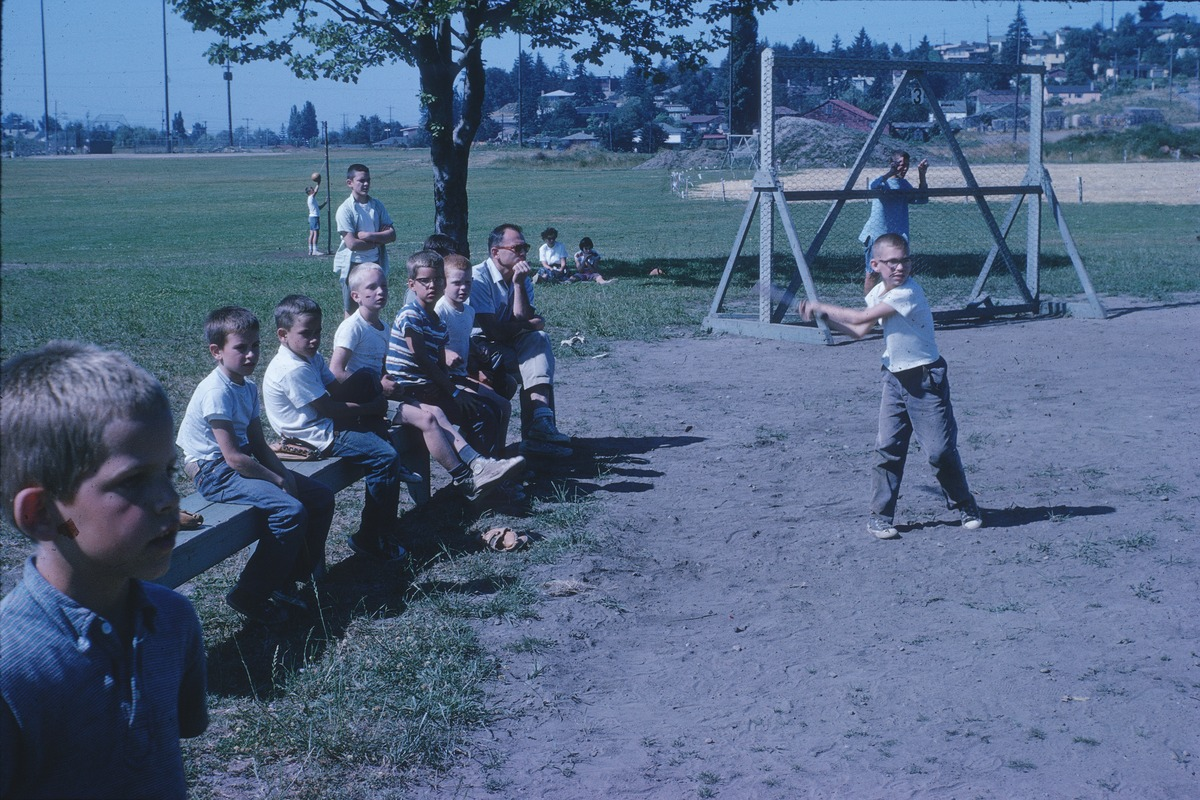
The social problem began at the moment of success.
A child located in the middle of something was not going to come immediately, and the searching child had no means of making them. There was no authority available – a sibling carries no weight with another sibling – and the message was simply a report that somebody else wanted them, which could be and frequently was ignored.
This is where the errand actually failed. A child who had found their sibling in four minutes could spend fifteen more standing there, saying the same thing repeatedly, achieving nothing.
You Were Held Responsible for Their Pace
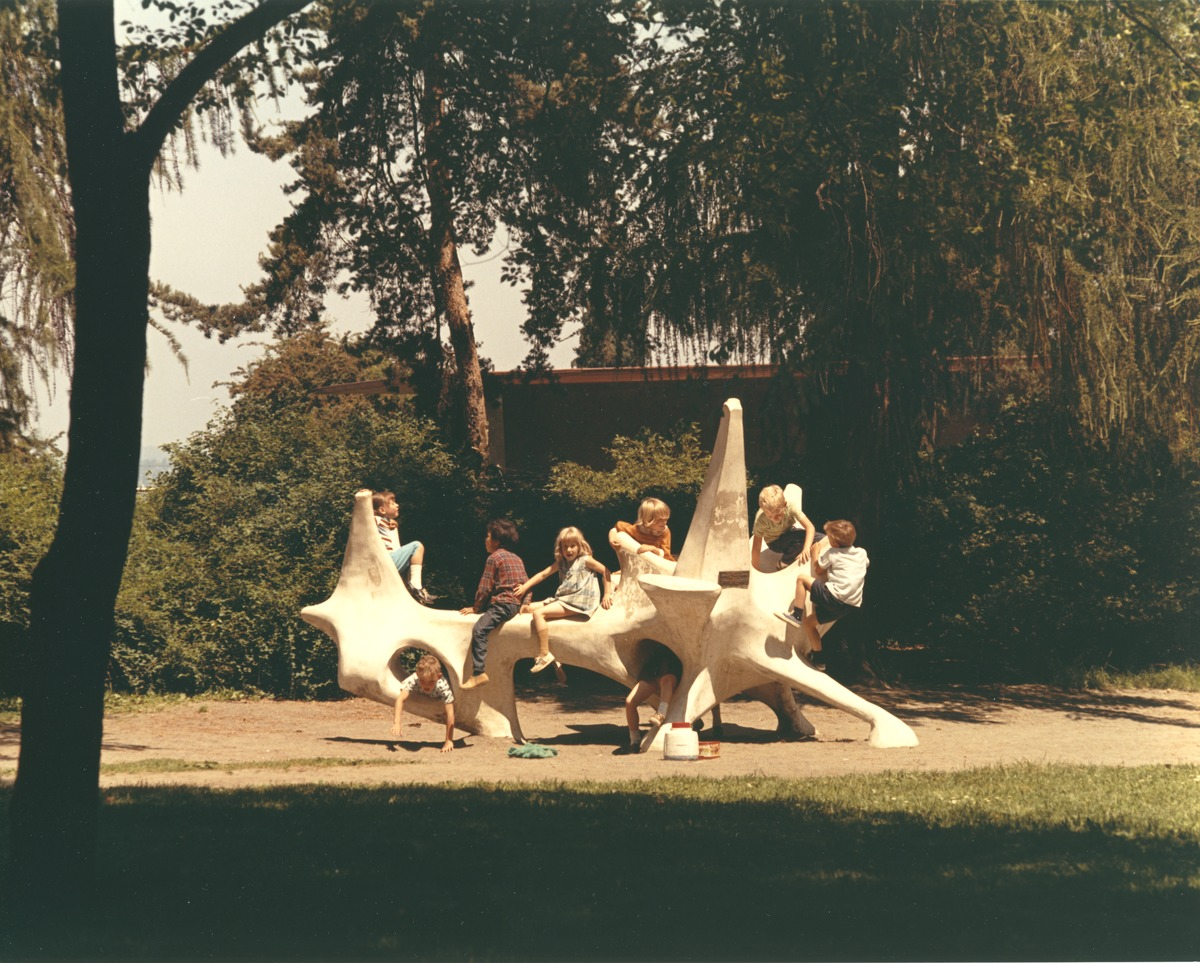
The household treated the searching child as accountable for an outcome they did not control.
A child who came back alone, or came back with somebody who had taken twenty minutes to arrive, was asked about the delay as though it had been theirs. The distinction between finding somebody and delivering somebody was invisible from inside the house, and no amount of explanation ever established it.
Children found this the genuine injustice of the whole arrangement. A great many people describe it specifically, decades later, with the irritation still intact.
Coming Back Without Them Required a Decision
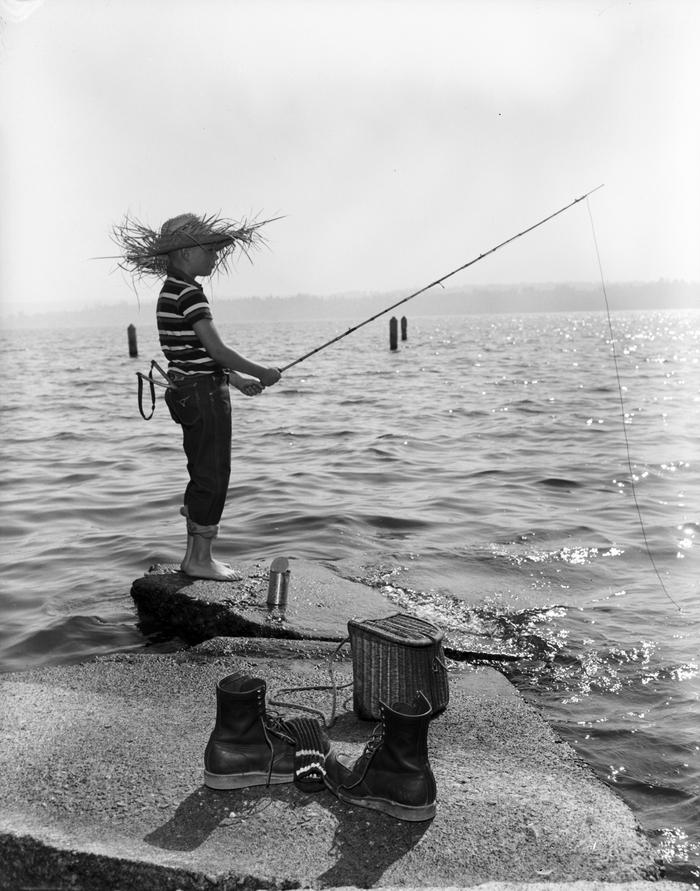
At some point the searching child had to judge that the errand had failed, and nobody had given them a rule for it.
The judgement was entirely theirs. There was no stated time limit, no instruction about when to give up and no way of reporting progress partway through, which means a child alone on a path had to decide for themselves that enough had been done.
Most children erred toward staying out too long. The prospect of returning empty-handed was worse than another ten minutes of looking, which is a calculation people describe making repeatedly and getting wrong in the same direction every time.
Sometimes They Had Already Gone Home
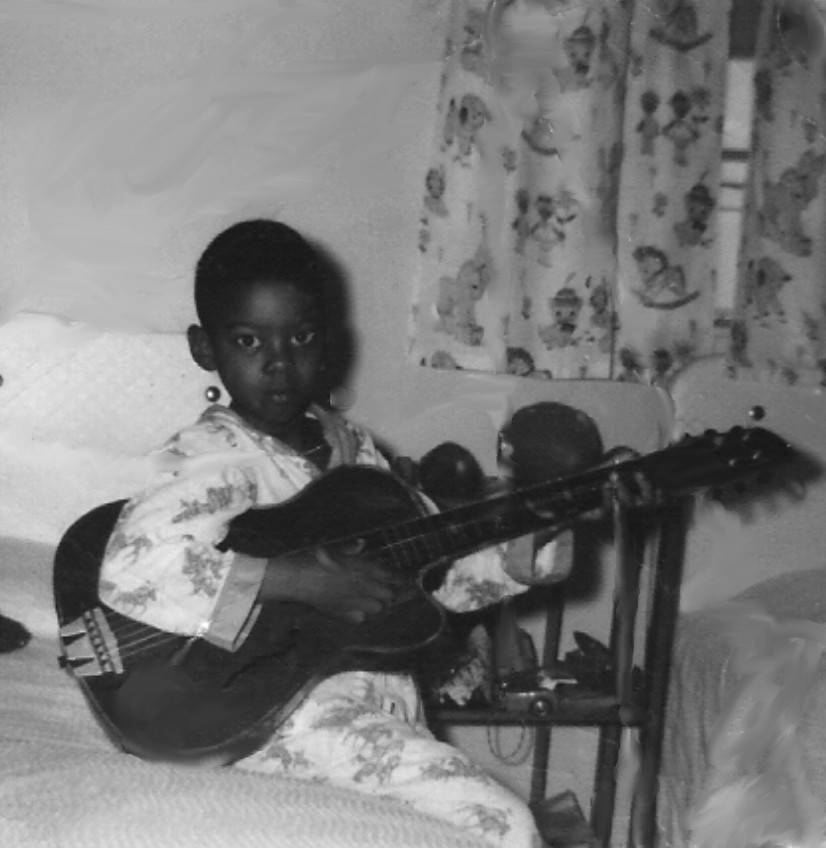
The most common failure of the whole system was the search for somebody who was no longer out.
A child who had been looked for across four locations occasionally turned out to have walked home by a different way while the searching was happening – which meant the errand had been pointless from the moment it was issued, through nobody’s fault, and could not have been prevented by anything.
The discovery was deflating out of proportion. Coming home after twenty minutes of searching to find the subject of the search sitting indoors is remembered by a great many people as one of the more quietly maddening experiences of a 1964 childhood.
You Were Given a Second Name Halfway Through
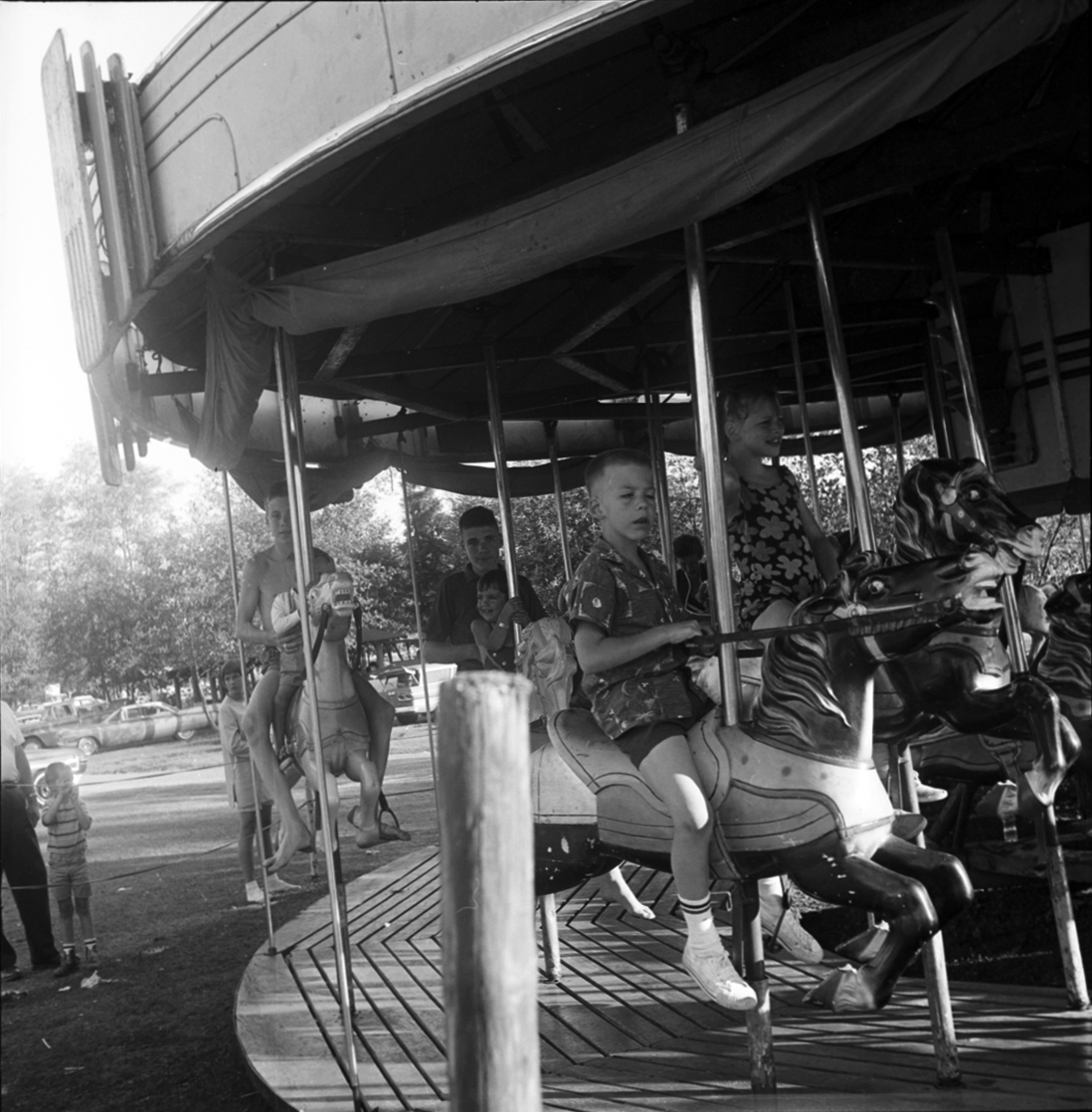
Households frequently expanded the errand after it had started, which nobody treated as unreasonable.
A child already out looking could be called back to the door and told to find a second sibling as well, or could return with one and be sent straight out for another – and the second search had to begin from zero exactly as the first had, with a different sequence of places and a different set of likelihoods.
The compounding is what made these afternoons disappear. Two searches with a delivery problem at the end of each could absorb an hour and a half, which is a considerable proportion of the usable daylight in an afternoon and was never costed by anybody.
It Worked Both Ways and the Roles Reversed

Every child who was sent to search was also, on other days, the one being searched for.
The reciprocity was complete and was understood by everybody involved. A child who had spent an afternoon looking knew exactly what it was like, and a child being found knew exactly what the finder had just done – which did not make either of them more cooperative, but did mean the resentment never lasted.
Nobody ever discussed the symmetry. It operated silently in a great many households, and siblings who had done this to each other hundreds of times generally never mentioned it until decades afterwards.
The Four Places Are Still in Your Head
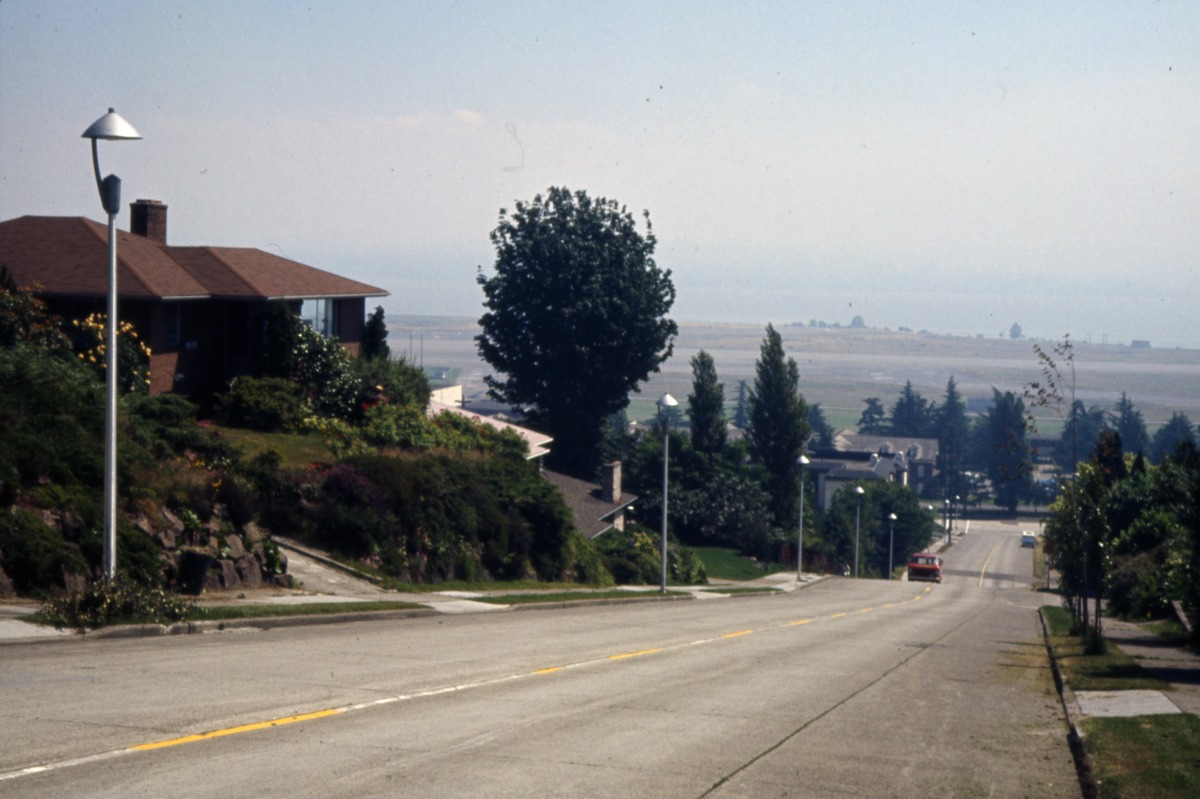
People describe retaining the search order for a sibling long after everything else about the period has gone.
The persistence is striking. A great many people can still list, in sequence, the places they would have looked for a particular sibling in 1964, including which one came first in which weather – and cannot say how they ever learned any of it.
That is probably the clearest evidence of how much work this errand involved. Information retained for sixty years without rehearsal was information that had been used very heavily indeed.
Then Nobody Had to Look for Anybody
Mobile contact and the ability to establish where anybody is in seconds removed the entire activity.
Every part of that is an improvement. Knowing where a child is, being able to reach them directly and not having to deploy one child to search for another are better in every respect.
What went with it is a piece of expertise nobody valued. A child who held an accurate, weather-dependent, continuously updated map of where their siblings went, used it several times a week, succeeded at a task with no authority to back it, and was then held responsible for how fast somebody else chose to walk home.
Like our content? Follow us for more.