
A great many of the messages children carried in 1964 made no sense to the children carrying them. The words were ordinary and the sentence was grammatical and the meaning was entirely absent, because the meaning lived in a conversation between two adults that the child had not been present for and was not going to be told about.
Children therefore spent a considerable amount of their time transmitting information they could not read. They did it accurately, which is the remarkable part – a sentence you do not understand is harder to carry than one you do, and children of that period managed it several times a week without anybody noticing it was difficult.
The Words Were Simple and the Sense Was Not
Nothing about these messages was linguistically hard. Every word in them was one a child already knew.
The difficulty was referential rather than verbal. A sentence saying that something was sorted out, or that somebody had decided not to after all, or that it would be the usual arrangement, is composed entirely of plain words and is completely opaque without knowing what any of them point at – and children had access to the words and not the referents.
This is why the memories are so clear. People can still quote sentences they carried sixty years ago and still have no idea what they meant, which is an unusual kind of recollection and is a direct consequence of having stored words without meanings attached.
Like our content? Follow us for more.
You Knew You Were Missing Something

Children were entirely aware that the sentence had a dimension they could not see.
The awareness was part of the experience. A child reciting a message understood perfectly well that the words referred to something, that the something existed, and that they were not going to be told what it was – which is a fairly sophisticated position to occupy and was occupied routinely.
Nobody found it distressing. The gap was simply a feature of being a child in a household run by adults, and children registered it the way they registered any number of other things they were not party to.
Asking Produced Almost Nothing
A child who asked what a message meant received an answer that did not help, and stopped asking.
The replies were brief, true and useless – a statement that it was about something arranged, or a reference to a person the child knew by name and nothing else. Nobody lied and nobody refused outright; the answer simply did not contain enough to build an understanding out of, because supplying one would have taken ten minutes nobody had.
Children drew the correct conclusion and asked less over time. By ten or eleven most of them had stopped entirely, having worked out that the information was not being withheld so much as not being unpacked.
Not Understanding It Made You Better at Carrying It
This is counter-intuitive and appears to be true.
A child who understood a message could paraphrase it, and paraphrase is where verbal messages degrade. A child who understood nothing had no choice but to hold the exact words, because there was no underlying sense available to reconstruct them from – which meant the opaque messages arrived more intact than the clear ones.
Nobody in any household worked this out. Adults asked for verbatim recitation from every child regardless, and the ones carrying sentences they could not read were already doing it for reasons of their own.
You Watched the Meaning Land on Somebody Else

The only access a child ever got to the content was the reaction at the far end.
A child who recited an opaque sentence and then watched the recipient respond had been handed a piece of evidence: the words meant something capable of producing relief, or mild irritation, or an immediate decision to put a coat on. The child still did not know what, but now knew roughly how much.
That is the detail people describe most often. Not the message but the face – a reaction to information you had delivered and could not read, which is a strange and quite specific thing to have witnessed repeatedly as a child.
You Could Tell Which Part Mattered Without Knowing Why
Children identified the load-bearing word in a sentence they could not read, reliably, by watching where the recipient’s attention went.
The signal was in the response rather than in the sentence. An adult hearing a message reacted at a particular point in it – a name, a time, one clause rather than another – and a child paying attention could locate the important part precisely while remaining entirely ignorant of what made it important.
This is why the recitations were so careful about certain words. A child who had delivered the same type of message before knew which element the far end would care about, and protected that element above the rest of the sentence without ever having been told to.
The Reaction Told You Nothing Reliable
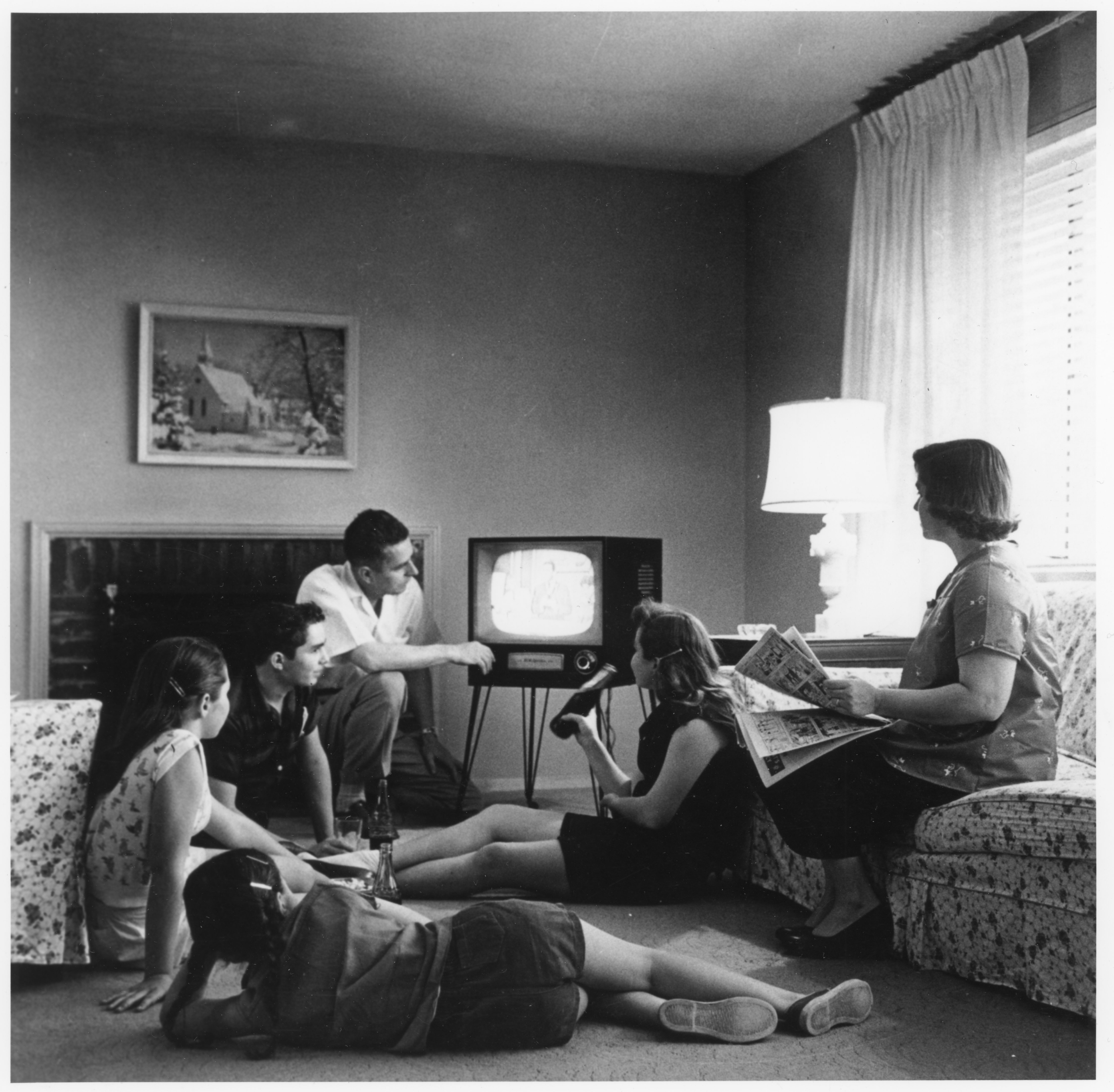
Children attempted to infer content from response and were generally wrong.
The inference problem was unsolvable. A small reaction to an important message and a large reaction to a trivial one look identical from outside, and a child with no referents had no way of calibrating anything – which meant the theories children constructed about what they had been carrying were mostly incorrect.
People discovered this decades later. A great many adults have had the experience of finally learning what a sentence they carried in 1964 was about and finding that their childhood theory had been nowhere close.
Some of It Came Back to You Years Later
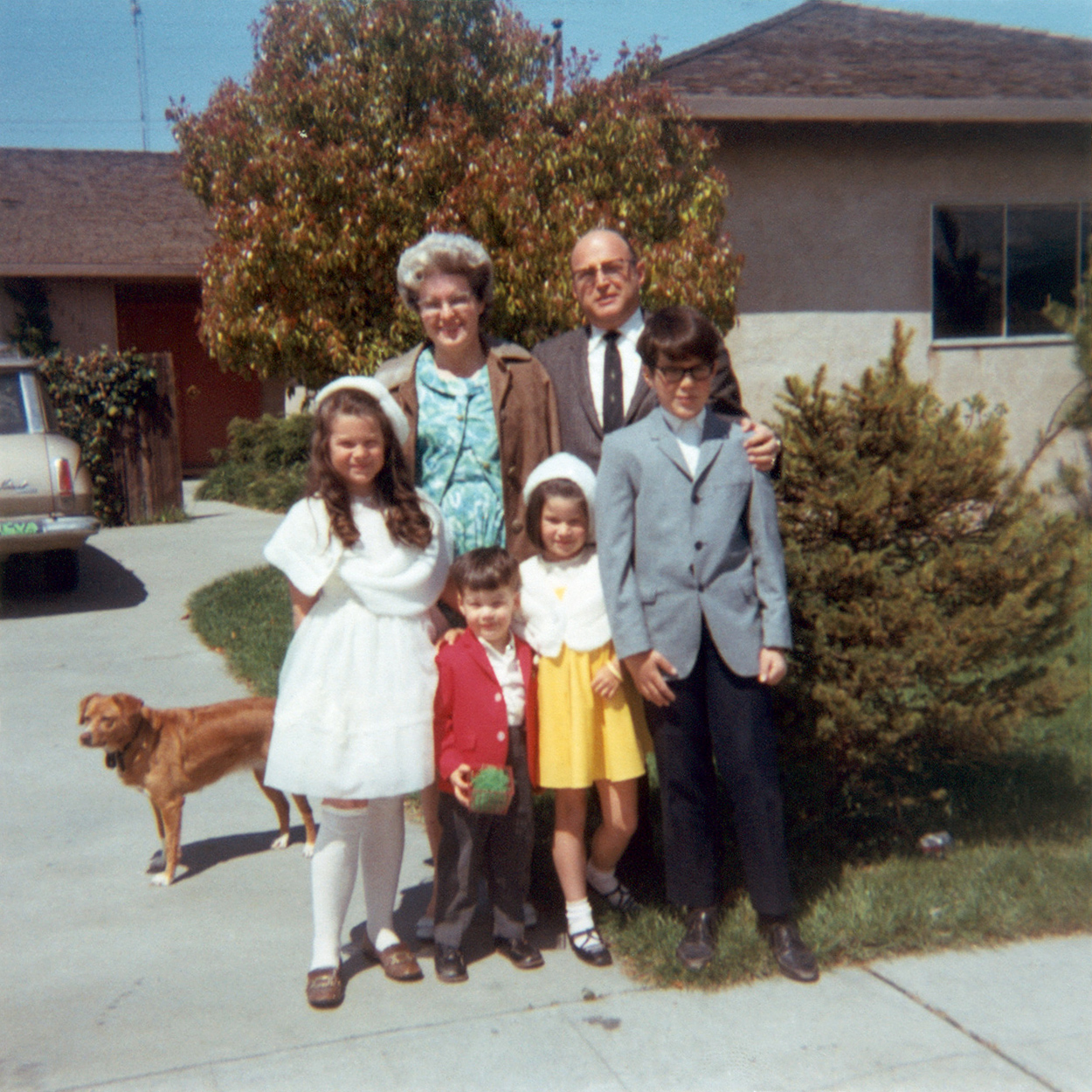
Messages occasionally resolved long after the fact, without being explained.
A sentence held in memory without a meaning is a sentence that can acquire one. People describe understanding, at twenty-five or at forty, exactly what they had been saying at eight – because something else had since fallen into place and the old words suddenly had referents.
The resolution is reported as unexpectedly affecting. Discovering the content of something you transported faithfully and blindly, long after everybody involved has stopped thinking about it, is a particular experience that only this arrangement could have produced.
Siblings Remember Different Sentences From the Same Years

Two children in one household carried entirely separate sets of these, and comparing them later turns up almost no overlap.
The division was down to who was available. A message went with whichever child was nearest the door at the moment it needed to go, which distributed the household’s traffic more or less at random – so each child accumulated a private collection of opaque sentences nobody else in the family ever heard.
People discover this in middle age and find it strange. Two siblings who grew up in the same rooms, quoting sentences from the same period, generally cannot help each other decode any of them, because neither was present for the other’s errands.
Most of It Never Resolved at All
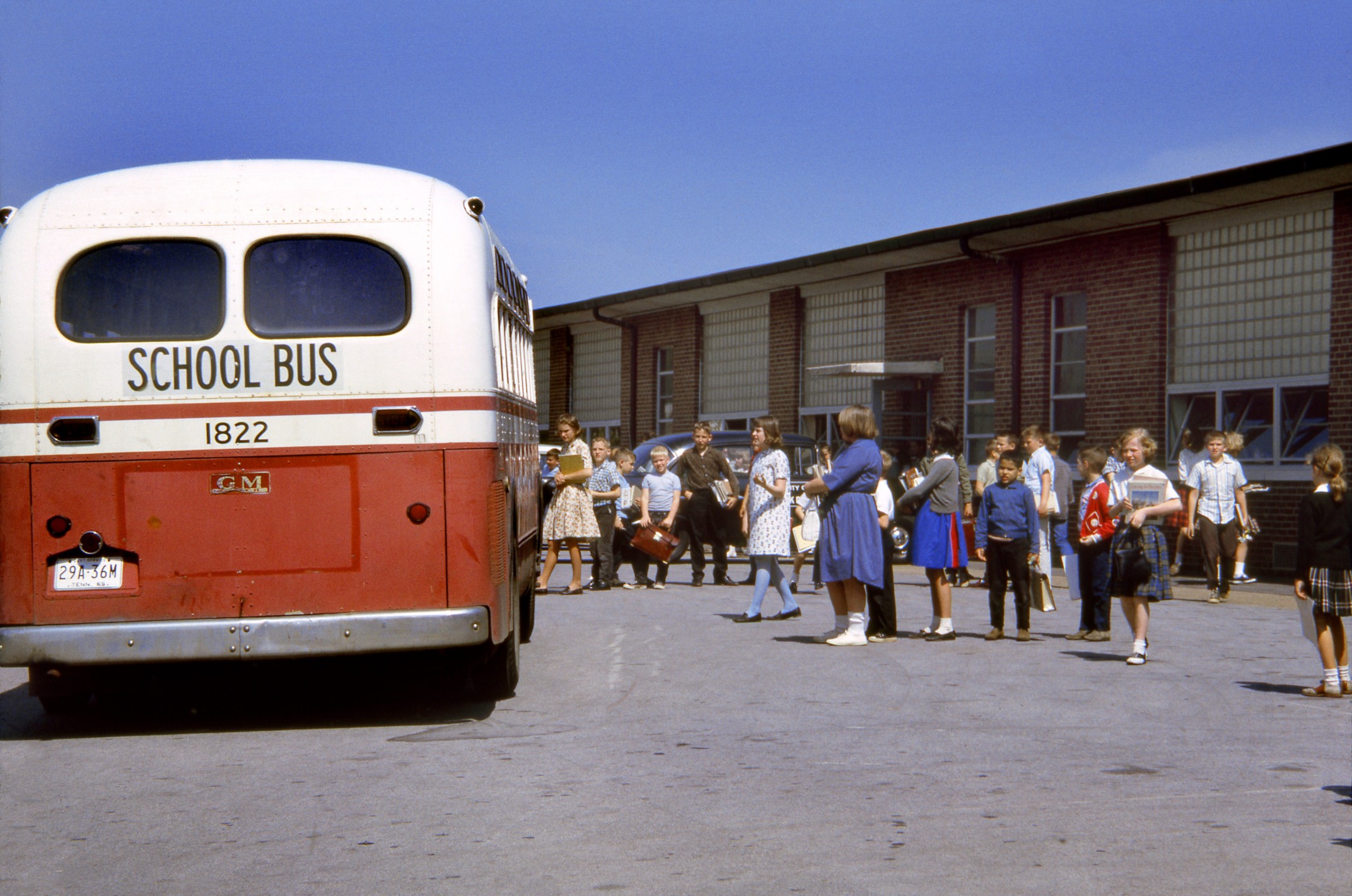
The majority of these sentences are still unexplained and now cannot be.
That is the honest position. The adults who knew what the words referred to are largely no longer available to ask, the arrangements the sentences concerned ended decades ago, and the words themselves survive in the memory of the person who carried them with nothing attached.
People describe this without much distress. The unresolved sentences are generally remembered as curiosities rather than as losses, which is probably the correct way to hold something that was never yours to understand in the first place.
You Were Never Told Anything Confidential
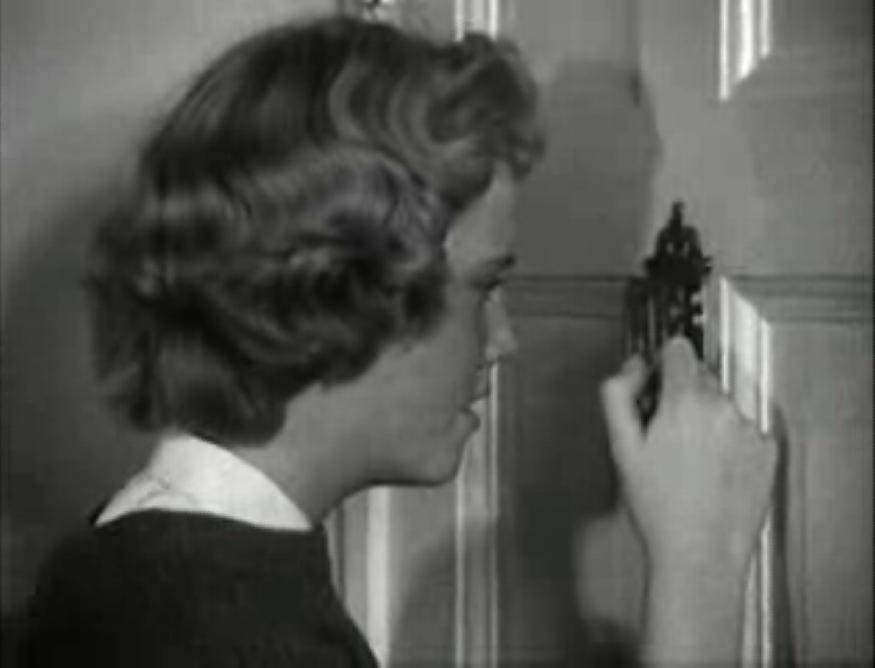
The messages were opaque because they were compressed, not because they were secret, and that distinction matters.
Households did not use children to carry anything they minded being overheard. A message going out by child was going out in the open, recited on a doorstep at conversational volume by somebody who could not be relied upon to be discreet about something they did not understand – and every adult involved knew that.
So the opacity was efficiency rather than concealment. The sentence was short because a longer one would have been harder to carry, and it was unexplained because explaining it served no purpose, and nothing about any of it was being kept from anybody.
It Taught You That Adults Had a Whole Other Layer

The errand gave children direct evidence of a world running above their own.
This was the real content of the experience. A child carrying sentences they could not read had tangible, repeated proof that the adults around them were conducting arrangements with histories, schedules and consequences that children had no visibility into whatsoever – and the proof arrived several times a week in the form of words in their own mouth.
Children were not resentful about it. The existence of the upper layer was simply how things were, and being allowed to carry its traffic was closer to a distinction than an exclusion.
Then Nobody Had to Carry Anything
Direct contact between the people who actually understood the message removed the intermediary entirely.
Every part of that is an improvement. Information travelling between the two people it concerns, in whatever detail they like, without passing through somebody who cannot read it, is better in every respect.
What went with it is an odd piece of evidence. A set of sentences still sitting in people’s memories sixty years later, perfectly preserved because they were never understood, reciting a world that was going on just above a child’s head.
Like our content? Follow us for more.