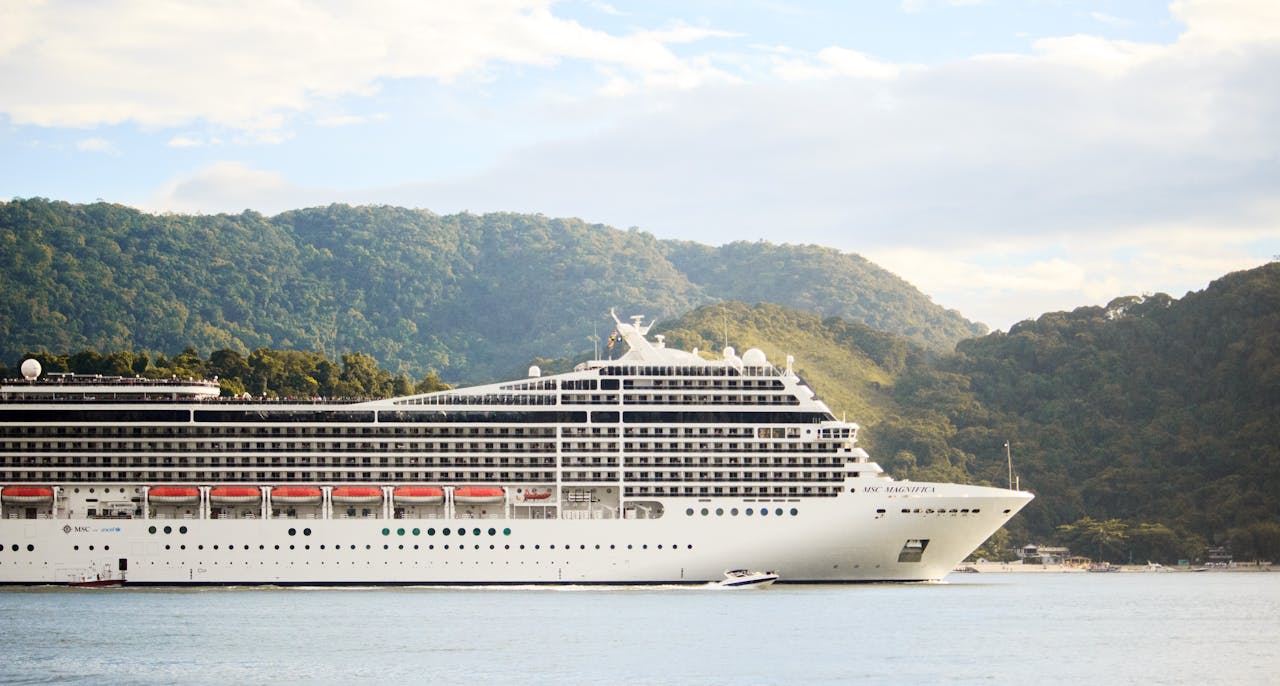
Cruises promise effortless luxury, all-inclusive dining, endless entertainment, and “can’t-miss” upgrades that supposedly make your trip unforgettable. But here’s the truth: a lot of those shiny perks don’t live up to the hype. Many travelers pay hundreds extra for things they barely use, while missing out on the upgrades that actually make a difference.
This guide breaks down the cruise add-ons worth skipping and the ones that genuinely improve your experience. Let’s unpack where to save, where to spend, and how to cruise smarter.
1. Beverage Packages
Unlimited drink packages are one of the most common upsells at sea. The idea sounds great, pay a flat fee and enjoy cocktails, wine, coffee, or soda without worrying about the bill. The catch? Unless you’re having at least six to eight drinks a day, you’ll rarely come out ahead.
Most major cruise lines charge $90–$100 per person, per day for a full beverage package. With individual drinks averaging $12–$15 each, the math often doesn’t work out. According to CruiseCritic, many travelers overestimate how much they’ll actually drink once excursions, naps, and early bedtimes kick in.
Worth it if: You’re on a long itinerary with multiple sea days and plan to enjoy cocktails throughout the day.
Skip it if: You spend most days exploring ports or prefer a few casual drinks.
Pro tip: Bring a reusable water bottle and buy drinks à la carte. You’ll likely spend far less.
2. Specialty Dining Packages
High-end steakhouse dinners and chef’s table experiences sound like an indulgent treat. The truth is, the main dining rooms on most ships already serve restaurant-quality food, and it’s included.
Specialty restaurants can cost $40–$100 per person, and while the food may be good, it’s rarely a huge step up. Many passengers say they book a premium dinner once, realize the regular meals are excellent, and skip it next time.
Worth it if: You want a special night out or unique cuisine that’s not available elsewhere onboard.
Skip it if: You’re tempted to book it just because it’s offered as a “perk.”
Pro tip: Try one specialty restaurant during your cruise. If it’s not noticeably better, enjoy the free venues the rest of the time.
3. Spa Treatments and Salon Services
A massage at sea can sound heavenly until you see the price tag, often two or three times what you’d pay on land. Spa treatments onboard can easily run $200–$300 for a 60-minute massage, and even basic salon services carry steep markups.
According to NerdWallet, many cruisers find better deals by booking treatments in port, where prices can be one-third of what ships charge.
Worth it if: You splurge on a thermal suite or day pass that gives access to saunas and relaxation areas.
Skip it if: You’re paying premium rates for standard treatments.
Pro tip: Visit the spa on embarkation day – many offer first-day discounts or last-minute deals before closing.
4. Wi-Fi Packages
Staying connected at sea comes at a premium. Internet packages can cost up to $30 per day for basic browsing, or hundreds for a week of high-speed access. And despite “free Wi-Fi” promotions, many only cover limited minutes or one device at a time.
If you’re traveling for leisure, you might only need quick access at port cafés or during downtime. Save your bandwidth (and your budget) for moments that matter.
Worth it if: You need to work remotely or video call family often.
Skip it if: You’re happy going offline and can check in when docked.
Pro tip: Buy your Wi-Fi plan before boarding; cruise lines often discount pre-purchased packages by 15–20%.
5. “Free” Onboard Credits and Perks
Those offers that say “$300 onboard credit per cabin” or “free gratuities included” sound generous, and sometimes they are. The key is knowing what those credits actually cover.
According to CruiseCritic, onboard credits are most valuable when you can spend them freely on excursions, drinks, or shopping. But if they’re restricted to certain services (like the spa or photo gallery), they can end up being useless.
Worth it if: You already planned to buy items covered by the credit.
Skip it if: The “perk” just nudges you into overspending on things you wouldn’t have bought.
Pro tip: Always read the fine print. Sometimes, a lower fare without bundled perks saves more overall.
6. Priority Boarding and VIP Packages

Early boarding and priority tender passes are marketed as stress-free upgrades, but most travelers board within 30 minutes of each other anyway. Some lines charge $50–$100 per person just for faster access to the ship or cabin.
Worth it if: You’re traveling with kids, elderly family, or heavy luggage and want a smoother check-in.
Skip it if: You can handle a short wait.
Pro tip: Arrive at the terminal during your assigned boarding window (not too early, not too late) and you’ll move through just as efficiently.
7. Ship-Booked Shore Excursions
Ship-sponsored excursions are convenient but often cost far more than local tours. For example, a snorkel trip booked through the cruise might be $120, while the same tour direct with a local operator runs $70.
The benefit of booking through the ship is timing: if your excursion runs late, the ship will wait. That peace of mind can be worth the premium in remote destinations.
Worth it if: You’re visiting a new country or need the cruise line’s guarantee to get back on time.
Skip it if: You’ve done your research and found reputable, lower-cost options independently.
Pro tip: Read reviews and check cancellation policies. Many independent tours now track ship schedules and ensure timely returns.
8. Photo and Souvenir Packages
Those glossy portraits at dinner or embarkation look tempting, until you see the bundle price. Packages can cost $200–$300 for a handful of prints. Considering most travelers have phones capable of high-resolution photos, that’s a tough sell.
Worth it if: You want a professional family or formal night portrait as a keepsake.
Skip it if: You’re content with your own photos.
Pro tip: Wait until the last night, many cruise lines offer buy-one-get-one deals or discounts before disembarkation.
Final Thoughts
Cruise lines are experts at selling “value.” But not every upgrade delivers what it promises. The best perks are the ones that truly fit your travel style – not just what sounds good in the brochure.
Drink packages, Wi-Fi, and dining upgrades might be worth it for some, but skipping them could save you hundreds without sacrificing fun.
Before booking, ask yourself: Will I actually use this? If the answer isn’t a clear yes, keep your card in your pocket. The best souvenir from any cruise is the memory, not the receipt.