The 1975 American Sunday afternoon had specific characteristics that have almost completely disappeared from modern American life. Stores were closed. Restaurants were limited. The whole family gathered for dinner. People visited relatives. Everyone watched the same television shows. The shared rhythm of Sunday afternoon as a specific cultural institution organized American family life for generations and has substantially vanished within the past 40 years. Here’s what specifically happened on Sunday afternoons in 1975 — and why those exact patterns no longer exist.
The American Sunday afternoon in 1975 was defined by what didn’t happen as much as by what did. Stores were closed. Most restaurants were closed. Sports were limited to a few televised games. Travel was inconvenient. The cumulative effect was a specific cultural rhythm that organized family time, religious practice, and social life in patterns that have almost completely disappeared.
Most Stores Were Actually Closed

Throughout the 1970s, most American retail stores were closed on Sundays — either by state or local “blue laws” or by industry custom. Major department stores, supermarkets, hardware stores, and various other retailers operated Monday through Saturday only. The stores that opened (drugstores, some convenience stores) were exceptions rather than the rule. Sunday shopping as a normal activity didn’t really exist for most Americans. The closed stores produced a specific Sunday rhythm — there was simply nothing to shop for, no errands to run, no consumption activities to organize the day around.
The Big Sunday Dinner Tradition

Sunday dinner in 1975 was the central family meal of the week — typically held at midday (1-3 PM) rather than evening, lasting 2-3 hours, attended by extended family. Mom (or grandma) typically cooked a substantial meal: roast beef or roasted chicken, potatoes, multiple vegetables, homemade rolls, dessert. The food was specifically prepared for the gathering rather than reheated leftovers. Modern American Sunday dinner has substantially declined as a cultural institution. Multiple research studies have documented decreases in family meal frequency. The big Sunday gathering has been replaced by various individual schedules, takeout meals, and reduced extended-family interaction.
Visiting Relatives Was a Standard Activity

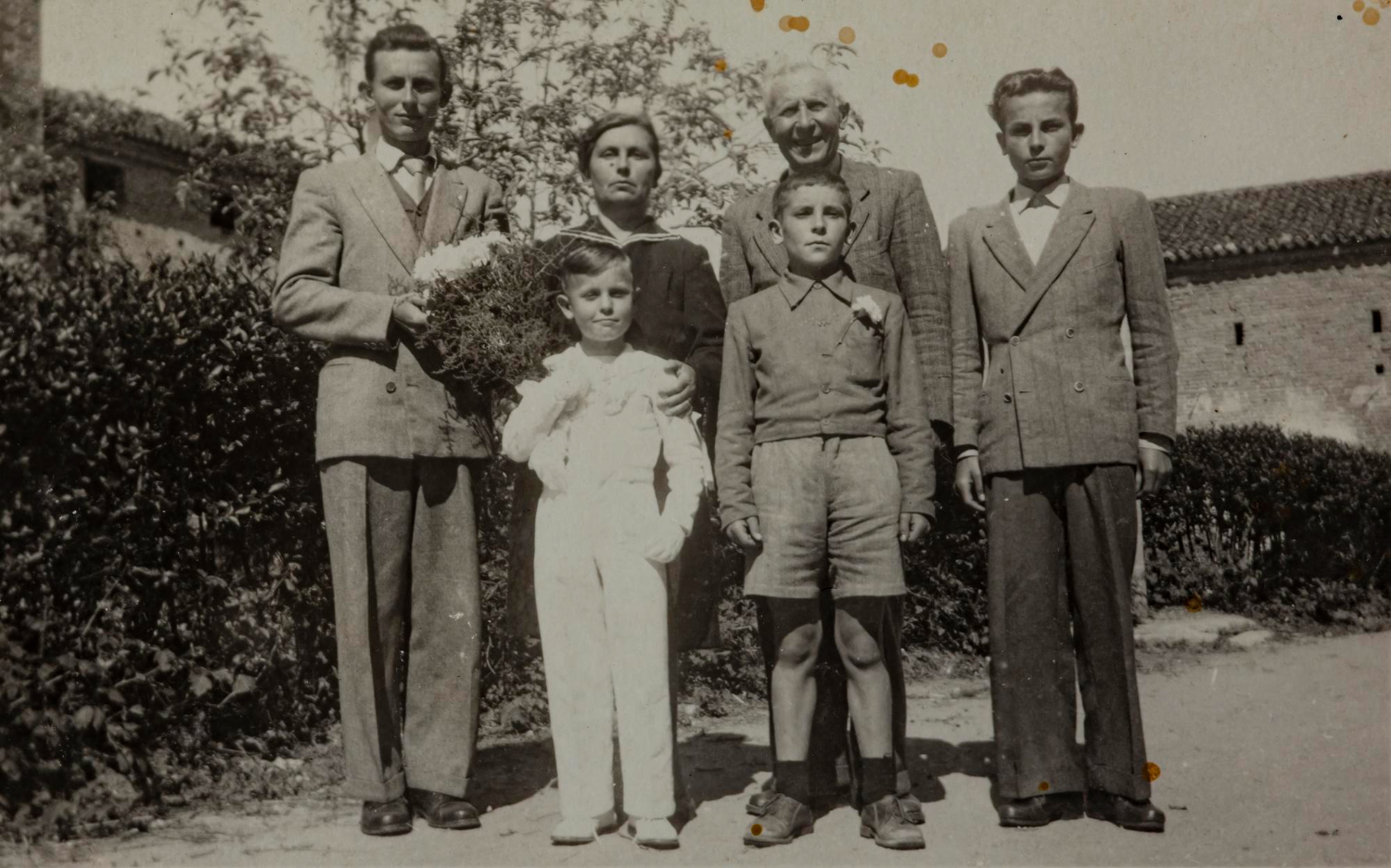
Sunday afternoons in 1975 routinely involved visiting relatives — grandparents, aunts, uncles, cousins. The visits were unstructured social time, often lasting 3-4 hours. Multiple generations gathered. Kids played with cousins. Adults caught up on family news. The visits weren’t specially scheduled — they were the default Sunday activity. Modern Americans report dramatically reduced extended family interaction. Geographic dispersion (families spread across multiple states) reduces practical visiting opportunities. Reduced social expectation around family gathering removes the obligation. The casual extended family gatherings that defined 1975 Sundays have been substantially replaced by occasional formal events (weddings, funerals, major holidays).
Church Attendance Was Higher and More Universal

In 1975, approximately 41% of Americans attended religious services weekly according to Gallup polling. By 2024, this figure had declined to approximately 21% — roughly half of 1975 levels. Sunday morning church attendance shaped the entire day’s structure for the majority of American families. After church, families went home for the big dinner. Sunday afternoons followed religious observance. The decline in regular church attendance has eliminated the religious framework that organized 1975 American Sundays. Modern Sundays no longer follow the religious-then-family structure that defined American life for centuries.
Sports Were Limited and Shared

Sunday afternoon NFL football was a defining 1975 ritual but operated very differently from modern sports consumption. Most Americans watched the same one or two televised games (regional broadcast determined what was available). Sports bars didn’t really exist. Sunday Ticket and other modern multi-game viewing options didn’t exist. The result was that football fans across America experienced essentially the same Sunday afternoon — watching the same games, discussing the same plays. Modern Sunday football fans access dozens of simultaneous games, fantasy football data, betting platforms, and various other technologies that have substantially individualized what was once a shared cultural ritual.
Sunday Newspapers Were Major Cultural Events

The Sunday newspaper in 1975 was a substantial cultural institution. Sunday editions of major newspapers ran 200-400 pages, included dozens of sections (news, sports, business, comics, magazine, classifieds, real estate, automotive, lifestyle), and occupied substantial reading time across the day. Many families had subscriptions specifically for the Sunday paper. The comics section alone often took 30-60 minutes. Coffee, breakfast, and the Sunday paper occupied much of the morning. Modern Sunday newspapers have collapsed. Most major newspapers have dramatically reduced Sunday editions or eliminated them entirely. The specific ritual of reading the Sunday paper has substantially disappeared from American households.
Driving to Nowhere in Particular

Sunday afternoon “drives” were a common 1975 activity — families piling into cars and driving for hours through countryside, residential neighborhoods, or scenic areas without specific destinations. The activity provided family time, scenery, and conversation. Gas was cheap (approximately $0.55 per gallon in 1975, equivalent to ~$3.20 in 2026 dollars). Cars were the centerpiece of family transportation. Modern Americans rarely engage in destination-less Sunday drives. Higher fuel costs, increased traffic, environmental concerns, and changed leisure preferences have substantially eliminated the activity. The casual drive that occupied many 1975 Sunday afternoons exists now mostly as nostalgia.
Board Games and Card Games

1975 Sunday afternoons routinely featured board games and card games as primary family activities. Monopoly, Scrabble, Yahtzee, Sorry, Trouble, Risk, various card games. The games occupied 2-4 hours, involved everyone in the family, and produced specific family memories. Game nights were standard rather than exceptional. Modern American families play substantially fewer traditional board games. Video games, individual screen entertainment, and various other activities have replaced the shared family game time. Some specific board games (Catan, Pandemic, various others) have produced renewed interest, but the casual Sunday afternoon Monopoly tradition has substantially disappeared.
Watching the One Family TV
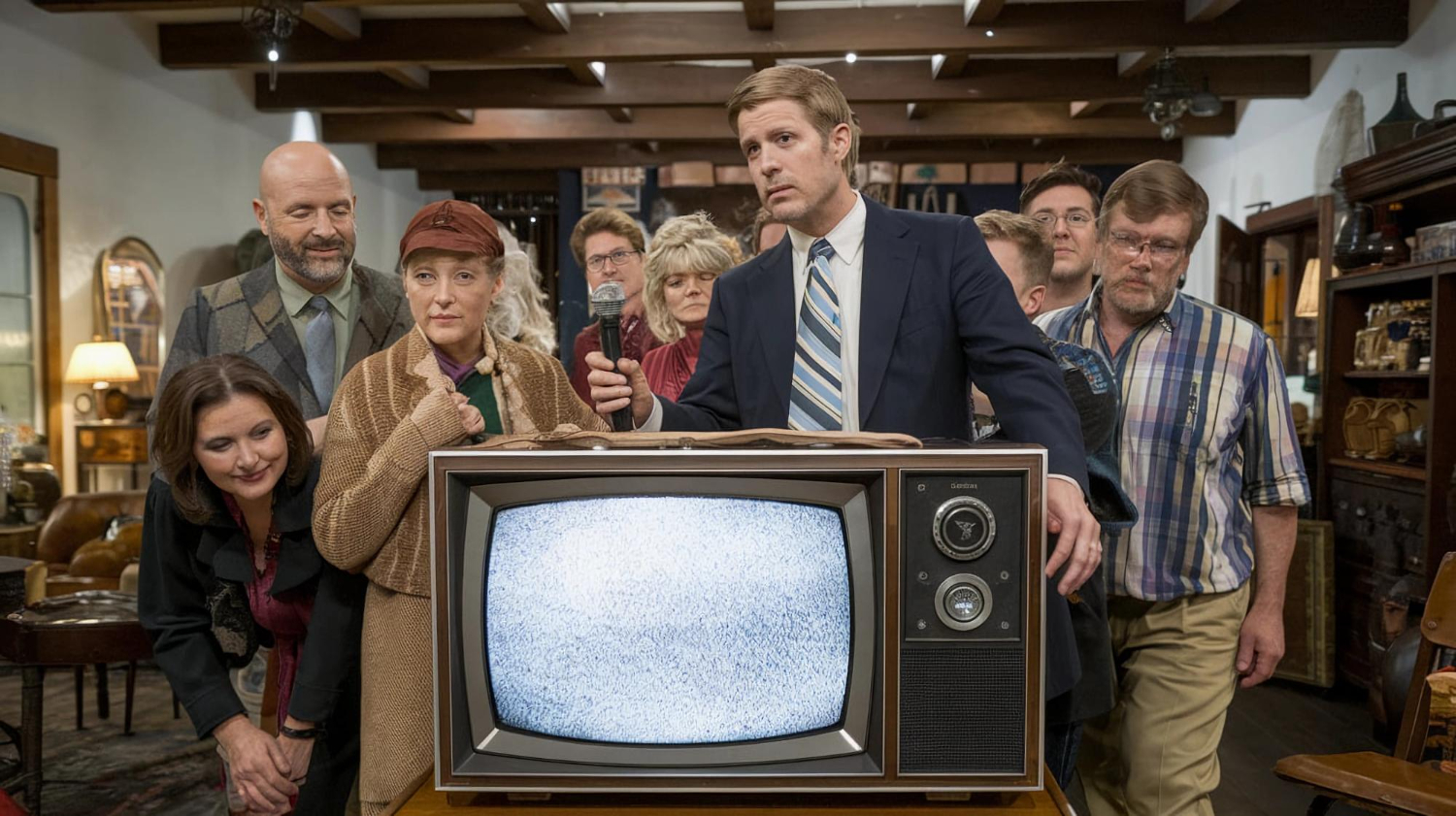
1975 households typically had one television in the main living area, watched together by the whole family. Cable television was just beginning. Most households received 3-7 broadcast channels. The family watched the same programs together, with limited individual choice. Sunday programming (Wonderful World of Disney, 60 Minutes, various other shared programs) created shared cultural experiences. Modern American households have multiple screens. Individual streaming preferences have largely replaced shared TV viewing. The specific institution of “family TV night” exists now mostly as occasional special activity rather than weekly routine.
The “Long Sunday Phone Call”

1975 Sunday afternoons routinely included extended phone calls to relatives. Long-distance calling rates were lower on Sundays (a specific carrier pricing strategy of the era), making weekend calls economical. Children spoke with grandparents. Siblings caught up across geographic distances. The calls might last an hour or more. Modern instant communication (texting, social media, FaceTime) has eliminated the specific Sunday phone call ritual. Communication is more frequent but less concentrated. The substantial weekly check-in calls have been replaced by quick everyday updates that don’t quite fulfill the same function.
What This Disappearance Actually Reveals

The 1975 American Sunday afternoon was constructed by specific institutional and cultural factors: blue laws preventing commerce, higher religious participation, economic constraints making travel limited, communication technology requiring concentrated time, and a general cultural framework that valued family and community time over individual scheduling. Almost every one of those factors has changed substantially. The Sunday rhythm wasn’t deliberately destroyed — it was made obsolete by accumulating changes that each seemed reasonable in isolation. The cumulative effect is that the specific cultural institution that organized American family life for generations has substantially disappeared, replaced by individualized weekend schedules that don’t really substitute for what was lost.