From chewing gum to kids’ candy, these restrictions can catch travelers off guard — and the stories behind them are often stranger than the bans themselves.
Every country has laws that seem normal to locals but baffle visitors. Some of these bans are centuries old, some are very recent, and a few are so specific you wouldn’t believe they exist until you’re standing at a border being told to hand something over. Here are 15 that actually exist, backed by the laws, history, and fines that make them real.
Slide 1: Chewing gum — banned in Singapore

Since 1992, Singapore has banned the sale, import, and manufacture of chewing gum. The law was enacted after vandals kept using spent gum to jam the doors of the Mass Rapid Transit system, disrupting service. Penalties for importing gum can reach S$10,000 and up to a year in jail for a first offense. After the 2004 US-Singapore Free Trade Agreement, therapeutic dental and nicotine gums became legal with a prescription from a dentist or doctor. Tourists are allowed to bring up to two packs for personal use.
Slide 2: Kinder Surprise eggs — banned in the United States

The hollow chocolate eggs with a small toy inside, sold in over 100 countries, are illegal to import or sell in the US. The ban traces to the 1938 Federal Food, Drug, and Cosmetic Act, which prohibits any “confectionery having partially or completely imbedded therein any non-nutritive object.” The FDA and Consumer Product Safety Commission have repeatedly cited choking hazards as the concern. A US Customs spokesperson once told reporters that “Kinder eggs are prohibited just like narcotics are prohibited.” Kinder Joy eggs, which separate the toy into a plastic half-shell, are legal and widely sold.
Slide 3: Haggis — banned in the United States
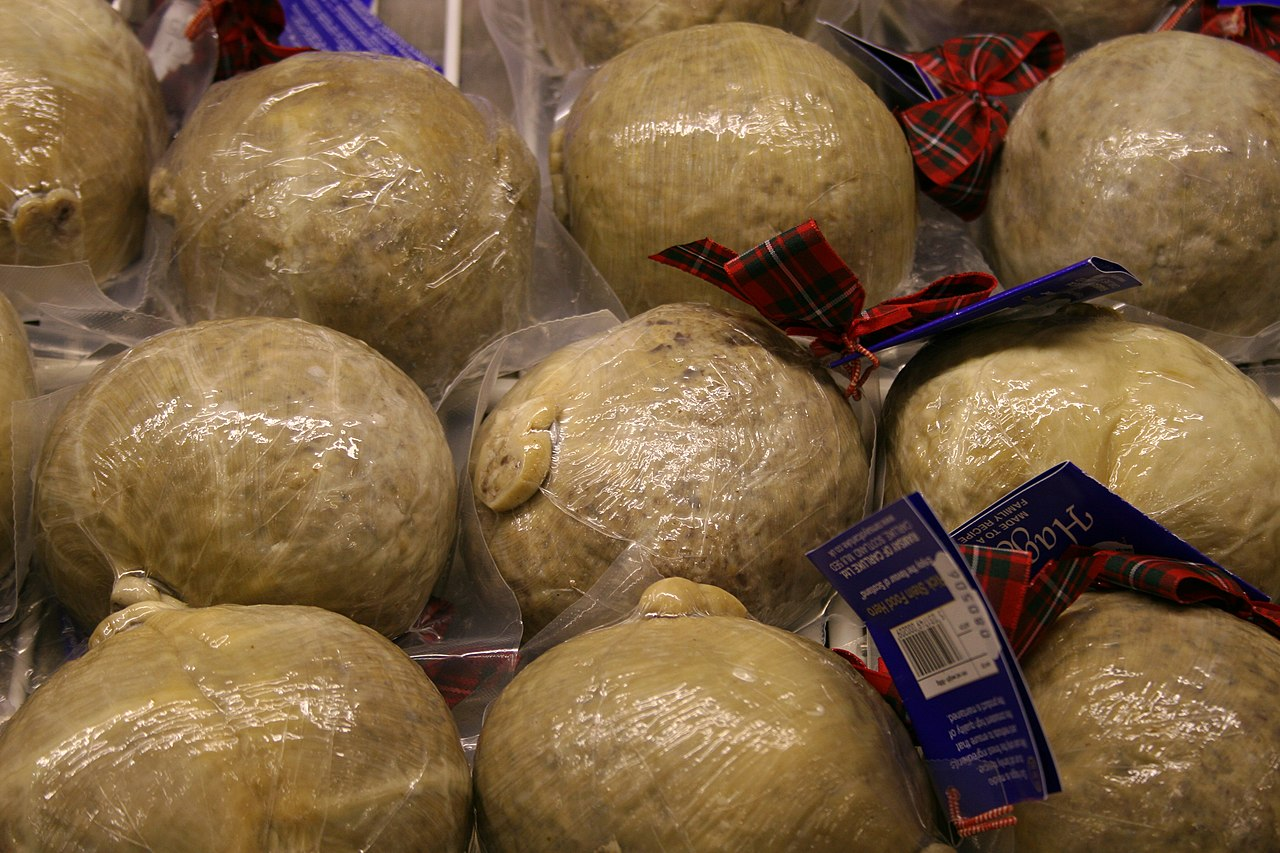
Traditional Scottish haggis cannot be imported into or commercially sold in the US because it contains sheep lung, which the USDA has classified as unfit for human consumption since 1971. The concern is that stomach fluids can enter the lungs during slaughter, creating a contamination risk. Lung is about 10 to 15 percent of a traditional haggis recipe, so while lung-free versions are legal (and sold), Scottish purists argue they miss the point. The UK has been lobbying for the ban to be lifted since at least 2014.
Slide 4: Foie gras — banned in California
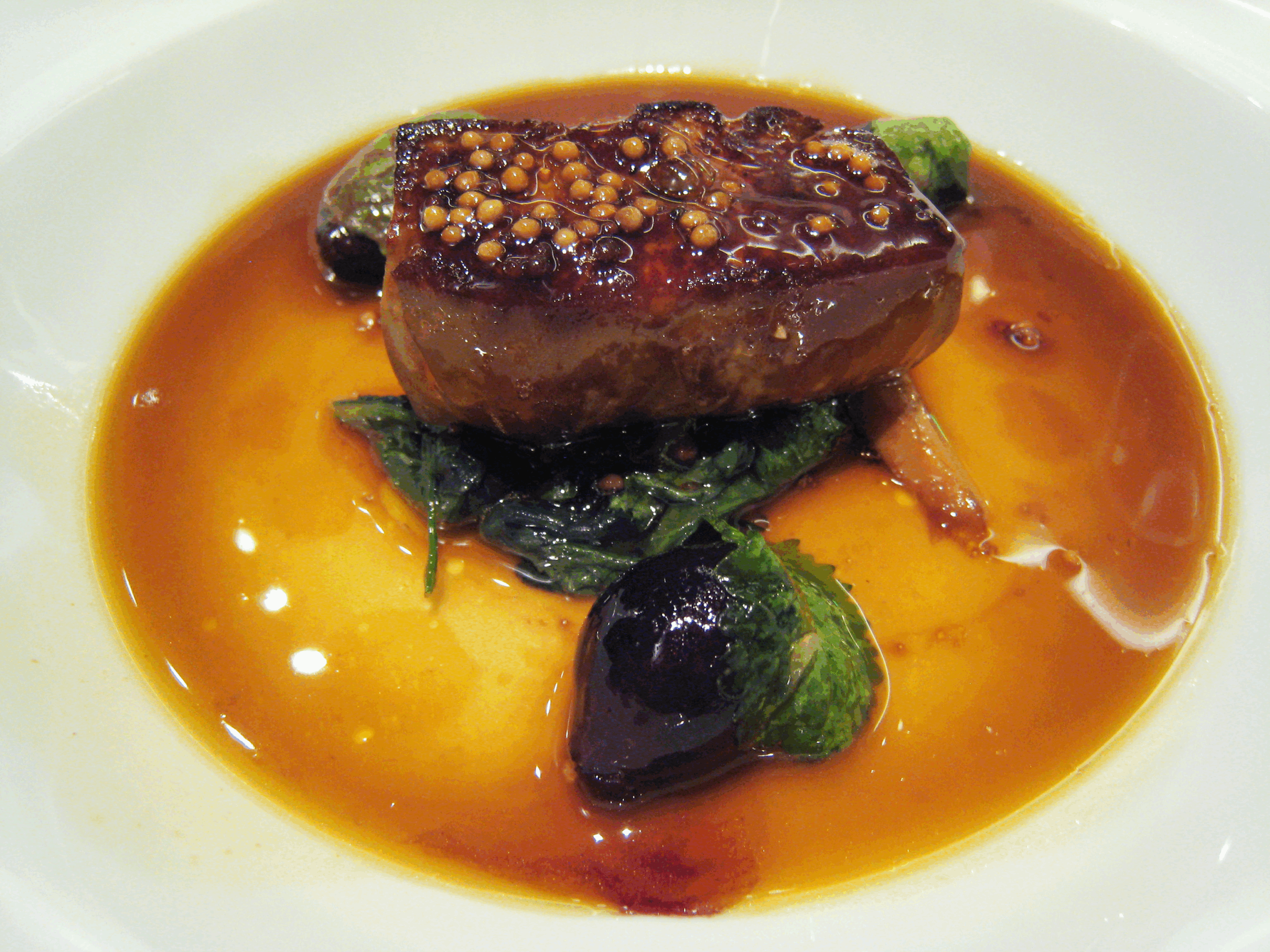
California banned the production and sale of force-fed foie gras in 2004, with the law taking effect in 2012 after a seven-year grace period. The ban is based on animal-welfare concerns over the force-feeding process that enlarges the birds’ livers. After more than a decade of litigation, federal courts upheld the ban, though residents can still legally purchase it from out-of-state sellers for personal use. Violating the in-state sales ban carries a fine of up to $1,000 per day.
Slide 5: Camouflage clothing — banned in much of the Caribbean
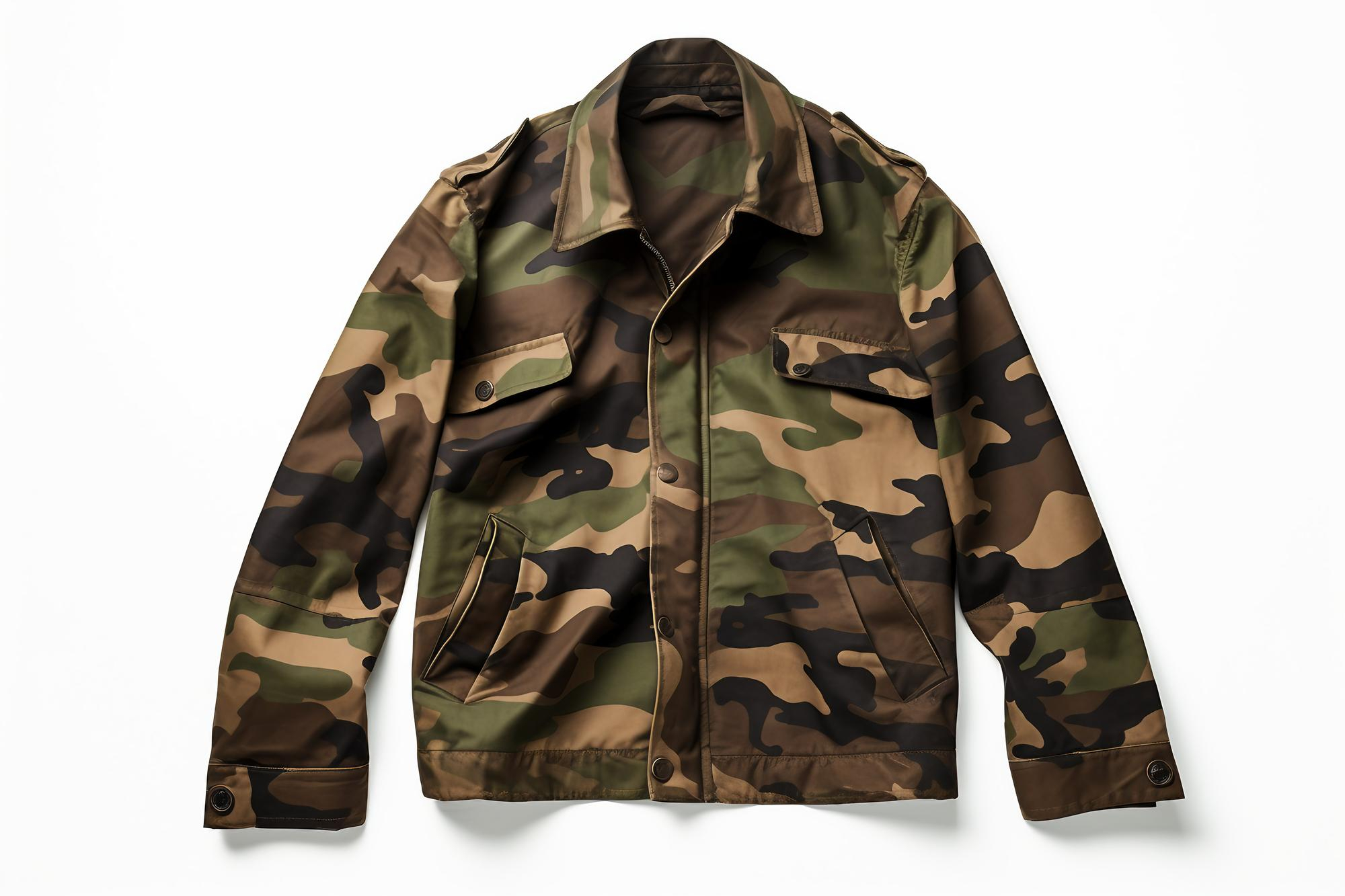
Barbados, Jamaica, Saint Lucia, Antigua and Barbuda, Grenada, Trinidad and Tobago, and the Bahamas all prohibit civilians from wearing camouflage clothing. The rules exist to prevent confusion with military and police uniforms. Fines can reach around $2,000, and cruise passengers have been turned back at ports for wearing camo shorts. Carnival Cruise Line regularly reminds passengers of the rule after incidents in Nassau. The US Army has issued travel advisories specifically warning service members about it.
Slide 6: High heels — banned at ancient sites in Greece
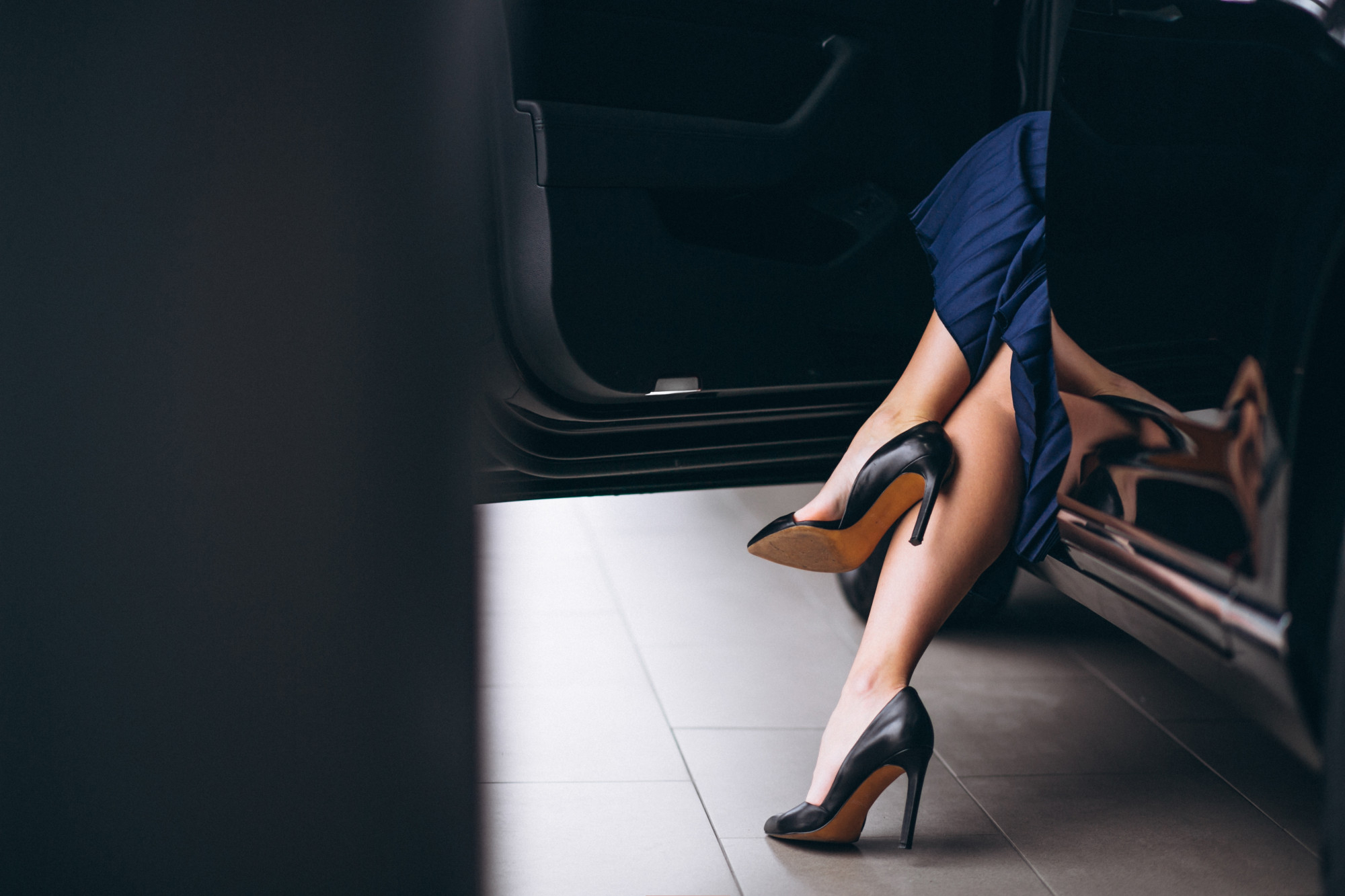
Since 2009, visitors have been prohibited from wearing high heels at major Greek archaeological sites including the Acropolis, the Odeon of Herodes Atticus, and the Theatre of Epidaurus. The concern is that narrow heels damage marble that has survived thousands of years. Eleni Korka, then director of Greek Prehistoric and Classical Antiquities, said at the time that visitors “must wear shoes that do not wound the monuments.” Fines can reach €900. The same 2009 directive also banned food and drink at archaeological sites — maintenance crews had recently removed nearly 60 pounds of chewing gum from under the Odeon’s marble seats.
Slide 7: Feeding pigeons — banned in Venice

Venice made it illegal to feed pigeons in 2008, shutting down a century-old tourist tradition in St. Mark’s Square where vendors had sold birdseed for photo opportunities. The city estimated that pigeon damage was costing each Venetian taxpayer around €275 a year, with birds pecking at marble facades to reach food scraps. Fines range from €25 to €500 and are issued on the spot by municipal police. The ban is part of broader “decorum” rules that also prohibit eating on bridges and steps (€350 fine) and walking around in swimwear (€250).
Slide 8: Sitting on the Spanish Steps — banned in Rome

Since 2019, Rome has banned sitting on the 18th-century Spanish Steps as part of a broader urban decorum law that also prohibits eating on monuments, fountains, and historic stairways. The steps are made of travertine that has been worn down significantly by decades of tourists using them as a seating area. Police actively enforce the rule and issue fines to tourists who sit down for a break or a photo.
Slide 9: Bringing certain sunscreens to Hawaii
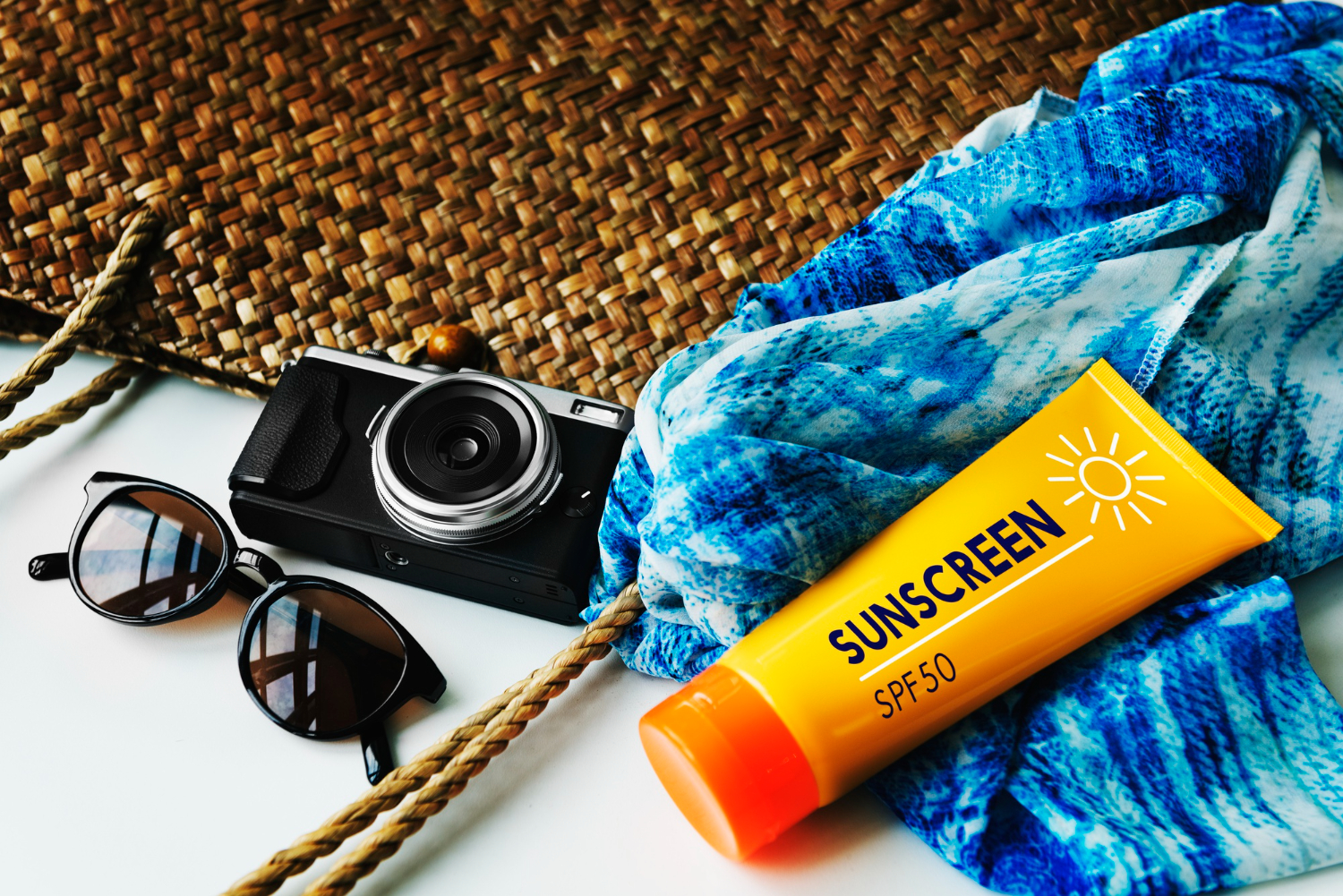
Hawaii banned the sale of sunscreens containing oxybenzone and octinoxate in 2021, becoming the first US state to do so, in an attempt to slow coral reef bleaching. Palau, the Marshall Islands, and parts of Mexico have enacted similar bans. Travelers can still technically bring their own sunscreen from the mainland US, but reef-safe alternatives are widely available on the islands, and tour operators increasingly require them.
Slide 10: Baby walkers — banned in Canada

Canada became the first and only country to completely ban the sale, import, and advertisement of baby walkers in 2004, with a penalty of up to $100,000. The move followed decades of evidence that walkers contribute to thousands of injuries annually, including serious falls down stairs. They remain legal in the US, though the American Academy of Pediatrics has long recommended against them. Even used walkers are illegal to sell or give away in Canada, including at yard sales.
Slide 11: Plastic bags — banned in Kenya

Kenya enforces one of the world’s strictest plastic bag laws, enacted in 2017. Producing, selling, or even using plastic bags can carry fines of up to $40,000 or four years in prison — though in practice, tourists caught with a plastic bag are typically asked to surrender it rather than jailed. Over 30 African nations now have similar bans or restrictions, part of a continent-wide push against plastic waste that predates similar moves in Europe and North America.
Slide 12: Blue jeans — restricted in North Korea
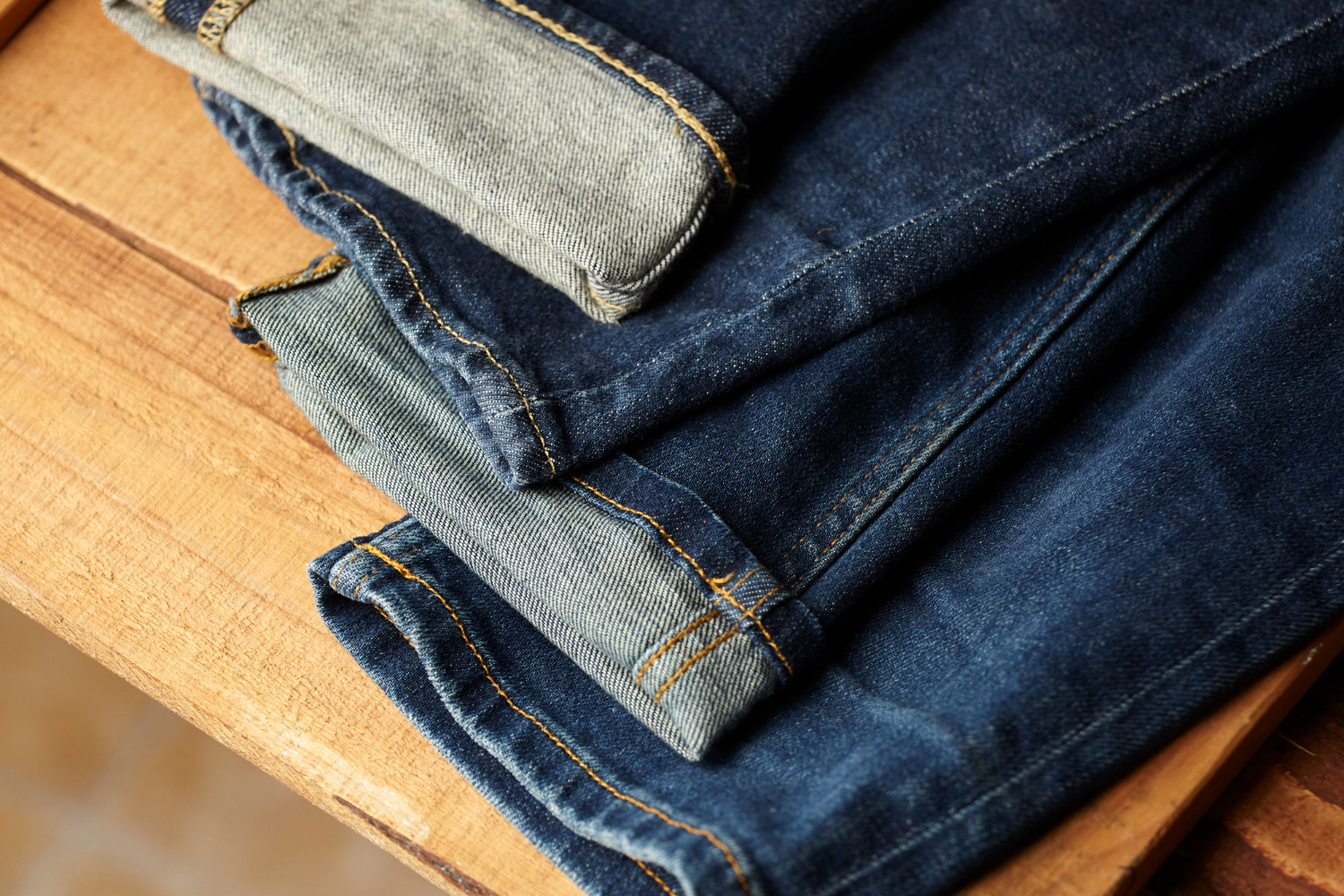
North Korea restricts blue jeans because they are associated with American culture. Reports from defectors and tour operators indicate that foreign visitors are advised not to wear denim, and locals rarely do. Black jeans are generally tolerated. The restriction is not a formal statutory ban but an enforced cultural rule, part of broader restrictions on Western dress and media.
Slide 13: Ketchup in French school cafeterias

Since 2011, French public schools have restricted ketchup in cafeterias — students can only have it with one specific dish: French fries. The measure, introduced by the French government’s food-quality body, was meant to protect traditional French cuisine and encourage students to taste food on its own. It’s technically a regulation on school menus rather than a country-wide ban, and ketchup remains widely available everywhere else.
Slide 14: Winnie the Pooh — restricted in parts of China

Chinese authorities have periodically blocked Winnie the Pooh-related content online after internet users began comparing the character to President Xi Jinping around 2013. The 2018 film “Christopher Robin” was not released theatrically in China, and Pooh images have been scrubbed from Chinese social media platforms at various points. It’s not a formal legal ban but an enforced content restriction that travelers and media companies have encountered repeatedly.
Slide 15: Flip-flops — restricted for driving in parts of Europe
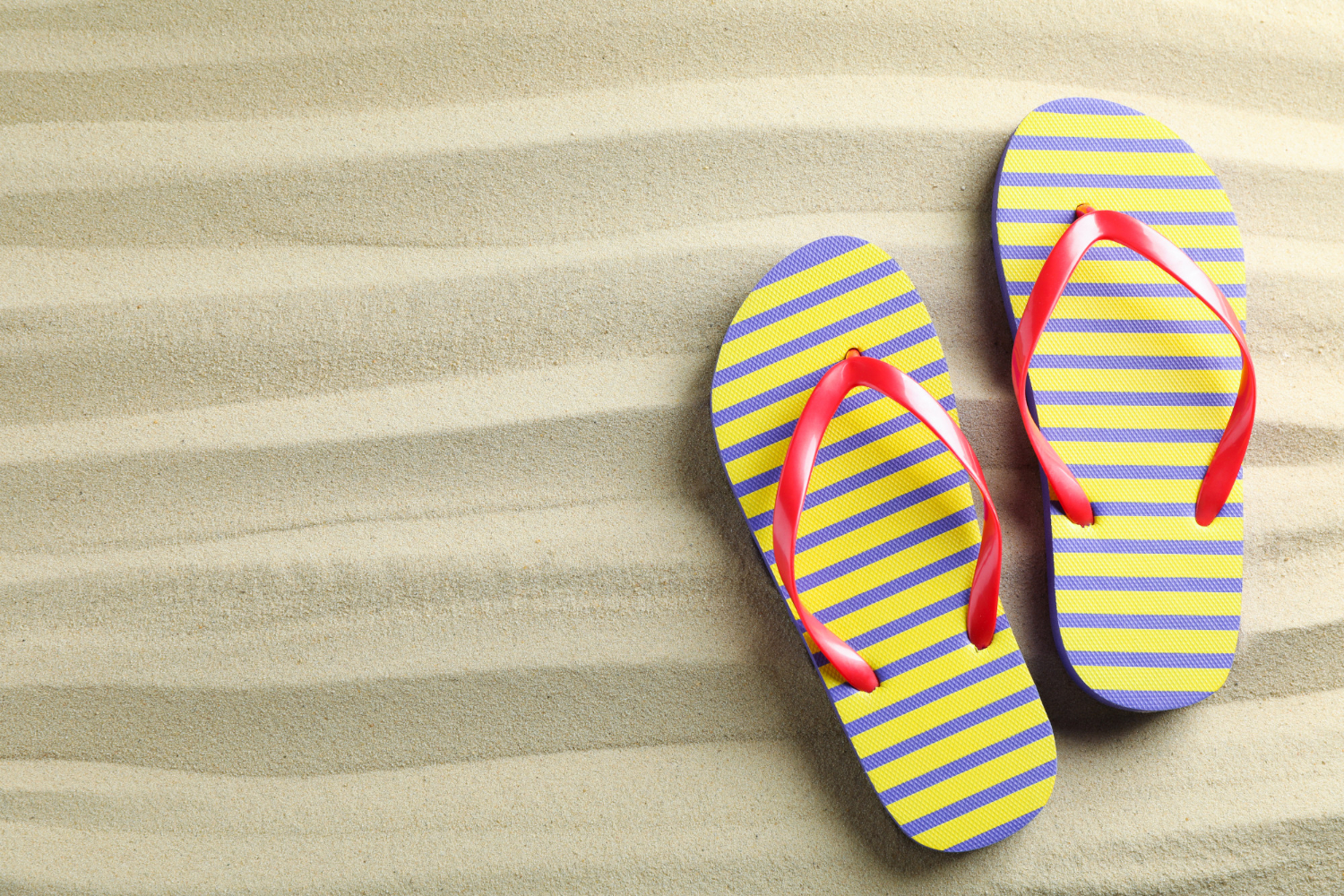
Several European countries, including Spain and Italy, have interpreted their traffic laws to effectively ban driving in flip-flops, arguing that the shoes don’t allow proper control of the pedals. Spain’s DGT traffic authority has confirmed that flip-flops, high heels, and even driving barefoot can result in fines of around €200 because they violate the general rule that drivers must be in full control of the vehicle. It’s not a specific footwear ban, but tourists who rent cars have been caught off guard by it often enough that travel insurers now mention it.