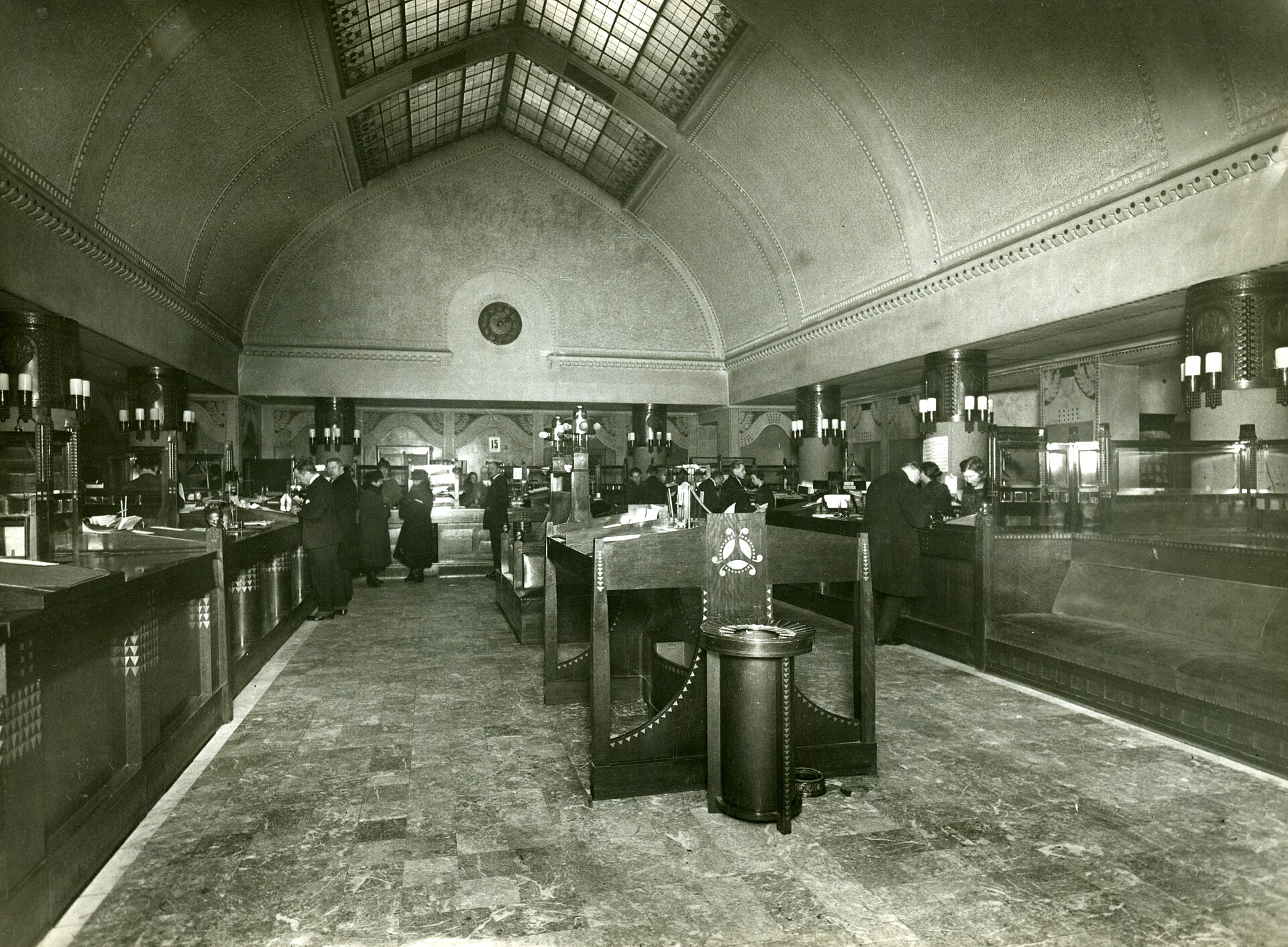
Before ATMs, mobile apps, and online banking, managing your money meant an actual trip to the bank, and that visit had its own set of rituals and fixtures. The grand lobby, the row of teller windows, the passbook, the deposit slip, banking was a hands-on, in-person affair that looks almost ceremonial in hindsight. For generations, going to the bank was a regular errand woven into family routines, and the experience held small pleasures all its own. Looking back at it brings back the marble counters and the friendly tellers. Here are twelve things nearly every trip to the bank used to involve, counted down one by one.
1. Waiting in Line for a Teller
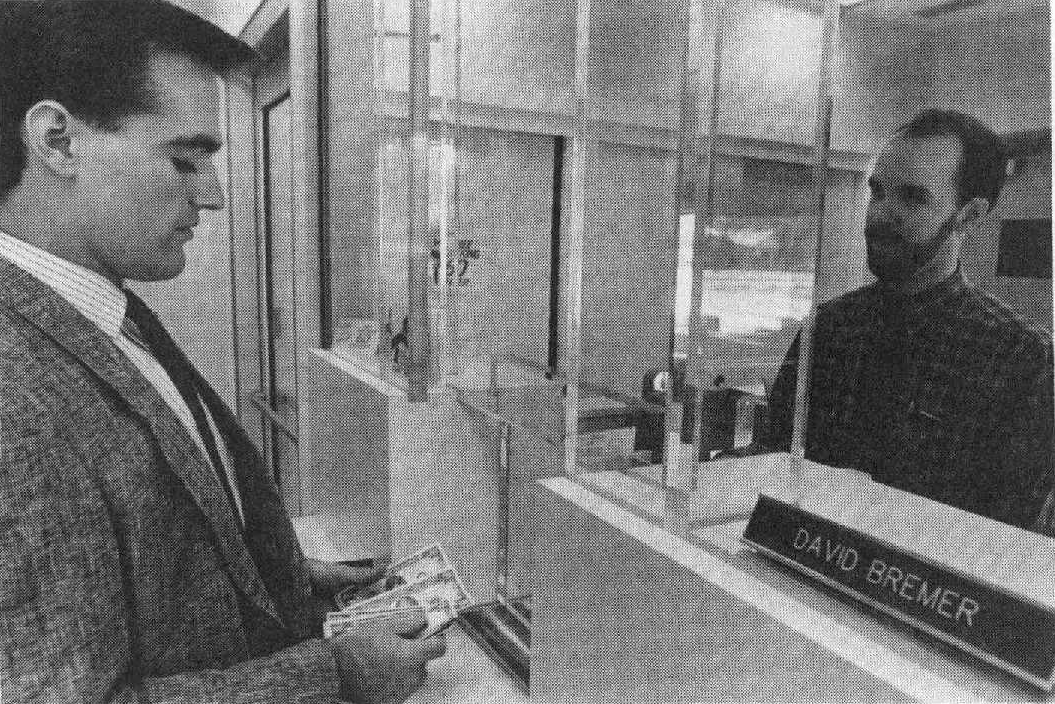
You stood in line for a human teller to handle your transaction. Face-to-face banking was the only option.
A trip to the bank inevitably began with waiting in line for a teller, the only way to deposit, withdraw, or handle most transactions before machines and apps took over. You’d queue up behind the velvet rope, watching the windows for the next available teller. Patience was required, especially on busy paydays. Waiting in line for a teller is the defining feature of old-fashioned banking, the face-to-face, human-powered process that made every transaction a personal interaction and a regular part of running a household’s finances.
Like our content? Follow us for more.
2. Updating Your Passbook
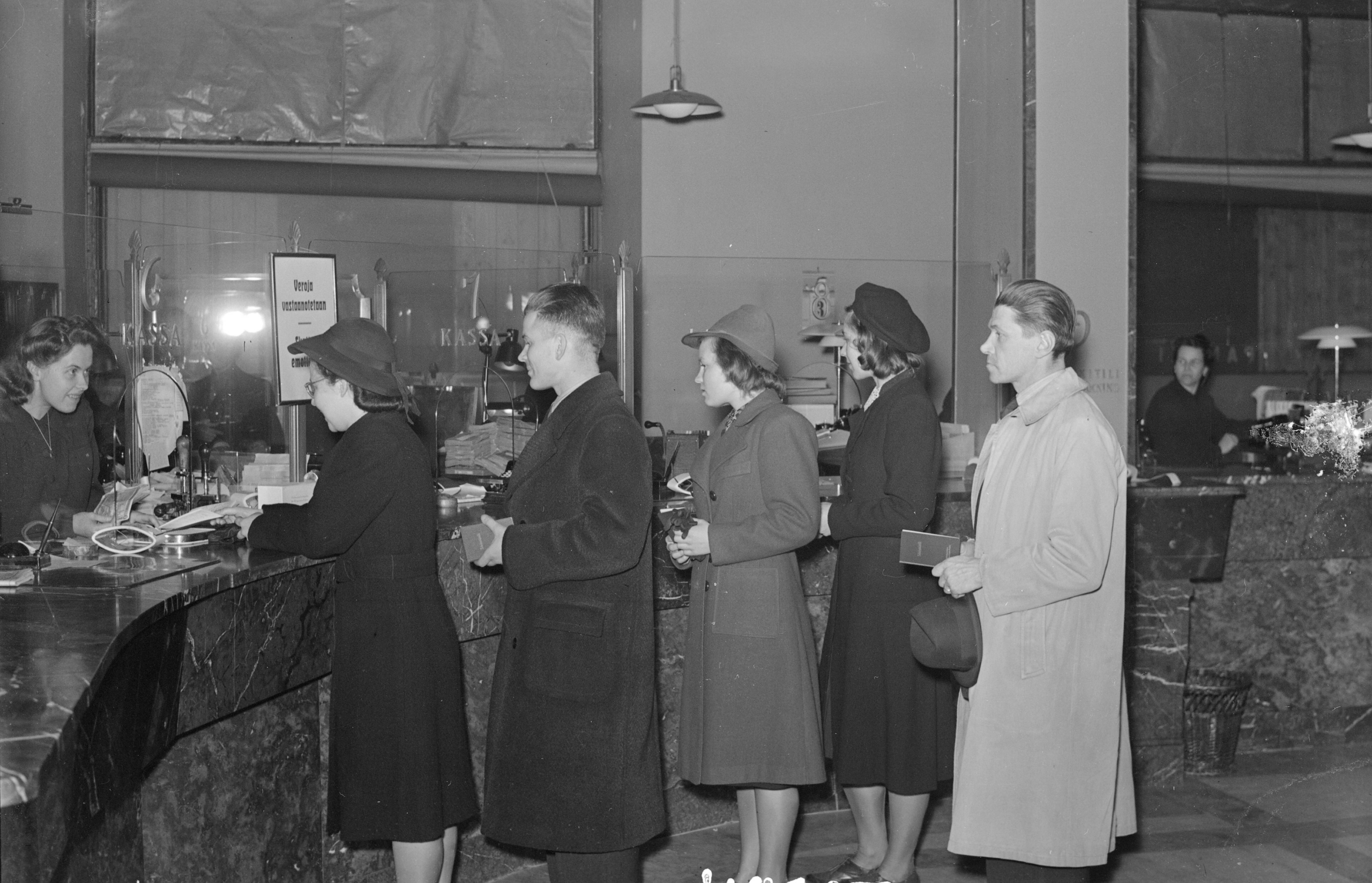
A small passbook recorded every deposit and withdrawal by hand or machine. Watching the balance grow was satisfying.
Savings accounts came with a passbook, a little booklet in which the teller recorded each deposit, withdrawal, and the running balance, either by hand or by feeding it into a machine that stamped the entries. Watching your savings grow line by line in the passbook was genuinely satisfying. You brought it along on every visit. The passbook is a beloved relic of old-fashioned banking, a tangible record of your money that made saving feel concrete and rewarding, and updating it was a small ritual on every trip to the bank.
3. Filling Out Deposit and Withdrawal Slips
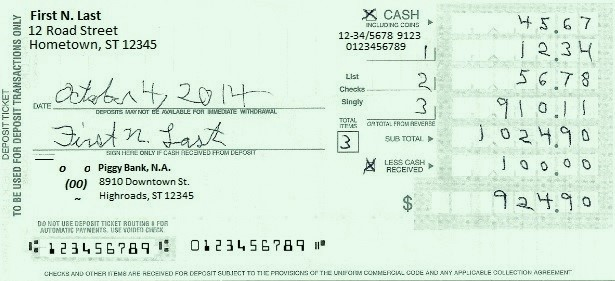
You filled in paper slips for every transaction at a counter with chained pens. The forms were a banking staple.
Every transaction required filling out a paper slip, a deposit slip or withdrawal slip, completed at a counter stocked with the forms and pens chained down so they wouldn’t wander off. You wrote in the amount, your account number, and the details before handing it to the teller. The chained pen was a universal bank fixture. Filling out deposit and withdrawal slips is a classic part of the old banking experience, the paperwork ritual at the counter that preceded every transaction in the days before screens and cards streamlined it all.
4. The Grand, Imposing Lobby
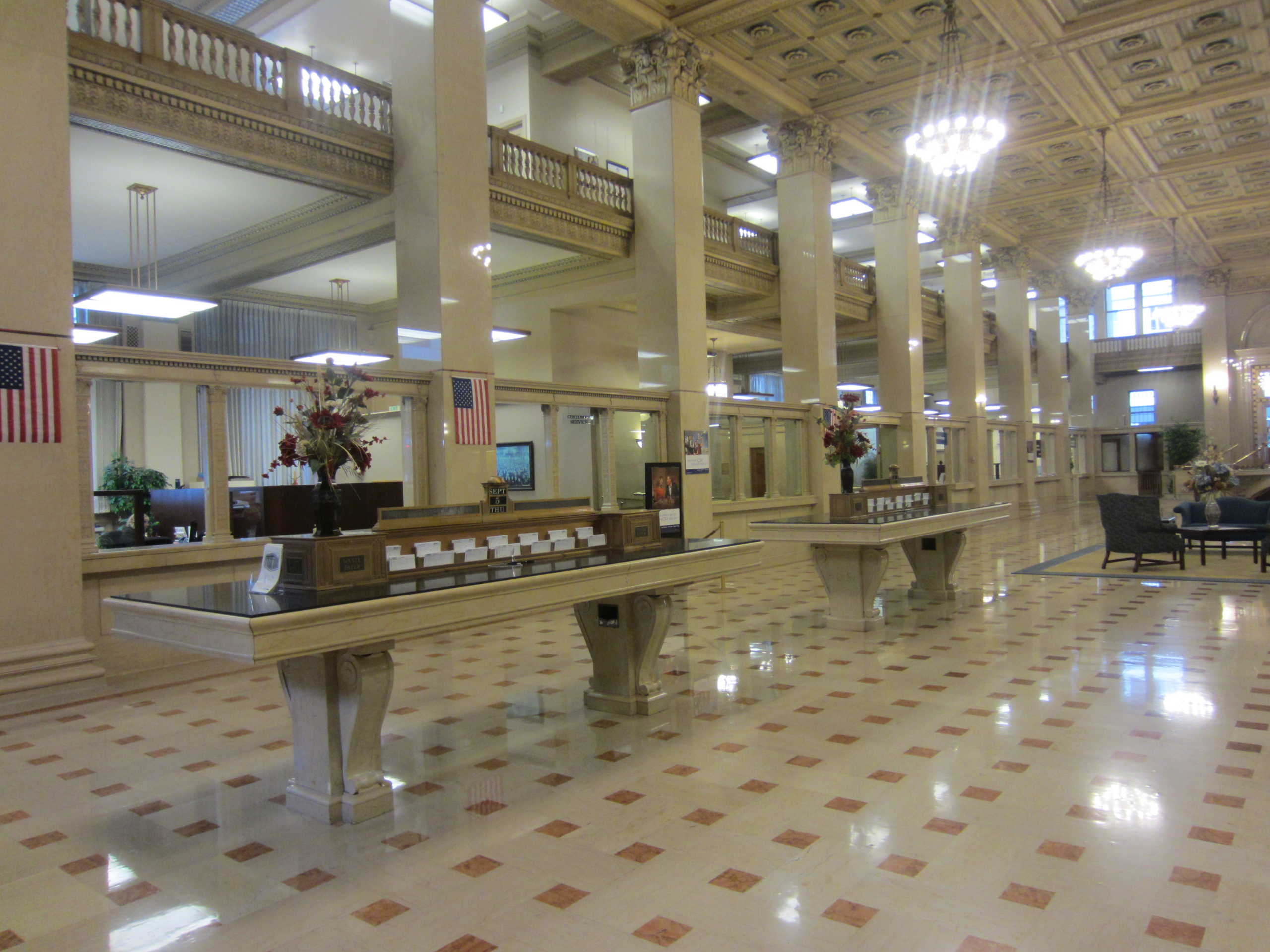
Banks were built with marble, high ceilings, and an air of solidity. The architecture inspired confidence.
Banks of the past were often designed as grand, imposing buildings, with marble floors, soaring ceilings, columns, and ornate details meant to project stability, security, and trust. Stepping into the hushed, dignified lobby gave customers confidence that their money was safe. The architecture was a statement. The grand bank lobby is a memorable feature of old-fashioned banking, an intentionally impressive space whose solid, stately design reassured generations of customers and made the simple act of banking feel weighty and important.
5. The Big Steel Vault
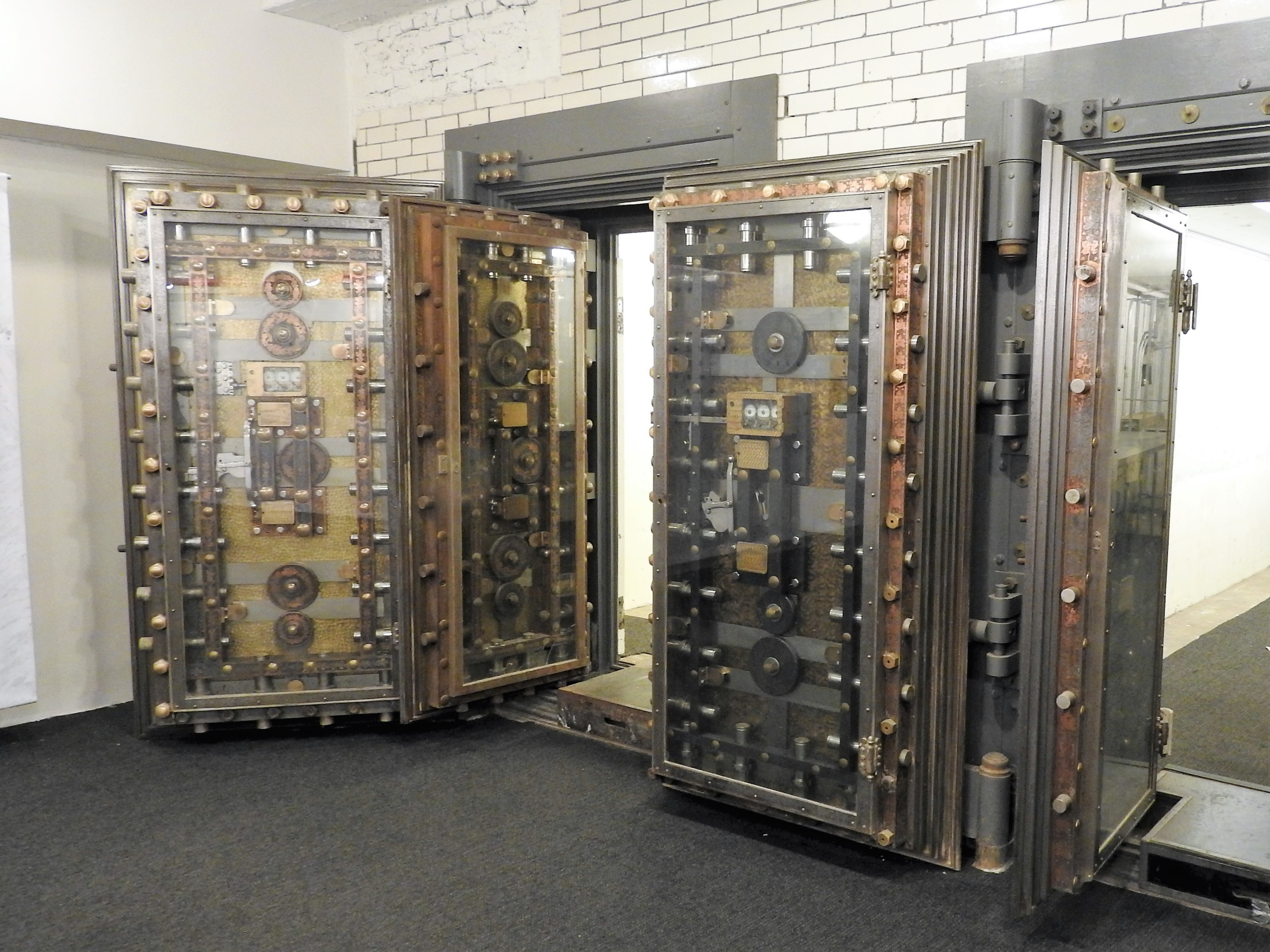
A massive vault with a thick door safeguarded the money. Glimpsing it was a small thrill.
Visible in many banks was the massive steel vault, with its enormously thick, gleaming circular door, where the money was kept secure. Catching a glimpse of the open vault, or the impressive door, was a small thrill that reinforced the sense of security. The vault embodied the bank’s promise to keep your money safe. The big steel vault is an iconic symbol of the traditional bank, the formidable strongroom whose sheer solidity reassured customers and added a touch of drama to the otherwise routine errand of visiting the bank.
6. Lollipops and Treats for Kids

Tellers handed lollipops or suckers to children who came along. The treat made bank trips a hit with kids.
A beloved tradition at many banks was giving children a lollipop or sucker when they came in with their parents. The little treat turned an otherwise dull errand into something kids looked forward to, and the dish or drawer of candy at the teller window was a welcome sight. It was a small gesture of friendliness. Lollipops and treats for kids are a sweet, fondly remembered detail of the old-fashioned bank, a thoughtful touch that made families feel welcome and gave children a reason to enjoy tagging along on the trip to the bank.
7. The Drive-Through and Pneumatic Tube
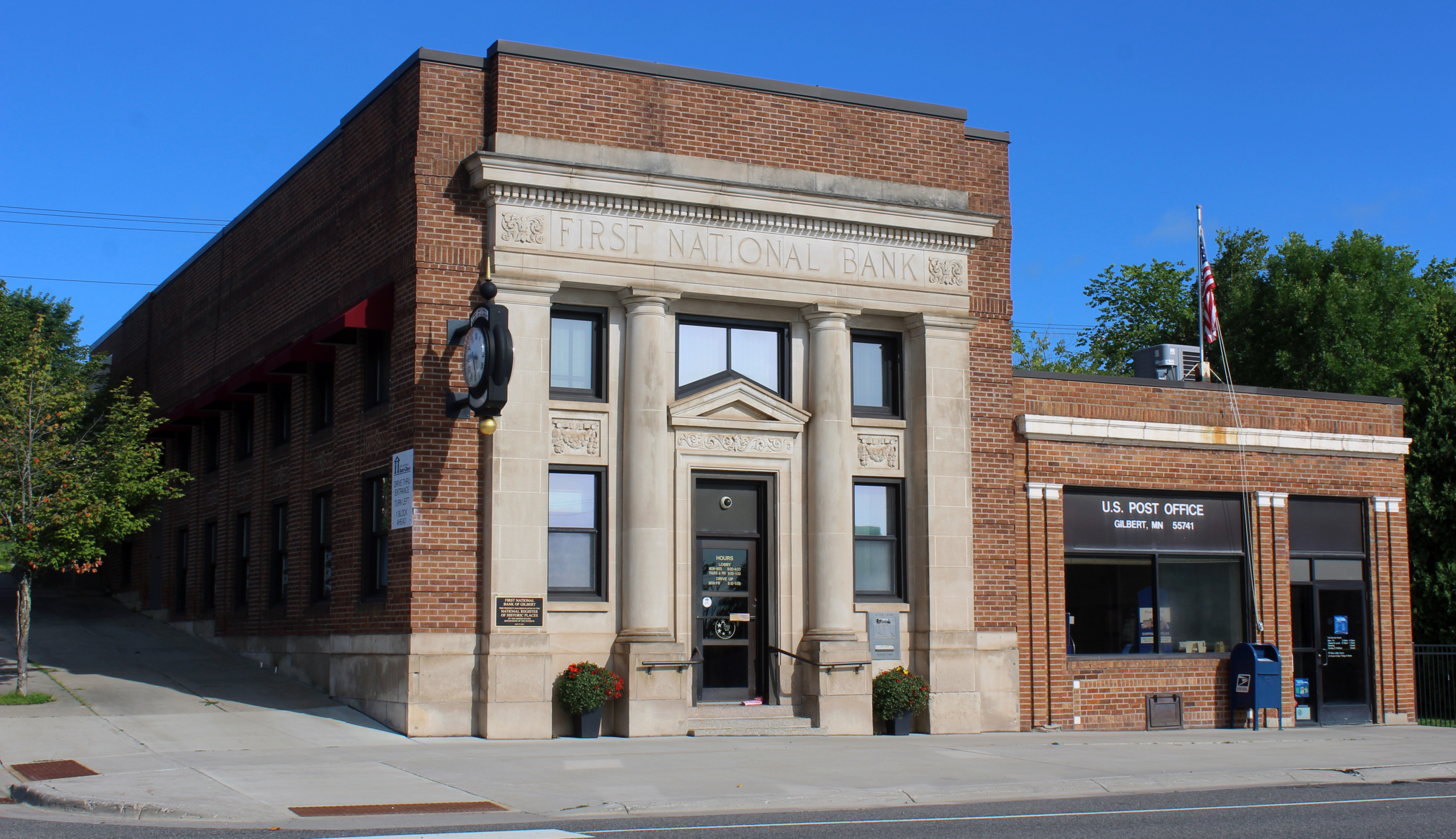
A drive-through let you bank from your car, sending slips through a vacuum tube. The whoosh of the tube was memorable.
Many banks offered a drive-through, where you pulled up in your car and conducted transactions with a teller inside, sending your slips and cash back and forth through a pneumatic tube system. You’d place your items in a canister, and with a whoosh it shot through the tube to the teller and back. Kids loved watching it. The drive-through and pneumatic tube are a nostalgic feature of the old bank, a clever convenience that let you handle your money without leaving the car and turned a deposit into a small, satisfying mechanical marvel.
8. Signing In and Showing ID
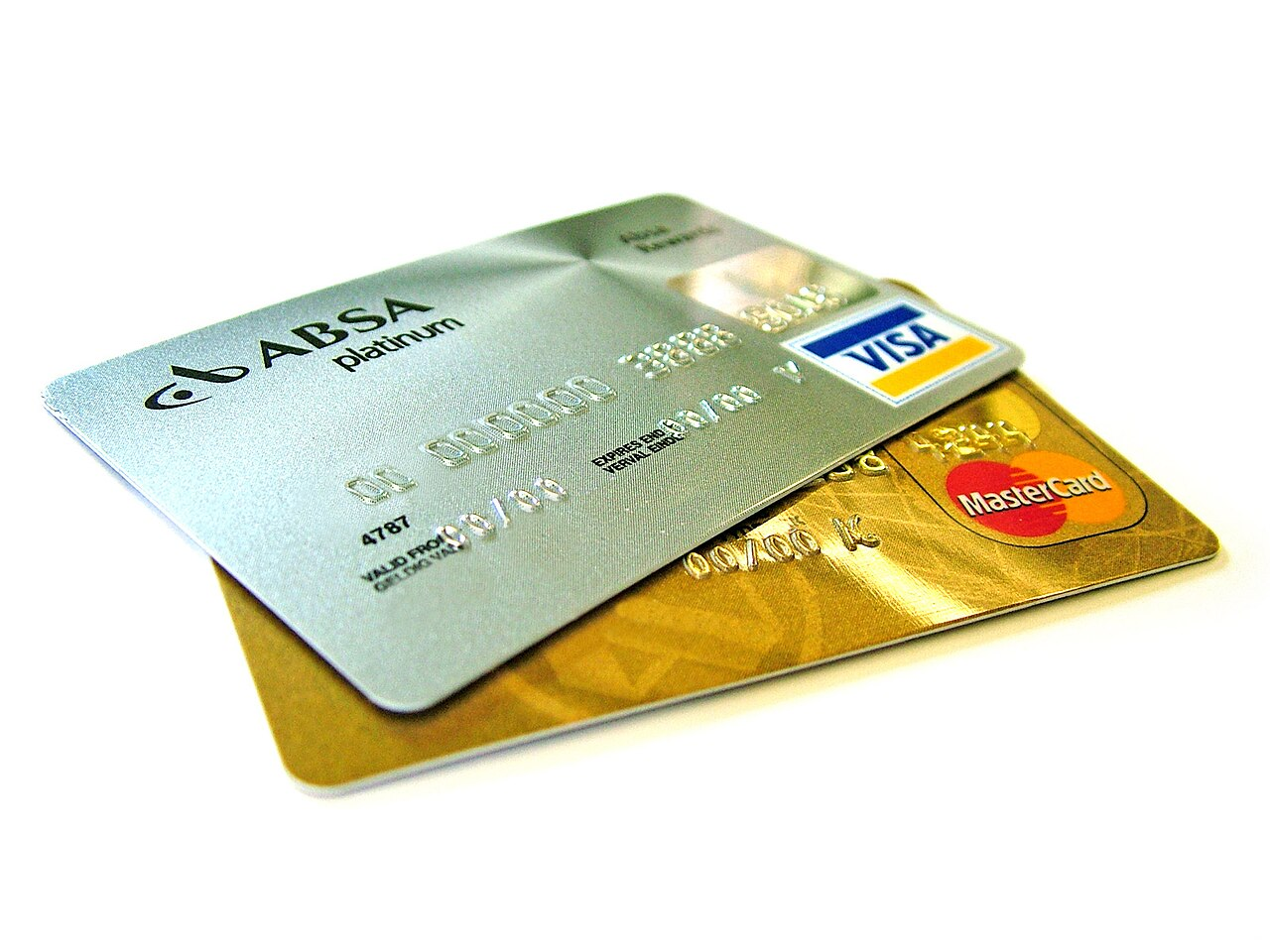
You identified yourself in person, often with a signature card on file. Banking was built on personal recognition.
Banking transactions relied on personal identification, presenting yourself in person, sometimes signing, and being recognized by the staff. Banks kept signature cards on file to verify your handwriting, and at smaller local banks, the tellers often knew customers by name. This personal, face-to-face verification was the basis of trust. Signing in and showing ID is a hallmark of old-fashioned banking, a system built on personal recognition and human judgment that contrasts sharply with today’s PINs, passwords, and automated identity checks.
9. The Christmas Club Account
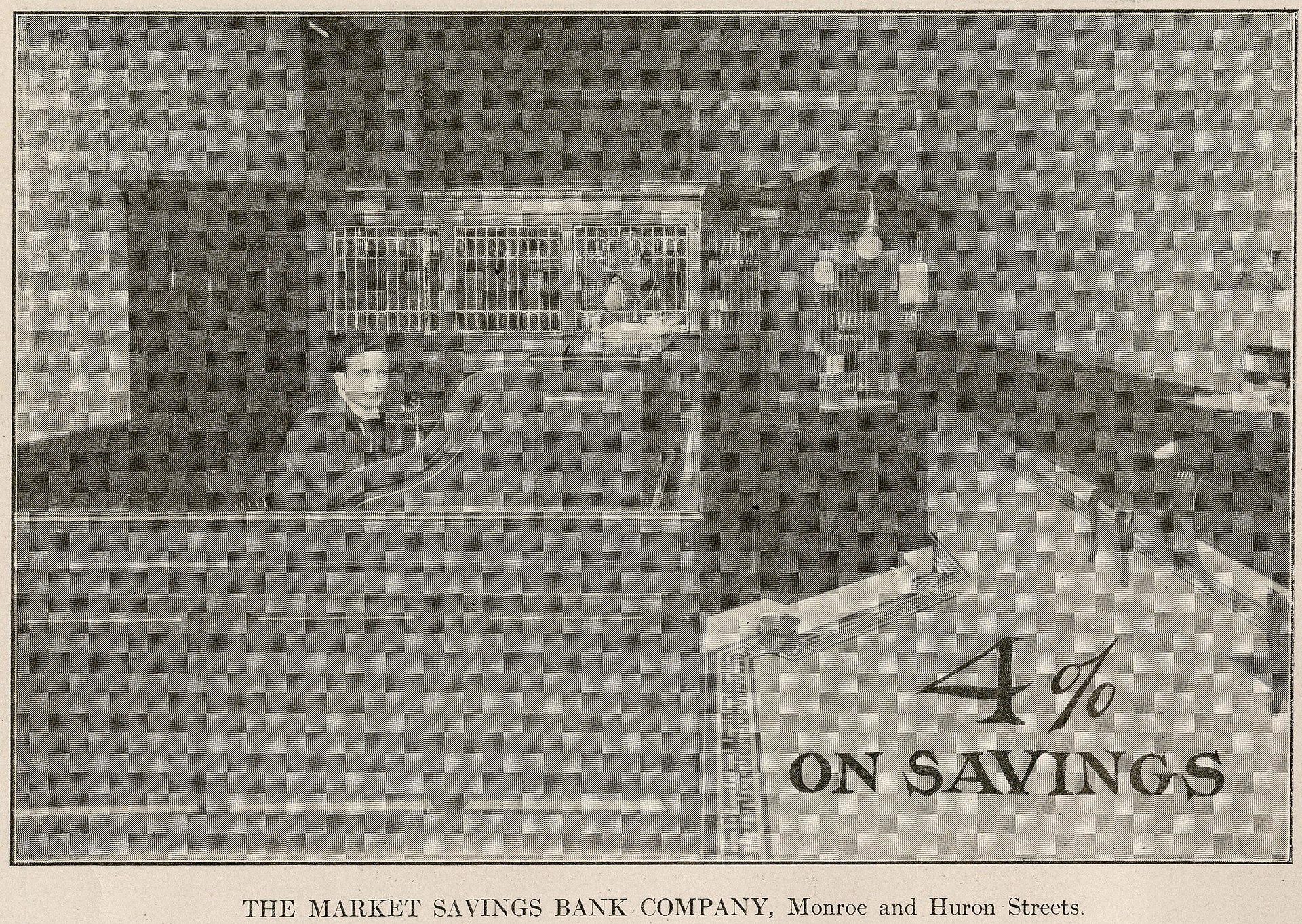
A special savings account helped families save up for the holidays. It was a popular yearly ritual.
Many banks offered a “Christmas Club,” a special short-term savings account where families deposited a small amount each week throughout the year, then received the lump sum in time for holiday shopping. It was a structured, disciplined way to save for Christmas, and the payout in late autumn was eagerly awaited. The clubs were widely popular. The Christmas Club account is a charming part of old banking traditions, a once-common savings ritual that helped families budget for the holidays and reflected a thrifty, planful approach to managing money throughout the year.
10. Bank Calendars and Giveaways
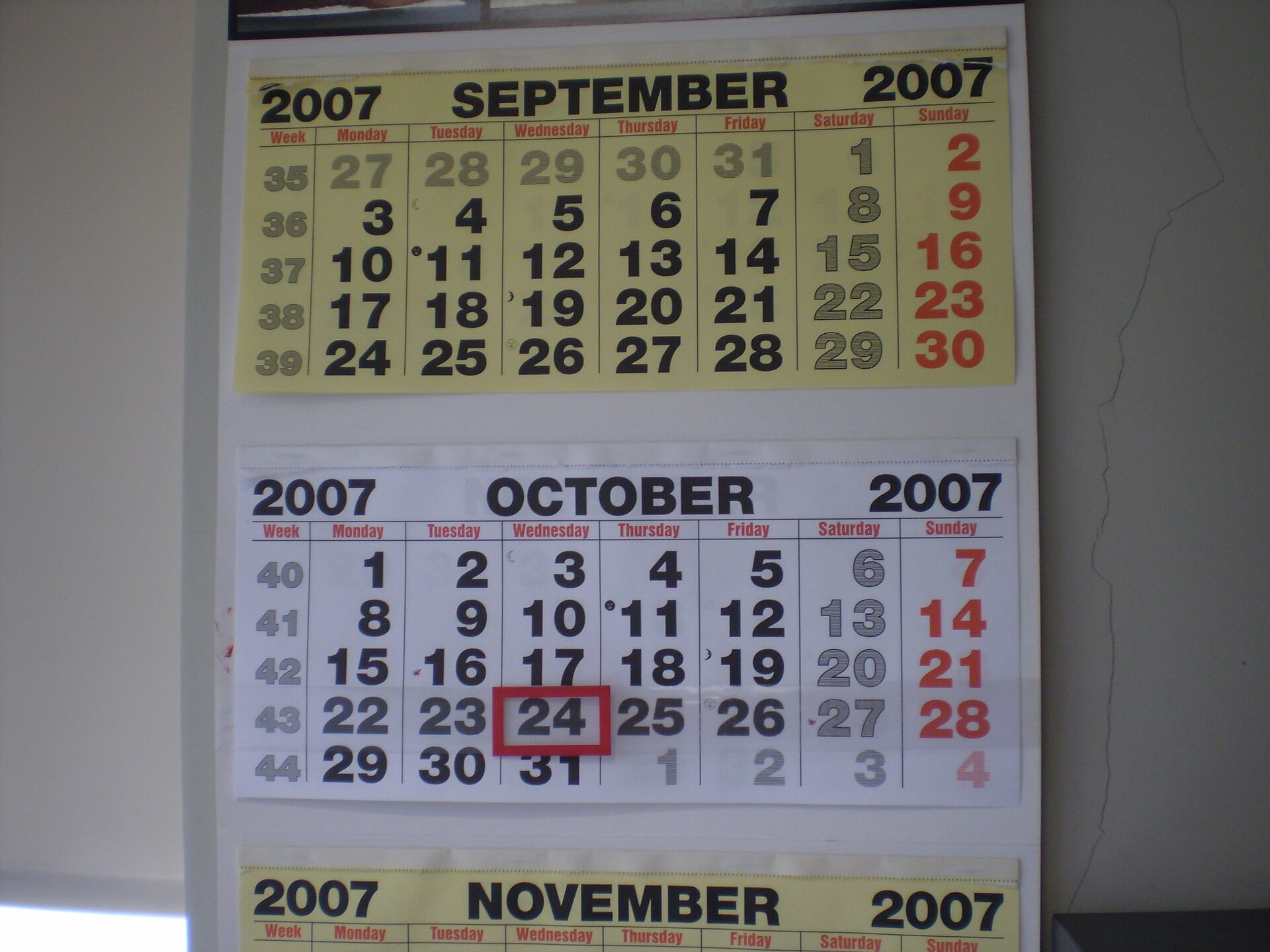
Banks gave out free calendars, pens, and trinkets. The little freebies were a goodwill gesture.
Banks were known for their giveaways, free wall calendars at the new year, pens, keychains, coin banks for kids, and other promotional trinkets handed out to customers as a goodwill gesture. The bank calendar in particular was a fixture in many kitchens, hung by the phone. These freebies built loyalty and good feeling. Bank calendars and giveaways are a fondly remembered part of old-fashioned banking, the small free gifts that thanked customers for their business and put the local bank’s name on a calendar in homes all over town.
11. Counting and Rolling Coins
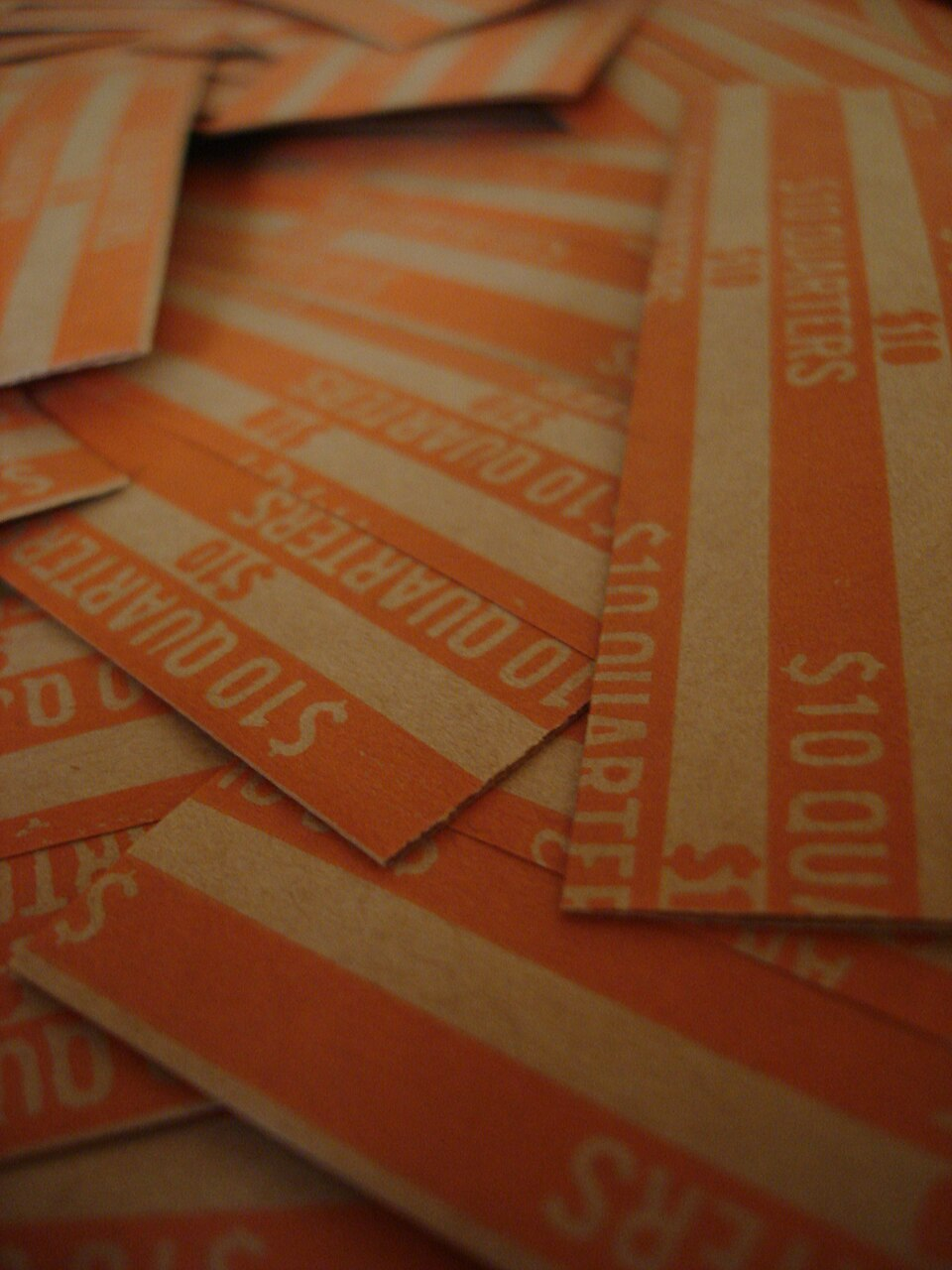
Families brought in coins to deposit, often rolled in paper wrappers. The teller counted it all by hand.
A common errand was bringing in saved-up coins to deposit, often after rolling them into paper coin wrappers at home, a task families did together at the kitchen table. At the bank, the teller verified and counted the coins before crediting the account. Emptying the piggy bank or coin jar was a periodic ritual. Counting and rolling coins is a humble but memorable part of old banking, the hands-on chore of turning a jar of loose change into deposited savings, before coin-counting machines made the paper rolls largely obsolete.
12. Knowing Your Banker
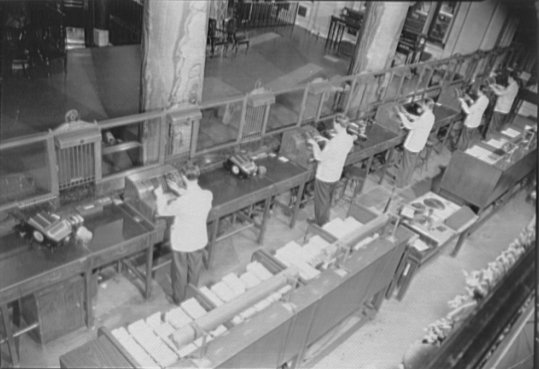
At local banks, the staff knew customers personally. Banking was a relationship, not just a transaction.
Perhaps the biggest difference of all was the personal relationship customers had with their bank. At local and community banks, the tellers and the banker often knew customers by name, remembered their families, and offered a friendly word with every visit. Banking was a relationship built on familiarity and trust. Knowing your banker is a cherished aspect of old-fashioned banking, the personal, neighborly connection that made the bank feel like a community institution rather than just a place to process transactions.
A More Personal Way to Bank
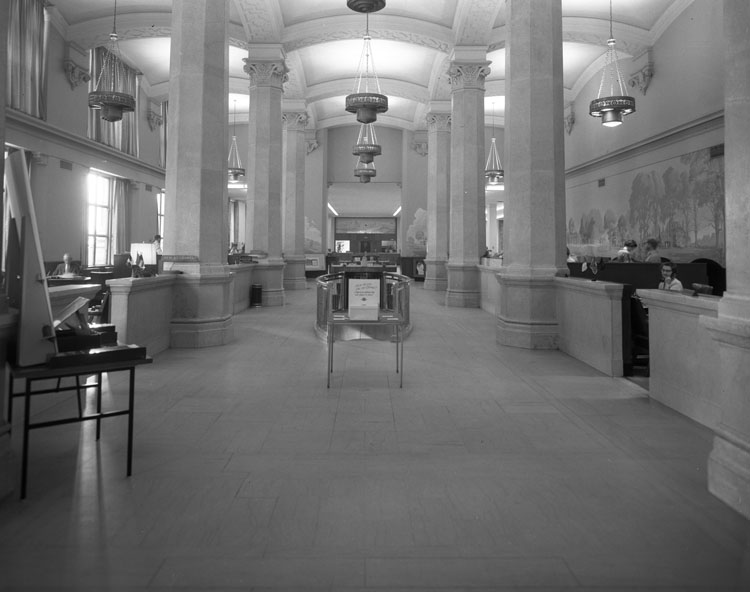
Taken together, these twelve things capture what a trip to the bank used to involve, from waiting in line for a teller and updating your passbook to the grand lobby, the lollipops, and the whoosh of the drive-through tube. Banking was an in-person, personal errand, full of small rituals and human connection.
ATMs, debit cards, online banking, and mobile apps have made managing money faster and more convenient than ever, largely eliminating the need to ever set foot in a branch. Yet that convenience came at the cost of the personal, ceremonial quality of the old-fashioned bank visit. For those who remember it, these details bring back the marble lobbies, the passbooks, and the friendly tellers. Looking back at the trip to the bank is a fond reminder of a more personal way to handle your money, when banking meant a real visit and a real relationship.
Like our content? Follow us for more.