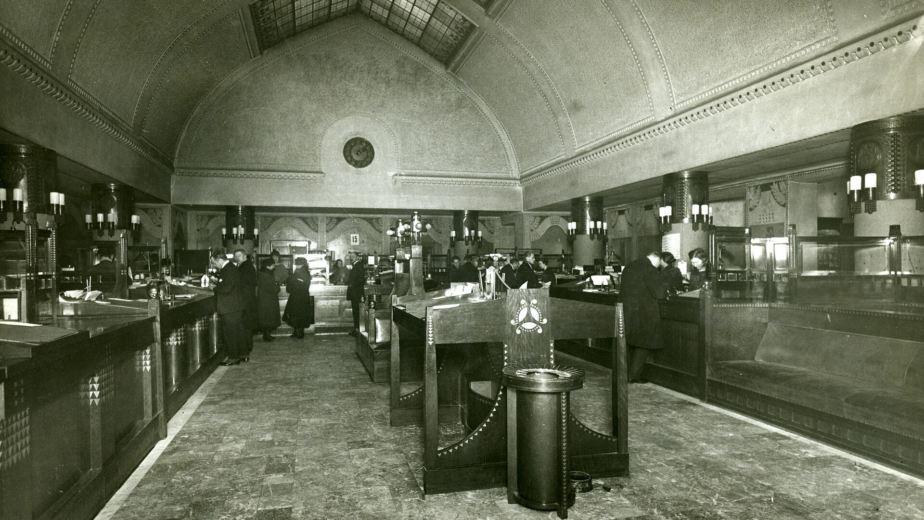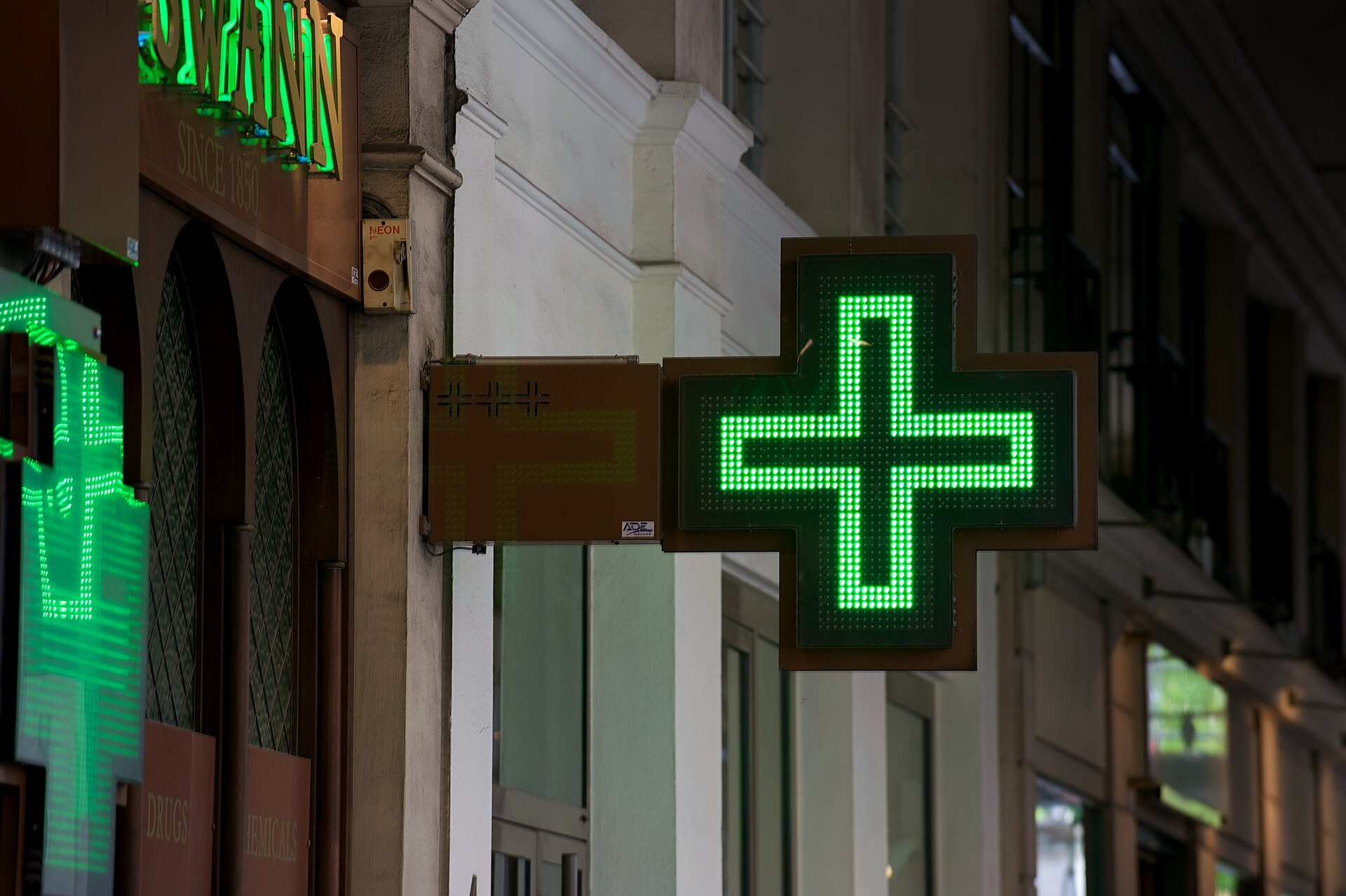
For much of the twentieth century, the corner drugstore was a beloved community institution, a place that was part pharmacy, part soda fountain, part general store, and part social hub. It was where you filled a prescription, grabbed a milkshake, bought a comic book, dropped off your film, and chatted with a pharmacist who knew your name. The classic drugstore offered a distinctive mix of goods and experiences that has largely disappeared in the age of big chains and online shopping. Here are the twelve things you’d reliably find in a classic American drugstore decades ago, counted down one by one.
1. The Soda Fountain
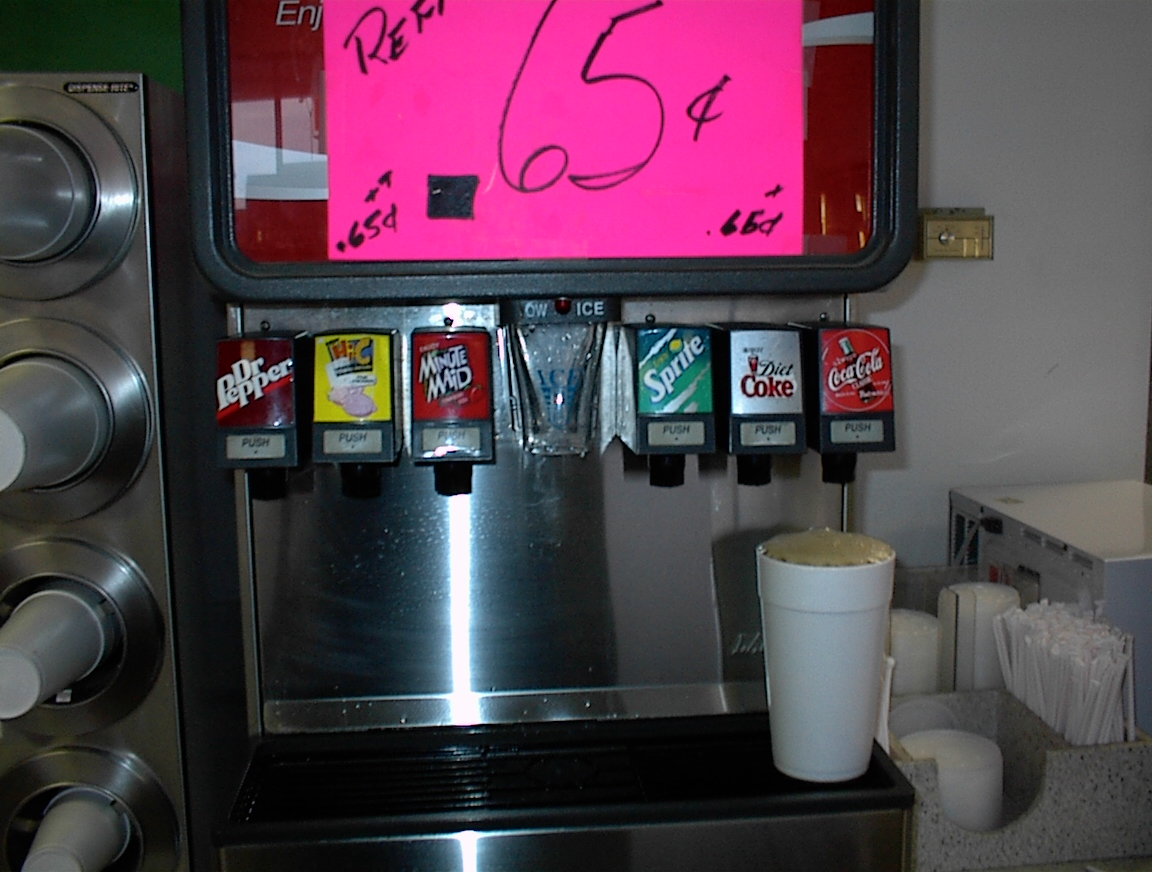
The heart of the classic drugstore was the soda fountain, a counter where fizzy drinks, ice cream sodas, malts, and sundaes were made to order. Far more than a place to grab a treat, it was a social gathering spot where the community came together over a cold drink.
The soda fountain made the drugstore a destination, especially for young people, who gathered over cherry Cokes and ice cream treats. Its marble or Formica counter and swiveling stools were classic fixtures. The fountain blurred the line between pharmacy and gathering place. As fast-food restaurants and changing habits took over, the drugstore soda fountain faded almost entirely. It remains one of the most beloved and romanticized features of the classic American drugstore.
Like our content? Follow us for more.
2. The Soda Jerk
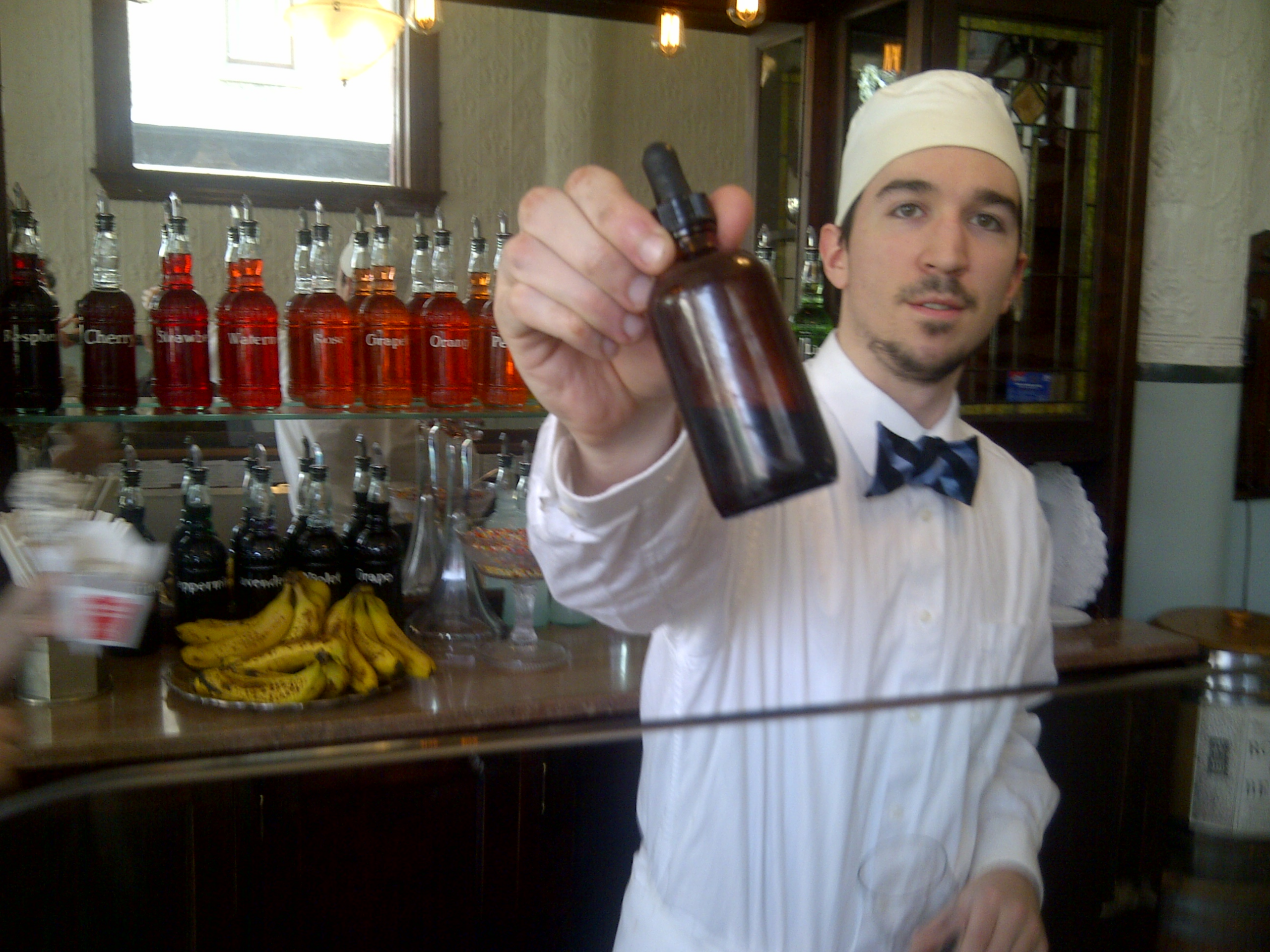
Working behind the fountain was the soda jerk, the skilled (and usually young) attendant who mixed the drinks, scooped the ice cream, and built the elaborate sundaes with practiced flair. The name came from the “jerk” of the soda fountain’s lever, and the job was a classic first job for teenagers.
The soda jerk had a whole vocabulary of slang for orders and a bit of showmanship in preparing drinks, making the fountain experience entertaining as well as delicious. For many young people, working as a soda jerk was a rite of passage. The role embodied the friendly, personal service of the era’s drugstore. As the soda fountain disappeared, so did the soda jerk, a once-common job now remembered as a charming piece of Americana.
3. The Spinning Comic Book Rack
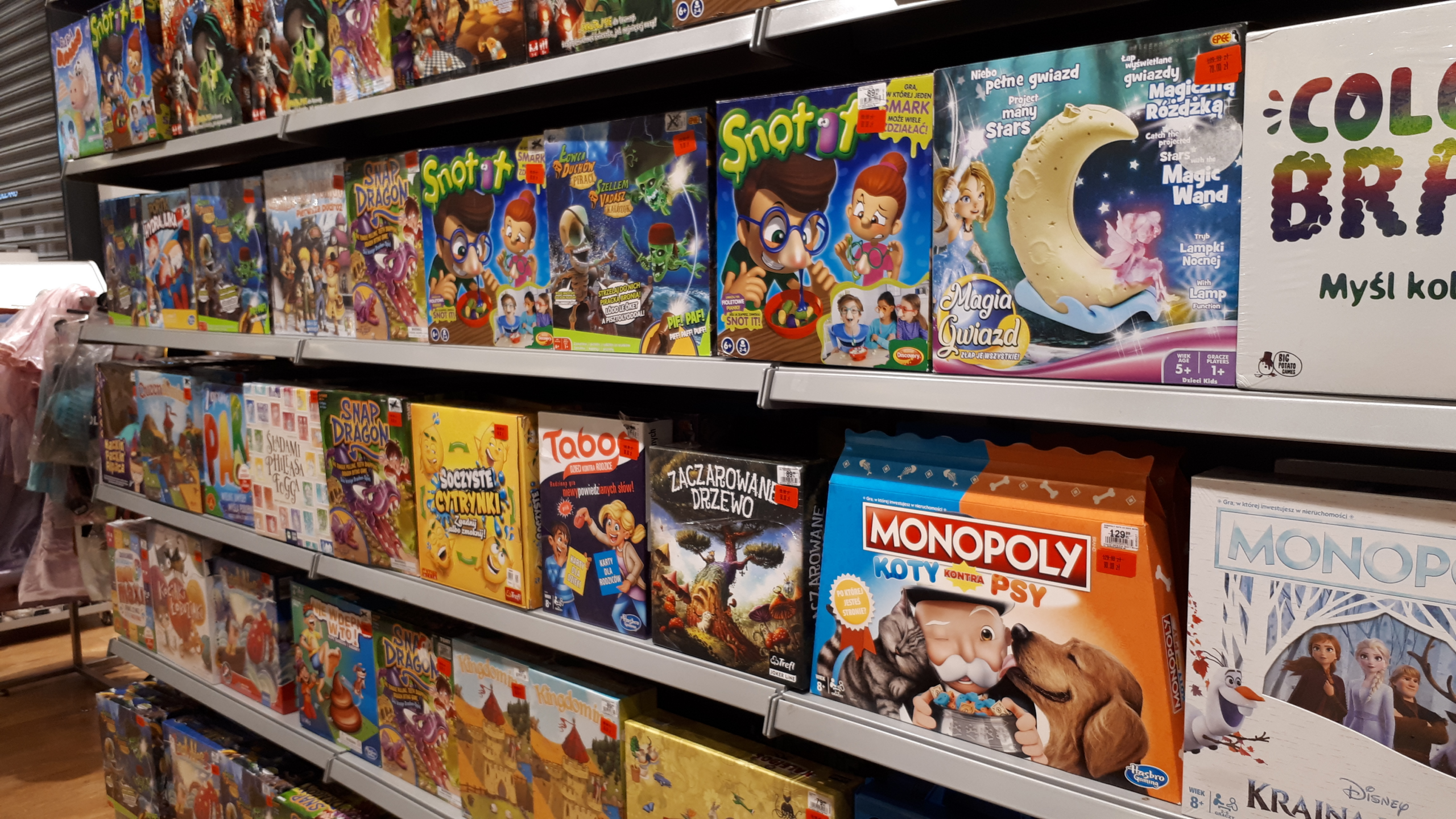
A favorite stop for kids was the wire spinner rack loaded with comic books, which could be turned to browse the colorful covers of the latest issues. For a few cents, a child could lose themselves in the adventures of their favorite heroes, and the rack was a magnet for young readers.
The spinning comic rack was a treasure trove for kids, who would spend ages turning it to scan every cover before choosing one. Comics were cheap, plentiful, and a staple of childhood, and the drugstore was a primary place to buy them. Spinning the rack was part of the fun. As comics moved to specialty shops and other formats, the drugstore spinner rack vanished. It remains a nostalgic symbol of childhood trips to the corner store.
4. The Penny Candy Counter
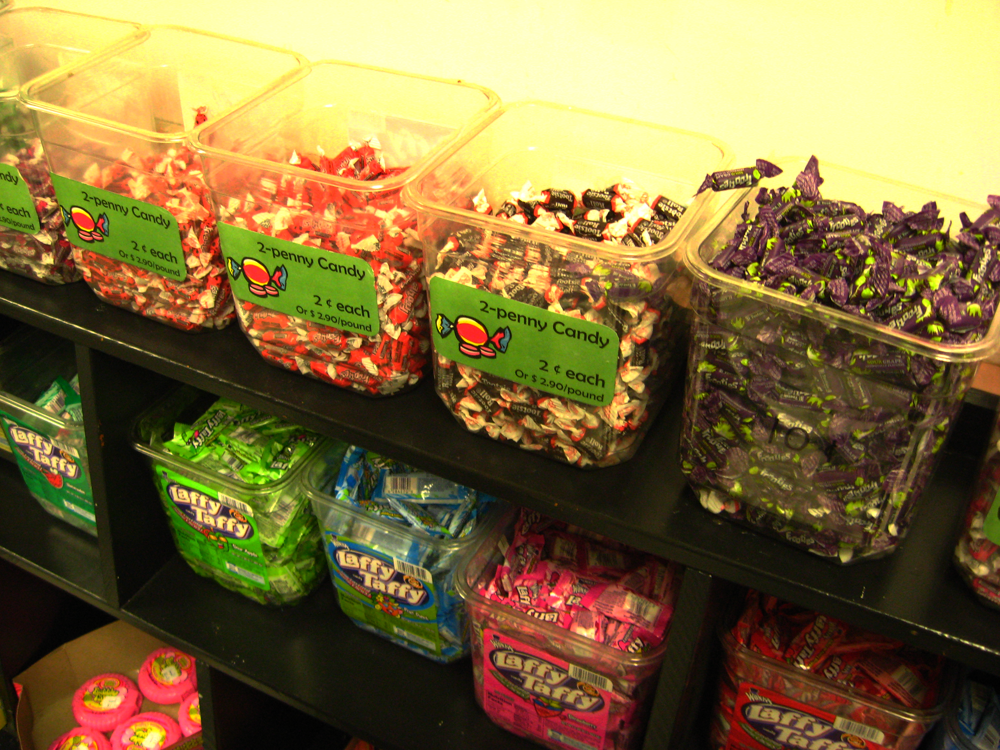
Near the front sat the candy counter, often featuring “penny candy” displayed in bins and jars, where kids could agonize over how to spend their small change on the biggest possible haul of sweets. The candy counter was a highlight of any drugstore visit for young customers.
Choosing from the colorful array of inexpensive candies, carefully calculating how much each coin could buy, was a beloved childhood ritual. The candy was cheap enough that even a few cents bought a small bagful. The candy counter made the drugstore a regular destination for kids. As candy distribution changed and penny candy literally priced itself out of existence, the classic counter faded. The memory of filling a little bag with penny candy is pure nostalgia.
5. The Film and Photo Counter
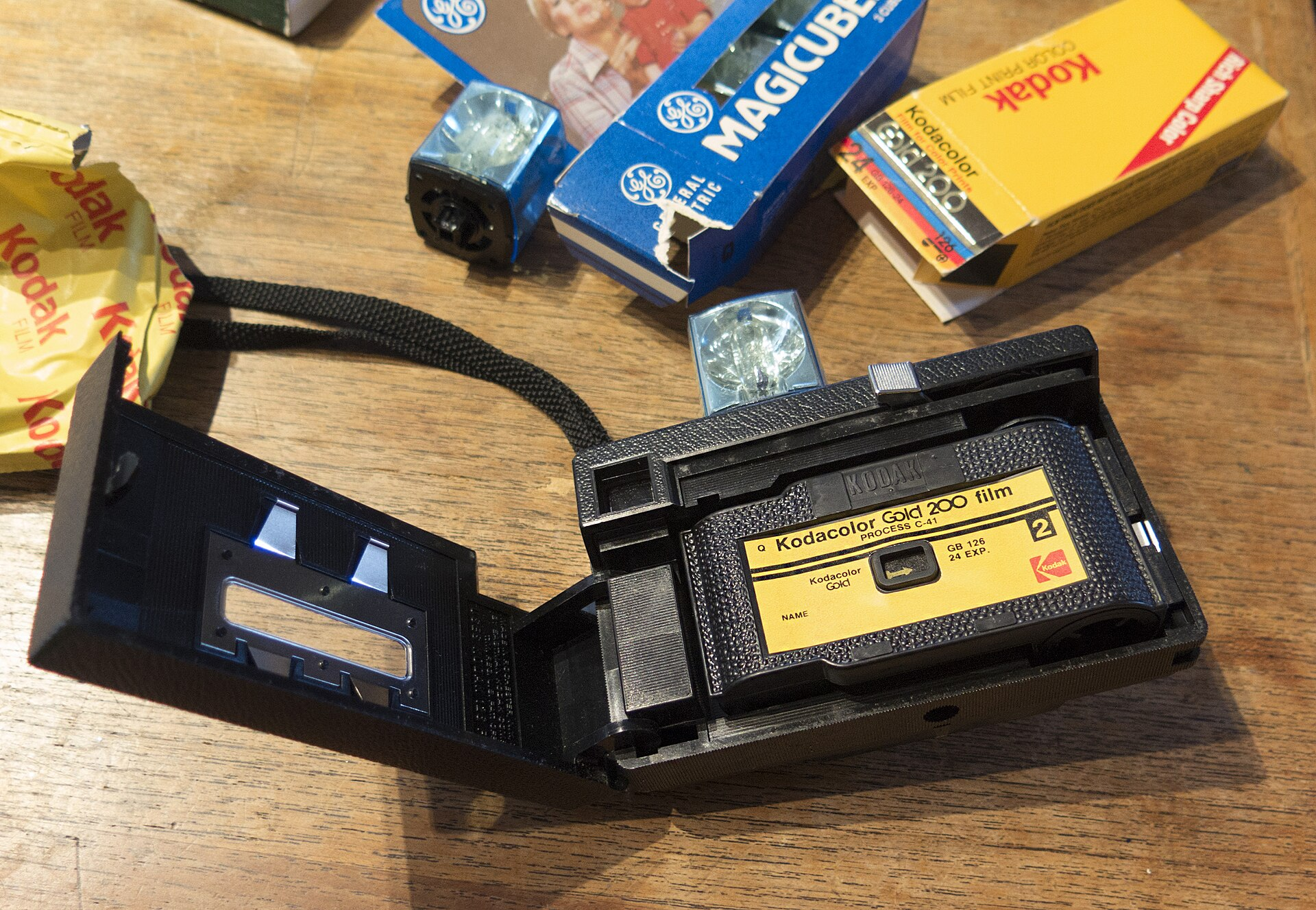
Before digital cameras, the drugstore was where you handled your photographs. A dedicated counter took in rolls of film for developing, returning prints and negatives days later in distinctive envelopes, and sold fresh film for your camera.
Dropping off a roll of film and eagerly awaiting the prints was a familiar ritual, and the anticipation of seeing how the photos turned out added to the excitement. The drugstore was the community’s photo lab, handling the memories of birthdays, vacations, and holidays. As digital photography and smartphones made film obsolete, the photo counter disappeared. The envelope of freshly developed prints, picked up at the drugstore, is a fondly remembered artifact of the pre-digital age.
6. The Neighborhood Pharmacist
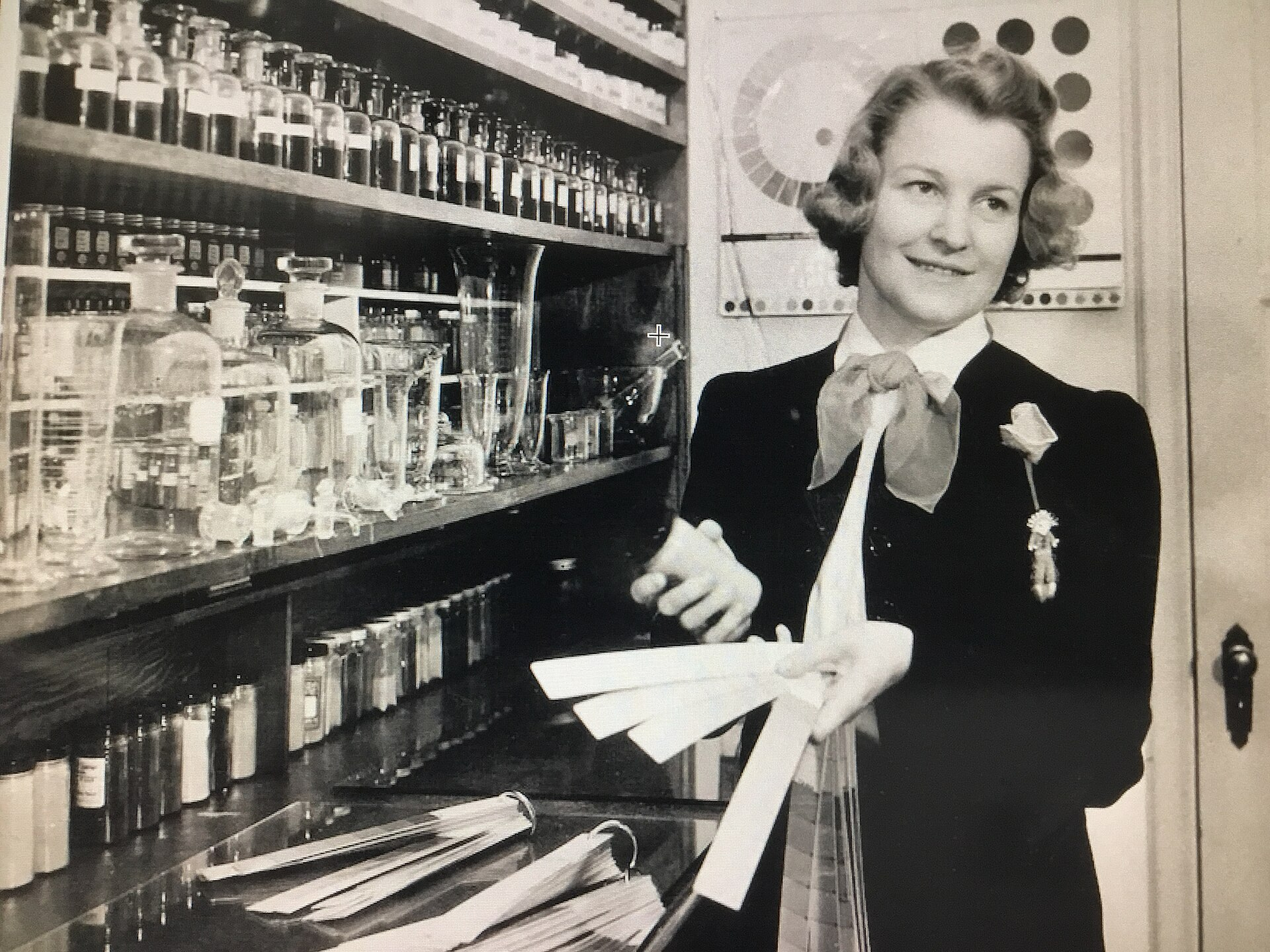
At the back stood the pharmacy, presided over by a pharmacist who often knew customers by name and served as a trusted community figure. More than just filling prescriptions, the neighborhood pharmacist offered friendly advice and a personal relationship built over years.
The pharmacist was a familiar, reassuring presence, someone who knew families and their histories and dispensed both medicine and friendly guidance. This personal relationship was central to the character of the corner drugstore. The pharmacist’s counter, with its shelves of bottles and remedies, anchored the store. While pharmacists remain essential, the deeply personal, know-your-name relationship of the neighborhood druggist has largely given way to the busier counters of large chains, making it a fondly remembered aspect of the classic drugstore.
7. The Penny Scale
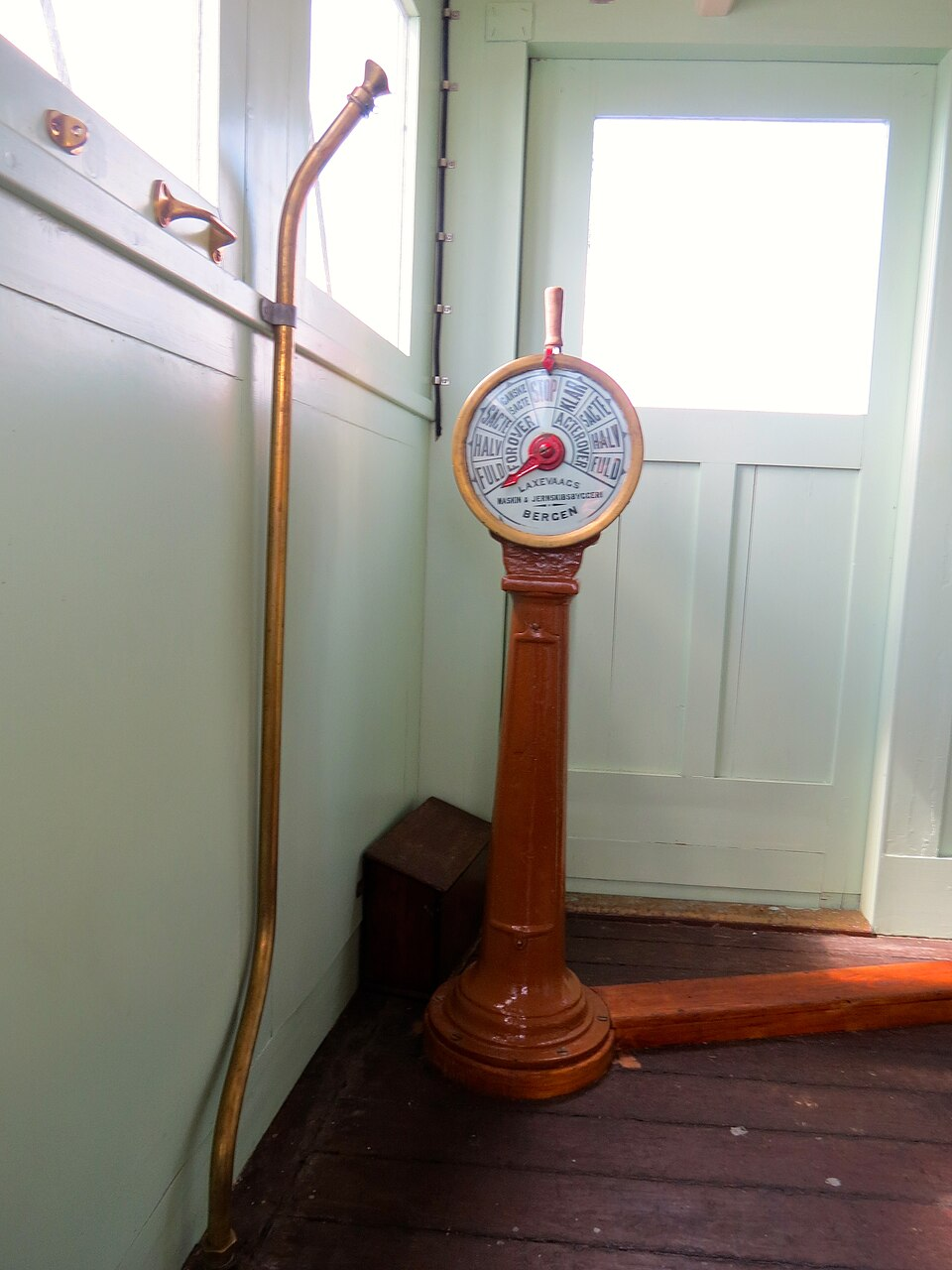
Standing somewhere in the store was often a tall penny scale, a coin-operated machine where, for a penny, you could weigh yourself and sometimes receive a little printed card with your weight and a fortune. These ornate scales were a common and curious fixture.
Stepping onto the penny scale and dropping in a coin to learn your weight, often along with a printed “fortune,” was a small novelty that drew curious customers. These decorative machines were once common in drugstores and other public places. The penny scale combined utility with a bit of fun. As home scales became universal and the machines fell out of use, the public penny scale disappeared. It survives as a quirky, charming relic of the era’s drugstores and dime stores.
8. The Greeting Card Aisle
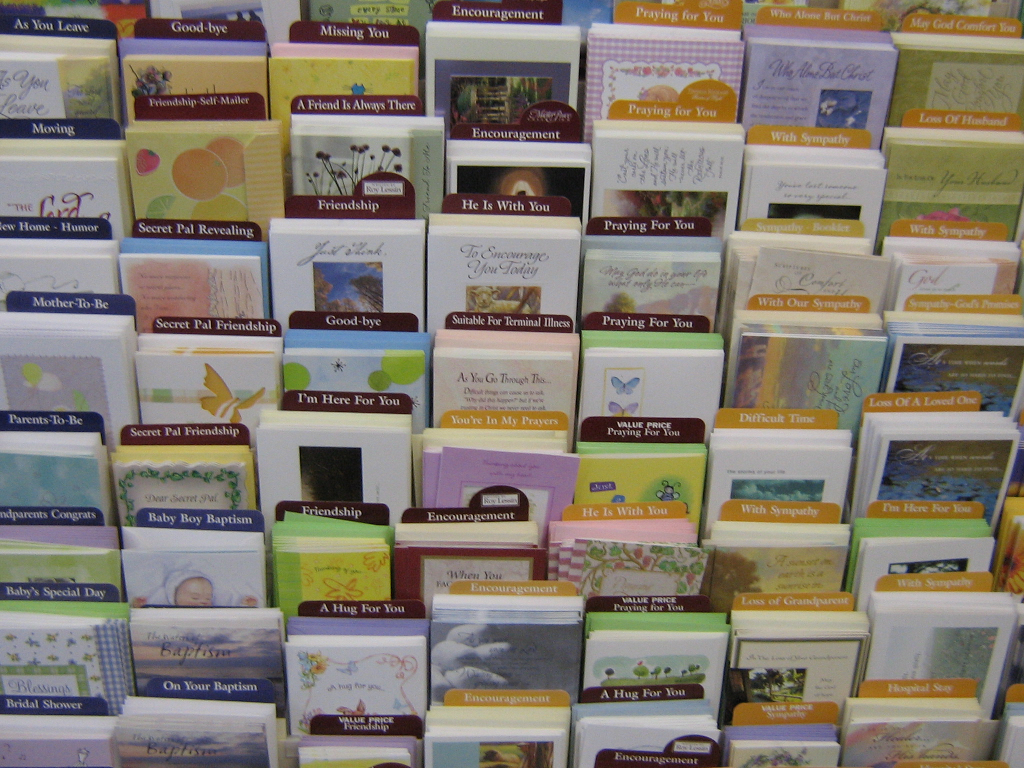
A staple of the drugstore was the greeting card aisle, rows of cards for every occasion, from birthdays to holidays to sympathy, that made the store the go-to spot for a last-minute card. Customers browsed the racks to find just the right sentiment.
The card aisle was a reliable destination when an occasion called for a card, and the drugstore stocked options for every event and relationship. Picking out the perfect card was a small but meaningful errand. The greeting card section was a dependable part of the drugstore’s mix of goods. While cards are still sold, the once-essential role of the corner drugstore as the neighborhood’s card shop has diminished in the digital age, when greetings increasingly travel electronically.
9. The Cosmetics Counter
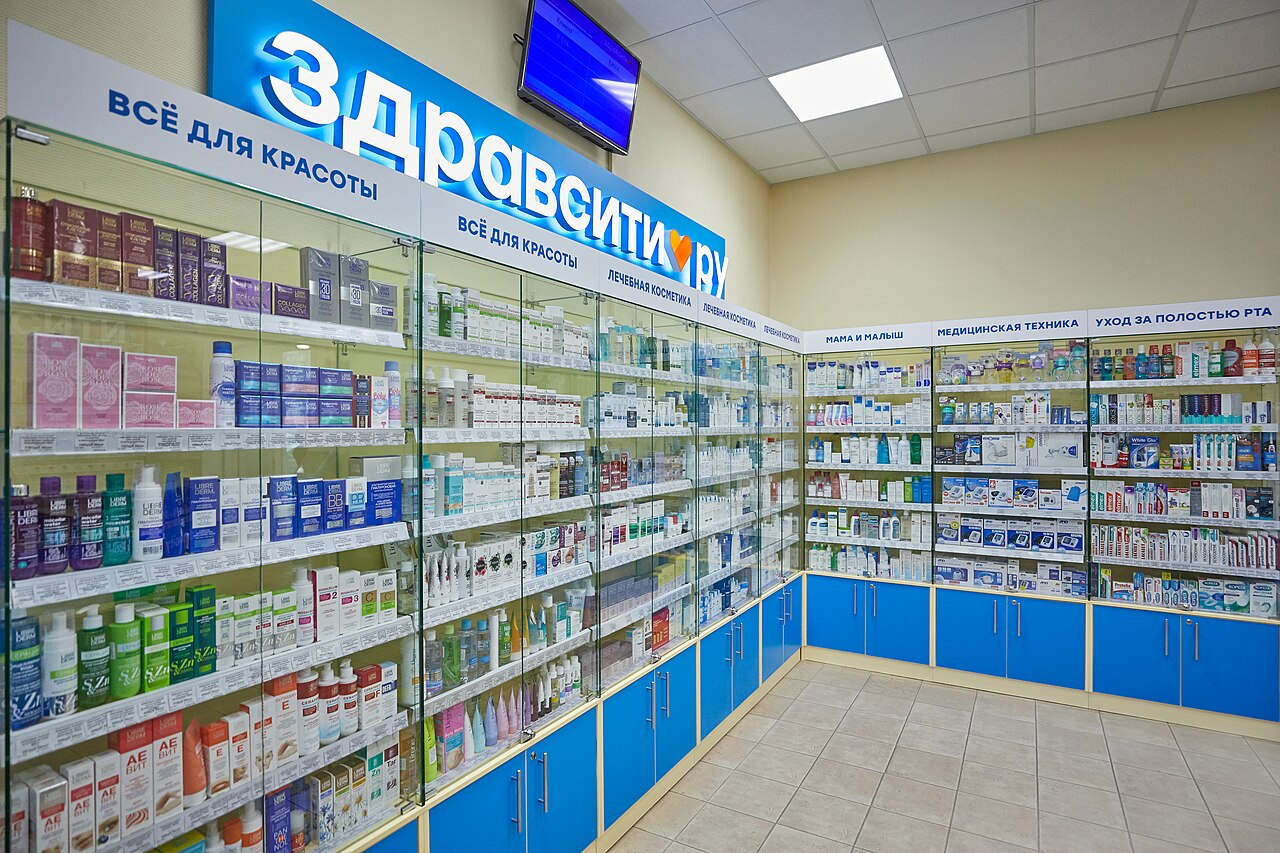
The drugstore also served as a beauty destination, with a cosmetics section offering makeup, perfumes, and grooming products. The counter displayed the era’s beauty brands and let customers browse lipsticks, powders, and fragrances close to home.
The cosmetics aisle made the drugstore a convenient place to pick up everyday beauty essentials and the latest products. It was a regular stop for many customers, offering affordable options without a trip to a department store. The counter reflected the era’s beauty trends and routines. While drugstores still sell cosmetics, the classic counter with its period products and displays is part of the nostalgic picture of the old corner store, where so many daily needs were met in one place.
10. The Cigarette and Tobacco Counter
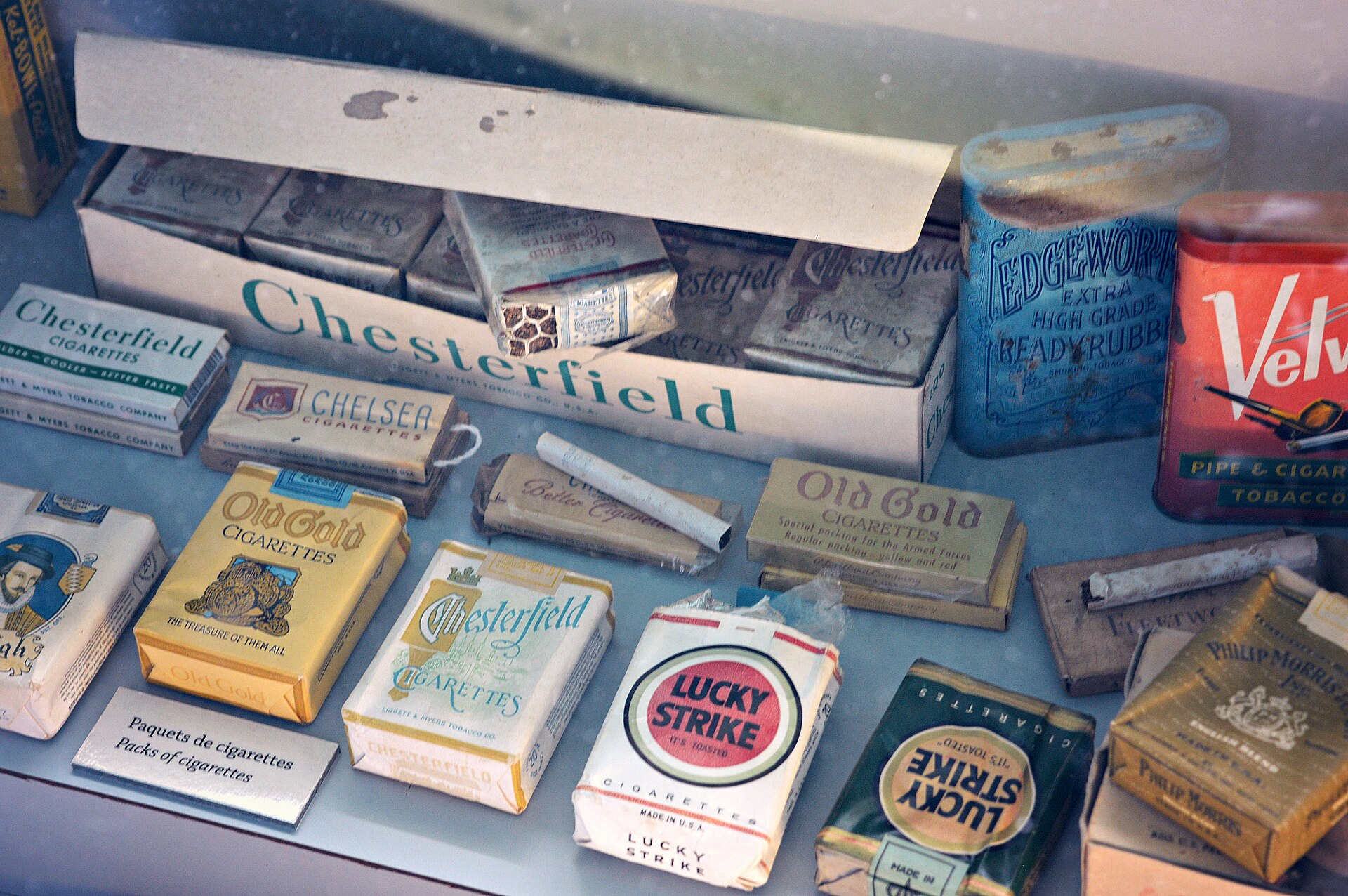
Reflecting the era’s habits, the drugstore prominently featured a cigarette and tobacco counter, usually near the register, stocked with the popular brands of the day. Tobacco was a routine purchase, and the counter was a standard fixture of the store.
With smoking widespread and accepted, the tobacco counter was simply part of the everyday drugstore, much like any other staple product. Brands were displayed openly near the front. This was a normal feature of the era’s stores, reflecting the customs and attitudes of the time. As awareness of smoking’s health effects grew and attitudes changed dramatically, the prominence of tobacco in drugstores diminished, with some pharmacy chains eventually choosing to stop selling it altogether, a striking marker of changing times.
11. The Magazine and Newspaper Rack
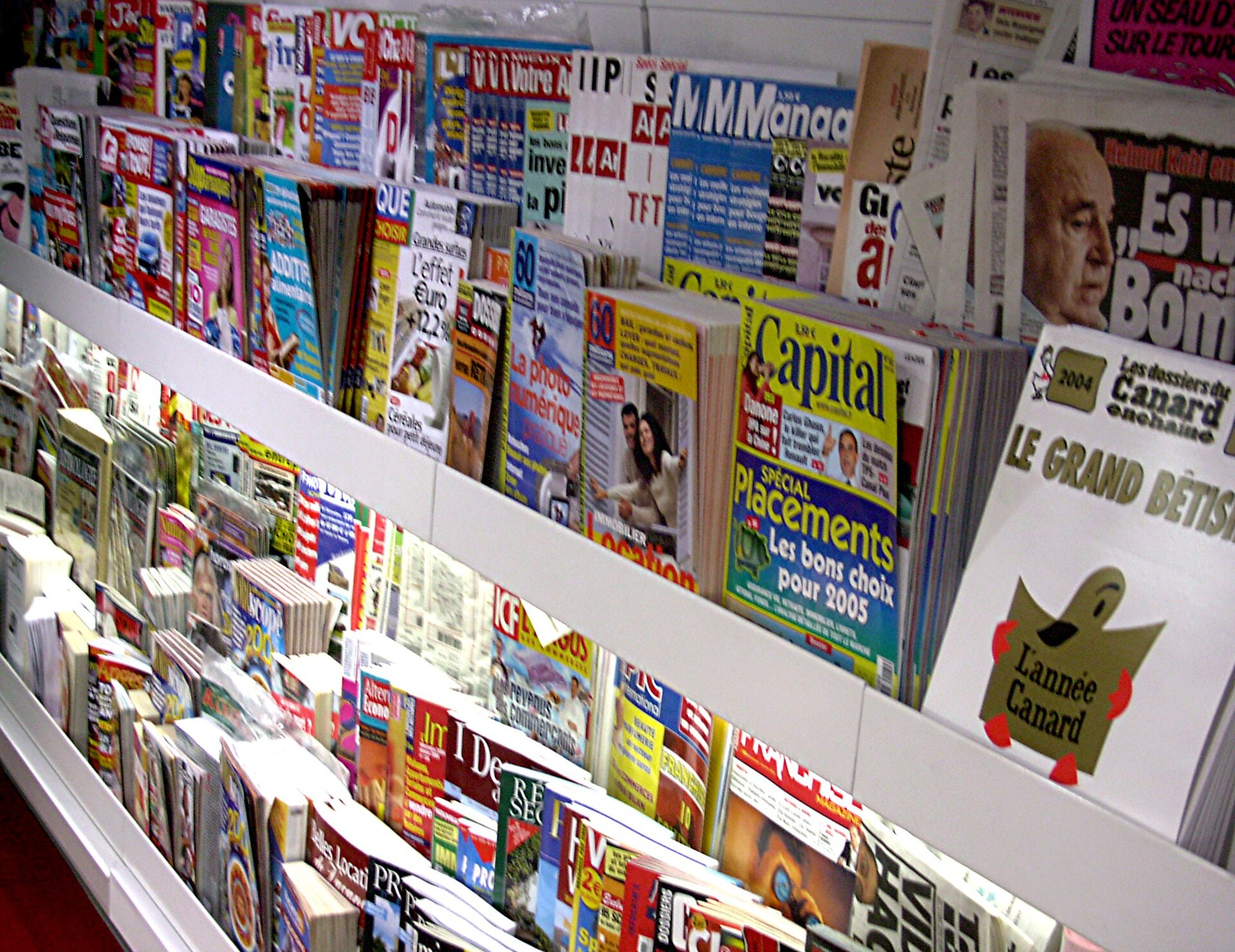
Near the entrance was the magazine and newspaper rack, brimming with the day’s papers and a wide selection of magazines on every topic. The drugstore was a key spot to pick up reading material and keep up with news and entertainment.
The rack offered everything from local newspapers to glossy magazines, and browsing the latest issues was a common drugstore pastime. For many, the corner store was where they grabbed the morning paper or the new issue of a favorite magazine. The rack was a window onto the wider world of news and culture. As print declined and reading moved online, the once-busy drugstore magazine rack thinned out dramatically, becoming another fading feature of the classic store.
12. The Sundries and Odds-and-Ends Aisles
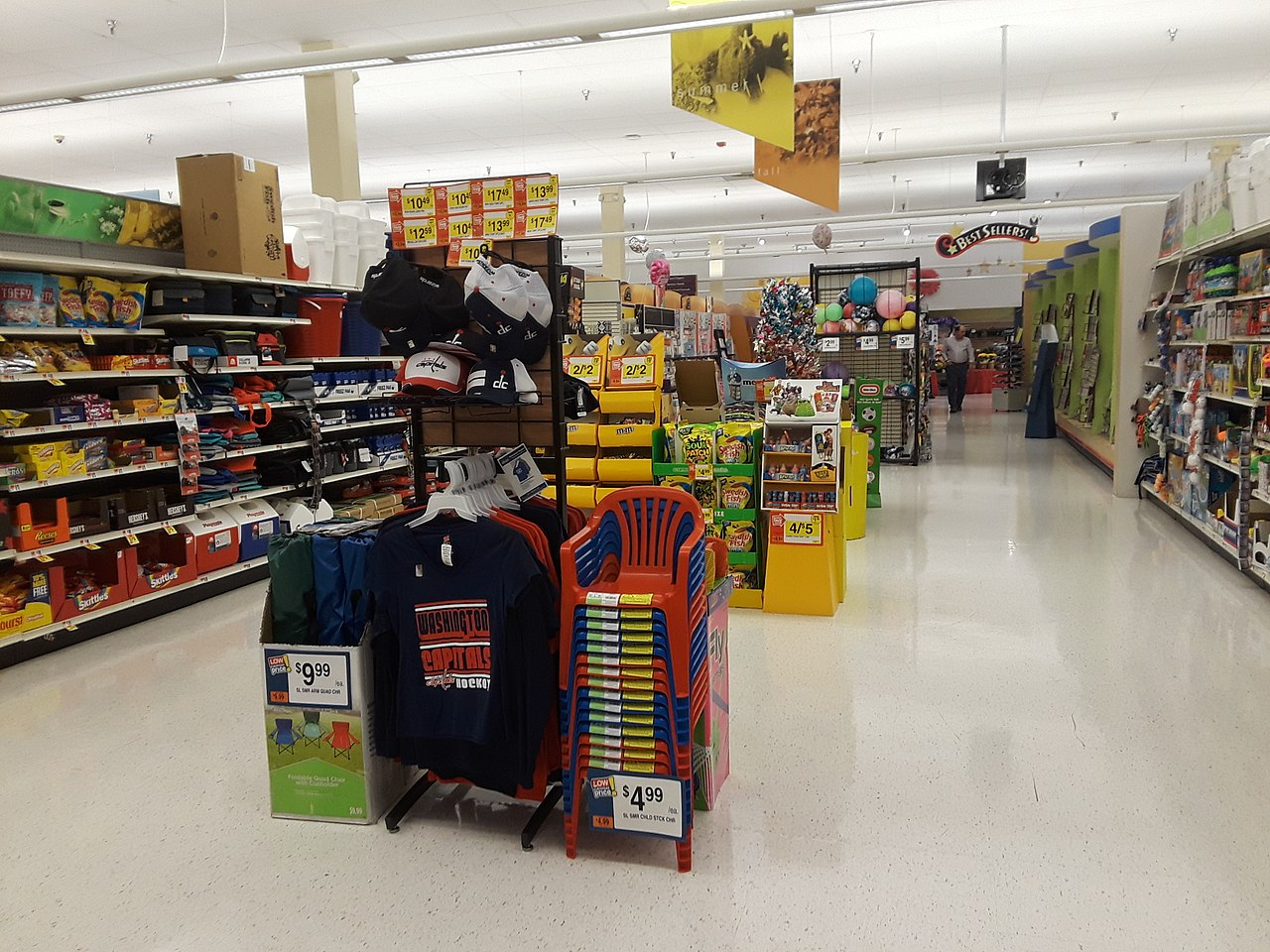
Finally, the classic drugstore was packed with sundries, the countless odds and ends of daily life, from toys and stationery to small hardware, household goods, and seasonal items. It was a true general store where you could find a little of almost everything.
These aisles made the drugstore a one-stop shop for the small necessities and impulse buys of everyday life, from a toy to a notebook to a gadget. The variety was part of the store’s charm, and you never quite knew what you might find. The drugstore’s role as a versatile neighborhood general store was central to its character. As big-box stores and online shopping absorbed these sales, the classic, eclectic drugstore mix faded, taking with it a beloved fixture of community life.
Looking Back at the Classic Drugstore
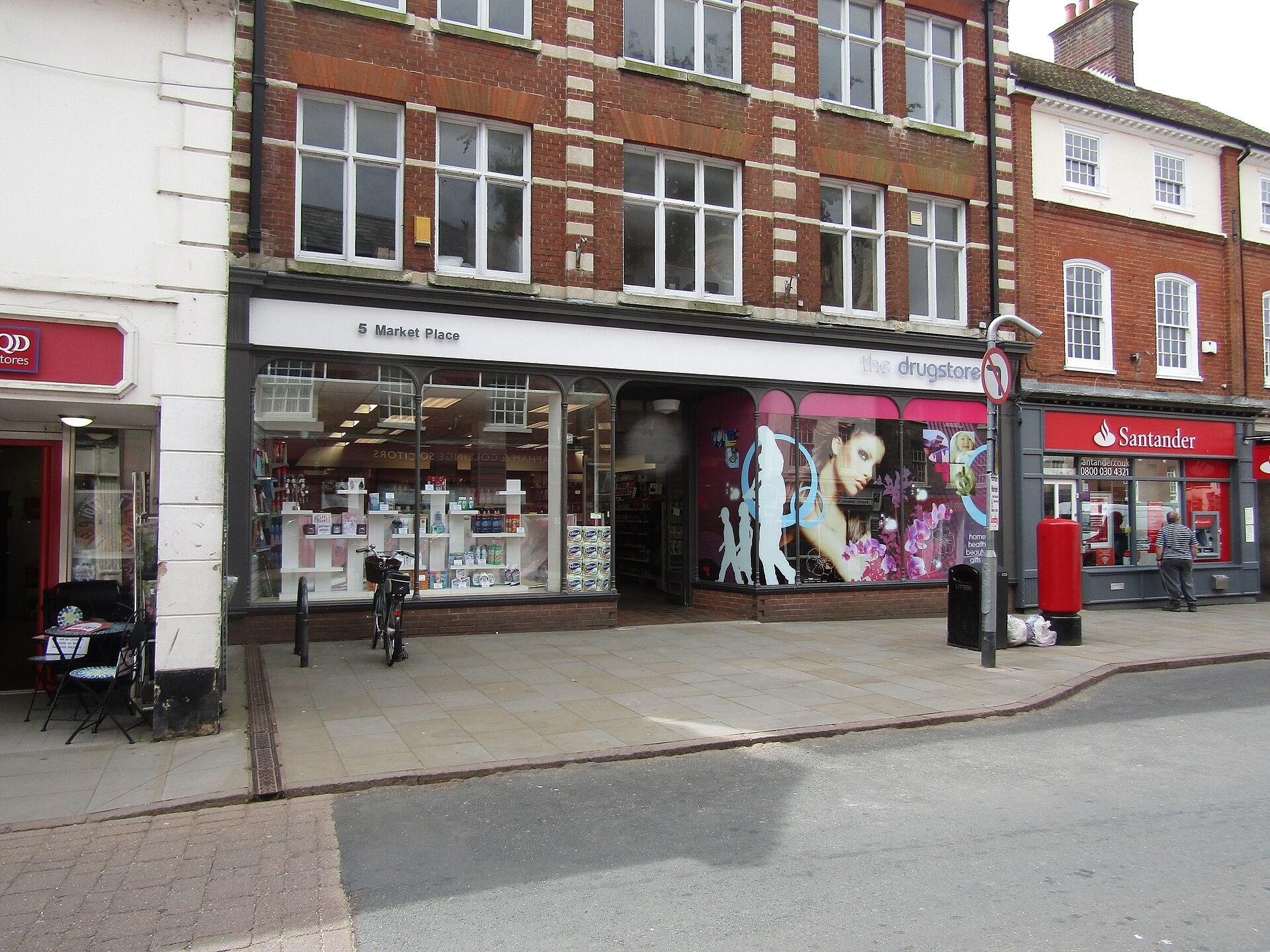
Taken together, these twelve features capture why the corner drugstore held such a cherished place in American communities. It was a versatile, personal, social institution where pharmacy met soda fountain met general store, all under one roof and often staffed by familiar faces. The drugstore was woven into the rhythm of daily life.
The rise of large chain pharmacies, big-box retailers, and online shopping gradually stripped away the soda fountains, the personal service, and the eclectic mix that defined the classic drugstore. The friendly neighborhood store gave way to bigger, more impersonal formats. Yet for those who remember sipping a malt at the fountain, spinning the comic rack, and dropping off a roll of film, the old American drugstore evokes warm nostalgia for a more personal, community-centered way of life.
Like our content? Follow us for more.