Ask anyone who grew up in the 1970s and you will likely get a wistful smile. It was a decade of a particular kind of childhood, one defined by freedom, simplicity, and an almost total absence of the screens and schedules that fill young lives today. Kids roamed their neighborhoods until the streetlights came on, entertained themselves with imagination and a bicycle, and lived at a slower, more analog pace. For those who remember it, the seventies were a special time to be young. Here is a look back at what it was actually like to be a child in that unforgettable decade.
The Freedom to Roam
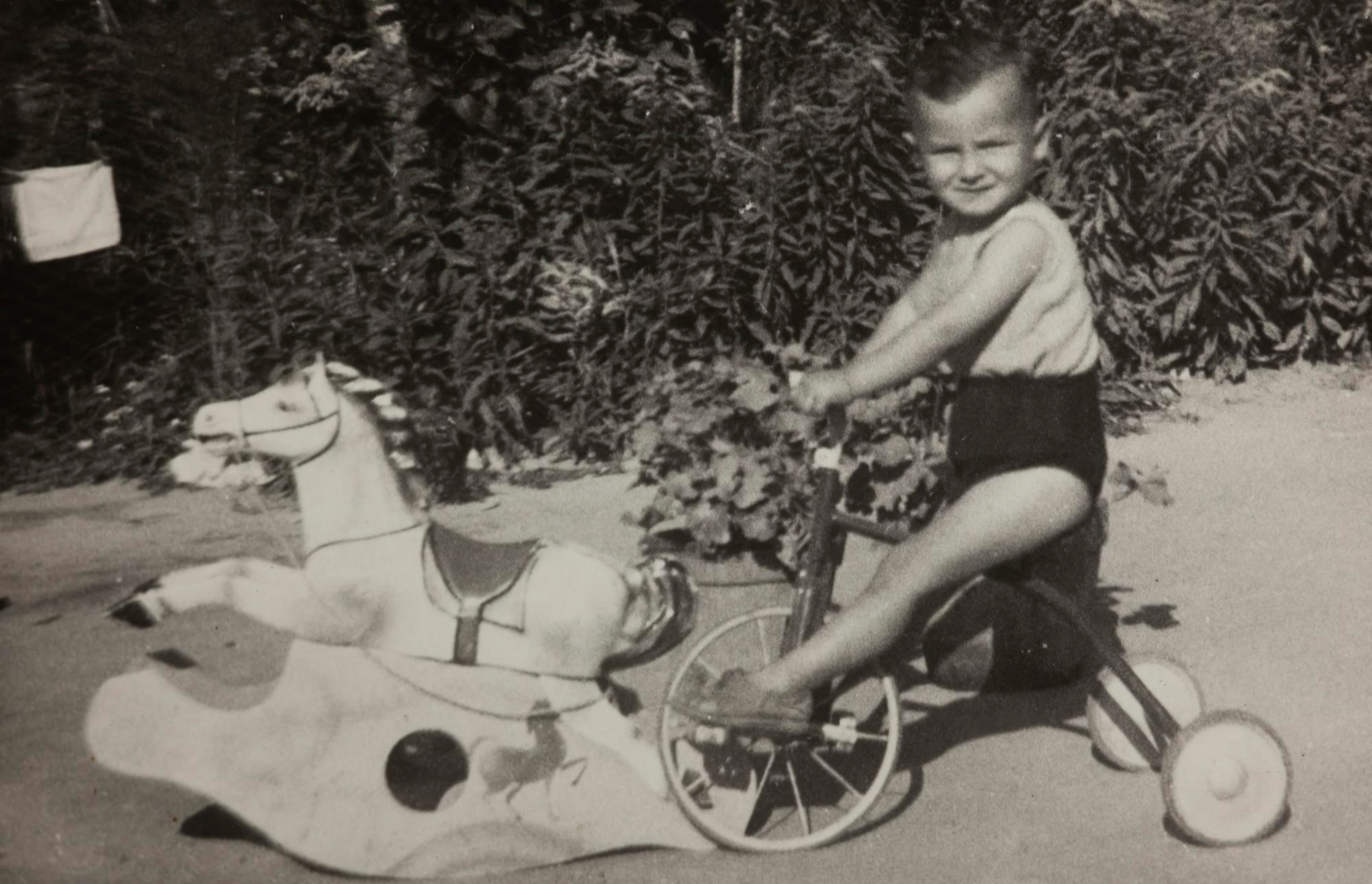
Perhaps the defining feature of a 1970s childhood was the extraordinary freedom. Children would leave the house after breakfast and not return until dinner, ranging across neighborhoods, woods, and fields with little or no adult supervision. Parents operated on a simple rule: be home when the streetlights come on. Where you went in between was largely your own business.
This was an era before the constant supervision common today. Kids built dens and forts, explored creeks and construction sites, rode bikes for miles, and organized their own games and adventures. There were scrapes and risks, certainly, but also an independence and a sense of ownership over their own time that shaped a generation. For many who grew up then, this unstructured freedom is the thing they remember most fondly, and miss most keenly on behalf of today’s children.
Like our content? Follow us for more.
Television: Three Channels and Appointment Viewing

Television in the 1970s was a completely different experience. With only a handful of channels to choose from, and no way to record or stream, watching a show meant being in front of the set at the exact time it aired. Saturday morning cartoons were a sacred weekly ritual, and the whole family often gathered to watch the same programs together in the evening.
This scarcity gave television a communal quality long since lost. Everyone watched the same handful of shows, so they became a shared language at school the next day. Adjusting the picture meant getting up to turn a dial or fiddle with the antenna, and when the limited programming ended, that was that. The idea of endless on-demand content would have seemed like pure science fiction. Television was an event, not a constant background hum.
Play Without Screens

Without computers, smartphones, or video games in most homes for much of the decade, children’s play was overwhelmingly physical and imaginative. The toys of the era, action figures, dolls, building bricks, board games, and bicycles, were the props for hours of self-directed play. When boredom struck, kids were left to invent their own fun, and they did.
Outdoor games filled the long afternoons: tag, hide and seek, ball games in the street, and countless variations invented on the spot. The bicycle was the ultimate symbol of seventies childhood freedom, a ticket to independence and adventure. Rainy days meant board games, comics, and building elaborate constructions on the living room floor. This was a childhood powered by imagination rather than technology, and it produced a particular kind of resourcefulness.
The Sounds and Tastes of the Decade

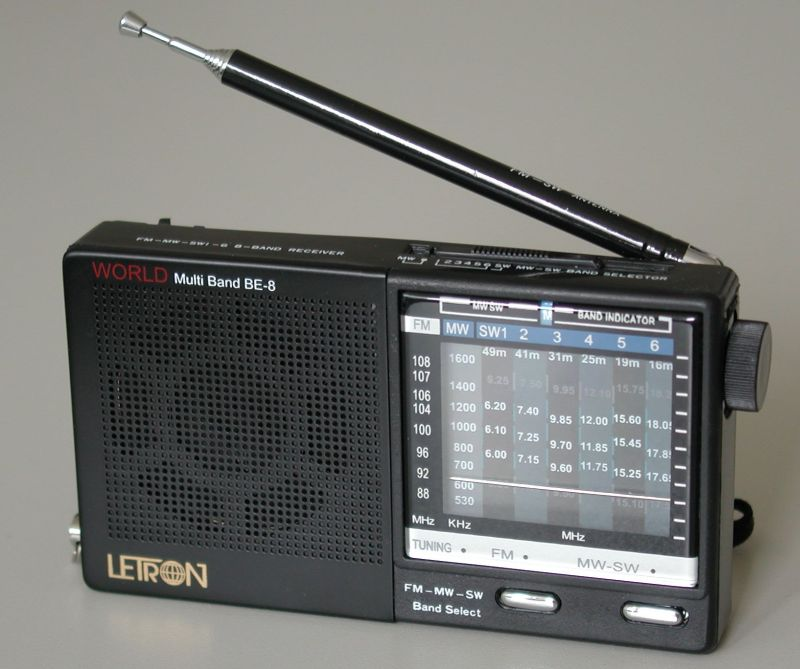
The seventies had a distinctive texture, captured in its sounds and flavors. Music came from vinyl records and the radio, and later in the decade from the first cassette tapes, with kids pressing record to capture their favorite songs off the air. The era’s music, from disco to rock, formed the soundtrack to countless childhoods.
The food, too, was unmistakably of its time. This was the heyday of brightly colored convenience foods, sugary cereals advertised relentlessly on those few TV channels, and treats that have since become powerful nostalgia triggers. Family meals, packed lunches, and corner-shop sweets all had their own seventies character. For those who grew up then, a particular jingle, candy, or snack can instantly transport them back decades.
A Slower, More Analog World
Underlying all of this was a fundamentally slower, more analog way of life. Communication meant a single telephone, often shared by the whole household and fixed to the wall, with no way to reach friends instantly. Plans were made in advance and kept, because there was no texting to change them at the last minute. Information came from books, libraries, and encyclopedias rather than an instant search.
Photographs were taken on film, with no way to see the results until they were developed, so each shot mattered. Letters were written by hand. Boredom was a regular feature of life, and learning to cope with it, to fill empty time with one’s own resources, was simply part of growing up. This slower pace, free of the constant connectivity that defines modern life, gave the decade a calmer, more grounded quality that many remember with deep affection.
Not Everything Was Golden

Nostalgia has a way of smoothing over the rougher edges, and it is worth remembering that the seventies were not perfect. Many of the freedoms children enjoyed came with real risks that modern safety standards have since addressed, from cars without modern safety features to a general lack of the protections taken for granted today. The decade had its hardships and its share of difficulties, like any era.
Acknowledging this does not diminish the genuine joys of a seventies childhood, but it does add useful perspective. The freedom was real and precious, but so were the dangers it sometimes entailed. The point of looking back is not to claim the past was simply better, but to appreciate what was distinctive and valuable about it, and perhaps to consider what has been lost, and gained, in the decades since.
A Generation Shaped by Its Childhood
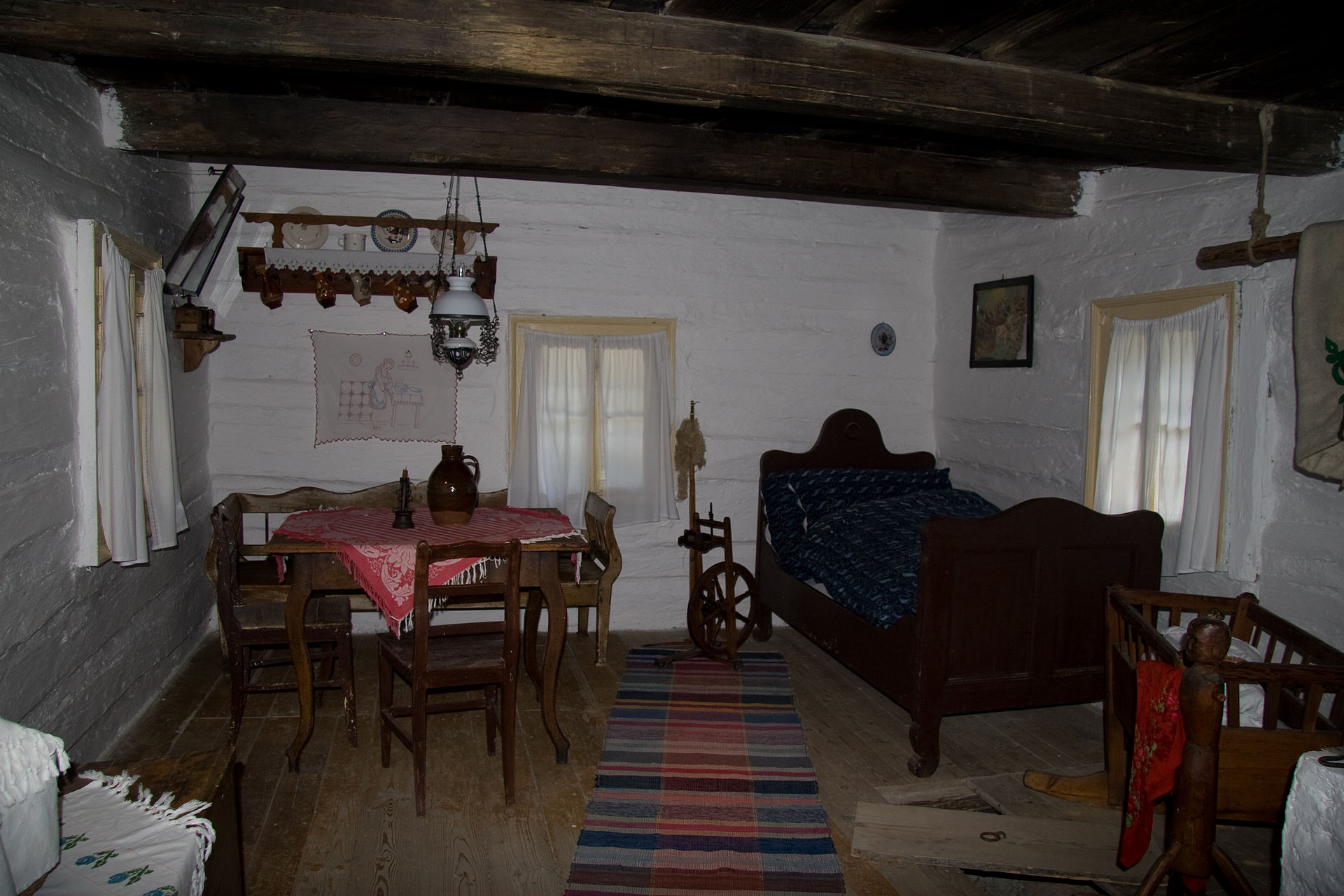
It is worth considering how this particular kind of childhood shaped the people who lived it. The freedom and independence of the seventies, the hours of unsupervised play, the need to navigate the neighborhood and settle disputes without an adult nearby, fostered a certain resourcefulness and resilience. Children learned to entertain themselves, to take risks and live with the consequences, and to fill empty time with their own imagination.
That upbringing left its mark. Many who grew up then credit their seventies childhood with giving them confidence, independence, and the ability to be comfortable with boredom and solitude, qualities they sometimes worry are harder to develop in a more scheduled, screen-filled age. Whether or not the decade truly produced a hardier generation, the experience of growing up then clearly forged a strong sense of identity and a deep store of shared memories. It is no wonder the people who lived it look back with such warmth, and tell the stories so often that even those who never experienced it can almost picture the streetlights flickering on.
Why We Look Back With Such Fondness
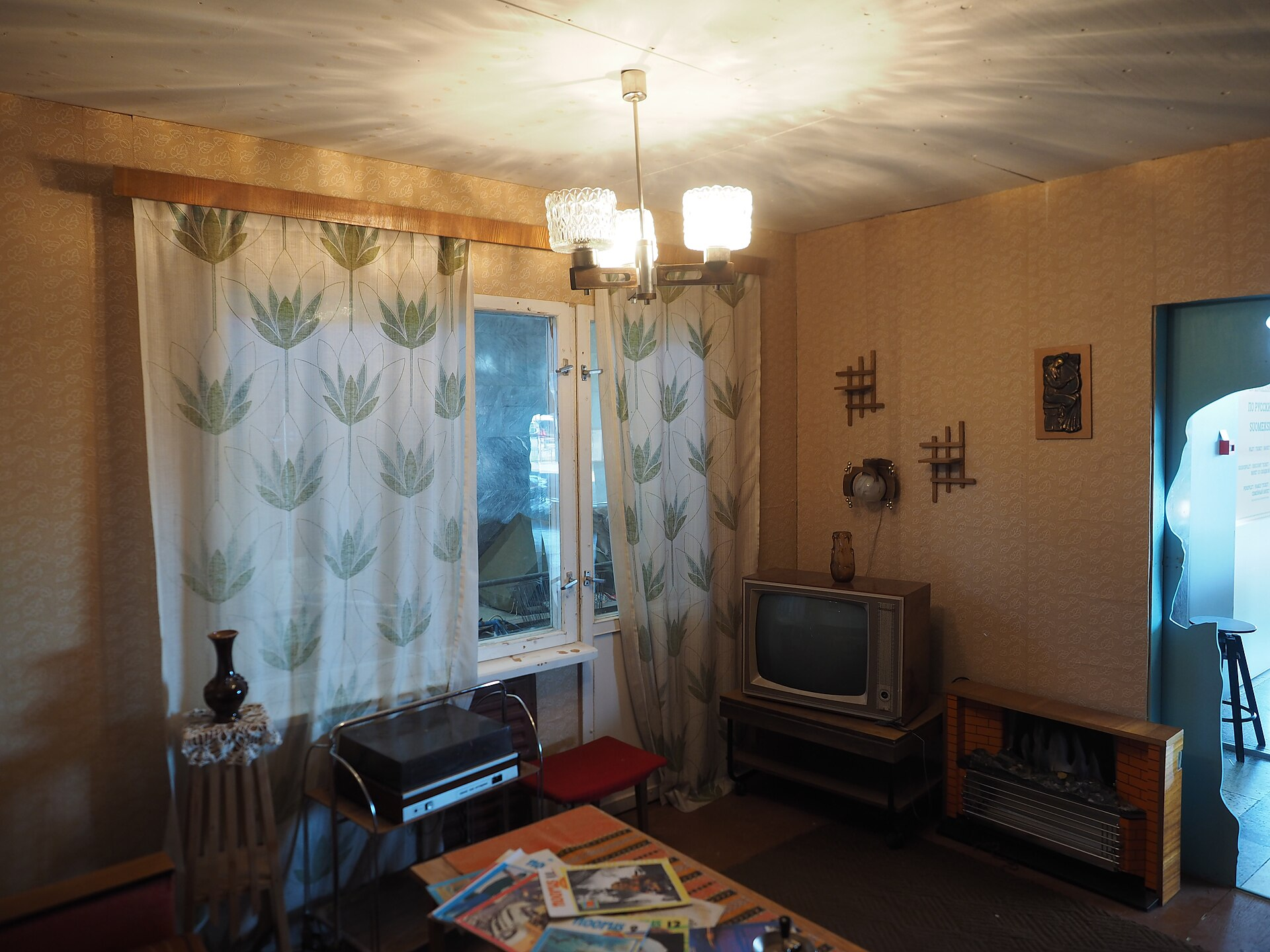
For the generation that lived it, the appeal of a seventies childhood comes down to that rare combination of freedom and simplicity. Life moved at a human pace, play was driven by imagination, and children were trusted with an independence that feels almost unimaginable now. It was the last childhood before the digital age transformed everything, which lends it a particular poignancy in hindsight.
Looking back is not really about wishing away every modern convenience, many of which have brought real benefits. It is about cherishing a way of growing up that has largely vanished, and recognizing what it gave to those who experienced it: resourcefulness, resilience, imagination, and a deep well of happy memories. The streetlights coming on, the bike rides at dusk, the shared television rituals, these small, ordinary moments add up to a childhood that an entire generation remembers as something close to magic.
Like our content? Follow us for more.