


Travel in 2026 comes with a set of new rules and requirements that have caught a lot of Americans off guard — some already in force, others arriving later this year. A driver’s license that worked for domestic flights for decades may no longer be enough. A trip to Europe, long as simple as showing up with a passport, is about to require an extra step. And new digital border systems are changing how entry and exit work overseas. None of these changes is cause for alarm, but each requires a little preparation, and getting caught unaware can mean being turned away at the airport or scrambling at the last minute. For anyone planning to travel this year, knowing what’s changed — and what hasn’t yet — is essential. Here’s a clear rundown of the new travel rules and documents Americans need to know before traveling in 2026.
A quick orienting note: travel rules and exact dates can shift, so it’s always worth confirming current requirements with official government sources (like the TSA and the EU’s official ETIAS information) before you travel. Here’s where things stand.
REAL ID Is Now Required for Domestic Flights

The biggest change already in effect: as of early 2026, REAL ID enforcement has begun, meaning the standard driver’s license many Americans have carried for years may no longer be accepted to board domestic flights or enter certain federal facilities. A REAL ID-compliant license is marked with a star in the upper corner; if your license lacks that star, you’ll need to upgrade it at your state’s DMV (which requires bringing documents proving identity and residency) or use an alternative like a passport. This change has been years in the making after repeated delays, but it’s now genuinely enforced, so checking your license for the star is the single most important domestic-travel task for 2026.
What to Do If You Don’t Have a REAL ID

If your license isn’t REAL ID-compliant and you have a flight coming up, you have options. You can use a valid U.S. passport (or passport card) to fly domestically, which many travelers are now doing as a backup. To upgrade your license, you’ll need to visit the DMV in person with specific documents — typically proof of identity, Social Security number, and two proofs of residency — so it’s worth checking your state’s requirements and booking an appointment well in advance, as demand has created backlogs in some places. The key is not to wait until the week before a trip, since the upgrade isn’t instant and the wrong documents mean a wasted trip to the DMV.
Europe’s New ETIAS Requirement Is Coming Later in 2026
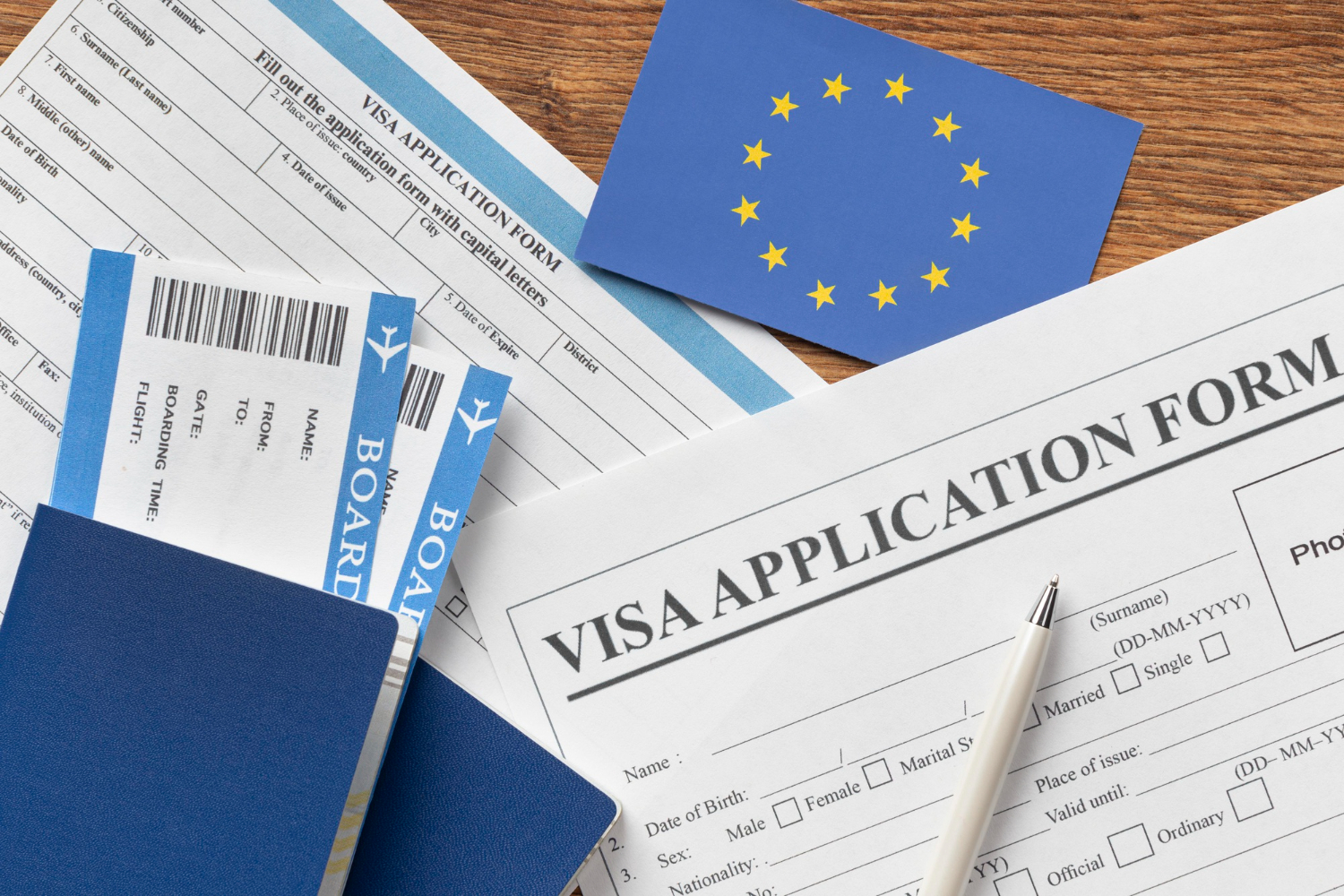
The change generating the most confusion is ETIAS — the European Travel Information and Authorization System — which Americans will need to enter most European countries. Crucially, ETIAS is expected to launch in late 2026 (the last quarter), with a transitional period before it becomes strictly mandatory in 2027. It is NOT yet required as of early-to-mid 2026, and you cannot apply yet. ETIAS is not a visa; it’s an online travel authorization tied to your passport, expected to cost a small fee, valid for multiple years, and obtainable in minutes online. It will be required for short stays in 30 European countries (the Schengen area and associated nations).
Beware ETIAS Scam Sites

Because ETIAS has generated so much attention, scam websites have proliferated, charging inflated fees for an authorization that isn’t even available yet. This is critical to understand: until ETIAS officially launches, any website offering to sell you ETIAS authorization is a scam. When it does launch, applications will be available only through the official EU government website, and the EU has said it will announce the specific launch date several months in advance. The smart move for now is to take no action, ignore any site claiming to offer ETIAS, and when the time comes, use only the official government portal. Paying a third-party site inflated fees for ETIAS is one of the most common emerging travel scams.
The EES Biometric System Is Rolling Out

Alongside ETIAS, Europe is introducing the Entry/Exit System (EES), a digital border system that replaces manual passport stamping with electronic records, including biometric data like fingerprints and facial scans, for non-EU visitors. EES began a phased rollout in late 2025 and is becoming fully operational across Schengen borders in 2026. For travelers, this mainly means that entering and exiting Europe will involve biometric registration at the border rather than a passport stamp, which may mean some additional processing time, especially as the system beds in. It’s a behind-the-scenes infrastructure change, but one worth knowing about so the biometric step at the border doesn’t come as a surprise.
Don’t Forget Passport Validity Rules

A perennial rule that catches travelers off guard: many countries require your passport to be valid for at least six months beyond your travel dates, and some require blank pages. With the REAL ID rollout prompting many Americans to renew passports anyway, 2026 is a good time to check your passport’s expiration date well before any international trip. If it’s within six months of expiring, renew it before you travel, since passport processing can take time and some countries will deny entry on a passport that’s too close to expiration. Checking passport validity months ahead of an international trip is one of the simplest ways to avoid a serious, trip-ending problem at the airport.
The UK Has Its Own New Requirement

Travelers should note that the United Kingdom is separate from the EU and Schengen and has introduced its own Electronic Travel Authorisation (ETA) requirement for visitors, including Americans. This is distinct from the EU’s ETIAS, so a trip that includes both the UK and continental Europe may eventually require both authorizations. Ireland, meanwhile, is in neither the UK’s system nor the Schengen area and has its own rules. The lesson is to check the specific entry requirements for each country on your itinerary rather than assuming one authorization covers all of Europe, since the UK, Ireland, and the Schengen countries each operate their own systems.
Other 2026 Travel Changes Worth Knowing

Beyond the headline requirements, a few other shifts are reshaping travel in 2026 that are worth keeping on your radar. Tourist taxes and entry fees are spreading rapidly — more cities and countries now add an overnight tax to accommodation or charge day-visitor fees at popular destinations, so it’s wise to budget for these small but growing add-ons rather than be surprised by them. Many destinations are also tightening rules around short-term vacation rentals, meaning the apartment-rental options in some popular cities are shrinking or facing new restrictions, which can affect where you’re able to stay. Airlines and airports continue to refine their own requirements, from evolving carry-on and electronics rules to expanding use of biometric facial-recognition boarding, which is becoming more common at U.S. and international airports. And for travelers who use them, the rules around bringing certain items — particularly some foods, agricultural products, and the ever-changing limits on liquids — continue to evolve, so checking current customs and security guidance before you pack remains worthwhile. None of these is as consequential as the REAL ID or ETIAS changes, but together they reflect a broader trend: travel is getting a little more documented, digitized, and regulated, and the travelers who do a few minutes of homework on current requirements before each trip are the ones who breeze through while others get caught off guard.
The Bottom Line for 2026 Travel
The practical takeaways for traveling in 2026 come down to a short checklist. First, check your driver’s license for the REAL ID star now — if it’s missing, get a passport ready as a backup or upgrade at the DMV well ahead of any flight. Second, make sure your passport is valid for at least six months beyond any international trip and renew early if needed. Third, understand that ETIAS for Europe is coming later in 2026 but is not required yet and cannot be applied for yet — and that any site currently selling it is a scam. Fourth, be aware that Europe’s new biometric entry/exit system may add a step at the border. And fifth, check the specific requirements for each country you’re visiting, since the UK, Ireland, and the Schengen nations have separate systems. None of these changes makes travel harder in any meaningful way once you’re prepared — they’re mostly one-time setup steps and new routines. But being caught unaware, especially by the REAL ID requirement at a domestic airport or a passport that’s too close to expiring, can derail a trip entirely. A few minutes spent checking these items well before you travel is the difference between smooth journeys and a very bad day at the airport in 2026.
Like our content? Follow us for more.


