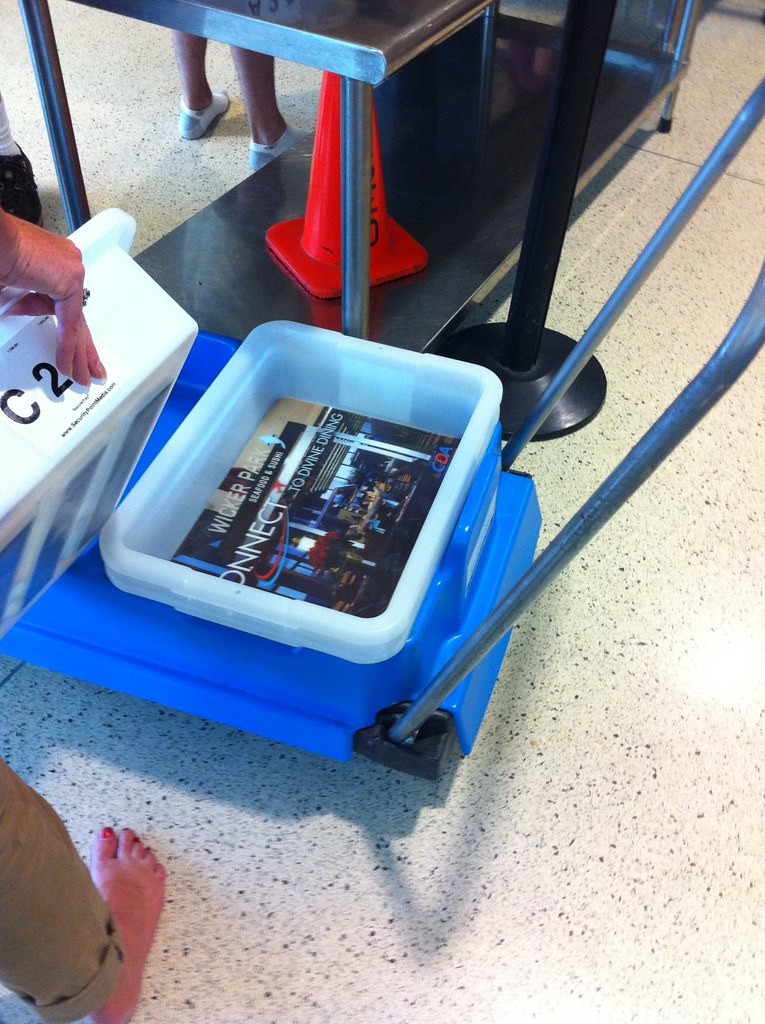
Navigating the complexities of airport security can often feel like a high-stakes operation, with numerous rules and procedures to follow. Among the many decisions travelers make in this environment, one seemingly small choice has gained attention from travel experts and security personnel alike: whether or not to place your mobile phone directly into the plastic security bins. While convenient, this practice is increasingly being discouraged due to significant concerns about hygiene and security. Understanding the reasons behind this advice can help travelers make more informed decisions and protect their personal belongings and well-being.
The Germ Factor: A Hidden Contamination Risk
Airport security bins have been identified as significant breeding grounds for germs and bacteria. Studies have shown that these plastic trays, which are handled by countless passengers daily, can harbor more pathogens than even airport toilets. Researchers have found viruses such as influenza A and rhinovirus—the common cause of colds—on half of the trays tested at various airports. This contamination occurs because the bins are rapidly recycled and touched by hundreds of individuals, some of whom may have recently stepped in unsanitary conditions or handled other germ-laden items. The non-porous nature of plastic further allows these viruses to survive for extended periods, increasing the potential for cross-contamination. Consequently, placing personal items like phones directly into these bins exposes them to a considerable microbial load.
The Vulnerability to Theft
Beyond the hygiene concerns, placing your phone in an airport security bin significantly increases its vulnerability to theft. Travel experts and former Transportation Security Administration (TSA) agents emphasize that phones are among the most commonly stolen items at security checkpoints. The reasoning is straightforward: when bins are placed on the conveyor belt, a phone left exposed is an easy target for opportunistic thieves who blend into the chaotic environment of the security line. In the hustle of removing other items, re-dressing, and gathering belongings, travelers can become distracted, providing a window for theft. Some TSA agents have even directly advised travelers that placing a phone in a bin is “the fastest way to get it stolen.” While there is no official data on the total number of stolen phones at U.S. airports, the TSA reports recovering approximately 90,000 to 100,000 lost items monthly, many of which are likely stolen electronics.
Accidental Mishaps and Loss
The risk associated with placing your phone in an airport security bin extends beyond intentional theft to include accidental loss. It is surprisingly easy for a small, unsecured item like a smartphone to be misplaced amidst the hurried process of gathering belongings after screening. A traveler might inadvertently pick up the wrong bin, mistaking it for their own, and inadvertently take someone else’s phone. Alternatively, a phone could fall out of a bin if it tips over, or simply be forgotten when the traveler is focused on collecting other possessions. Given that phones are essential for communication, navigation, and entertainment, losing one, whether through theft or simple forgetfulness, can significantly disrupt travel plans and lead to considerable expense and inconvenience.
Expert Recommendations and Best Practices
To mitigate the risks of germ exposure and theft, travel experts universally recommend keeping your phone securely stored within your carry-on bag during the security screening process. Many bags, particularly backpacks and purses, feature zippered interior pockets specifically designed for small electronics like phones, offering an added layer of security. The Transportation Security Administration (TSA) generally permits travelers to keep their phones in their bags unless an agent specifically requests otherwise. This approach not only shields the device from potential contaminants and thieves but also ensures that it remains accounted for throughout the screening procedure. By tucking your phone away, you significantly reduce the chances of it becoming a victim of either unfortunate circumstance.
Understanding TSA’s Electronics Policy
The Transportation Security Administration (TSA) has specific guidelines regarding electronic devices, although these primarily focus on larger items like laptops and tablets. While laptops and tablets are typically required to be removed from carry-on bags and placed in separate bins for clearer X-ray screening due to their size and density, this requirement generally does not extend to smaller personal electronics like smartphones. The FAA also mandates that portable electronic devices containing lithium batteries, which includes smartphones, should ideally be carried in carry-on baggage. This recommendation is to ensure the safety of the cabin in case of battery-related incidents. Therefore, keeping your phone in your bag during security is not only a matter of convenience and personal safety but also aligns with general aviation safety recommendations.
Hygiene Beyond the Bin
While avoiding placing your phone in the security bin is a crucial step, maintaining good hygiene throughout the airport experience is paramount. Given that airport security bins are a known hub for germs, experts strongly advise washing hands thoroughly with soap and water after passing through security checkpoints. Carrying hand sanitizer for use before and after the screening process can also be beneficial, especially if handwashing facilities are not immediately accessible. Additionally, consider cleaning any items that came into contact with the bin, such as your phone screen, once you have reached your destination or a more sanitary environment. This multi-faceted approach to hygiene helps minimize the overall risk of illness transmission during travel.