

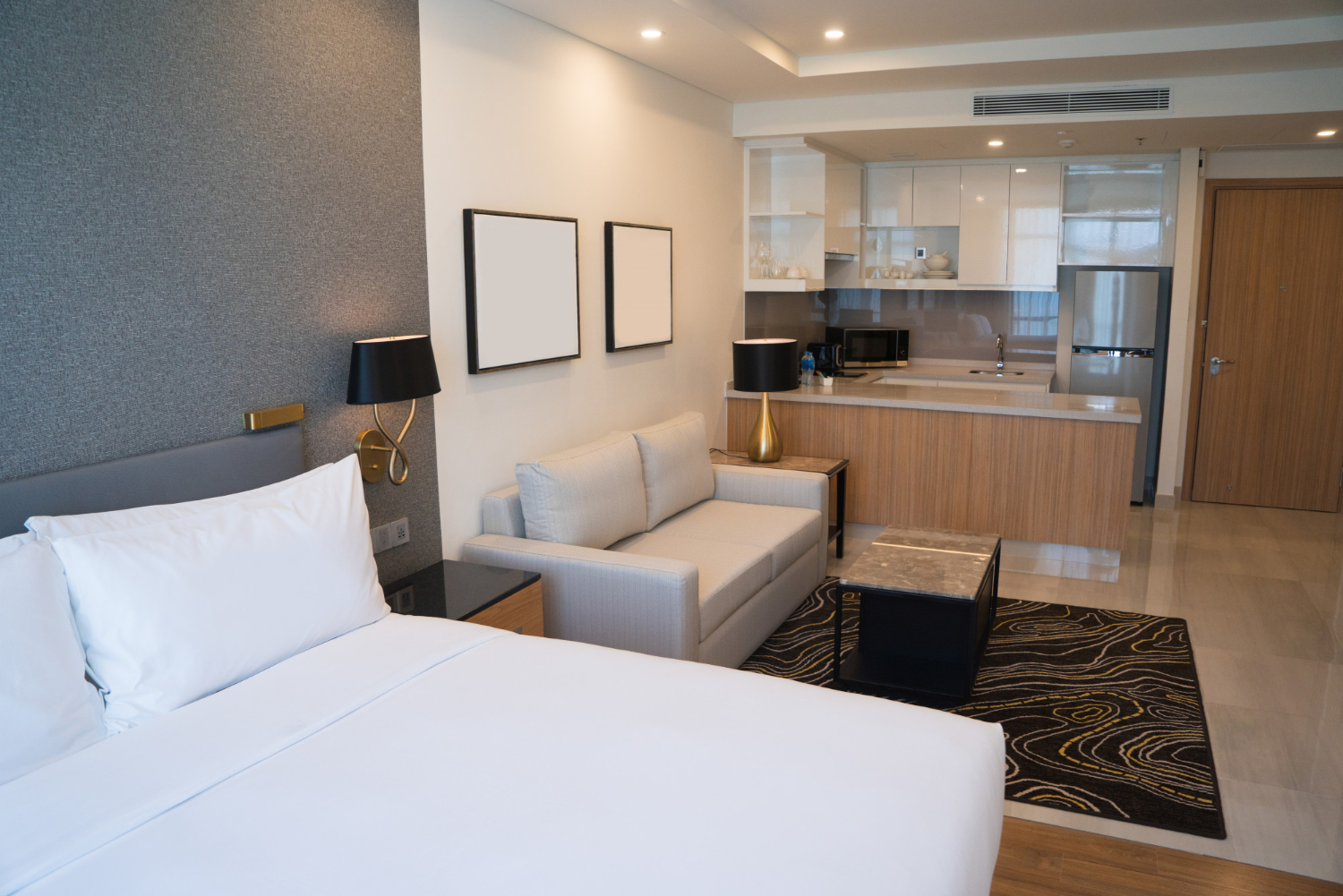
Hotel security consultant Chris McGoey recommends leaving one light on inside the room for a specific reason most travelers don’t think about: the appearance of occupancy from outside the door is one of the strongest deterrents against opportunistic hotel-room burglary. Combined with three other practical benefits, the bathroom light trick is one of the simplest hotel safety habits experienced travelers swear by.
If you’ve ever stayed in a hotel and noticed yourself instinctively leaving the bathroom light on at night, you’re not alone — and you’re not being irrational. The habit is widespread enough that hotel staff in some properties actively recommend it to guests. Quora threads, travel forums, and frequent flyer communities are full of people sharing the same advice. Most of them couldn’t articulate exactly why beyond “it just feels safer.”
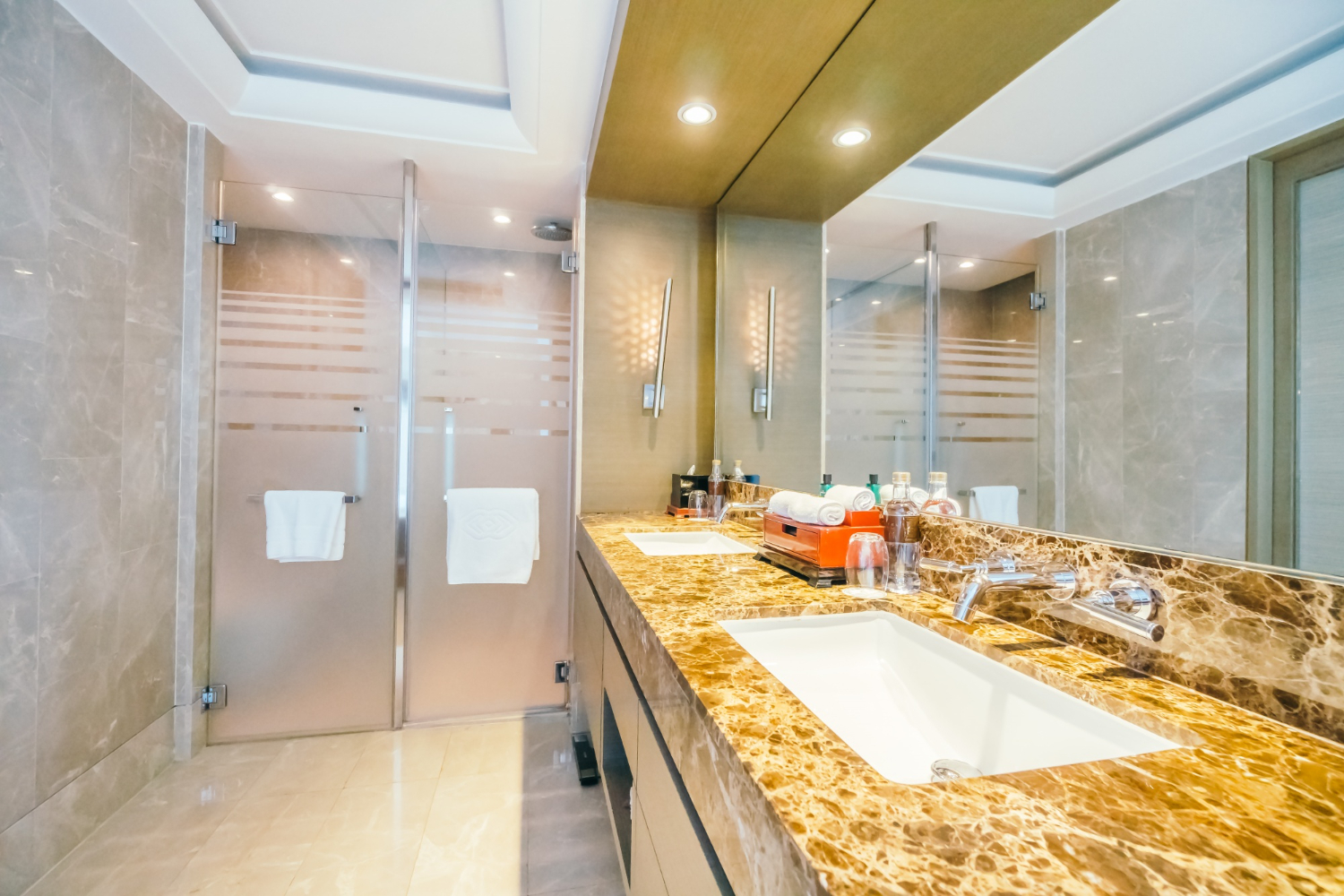
Security professionals can articulate the reasons specifically. Chris McGoey, a hotel security consultant who has published extensively on hotel safety (his Crime Doctor website is a longstanding resource for travelers), specifically recommends the practice. His advice on hotel room security includes: “Leave one light on inside the room if you will return after dark. This helps you see upon re-entry and gives the room the appearance of occupancy from the outside.” The bathroom is typically the best location for this light because it’s positioned to provide ambient illumination without being so bright that it disrupts sleep.
The practice serves four specific purposes — security, safety, comfort, and emergency preparedness — that combine to make it one of the simplest and most effective hotel travel habits. Here’s what the actual experts say about each.
1. The security reason: occupancy signaling
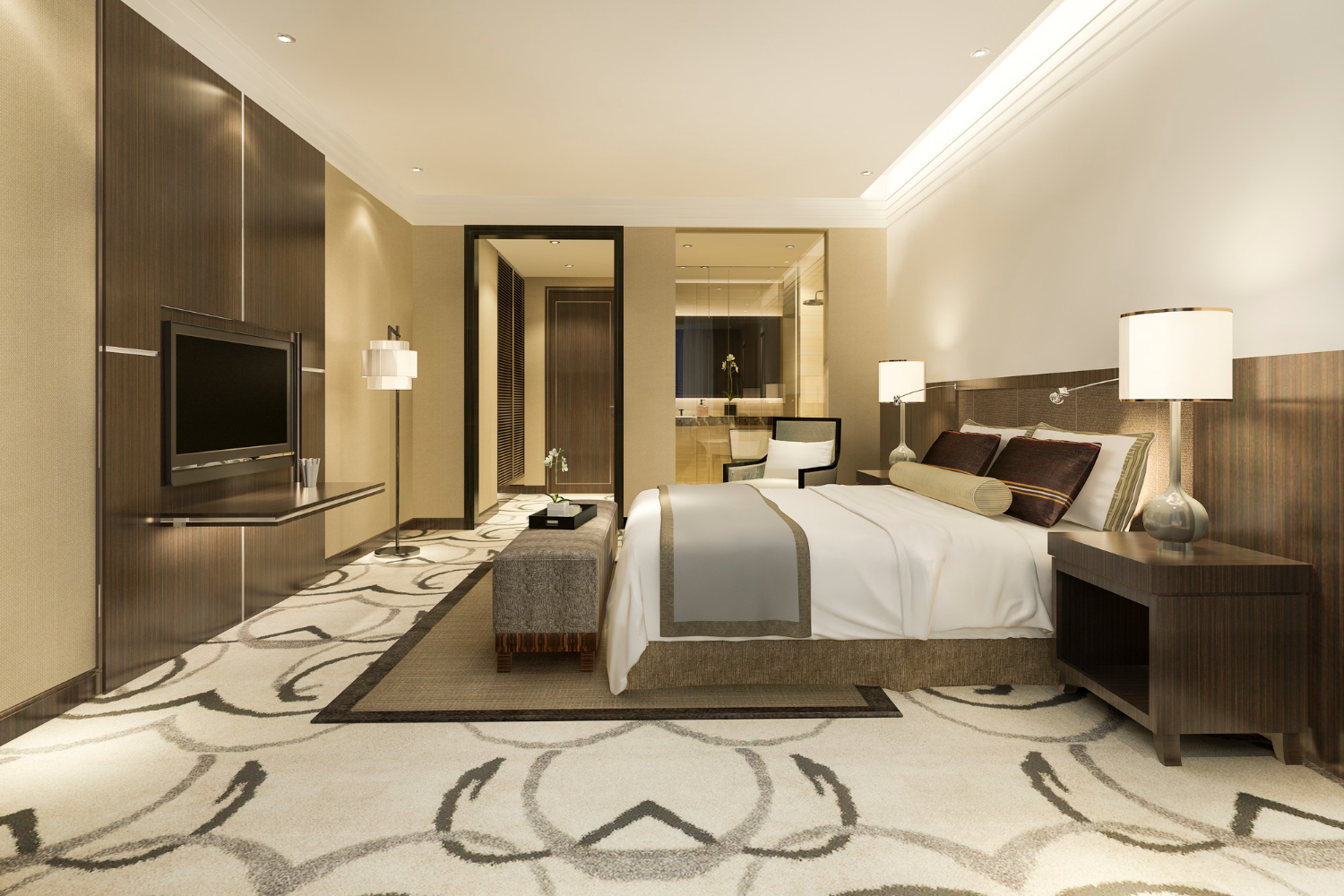
The most important reason for the bathroom light isn’t actually about your experience inside the room — it’s about what someone outside the room sees.
Hotel-room burglary is overwhelmingly opportunistic. Burglars don’t typically target specific rooms based on advance research. They walk hallways looking for indicators that a room is unoccupied: no light visible under the door, no sound from inside, “Do Not Disturb” signs absent (suggesting housekeeping has already cleared the room), key cards left in door slots that suggest the occupant has been out for hours.
A bathroom light visible under the door at night is one of the simplest occupancy signals. It tells anyone walking past that someone is awake or recently was — exactly the kind of uncertainty that opportunistic criminals avoid. As one online security commenter noted, hotel rooms with light visible from outside are statistically less likely to be targeted than completely dark rooms in the same hallway.
McGoey’s broader hotel security recommendations align with this principle. He specifically advises:
- Putting the “Do Not Disturb” sign on your doorknob even when you’re away
- Turning on the TV or radio just loud enough to be heard through the door
- Leaving lights on when you’ll return after dark
All three serve the same purpose: making your room look and sound occupied to the casual observer in the hallway.
The bathroom light specifically works because it’s typically positioned at the back of the hotel room. The light spills under the bathroom door, then under the main hotel room door — providing the visible-from-outside signal without requiring you to leave the brighter main room lights on while sleeping.
2. The safety reason: navigation in unfamiliar spaces
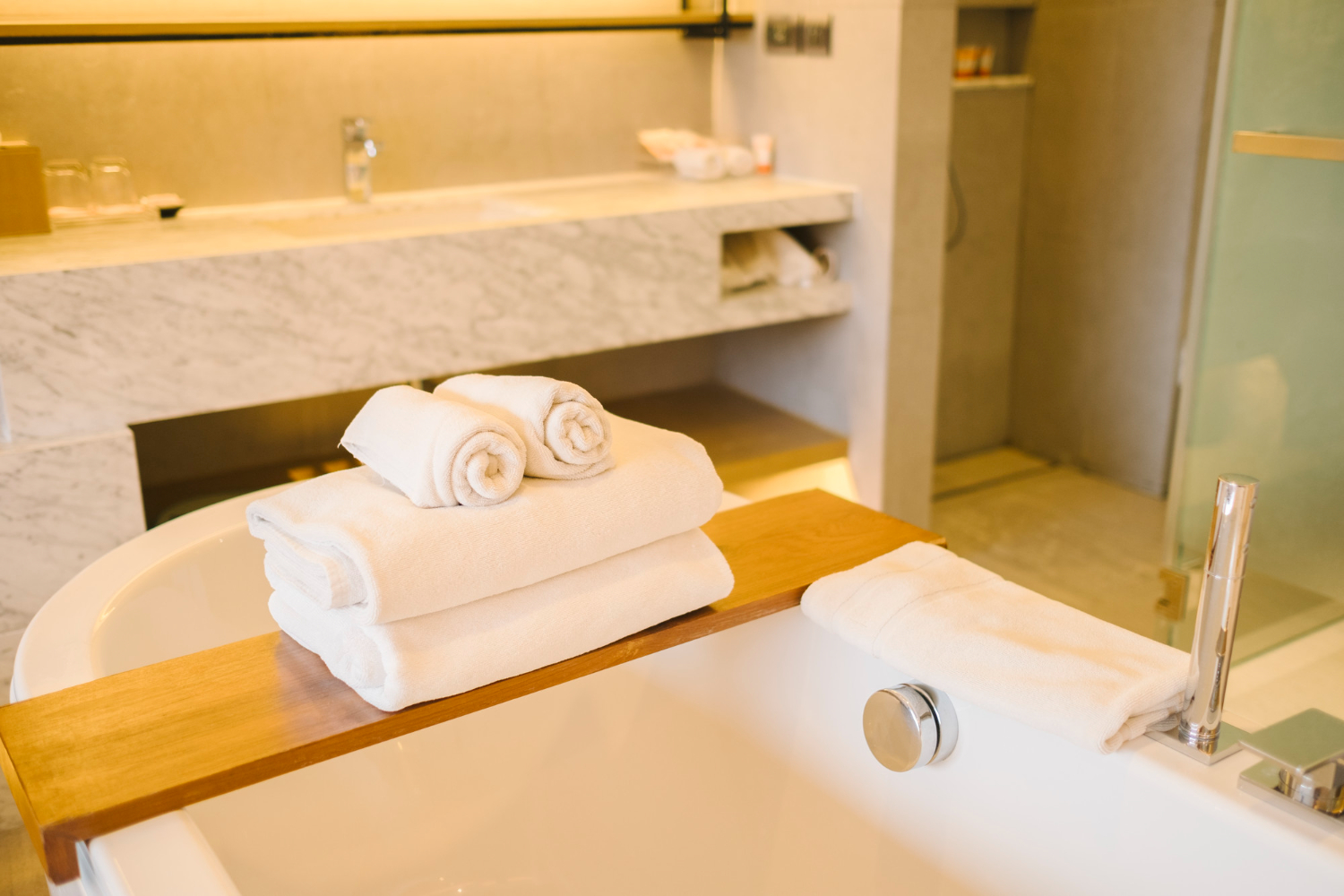
The second practical reason involves what happens when you actually need to move around the room at night.
Hotel rooms are obstacle courses for sleeping guests. The furniture layout is unfamiliar. Luggage may be on the floor in unexpected places. Coffee tables, dresser corners, and chair legs all become potential injuries when navigated in complete darkness. Adding the disorientation of just waking up to the unfamiliar layout produces genuine fall risk.
The injury statistics are real. Falls in hotels are a substantial source of guest injuries, and many occur during nighttime bathroom trips when guests try to navigate dark unfamiliar rooms half-awake. The bathroom light eliminates this risk by providing enough ambient illumination to see major furniture without being bright enough to fully wake you.
For older travelers specifically, this matters more. Older adults have reduced night vision, slower reaction times when stumbling, and substantially worse outcomes when they fall. The bathroom light serves as a passive safety system that requires no action on the traveler’s part once it’s on.
The recommended technique: leave the bathroom door slightly ajar, with the light on. The narrow gap of light spills enough into the bedroom to provide navigation reference points without illuminating the bedroom enough to disrupt sleep.
3. The comfort reason: sleep quality in unfamiliar environments
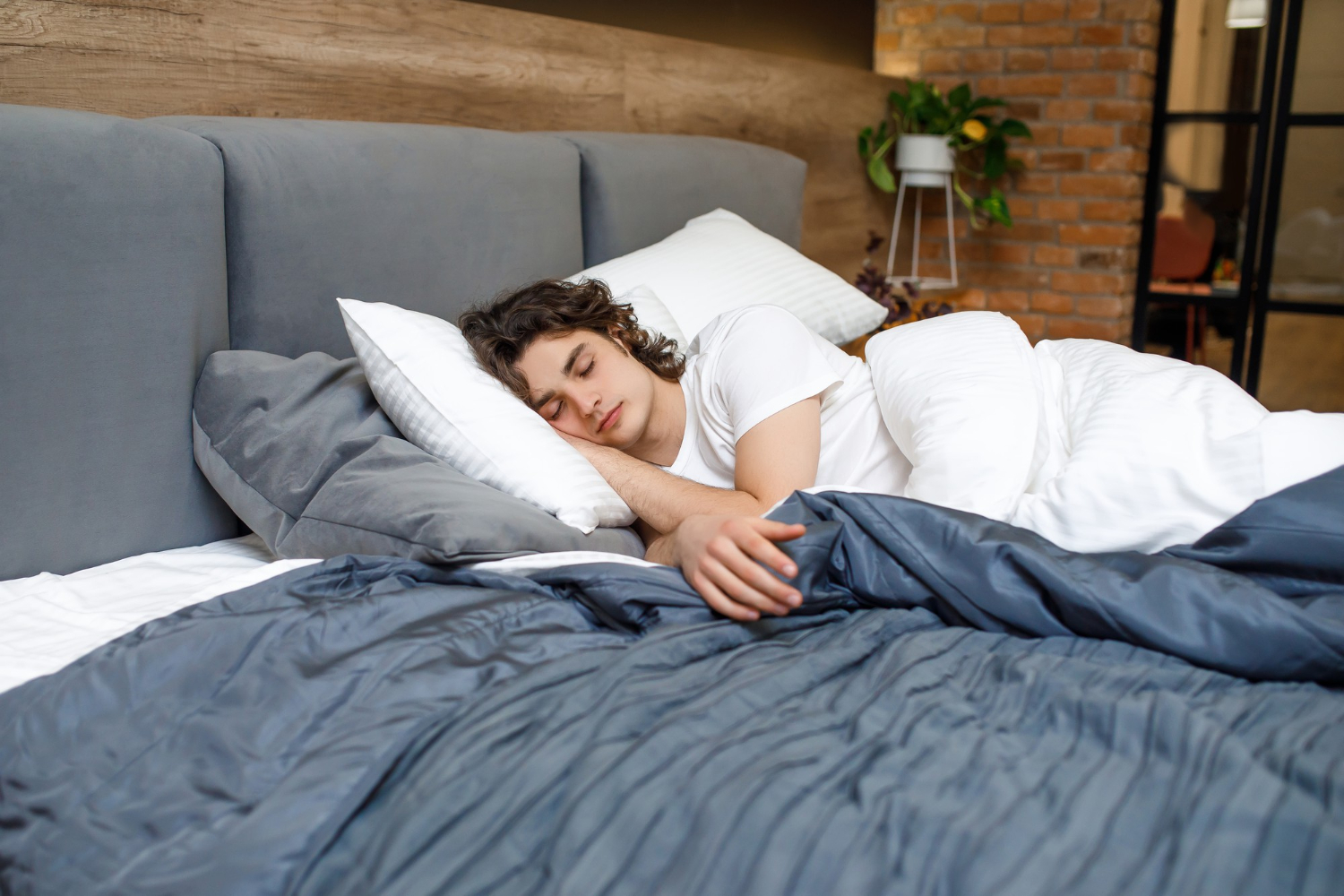
The third reason involves something psychological rather than practical: most people sleep better in unfamiliar environments with some light source than in complete darkness.
This isn’t about fear or being childish — it’s about how the human brain processes unfamiliar surroundings. Sleep researchers have documented that complete darkness in unfamiliar environments tends to increase what’s called “first-night effect” — the well-documented phenomenon where people sleep substantially worse the first night in a new location than they will on subsequent nights. The brain’s vigilance system stays partially activated, monitoring for unfamiliar stimuli. A small ambient light source signals that the environment is identifiable, which helps the brain partially deactivate the vigilance response.
The downside that sleep researchers have also documented: too much light during sleep suppresses melatonin production, the hormone that regulates sleep cycles. Bright lights, screens, and overhead lighting can substantially disrupt sleep quality. The bathroom-light technique threads this needle by providing minimal ambient light from a different room rather than direct light in the sleeping area.
For travelers experiencing jet lag, the partial light may have an additional benefit. Some travelers report that the partial illumination helps their body adjust to new time zones by providing a steady reference point during sleep cycles that may otherwise be disrupted. The evidence here is more anecdotal than scientific, but the practice doesn’t appear to harm jet lag adjustment.
4. The emergency reason: navigation when you need to leave fast
The fourth reason is the one that matters most when it matters at all: emergency situations.
Hotel emergencies are rare but serious. Fire alarms, gas leaks, severe weather requiring evacuation, intruder situations, medical emergencies requiring you to find your phone or medication quickly — all of these can require you to function effectively in a hotel room within seconds of waking up.
In complete darkness, the emergency response sequence is: wake up, recognize what’s happening, fumble for a light switch in an unfamiliar location, find the switch, turn on bright lights that further disorient you, then begin actually responding. This sequence can take 30-60 seconds even in best case, longer if you can’t immediately find the switch.
With the bathroom light already on, the sequence becomes: wake up, recognize what’s happening, immediately have visual reference points to navigate. The 30-60 second savings can matter in fire or medical emergencies.
One frequent traveler quoted in travel publications described her reasoning specifically: “I do not believe it is great to be tired, alone in a dark room, trying to find my eyeglasses, in a new location. One of my self-defense procedures is to always make sure I can find my exit in the event of an emergency.” The bathroom light serves as her always-on emergency navigation system.
For solo female travelers especially, this reasoning carries extra weight. The combination of unfamiliar location, disrupted sleep, and potential need to respond quickly to threats makes pre-positioned ambient lighting particularly valuable.
What about pests and insects?

A claim that circulates on lower-quality travel content sites is that leaving the bathroom light on deters insects, particularly cockroaches. The reality is more nuanced.
Cockroaches are indeed photophobic — they prefer darkness and avoid lit areas. So a bathroom light may discourage cockroaches from being active in the lit space. However, this benefit is minimal in most modern hotels, where pest management programs typically prevent cockroach populations from establishing in the first place.
The bigger concern with the “lights deter bugs” framing: lights actually attract many flying insects (moths, mosquitoes, certain beetles). In hotels with windows that don’t seal completely or with outdoor-access room designs, leaving lights on can increase rather than decrease insect presence.
The practical takeaway: the pest deterrent benefit of bathroom lights is real but minimal in most modern hotels. The other four benefits (security, navigation, comfort, emergency preparedness) are substantially more important reasons for the practice.
The proper technique
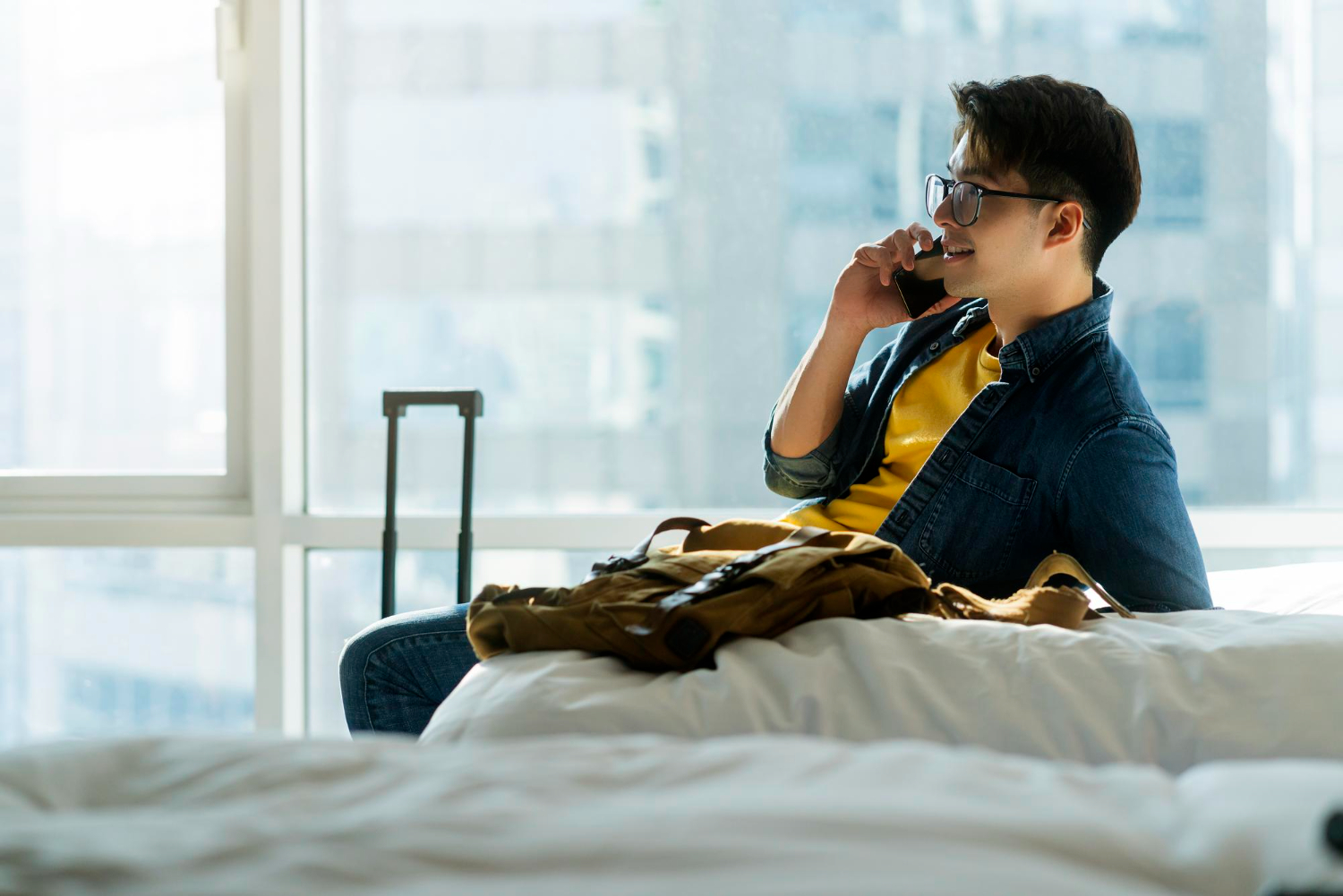
For travelers who want to implement this hotel safety practice effectively, the specific technique that maximizes benefits while minimizing downsides:
Leave the bathroom light on, not bedroom lights. Bedroom lights are too bright for sleep. The bathroom’s smaller, indirectly-positioned light provides the right amount of ambient illumination.
Crack the bathroom door 2-4 inches. This allows enough light to spill into the bedroom for navigation while creating a clear barrier between the light source and the sleeping area.
Verify the light visibility under the room door. Before going to sleep, briefly check from the hallway side (or have a travel companion check) whether the light is visible under the main room door. The visibility-from-hallway is what produces the security benefit.
Combine with other security practices. The bathroom light is one element of a comprehensive hotel security approach. Other practices include using the door deadbolt (not just the lock), engaging the door’s secondary security latch, using the “Do Not Disturb” sign even when you’re in the room, keeping valuables in the room safe, and noting emergency exit locations when you first arrive.
Consider your specific room layout. If your bathroom is positioned such that the light isn’t visible from the hallway (some hotel layouts have bathrooms set back away from the entry door), leave a desk lamp or floor lamp on instead. The principle is occupancy signaling, not the specific light source.
Be considerate of energy use. Modern LED hotel bathroom bulbs typically use 5-10 watts. Leaving one on for 8 hours uses approximately 40-80 watt-hours of electricity — less than your phone charger and a small fraction of typical hotel room energy use. The energy cost is negligible.
What the experts don’t tell you
A few additional details that travel security experts mention but that don’t always make it into the popular versions of this advice:
Check the actual locks first. McGoey’s broader hotel security advice emphasizes that the bathroom light is a supplement to physical security, not a replacement. The most important hotel security practices involve verifying your door locks function properly, using all available locks (deadbolt, latch, chain), and being deliberate about when you open the door (always verify identity through the peephole).
Know your room’s emergency exits. When you first check into a hotel, walk to the nearest emergency stairwell and count doors between your room and the exit. In a smoke-filled hallway, you can navigate by counting doors when you can’t see. The bathroom light helps you navigate the room in an emergency, but you still need to know where to go once you’re in the hallway.
Use the door’s secondary lock religiously. Modern hotel doors have a primary lock plus a secondary mechanism (latch, chain, or swing-arm). The primary lock can be defeated by hotel staff with master keys; the secondary lock cannot be opened from outside. Use it whenever you’re in the room.
Be cautious about door knocks. Legitimate hotel staff calls in advance for room service, maintenance, and similar. Unannounced knocks deserve cautious verification through the peephole. Multiple security incidents involve criminals impersonating hotel staff to gain room access.
The “Do Not Disturb” sign matters. Hanging the sign even when you leave the room signals to anyone walking past that the room is occupied. This complements the bathroom light approach.
What this represents in broader hotel safety

The bathroom light habit is part of what security professionals call “passive security” — security measures that work continuously without requiring active attention. Other passive security practices include the door locks, the safe in your room, the peephole, the emergency exit information posted on the back of your door.
Active security — looking through the peephole when there’s a knock, verifying staff identity, choosing where to put valuable items — works only when you’re paying attention. Passive security works while you sleep.
For most hotel guests, the actual security risks are low. Hotels are generally safe environments with substantial security infrastructure. The vast majority of hotel stays produce no security incidents whatsoever. But the cost of implementing passive security measures is typically minimal — a bathroom light, a properly-engaged deadbolt, a “Do Not Disturb” sign hung on the door — while the benefit when something does happen can be significant.
The travelers who develop these habits aren’t being paranoid. They’re being practical about a category of low-probability, high-consequence risk where small habit changes provide substantial protection. The bathroom light is one of the simplest such habits to develop.
Most travelers will sleep through hundreds of hotel stays without ever benefiting from leaving the bathroom light on. But the small percentage who experience attempted break-ins, fires, medical emergencies, or other situations requiring immediate response in unfamiliar darkness will be glad they developed the habit. As McGoey’s hotel security research consistently shows, the simplest preventive practices are often the most effective ones.
For your next hotel stay, the experiment costs nothing. Leave the bathroom light on with the door cracked. See whether you sleep better in the unfamiliar environment. Notice whether you feel more comfortable. Then decide whether to make it a permanent practice. Most travelers who try it once become permanent converts — which is exactly why the practice has spread so widely through travel and security communities, with surprisingly little fanfare considering how universally helpful it turns out to be.

